What Are Dermal Fillers? Uses, Types, Benefits and Risks Explained
Dermal fillers are injectable gel-like substances placed beneath the skin to restore lost volume, smooth wrinkles, and reshape facial contours without surgery. They are one of the most widely performed nonsurgical cosmetic procedures worldwide, yet many people considering them have questions about how they work, which type is appropriate for which concern, and what realistic results look like. This guide covers all of that — including the different filler types, treatment areas, benefits, risks, and how fillers compare to botulinum toxin treatments.
Key Takeaways
- Dermal fillers are minimally invasive injectable treatments used to add volume, soften wrinkles, and enhance facial features without surgery.
- Several distinct filler types exist — including hyaluronic acid, calcium hydroxylapatite, and poly-L-lactic acid — each suited to different treatment areas and goals.
- Results from hyaluronic acid fillers are reversible using an enzyme called hyaluronidase; most other filler types are not reversible in the same way.
- Serious complications are uncommon but possible, including vascular occlusion, which requires immediate medical attention — making provider selection critically important.
- A thorough consultation with a qualified injector is essential to determine which filler type, if any, is appropriate for your anatomy and goals.
What Are Dermal Fillers?
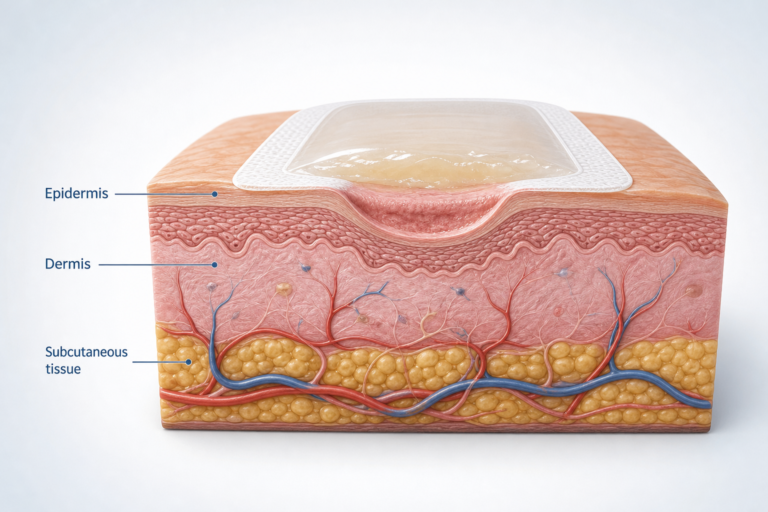
Dermal fillers — also called soft tissue fillers or injectable fillers — are substances injected into or beneath the skin to add volume, smooth lines, and improve contour. They work primarily by physically filling a space under the skin, though some types also stimulate the body’s own collagen production over time. Most fillers approved for cosmetic use in the UK and US are temporary and biodegradable, meaning the body gradually breaks them down after treatment.
The most commonly used dermal fillers are based on hyaluronic acid (HA), a sugar molecule that occurs naturally in the skin and connective tissue. HA attracts and binds water molecules, which is why hyaluronic acid fillers can plump and hydrate tissue effectively. Other filler types use different mechanisms — some deposit a mineral-like scaffold, others trigger a gradual collagen-building response — and these distinctions matter when choosing the right product for a specific concern.
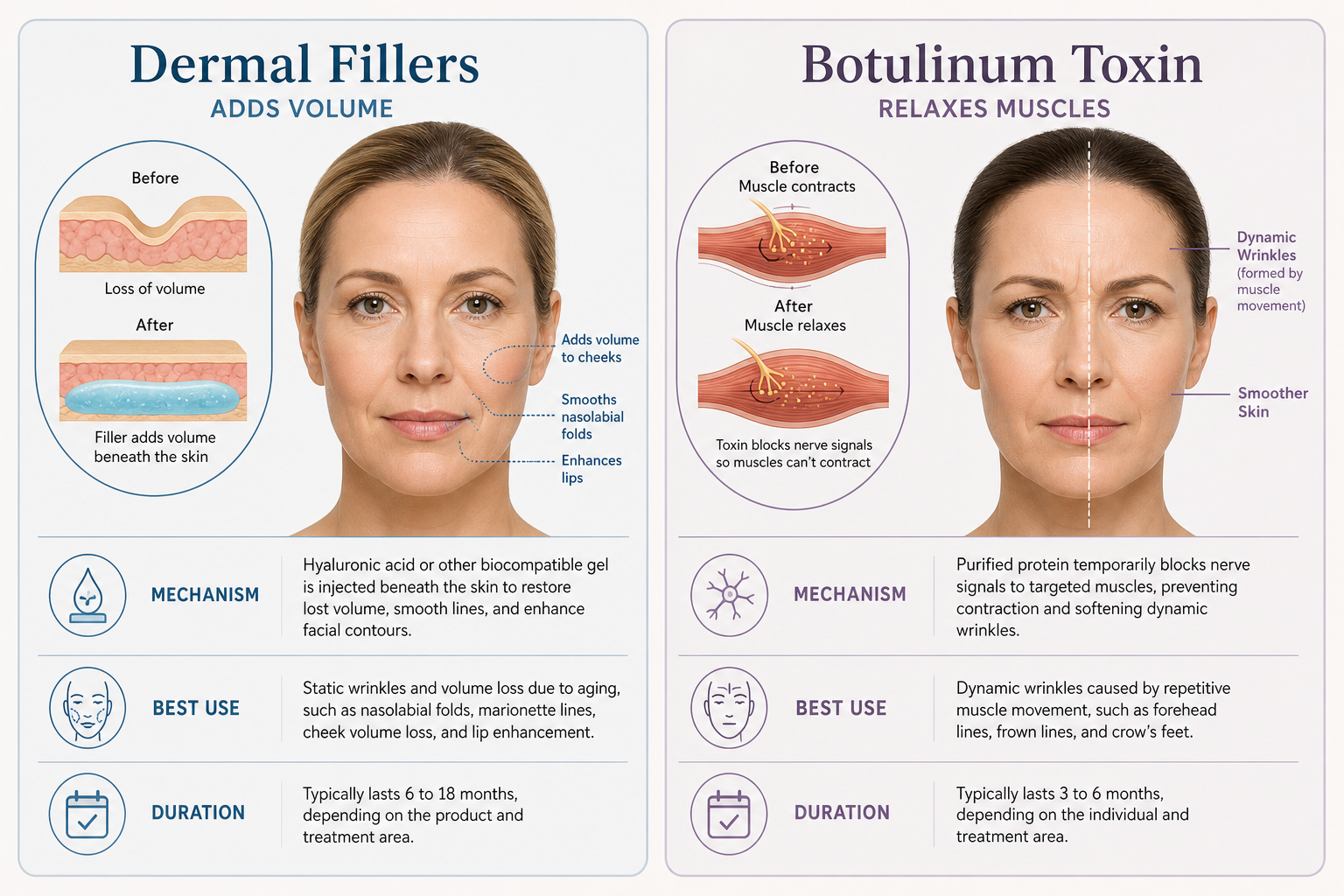
Dermal fillers are distinct from botulinum toxin treatments such as Botox. Fillers add volume and fill space; botulinum toxin relaxes muscles to reduce dynamic wrinkles caused by repeated facial movement. The two are often used together as part of a combined facial rejuvenation approach, but they address different concerns through entirely different mechanisms.
Types of Dermal Fillers
Understanding the main filler categories helps clarify why a practitioner might recommend one product over another for a given area or concern. The four principal types used in clinical practice are described below.
Hyaluronic Acid Fillers
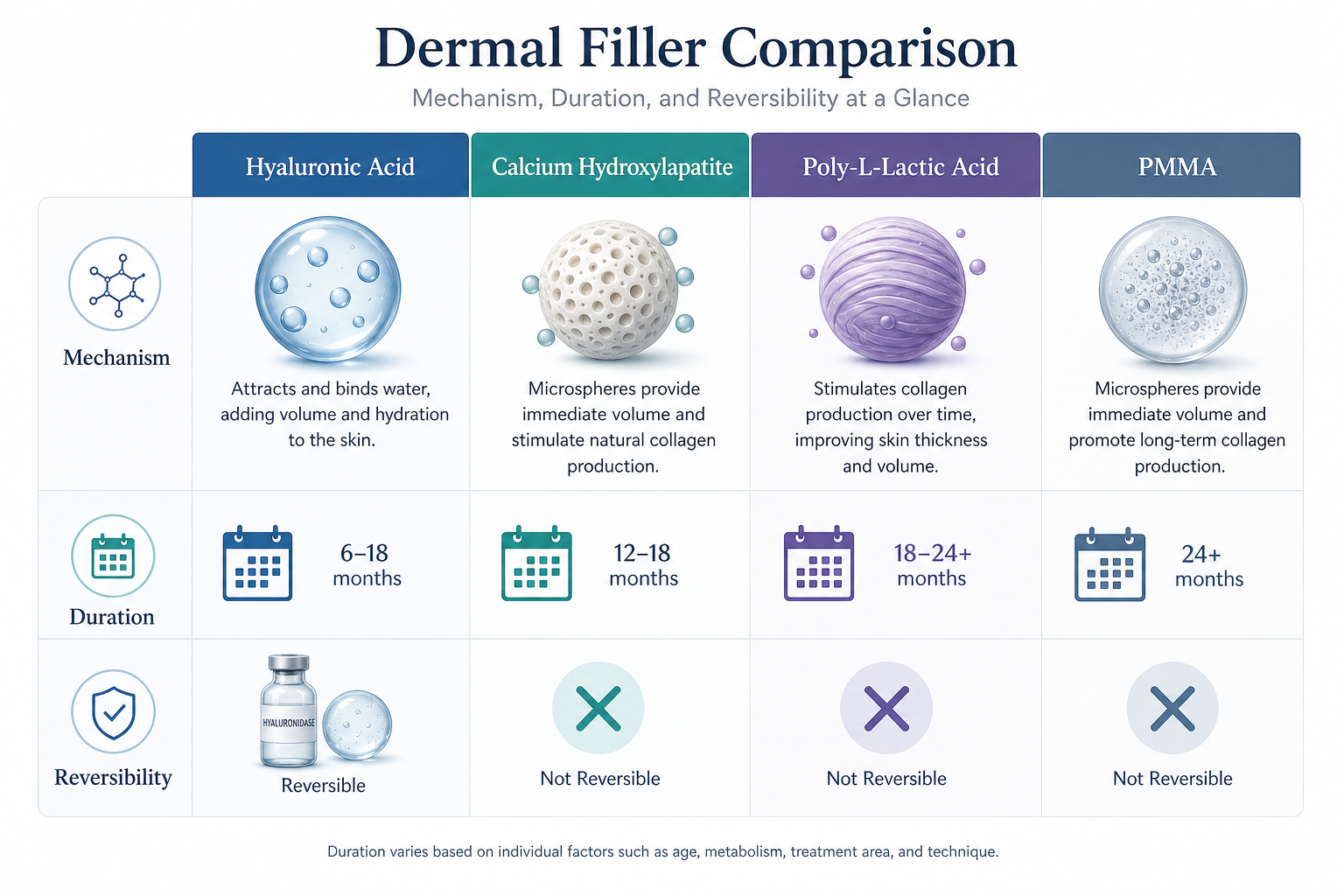
Hyaluronic acid fillers are the most widely used category and include well-known brands such as Juvéderm and Restylane. Because hyaluronic acid is naturally present in the body, these fillers are generally well tolerated. They provide immediate results, can be precisely placed at different depths depending on the concern, and — crucially — are reversible. If a result is unsatisfactory or a complication arises, an enzyme called hyaluronidase can be injected to dissolve the filler relatively quickly. This reversibility makes HA fillers the preferred choice for many practitioners, particularly in higher-risk areas such as the lips and tear troughs. Duration typically ranges from six months to around eighteen months depending on the product formulation, the treatment area, and individual metabolism.
Calcium Hydroxylapatite Fillers
Calcium hydroxylapatite (CaHA) is a mineral compound that occurs naturally in bone. In filler form — most commonly known under the brand name Radiesse — it is suspended in a gel carrier. CaHA fillers provide immediate volume and also stimulate collagen production as the carrier gel is absorbed, leaving a collagen scaffold behind. They tend to be thicker in consistency than most HA fillers, making them better suited to deeper structural areas such as the cheeks, jawline, and hands rather than superficial lines or the lips. CaHA fillers are not reversible with hyaluronidase, so precise placement by an experienced practitioner is particularly important.
Poly-L-Lactic Acid Fillers
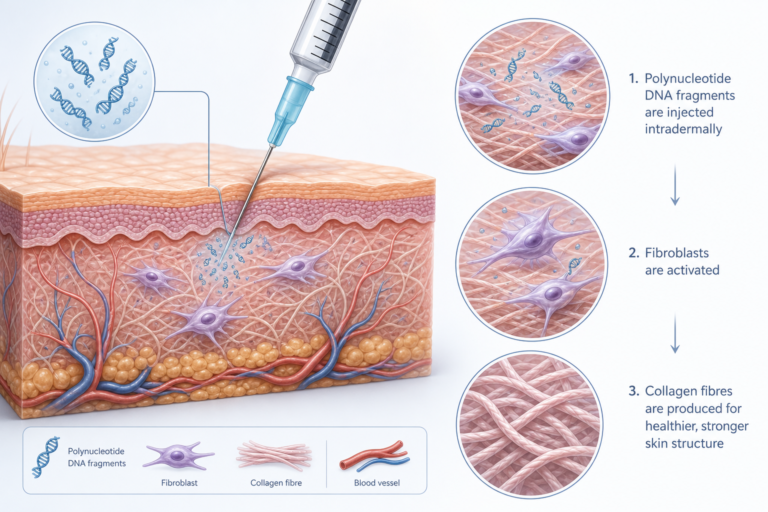
Poly-L-lactic acid (PLLA) fillers, sold under the brand name Sculptra, belong to a category often called biostimulatory fillers or collagen stimulators. Rather than providing immediate volume fill, PLLA works by triggering a gradual collagen-building response in the tissue. Results develop progressively over several weeks to months and typically require a series of treatment sessions. The outcome can be subtle and natural-looking, with effects lasting up to two years or more in some patients. Because results are not immediate and the filler itself is not reversible, PLLA is generally recommended for patients seeking gradual, diffuse volume restoration rather than targeted structural augmentation.
Polymethylmethacrylate Fillers
Polymethylmethacrylate (PMMA) fillers, such as Bellafill, contain tiny microspheres suspended in a collagen gel. Unlike the other categories, PMMA is considered a semi-permanent filler because the microspheres are not absorbed by the body. This longevity can be an advantage for patients seeking durable correction of deep acne scars or nasolabial folds, but it also means that any complications or unsatisfactory results are significantly more difficult to manage. PMMA fillers are generally reserved for specific indications and experienced practitioners, and they are not appropriate for all patients or all areas.
| Filler Type | Example Brands | Mechanism | Typical Duration | Reversible? | Best Suited For |
|---|---|---|---|---|---|
| Hyaluronic acid (HA) | Juvéderm, Restylane | Volume fill, water retention | 6–18 months | Yes (hyaluronidase) | Lips, cheeks, tear troughs, nasolabial folds |
| Calcium hydroxylapatite (CaHA) | Radiesse | Volume fill + collagen stimulation | 12–18 months | No | Cheeks, jawline, hands |
| Poly-L-lactic acid (PLLA) | Sculptra | Collagen stimulation (biostimulatory) | Up to 2+ years | No | Diffuse volume loss, temples, cheeks |
| Polymethylmethacrylate (PMMA) | Bellafill | Permanent microspheres + collagen | Semi-permanent | No | Deep acne scars, nasolabial folds |
What Can Dermal Fillers Treat?
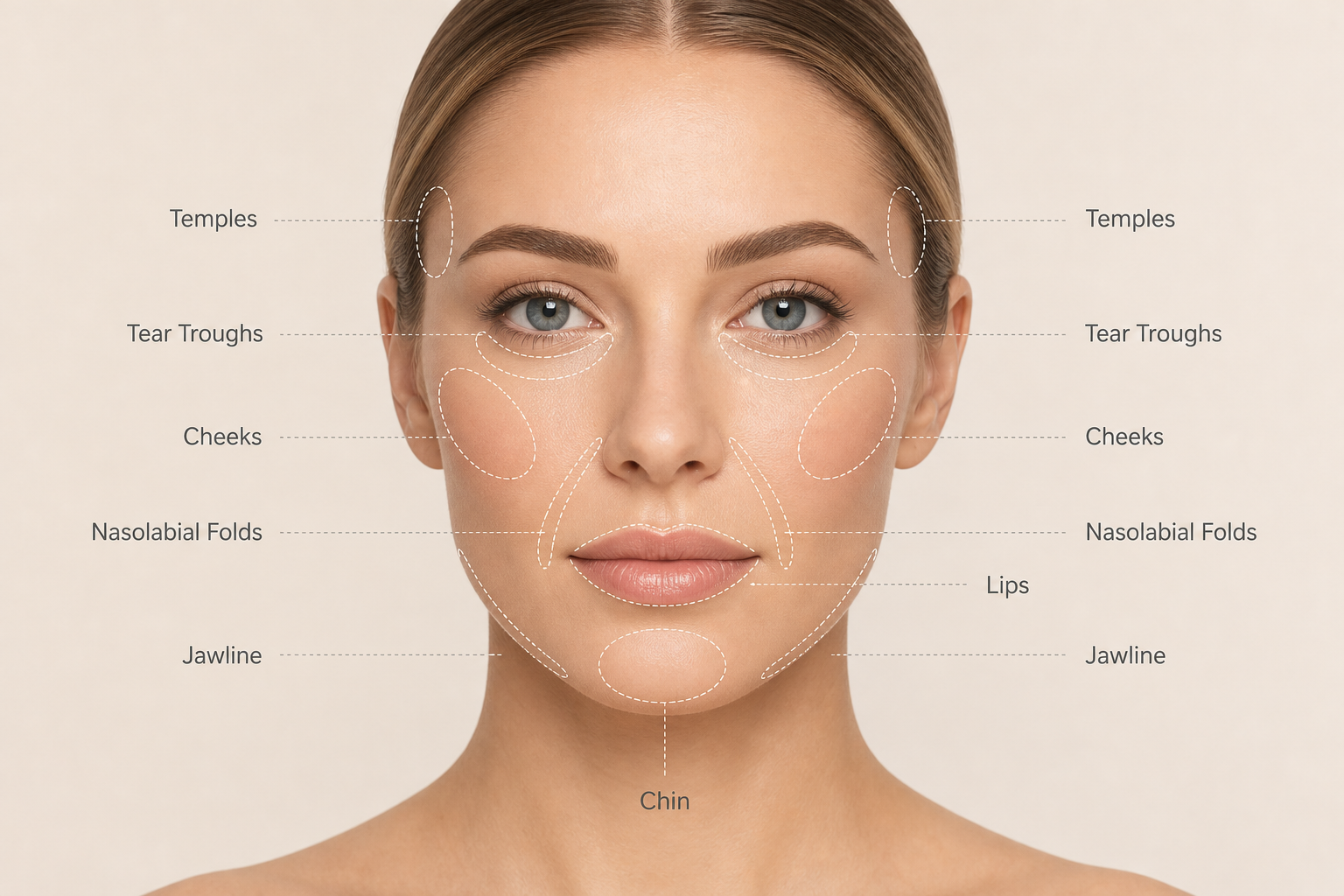
Dermal fillers can address a wide range of cosmetic concerns across the face and, in some cases, the hands. The appropriate filler type and technique vary considerably by treatment area, which is why a thorough assessment by a qualified injector is necessary before any treatment.
Lips
Lip augmentation is one of the most requested filler treatments. Hyaluronic acid fillers are the standard choice for the lips because they can be precisely shaped, feel soft and natural, and are reversible if the result is not as expected. Fillers can add volume to thin lips, define the lip border, correct asymmetry, or address fine perioral lines (sometimes called smoker’s lines) around the mouth. Results typically last six to twelve months in the lips, as this area experiences significant movement.
Cheeks and Midface
Volume loss in the cheeks and midface is a common sign of facial ageing. Filler placed in the cheek area can restore a lifted, more youthful contour and may also indirectly soften the appearance of nasolabial folds by supporting the overlying tissue. Both HA fillers and CaHA fillers are used for cheek augmentation, with the choice depending on the degree of volume loss and the patient’s anatomy. Cheek fillers tend to last longer than lip fillers — often twelve to twenty-four months — because the area has less movement.
Nasolabial Folds and Smile Lines
Nasolabial folds are the lines that run from the sides of the nose to the corners of the mouth. These are static wrinkles — present at rest rather than caused by muscle movement — which means botulinum toxin alone is unlikely to address them effectively. Dermal fillers placed along or beneath these folds can soften their appearance. The degree of improvement depends on the depth of the fold and the underlying cause; very deep folds may require a combination of cheek support and direct fold treatment.
Tear Troughs and Under-Eye Area
The tear trough is the groove that forms between the lower eyelid and the cheek, often creating a hollow or shadowed appearance. Filler in this area can reduce the appearance of under-eye hollows, though this is considered a technically demanding treatment area. The skin here is thin, and the risk of visible lumps, bluish discolouration (the Tyndall effect), or vascular complications is higher than in other areas. Most practitioners use a soft, low-viscosity hyaluronic acid filler for tear troughs and recommend conservative treatment volumes.
Jawline and Chin
Jawline contouring with fillers has become increasingly popular as a non-surgical alternative to implants or surgery. Filler placed along the jawline can sharpen definition, reduce the appearance of jowling, and create a more structured profile. Chin filler can project or lengthen the chin, improving facial balance. These are structural areas where firmer, more supportive filler formulations are typically used.
Temples
Temple hollowing is a common but often overlooked sign of facial volume loss. Filler in the temples can restore a fuller, more youthful upper face and is frequently used as part of a comprehensive facial rejuvenation approach. The temples contain important blood vessels, so this area requires careful technique from an experienced practitioner.
Hands
The hands are one of the most visible signs of ageing, yet hand rejuvenation with fillers remains an underutilised treatment. Volume loss in the back of the hands makes tendons and veins more prominent. CaHA fillers have an FDA-approved indication for hand augmentation, and HA fillers are also used off-label for this purpose. Results can make the hands appear fuller and less aged.
Acne Scars
Certain types of acne scars — particularly rolling and boxcar scars — may respond to filler treatment. Injecting filler beneath a depressed scar can lift it to the level of the surrounding skin. This is typically a targeted, precise technique and may be combined with other scar treatments such as microneedling or laser resurfacing for more comprehensive improvement.
Medical and Therapeutic Uses
Beyond cosmetic applications, some dermal fillers have FDA-approved uses for medical conditions. Notably, certain HA and PLLA fillers are approved for the correction of facial fat loss (lipoatrophy) in people living with HIV who have experienced significant facial wasting as a side effect of antiretroviral therapy. This therapeutic application is distinct from cosmetic use and is an important part of the broader clinical picture of what soft tissue fillers can achieve.
Dermal Fillers vs. Botox: Key Differences
Dermal fillers and botulinum toxin treatments (commonly known by the brand name Botox) are frequently confused or conflated, but they work through entirely different mechanisms and address different types of concerns.
| Characteristic | Dermal Fillers | Botulinum Toxin (e.g. Botox) |
|---|---|---|
| Mechanism | Adds volume beneath the skin | Relaxes muscles to reduce movement |
| Best for | Static wrinkles, volume loss, contouring | Dynamic wrinkles (expression lines) |
| Common areas | Lips, cheeks, nasolabial folds, jawline | Forehead, frown lines, crow’s feet |
| Onset of results | Immediate (most types) | 3–7 days, full effect at 2 weeks |
| Duration | 6 months to 2+ years (type dependent) | Typically 3–4 months |
| Reversible? | HA fillers only (hyaluronidase) | Not reversible; effects wear off naturally |
| Can they be combined? | Yes — often used together as a “liquid facelift” approach | |
Botulinum toxin is most effective for dynamic wrinkles — lines that appear or deepen during facial expressions, such as forehead lines, frown lines between the brows, and crow’s feet around the eyes. These wrinkles are caused by repeated muscle contraction, and relaxing the muscle reduces their appearance. Dermal fillers, by contrast, are better suited to static wrinkles that are visible at rest, and to areas where volume has been lost or structural support is needed.
Many patients benefit from a combination of both treatments. A practitioner might use botulinum toxin to soften forehead lines and crow’s feet while using fillers to restore cheek volume and soften nasolabial folds. This combined approach — sometimes called a liquid facelift — can produce a more comprehensive result than either treatment alone, though it also involves greater cost and a more detailed treatment plan.
Benefits of Dermal Fillers
- Immediate results: Most filler types produce visible improvement straight after treatment, with final results apparent once any swelling has settled — usually within one to two weeks.
- Minimally invasive: Fillers require only injections, with no incisions, general anaesthesia, or surgical recovery.
- Customisable: The type, volume, and placement of filler can be tailored to individual anatomy and aesthetic goals.
- Reversibility (HA fillers): Hyaluronic acid fillers can be dissolved with hyaluronidase if the result is unsatisfactory or a complication occurs, providing a meaningful safety net not available with other filler types.
- Minimal downtime: Most patients return to normal activities the same day or the following day, though some bruising and swelling is common.
- Natural-looking results: When performed by a skilled practitioner using appropriate volumes, fillers can produce subtle, natural-looking results rather than an obviously treated appearance.
- Collagen stimulation (select types): Biostimulatory fillers such as Sculptra and Radiesse offer the additional benefit of encouraging the body’s own collagen production over time.
Risks and Side Effects
Dermal fillers are not without risk, and understanding the full spectrum of possible side effects is an important part of informed consent before treatment.
Common Side Effects
The most frequently reported side effects are related to the injection itself and typically resolve within a few days to two weeks. These include bruising at the injection site, swelling, redness, tenderness, and mild itching. These reactions are expected and generally manageable with cold compresses and, where appropriate, arnica.
Less Common Side Effects
Some patients experience lumps or nodules under the skin, particularly if filler is placed too superficially or if the product is not well suited to the treatment area. Asymmetry, filler migration (where the product shifts from the intended location over time), and the Tyndall effect (a bluish discolouration visible through thin skin, most often seen in the tear trough area) are also possible. These issues may resolve on their own or may require treatment with hyaluronidase in the case of HA fillers.
Rare but Serious Complications
The most serious complication associated with dermal fillers is vascular occlusion — blockage of a blood vessel by filler material, either through direct injection into a vessel or compression of a vessel by surrounding filler. Vascular occlusion can lead to tissue death (necrosis) and, in rare cases involving vessels connected to the eye, permanent vision loss. This is a medical emergency requiring immediate treatment. The risk is not zero even in experienced hands, which is why choosing a qualified injector with appropriate training, access to hyaluronidase, and a clear emergency protocol is essential. Other rare complications include infection, granuloma formation (a chronic inflammatory reaction), and allergic reactions.
What to Expect Before, During, and After Treatment
A responsible filler treatment begins with a thorough consultation. A qualified practitioner will review your medical history, current medications (including blood thinners and supplements that may increase bruising), and any previous filler treatments. Pregnancy and breastfeeding are contraindications for elective filler treatment. Active skin infections or inflammatory conditions in the treatment area should be resolved before proceeding.
During the appointment, the skin is cleaned and a topical numbing cream or local anaesthetic may be applied. Many filler products also contain lidocaine, a numbing agent, within the gel itself to improve comfort during injection. The procedure typically takes between fifteen and forty-five minutes depending on the number of areas treated. Most patients describe the sensation as mild pressure or a brief sting rather than significant pain.
After treatment, it is generally advisable to avoid strenuous exercise, alcohol, and significant heat exposure (such as saunas or hot yoga) for at least twenty-four to forty-eight hours, as these can increase swelling and bruising. Makeup is usually best avoided for the first twelve hours over injection sites. Facials, chemical peels, and laser treatments are typically deferred for at least two weeks to allow the filler to settle and reduce the risk of displacement or irritation.
How Long Do Dermal Fillers Last?
Filler longevity varies considerably depending on the product type, the treatment area, the volume used, and individual factors such as metabolism and lifestyle. As a general guide, lips tend to show the shortest duration — often six to twelve months — because of the constant movement in that area. Cheeks and jawline treatments may last twelve to twenty-four months. Biostimulatory fillers such as Sculptra can produce effects lasting two years or more in some patients, though results develop gradually and require multiple sessions.
When fillers wear off, the tissue gradually returns toward its pre-treatment baseline. There is no evidence that temporary fillers cause permanent stretching or accelerated ageing when used in appropriate volumes. Maintenance treatments or touch-up sessions can be scheduled to sustain results, and many patients find that the interval between treatments can sometimes be extended after several rounds of treatment, particularly with collagen-stimulating products.
Choosing a Provider: What Matters Beyond Credentials
Selecting a qualified injector is the single most important safety decision a patient can make. In the UK, regulations around who can legally administer fillers have been tightening, and from 2023 onwards, certain filler procedures require a prescription from a registered healthcare professional. Regardless of local regulation, patients should look for practitioners with formal training in facial anatomy, injectable techniques, and complication management — not simply a certificate from a short course.
Practical questions worth asking before treatment include: What filler product will be used, and is it a recognised brand with a safety record? Does the practitioner have hyaluronidase available on-site in case of a vascular emergency? Can they provide before-and-after examples of their own work? What is their protocol if a complication occurs after you leave the clinic? A practitioner who is unwilling to answer these questions clearly, who offers unusually low prices, or who does not conduct a proper consultation before treatment should be approached with caution.
Frequently Asked Questions
Are dermal fillers the same as Botox?
No. Dermal fillers add volume beneath the skin using a gel-like substance, while botulinum toxin treatments such as Botox work by temporarily relaxing muscles to reduce expression-related wrinkles. They address different concerns and work through different mechanisms, though they are often used together.
Can dermal fillers be removed if I don’t like the result?
Hyaluronic acid fillers can be dissolved using an enzyme called hyaluronidase, which breaks down the HA relatively quickly. This reversibility is one of the key advantages of HA fillers. Other filler types — including CaHA, PLLA, and PMMA — cannot be dissolved in the same way, so results must be allowed to wear off naturally or, in the case of PMMA, may be very difficult to reverse at all.
How much do dermal fillers cost?
Pricing varies by clinic, practitioner experience, geographic location, and the type and volume of filler used. In the UK, a single syringe of hyaluronic acid filler typically costs between £200 and £600, though some areas or products may cost more. Biostimulatory fillers such as Sculptra are often priced per vial and may require multiple sessions, making the overall cost higher. Be cautious of prices that seem unusually low, as this may reflect unbranded or unregulated products.
At what age can someone have dermal fillers?
Most reputable practitioners will not treat patients under the age of eighteen for cosmetic filler procedures, and many prefer to treat patients aged twenty-two or older for elective aesthetic treatments. There is no upper age limit, though the appropriate filler type and technique may differ for older patients with significant volume loss or skin laxity.
Do dermal fillers hurt?
Most patients find filler injections uncomfortable rather than significantly painful. Topical numbing cream is usually applied beforehand, and many filler products contain lidocaine within the gel to reduce discomfort during injection. Sensitivity varies by individual and by treatment area — the lips tend to be more sensitive than the cheeks, for example.
Can fillers be used with other treatments?
Yes. Dermal fillers are frequently combined with botulinum toxin treatments, skin boosters, and energy-based treatments such as radiofrequency or laser. However, the timing and sequencing of combination treatments should be planned carefully with your practitioner to avoid interference between treatments and to allow adequate healing time.
What happens when fillers wear off?
As the filler is gradually broken down and absorbed by the body, the treated area returns toward its pre-treatment appearance. There is no evidence that temporary fillers cause the skin to sag more than it would have without treatment when used in appropriate volumes. Patients who wish to maintain their results can schedule maintenance treatments, typically before the filler has fully worn off.
Is a Dermal Filler Treatment Right for You?
Dermal fillers can be an effective, minimally invasive option for patients seeking to restore lost volume, soften static wrinkles, or enhance specific facial features without surgery. The range of available filler types — from reversible hyaluronic acid fillers to gradual biostimulatory fillers — means that treatment can often be tailored to a patient’s specific concerns, anatomy, and preference for how quickly results develop.
That said, fillers are not suitable for everyone, and the decision should never be taken lightly. The risk of serious complications, while uncommon, is real — and it is directly influenced by the skill and training of the practitioner performing the treatment. Realistic expectations are also important: fillers can improve but not eliminate signs of ageing, and results are temporary, requiring ongoing maintenance to sustain.
If you are considering dermal filler treatment, the most useful first step is a consultation with a qualified, medically trained injector who can assess your anatomy, discuss appropriate options, and give you an honest picture of what treatment can and cannot achieve for your specific concerns. A good practitioner will never pressure you into treatment and will be transparent about both the benefits and the limitations of what they are recommending.