
Radiesse Filler Treatments in London
Facial ageing is often linked to age-related changes in facial support that may affect contour and proportion, rather than surface texture alone. For patients considering Radiesse in London, the treatment may be used by independent specialists to help address volume loss, restore facial volume and support skin firmness, depending on individual anatomy and treatment goals.
Patients researching treatment options can compare verified practitioners through Science Beauty, an independent platform connecting users with clinics that assess candidacy on an individual basis. Suitability for a Radiesse filler is determined at consultation, not before.

carrying out the procedure on the day of the appointment
How Much Does Radiesse Filler Cost in London?
Direct Answer
When comparing Radiesse filler London clinics, typical treatment fees range from £400 to £650 per syringe, with an average of around £500. The final fee varies according to syringe size (0.8cc or 1.5cc), practitioner qualifications and clinic location, with a smaller 0.8cc syringe typically starting from around £390–£450.
Typical Radiesse Filler Prices in London
- 0.8cc syringe: £390–£500
- 1.5cc syringe: £500–£650
- Premium / Harley Street syringe: £650–£800
- Hand rejuvenation package (2 syringes): £700–£1,000
- Touch-up (within recommended window): £250–£350
Key Pricing Factors
- Practitioner qualifications: GMC-registered doctors and experienced NMC-registered aesthetic nurses charge more, as Radiesse is a longer-lasting, technique-sensitive biostimulator filler.
- Clinic location: Harley Street and central London clinics typically charge 30–60% more than equivalent treatments in outer London.
- Syringe size: The larger 1.5cc syringe delivers roughly 2× the product of the 0.8cc size, directly increasing the price.
- Treatment area: Larger areas such as the cheeks or jawline typically require more product than smaller areas like nasolabial folds, increasing overall cost accordingly.
- What’s included: Some clinics quote a low headline price and bill the consultation or additional syringes needed for full correction separately.
What Should Be Included in the Price
- Consultation with a GMC or NMC registered medical injector
- Confirmation of the specific syringe size and product used, in writing
- Local anaesthetic or lidocaine-containing formulation for comfort
- Guidance on the expected 12–18 month duration of results
- Follow-up review to assess volume and symmetry
Pricing Red Flags
Radiesse filler advertised below £250 in London is a warning sign rather than a bargain. Suspiciously low prices usually indicate one of: an unqualified injector, an unverified or counterfeit product, or a non-clinical setting. Correcting a complication — nodules, asymmetry, or vascular occlusion — costs significantly more than a properly performed treatment in a CQC-regulated clinic.
For a personalised quote based on the area and number of syringes right for your face, book a free consultation.

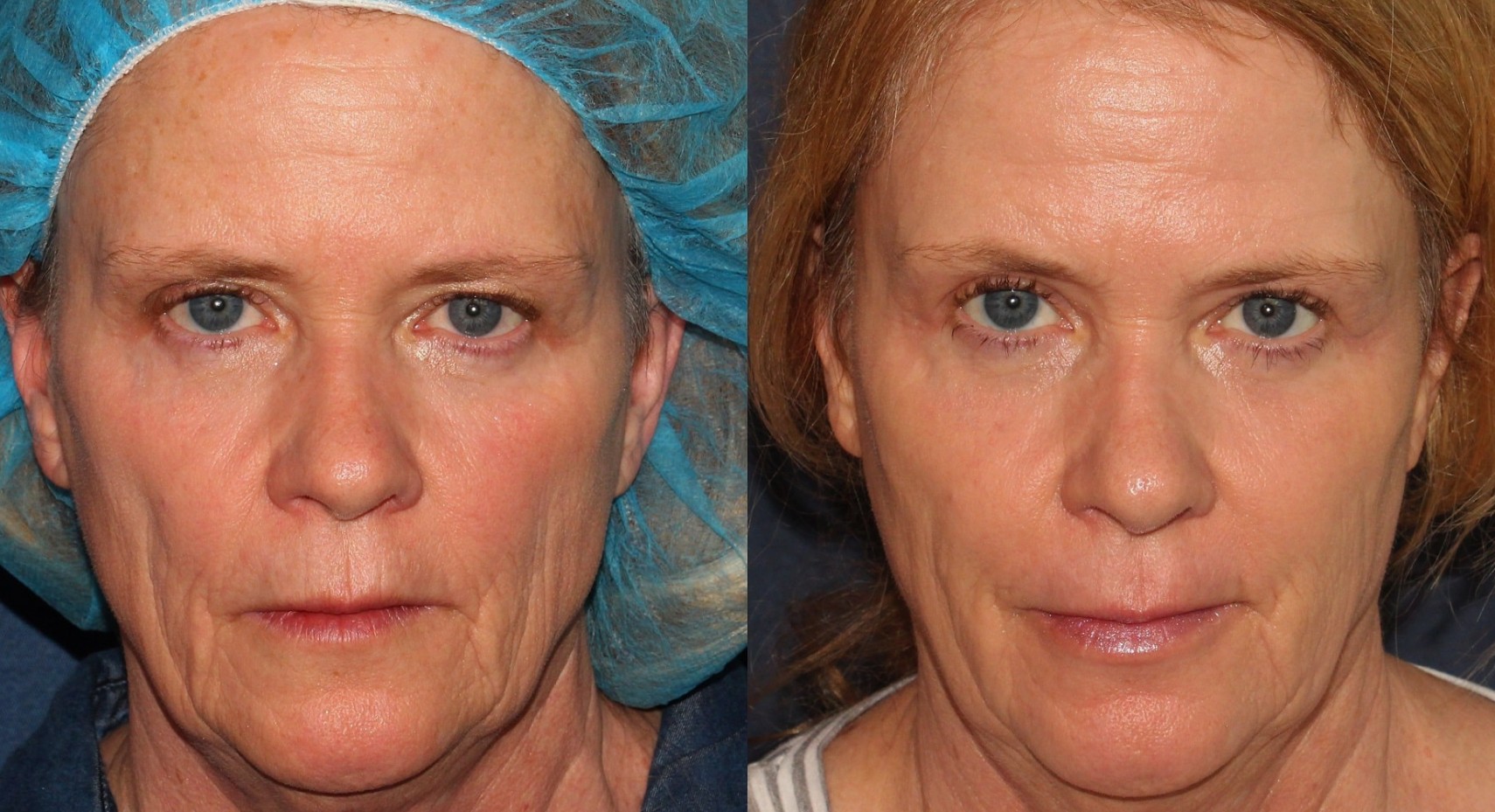
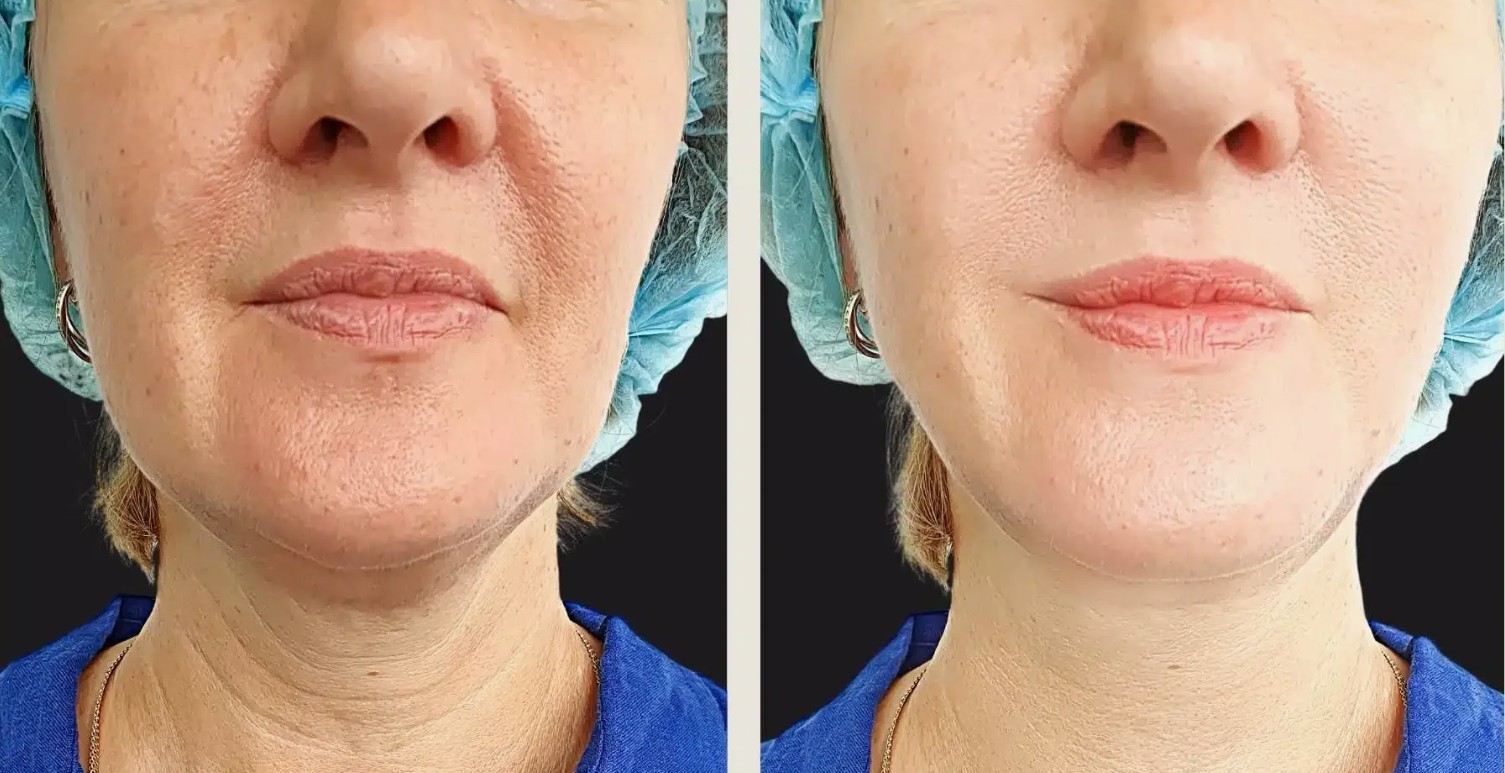
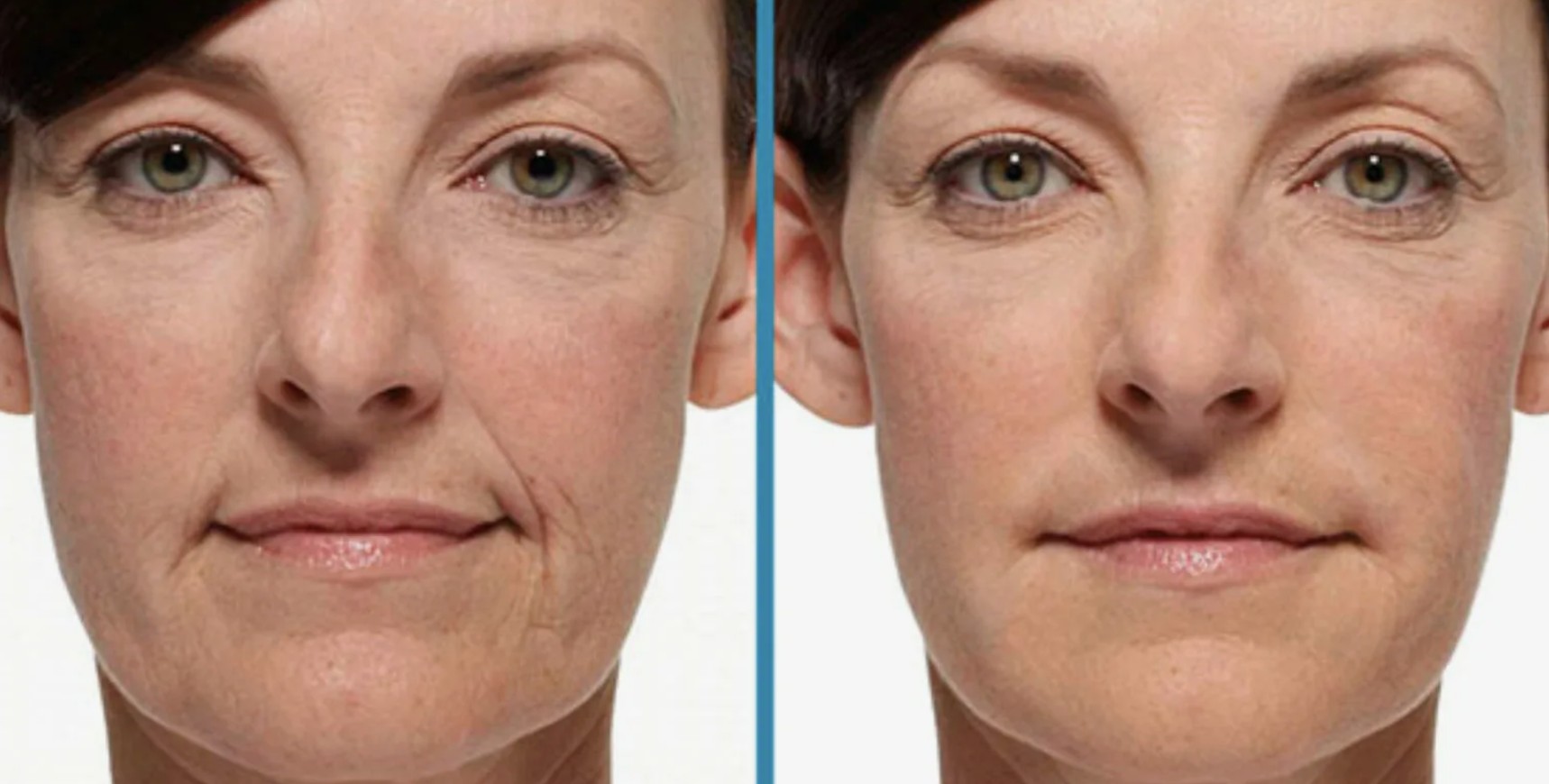
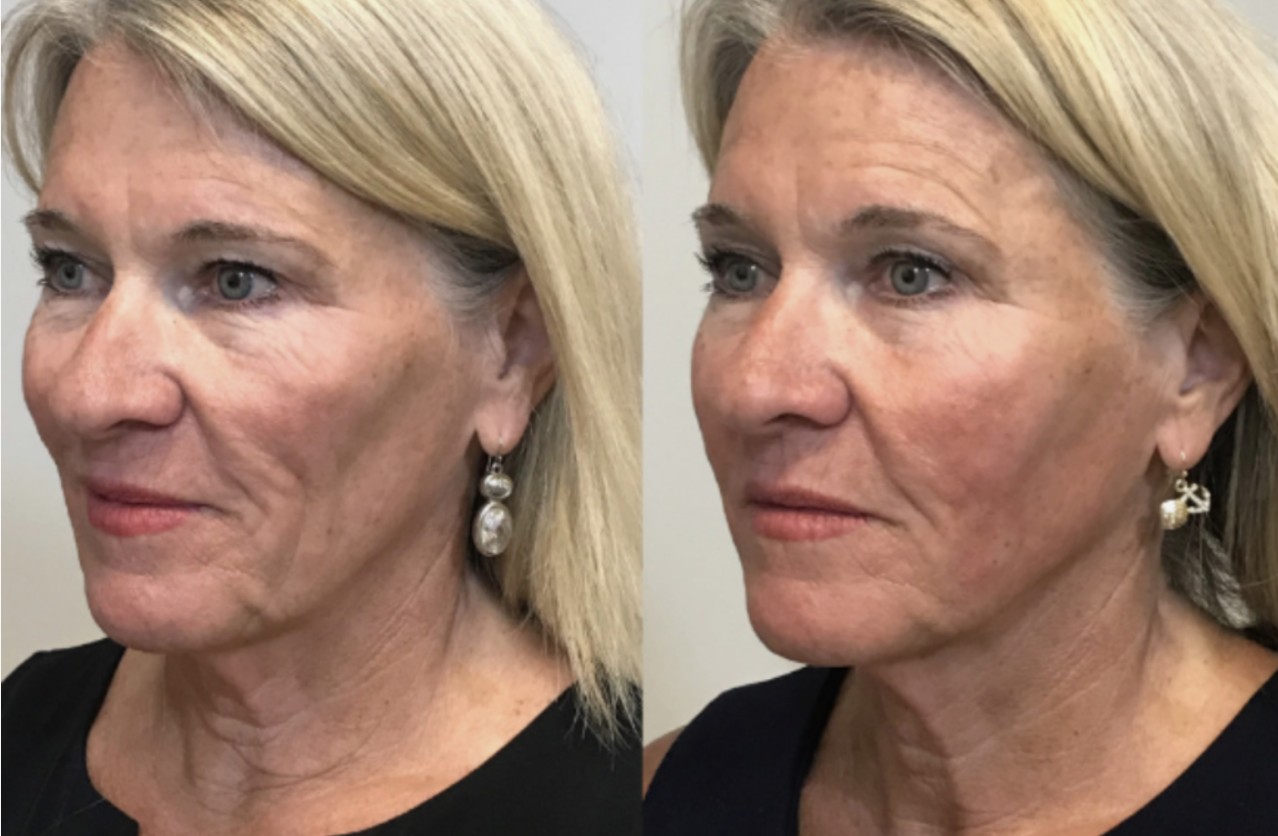
Before and After Radiesse Treatment
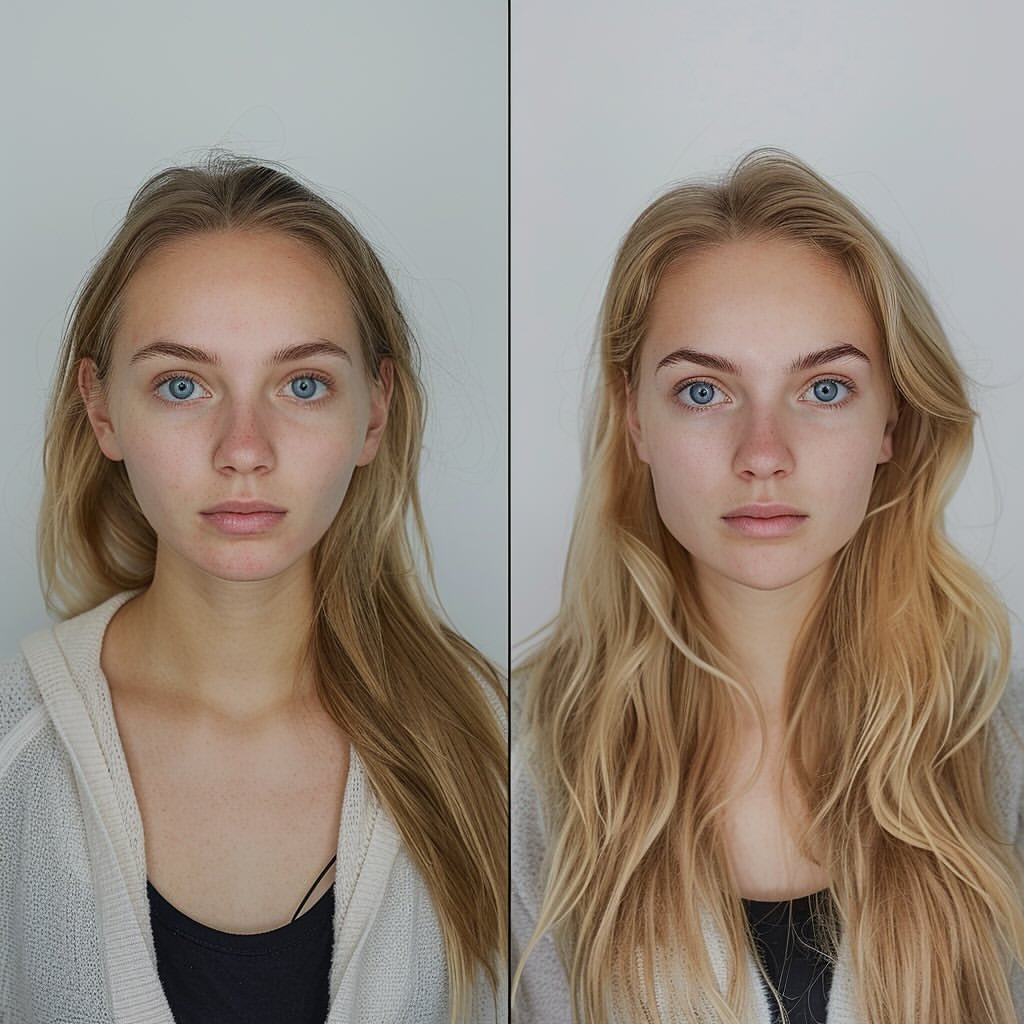
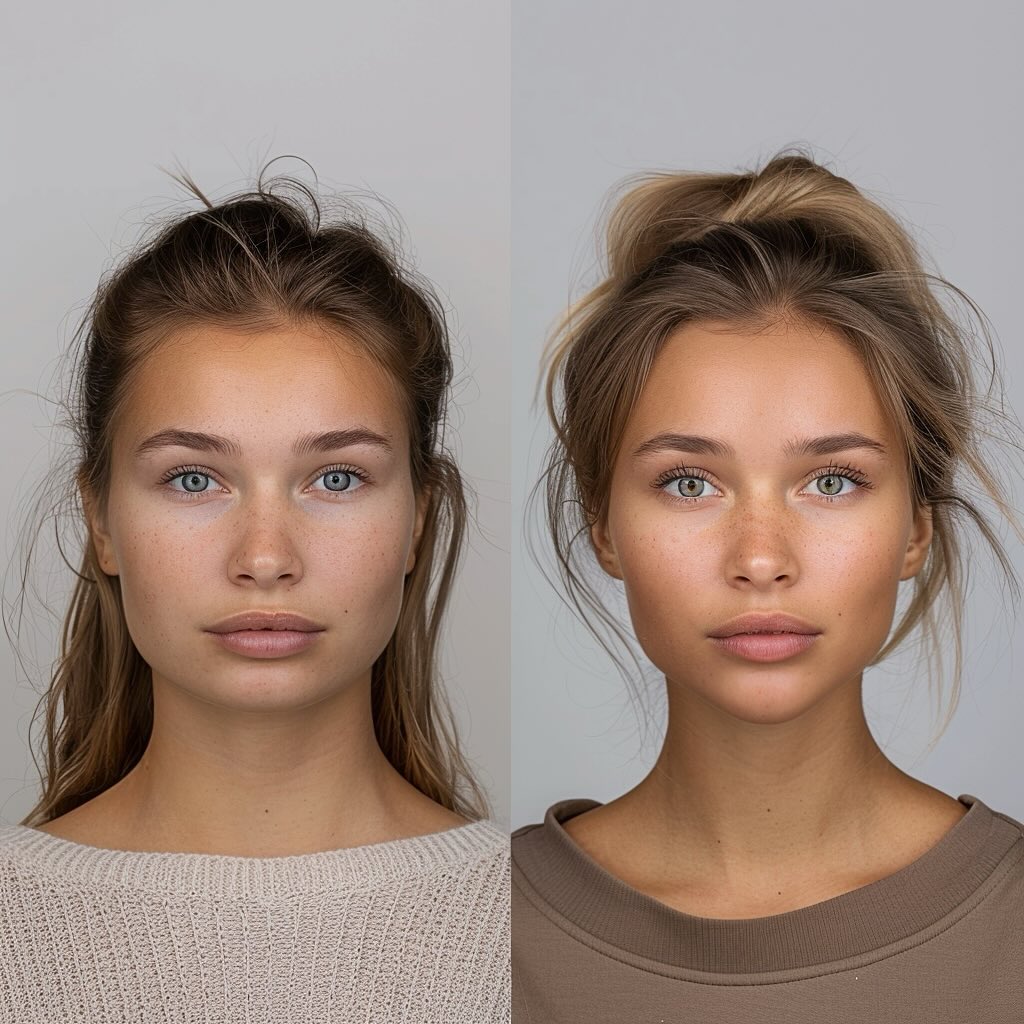
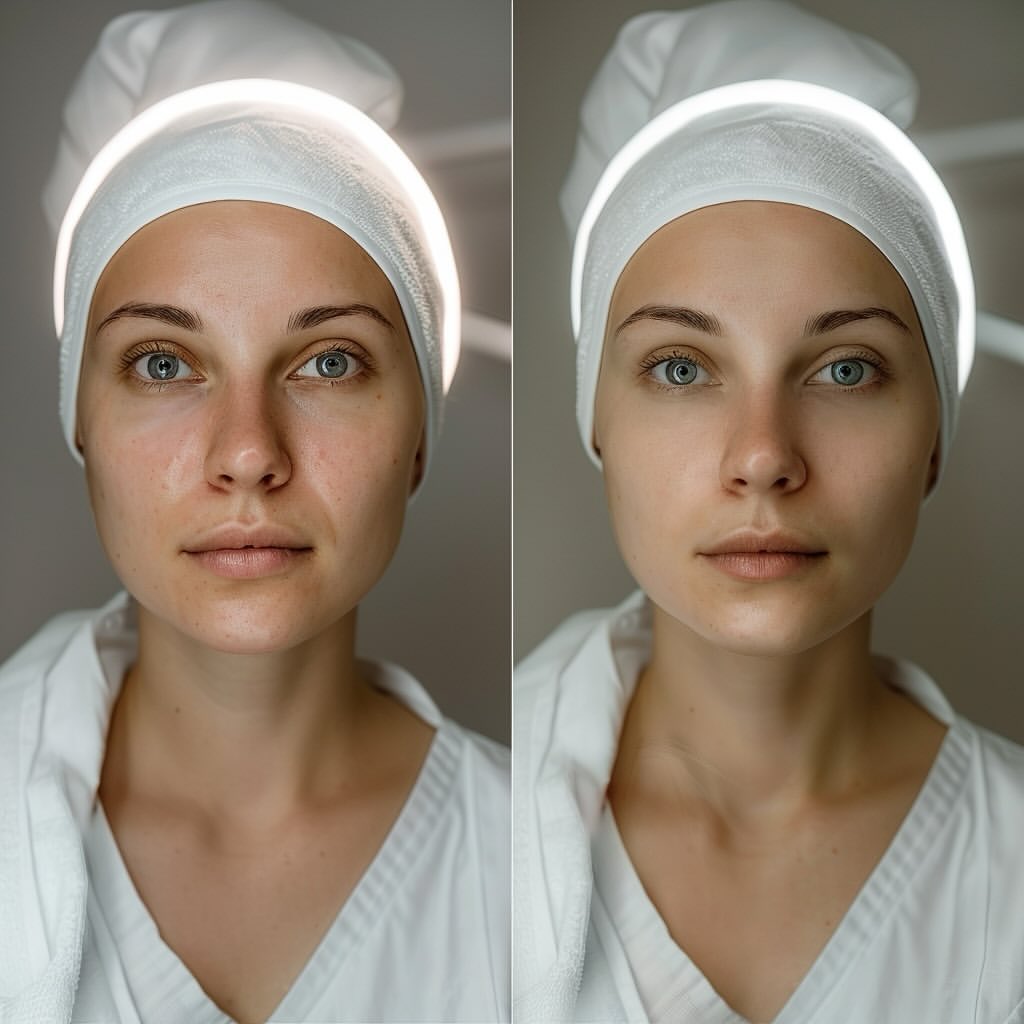
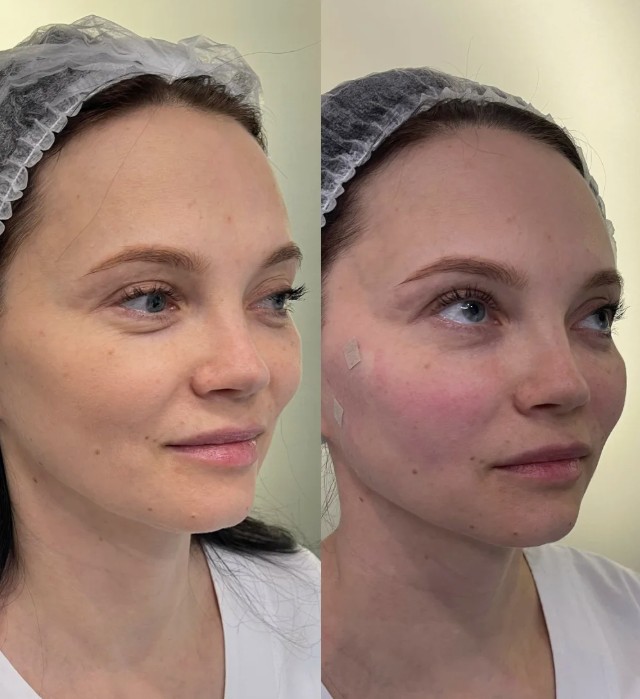
Patients considering the procedure often seek a more defined jawline, restored cheek volume, or a softened appearance of nasolabial folds and marionette lines. Independent specialists commonly describe gradual improvements in facial proportion rather than an abrupt change in appearance.
Outcomes vary according to individual anatomy, the treatment plan agreed at consultation, practitioner technique, and the amount of product used. Photographs shown by clinics represent individual patient outcomes, and results vary between individuals.
Commonly discussed treatment outcomes include:
- Restored volume across the cheeks or jawline
- A smoother appearance of nasolabial folds and marionette lines
- Gradual improvement in skin quality following hyper-dilute Radiesse
- More defined facial contour without a change in immediate volume alone

What is a Radiesse Filler?
Radiesse is an injectable dermal filler formulated from calcium hydroxylapatite (CaHA) microspheres suspended in a water-based gel carrier. It may be used by practitioners as part of a treatment plan focused on facial structure, contour and skin rejuvenation, depending on the patient’s anatomy, concerns and individual suitability.
Once injected, the gel component is absorbed by the body over time, and CaHA-based products are discussed by practitioners for collagen-related effects over time; individual response varies. Radiesse is FDA-approved and CE-marked for use in aesthetic practice.
As with any injectable, every treatment carries potential risks and considerations, and candidacy is assessed individually. Radiesse is not typically used in the lips or tear trough due to its firmer gel consistency.
The Radiesse Treatment Process: Step by Step
Clinical Assessment
An independent specialist reviews facial anatomy, medical history, and treatment goals to determine whether Radiesse suits the patient’s concerns.
Pre-Treatment Protocol
The treatment area is cleansed, and a topical anaesthetic may be applied where the practitioner judges this appropriate for comfort.
Treatment Implementation
During treatment, the practitioner will inject Radiesse using a needle or cannula, working methodically across the selected area to distribute the product evenly.
Post-Procedure Care
The specialist or clinic provides aftercare guidance directly; Science Beauty does not provide treatment, prescribing, or recovery support itself.
Follow-Up Review
Some clinics offer a follow-up review several weeks later to assess how the treatment area has settled.
Treatment typically takes around 30–60 minutes.
- Recovery: Swelling or bruising may resolve within a few days
Benefits of Radiesse
Radiesse offers a dual-action approach that many practitioners value: immediate volumisation alongside a biostimulatory effect intended to support the body’s own collagen production over the following weeks. This may help address moderate volume loss in areas such as the cheeks, jawline, and hands.
For patients seeking a filler treatment where duration may differ from some HA-based fillers and depends on product, area, and individual response, Radiesse is often discussed as a candidate. Typically, figures cited by clinics range from around 12 to 18 months, though this varies by individual metabolism and treatment area.
Benefits commonly cited by independent specialists include:
- Immediate volume alongside a biostimulatory effect on new collagen and elastin
- Suitability for structural areas including the jawline, cheeks, and hands
- A gel carrier that is gradually absorbed by the body
- Compatibility with hyper-dilute protocols aimed at improving skin quality
- Results vary; the aim is usually a result that remains proportionate to individual anatomy

Radiesse Treatment Options
Radiesse can be used in several ways depending on the patient’s anatomy, concerns and goals. Independent specialists may discuss targeted contouring, approaches designed to help restore lost volume, or protocols focused on broader skin quality and rejuvenation. The treatment plan is agreed during an individual consultation.
Targeted Contour Restoration
A focused injection approach addressing a single treatment area, such as the jawline or cheeks, using standard Radiesse in its pure form.
Hyper-Dilute Radiesse for Skin Quality
The product is diluted and distributed across a broader area, such as the neck, décolletage, or hands, with the aim of improving overall skin texture rather than adding significant volume.
Combined Filler Protocol
Some patients discuss combining Radiesse with hyaluronic acid-based fillers, such as those used for lips or tear troughs, to address multiple concerns within a personalised treatment plan.
Summary of available approaches:
- Single-area treatment for targeted jawline or cheek contour
- Hyper-dilute product for hands, neck, or overall skin quality
- Combined Radiesse and hyaluronic acid protocols for broader facial rejuvenation
- Staged treatment plans for patients requiring more than one session
Why Choose Science Beauty for Radiesse?
Science Beauty is an independent booking platform, not a treating clinic. Specialists featured through the platform are selected against defined clinical criteria for patients researching Radiesse London treatment options.
Selection criteria include:
- Active GMC or NMC registration
- Verified clinical experience with calcium hydroxylapatite fillers
- CQC-compliant clinic environments, including practices near Harley Street and across north London
- Evidence-based protocols and transparent consultation processes
Patients are encouraged to review a specialist’s registration and experience directly before booking any consultation.
Frequently Asked Questions
How long does Radiesse typically last?
Results are generally reported to last around 12 to 18 months, though this depends on the treatment area, the amount of product used, and individual factors such as metabolism and lifestyle. Areas with more movement, such as the jawline, may show change sooner than more static regions. A consultation with an independent specialist can help set realistic expectations for a specific treatment plan.
Is Radiesse dangerous?
Every treatment carries potential risks and considerations, and Radiesse is no exception. Reported side effects include swelling or bruising, which typically resolve within a few days following treatment. Because the product cannot be dissolved in the same way as hyaluronic acid fillers, choosing a suitably experienced, registered practitioner is particularly important when considering candidacy.
How much Radiesse is needed for one treatment session?
The number of syringes required depends on the treatment area, the degree of volume loss, and the patient’s goals, as determined during consultation. A single treatment area such as the jawline may require one syringe, while broader concerns may require two or more. An independent specialist will confirm the appropriate volume for each individual case.
Is Radiesse worth the cost?
Whether Radiesse represents good value depends on individual priorities, including how long results are expected to last compared with other filler options. Many patients weigh its dual-action mechanism, immediate volume plus a biostimulatory effect, against the higher per-syringe cost relative to some hyaluronic acid fillers before deciding.
What are the main risks of Radiesse?
Reported risks include swelling, bruising, tenderness, and, rarely, lumps or asymmetry at the injection site. Because the product is not reversible with hyaluronidase, correction options are more limited than with hyaluronic acid fillers. A thorough consultation helps determine whether an individual patient is a suitable candidate.
Can Radiesse be combined with other fillers?
Yes, some independent specialists discuss combining it with hyaluronic acid-based fillers, for example using Radiesse for structural support and a softer filler for the lips or tear troughs. Sequencing and suitability for any combined treatment plan are assessed individually during consultation with the treating practitioner.
Who is a suitable candidate for Radiesse?
The procedure may be considered by adults experiencing volume loss in the cheeks, jawline, or hands, or those interested in hyper-dilute protocols for skin quality. Pregnant or breastfeeding individuals, and those with certain underlying health conditions, may not be suitable candidates. Suitability is confirmed during an individual clinical assessment.
How does Radiesse compare with Sculptra?
Both are biostimulatory options, but they differ in composition, onset of visible effect, and typical treatment areas. Radiesse provides more immediate volume alongside its collagen-stimulating effect, while Sculptra tends to work more gradually. An independent specialist can advise which option better suits a patient’s goals.
How much does Radiesse filler cost in London?
Radiesse filler in London typically costs between £400 and £650 per syringe, with an average price of around £500. Prices vary based on the syringe size (0.8cc or 1.5cc), the injector’s qualifications, and clinic location, with the smaller 0.8cc syringe starting around £390–£450. Premium central London and Harley Street clinics often charge £650–£800 or more per syringe.