Frown Lines Anti-Wrinkle Treatments in London
Frown lines — the vertical expression lines that appear between the eyebrows — develop through repeated activity of the corrugator and procerus muscles. Independent specialists available through Science Beauty treat these dynamic facial lines with botulinum toxin injections, targeting the muscles responsible for movement to soften their appearance and create a more refreshed expression.
A consultation helps determine whether a botox treatment is suitable for your facial anatomy and goals. When administered by a qualified medical practitioner, botox injections can reduce the appearance of frown lines while maintaining facial movement and natural-looking results rather than creating an over-treated appearance.

Thousands of satisfied customers
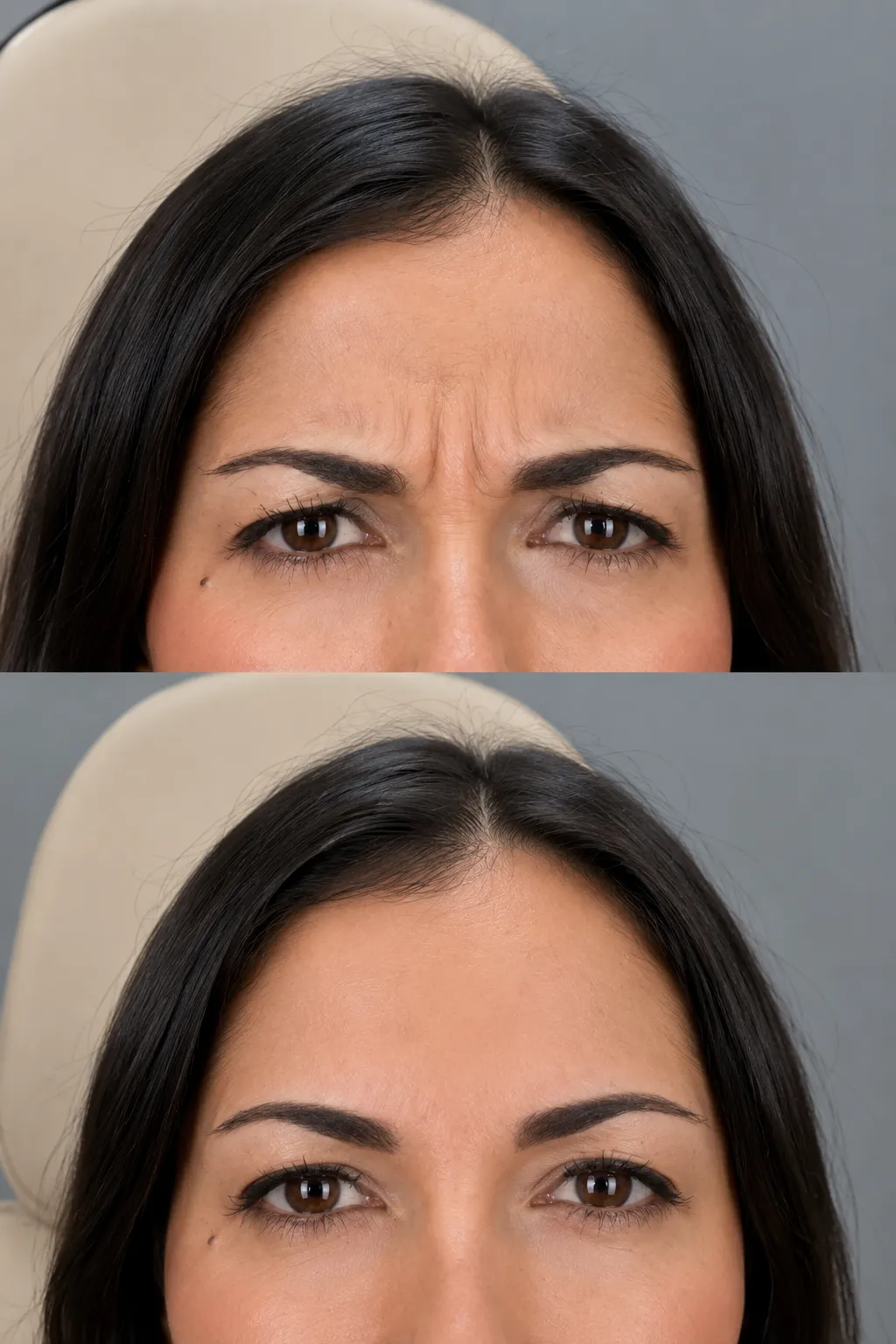
How Much Does Frown Lines Botox Cost in London?
Direct Answer
Frown lines Botox in London typically costs between £175 and £300 per treatment area, with an average price of around £220. Prices vary depending on practitioner qualifications, muscle strength, treatment area, and clinic location. Botox London pricing for combined upper-face treatments (2 areas) usually starts from £250–£350, while premium central London and Harley Street clinics may charge £325 or more for frown line treatment.
Typical Frown Lines Botox Prices in London
- Frown lines (1 area): £175–£300
- Two areas (frown lines + forehead): £250–£350
- Three areas (upper face): £300–£425
- Premium Harley Street treatment: £325–£425
- Top-up review (if not included): £50–£100
Key Pricing Factors
- Practitioner qualifications: GMC-registered doctors and experienced NMC-registered nurse prescribers typically charge more for advanced facial assessment.
- Clinic location: Harley Street and central London clinics generally charge 30–60% more than outer London clinics.
- Muscle strength: Strong glabellar muscles may require 20–40% more product than average.
- Treatment scope: Treating two areas together usually offers better value than separate appointments.
- What’s included: Some clinics charge extra for consultation or follow-up reviews.
What Should Be Included in the Price
- Consultation with a GMC or NMC registered practitioner.
- Full facial assessment and personalised treatment plan.
- Written confirmation of the botulinum toxin product used.
- Follow-up review within 2 weeks, if clinically required.
- Complimentary or discounted adjustment during the review period.
Pricing Red Flags
Frown lines Botox advertised below £90 in London should be considered a warning sign rather than a bargain. Extremely low prices may indicate an unqualified injector, an unverified product, or treatment in a non-clinical setting. Correcting unsatisfactory results is often far more expensive than receiving treatment in a CQC-regulated clinic.
For a personalised quote based on the number of areas you want treated and your facial muscle strength, book a free consultation.
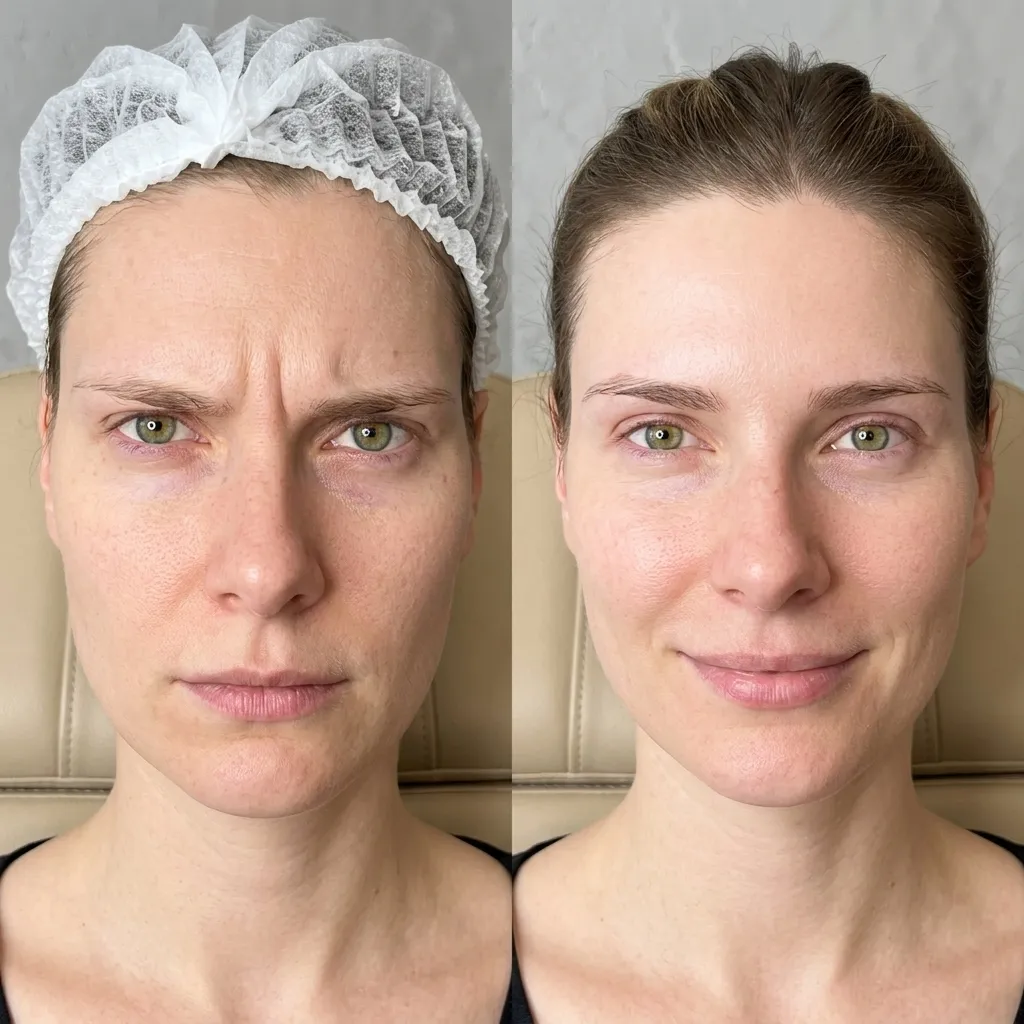
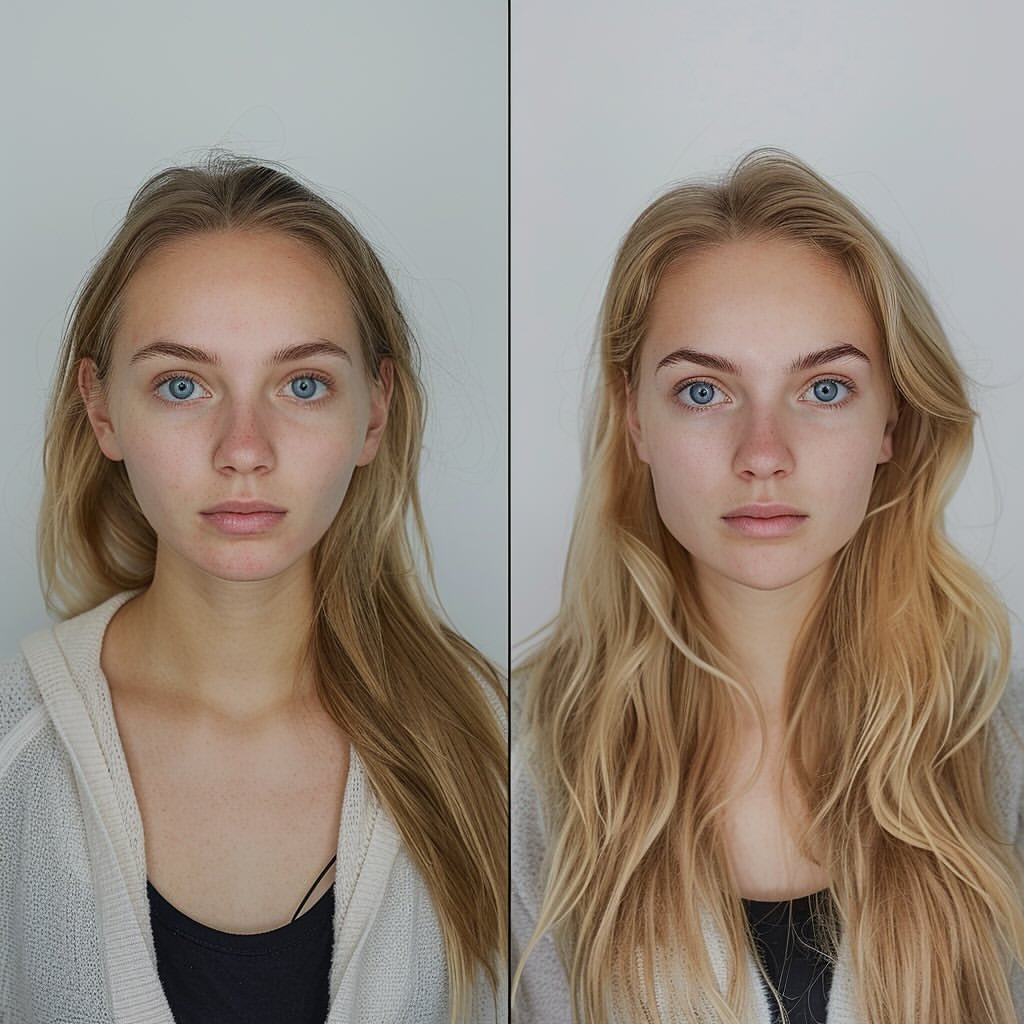
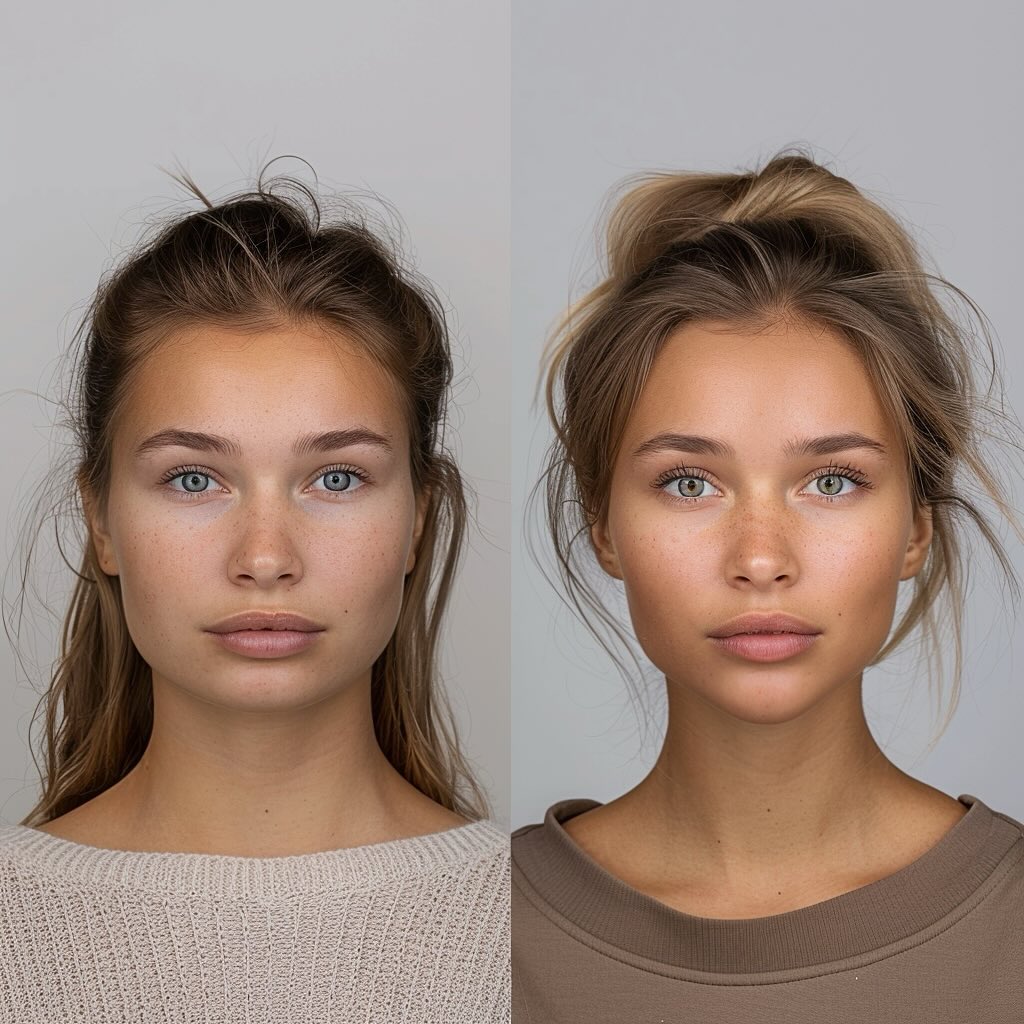
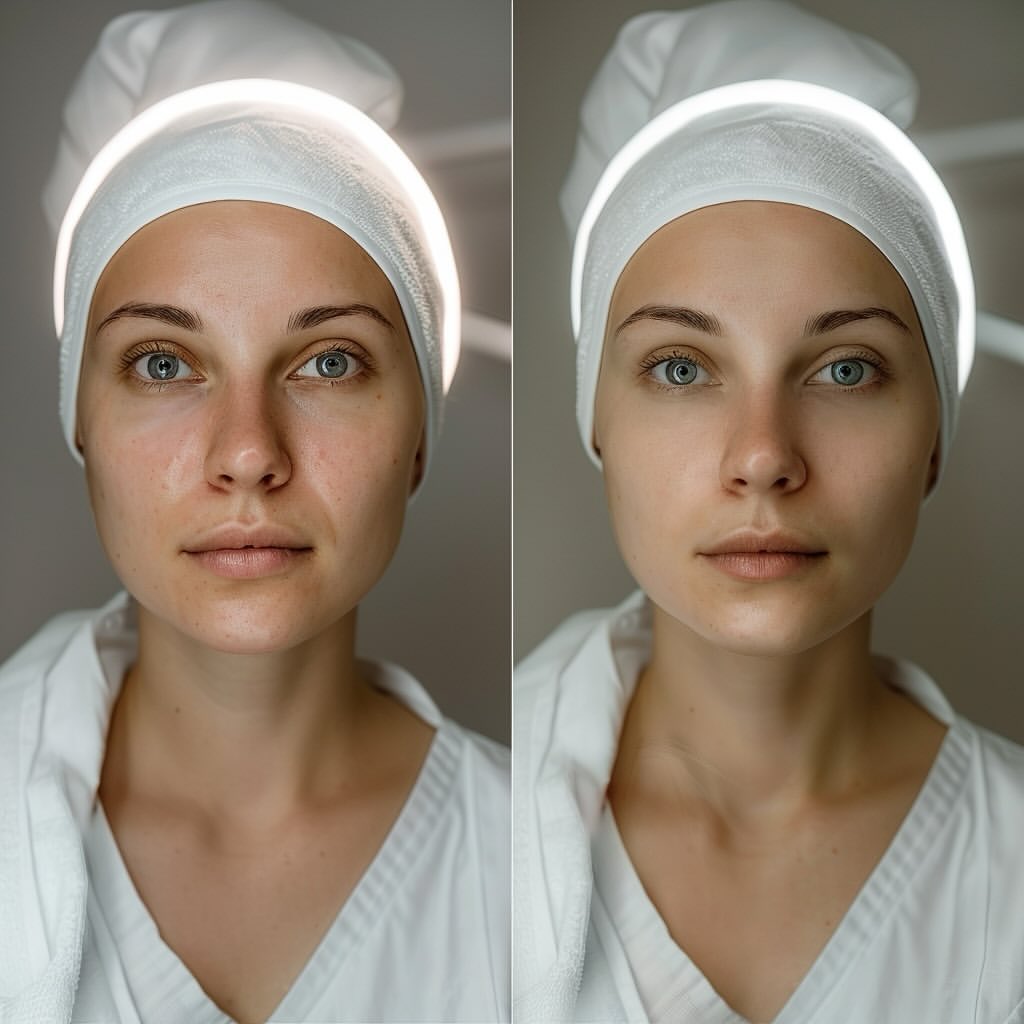
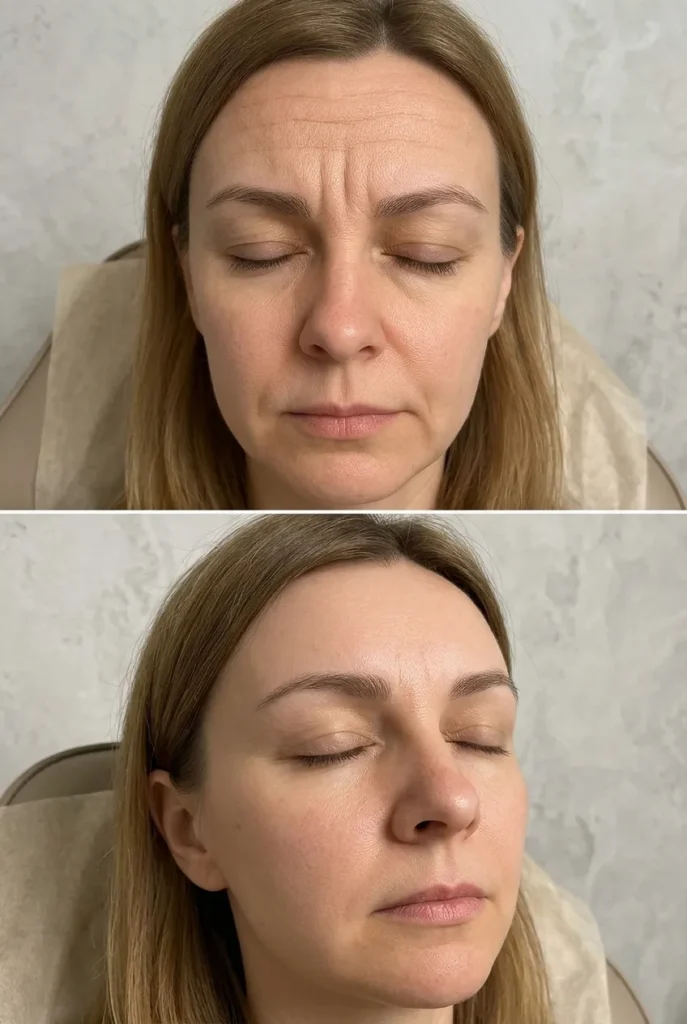
Before and After Frown Lines Wrinkle Relaxing Treatment
Patients typically report that deep vertical lines between the brows soften noticeably within seven to ten days of treatment in London, with the face appearing less tense and more approachable at rest. Independent specialists often describe the reduction in the appearance of lines in the glabellar area as one of the more visible improvements achievable through non-surgical treatment — particularly where deeper lines had previously conveyed a permanently furrowed expression.
Results vary according to individual anatomy, baseline line depth, the treatment plan agreed upon at consultation, and the technique and product choice of the practitioner. Patients with deeply established static lines — those visible even without facial movement — may see partial rather than complete smoothing, a nuance that qualified clinicians discuss openly during the initial assessment.
Commonly reported treatment outcomes:
- Reduction in vertical “eleven” lines visible at rest
- Softened, angry, or worried resting expression
- Subtle brow elevation from reduced downward muscle pull
- Reduced the appearance of fine lines with repeated treatment cycles
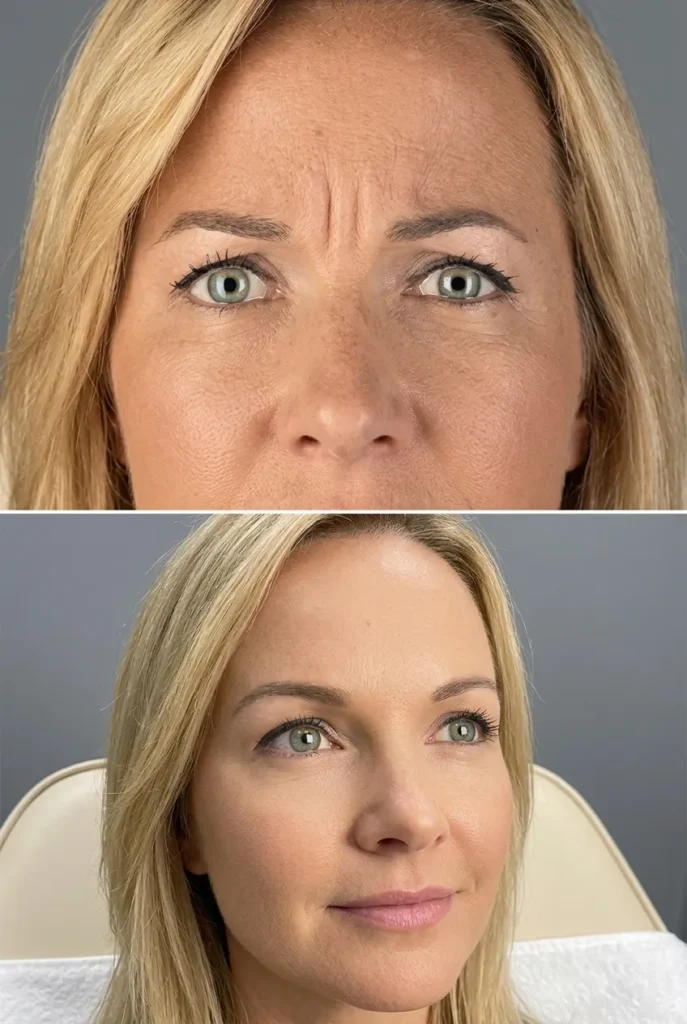
What is a Frown Line Treatment?
Botulinum toxin type A is a highly purified substance used in medical and cosmetic treatments. Botox is commonly used to address dynamic expression lines by temporarily reducing targeted muscle activity. Botox works by blocking nerve signals at the neuromuscular junction, helping soften frown lines, forehead lines and wrinkles while maintaining surrounding facial movement.
The product is licensed in the UK as a prescription-only medicine, which means it must be prescribed and administered by a qualified medical professional — a safeguard that underscores its established safety profile. Effects are fully reversible, with the muscle gradually recovering normal activity over 3 to 6 months, after which a maintenance treatment may be considered depending on the patient’s goals and clinical assessment.
Botulinum toxin has been used therapeutically for more than three decades across neurology, ophthalmology, and reconstructive medicine before becoming a staple of aesthetic practice — a lineage that gives clinically literate patients confidence in its mechanism, provided it is administered by practitioners with rigorous anatomical training.
The Frown Lines Botox Process: Step by Step
1. Clinical Assessment
The independent specialist reviews medical history, contraindications, and the patient’s dynamic muscle activity at rest and during animation to identify precise injection targets.
2. Pre-Treatment Protocol
The glabellar area is cleansed with an antiseptic solution. Injection points are mapped on the skin surface to guide accurate placement into the specific muscles in the forehead responsible for frown lines.
3. Treatment Implementation
Using ultra-fine needles, the practitioner delivers small, calibrated doses of botulinum toxin into three to five targeted points, relaxing the muscle tissue and smoothing the forehead by reducing the contraction cycle at each treated area.
4. Immediate Post-Procedure Care
The injection sites are gently checked for any immediate reaction. Patients receive written aftercare guidance covering activity restrictions for the first 24 hours.
5. Follow-Up Review
A review appointment at two to four weeks allows the practitioner to assess muscle response and, if clinically appropriate, administer a small additional dose to optimise results.
Procedure time: 20–30 minutes.
Recovery: Mild redness or swelling at injection sites, typically resolving within a few hours
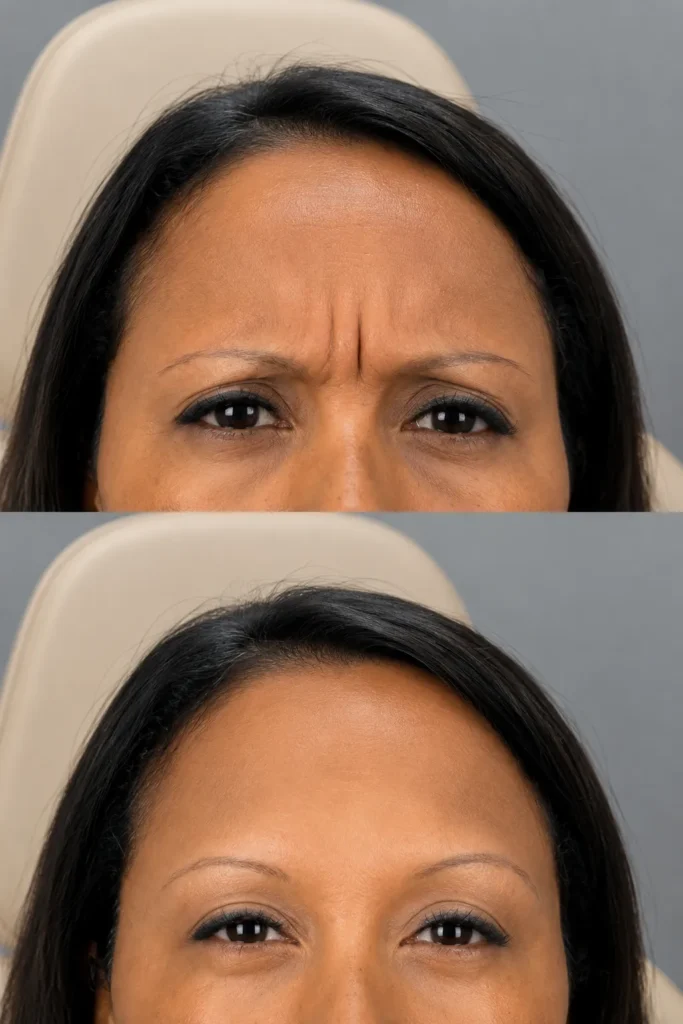
Benefits of Frown Lines Anti-Wrinkle Treatment
Targeted glabellar anti-wrinkle injections offer an efficient, non-surgical treatment route to reducing the appearance of wrinkles that have proven resistant to topical cosmetic treatments and lifestyle adjustments. Because the product acts directly at the neuromuscular junction, the reduction in the appearance of lines is typically visible within days — a responsiveness rarely matched by alternative non-invasive modalities addressing botox wrinkle concerns.
Beyond immediate aesthetic improvement, regular forehead treatment may slow the progressive deepening of glabellar lines by reducing the frequency and force of unconscious facial muscle contraction. Patients who begin treatment before lines become permanently etched into resting skin often report that maintenance requirements diminish over time, as the muscles in the forehead area gradually attenuate their habitual contraction pattern.
Key clinical and aesthetic advantages:
- Non-surgical anti-wrinkle treatment with no general anaesthesia or incisions
- Natural results are evident within 3–7 days, optimal at 2 weeks
- Minimal downtime — most patients return to normal activities the same day
- Reversible mechanism: muscle activity recovers naturally over time
- Preventive benefit: may reduce line depth progression with consistent use
Frown Lines Treatment Options
Isolated Glabellar Treatment
The most targeted approach is addressing the specific muscles in the forehead responsible for the “eleven” vertical lines. Verified practitioners available through Science Beauty calibrate dose carefully to soften frown lines while retaining natural brow expressiveness, avoiding the flattened or startled appearance that can result from over-treatment of the muscles in the forehead area.
Combined Forehead and Frown Protocol
Addressing both the glabellar complex and the frontalis muscle in a single session produces a more harmonious result across forehead wrinkles. Independent specialists typically dose the muscles in the forehead conservatively when combining areas, since excessive frontalis relaxation can cause brow heaviness — a risk that anatomy-trained clinicians assess and mitigate during the initial consultation.
Micro-Dosing (Baby Botox) for Frown Lines
For patients seeking subtle softening rather than full line elimination — common among younger patients pursuing preventative anti-wrinkle treatment — micro-dosing protocols use reduced units distributed across multiple injection points. This approach preserves considerable facial muscle movement and is particularly suited to first-time patients or those with fine rather than deeper lines.
Multi-Area Upper Face Rejuvenation
Combining frown line treatment with crow’s feet, smile lines, and bunny lines correction addresses the upper face as an interconnected anatomical unit. Practitioners balance facial muscle activity across zones to minimise compensatory movement — a technical consideration that distinguishes comprehensive treatment from piecemeal injection.
Treatment options available through Science Beauty practitioners:
- Isolated glabellar treatment for vertical frown lines
- Combined forehead and frown line protocol
- Anti-wrinkle micro-dosing approach
- Full upper-face multi-area treatment
Why Choose Science Beauty for Frown Lines Treatment?
Science Beauty curates a network of independent specialists and clinics across London, connecting patients with verified practitioners through a doctor-led approach to aesthetic care. Each botox clinic available through the platform is assessed against strict verification criteria, including relevant professional registration, prescribing status, and advanced aesthetic training.
Patients can compare qualified specialists across London and choose a practitioner based on clinical experience, treatment approach, and safety standards before arranging a consultation.
Every clinic in London accessible through the platform operates within CQC-compliant or equivalent environments, with documented safety protocols, emergency medicines, and appropriate indemnity cover.
The platform’s independent position means recommendations are driven by verified quality indicators rather than commercial relationships. Patients can compare practitioners by specialism, technique preference, and patient satisfaction data — making an informed choice before committing to a consultation.
Specialist selection criteria applied by Science Beauty:
- Active GMC, NMC, or GDC registration with no outstanding fitness-to-practise concerns
- Independent prescriber qualification for botulinum toxin
- Advanced certification in facial anatomy and aesthetic injection techniques
- Practice within a CQC-registered, Save Face-accredited, or equivalent regulated environment
- Verified clinical experience with documented patient outcomes and satisfaction data
- Adherence to evidence-based injection protocols and complication management standards
Disclaimer: The terms “best” and “premier” used in reference to practitioners or treatments signify those that meet our selection criteria, including active GMC/NMC registration, verified clinical experience, high patient satisfaction, and the use of clinically proven, evidence-based protocols. Science Beauty acts as an independent booking platform to ensure quality and safety in aesthetic care.
Frequently Asked Questions
How long do frown lines botox results last?
Results from frown line anti-wrinkle injections typically last 3 to 6 months, depending on the individual’s metabolism, the number of units administered, and how active the glabellar muscles are in daily expression. Following treatment, patients may notice gradual softening of the treated lines as the targeted muscles become less active.
Is muscle relaxing treatment for frown lines safe?
When prescribed and administered by a qualified medical professional with current GMC, NMC, or GDC registration, botulinum toxin for frown lines has a well-established safety profile accumulated over several decades of clinical use. Risks are reduced through thorough pre-treatment assessment, appropriate dosing, and precise injection technique.
What are the risks associated with frown lines treatment?
Wrinkle-relaxing injections may cause temporary side effects such as redness, swelling, bruising, headache, or mild discomfort at injection sites. In rare cases, patients may experience drooping eyelids, uneven facial expressions, muscle weakness, or allergic reactions, particularly if injections are not administered correctly.
How many units are needed for frown lines?
The glabellar complex typically requires between 10 and 25 units of botulinum toxin, varying according to muscle bulk, gender, the depth of existing lines, and the degree of relaxation sought. The precise amount is determined by the specialist during consultation following direct assessment of muscle activity.
Is frown lines treatment worth it?
For patients with dynamic glabellar expression lines that contribute to a perpetually tense or fatigued resting appearance, wrinkle-relaxing injections represent one of the most clinically validated and cost-efficient non-surgical treatment options currently available. Results are visible within days, involve minimal downtime, and are fully reversible.
Will the treatment make my frown lines disappear completely?
Muscle relaxing injections effectively reduce the appearance of dynamic frown lines — those caused by active muscle contraction — but their impact on static lines visible at complete rest is more limited. Established static wrinkles may soften rather than disappear entirely, and adjunctive treatments such as dermal filler or skin resurfacing may address residual depth if desired.
Can I have a consultation before committing to treatment?
All regulated practitioners offering botulinum toxin treatments in the UK are expected to conduct a separate medical consultation before administration — this is a clinical and regulatory requirement under current UK prescribing law. Verified specialists structure the consultation to cover medical history, treatment goals, potential side effects, and realistic outcomes.
How soon can I return to work after frown line injections?
Most patients return to work and normal daily activities on the same day. The treated area may show minor redness or pinpoint swelling for a few hours. Specialists generally advise avoiding strenuous exercise and significant heat exposure — saunas, steam rooms, intense cardiovascular activity — for 24 hours to reduce the risk of bruising and potential product migration.
How much does frown lines Botox cost in London?
Frown lines Botox in London generally costs £175–£300 for one treatment area, with an average price of around £220. The final cost depends on your muscle strength, the injector’s qualifications, and clinic location. Premium Harley Street clinics typically charge £325 or more.