Skin Whitening Treatment in London
Uneven skin tone, persistent dark spots, and hyperpigmentation are among the frequently cited concerns addressed by dermatology specialists across central London. Through targeted interventions — from advanced glutathione IV drip protocols to bespoke brightening infusion therapy — independent practitioners available via the Science Beauty platform help patients work towards a noticeably brighter, more uniform complexion rooted in clinical evidence.
London’s skin brightening landscape has evolved considerably. Where topical skincare once represented the ceiling of accessible treatment, verified specialists now deploy multi-modality lightening treatment plans combining chemical peels, glutathione IV drips, and systemic antioxidant support. Each approach is tailored to individual skin types, medical history, and the underlying mechanism driving pigment irregularity — whether dullness, sun damage, or deeper dermal melanin deposits.

Thousands of satisfied customers

How Much Does Skin Whitening Treatment Cost in London?
Direct Answer
Skin whitening (hyperpigmentation and brightening) treatment in London typically costs between £150 and £350 per session, with an average price of around £220–£250. Prices vary based on the treatment method (peel, laser, or IV), the severity of pigmentation, and clinic location, with a course of 3–4 sessions typically costing £600–£1,000. Premium central London and Harley Street clinics often charge £450–£700 or more for combined protocols.
Typical Skin Whitening Treatment Prices in London
- Single chemical peel session: £150–£350
- Laser/IPL pigmentation session: £200–£350
- Skin brightening IV drip (add-on): £250–£350
- Course of 3–4 sessions: £600–£1,000
- Premium / Harley Street combined protocol: £450–£700
Key Pricing Factors
- Practitioner qualifications: GMC-registered doctors and CQC-registered clinics typically charge more than unregulated salons offering the same treatment name.
- Clinic location: Harley Street and central London clinics typically charge 30–60% more than equivalent sessions in outer London.
- Diagnosis and technology: Correctly identifying whether pigmentation is epidermal, dermal or hormonal (e.g. melasma) requires proper assessment, and combined laser-plus-peel protocols cost more than a single-modality treatment.
- Number of sessions: A single session typically costs around 60–70% of the price per session within a full course — not 50% — as consultation and skin analysis remain constant per visit.
- What’s included: Some clinics quote a low headline price and charge separately for the initial skin diagnosis or homecare products.
What Should Be Included in the Price
- Consultation and skin diagnosis with a GMC-registered doctor or CQC-registered practitioner
- Identification of the underlying cause (sun damage, hormonal, post-inflammatory, or melasma)
- Confirmation of the specific peel, laser, or IV protocol used
- SPF and sun protection guidance, essential to prevent pigmentation recurrence
- Follow-up review to assess improvement and adjust the treatment plan
Pricing Red Flags
Skin whitening treatment advertised below £80 in London is a warning sign rather than a bargain. Suspiciously low prices usually indicate one of: an unqualified practitioner, an unverified or unsafe product, or a non-clinical setting. Correcting burns, rebound pigmentation, or an uneven result costs significantly more than a properly performed treatment in a CQC-regulated clinic.
For a personalised quote based on your skin type and pigmentation concern, book a free consultation.
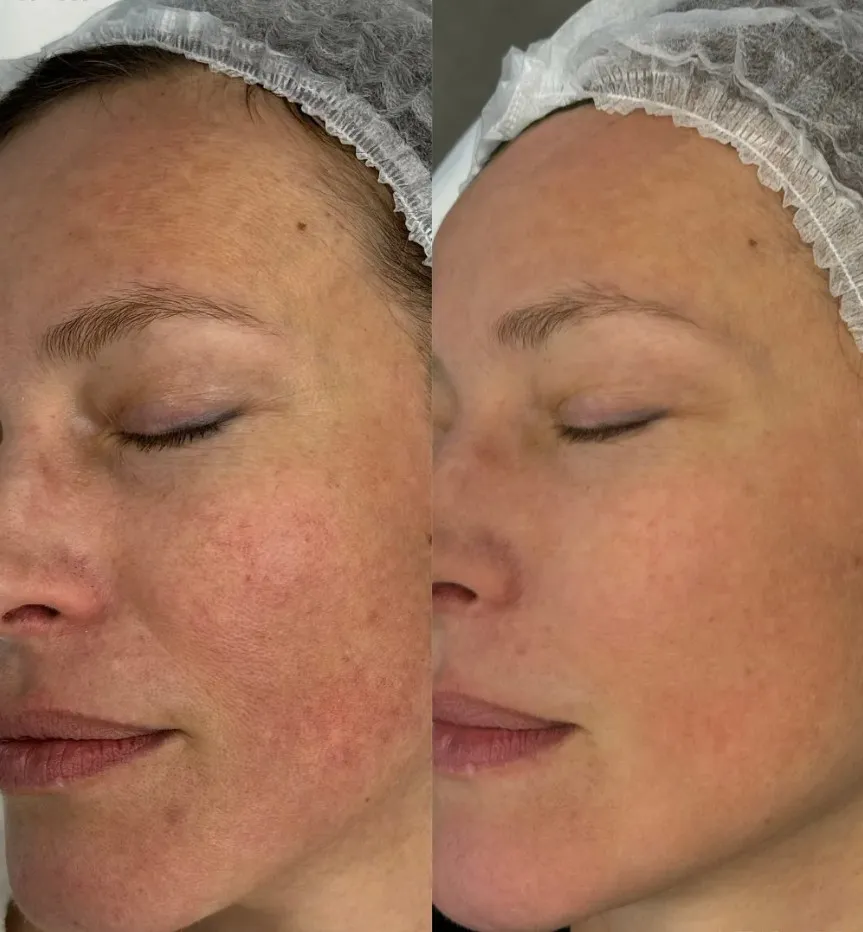
Before and After Skin Whitening Treatment
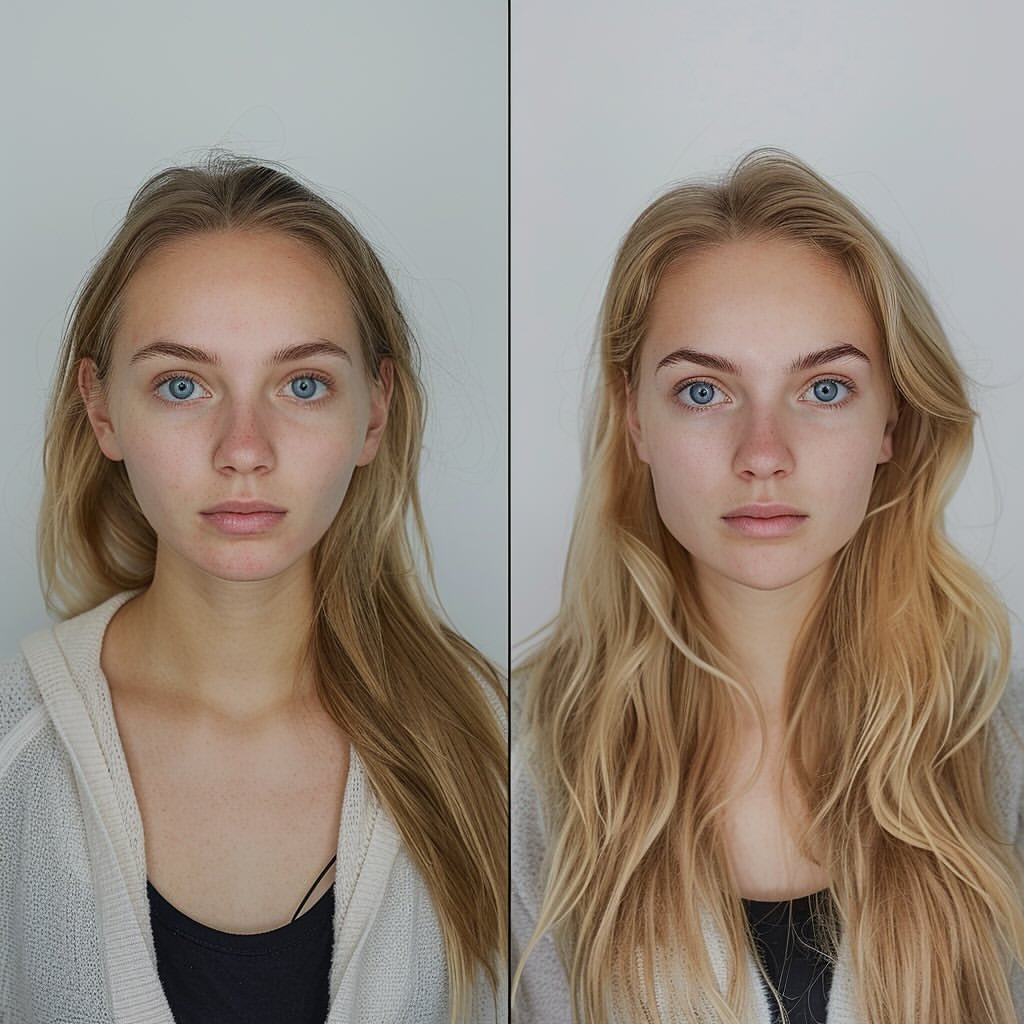
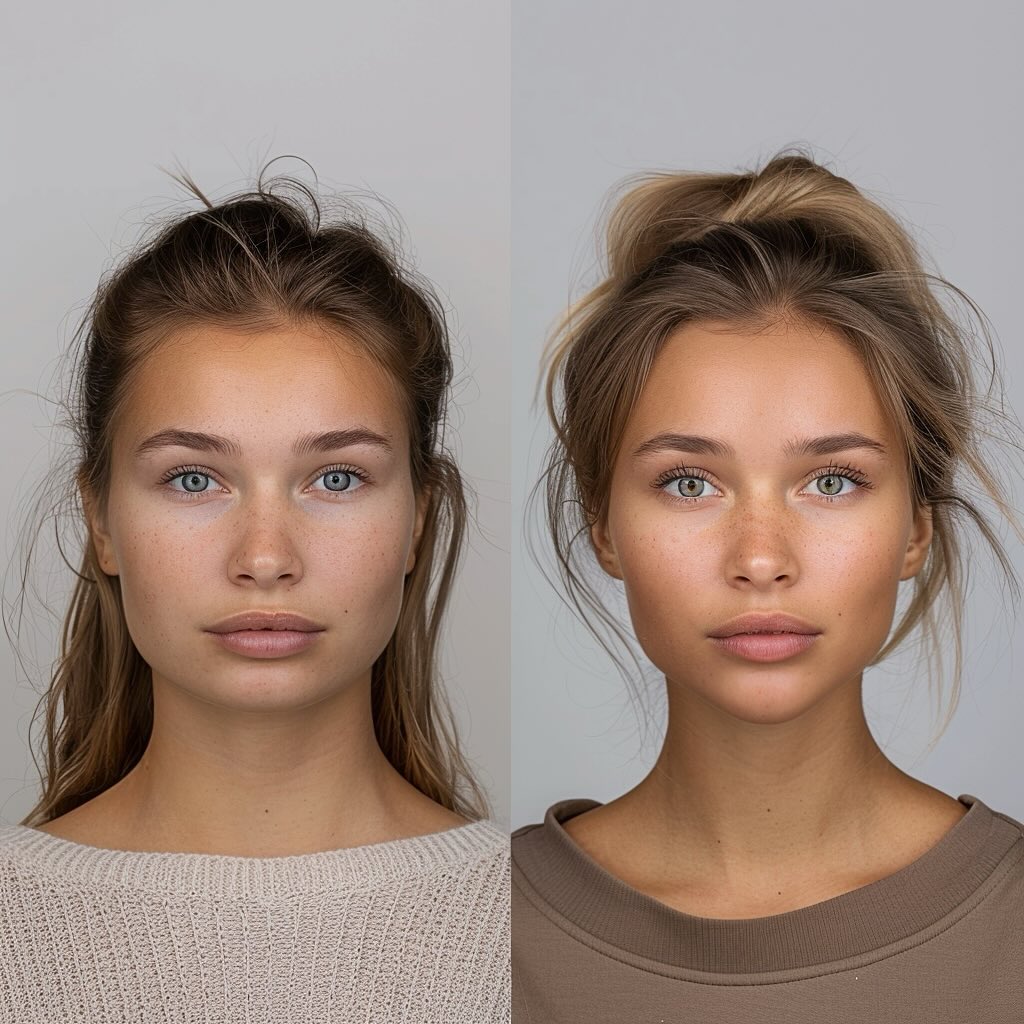
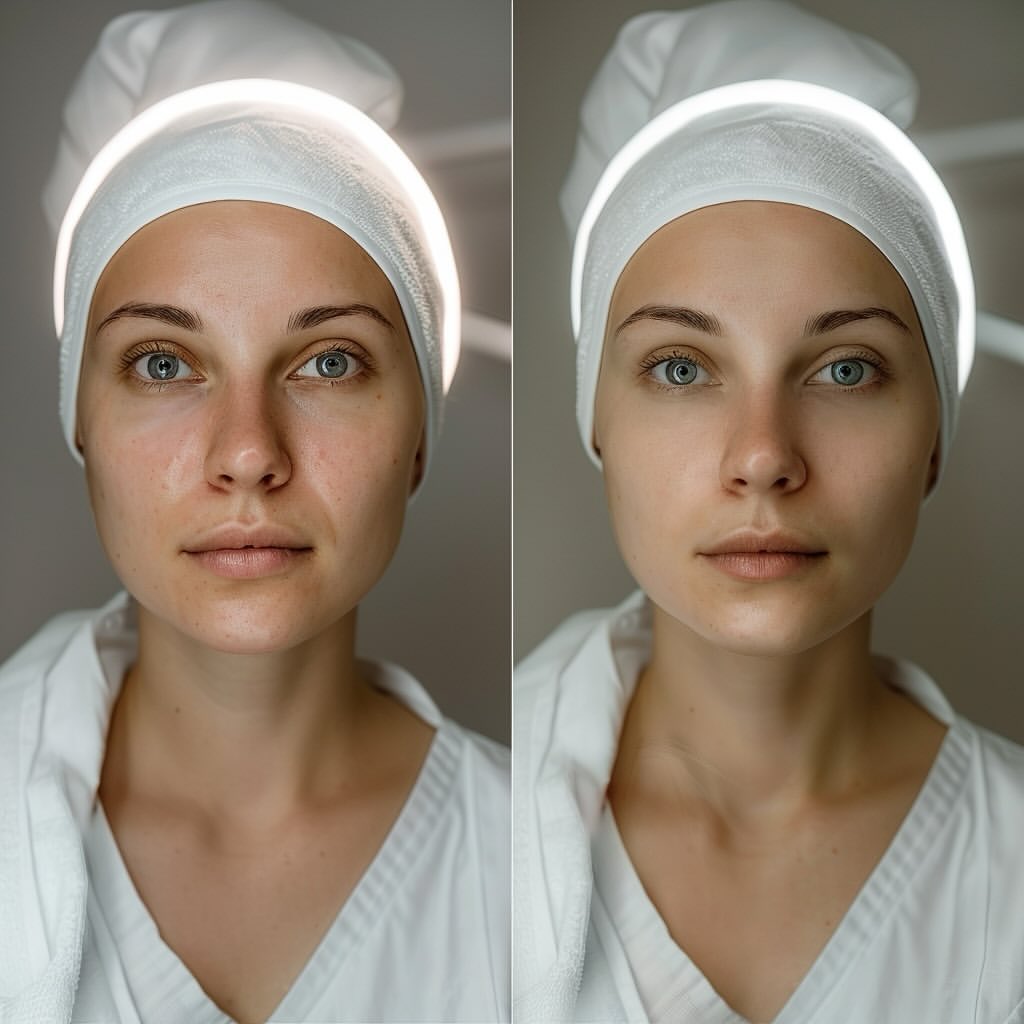
Patients who undergo professional whitening and lightening treatments commonly report visible reductions in discrete dark spots, melasma patches, and post-acne hyperpigmentation. Most independent specialists document a progressive evening of skin tone across the treated areas, with the broader complexion appearing noticeably more luminous after a planned course — visible results that many patients describe as among the most meaningful improvements to their overall appearance.
Results vary meaningfully depending on individual skin types, melanin depth, the lightening treatment protocol selected, and practitioner technique. Specialists accessible via the Science Beauty platform routinely stress that response to glutathione-based brightening is not uniform across all types of skin — a personalised consultation is essential to determine realistic outcome expectations and the best treatment pathway for your specific concerns.
Commonly discussed treatment outcomes reported by patients and clinics:
- Measurable reduction in hyperpigmentation and dark spots
- A more even tone across the face, neck, and other areas of the body
- Diminished appearance of sun damage and acne marks
- A sustained radiant, glowing appearance
What Is a Skin Whitening Treatment?
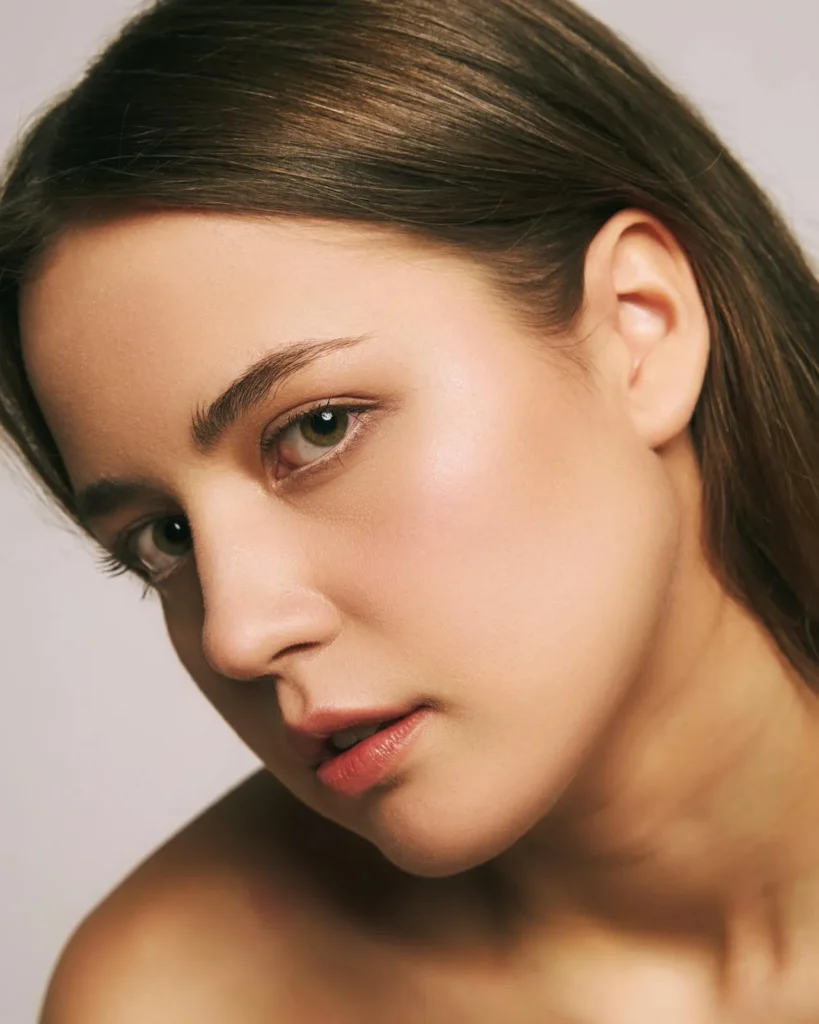
Skin whitening treatment is a broad clinical category encompassing procedures designed to reduce the appearance of excess melanin in targeted areas, thereby lightening pigmentation and improving complexion uniformity. Methods range from non-invasive topical therapies and chemical peels to systemic antioxidant protocols such as glutathione IV drips and vitamin C infusions — evidence-based treatments that London’s leading aesthetic clinic providers now routinely deploy.
Glutathione IV drip therapy works to nourish the skin from within, delivering this master antioxidant directly into the bloodstream to influence tyrosinase activity — the enzyme associated with melanin synthesis — while supporting long-term skin health at a cellular level.
Recognised options for addressing hyperpigmentation in a clinical London setting also include cosmelan depigmentation peels, mesotherapy microinjections, and combination protocols. Each modality targets pigment through a distinct biochemical pathway, which is why an accurate skin type assessment and thorough medical history review are prerequisites for safer outcomes and more effective results — regardless of whether treatment is applied to the face or anywhere on the body.
The Skin Whitening Treatment Process: Step by Step
Clinical Assessment
The independent specialist takes time to assess your skin type, pigmentation depth, and medical history to identify the most suitable pharmacological or brightening modality for your concerns.
Procedure time: 30–90 minutes, depending on modality. Recovery: Minimal to mild redness; most patients resume normal activity the same day
Pre-Treatment Protocol
Patients may be advised to discontinue photosensitising medications and apply prescribed priming creams for two to four weeks before treatment begins.
Treatment Implementation
Chemical peel solution, IV glutathione drip, or mesotherapy microinjections are administered according to the agreed treatment plan, with each treatment’s formulation and application adjusted to individual skin tone and concern severity.
Immediate Post-Procedure Care
Cooling agents are applied; the practitioner reviews expected reactions such as transient redness or mild swelling and provides written aftercare guidance to support recovery.
Ongoing Treatment Plan Review
Follow-up appointments allow the specialist to assess melanin response, adjust drip protocols or peel formulations, and recommend maintenance intervals to sustain optimal results and a radiant complexion over time.
Benefits of Skin Whitening Treatments in London
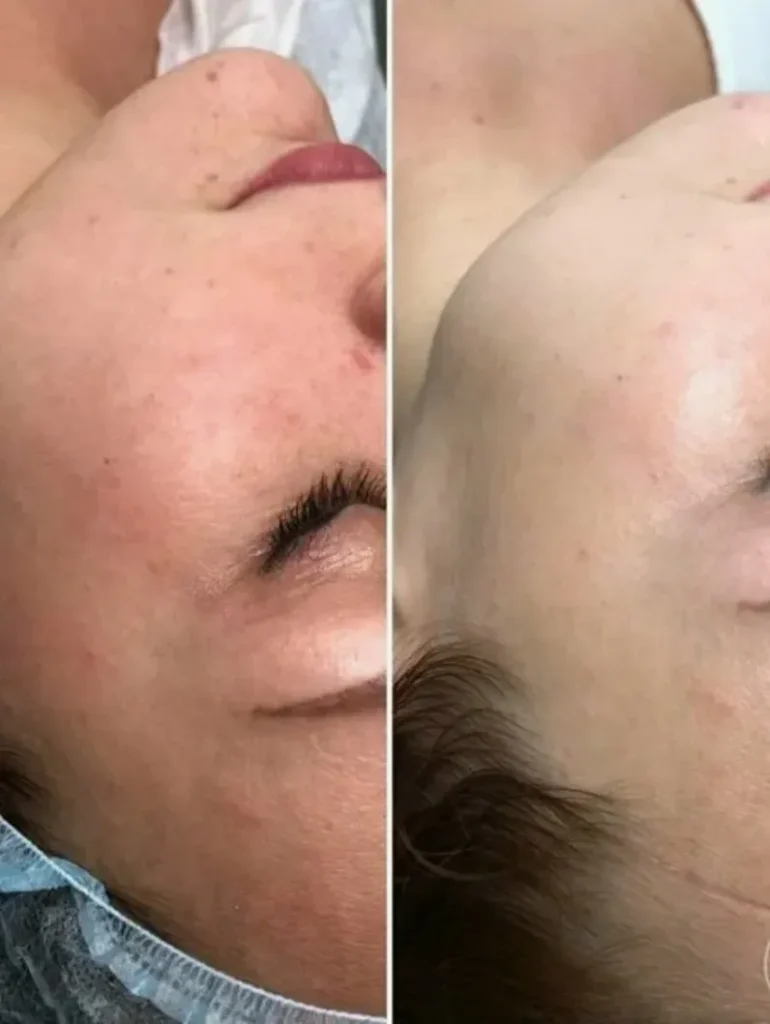
Professional skin brightening treatments delivered by independent specialists address not only cosmetic concerns but also underlying skin health. By targeting overactive melanin production through clinically validated modalities, patients may experience improvements in skin clarity that topical skincare alone rarely achieves. The non-invasive or minimally invasive nature of most advanced treatments means downtime is limited, making them accessible to people with active professional lives.
Evidence-based glutathione IV drip and chemical peel protocols are cited to offer progressive, long-lasting results when administered as part of a structured treatment plan. Combining modalities — for example, pairing cosmelan depigmentation peels with brightening IV drips — can address both surface-level pigmentation and deeper dermal melanin deposits, advancing overall rejuvenation more comprehensively than single-modality approaches. Treatment helps even out skin tone, reduce dullness, and restore a naturally luminous quality to the complexion.
Key advantages associated with professional skin lightening treatment in London:
- Reduction of hyperpigmentation, melasma, and acne-related dark spots
- Non-surgical pathway towards flawless and a more even skin tone
- Treatments suitable for a wide range of skin tones and types, including darker complexions
- Complementary benefit to broader skincare and dermatology regimens supporting long-term skin health
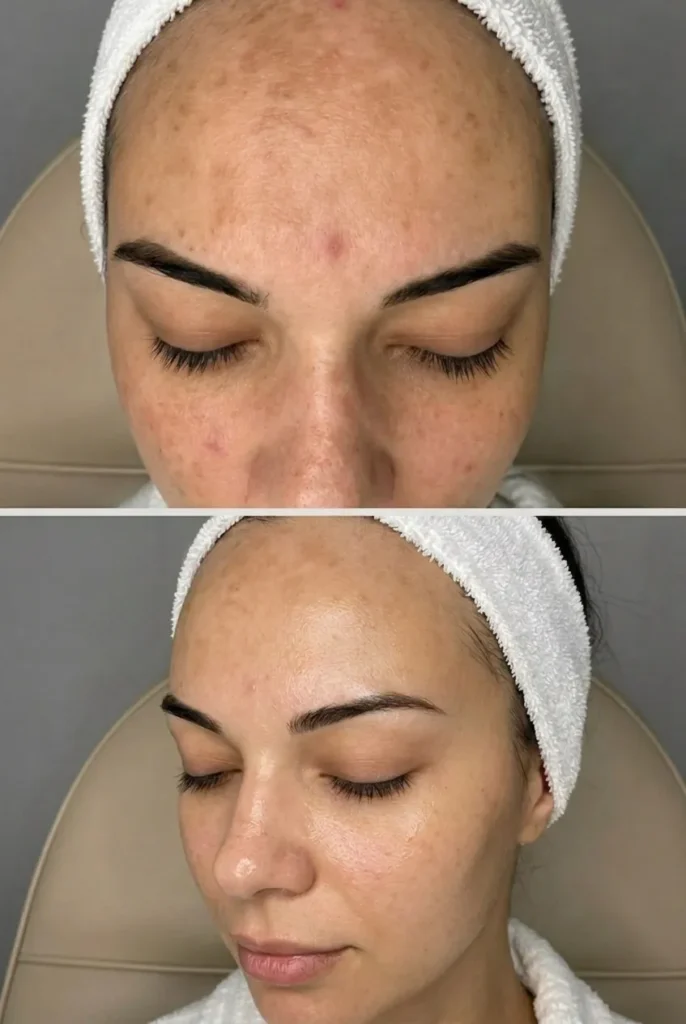
Skin Whitening Treatment Options
Glutathione IV Drip and Skin Brightening IV Drips
Glutathione, a naturally occurring antioxidant, is understood to influence tyrosinase activity — the enzyme associated with melanin synthesis — when delivered intravenously. Skin brightening IV drips are often combined with vitamin C and other cofactors to enhance bioavailability and support rejuvenation from within. Independent specialists featured through the platform offer bespoke drip formulations calibrated to individual issues and concerns.
Chemical Peels for Pigmentation
Peels ranging from mild AHA formulations to deeper trichloroacetic acid (TCA) and cosmelan depigmentation protocols exfoliate the uppermost skin layers, accelerating the clearance of pigmented keratinocytes. Chemical peels are frequently incorporated into a broader lightening treatment plan to maintain results and support best results between sessions, and remain one of the most established tools in any London clinic’s repertoire.
Combined and Bespoke Protocols
Many dermatologists and aesthetic practitioners in central London now design multi-modality plans to address different depths and types of hyperpigmentation simultaneously. Independent specialists accessible via the Science Beauty platform offer precisely this kind of integrated approach — combining peel whitening with glutathione drips and targeted skincare to ensure safe and effective results suited to each patient’s individual anatomy and skin type.
Available treatment options include:
- Cosmelan and Jessner depigmentation peels
- Glutathione and vitamin C IV drip courses
- Mesotherapy with brightening actives
- Combination maintenance programmes
Why Choose Science Beauty for Skin Whitening Treatment?
Science Beauty connects patients with independently verified specialists and dermatology clinics across central London, including the Harley Street medical district. The platform prioritises clinical rigour, transparent practitioner credentials, and patient safety in aesthetic care — whether you are exploring a single session or a comprehensive multi-modality rejuvenation programme.
Every specialist featured on the platform is assessed against structured selection criteria before being made available for booking, ensuring consistent standards regardless of the individual clinic chosen. Patients benefit from a straightforward discovery and comparison process — reviewing practitioner qualifications, treatment specialisms, and clinic environments — before committing to any lightening treatment.
Specialist selection criteria applied by Science Beauty:
- Active GMC or NMC registration with verified specialist credentials
- Demonstrated clinical experience in skin whitening and pigmentation management
- CQC-compliant clinical environment or equivalent regulatory standing
- Documented use of evidence-based, clinically proven treatment protocols
- High verified patient satisfaction, assessed through structured review processes
The terms “best” and “premier” used in reference to practitioners or treatments signify those that meet our selection criteria, including active GMC/NMC registration, verified clinical experience, high patient satisfaction, and the use of clinically proven, evidence-based protocols. Science Beauty acts as an independent booking platform to ensure quality and safety in aesthetic care.
Frequently Asked Questions
How long do the results of a skin whitening treatment last?
Longevity depends on the modality used, the patient’s skin type, sun exposure habits, and adherence to a maintenance skincare routine. Pharmacological whitening results for discrete hyperpigmentation may last anywhere from several months to two years or more, particularly when supported by a maintenance skincare routine. Glutathione IV drip benefits typically require periodic top-up sessions to sustain brightness. Independent specialists will outline a realistic maintenance plan at your initial consultation.
What are the risks associated with skin lightening treatments?
Professionally administered treatments carry a generally low risk profile when delivered in a CQC-registered or equivalent clinical environment. Potential side effects include transient redness, mild swelling, or temporary sensitivity at the treatment site. More complex risks — such as skin sensitivity or irritation from incorrectly formulated peels or drip protocols — underscore the importance of consulting qualified independent specialists rather than unregulated providers.
Is a glutathione IV drip effective for skin brightening?
Glutathione is understood to influence tyrosinase activity, which plays a role in melanin synthesis, and has a growing body of clinical literature supporting its use in complexion brightening when delivered intravenously. Skin brightening IV drips are most effective when incorporated into a structured plan alongside topical skincare. Response varies by individual skin type, baseline melanin levels, and the frequency of drip sessions.
How much does a skin whitening treatment in London typically cost?
Prices across London’s aesthetics market range broadly — from about £80–£200 for a single chemical peel or entry-level brightening treatment to about £300–£800 for an advanced combined glutathione and vitamin C IV drip course. Glutathione IV drip courses are typically priced at about £100–£300 per session. Final costs are set by the independent clinic or specialist and depend on treatment complexity, product used, and the number of sessions required.
Can skin whitening treatments address both acne marks and sun damage?
Yes — both post-acne hyperpigmentation and sun-induced dark spots are among the most frequently treated issues in London’s skin brightening clinics. Pharmacological modalities and chemical peels are considered well-suited to lightening these surface-level and mid-dermal pigment deposits. A consultation with an independent specialist will determine whether a single modality or a combined protocol represents the best treatment for your individual concerns.
What should I do to prepare for a skin whitening consultation in London?
Prospective patients benefit from documenting their concerns with photographs taken in consistent lighting, noting any topical products currently in use, and disclosing their full medical history — including any history of keloid scarring or photosensitivity. Avoiding prolonged sun exposure in the two weeks before any brightening treatment is routinely advised by independent specialists, as tanned skin increases the risk of adverse pigmentary responses.
How much does skin whitening treatment cost in London?
Skin whitening (hyperpigmentation and brightening) treatment in London typically costs between £150 and £350 per session, with an average price of around £220–£250. Prices vary based on the treatment method (peel, laser, or IV), the severity of pigmentation, and clinic location, with a course of 3–4 sessions typically costing £600–£1,000. Premium central London and Harley Street clinics often charge £450–£700 or more for combined protocols.