
Hyperhidrosis Treatments in London
Science Beauty provides access to independent clinics and practitioners in London offering treatment options for hyperhidrosis, offering patients effective relief from excessive sweating that significantly impacts quality of life. Treatment approaches vary by clinic and practitioner and may involve targeted injection techniques to temporarily block nerve signals responsible for overactive sweat gland stimulation. Based in central London, the platform helps users find and arrange appointments for hyperhidrosis treatment through evidence-based protocols that address axillary, palmar, plantar, and facial sweating manifestations. This treatment approach is used in clinical practice for selected cases of excessive sweating for patients experiencing social, professional, and psychological distress related to uncontrollable perspiration patterns that exceed normal physiological requirements.

Thousands of satisfied customers
How Much Does Botox for Hyperhidrosis Cost in London?
Direct Answer
Botox for hyperhidrosis in London typically costs between £400 and £500 for underarm treatment, with an average price of around £450. Prices vary based on the area treated, the practitioner’s qualifications, and clinic location, with entry-level sessions starting around £280–£400. Premium central London and Harley Street clinics often charge £500–£700 or more, particularly for hands or feet.
Typical Botox for Hyperhidrosis Prices in London
- Entry-level underarm treatment: £280–£400
- Standard underarm treatment: £400–£500
- Hands or feet (more injection points needed): £450–£700
- Premium / Harley Street session: £500–£700
- Repeat treatment (established patients): £350–£450
Key Pricing Factors
- Practitioner qualifications: Botox is a prescription-only medicine, so treatment must be led by a GMC, GPhC or NMC registered independent prescriber — this is central to both safety and price.
- Clinic location: Harley Street and central London clinics typically charge 30–60% more than equivalent treatments in outer London.
- Area treated: Hands and feet require more injection points across a denser network of sweat glands than the underarms, directly increasing the price.
- Dose required: Higher sweat gland density in some patients requires more units than average, which can affect the final cost confirmed at consultation.
- What’s included: Some clinics quote a low headline price and charge the initial consultation separately, though it’s often redeemable against treatment on the same day.
What Should Be Included in the Price
- Consultation with a GMC, GPhC or NMC registered independent prescriber
- Confirmation of the botulinum toxin brand and dose used, in writing
- Topical anaesthetic if needed for hands or feet, where discomfort is greater
- Guidance on the expected 4–9 month duration of results
- Clear explanation that this is a licensed treatment for excessive sweating, not just an off-label cosmetic use
Pricing Red Flags
Botox for hyperhidrosis advertised below £150 in London is a warning sign rather than a bargain. Suspiciously low prices usually indicate one of: an unlicensed product, a practitioner without prescribing authority, or too few units used to keep costs down (which shortens how long results last). Always verify the practitioner is on the relevant professional register before booking.
For a personalised quote based on the area and severity of your sweating, book a free consultation.
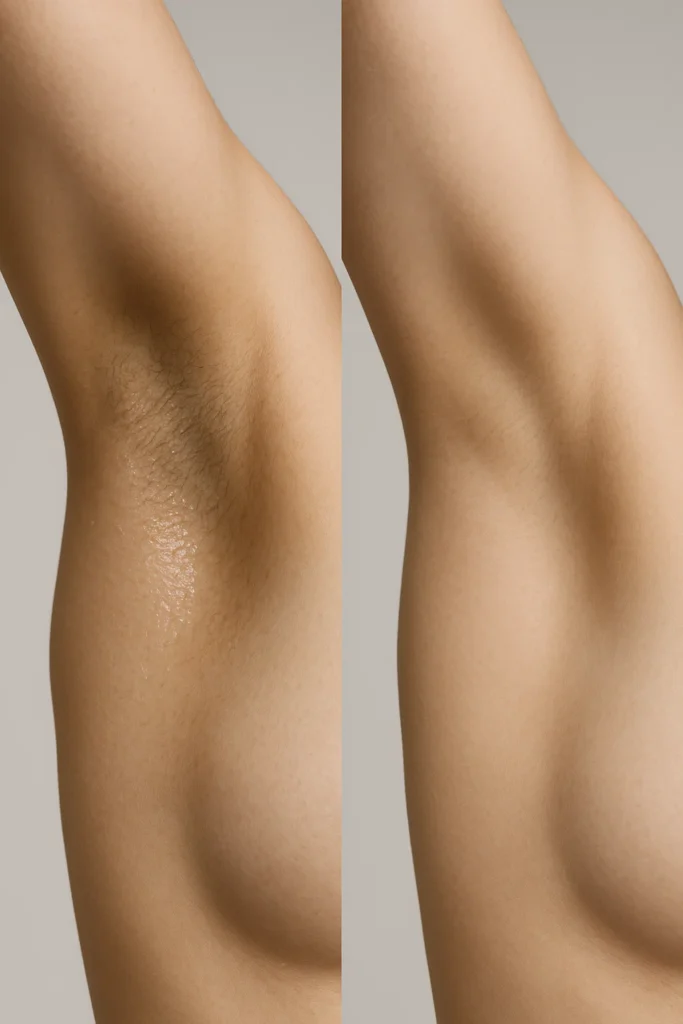
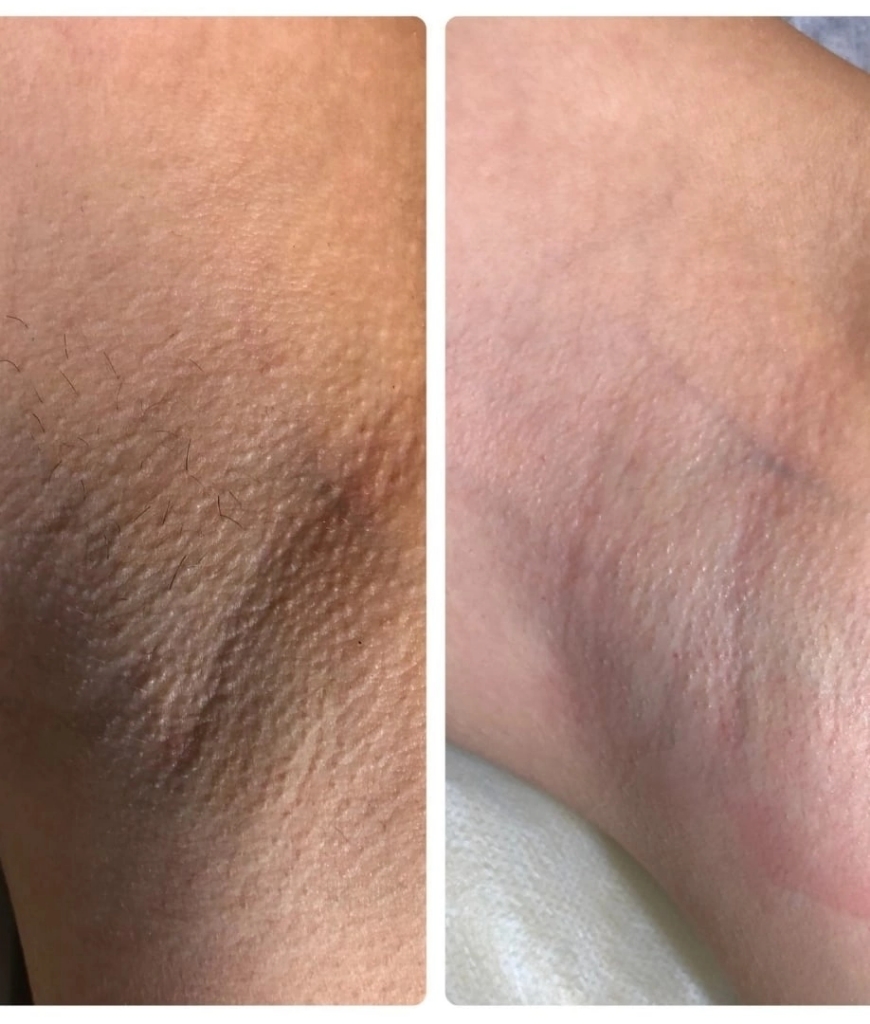
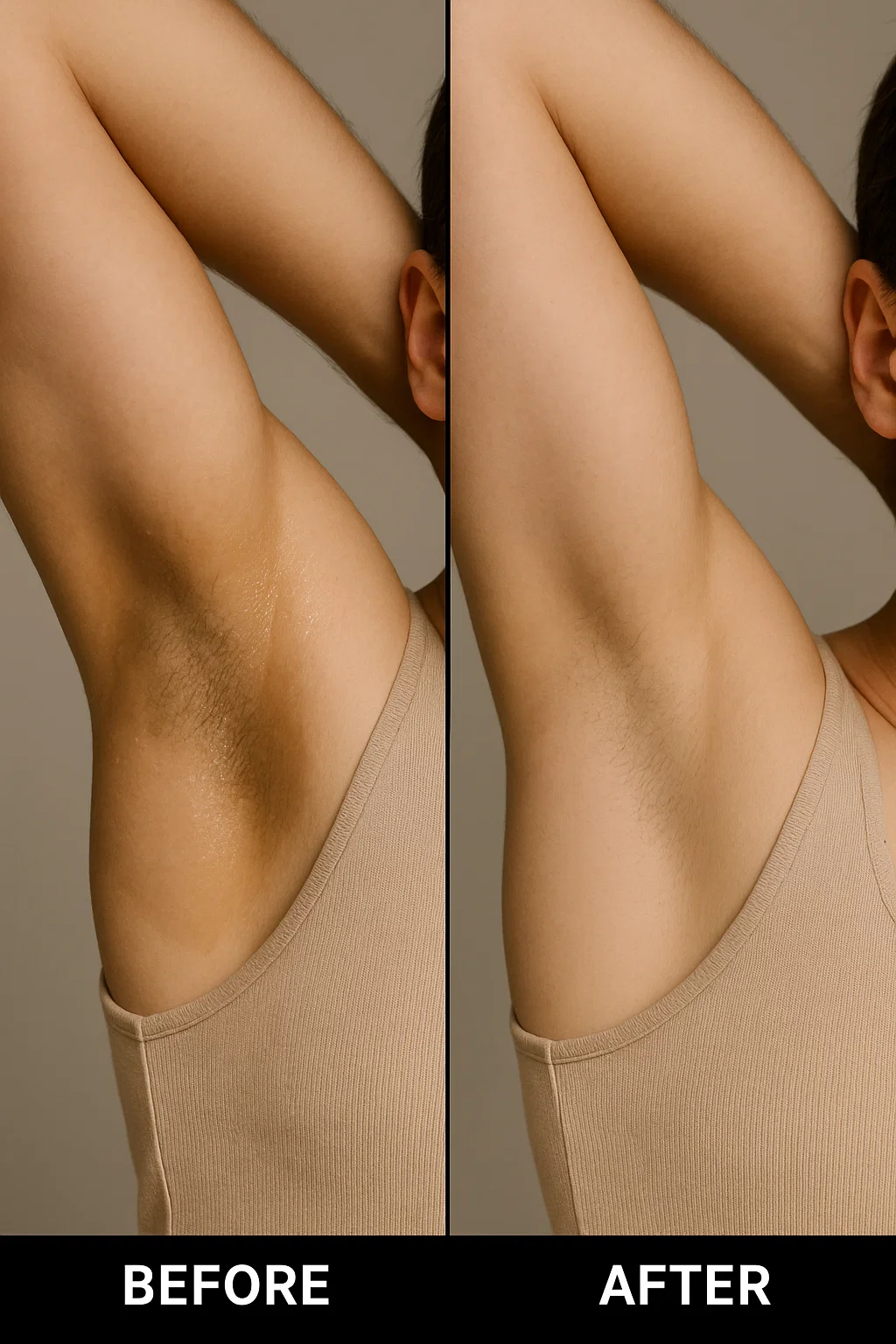
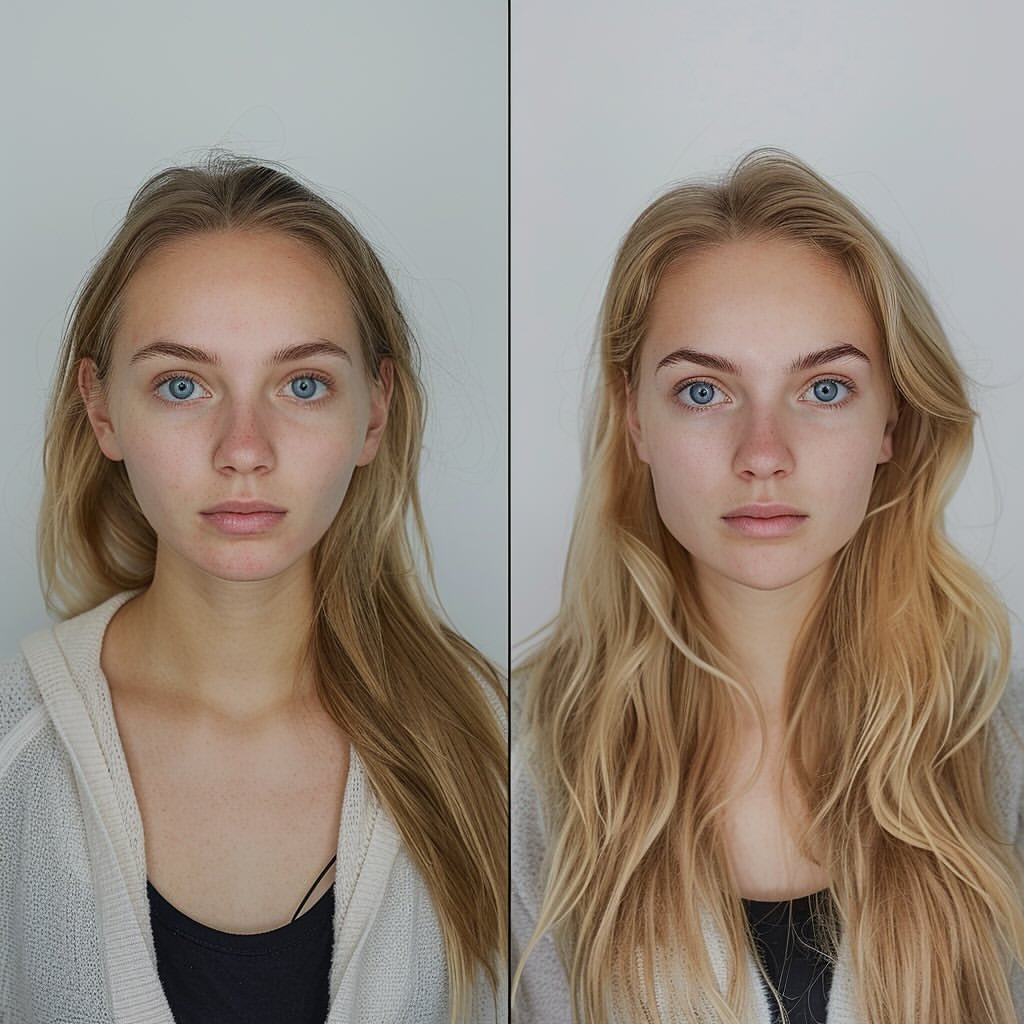
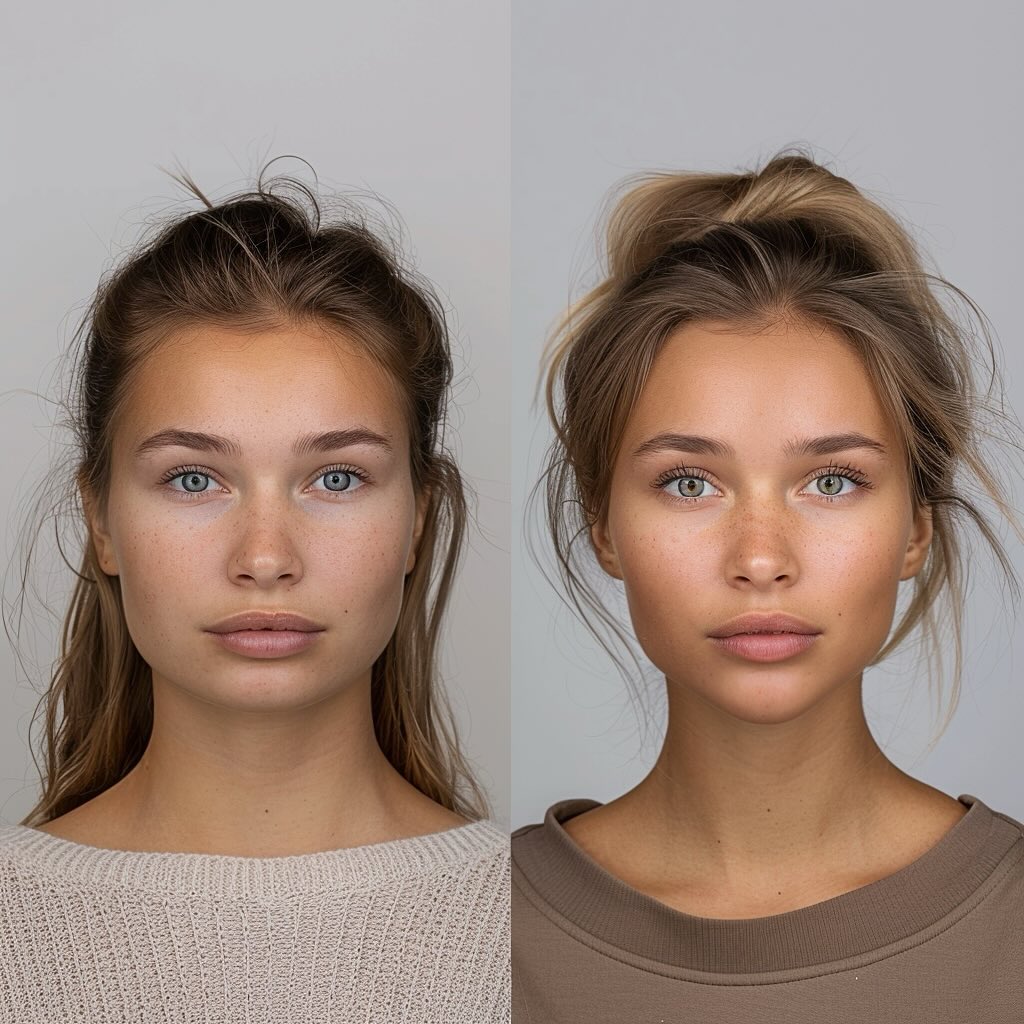
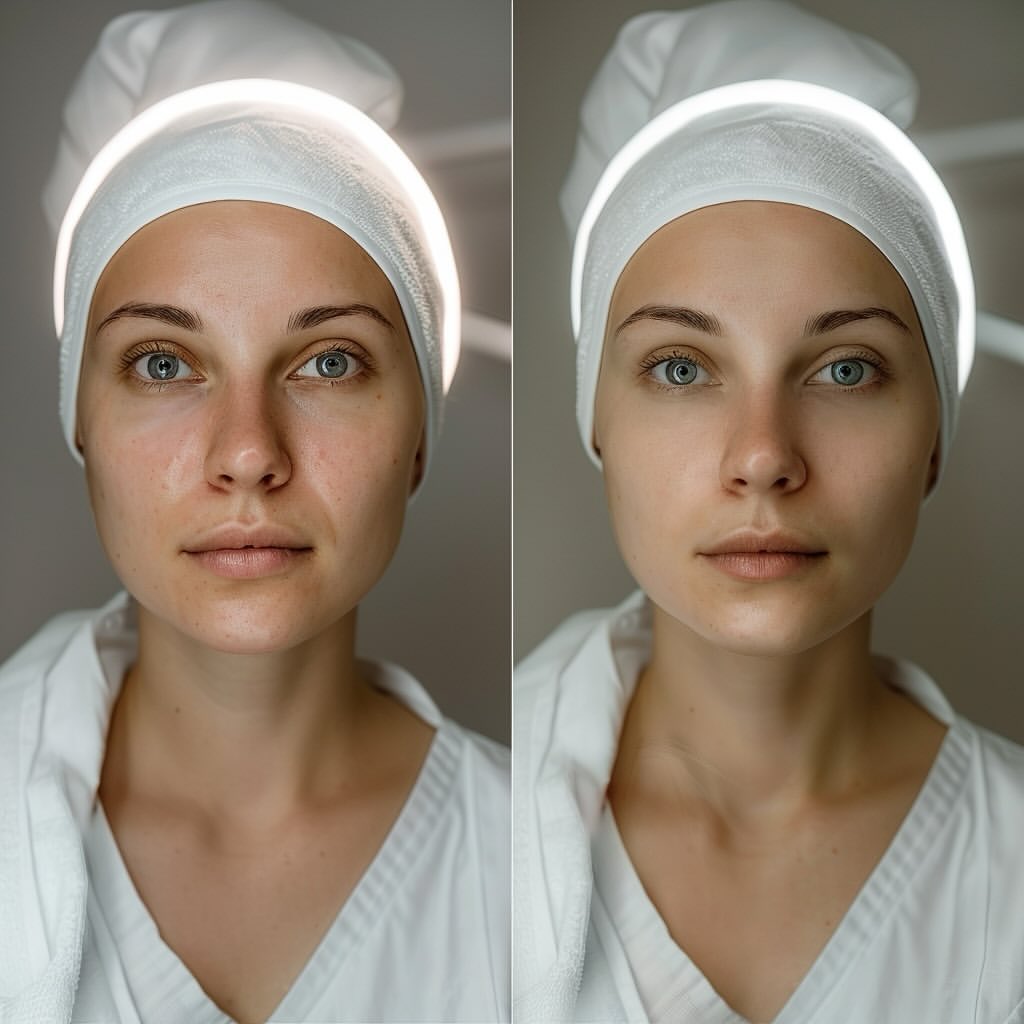
Before and After Hyperhidrosis Treatment
Patients may notice a reduction in sweating within days of treatment. The neurological blocking mechanism creates profound changes in perspiration patterns, delivering:
- Complete cessation of excessive sweating in treated regions within 48-72 hours
- Restoration of normal social confidence through elimination of visible perspiration stains
- Improved professional presentation without concern for sweat-related embarrassment
- Enhanced clothing choices previously avoided due to perspiration visibility
- Elimination of compensatory behaviours such as frequent garment changes or antiperspirant reapplication
- Significant improvement in quality of life scores measured through validated hyperhidrosis assessment tools
- Reduced skin irritation and maceration associated with chronic moisture exposure
Initial treatment effects typically manifest within 2-5 days, with maximum efficacy achieved by week two post-injection. The denervation process creates sustained anhidrosis lasting 6-12 months depending on individual metabolism and injection site characteristics. Patients frequently report transformative lifestyle improvements as excessive sweating concerns diminish, allowing normal social and professional interactions without perspiration-related anxiety.
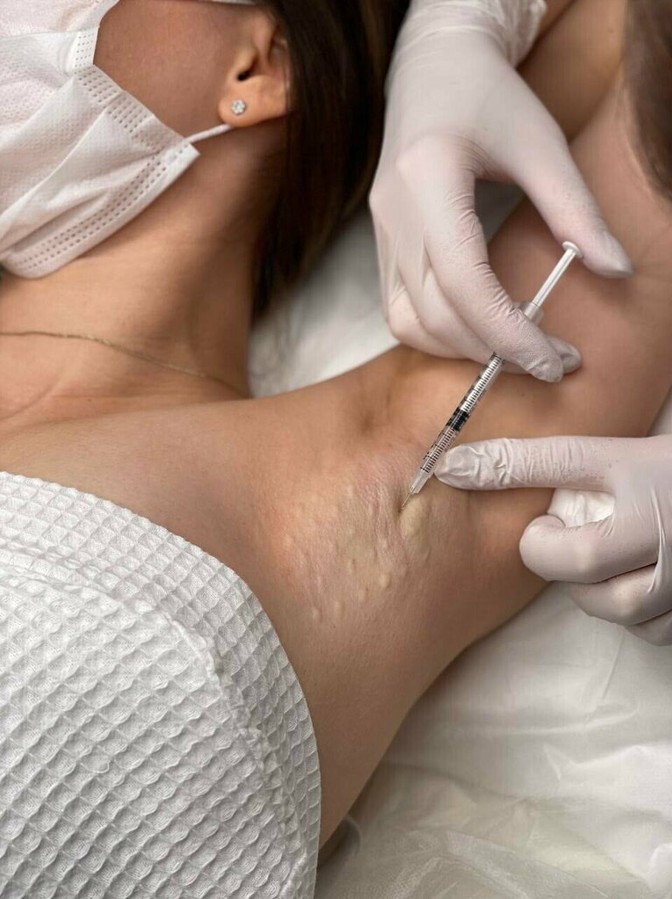
What Is Hyperhidrosis Treatment?
This treatment is used in clinical practice for selected cases of primary focal hyperhidrosis, functioning through selective inhibition of acetylcholine release at sympathetic nerve terminals innervating eccrine sweat glands. The treatment works by temporarily reducing the nerve signals involved in sweat production in the treated area, creating localised anhidrosis without affecting surrounding tissue function.
The treatment protocol involves strategic injection placement based on detailed anatomical understanding of sweat gland distribution patterns and nerve supply characteristics. Unlike cosmetic applications requiring muscle relaxation, hyperhidrosis treatment targets autonomic nervous system components controlling perspiration regulation.
The treatment mechanism may include:
- Blockade of SNARE protein complex formation at nerve terminals
- Prevention of acetylcholine vesicle fusion with presynaptic membranes
- Temporary denervation of targeted eccrine sweat glands
- Preservation of surrounding tissue innervation and function
- Gradual nerve terminal regeneration over 6-12 month periods
- Restoration of normal perspiration patterns following treatment clearance
The therapeutic window allows precise control over sweat reduction without compromising thermoregulatory capacity in non-treated body regions. This approach can be suitable for selected cases of focal hyperhidrosis following clinical assessment whilst preserving essential physiological cooling mechanisms across the majority of body surface area.
Hyperhidrosis Treatment Process: Step by Step
A typical hyperhidrosis treatment pathway includes assessment, treatment planning and follow-up by the clinic or practitioner through systematic medical evaluation and precise injection techniques:
- Comprehensive Medical Assessment: Detailed hyperhidrosis severity evaluation using standardised scales and impact questionnaires
- Diagnostic Testing: Minor starch-iodine testing to map precise sweat distribution patterns and identify optimal injection zones
- Medical History Analysis: Review of previous treatments, medications, and underlying conditions potentially contributing to excessive sweating
- Treatment Area Preparation: Thorough skin cleansing and optional topical anaesthesia application for enhanced patient comfort
- Injection Planning: Strategic mapping of injection points based on sweat gland density and anatomical considerations
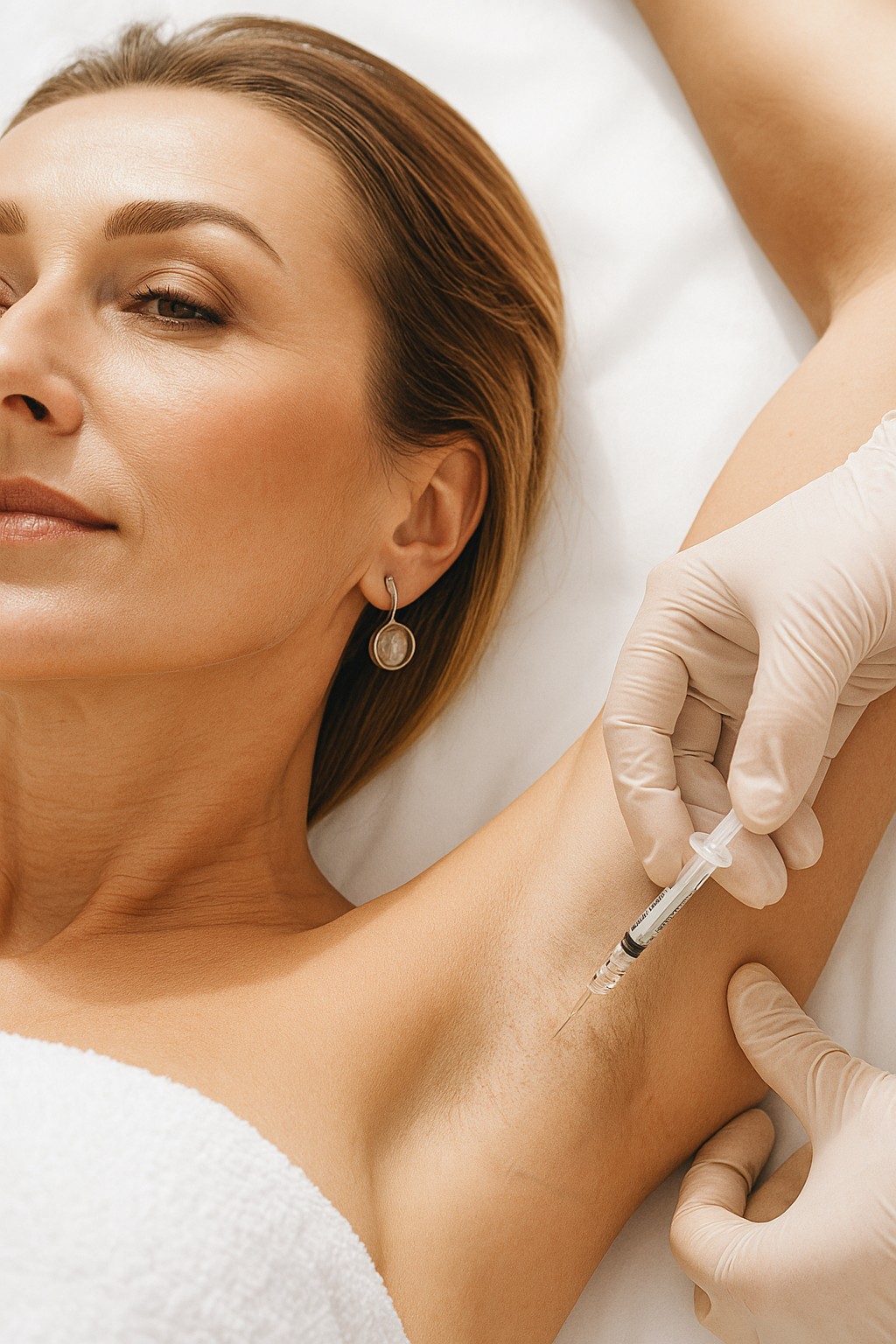
- Targeted Treatment Administration: Systematic injection delivery using fine-gauge needles and standardised unit calculations
- Immediate Post-Treatment Assessment: Evaluation of injection sites and provision of detailed aftercare instructions
- Response Monitoring: Follow-up scheduling to assess treatment efficacy and plan maintenance protocols
- Outcome Documentation: Photography and patient-reported outcome measures to track treatment success
Treatment sessions require 30-45 minutes depending on anatomical areas addressed. Patients report minimal discomfort during injection procedures, with most describing brief stinging sensations that resolve immediately. The outpatient nature allows normal activity resumption without significant lifestyle disruption.
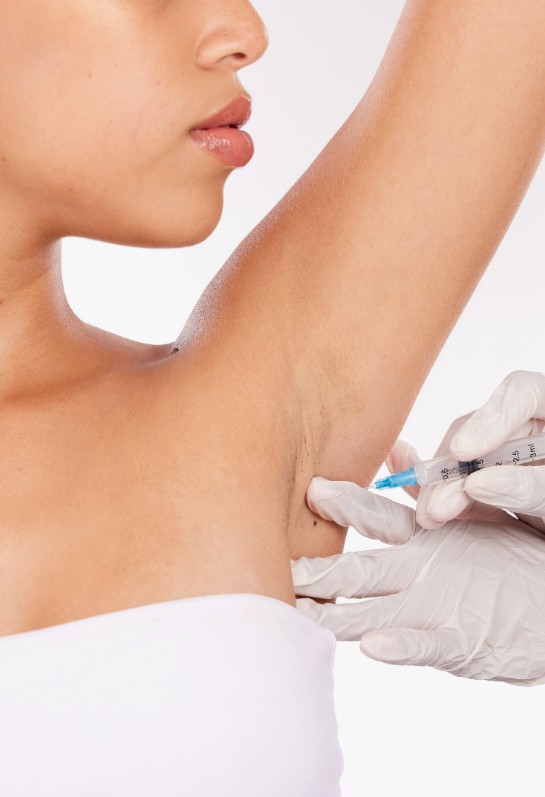
Benefits of Hyperhidrosis Treatment
Hyperhidrosis treatment may offer several potential benefits over alternative excessive sweating management approaches:
Rapid Therapeutic Response
Sweat reduction typically begins within 48-72 hours, providing almost immediate relief from hyperhidrosis symptoms and associated social distress.
Long-Duration Efficacy
Single treatment sessions provide 6-12 months of sustained sweat reduction, offering extended periods without excessive perspiration concerns.
Precise Localisation Control
Treatment targets specific problematic areas whilst preserving normal sweating capacity in non-affected body regions essential for thermoregulation.
Minimal Systemic Impact
Localised injection approach avoids systemic medication effects and interactions associated with oral hyperhidrosis treatments.
Reversible Treatment Effects
Temporary denervation allows treatment modification or discontinuation based on patient preference and changing clinical requirements.
High Patient Satisfaction Rates
Some studies report patient satisfaction and quality-of-life improvement following treatment for hyperhidrosis.
Professional Recognition and Safety
Extensive clinical research and regulatory approval confirm both efficacy and safety when administered by qualified medical practitioners.

Hyperhidrosis Treatments Available in London
Science Beauty lists independent clinics and practitioners offering treatment options for different presentations of hyperhidrosis in London:
Axillary Hyperhidrosis Treatment
Targeted underarm treatment for one of the most common forms of excessive sweating for sustained perspiration control.
Palmar Hyperhidrosis Protocol
Specialised hand sweating treatment requiring precise injection techniques and higher unit concentrations due to increased eccrine gland density.
Plantar Hyperhidrosis Management
Comprehensive foot sweating treatment addressing both therapeutic efficacy and patient comfort during injection procedures in sensitive plantar regions.
Facial Hyperhidrosis Treatment
Delicate approach targeting excessive facial sweating whilst preserving natural facial expressions and avoiding unwanted muscle relaxation effects.
Combination Treatment Protocols
Multi-area approaches addressing hyperhidrosis affecting multiple anatomical regions through coordinated treatment planning and optimal scheduling.
Treatment plans vary by clinic and are based on clinical assessment, anatomy and the area being treated based on anatomical requirements, sweat gland density mapping, and individual patient response characteristics to ensure optimal therapeutic outcomes.
Why Book Through Science Beauty?
Science Beauty is an independent booking platform for clinics and practitioners offering hyperhidrosis treatment in London
Specialist Medical Training
Listed practitioners may have relevant training in the treatment of hyperhidrosis, subject to clinic-specific verification and comprehensive understanding of hyperhidrosis pathophysiology and treatment protocols.
Pharmaceutical-Grade Products
Clinics may use prescription treatments sourced and stored in line with their own clinical and regulatory requirements with proper cold-chain storage and handling.
Evidence-Based Treatment Protocols
Listed clinics and practitioners may follow established clinical guidelines and current practice standards and incorporate latest research findings in hyperhidrosis management and botulinum toxin applications.
Central London Accessibility
Prime location with excellent transport links and flexible appointment scheduling accommodating professional and personal commitments.
Comprehensive Patient Care
Users can arrange appointments with clinics that offer assessment, treatment and follow-up for hyperhidrosis with detailed progress monitoring and outcome optimisation.
Clinical Environment Standards
Clinical responsibility, treatment standards and infection-control procedures remain with the clinic or practitioner providing the service.
Proven Treatment Outcomes
Clinic profiles may include treatment information and patient feedback where available with comprehensive documentation of patient satisfaction and therapeutic success rates.
Frequently Asked Questions
How long does hyperhidrosis treatment remain effective?
Treatment effects typically last 6-12 months, with many patients experiencing sustained sweat reduction throughout this period. Individual response duration varies based on metabolism, injection site characteristics, and personal physiological factors. Regular maintenance treatments help preserve therapeutic benefits and prevent hyperhidrosis symptom recurrence.
Is hyperhidrosis treatment painful?
Most patients describe mild discomfort during injection procedures, comparable to routine vaccination experiences. Topical anaesthesia can be applied prior to treatment for enhanced comfort. Brief stinging sensations resolve immediately following injection completion, with no lasting discomfort or significant treatment burden.
Who is a suitable candidate for hyperhidrosis treatment?
Ideal candidates experience focal hyperhidrosis significantly impacting daily activities, social interactions, or professional performance. During consultation, the practitioner evaluates sweating severity, previous treatment responses, medical contraindications, and realistic therapeutic expectations to determine treatment appropriateness.
How is the treatment plan for hyperhidrosis decided?
Unit requirements vary based on anatomical areas treated and individual sweat gland density. Axillary treatment typically requires 50-100 units per side, whilst palmar hyperhidrosis may need 100-150 units per hand. Precise calculations consider patient-specific factors and clinical assessment findings.
What should I expect following hyperhidrosis treatment?
Post-injection, mild redness or swelling may occur at injection sites, resolving within hours. Sweat reduction begins within 2-5 days, reaching maximum effect by two weeks. Normal activities resume immediately, with recommendations to avoid excessive heat exposure or vigorous exercise for 24-48 hours to optimise treatment outcomes and prevent complications.
How much does Botox for hyperhidrosis cost in London?
Botox for hyperhidrosis in London typically costs between £400 and £500 for underarm treatment, with an average price of around £450. Prices vary based on the area treated, the practitioner’s qualifications, and clinic location, with entry-level sessions starting around £280–£400. Premium central London and Harley Street clinics often charge £500–£700 or more, particularly for hands or feet.