Forehead Anti-Wrinkle Treatments in London
The forehead is one of the first areas where dynamic expression lines become visible. Horizontal creases develop through repeated facial movement, while frown lines are linked to activity in the muscles between the brows. Independent specialists available through Science Beauty provide forehead wrinkle relaxing treatment in London using botulinum toxin injections, designed to reduce targeted muscle activity while maintaining natural facial expression.
This non-surgical botox treatment in London is suitable for patients who want to soften visible lines while preserving natural movement. Verified practitioners featured on the platform assess facial anatomy, skin quality, and movement patterns before creating a personalised plan focused on balanced, natural-looking results.

Thousands of satisfied customers
How Much Does Forehead Botox Cost in London?
Direct Answer
Forehead Botox London treatments typically cost between £175 and £275 per treatment area, with an average price of around £220. The cost of a botox treatment in London varies based on practitioner qualifications, dosage required, and clinic location, with combined upper-face treatments (2 areas) starting from £250–£350. Premium central London and Harley Street clinics may charge more for treatment depending on the provider and treatment plan.
Typical Forehead Botox Prices in London
- Forehead (1 area): £175–£275
- Two areas (forehead + frown lines): £250–£350
- Three areas (upper face): £300–£425
- Premium Harley Street forehead treatment: £300–£400
- Top-up review (if not included): £50–£100
Key Pricing Factors
- Practitioner qualifications: GMC-registered doctors and experienced NMC-registered nurse prescribers typically charge more for advanced facial assessment.
- Clinic location: Harley Street and central London clinics usually charge 30–60% more than outer London practices.
- Dosage required: Stronger forehead muscles may require 20–40% more product than average.
- Treatment scope: Combining areas offers better value, with 2 areas costing less than paying for two separate treatments.
- What’s included: Some clinics charge separately for consultation or follow-up reviews.
What Should Be Included in the Price
- Consultation with a GMC or NMC registered practitioner.
- Full facial assessment and personalised treatment plan.
- Written confirmation of the botulinum toxin product used.
- Follow-up review within 2 weeks, if clinically required.
- Complimentary or discounted adjustment within the recommended review period.
Pricing Red Flags
Forehead Botox advertised below £90 in London should be treated as a warning sign rather than a bargain. Very low prices may indicate an unqualified injector, an unverified product, or treatment in a non-clinical setting. Correcting poor results often costs considerably more than having treatment performed safely in a CQC-regulated clinic.
For a personalised quote based on the number of areas you want treated and your facial muscle strength, book a free consultation.
Before and After Forehead Wrinkle Treatment
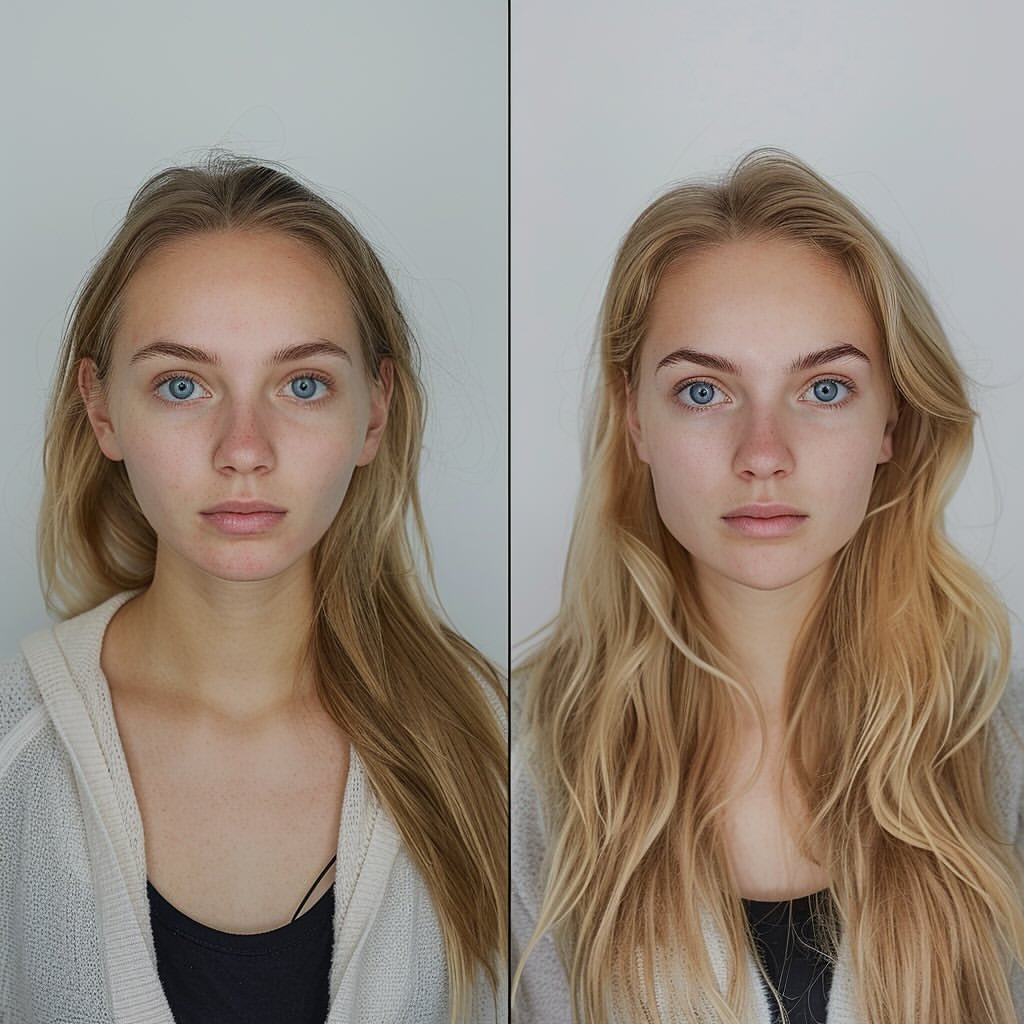
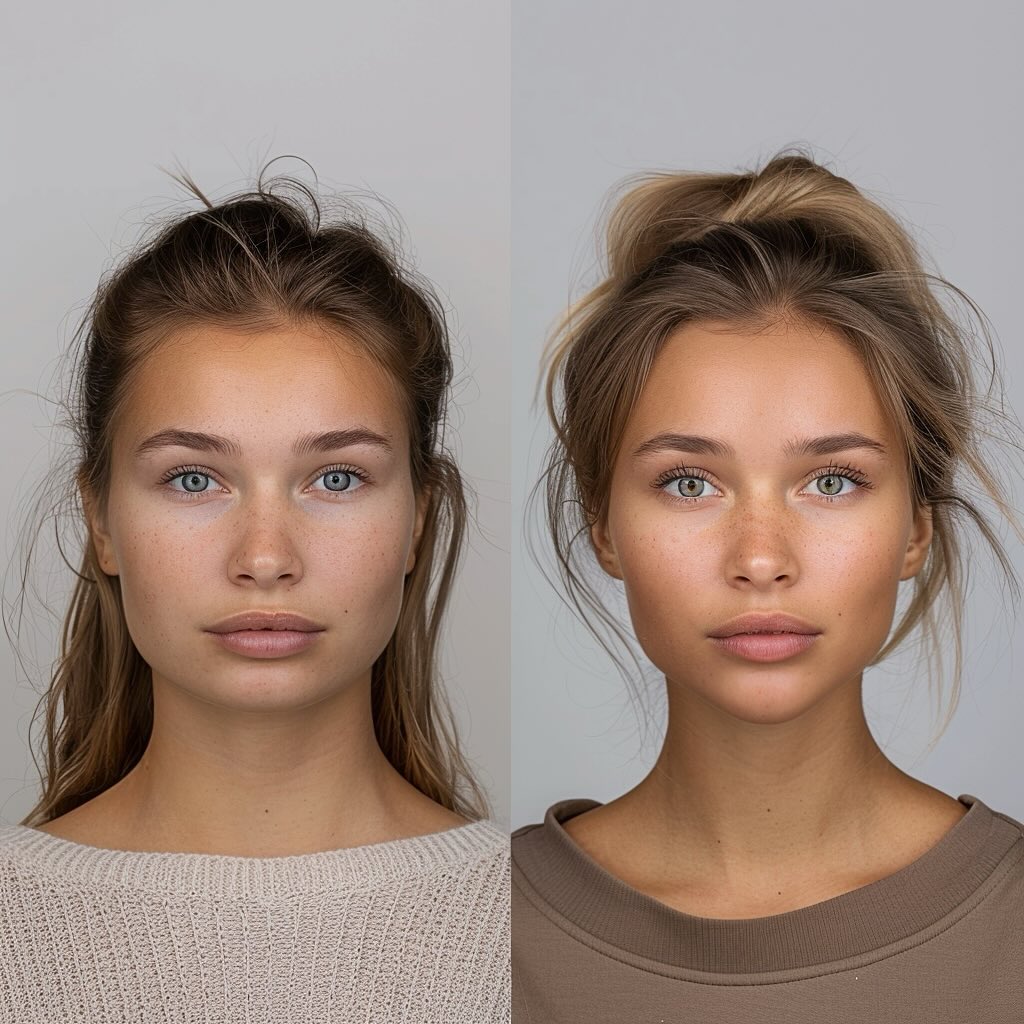
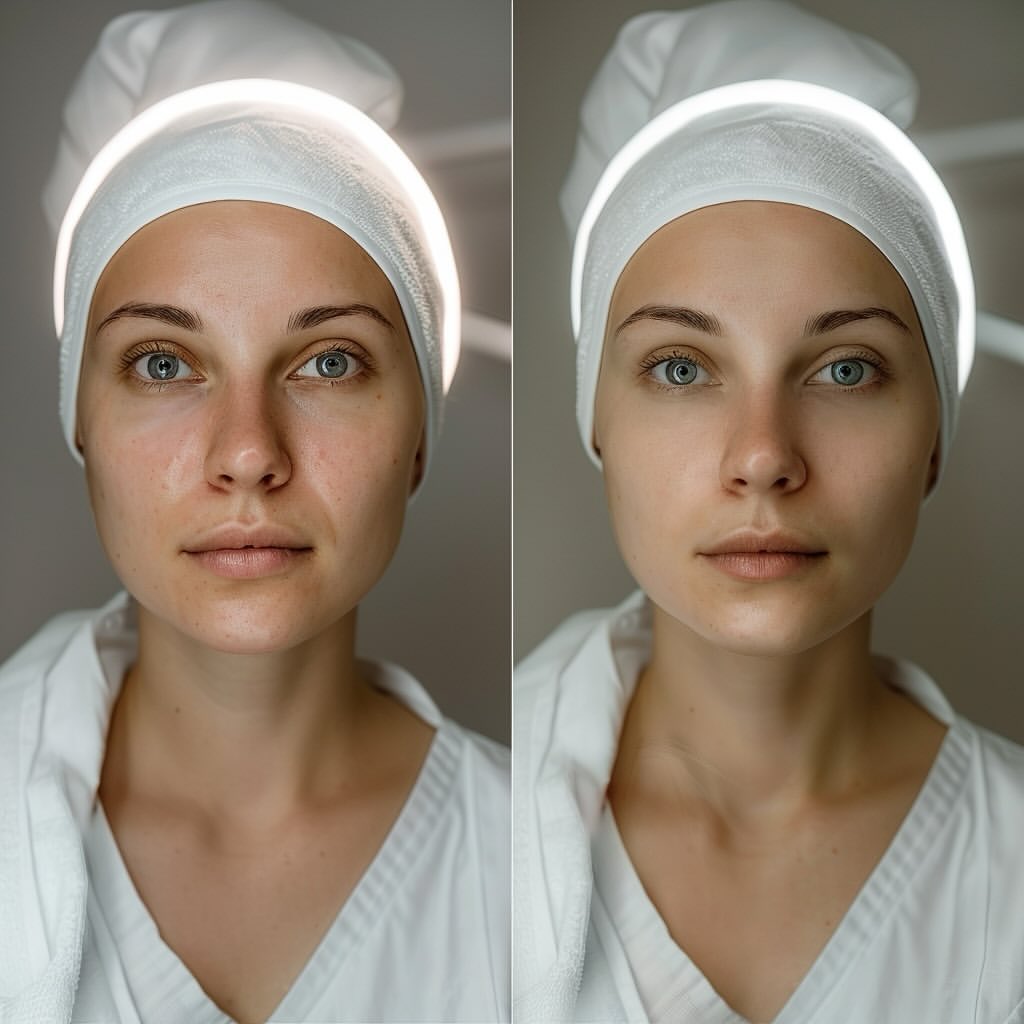
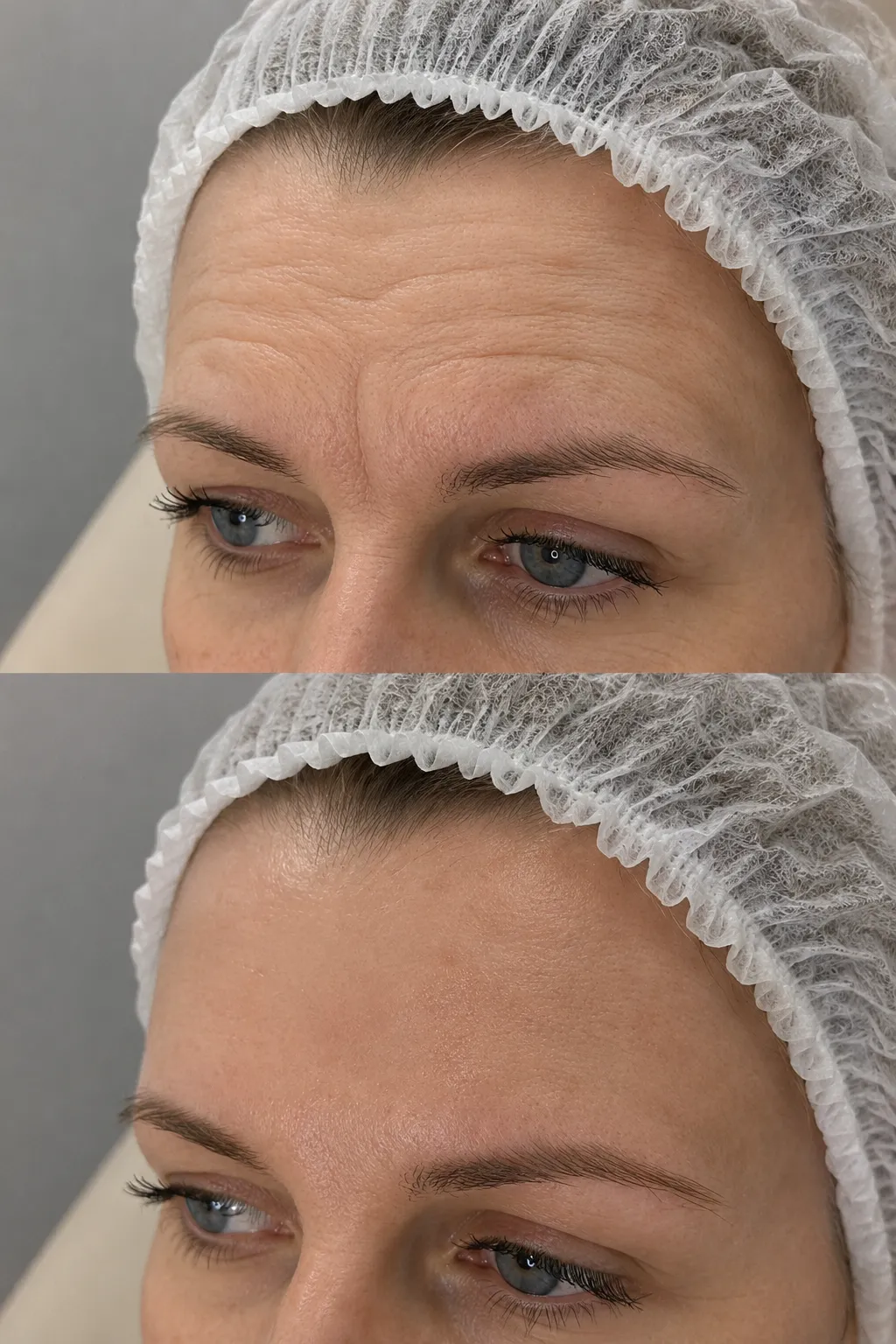
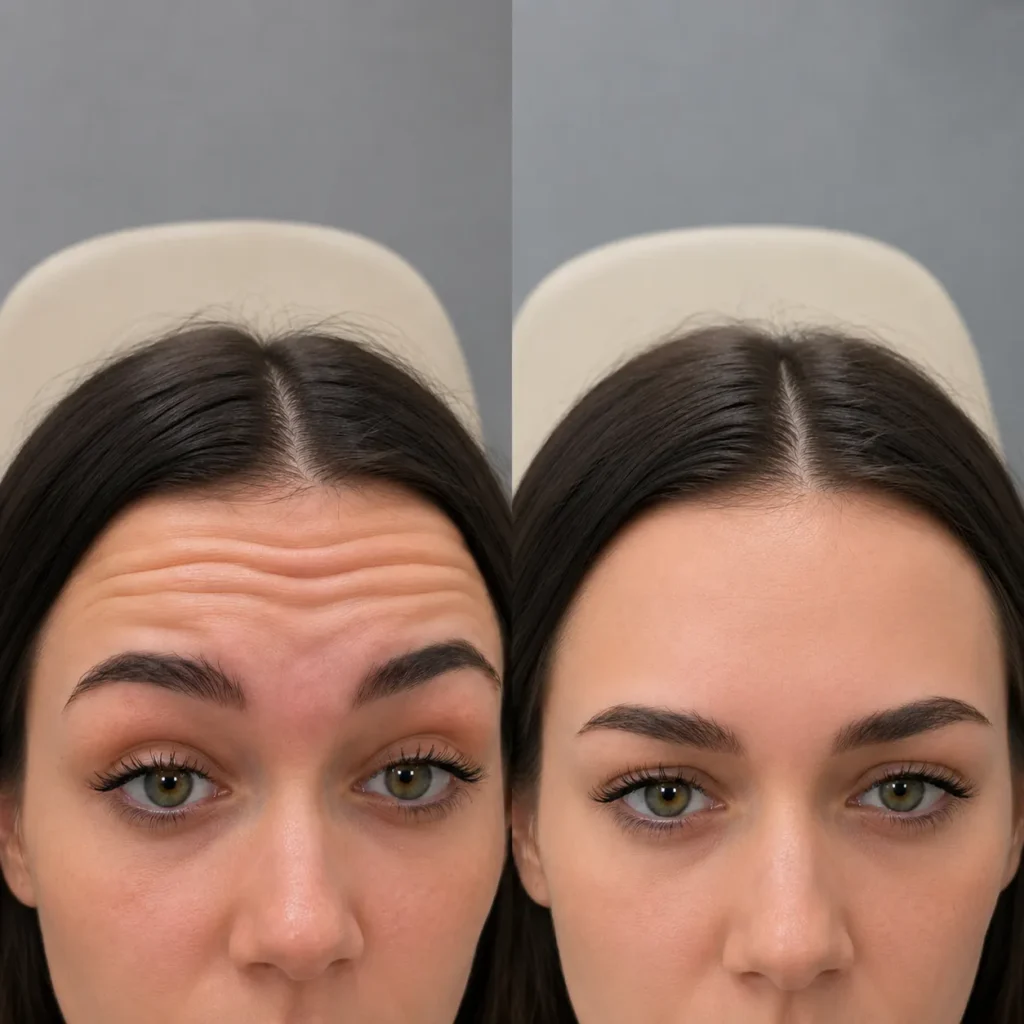
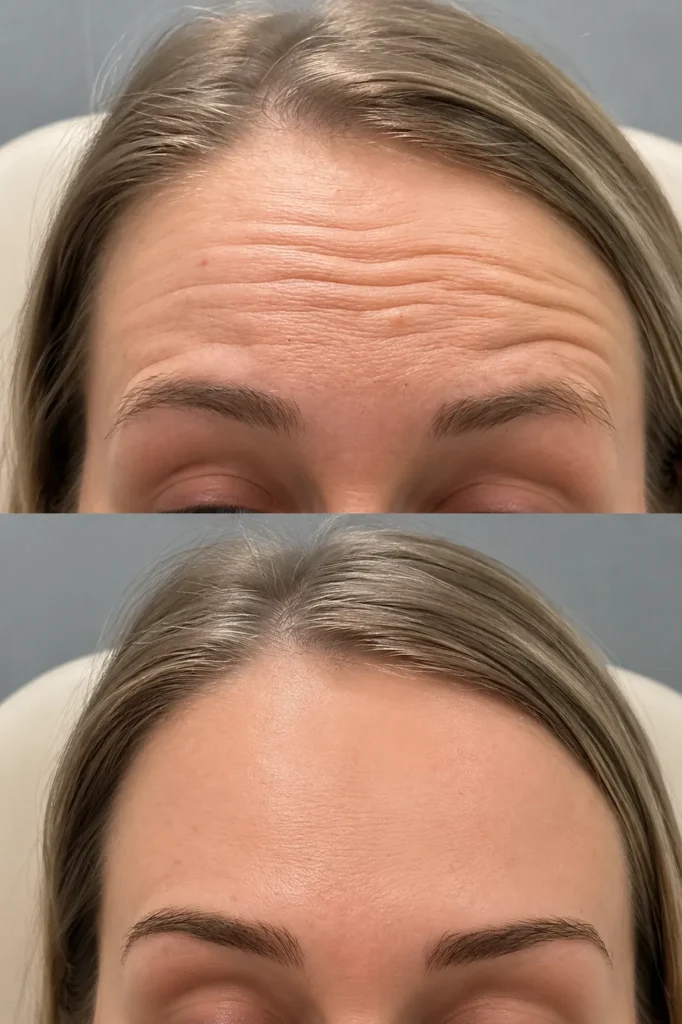
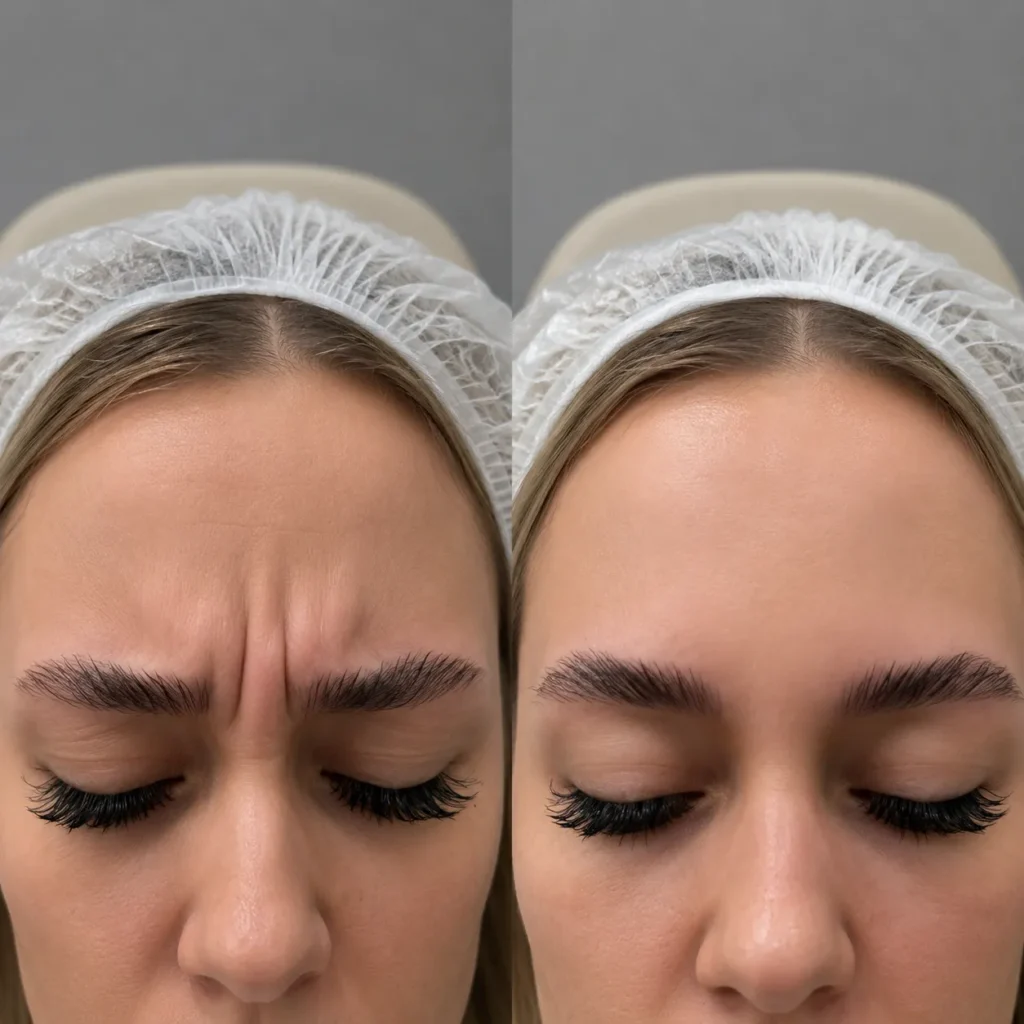
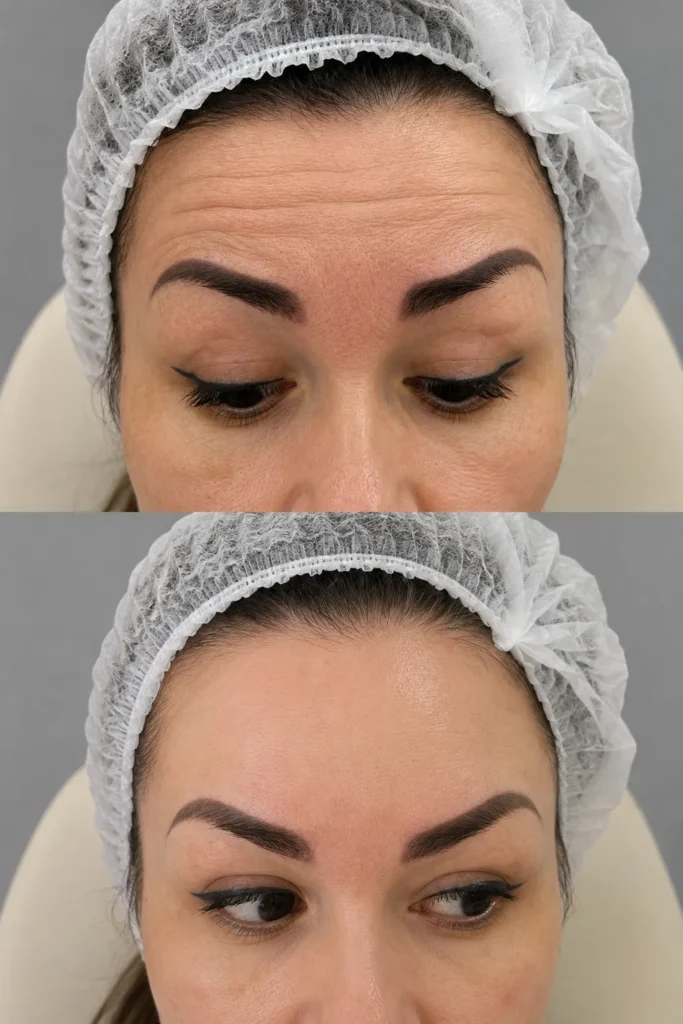
Patients presenting to independent specialists with established horizontal lines or deepening frown lines typically report visible softening within seven to fourteen days. Botox results reflect a reduction in targeted muscle activity rather than surface-level resurfacing — meaning treated areas appear more relaxed whilst still permitting natural movement. Results vary depending on anatomy, treatment plan, practitioner technique, and product choice.
Those considering forehead line correction often describe a combination of concerns: lines that appear even at rest, a permanently furrowed or tense brow appearance, or early expression lines they wish to prevent from deepening further. Verified clinics featured through Science Beauty report that realistic outcomes are discussed thoroughly during consultation, with practitioners setting expectations aligned to individual skin quality and muscle activity.
Commonly discussed outcomes include:
- Smoothing of horizontal lines running across the forehead
- Reduction in the appearance of frown lines between the brows
- A subtle lift to the brow tail, creating a more open eye appearance
- Prevention of static lines forming from repeated dynamic movement
What is a Forehead Wrinkle Relaxing Treatment?
Botulinum toxin is a prescription-only purified protein. When delivered through a botox injection in carefully measured doses into targeted areas, it blocks signals between nerves and muscles, reducing contraction and allowing the skin above to gradually appear smoother.Wrinkle relaxing injections using botulinum toxin are among the most widely administered cosmetic treatments in the UK, with a well-established clinical record when delivered by a qualified prescriber.
This approach is particularly effective for dynamic wrinkles caused by repeated facial movement. By relaxing the muscles responsible for expression lines, practitioners can target areas such as the frontalis while helping preserve a balanced brow position and natural appearance. The corrugator supercilii and procerus muscles, which draw the brows inward and downward to form vertical frown lines, are addressed where clinically indicated. A skilled practitioner preserves sufficient muscle activity to maintain a natural look throughout.
Forehead muscle relaxing injections can be used as a standalone procedure or combined with treatment around the eyes and other areas of the upper face. They are distinct from dermal fillers: botulinum toxin relaxes targeted muscles, whilst fillers restore lost volume. Independent specialists may recommend either or both, depending on the patient’s anatomical needs and the combination of static and dynamic lines present.
The Forehead Treatment Process: Step by Step
Clinical Assessment
During a botox appointment, a verified practitioner evaluates facial movement, brow position, skin quality, and aesthetic goals to determine appropriate dosing and injection mapping for the procedure.
Procedure time: 15–30 minutes
Recovery: Minimal to none; most patients resume normal activities immediately following treatment.
Pre-treatment Protocol
Skin is cleansed, and topical anaesthetic cream may be applied. Medical history, contraindications, and current medications are reviewed as part of prescribing compliance before the procedure is carried out.
Treatment Implementation
Botulinum toxin is administered through fine-gauge injections placed at carefully selected injection sites on the forehead. The amount of product and precise placement help determine the effectiveness of treatment and the quality of the final result.
Post-procedure Care
Ice may be applied briefly to minimise localised swelling. Patients are advised to remain upright for several hours and avoid vigorous exercise on the day of treatment.
Follow-up Review
Many practitioners schedule top-ups at a two-week review to assess the clinical outcome and, where necessary, administer a small supplementary dose to optimise results.
Benefits of Forehead Line Correction
Forehead muscle relaxing injections offer a non-surgical, time-efficient cosmetic procedure with minimal to no required downtime. Unlike ablative resurfacing or surgical brow lifting, they address the muscular activity behind dynamic expression lines rather than the skin surface alone. Botox offers a subtle approach designed to support natural results while maintaining facial movement. Results from a single session are typically visible within 7–14 days and may last 3 to 6 months, depending on dose, metabolism, and the area treated.
Wrinkle relaxing treatment administered consistently over time may help reduce the visible depth of static lines — those present even without expression — as repeated relaxation of the muscle allows overlying skin to recover. When delivered by practitioners with experience in botulinum toxin and a thorough understanding of facial anatomy, the procedure can also create a subtle brow lift, improve symmetry, and address asymmetrical muscle dominance. The effects are temporary and reversible, making it a low-commitment entry point for those exploring facial line correction for the first time.
Key clinical benefits associated with forehead botox:
- Non-surgical with no anaesthesia or incisions required
- Potential reduction in the appearance of forehead lines and wrinkles
- Possible subtle, non-invasive brow lifting effect
- Reversible: botulinum toxin is metabolised naturally over time
- Minimal downtime, suitable for patients with active professional schedules
Forehead Treatment Options
Standard Forehead Line Treatment
The most common approach targets the frontalis muscle to reduce horizontal lines, combined with treatment of frown lines via the corrugator and procerus muscles. Independent specialists customise the number of injection points and the dose per site according to muscle strength and individual movement patterns.
Low-Dose Preventative Protocol (Baby Botox)
Small doses of botulinum toxin — sometimes called a micro-dosing or preventative protocol — are gaining popularity amongst patients in their mid-twenties to early thirties who wish to soften fine lines whilst preserving a fuller range of facial movement. This approach particularly suits those seeking a natural look rather than pronounced muscle relaxation, and is one option worth discussing with a verified practitioner in London.
Brow-Lift Technique
Through strategic placement of botulinum toxin around the lateral brow and upper periorbital area, certain practitioners can create a non-surgical lift of the brow tail. This advanced procedure requires in-depth knowledge of the orbicularis oculi and frontalis interaction, and is not offered by all specialists.
Combined Upper-Face Protocol
Combining botox with other upper-face wrinkle relaxing treatments is a common approach when multiple areas require attention. A single session may address concurrent concerns in the forehead, glabellar, and periorbital zones:
- Forehead lines (frontalis muscle)
- Frown lines / glabellar complex (corrugator and procerus)
- Crow’s feet / periorbital area (orbicularis oculi)
- Brow-lift refinement (optional, at practitioner’s discretion)
Why Choose Science Beauty to Find Forehead Line Treatment?
Science Beauty connects patients with verified, independently operating practitioners and clinics in London who meet defined selection criteria for clinical safety and expertise. Whether you are looking for a botox clinic in London or want to compare wrinkle correction specialists near you, the platform provides transparent access to vetted providers across multiple London locations.
Independent specialists available through the platform are assessed against the following criteria:
- Active GMC, NMC, GPhC, or GDC registration in good standing
- Verified clinical experience in facial aesthetic medicine and botulinum toxin administration
- CQC-compliant or equivalent clinical environment with appropriate prescribing infrastructure
- Evidence-based protocols with documented consent processes and post-treatment review pathways
- High patient satisfaction ratings, verified independently through recognised review platforms
- Membership of recognised aesthetic bodies such as JCCP, Save Face, or equivalent registers
Patients can compare practitioners, review published pricing, and book consultations directly — without obligation or pressure to proceed until they feel fully informed.
Disclaimer: The terms “best” and “premier” used in reference to practitioners or treatments signify those that meet our selection criteria, including active GMC/NMC registration, verified clinical experience, high patient satisfaction, and the use of clinically proven, evidence-based protocols. Science Beauty acts as an independent booking platform to ensure quality and safety in aesthetic care.
Frequently Asked Questions
How long does forehead wrinkle relaxing treatment last?
Forehead botox results typically last 3 to 6 months, though this varies with individual metabolism, muscle mass, and the dose administered. Patients with stronger frontalis activity or higher metabolic rates may find results closer to three months, whilst others maintain visible smoothing for up to six. Consistent top-ups over time may help maintain results between sessions.
Is forehead line correction safe?
When administered by a qualified, registered prescriber using approved botulinum toxin products, the procedure has an established clinical record in the UK. Risks include temporary bruising, localised headache, and — in rare cases of inaccurate placement — transient brow ptosis. These effects are typically short-lived. Choosing a practitioner registered with the GMC, NMC, GPhC, or GDC significantly reduces the likelihood of adverse outcomes.
How many units are needed for the forehead?
The frontalis muscle typically requires between 10 and 20 units of botulinum toxin, though the amount varies considerably based on muscle strength, the patient’s desired level of movement restriction, and the practitioner’s dosing philosophy. Men and patients with particularly expressive or strong foreheads may require doses at the upper end of this range. The final dose is determined during consultation.
Is forehead wrinkle treatment worth it?
For patients bothered by forehead lines or frown lines that appear at rest, botulinum toxin injections are an effective, clinically established, non-surgical option with no significant recovery period. Published clinical data indicate that the majority of patients report visible improvement at two weeks, though outcomes vary by individual. Whether treatment is appropriate depends on individual anatomy, goals, and medical suitability — all assessed during consultation.
What are the risks and side effects?
Common side effects include minor bruising at injection sites, mild swelling, and a temporary feeling of tightness or heaviness in the brow. More significant but uncommon risks include uneven brow position or drooping of the upper eyelid (ptosis), typically resulting from product migration — an occurrence minimised by practitioners with substantial experience who maintain accurate injection depth and placement. All risks should be discussed in full during the pre-treatment consultation.
Can the effects be reversed?
Botulinum toxin is not reversible in the way hyaluronic acid fillers can be dissolved. However, its effects are temporary and will naturally diminish as the neurotoxin is metabolised — typically within 3 to 6 months. There is no antidote; the procedure simply wears off. Practitioners may, in some cases, advise targeted physiotherapy for brow or eyelid ptosis whilst awaiting natural resolution.
Who are the ideal candidates?
Ideal candidates are adults in good general health who present with dynamic forehead lines — those appearing or deepening during facial expression. Treatment is not recommended for those who are pregnant, breastfeeding, or living with certain neuromuscular conditions. A thorough consultation with a registered prescriber is mandatory before any forehead procedure proceeds in the UK.
How soon will I see results?
Initial softening of forehead lines generally becomes noticeable within three to seven days. Botox results continue developing as botulinum toxin reaches peak activity in the targeted areas, with the full effect typically visible around the two-week mark. Independent specialists recommend a review appointment at this stage to confirm the outcome and determine whether a small supplementary dose would further optimise the result.
How much does forehead Botox cost in London?
Forehead Botox in London generally costs £175–£275 for one area, with an average price of around £220. The final cost depends on the injector’s qualifications, the amount of product required, and clinic location. Combined upper-face treatments usually offer better value than treating the forehead alone.