What to Do Before Microneedling: A Complete Preparation Guide
Microneedling — clinically known as collagen induction therapy — uses a device fitted with fine needles to create controlled micro-channels in the skin, triggering the body’s natural repair response and stimulating collagen remodeling. The results you achieve depend not only on the treatment itself but significantly on how well you prepare beforehand. Arriving with the right skin condition, having paused the right products, and disclosing your full medical history to your provider can meaningfully reduce the risk of complications and support optimal healing. This guide walks you through everything you need to do before your appointment, organized by timeline, so you can approach treatment with confidence.
Key Takeaways
- Stop retinoids, chemical exfoliants, and other active ingredients at least 5–7 days before treatment to reduce skin sensitivity and the risk of irritation.
- Protect your skin from sun exposure in the two weeks leading up to your appointment, and avoid tanning beds entirely.
- Disclose all medications, supplements, and medical conditions at your consultation — certain blood-thinning medications, isotretinoin, and active skin infections are among the most important factors your provider needs to know about.
- Arrive on the day of your appointment with a clean, product-free face and well-hydrated skin.
- Preparing your home recovery setup before you go — including fragrance-free products and clean pillowcases — makes the aftercare period easier and safer.
Why Preparation Matters for Microneedling
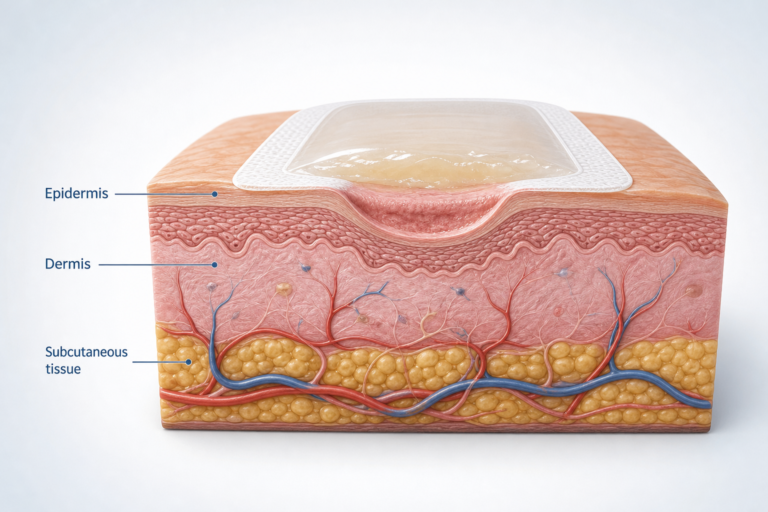
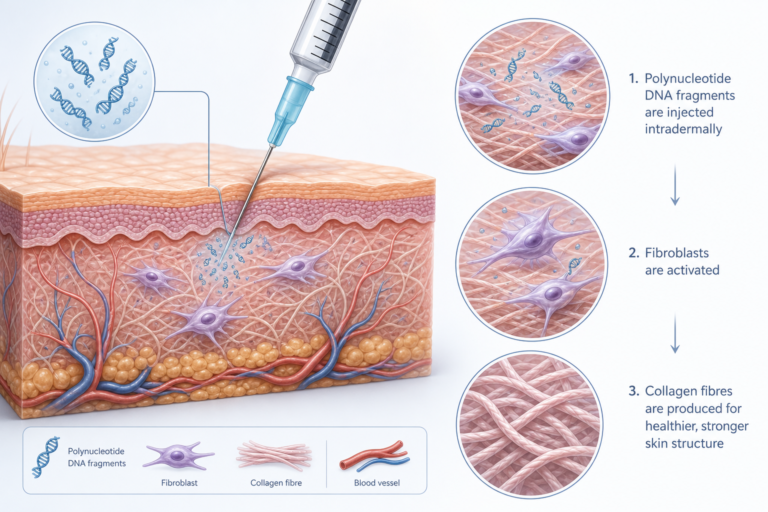
Microneedling works by creating thousands of tiny punctures in the skin’s surface. These micro-injuries prompt the skin to produce new collagen and elastin, which can gradually improve skin texture, fine lines, acne scars, and overall skin tone. Because the treatment deliberately disrupts the skin barrier, the condition of your skin going into the appointment directly affects both safety and outcome. Skin that is sunburned, actively inflamed, or sensitized by aggressive active ingredients is more vulnerable to adverse reactions, uneven healing, and post-inflammatory hyperpigmentation. A well-prepared skin barrier, by contrast, supports faster recovery and better serum absorption during and after treatment.
Preparation also gives your provider the information they need to tailor the treatment safely. Disclosing your full medical history, current medications, and skincare routine at your consultation allows your licensed provider to adjust needle depth, recommend antiviral prophylaxis if relevant, and identify any contraindications before the appointment rather than on the day.
Your Microneedling Preparation Timeline
Two Weeks Before Treatment
Begin protecting your skin from direct sun exposure at least two weeks before your appointment. Sunburned or recently tanned skin is more reactive, and UV-damaged skin heals less predictably after microneedling. Apply a broad-spectrum SPF 30 or higher mineral sunscreen daily, avoid tanning beds completely, and wear protective clothing when outdoors. If you use a self-tanner, stop using it at this point as well.
If you smoke, reducing or stopping smoking in the two weeks before treatment is advisable. Smoking impairs circulation and slows tissue repair, which can compromise the skin’s ability to heal efficiently after the micro-channels are created. Similarly, if you take any blood-thinning medications or supplements — including aspirin, ibuprofen, fish oil, vitamin E, or ginkgo biloba — discuss these with your provider at least two weeks in advance. Some may need to be paused under medical guidance to reduce the likelihood of bruising and pinpoint bleeding during treatment.
This is also the right time to consider your diet. While evidence is not conclusive, some practitioners suggest increasing intake of vitamin C-rich foods and adequate dietary protein in the weeks before treatment, as both nutrients support collagen synthesis and tissue repair. Staying well hydrated — aiming for approximately two to three litres of water daily — supports overall skin health going into the appointment.
One Week Before Treatment
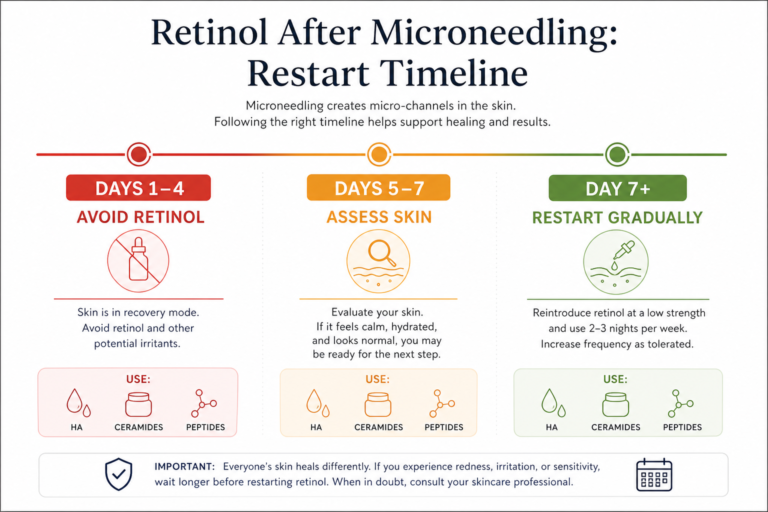
Stop using retinoids — including retinol, tretinoin, adapalene, and tazarotene — at least five to seven days before your appointment. Retinoids accelerate cell turnover and increase skin sensitivity, which raises the risk of irritation, prolonged redness, and uneven healing when combined with microneedling. Similarly, pause all chemical exfoliants, including AHAs such as glycolic acid and lactic acid, BHAs such as salicylic acid, and any topical products containing benzoyl peroxide or bleaching agents. Physical scrubs should also be set aside during this period.
Vitamin C serums in high concentrations can also increase skin sensitivity and are generally best paused for several days before treatment, though lower-concentration formulations may be acceptable — check with your provider. The goal is to arrive with a calm, barrier-supportive routine rather than a skin surface that has been recently exfoliated or sensitized by active ingredients.
If you have a history of cold sores or oral herpes simplex (HSV), inform your provider at least a week before your appointment. Microneedling can trigger an HSV outbreak in susceptible individuals, and your provider may recommend antiviral prophylaxis — typically a short course of antiviral medication started a day or two before treatment — to reduce this risk. This is a straightforward precaution that is easy to arrange in advance but requires a prescription, so early communication is important.
48 Hours Before Treatment
Avoid alcohol for at least 24 to 48 hours before your appointment. Alcohol is a vasodilator and can increase skin flushing, sensitivity, and the likelihood of bruising. It also contributes to dehydration, which is counterproductive when you are trying to arrive with well-hydrated skin.
Avoid intense exercise in the 24 to 48 hours before treatment. Strenuous physical activity raises core body temperature and increases blood flow to the skin, which can heighten sensitivity and increase the risk of bruising. A gentle walk is fine; high-intensity training is best postponed until after your appointment.
Continue moisturizing with a simple, fragrance-free moisturizer and drinking plenty of water. Hydrated skin responds better to treatment and supports the skin barrier going into the procedure. Avoid introducing any new skincare products during this window — this is not the time to trial an unfamiliar serum or mask.
The Day of Your Appointment
Arrive with a completely clean face. Remove all makeup, sunscreen, perfume, aftershave, and any leave-on skincare products before you attend. Your provider will cleanse your skin again before treatment, but arriving with a product-free face reduces the risk of any residue interfering with the procedure or being driven into the skin through the micro-channels. Do not apply any lotion, serum, or oil on the morning of your appointment.
If your provider has arranged for a topical numbing cream to be applied before treatment, follow their specific instructions regarding timing — typically the numbing cream is applied 20 to 30 minutes before the procedure begins, either at the clinic or at home if instructed. Do not apply numbing cream unless your provider has specifically recommended it and given you guidance on how to use it safely.
Eat a light meal before your appointment and stay well hydrated. Arriving fasted or dehydrated can increase sensitivity to discomfort. Wear comfortable clothing that does not need to be pulled over your face, and plan for some redness and sensitivity after the treatment — avoid scheduling important social commitments immediately afterward.
Skincare Products to Stop Before Microneedling
| Product / Ingredient | When to Stop | Reason |
|---|---|---|
| Retinoids (retinol, tretinoin, adapalene) | 5–7 days before | Increases skin sensitivity and irritation risk |
| AHAs (glycolic acid, lactic acid) | 5–7 days before | Exfoliates and sensitizes the skin barrier |
| BHAs (salicylic acid) | 5–7 days before | Exfoliates and sensitizes the skin barrier |
| Benzoyl peroxide | 5–7 days before | Can cause irritation and barrier disruption |
| Physical scrubs / exfoliants | 5–7 days before | Mechanical irritation to the skin surface |
| High-concentration vitamin C serums | 3–5 days before | May increase sensitivity; confirm with provider |
| Bleaching or skin-lightening agents | 5–7 days before | Can sensitize skin and affect healing |
| Self-tanner | 2 weeks before | Interferes with skin assessment and healing |
Medications and Supplements to Discuss With Your Provider
Several medications and supplements can increase the risk of bruising and pinpoint bleeding during microneedling by thinning the blood or impairing platelet function. These include over-the-counter anti-inflammatory medications such as aspirin and ibuprofen, as well as supplements including fish oil, vitamin E, and ginkgo biloba. Your provider will advise whether any of these should be paused before treatment and for how long, based on your individual medical history. Never stop a prescribed medication without first consulting the prescribing doctor.
Isotretinoin (commonly known by the brand name Accutane) is a significant consideration. Most providers recommend waiting at least six months after completing a course of isotretinoin before undergoing microneedling, as the medication affects skin healing and barrier function in ways that persist beyond the treatment period. Disclose any recent or current isotretinoin use at your consultation.
Certain other medications and medical conditions may also affect suitability, including anticoagulant medications, immunosuppressants, and treatments for autoimmune conditions. Your provider needs a complete and accurate picture of your current medications and health status to assess your suitability safely.
Contraindications: Who Should Wait or Avoid Microneedling
Understanding the difference between absolute and relative contraindications helps you have a more informed conversation with your provider. An absolute contraindication means microneedling should not be performed under any circumstances in that situation. A relative contraindication means treatment may be possible once a condition has resolved, stabilized, or been appropriately managed.
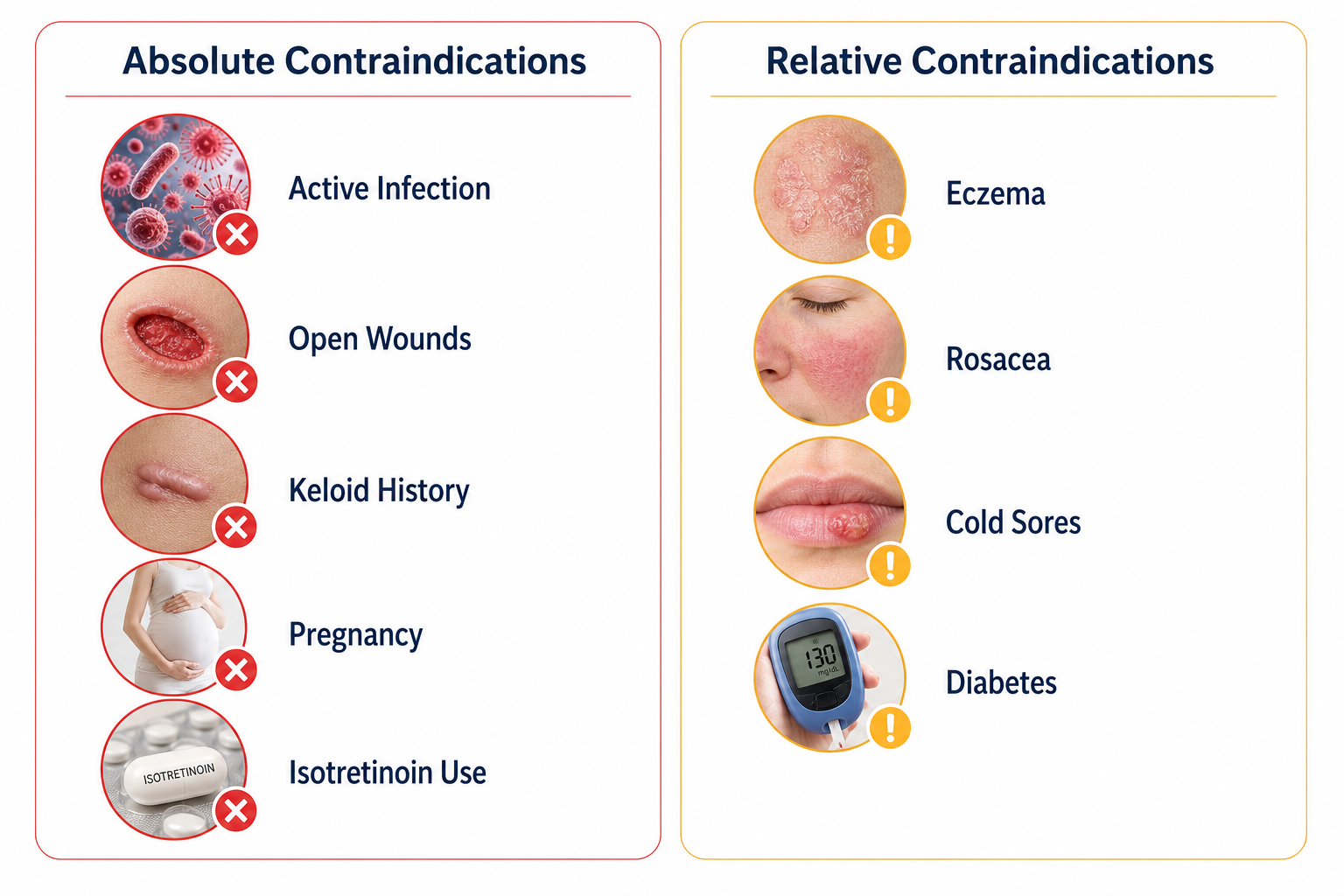
Absolute contraindications generally include active skin infections in the treatment area (including bacterial, viral, or fungal infections), open wounds or active acne lesions across the treatment zone, a confirmed history of keloid scarring (as microneedling may stimulate further keloid formation), pregnancy and breastfeeding, and certain blood disorders or active clotting conditions. Individuals currently taking isotretinoin should also wait until a safe interval has passed.
Relative contraindications — situations where treatment may be possible with appropriate precautions or after the condition has cleared — include active eczema, psoriasis, or rosacea in the treatment area, a history of cold sores or HSV (manageable with antiviral prophylaxis), diabetes (which can affect healing), and certain autoimmune conditions. If you have any of these, discuss them openly with your provider rather than assuming you cannot have treatment.
Skin-Type-Specific Preparation Considerations
Most general preparation advice applies across skin types, but some individuals benefit from additional consideration. People with darker skin tones (Fitzpatrick skin types IV–VI) carry a higher risk of post-inflammatory hyperpigmentation following microneedling, particularly if the skin is inflamed or sun-damaged going into the appointment. Ensuring the skin is well protected from UV exposure in the weeks before treatment and arriving with calm, non-sensitized skin is especially important for this group. Some providers may recommend a pre-treatment skincare routine incorporating ingredients that support an even skin tone, though this should be guided by your provider rather than self-initiated.
Individuals with sensitive skin or rosacea-prone skin should be particularly careful about pausing active ingredients well in advance and should discuss their skin type with their provider before booking. Needle depth and device settings can be adjusted for sensitive skin, but this requires an honest assessment at consultation. Those with a history of eczema or psoriasis should ensure the condition is fully controlled before proceeding.
Preparing Your Home for Recovery Before You Go
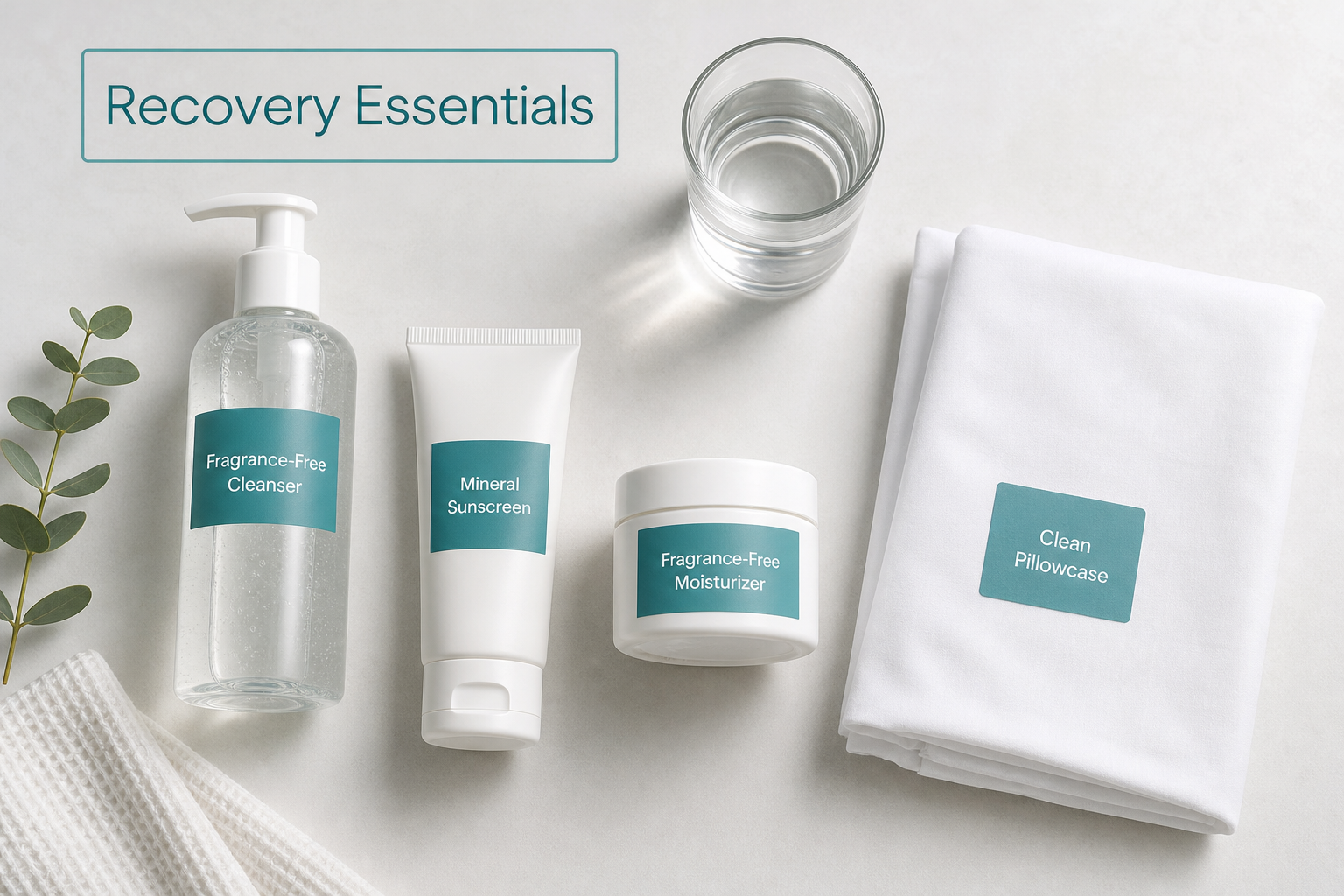
One practical step that most preparation guides overlook is organizing your home recovery setup before your appointment rather than after. After microneedling, your skin will be sensitive, and the micro-channels created during treatment temporarily increase the skin’s permeability — meaning anything applied to the skin in the hours and days following treatment is absorbed more readily. Having the right products ready in advance avoids the temptation to reach for something unsuitable when your skin is at its most reactive.
Before your appointment, stock up on a fragrance-free cleanser, a simple fragrance-free moisturizer, and a mineral sunscreen. Wash your pillowcases with a fragrance-free detergent and have clean ones ready for the nights following treatment. If you wear glasses, clean the nose pads and frames. Plan your schedule so you have at least 24 to 48 hours of reduced social commitments after the appointment, as redness and mild swelling are common in the immediate downtime period. Avoid planning any other facial treatments — including waxing, laser hair removal, chemical peels, or dermal filler appointments — in the week following microneedling.
Managing Needle Anxiety Before Your First Appointment
Concern about discomfort is one of the most common reasons people delay booking microneedling despite being interested in the treatment. Understanding what to expect can help reduce anxiety. A topical numbing cream containing lidocaine is routinely applied before professional microneedling sessions, and most patients describe the sensation during treatment as a mild vibrating pressure rather than sharp pain. Areas with thinner skin — such as around the nose or forehead — may feel more sensitive than the cheeks or chin.
Pinpoint bleeding is a normal part of the treatment process and does not indicate that anything has gone wrong. It is a sign that the micro-channels have been created and is expected, particularly at higher needle depths. Your provider will explain what you will see and feel before beginning, and you should feel comfortable asking questions or requesting a pause at any point during the session. If needle anxiety is significant, mention it at your consultation so your provider can take additional steps to ensure you are comfortable.
Questions to Ask at Your Consultation
A thorough consultation before microneedling is not just a formality — it is the appropriate time to disclose your medical history, set realistic expectations, and confirm that the treatment is right for you. Consider bringing the following questions to your appointment:
- Am I a suitable candidate for microneedling given my skin type, medical history, and current medications?
- How many sessions are likely to be needed to address my specific concern, and how far apart should they be spaced?
- Which needle depth and device settings are appropriate for my skin?
- Should I take antiviral prophylaxis given my history of cold sores?
- Which of my current skincare products or supplements should I pause, and for how long?
- What should I expect during the downtime period, and when can I return to my normal skincare routine?
- Are there alternative treatments — such as chemical peels, laser therapy, or RF microneedling — that might be more appropriate for my goals?
Frequently Asked Questions
How long before microneedling should I stop retinol?
Most providers recommend stopping retinol and other retinoids at least five to seven days before your microneedling appointment. Tretinoin and stronger prescription retinoids may require a longer pause — up to two weeks — depending on the concentration and your skin’s sensitivity. Confirm the exact timing with your provider at consultation.
Can I wear makeup to my microneedling appointment?
No. Arrive with a completely clean, product-free face. Makeup, sunscreen, and skincare products should all be removed before you attend. Your provider will cleanse your skin again at the clinic, but arriving without products reduces the risk of any residue being introduced into the micro-channels during treatment.
Is it safe to have microneedling if I have active acne?
Active acne lesions in the treatment area are generally considered a contraindication for microneedling, as the needles can spread bacteria and worsen breakouts. If you have a small number of isolated spots rather than widespread active acne, your provider may be able to work around them, but this requires a clinical assessment. Widespread active inflammatory acne is typically a reason to postpone treatment until it is better controlled.
How many microneedling sessions will I need?
The number of sessions depends on the concern being treated and individual skin response. For general skin texture and fine lines, a course of three to six sessions spaced approximately four weeks apart is commonly recommended. Deeper acne scars or more significant concerns may require additional sessions. Your provider should give you a realistic treatment plan at consultation rather than a guaranteed outcome.
Can I exercise the day before microneedling?
Light activity is generally fine, but intense exercise is best avoided in the 24 to 48 hours before treatment. Strenuous exercise raises skin temperature and increases blood flow, which can heighten sensitivity and increase bruising risk during the procedure.
What is the difference between professional and at-home microneedling preparation?
Professional microneedling uses medical-grade devices with greater needle depth and precision, performed by a trained provider in a clinical setting. At-home dermarollers use much shallower needle depths and carry a higher risk of infection if the device is not properly sterilized between uses. The preparation principles — pausing active ingredients, protecting from sun exposure, arriving with clean skin — are broadly similar, but at-home users must also ensure their device is sterile and that they are using an appropriate needle length for self-use. Professional treatment is generally recommended for addressing specific skin concerns such as acne scars or significant texture changes.
Setting Yourself Up for the Best Possible Result
Microneedling can be an effective treatment for improving skin texture, reducing the appearance of acne scars, and supporting collagen production over a course of sessions — but it is not a one-size-fits-all solution, and results vary depending on the individual, the concern being treated, and the quality of both the treatment and the preparation. Realistic expectations are an important part of the process: most people see gradual improvement over several weeks as collagen remodeling progresses, rather than an immediate dramatic change.
The preparation steps outlined in this guide — pausing the right active ingredients, protecting your skin from UV exposure, disclosing your full medical history, arriving with clean and well-hydrated skin, and organizing your recovery setup in advance — are practical measures that support both safety and outcome. They are not overly complicated, but they do require some planning, particularly if you need to discuss medications with your GP or arrange antiviral prophylaxis in advance.
If you are considering microneedling, a consultation with a qualified, licensed provider is the appropriate starting point. A thorough assessment of your skin type, medical history, and treatment goals will confirm whether microneedling is the right approach for you, or whether an alternative such as chemical peels, laser therapy, or RF microneedling might better match your needs. Preparation begins at that consultation — not just in the days before your appointment.