Non-Surgical Face Slimming: Treatments, Results and What to Expect
A slimmer, more defined facial appearance is one of the most common aesthetic goals, and advances in non-invasive and minimally invasive treatments now make it achievable without surgery for many patients. Whether the concern is a wide jaw, a round lower face, excess fullness under the chin, or simply a lack of definition, there are several clinically recognised approaches worth understanding before booking a consultation. This guide explains how each treatment works, what results are realistic, and how to decide which option may suit your goals.
Key Takeaways
- Non-surgical face slimming covers several distinct mechanisms: muscle reduction, fat reduction, skin tightening, and strategic volume placement — and the right approach depends on the underlying cause of facial fullness.
- Masseter Botox is currently the most widely used and well-evidenced non-surgical option for reducing jaw width in patients with masseter muscle hypertrophy.
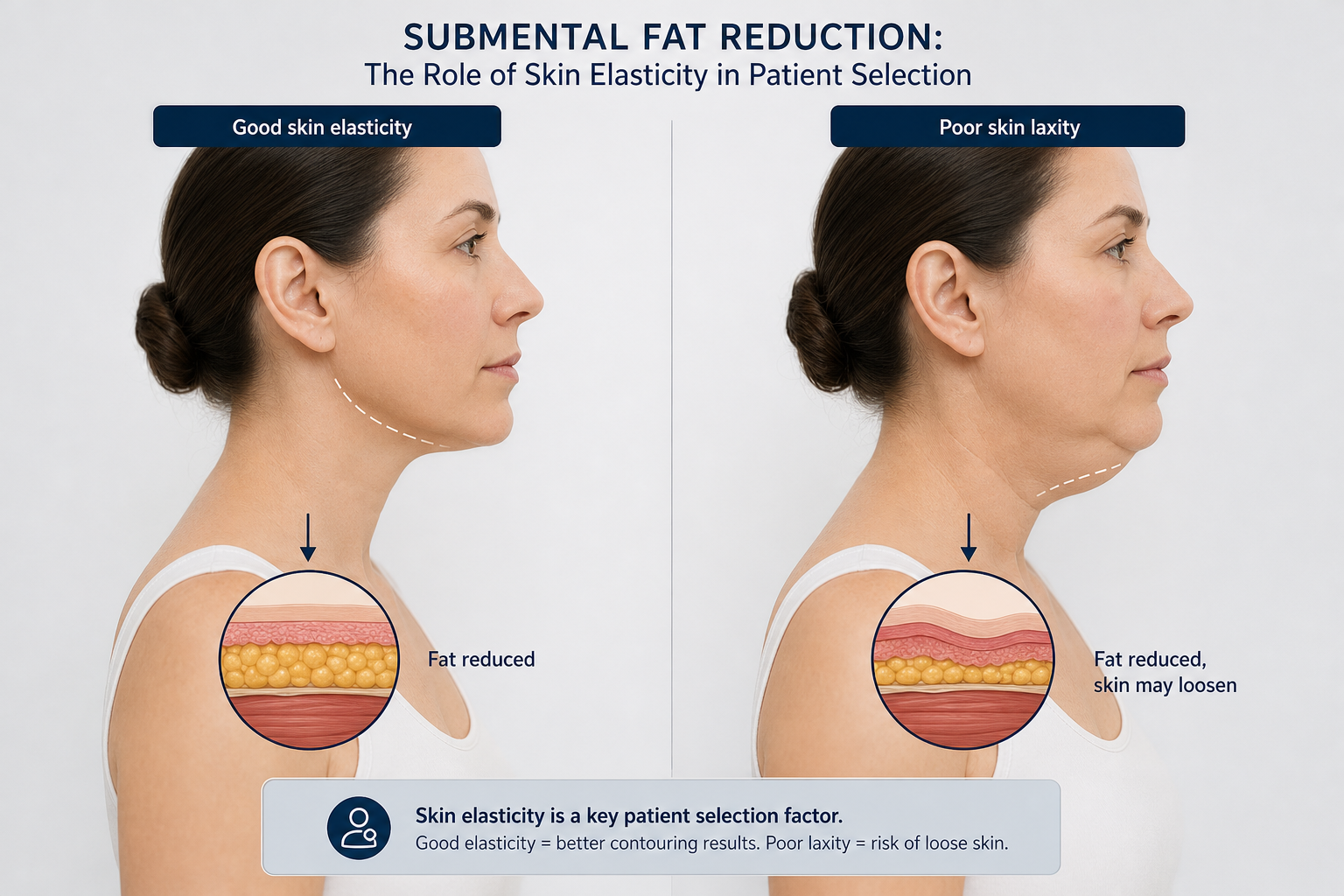
- Fat-reduction treatments such as Kybella and cryolipolysis target submental fat but are less effective in patients with significant skin laxity, which is an important patient-selection factor.
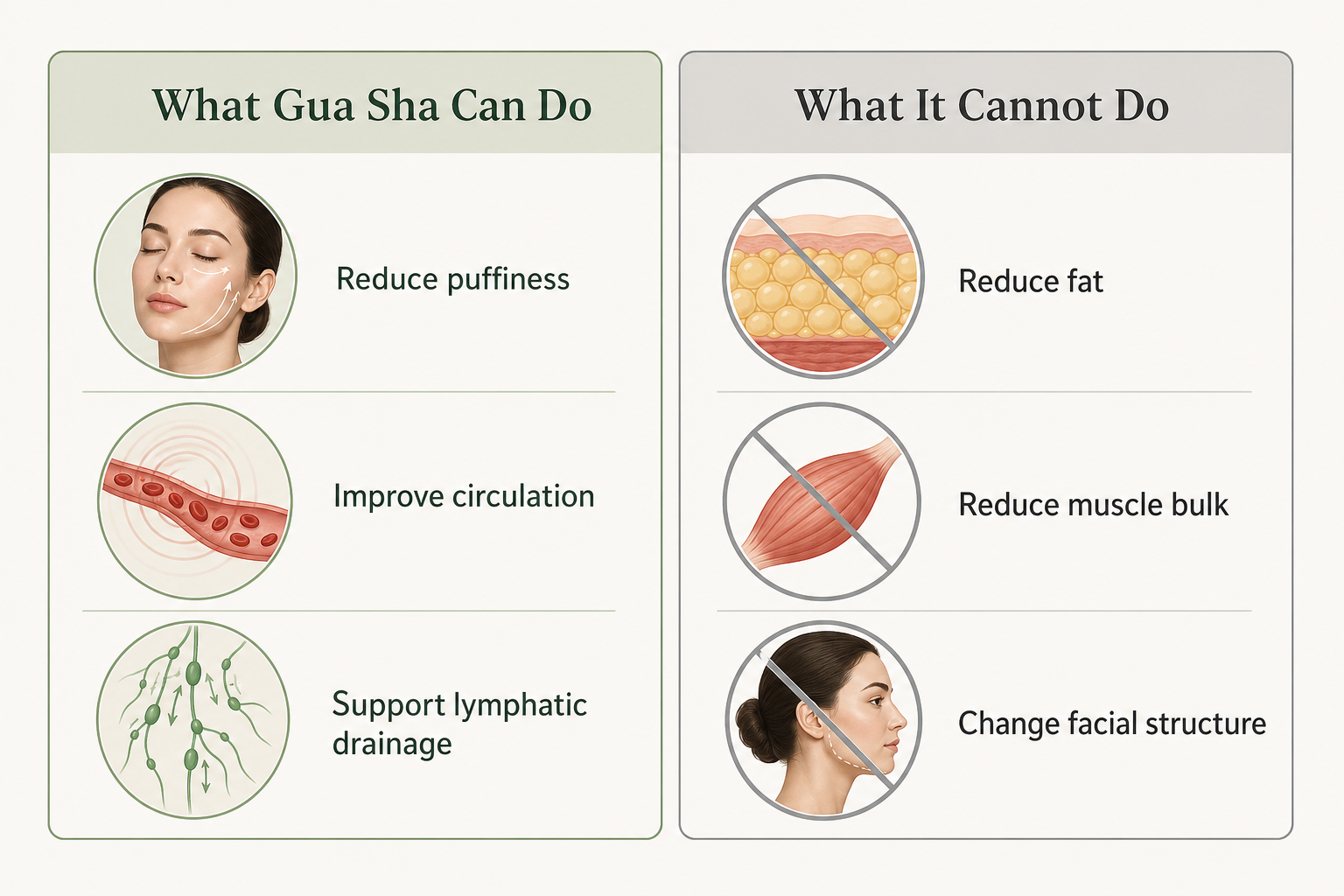
- Natural methods such as gua sha and facial exercises can reduce puffiness and improve circulation but do not reduce fat or muscle bulk — setting realistic expectations matters.
- Combination treatment approaches often produce more balanced results than any single procedure, and a qualified practitioner can help design a plan suited to your facial proportions and goals.
What Does Non-Surgical Face Slimming Actually Mean?
The term face slimming describes a range of procedures and techniques aimed at creating a narrower, more contoured, or more defined facial appearance without surgery. It is not a single treatment but a category that includes neurotoxin injections, dermal fillers, energy-based devices, injectable fat-reduction agents, and supportive at-home practices. Because facial fullness can result from different anatomical factors — enlarged muscles, localised fat deposits, fluid retention, skin laxity, or simply bone structure — the most appropriate approach varies considerably between individuals.
Understanding which factor is driving the concern is the starting point for any treatment plan. A wide lower face caused by masseter muscle hypertrophy responds well to botulinum toxin injections, while a heavy or undefined jawline caused by submental fat may benefit more from a fat-reduction treatment or a combination approach. Skin laxity, which refers to looseness or reduced elasticity in the skin, requires a different strategy again — typically collagen-stimulating or skin-tightening technology. A thorough clinical assessment is essential before any treatment is selected.
Masseter Botox: Jaw Slimming with Neurotoxin Injections
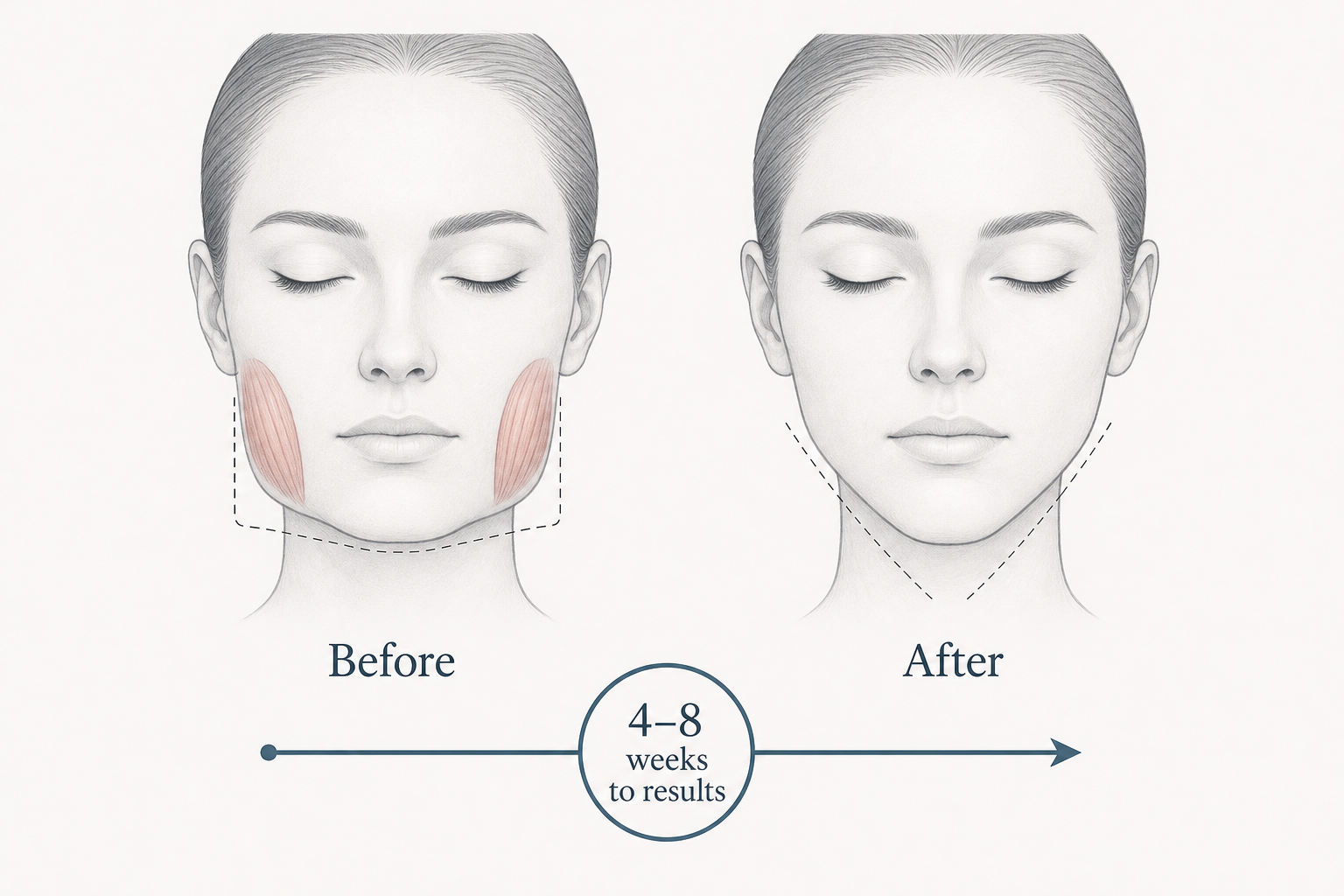
Masseter Botox — the injection of botulinum toxin into the masseter muscles on either side of the jaw — is the most established non-surgical face slimming treatment for patients whose facial width is driven by enlarged jaw muscles. The masseter is a powerful chewing muscle that can become hypertrophied (enlarged) through habitual teeth grinding, jaw clenching, or simply genetic predisposition. When the muscle is enlarged, it creates a square or wide lower face that many patients wish to soften.
Botulinum toxin works by temporarily blocking the nerve signals that cause the masseter to contract with full force. Over several weeks, reduced muscle activity leads to gradual muscle atrophy — a reduction in muscle bulk — which narrows the lower face and can create a softer, more tapered appearance sometimes described as a V-shaped face. Results typically become visible within four to eight weeks and may last between four and six months initially, though some patients find that with repeat treatments the results become longer-lasting as the muscle adapts.
An important secondary benefit worth noting is the relief masseter Botox can provide for patients who experience bruxism (teeth grinding) or temporomandibular joint (TMJ) discomfort. For these patients, the treatment addresses both an aesthetic concern and a functional one, which can make it particularly worthwhile to discuss with a practitioner.
Side effects are generally mild and may include temporary tenderness at the injection site, minor swelling, or a transient change in chewing strength. The risk of the toxin migrating to adjacent muscles — which could affect smile symmetry — underscores why injector experience and anatomical knowledge are critical. Maintenance sessions are typically required two to three times per year to sustain results.
Dermal Fillers for Jawline Contouring
Dermal fillers — most commonly hyaluronic acid-based products — do not reduce facial volume but can create the visual impression of a slimmer face by improving facial proportions and definition. Strategic placement of filler along the jawline, at the chin, or at the cheekbones can sharpen angles, improve the jaw-to-chin ratio, and create a more structured profile that reads as slimmer even without removing any tissue.
Chin filler, for example, can extend chin projection and improve the balance between the lower face and the rest of the facial profile. Jawline filler can define the mandibular border, reducing the appearance of jowling or softness along the jaw. Cheekbone enhancement can lift the midface and create a more tapered lower-face appearance by contrast. These are contouring techniques rather than volume-reduction techniques, and they work best in patients who have reasonable skin elasticity and whose facial fullness is more about proportion than excess fat or muscle.
Hyaluronic acid fillers are temporary, typically lasting between nine and eighteen months depending on the product used, the area treated, and individual metabolism. They can be dissolved with hyaluronidase if needed, which provides a degree of reversibility that surgical options do not. Risks include bruising, swelling, asymmetry, and in rare cases vascular complications, which is why treatment should only be performed by a trained and experienced practitioner.
Kybella and Deoxycholic Acid for Submental Fat
Kybella is an injectable treatment containing deoxycholic acid, a naturally occurring molecule that disrupts and destroys fat cell membranes. It is used to reduce submental fat — the localised fat deposit beneath the chin commonly referred to as a double chin. Once fat cells are destroyed, they do not regenerate, which means results can be long-lasting provided body weight remains stable.
Treatment involves a series of small injections into the submental region. Most patients require between two and four sessions spaced approximately four to six weeks apart, though some may need more depending on the volume of fat present. Swelling after each session can be significant and may last one to two weeks, which is an important practical consideration. Numbness, bruising, and firmness in the treated area are also common in the days following treatment.
Kybella is most effective in patients with a moderate amount of submental fat and good skin elasticity. Patients with significant skin laxity in the neck and chin area may not achieve satisfactory results from fat reduction alone, because removing fat without adequate skin tightening can leave the skin appearing looser. In these cases, a combination approach incorporating a skin-tightening technology may be more appropriate, or a surgical consultation may be worth considering.
CoolSculpting and Cryolipolysis for the Chin Area
CoolSculpting uses cryolipolysis — controlled cooling applied to a targeted area — to freeze and gradually eliminate fat cells without damaging the overlying skin. A small applicator designed for the submental area can be used to reduce chin fat in a non-invasive session that typically lasts around thirty-five to forty-five minutes. The treated fat cells are cleared by the body’s lymphatic system over the following weeks, with results becoming visible over two to four months.
Compared to Kybella, CoolSculpting for the chin tends to involve less post-treatment swelling and discomfort, though some patients experience temporary numbness, redness, or sensitivity in the treated area. The degree of fat reduction per session may be more modest than with deoxycholic acid injections, and some patients require more than one session. As with Kybella, skin laxity is an important limiting factor — cryolipolysis reduces fat but does not tighten skin.
A rare but recognised side effect of cryolipolysis is paradoxical adipose hyperplasia, a condition in which the treated area becomes firmer and larger rather than smaller. This occurs more commonly in male patients and in certain treatment areas, and it is important that patients are informed of this possibility during consultation.
HIFU and Radiofrequency: Skin Tightening and Collagen Remodelling
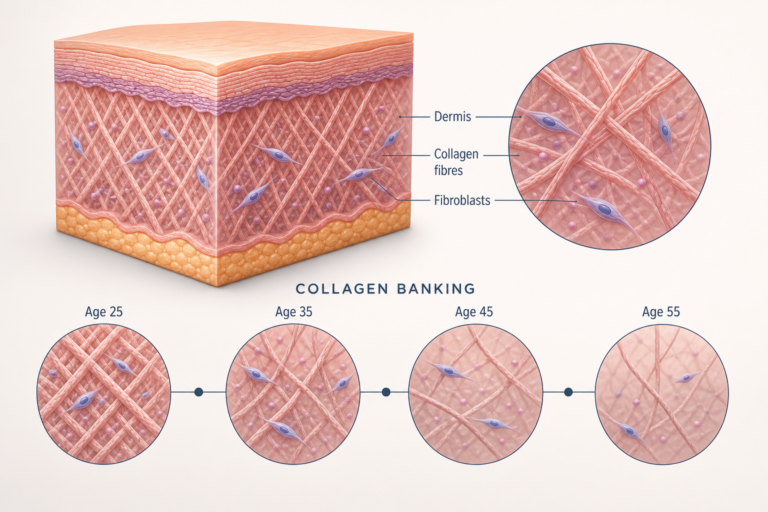
High-Intensity Focused Ultrasound (HIFU) and radiofrequency (RF) treatments address a different aspect of facial slimming: skin laxity and tissue definition. Rather than reducing fat or muscle, these technologies stimulate collagen remodelling — the production and reorganisation of collagen fibres in the deeper layers of the skin — which gradually tightens and lifts the treated area.
HIFU, delivered through devices such as Ultherapy, focuses ultrasound energy at precise depths beneath the skin surface, targeting the same tissue layer addressed in surgical facelifts. This stimulates a wound-healing response that produces new collagen over several months. Results are gradual, typically becoming most visible three to six months after treatment, and may last one to two years. HIFU is particularly useful for patients with mild to moderate skin laxity along the jawline, neck, and lower face who want improvement without downtime.
Radiofrequency treatments, including devices such as Morpheus8 (which combines RF with microneedling) and FaceTite (a minimally invasive RF-assisted option), deliver heat energy to stimulate collagen production and cause tissue contraction. Morpheus8 can improve skin texture, tighten the lower face, and reduce the appearance of jowling with minimal downtime. FaceTite involves small needle insertions and offers more significant tissue contraction, sitting between non-invasive and surgical options in terms of both results and recovery.
These treatments are not fat-reduction procedures, but they can meaningfully improve facial definition in patients whose primary concern is skin looseness rather than excess fat or muscle bulk. They are also frequently used as part of a combination treatment approach alongside injectables to address multiple aspects of facial ageing or fullness simultaneously.
Emerging and Complementary Options
PDO thread lifting involves the insertion of dissolvable threads beneath the skin to physically lift and reposition tissue while also stimulating collagen production. Threads can improve jawline definition and reduce the appearance of jowling, with results that may last twelve to eighteen months. The procedure involves some downtime and carries risks including thread visibility, asymmetry, and infection, so provider expertise is particularly important.
Collagen stimulators such as Sculptra (poly-L-lactic acid) work differently from hyaluronic acid fillers by gradually stimulating the body’s own collagen production over several months. Rather than adding immediate volume, Sculptra improves skin quality and structure, which can contribute to a more defined and lifted appearance over time. Multiple sessions are typically required, and results develop slowly — which suits some patients but not others.
Extracorporeal shockwave therapy and other emerging technologies are being explored for facial applications, but clinical evidence for face slimming specifically remains limited at this stage, and these should be discussed carefully with a practitioner before considering them.
Natural Methods: What They Can and Cannot Do
Gua sha, jade rollers, ice globes, and facial massage are widely promoted for face slimming, and while they offer genuine benefits, it is important to understand their actual mechanism. These techniques primarily support lymphatic drainage — the movement of fluid through the lymphatic system — which can reduce temporary puffiness and improve circulation. The result is a fresher, less swollen appearance, particularly in the morning or after a night of poor sleep or high sodium intake.
What gua sha and similar tools cannot do is reduce fat deposits, decrease muscle bulk, or produce structural changes to facial proportions. The slimming effect is temporary and related to fluid movement rather than tissue change. This does not make these practices without value — reducing puffiness consistently can improve the appearance of the face — but patients who expect them to produce the same results as clinical treatments will be disappointed. Setting realistic expectations is essential.
Facial exercises and face yoga are similarly limited in their ability to slim the face. While they may improve muscle tone and circulation, the evidence that they produce meaningful changes in facial contour is not strong. In some cases, repeated muscle contraction could theoretically contribute to muscle hypertrophy rather than reduction. These practices are low-risk and may support general skin health, but they are not a substitute for clinical treatment when structural change is the goal.
Choosing the Right Treatment for Your Face Shape and Concern
Face shape and the underlying cause of fullness should guide treatment selection. Patients with a square face driven by masseter muscle hypertrophy are typically the best candidates for jaw Botox, as this directly addresses the anatomical cause. Patients with a round face caused by submental fat or buccal fat fullness may benefit more from fat-reduction treatments or strategic filler placement. Those with a heart-shaped face who want more definition along the jawline may respond well to jawline filler or thread lifting.
Skin laxity is a critical factor that is often underemphasised. A patient with good skin elasticity who has localised fat will respond differently to treatment than a patient of similar age with the same fat volume but reduced skin elasticity. In the latter case, removing fat without addressing skin tightening may worsen the appearance of looseness. A thorough clinical assessment that considers skin quality, tissue distribution, muscle anatomy, and overall facial proportions is the foundation of a safe and effective treatment plan.
Combination treatment approaches — for example, masseter Botox to reduce jaw width, chin filler to improve lower-face balance, and HIFU to tighten the skin along the jawline — often produce more harmonious and natural-looking results than any single treatment. A practitioner experienced in facial anatomy can design a layered plan that addresses multiple contributing factors in a coordinated way.
Treatment Comparison at a Glance
| Treatment | Mechanism | Primary Target | Sessions Needed | Results Timeline | Longevity | Downtime |
|---|---|---|---|---|---|---|
| Masseter Botox | Muscle relaxation and atrophy | Jaw width (muscle) | 1–2 initially | 4–8 weeks | 4–6 months | Minimal |
| Dermal Fillers | Volume and contour placement | Jawline, chin, cheeks | 1 | Immediate | 9–18 months | Minimal |
| Kybella (Deoxycholic Acid) | Fat cell destruction | Submental fat | 2–4+ | 4–8 weeks per session | Long-lasting | Moderate (1–2 weeks swelling) |
| CoolSculpting (Cryolipolysis) | Controlled fat cell freezing | Submental fat | 1–2 | 2–4 months | Long-lasting | Low |
| HIFU / Ultherapy | Collagen remodelling via ultrasound | Skin laxity, jawline lift | 1–2 per year | 3–6 months | 12–24 months | Minimal |
| Morpheus8 / RF Microneedling | RF heat + collagen stimulation | Skin tightening, texture | 2–3 | 1–3 months | 12–18 months | Low–moderate |
| PDO Thread Lift | Physical lift + collagen stimulation | Jawline, jowls | 1 | Immediate + gradual | 12–18 months | Moderate |
Risks, Side Effects and Provider Selection
Every non-surgical treatment carries some degree of risk, and the likelihood and severity of side effects vary by treatment type, patient anatomy, and practitioner skill. Common side effects across injectable treatments include bruising, swelling, and temporary tenderness. Energy-based devices may cause redness, warmth, or sensitivity in the treated area. More serious complications — such as vascular injury from filler, nerve effects from neurotoxin migration, or paradoxical fat growth from cryolipolysis — are uncommon but possible and should be discussed during consultation.
Provider selection is one of the most important factors in both safety and outcome. For neurotoxin injections and dermal fillers, the practitioner’s understanding of facial anatomy, injection technique, and product selection directly affects the result. For energy-based treatments, correct device settings and applicator placement are critical. When researching providers, look for practitioners with recognised medical qualifications, specific training in aesthetic medicine, and a transparent approach to discussing risks and realistic outcomes. Be cautious of providers who offer unusually low prices, avoid discussing risks, or pressure you toward immediate treatment without a thorough consultation.
Frequently Asked Questions
How many sessions of masseter Botox are needed to see jaw slimming results?
Most patients see noticeable jaw slimming after one to two sessions of masseter Botox, with full results visible at around six to eight weeks. The degree of change depends on the initial muscle bulk and the dose used. Maintenance sessions are typically needed two to three times per year to sustain the effect, though some patients find the interval extends with repeated treatment as the muscle adapts.
Can non-surgical treatments replace jaw reduction surgery?
For patients whose wide jaw is caused by masseter muscle hypertrophy, neurotoxin injections can produce a meaningful and comparable reduction in jaw width without surgery. For patients whose jaw width is primarily due to bone structure, non-surgical options offer more limited change, and surgical options such as jaw contouring may be more appropriate. A clinical assessment is needed to determine which category applies.
Is skin laxity a problem for face slimming treatments?
Skin laxity is an important limiting factor, particularly for fat-reduction treatments. Removing fat in an area with poor skin elasticity can leave the skin appearing looser rather than more defined. Patients with noticeable skin laxity may benefit more from skin-tightening treatments such as HIFU or RF microneedling, or from a combination approach that addresses both fat and skin quality together.
Does gua sha actually slim the face?
Gua sha can reduce temporary facial puffiness by supporting lymphatic drainage and improving circulation, which may make the face appear slimmer in the short term. It does not reduce fat deposits or muscle bulk, and any slimming effect is temporary. It is a useful complementary practice but is not a substitute for clinical treatment when structural facial change is the goal.
How much does non-surgical face slimming cost?
Costs vary significantly by treatment type, provider, and location. Masseter Botox typically ranges from a few hundred to over a thousand pounds or dollars per session depending on the units required and the clinic. Dermal fillers for jawline contouring are similarly variable. Fat-reduction treatments such as Kybella or CoolSculpting tend to cost more per course due to the number of sessions required. Energy-based treatments like HIFU are often priced per session and may require annual maintenance. A consultation will provide a personalised cost estimate based on your specific goals and anatomy.
Are the results of non-surgical face slimming permanent?
Most non-surgical face slimming treatments produce temporary results that require maintenance. Masseter Botox and dermal fillers are temporary by nature. Fat-reduction treatments such as Kybella and CoolSculpting destroy fat cells, which do not regenerate — making those results longer-lasting — but weight gain can affect the outcome over time. Skin-tightening treatments stimulate collagen that gradually diminishes, so periodic maintenance sessions are usually recommended.
Deciding on the Right Approach to Non-Surgical Face Slimming
Non-invasive facial contouring has become genuinely effective for a range of concerns, but the most important step is identifying the correct underlying cause of facial fullness before selecting a treatment. Masseter Botox remains the most well-evidenced option for jaw slimming driven by muscle hypertrophy, while fat-reduction treatments address submental fat most effectively in patients with good skin elasticity. Dermal fillers offer immediate contouring through proportion rather than volume reduction, and energy-based devices provide meaningful improvement in skin laxity and definition over time.
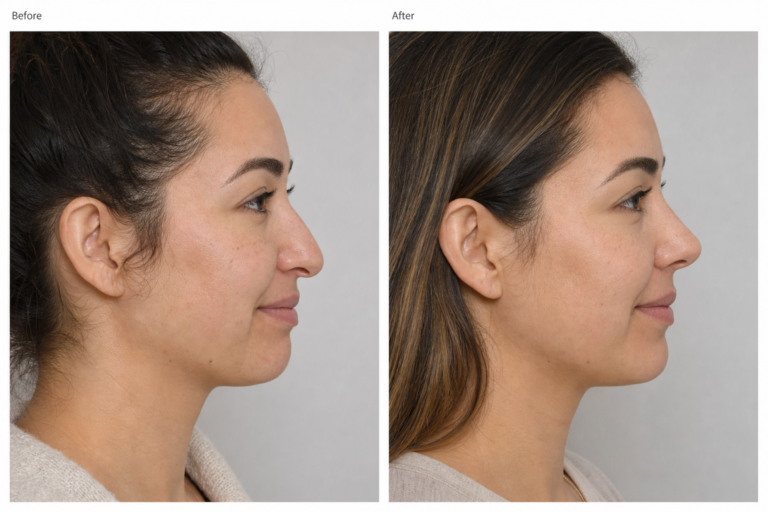
Before and after results from non-surgical face slimming treatments can be impressive, but they depend heavily on patient selection, treatment choice, and provider expertise. A combination treatment approach tailored to your facial proportions, skin quality, and specific goals is likely to produce more balanced and natural-looking results than any single procedure. If you are considering any of these treatments, a consultation with a qualified aesthetic practitioner who can assess your anatomy and discuss realistic expectations is the most valuable first step.