Day by Day Tattoo Removal Healing Process: What to Expect at Every Stage
Understanding the day by day tattoo removal healing process helps you manage expectations, follow aftercare correctly, and recognise when something needs attention. Laser tattoo removal does not produce instant results — the skin goes through a predictable sequence of changes after each session, and knowing what to expect at every stage makes the experience significantly less stressful.
Key Takeaways
- Healing after laser tattoo removal follows a consistent pattern: frosting immediately after treatment, followed by swelling, blistering, scabbing, and gradual fading over several weeks.
- Most surface healing completes within two weeks, but deeper lymphatic clearance of fragmented ink continues for six to eight weeks between sessions.
- Correct tattoo removal aftercare — keeping the area clean, applying a healing ointment, and avoiding picking or scratching — directly affects both healing speed and the risk of scarring or infection.
- Sessions are typically spaced six to eight weeks apart to allow full skin recovery and to give the immune system time to clear broken-down ink particles.
- Certain factors, including tattoo age, ink colour, skin type, and lifestyle habits such as smoking, can meaningfully affect how quickly the skin heals and how visible fading becomes between sessions.
How Laser Tattoo Removal Works
Before examining the day-by-day healing timeline, it helps to understand what the laser is actually doing to the skin. During a laser tattoo removal session, a device such as a Q-switched or picosecond laser delivers extremely short pulses of high-intensity light into the skin. The wavelength is selected to match the absorption spectrum of the tattoo ink pigment, causing the ink particles to absorb the energy and shatter into much smaller fragments. The surrounding skin tissue absorbs comparatively little of this energy, which is what makes the treatment selective rather than broadly destructive.
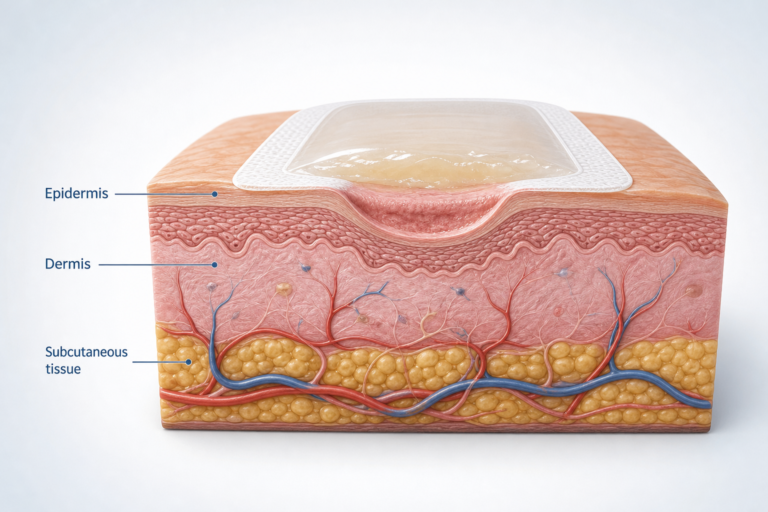
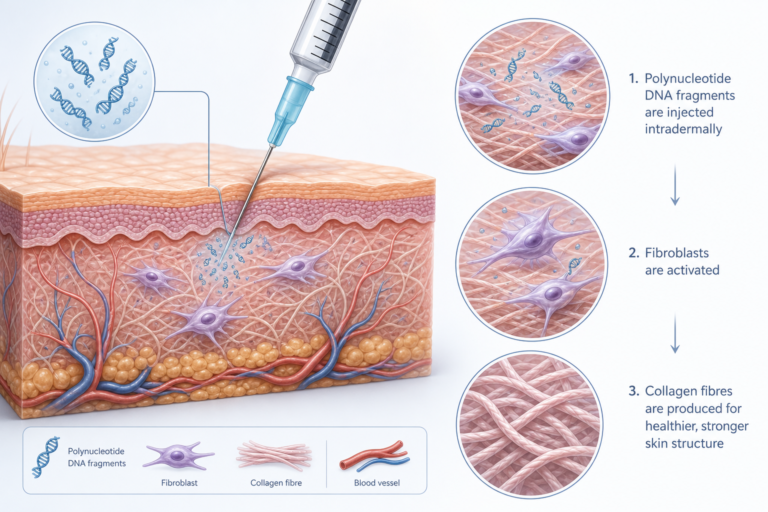
Once the ink particles have been fragmented, the body’s immune system takes over. Specialised immune cells called macrophages engulf the smaller ink fragments and transport them through the lymphatic system, where they are gradually cleared from the body. This lymphatic clearance process is slow — it continues for weeks after each session — which is why tattoo fading after laser removal is not immediate and why sessions must be spaced far enough apart for the process to run its course. The epidermis (the outer skin layer) heals relatively quickly, but the dermis (the deeper layer where tattoo ink sits) takes considerably longer to recover and clear.
The Day by Day Tattoo Removal Healing Timeline
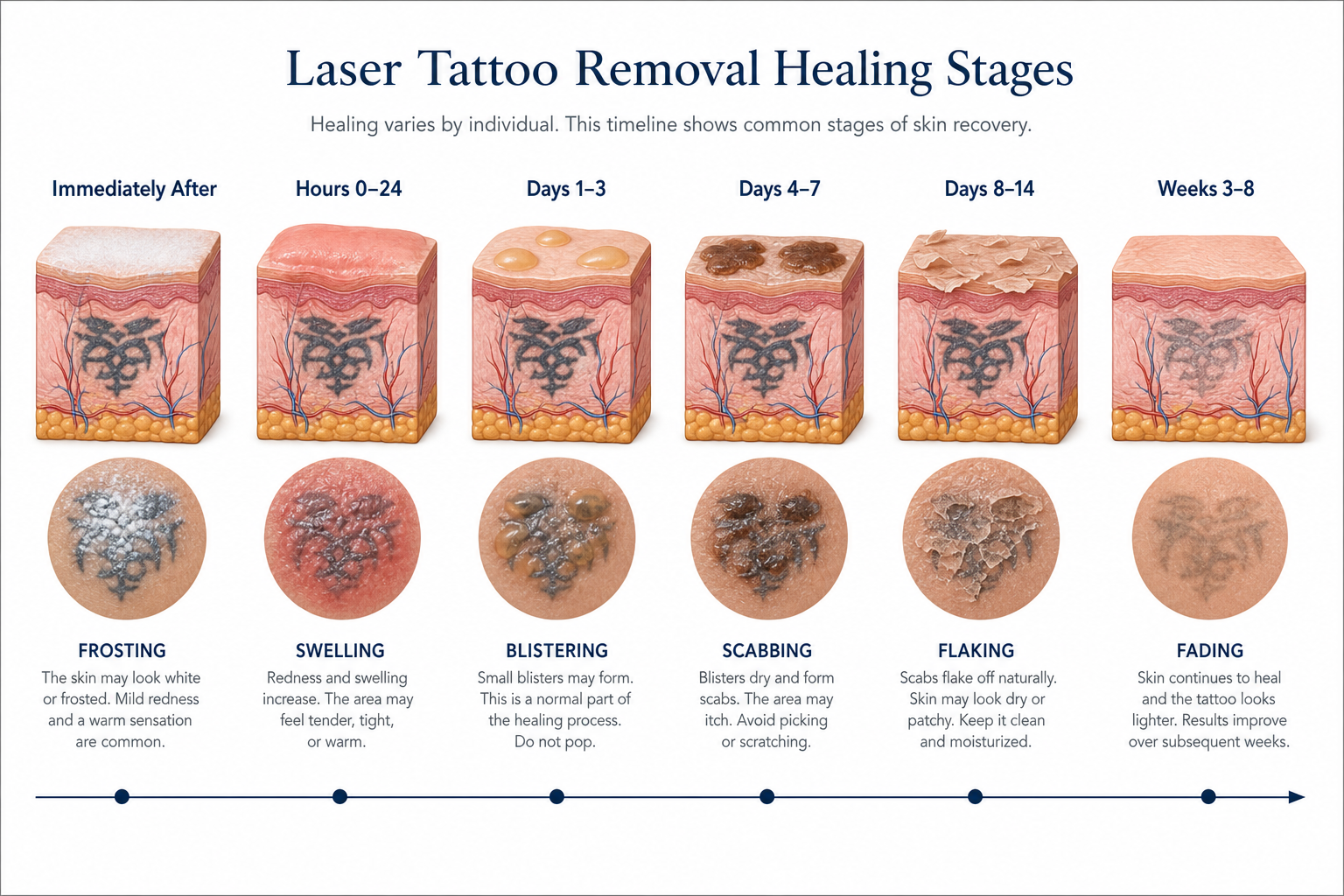
The laser tattoo removal healing stages follow a broadly predictable sequence, though the intensity of each stage varies depending on the individual, the tattoo, and the laser settings used. The following breakdown describes what typically occurs after a single treatment session.
Immediately After Treatment: Frosting and Initial Reaction
Within seconds of laser exposure, most patients notice a white, chalky appearance on the treated skin. This is called frosting, and it occurs because the rapid heating of ink particles causes a localised release of carbon dioxide gas within the skin tissue. Frosting is a normal and expected response — it typically fades within 20 to 30 minutes of the session ending. The treated area will also appear red and feel warm, similar to mild sunburn. Some patients experience pinpoint bleeding or a purplish discolouration called purpura, particularly with certain laser wavelengths. These are normal immediate responses and do not indicate a problem.
After the session, the treated area is usually covered with a sterile bandage or dressing. Applying a cold compress or ice pack (wrapped in a cloth, not placed directly on the skin) can help manage the initial warmth and discomfort during the first few hours.
Hours 0 to 24: Swelling, Tenderness, and Bandage Care
During the first 24 hours, swelling and tenderness are the dominant symptoms. The treated area may feel similar to a moderate sunburn — warm, sensitive to touch, and slightly puffy. This inflammatory response is the immune system beginning its work: increased blood flow to the area brings the macrophages and other immune cells needed to start clearing fragmented ink. Keeping the bandage in place as directed by your practitioner, avoiding tight clothing over the area, and continuing to apply a cold compress intermittently can help manage discomfort during this phase.
It is important not to submerge the treated area in water during this period. Showers are generally acceptable if the area is kept as dry as possible, but swimming, soaking in a bath, or using a sauna should be avoided. Staying well hydrated and resting supports the body’s early healing response.
Days 1 to 3: Peak Swelling and Blistering
Tattoo removal blistering typically develops between 24 and 72 hours after treatment and represents one of the most visually alarming — but entirely normal — stages of healing. Blisters form because the laser energy causes localised fluid accumulation just beneath the outer skin layer as the tissue responds to treatment. They may appear clear, slightly yellowish, or blood-tinged, and can range from small pinpoint blisters to larger raised areas depending on the tattoo’s ink density and the laser settings used.
The most important rule during this stage is to leave blisters intact. Popping or draining blisters significantly increases the risk of infection and scarring. If a blister breaks on its own, gently clean the area with a fragrance-free soap and apply a thin layer of healing ointment such as Aquaphor or Vaseline, then cover with a clean sterile dressing. These occlusive ointments are preferred because they create a protective barrier that keeps the wound moist without introducing irritants — unlike antibacterial soaps or products containing retinoids or alpha-hydroxy acids, which can disrupt healing skin.
Days 4 to 7: Scabbing, Itching, and Dryness
As blisters begin to dry and flatten, tattoo removal scabbing develops across the treated area. The skin may feel tight, dry, and intensely itchy during this phase. The itching is a sign of active healing — new skin cells are regenerating beneath the surface — but scratching or picking at scabs must be avoided. Removing scabs prematurely disrupts the healing skin beneath, increases the risk of permanent scarring, and can introduce bacteria into an open wound.
Continue applying a thin layer of healing ointment two to three times daily to keep the area moisturised and to reduce the urge to scratch. A hypoallergenic moisturiser can also be used once the skin is no longer broken. Loose, breathable clothing over the treated area prevents friction and reduces irritation. Sun protection after laser tattoo removal is essential during this phase — even brief sun exposure on healing skin can trigger hyperpigmentation, particularly in individuals with darker Fitzpatrick skin types.
Days 8 to 14: Scabs Flake Off and Surface Healing Completes
By the second week, scabs typically begin to separate naturally from the skin surface. The skin underneath may appear pink, slightly shiny, or have a milky, lighter appearance compared to the surrounding skin. This is normal and reflects the regeneration of new epidermal cells. The tattoo itself may look patchy or uneven at this stage — some areas will appear lighter while others retain more visible ink. This unevenness is expected and does not indicate that the treatment has failed.
Surface healing is largely complete by the end of week two for most patients, but this does not mean the skin has fully recovered. The deeper dermal layers are still undergoing repair, and the immune system continues its work of clearing fragmented ink particles through the lymphatic system. Continuing to apply SPF 30 or higher to the area whenever it is exposed to daylight remains important throughout this period and beyond.
Weeks 3 to 8: Deeper Recovery and Visible Fading
During weeks three through eight, the skin surface looks increasingly normal, but the most important biological work is happening beneath it. Macrophages continue transporting ink fragments through the lymphatic system, and tattoo fading after laser removal gradually becomes more visible as this clearance progresses. The tattoo may appear noticeably lighter than it did before the session, with some colours fading more readily than others — black and dark blue inks typically respond fastest, while greens, yellows, and light blues can be more resistant.
This extended recovery window is precisely why sessions are spaced six to eight weeks apart. Treating the skin again before this deeper recovery is complete would risk skin fatigue — a state in which the tissue has not had sufficient time to repair and clear ink between sessions, potentially leading to poorer results and a higher risk of adverse effects such as textural changes or prolonged discolouration. Waiting the full recommended interval between sessions is not simply a scheduling preference; it is a clinical requirement for safe and effective treatment.
Normal Healing vs. Signs of Infection After Tattoo Removal
Distinguishing between normal healing responses and signs of a developing infection is one of the most practically important skills for anyone undergoing laser tattoo removal. The table below summarises the key differences.
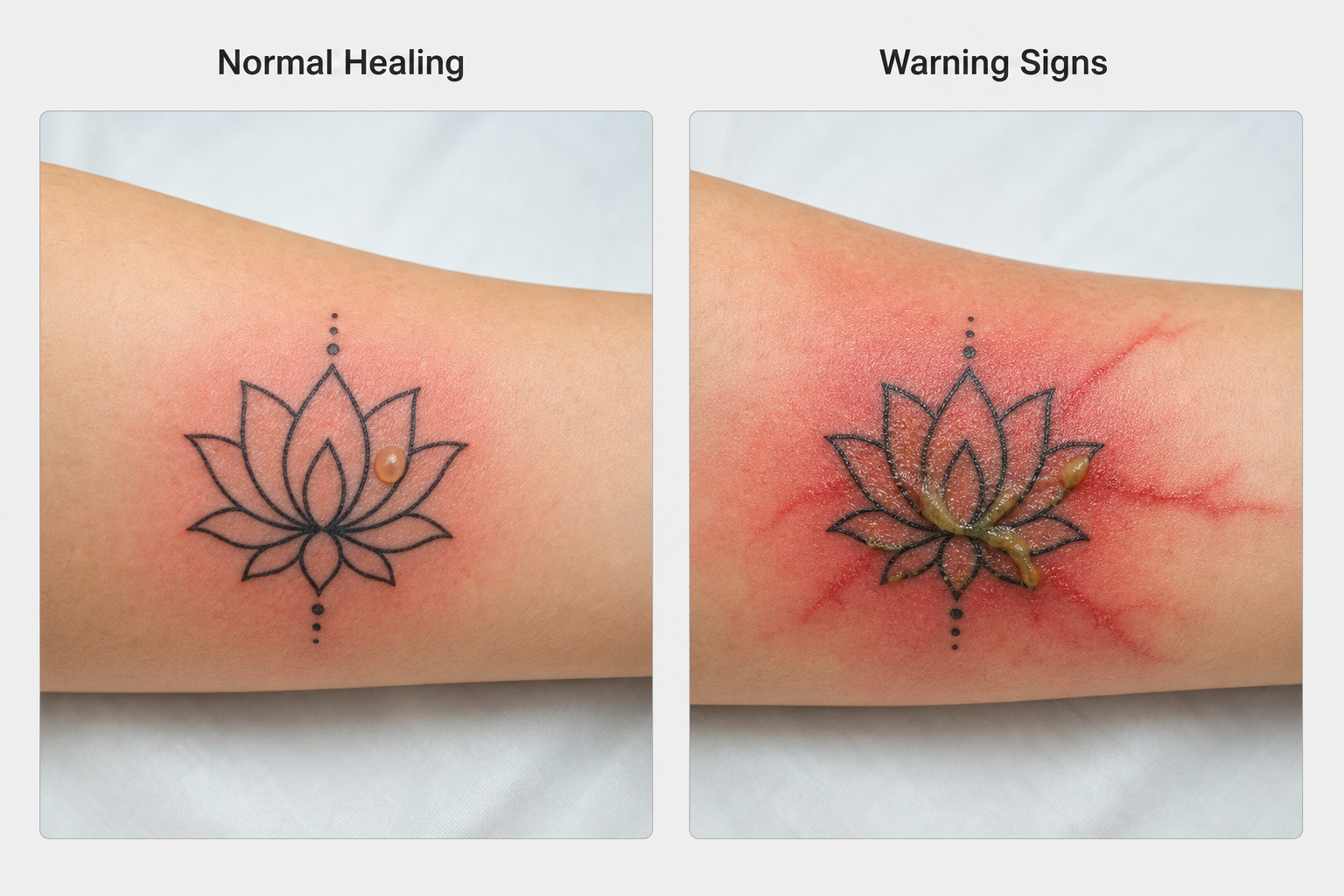
| Feature | Normal Healing | Possible Warning Sign |
|---|---|---|
| Redness | Confined to the tattoo border, fades within 2–3 days | Spreading beyond the tattoo border after day 3, worsening over time |
| Fluid from blisters | Clear or slightly yellow, minimal | Thick yellow, green, or grey discharge with foul odour |
| Pain | Mild to moderate, improving daily | Worsening pain after day 3, or pain disproportionate to the treatment area |
| Warmth | Mild warmth in the first 24–48 hours | Persistent or increasing warmth beyond 48 hours |
| Skin appearance | Redness, blistering, scabbing that dries and separates naturally | Red streaks radiating outward from the treated area |
| Systemic symptoms | None | Fever, chills, swollen lymph nodes, or feeling generally unwell |
If you notice spreading redness, worsening pain, thick or foul-smelling discharge, red streaks extending from the treated area, or any systemic symptoms such as fever, contact your treatment provider or a medical professional promptly. Infection after laser tattoo removal is uncommon when aftercare instructions are followed correctly, but it can occur and requires timely treatment.
Tattoo Removal Aftercare: What to Do and What to Avoid
Consistent tattoo removal aftercare is one of the most controllable factors in how well and how quickly the skin heals. The following guidance applies across the healing stages, with some steps being more relevant in the early days and others remaining important throughout the full recovery period.
What to Do
- Keep the area clean: Gently cleanse with a fragrance-free, mild soap and pat dry with a clean cloth. Do not rub the treated skin.
- Apply healing ointment: A thin layer of Aquaphor, Vaseline, or an equivalent occlusive ointment protects the skin barrier, reduces moisture loss, and creates an environment that supports healing without introducing irritants.
- Use sun protection: Apply SPF 30 or higher to the treated area whenever it may be exposed to sunlight, even on overcast days. Sun exposure on healing or recently healed skin significantly increases the risk of post-inflammatory hyperpigmentation.
- Wear loose clothing: Friction from tight clothing can disrupt scabs and irritate healing skin.
- Stay hydrated: Adequate hydration supports skin repair and immune function. A nutrient-rich diet that includes vitamin C and zinc may also support tissue healing, though these factors are supportive rather than primary.
- Attend follow-up appointments: Your practitioner can assess healing, adjust laser settings for subsequent sessions, and address any concerns early.
What to Avoid
- Picking or scratching scabs: This is the single most common cause of preventable scarring after laser tattoo removal.
- Popping blisters: Intact blisters protect the healing tissue beneath. Breaking them deliberately introduces infection risk.
- Swimming, soaking, or using saunas: Prolonged water exposure and heat can soften scabs prematurely and increase infection risk.
- Applying irritating products: Retinoids, alpha-hydroxy acids, antibacterial soaps, and fragranced lotions can disrupt healing skin and should be avoided on the treated area until it has fully recovered.
- Smoking: Smoking impairs circulation and immune function, both of which are critical to healing and lymphatic clearance of ink fragments. Evidence consistently shows that smokers require more sessions and experience slower fading than non-smokers.
- Sun exposure without protection: Unprotected sun exposure before and between sessions is one of the most significant modifiable risk factors for skin discolouration after laser treatment.
Factors That Affect Healing Speed and Fading
The laser tattoo removal healing timeline described above represents a typical experience, but individual variation is significant. Several factors influence both how quickly the skin heals and how effectively the tattoo fades between sessions.
Tattoo characteristics: Older tattoos generally fade more readily than newer ones because the ink has already partially dispersed over time. Professional tattoos typically contain denser, more deeply deposited ink than amateur tattoos, which can mean more sessions are needed. Ink colour matters considerably — black and dark inks absorb laser energy most efficiently, while lighter colours such as yellow, green, and light blue are more resistant to standard laser wavelengths. Larger tattoos and those with high ink density require more sessions and may show slower visible fading per session.
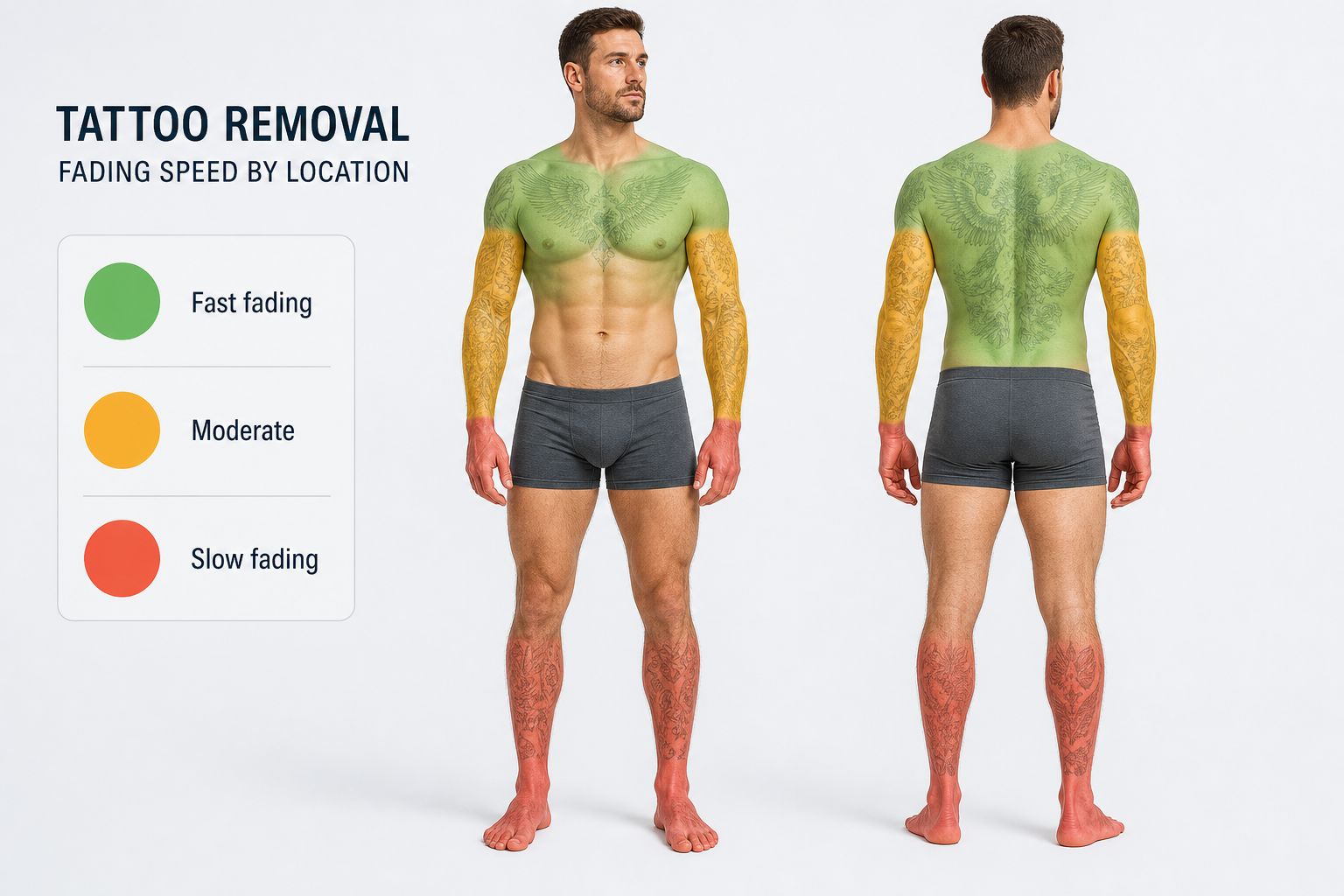
Tattoo location: Areas with a strong vascular supply — such as the upper back, chest, and upper arms — tend to heal faster and fade more readily because efficient blood flow supports immune cell delivery and lymphatic clearance. Tattoos on the hands, fingers, feet, and ankles, where circulation is comparatively poor, often heal more slowly and may require additional sessions to achieve comparable fading.
Fitzpatrick skin type: Individuals with darker Fitzpatrick skin types (IV through VI) face a higher risk of post-inflammatory hyperpigmentation or hypopigmentation after laser treatment, because the laser energy may affect melanin-producing cells in addition to the ink. For these patients, what constitutes “normal” healing may include more pronounced temporary discolouration, and the choice of laser wavelength and settings is particularly important. A practitioner experienced in treating diverse skin tones should adjust parameters accordingly and monitor healing carefully.
Immune system health: Because the immune system and tattoo removal are directly linked — macrophages are responsible for clearing fragmented ink — anything that compromises immune function can slow fading. This includes certain medications, chronic illness, high stress levels, and poor sleep. Conversely, supporting immune health through adequate sleep, hydration, and a balanced diet may contribute to more efficient clearance between sessions.
Laser technology: Picosecond lasers deliver energy in shorter pulses than Q-switched (nanosecond) lasers, which may fragment ink into smaller particles and potentially improve clearance efficiency for some ink colours. The clinical evidence comparing these technologies continues to develop, and the most appropriate device depends on the specific tattoo and skin type rather than one technology being universally superior.
How Healing Changes Across Multiple Sessions
Most articles about laser tattoo removal describe healing after a single session, but the experience often changes as treatment progresses. After the first session, the skin’s response tends to be the most pronounced — blistering and swelling are typically most intense when the ink load is highest and the skin has not previously been treated. By sessions three to five, many patients notice that the immediate reaction is less dramatic: less frosting, smaller blisters, and a shorter period of significant redness. This reflects both the reduced ink density in the skin and the skin’s adaptation to the treatment process.
However, it is important not to interpret a milder reaction as a sign that the treatment is less effective. Reduced visible response in later sessions often simply means there is less ink to fragment. The concept of skin fatigue is worth understanding here: if sessions are scheduled too closely together — before the skin has fully recovered and before the immune system has cleared the previous session’s fragmented ink — the skin may show signs of cumulative stress, including prolonged redness, textural changes, or slower healing. This is one of the primary clinical reasons why sessions spaced six to eight weeks apart is a standard recommendation rather than an arbitrary interval.
The total number of sessions required varies considerably. Most professional tattoos require between six and twelve sessions for significant clearance, though the range can extend from four to fifteen or more depending on the factors discussed above. Full clearance, when achievable, typically takes between six and eighteen months from the start of treatment.
Frequently Asked Questions
How long does tattoo removal take to heal after each session?
Surface healing — the resolution of blistering, scabbing, and visible skin changes — typically takes ten to fourteen days after each session. Deeper recovery, including the ongoing lymphatic clearance of fragmented ink particles, continues for six to eight weeks. This is why sessions are not scheduled more frequently than every six to eight weeks.
Is it normal for the tattoo to look darker immediately after treatment?
Yes. The frosting effect and subsequent inflammation can temporarily make the tattoo area appear more prominent immediately after treatment. As swelling and redness subside over the following days, the area will begin to look more normal, and fading becomes more apparent over the following weeks as the immune system clears ink fragments.
What should I do if a blister pops on its own?
If a blister breaks spontaneously, gently clean the area with a mild fragrance-free soap, apply a thin layer of healing ointment such as Aquaphor or Vaseline, and cover with a clean sterile dressing. Do not attempt to remove the overlying skin, as it continues to protect the tissue beneath. Contact your practitioner if you notice signs of infection.
Can I exercise after a laser tattoo removal session?
Light activity is generally acceptable, but intense exercise that causes significant sweating or friction over the treated area should be avoided for the first 24 to 48 hours. Sweat can irritate healing skin, and friction from clothing or equipment can disrupt early healing. Your practitioner can advise based on the location of your tattoo.
Why is my tattoo not fading evenly between sessions?
Uneven fading is common and reflects differences in ink density, ink depth, and ink colour across different parts of the tattoo. Areas with denser or more deeply deposited ink, or with colours that are less responsive to the laser wavelength used, will fade more slowly. Fading also continues gradually between sessions as the immune system works, so the full result of each session may not be apparent until shortly before the next appointment.
Does smoking really affect tattoo removal results?
Evidence suggests that smoking significantly impairs both healing and fading after laser tattoo removal. Smoking reduces circulation and compromises immune function, both of which are essential to the lymphatic clearance of fragmented ink. Studies have indicated that smokers may require a meaningfully higher number of sessions to achieve comparable results to non-smokers. Stopping smoking before and during a course of treatment is one of the most impactful lifestyle changes a patient can make.
When should I be concerned about my healing?
Contact your treatment provider if redness spreads beyond the tattoo border after the third day, if you notice thick or foul-smelling discharge, if pain worsens rather than improves, or if you develop systemic symptoms such as fever or swollen lymph nodes. These may indicate infection, which requires prompt medical attention.
Planning Your Recovery: What to Discuss Before Your Next Session
The day by day tattoo removal healing process is manageable for most patients when they understand what to expect and follow aftercare instructions consistently. The most common complications — infection, scarring, and prolonged discolouration — are largely preventable through correct aftercare, appropriate session spacing, and honest communication with your practitioner about how your skin is healing between appointments.
Before beginning or continuing a course of laser tattoo removal, it is worth discussing your Fitzpatrick skin type and any history of keloid scarring or post-inflammatory hyperpigmentation with your provider, as these factors influence both the laser settings used and the monitoring approach. Lifestyle factors such as smoking, sun exposure habits, and immune health are also relevant to raise, since they directly affect the tattoo removal recovery time and the number of sessions likely to be needed. A qualified practitioner will tailor the treatment plan to your individual circumstances rather than applying a one-size-fits-all approach, and should be your first point of contact if anything about your healing gives you cause for concern.