Benefits of a Chemical Peel for Skin Tone and Texture
Chemical peels are one of the most established treatments in aesthetic medicine for improving both skin tone and skin texture. By applying a carefully selected acid solution to the skin, a trained practitioner can accelerate cell turnover, fade pigmentation, and stimulate the processes that produce smoother, more even-looking skin. The results depend on the type of peel used, the skin concerns being addressed, and how consistently aftercare is followed — but for many patients, a well-chosen peel offers meaningful, visible improvement that goes beyond what topical skincare alone can achieve.
Key Takeaways
- Chemical peels improve skin tone by reducing hyperpigmentation, dark spots, and uneven pigmentation through controlled chemical exfoliation.
- Skin texture benefits include smoother surface quality, reduced pore appearance, softened fine lines, and improvement in acne scarring.
- Peel depth — superficial, medium, or deep — determines the intensity of results, the level of downtime, and the suitability for different skin types.
- Patients with darker skin tones can benefit from chemical peels, but careful peel selection and pre-treatment preparation are essential to minimise the risk of post-inflammatory hyperpigmentation.
- A single peel may produce noticeable improvement, but a series of treatments typically delivers more significant and longer-lasting changes to tone and texture.
Skin Tone vs Skin Texture: Understanding the Difference
These two terms are often used interchangeably, but they describe distinct skin qualities that respond to treatment in different ways. Skin tone refers to the evenness and consistency of pigmentation across the face or body — whether the complexion looks uniform or is marked by dark spots, sunspots, redness, or patches of discolouration such as melasma. Skin texture, by contrast, describes the physical surface quality of the skin: how smooth or rough it feels and appears, the visibility of pores, the presence of fine lines, and the degree of scarring or unevenness caused by acne or sun damage.
Chemical peels can address both concerns, but the specific acid used, the depth of the peel, and the number of sessions required will differ depending on whether the primary goal is pigmentation correction, surface smoothing, or both. Understanding this distinction helps set realistic expectations before treatment.
How Chemical Peels Work
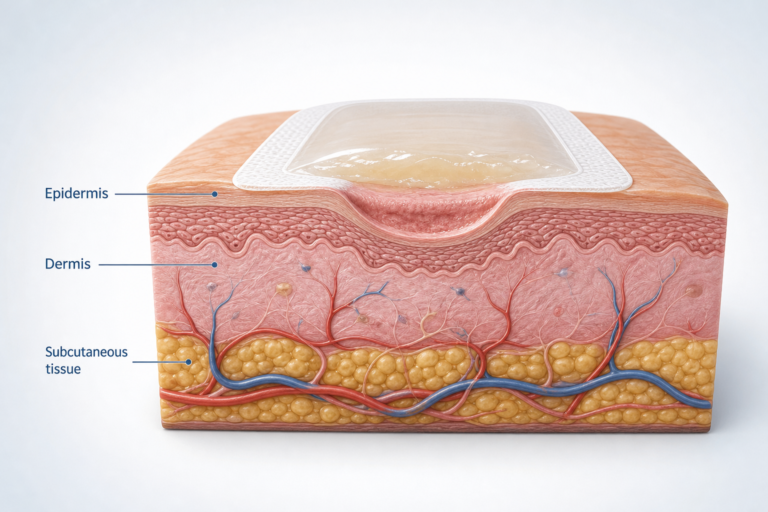
A chemical peel works by applying an acid solution to the skin’s surface, creating a controlled and temporary disruption to the outer layers of the epidermis — and, in deeper peels, the upper dermis. This controlled injury triggers the skin’s natural repair response: old, damaged skin cells are shed, and the body accelerates the production of new skin cells to replace them. Over the following days and weeks, fresher skin emerges at the surface, often with improved tone, smoother texture, and a more radiant appearance.
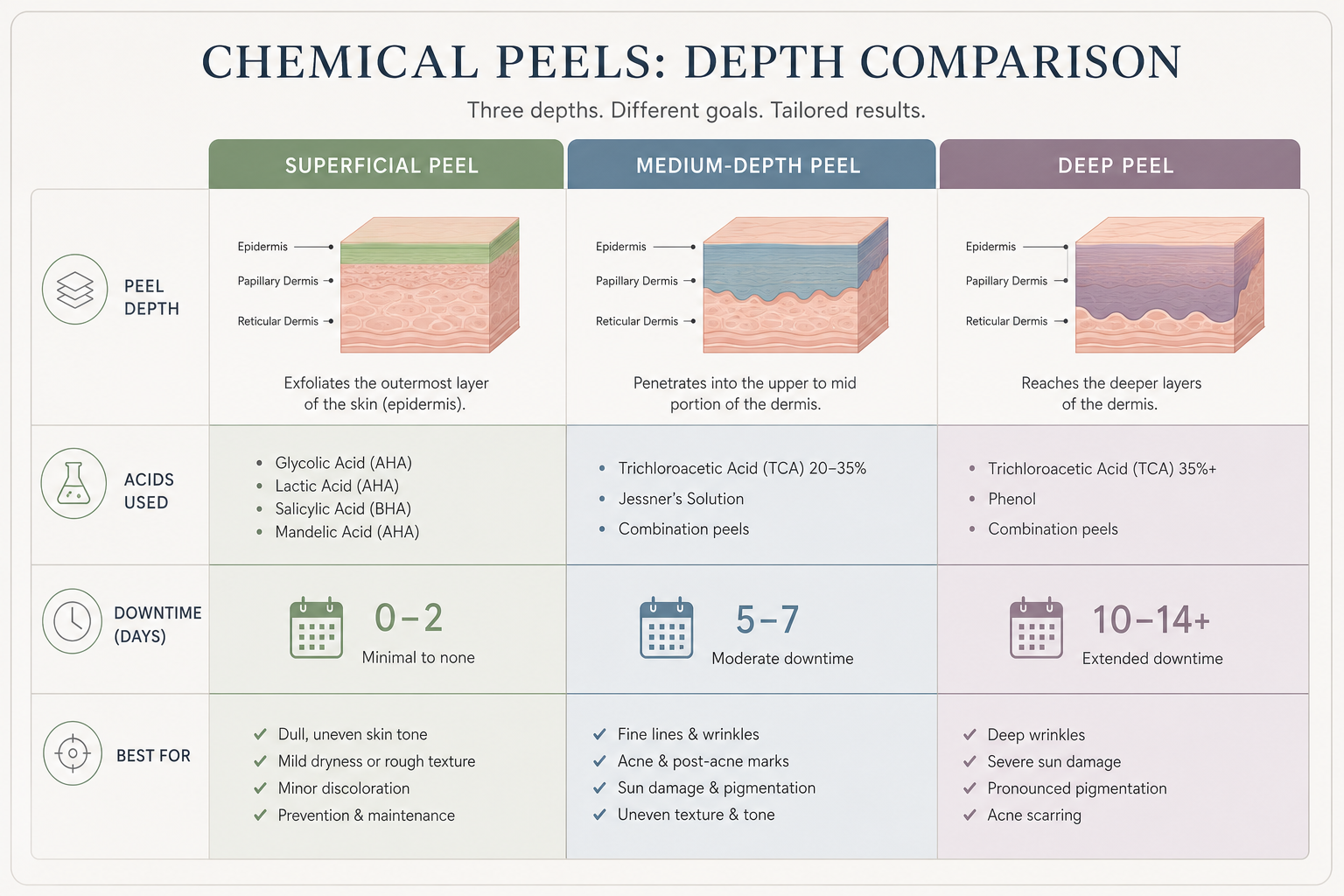
The depth of this process depends on the type and concentration of acid used, the number of layers applied, and how long the solution remains in contact with the skin. Superficial peels work primarily within the epidermis, while medium-depth and deep peels penetrate further into the dermis, triggering more significant collagen stimulation and remodelling. Collagen is the structural protein responsible for skin firmness and elasticity, and its renewed production is a key reason why deeper peels can produce more dramatic improvements in texture and fine lines — though with correspondingly greater downtime and risk.
Skin Tone Benefits of a Chemical Peel
One of the most sought-after benefits of a chemical peel is improvement in uneven skin tone. Hyperpigmentation — the overproduction of melanin in certain areas — is the underlying cause of dark spots, sunspots, age spots, and the patchy discolouration associated with melasma and post-inflammatory hyperpigmentation (PIH). Chemical exfoliation accelerates the shedding of pigment-laden skin cells from the surface, gradually lightening these areas and helping to restore a more uniform complexion.
Different pigmentation concerns respond at different rates. Superficial sunspots and age spots caused by UV exposure often respond well to a series of light peels using alpha hydroxy acids (AHAs) such as glycolic acid or lactic acid. Melasma — a hormonally influenced, deeper form of pigmentation — is more complex and typically requires a more carefully managed approach, often combining medium-depth peels with topical priming agents and strict sun protection. Post-inflammatory hyperpigmentation, which can follow acne breakouts or skin trauma, may also respond to chemical peels, though the choice of peel must be conservative, particularly in patients with darker skin tones, to avoid worsening the discolouration.
Beyond fading dark spots, chemical peels can improve overall skin brightness. As the layer of dull, dead skin cells is removed and cell turnover increases, the skin’s surface reflects light more evenly, producing a healthier, more radiant appearance. Many patients describe this as their complexion looking more awake and luminous even after a single treatment.
Skin Texture Benefits of a Chemical Peel
Rough texture is one of the most common skin complaints, and chemical peels are particularly effective at addressing it. The outer layer of the skin naturally accumulates dead skin cells over time, and when this process slows — due to ageing, sun damage, or environmental factors — the surface can feel rough, look dull, and develop an uneven, congested appearance. Chemical exfoliation dissolves the bonds holding these dead cells together, allowing them to shed more efficiently and revealing the smoother skin beneath.
For patients with enlarged pores, peels — particularly those using salicylic acid, a beta hydroxy acid (BHA) with oil-soluble properties — can help clear congestion within the pore lining, temporarily reducing their visible size. Salicylic acid is especially useful for oily and acne-prone skin, where blocked pores contribute to both texture irregularities and breakouts.
Acne scarring represents a more significant texture concern. Superficial peels can soften the appearance of mild post-acne marks over a series of treatments, while medium-depth peels using trichloroacetic acid (TCA) may produce more meaningful improvement in shallow atrophic scars by stimulating collagen production and encouraging skin remodelling. Deeper, pitted scars may require additional or alternative treatments such as microneedling or laser resurfacing for optimal results.
Fine lines and early wrinkles also respond to chemical peels, particularly medium-depth and deep peels that stimulate significant collagen remodelling in the dermis. The improvement in skin firmness and elasticity that follows deeper peels can make fine lines appear softer and the overall skin surface more refined. These changes typically become more apparent over six to eight weeks as collagen remodelling progresses beneath the surface.
Types of Chemical Peels and What They Treat
Chemical peels are broadly categorised by depth, and each level is suited to different skin concerns and skin types.
| Peel Depth | Common Acids Used | Best For | Downtime | Results Timeline |
|---|---|---|---|---|
| Superficial (Light) | Glycolic acid, lactic acid, salicylic acid, mandelic acid | Dullness, mild pigmentation, rough texture, oily/acne-prone skin, maintenance | Minimal (1–3 days of mild flaking) | Visible improvement after 3–6 sessions; glow often immediate |
| Medium-Depth | TCA (10–35%), Jessner solution, VI Peel | Moderate hyperpigmentation, sun damage, acne scarring, fine lines, uneven texture | 5–10 days (peeling, redness) | Significant improvement visible at 4–6 weeks; collagen remodelling continues to 8 weeks |
| Deep | High-concentration TCA, phenol | Severe sun damage, deep wrinkles, significant texture irregularities | 2–4 weeks (significant peeling, redness, recovery) | Dramatic improvement; full results at 3–6 months |
A superficial peel is the most commonly performed type and is suitable for most skin types, including sensitive skin, when the appropriate acid and concentration are selected. These peels cause minimal disruption to the skin barrier and require little to no downtime, making them practical for patients who cannot accommodate a recovery period. A medium-depth peel penetrates further and is better suited to patients with moderate pigmentation concerns or more pronounced texture irregularities. A deep peel is the most intensive option and is typically reserved for significant photo-damaged skin or deep textural concerns; it requires careful patient selection and a longer recovery period.
Chemical Peels for Darker Skin Tones
Patients with darker skin tones — particularly those classified as Fitzpatrick types IV through VI on the Fitzpatrick scale — can benefit meaningfully from chemical peels, but the approach requires greater care. Skin of color contains more active melanocytes, the cells responsible for pigment production, which means that any inflammatory stimulus — including a peel that is too aggressive — carries a higher risk of triggering post-inflammatory hyperpigmentation (PIH). This is a form of reactive pigmentation that can temporarily worsen the very discolouration a patient is seeking to treat.
To minimise this risk, practitioners typically recommend a conservative approach: starting with superficial peels using acids such as mandelic acid or low-concentration glycolic acid, which are gentler on melanin-rich skin. A pre-treatment priming phase using topical agents such as hydroquinone, azelaic acid, or retinoids for four to six weeks before the peel can help stabilise melanocyte activity and reduce PIH risk. Patch testing before a full treatment is also advisable. Following the peel, consistent use of a broad-spectrum sunscreen is essential, as UV exposure is a primary driver of pigmentation and can significantly undermine results.
With appropriate peel selection, preparation, and aftercare, patients with darker skin tones can achieve meaningful improvements in skin tone evenness and texture without unacceptable risk. A practitioner experienced in treating skin of color is an important factor in achieving safe and effective outcomes.
The Value of a Series of Treatments
A single chemical peel can produce a visible improvement in skin brightness and surface smoothness, but the most significant and lasting benefits for both skin tone and texture typically come from a planned series of treatments. This is particularly true for superficial peels, where each session builds incrementally on the last — progressively reducing pigmentation, refining texture, and stimulating cumulative collagen production over time.
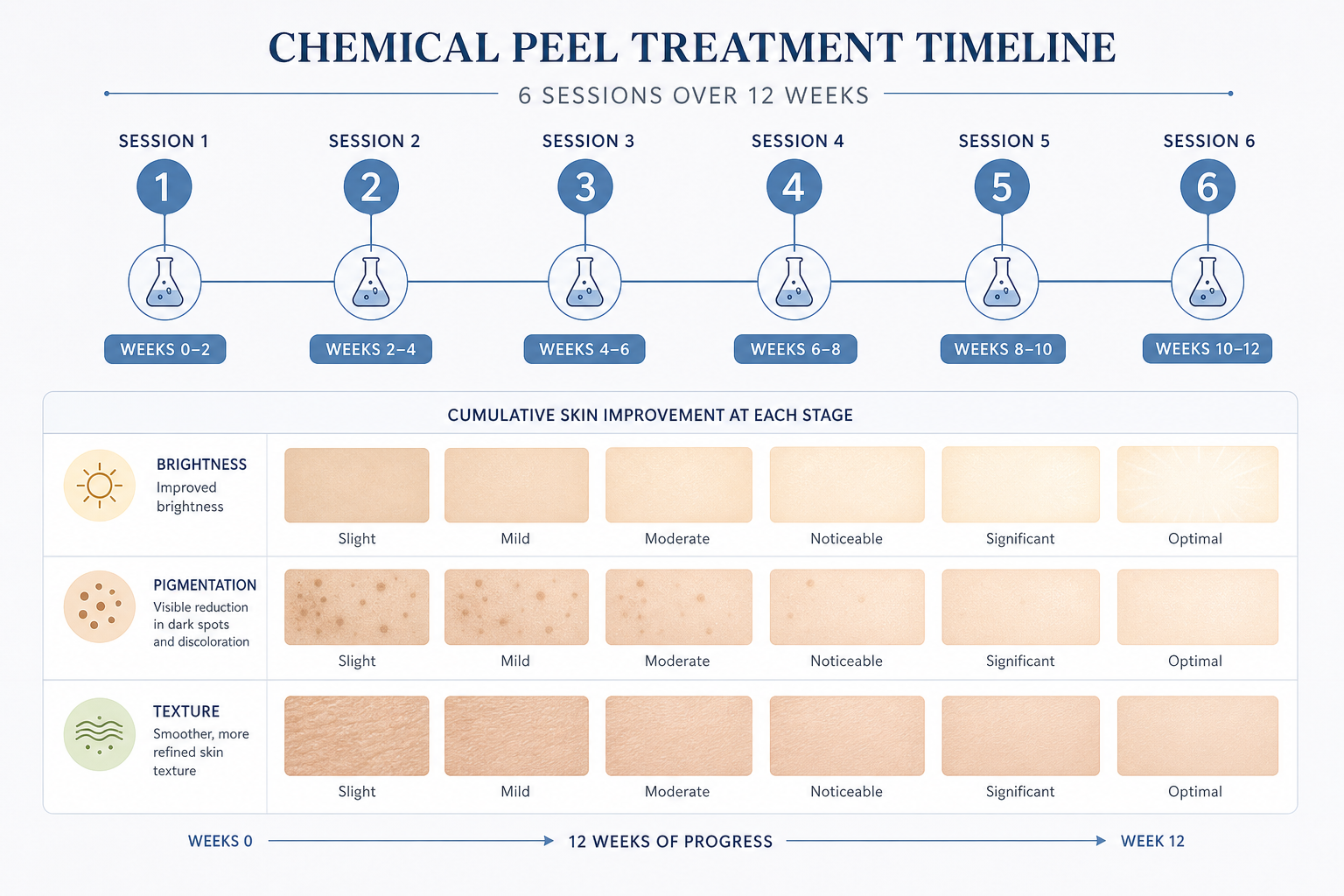
A typical series for tone and texture improvement might involve three to six superficial peels spaced two to four weeks apart, followed by maintenance treatments every one to three months depending on the patient’s skin concerns and goals. Medium-depth peels may be performed less frequently — often once or twice a year — given their greater intensity and longer recovery period. The cumulative effect of repeated chemical exfoliation and collagen stimulation is generally more pronounced than what a single session can achieve, and results tend to be better maintained when treatments are continued alongside a consistent skincare routine.
Aftercare and Its Direct Impact on Results
How a patient cares for their skin after a chemical peel has a direct bearing on the tone and texture outcomes they achieve. Aftercare is not simply about comfort during recovery — specific steps either protect or undermine the improvements the peel has initiated.
Sun protection is the single most important aftercare measure. Freshly peeled skin is more vulnerable to UV damage, and unprotected sun exposure after a peel is a leading cause of PIH and uneven pigmentation — effectively reversing the tone improvements the treatment was designed to create. A broad-spectrum sunscreen with SPF 30 or higher should be applied daily, starting as soon as the skin has sufficiently healed, and continued long-term.
Avoiding picking or peeling the skin during the shedding phase is equally important for texture outcomes. Premature removal of peeling skin can disrupt the healing process, increase the risk of scarring, and leave the surface uneven — the opposite of the smooth result the peel is intended to produce.
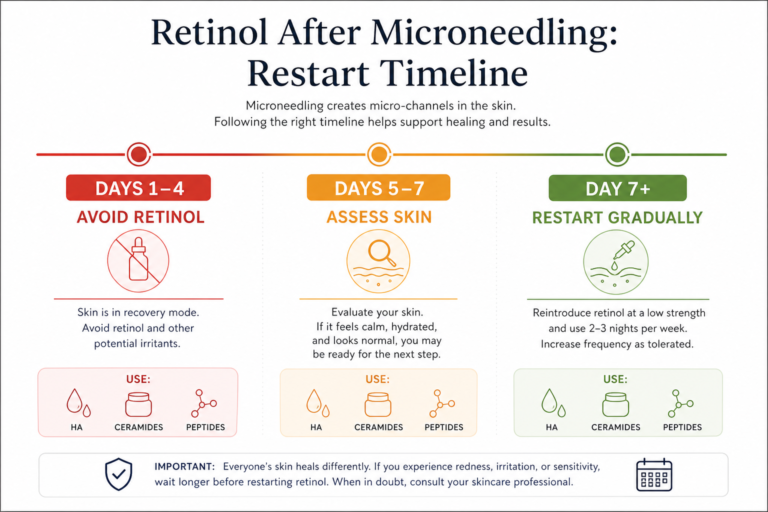
Keeping the skin well hydrated with a gentle, fragrance-free moisturiser supports skin barrier recovery and helps the new skin cells that are emerging remain healthy and intact. Active ingredients such as retinoids, AHAs, and BHAs should generally be avoided for at least one to two weeks post-peel, as the skin barrier is temporarily more sensitive and these ingredients can cause irritation during the recovery phase. A practitioner will provide specific aftercare guidance based on the depth of peel performed.
Body Peels for Tone and Texture
Chemical peels are not limited to the face. The same principles of chemical exfoliation and skin resurfacing can be applied to other areas of the body where tone and texture concerns are common, including the hands, chest, back, and upper arms. Sun-damaged skin on the décolletage, rough texture on the back or arms, and age spots on the hands are all concerns that may respond to appropriately selected body peels. The skin on the body is generally thicker than facial skin, and treatment protocols may differ accordingly. Body peels are a less commonly discussed application but represent a practical option for patients whose concerns extend beyond the face.
Who May Not Be Suitable for a Chemical Peel
Chemical peels are not appropriate for everyone, and a thorough consultation is necessary to identify any factors that may affect safety or suitability. Patients who are currently using isotretinoin (a prescription acne medication) or who have done so within the past six to twelve months are generally advised to wait before undergoing a peel, as isotretinoin affects skin healing and increases sensitivity. Active skin conditions such as eczema, psoriasis, or rosacea in a flare may be contraindications, particularly for medium or deep peels.
Recent significant sun exposure or sunburn should be resolved before treatment, as compromised skin is more vulnerable to adverse reactions. Pregnancy and breastfeeding are generally considered contraindications for medium and deep peels, and some superficial peel acids may also be avoided during this period. Patients with a history of cold sores (herpes simplex) may require antiviral prophylaxis before a medium or deep peel, as the treatment can trigger an outbreak. Open wounds, active infections, or known allergies to any of the peel ingredients are also reasons to delay or avoid treatment.
Chemical Peels Compared to Alternative Treatments
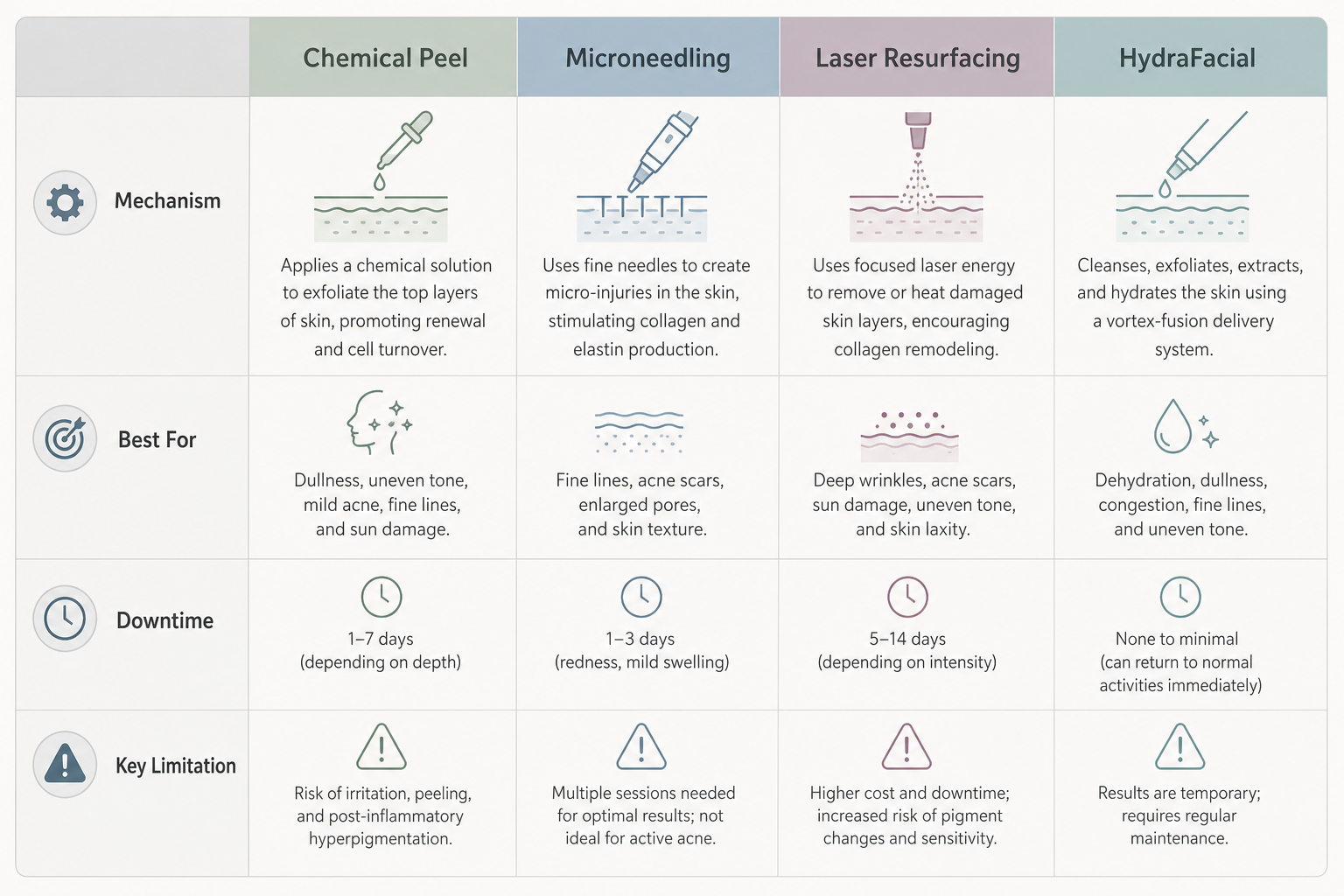
For patients considering their options for skin tone and texture improvement, it is useful to understand how chemical peels compare to other commonly available treatments.
| Treatment | Primary Mechanism | Best For | Downtime | Key Limitation |
|---|---|---|---|---|
| Chemical Peel | Chemical exfoliation, collagen stimulation | Pigmentation, rough texture, dullness, fine lines | Minimal to significant (depth-dependent) | PIH risk in darker skin; requires series for best results |
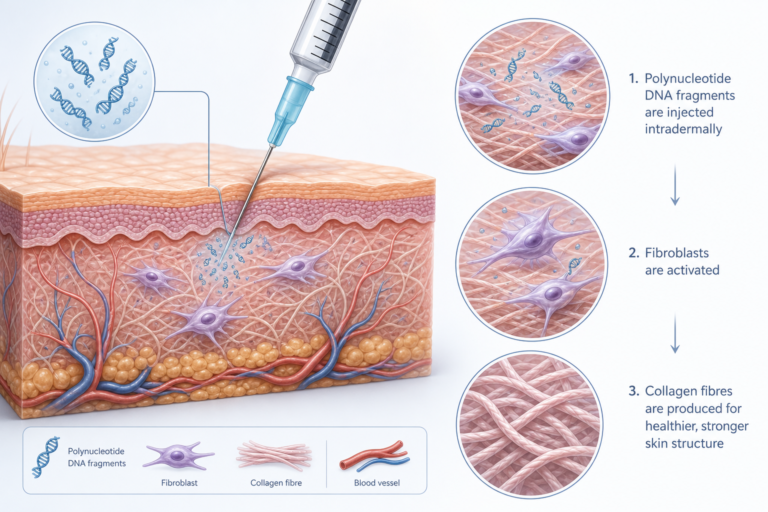
| Microneedling | Controlled micro-injury, collagen induction | Acne scars, skin laxity, texture, fine lines | 2–5 days (redness, swelling) | Less effective for pigmentation; multiple sessions needed |
| Laser Resurfacing | Photothermal energy, skin resurfacing | Significant texture, deep lines, sun damage | Moderate to significant | Higher cost; greater PIH risk in darker skin tones |
| HydraFacial | Mechanical exfoliation, hydration infusion | Dullness, mild congestion, hydration | None | Limited effect on significant pigmentation or scarring |
Each treatment has a distinct mechanism and a different profile of benefits and limitations. Chemical peels offer a well-established, cost-accessible option for both pigmentation and texture concerns, with the flexibility to adjust depth and acid type to the individual patient. For more significant scarring or deeper structural concerns, microneedling or laser resurfacing may be more appropriate, and combination approaches are sometimes recommended by practitioners for complex cases.
Frequently Asked Questions
How many chemical peel sessions are typically needed to see results?
A single superficial peel often produces a noticeable improvement in brightness and surface smoothness, but meaningful improvement in pigmentation or texture usually requires a series of three to six sessions spaced two to four weeks apart. Medium-depth peels may produce more significant results from one or two treatments. A practitioner will recommend a treatment plan based on the specific concerns being addressed.
How long do the results of a chemical peel last?
Results vary depending on the depth of the peel, the skin concern treated, and how well aftercare — particularly sun protection — is maintained. Superficial peel results may last several weeks to months and are best maintained with regular treatments. Medium-depth peel results can last one to two years for some concerns. Ongoing sun exposure and ageing will continue to affect the skin, so maintenance treatments and a consistent skincare routine are important for sustaining improvements.
Are chemical peels safe for darker skin tones?
Yes, chemical peels can be safely performed on darker skin tones when the appropriate peel type is selected and the treatment is managed carefully. Superficial peels using gentler acids such as mandelic acid or low-concentration glycolic acid are generally preferred. Pre-treatment priming and consistent post-treatment sun protection are important steps in reducing the risk of post-inflammatory hyperpigmentation. Choosing a practitioner experienced in treating skin of color is strongly advisable.
What is the best chemical peel for hyperpigmentation?
The most appropriate peel for hyperpigmentation depends on the type and depth of the pigmentation, as well as the patient’s skin tone. Glycolic acid and lactic acid peels are commonly used for mild to moderate pigmentation. TCA-based medium-depth peels may be more effective for deeper or more stubborn discolouration. Melasma requires a particularly careful approach and often benefits from a combination of peels and topical treatments rather than peels alone.
Can a chemical peel improve acne scars?
Chemical peels can improve the appearance of mild to moderate acne scarring, particularly superficial post-acne marks and shallow atrophic scars. Superficial peels help with surface discolouration, while medium-depth peels may produce more noticeable improvement in shallow textural scarring through collagen stimulation. Deeper, pitted scars typically respond better to microneedling or laser resurfacing, and a combination approach may be recommended.
Is there any downtime after a chemical peel?
Downtime depends on the depth of the peel. Superficial peels typically cause mild flaking or dryness for one to three days with no significant social downtime. Medium-depth peels involve more visible peeling and redness lasting five to ten days. Deep peels require a more significant recovery period of two to four weeks. A practitioner will discuss expected downtime before treatment so patients can plan accordingly.
Is a Chemical Peel the Right Choice for Your Skin Concerns?
Chemical peels offer a clinically grounded approach to improving both skin tone and skin texture, with a range of options that can be tailored to different concerns, skin types, and tolerance for downtime. For patients dealing with uneven pigmentation, dark spots, rough texture, dullness, or early signs of ageing, a well-selected peel — performed by a qualified practitioner and supported by appropriate aftercare — can produce meaningful, visible results that build over a series of treatments.
The key to a good outcome lies in realistic expectations and careful patient selection. Not every concern will resolve fully with peels alone, and some patients — particularly those with very deep scarring, complex melasma, or significant skin laxity — may benefit from combining peels with complementary treatments. Patients with darker skin tones should seek a practitioner with specific experience in this area to ensure the safest and most effective approach.
If you are considering a chemical peel, a thorough consultation with a qualified aesthetic practitioner is the appropriate starting point. A practitioner can assess your skin type, identify the most suitable peel depth and acid, discuss realistic outcomes for your specific concerns, and design a treatment plan — including aftercare — that gives you the best chance of achieving the results you are looking for.