Good and Bad Foods for Rosacea: A Complete Dietary Trigger Guide
Rosacea is a chronic inflammatory skin condition that causes persistent facial redness, visible blood vessels, and sometimes acne-like breakouts. While there is no dietary cure, research and patient surveys — including data gathered by the National Rosacea Society — consistently show that what you eat and drink can significantly influence how often and how severely rosacea flare-ups occur. Understanding which foods are likely to aggravate your skin and which may support a calmer complexion is one of the most practical steps you can take alongside any prescribed treatment.
Key Takeaways
- Alcohol, spicy foods, thermally hot beverages, and histamine-rich foods are among the most commonly reported dietary triggers for rosacea flare-ups.
- Foods containing capsaicin and cinnamaldehyde can trigger facial flushing through vasodilation, even in small amounts for sensitive individuals.
- An anti-inflammatory diet rich in omega-3 fatty acids, antioxidants, and prebiotic and probiotic foods may help reduce the frequency of flares.
- Triggers are highly individual — a food diary and structured elimination diet are the most reliable tools for identifying your personal triggers.
- Dietary changes support but do not replace dermatological treatment; always discuss significant dietary changes with a qualified healthcare professional.
Why Do Certain Foods Trigger Rosacea?
Rosacea-prone skin is characterised by heightened neurovascular reactivity — the blood vessels in the face dilate more readily in response to stimuli than they would in unaffected skin. Several dietary compounds exploit this sensitivity through distinct biological pathways. Capsaicin, the active compound in chilli peppers and hot sauce, stimulates sensory receptors called TRPV1 channels, which signal the nervous system to dilate blood vessels, producing the characteristic warmth and redness of a flare. Cinnamaldehyde, found in tomatoes, citrus fruits, chocolate, and cinnamon itself, triggers a similar warming and vasodilation response through a different receptor pathway.
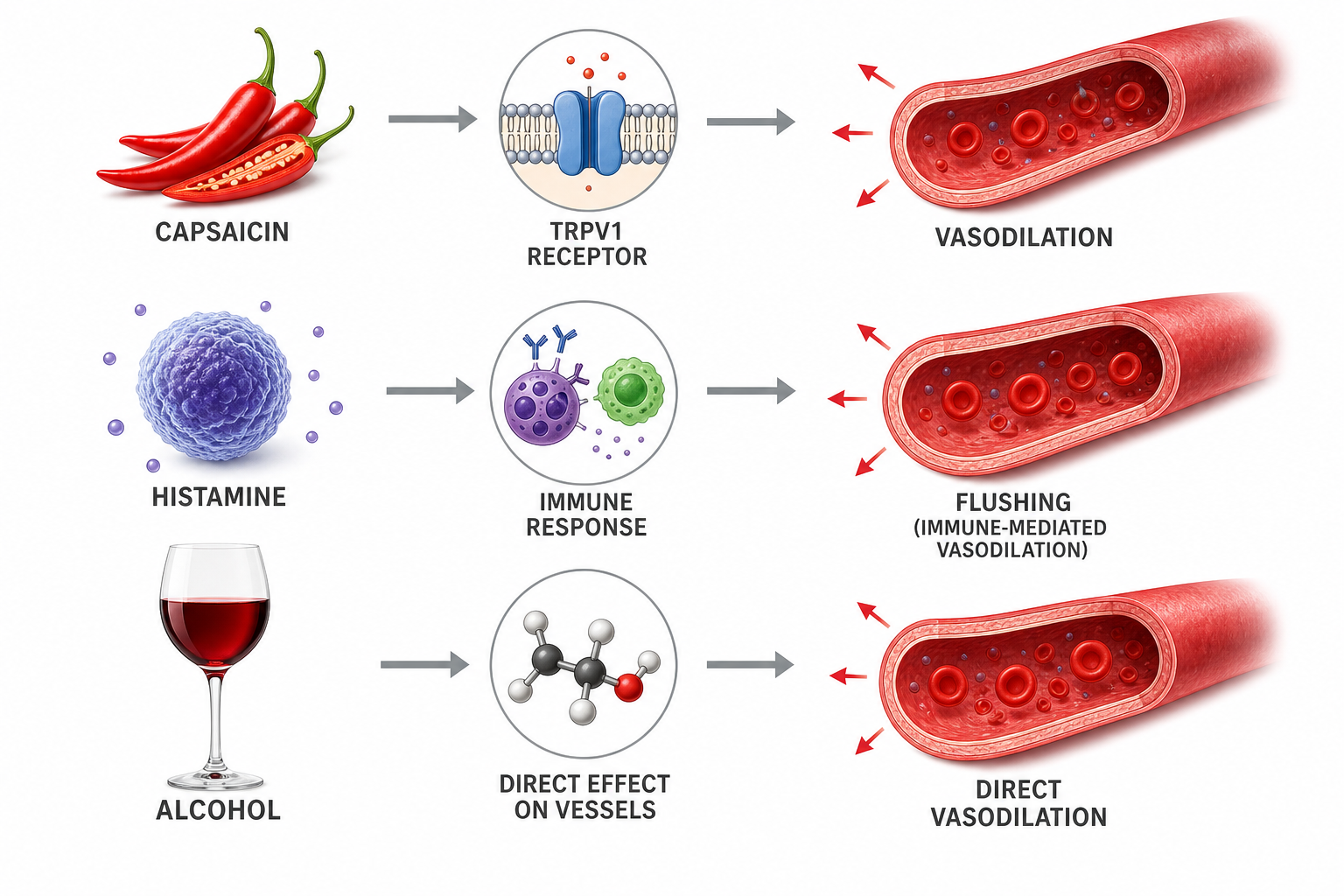
Histamine is another key mechanism. Histamine-rich foods prompt an immune-mediated response that causes blood vessel dilation and localised inflammation. People with rosacea may have a reduced capacity to break down histamine efficiently, meaning even moderate amounts of histamine-containing foods can push them past a reaction threshold. Alcohol causes direct vasodilation and also increases histamine release, which is why it is one of the most reliably reported triggers across patient surveys. Thermally hot foods and beverages raise core body temperature, which the body compensates for by dilating surface blood vessels — a purely physical trigger that has nothing to do with the ingredient itself.
Emerging research also points to the gut-skin axis as a relevant factor. Studies have found higher rates of gut dysbiosis, small intestinal bacterial overgrowth (SIBO), and Helicobacter pylori infection among people with rosacea compared to the general population. When the gut microbiome is disrupted, systemic inflammatory signalling increases, which may worsen skin reactivity. This connection helps explain why dietary patterns — not just individual trigger foods — can influence rosacea over time.
Foods That Commonly Trigger Rosacea Flare-Ups
The following categories represent the most frequently reported dietary triggers. Not every person with rosacea will react to every item on this list, and individual sensitivity varies considerably. Use this as a starting framework rather than a definitive personal restriction list.
Alcohol
Alcohol is the single most commonly reported dietary trigger for rosacea. Red wine is cited most often, but beer, bourbon, gin, vodka, and champagne can all provoke facial flushing. Alcohol causes direct vasodilation of facial blood vessels and simultaneously stimulates histamine release, creating a compounding effect. Even small amounts can trigger a visible response in highly sensitive individuals. If you choose to drink, white wine and clear spirits tend to be reported as less reactive than red wine, though no alcohol is reliably safe for rosacea-prone skin.
Spicy Foods and Capsaicin
Chilli peppers, cayenne pepper, paprika, hot sauce, and any dish seasoned heavily with red pepper contain capsaicin, which directly stimulates the sensory receptors responsible for heat perception in the skin. This triggers a neurogenic flushing response that can be rapid and pronounced. Milder spices such as black pepper and ginger are generally better tolerated, though individual responses vary. Cooking method matters too — dishes where spices are cooked into a sauce for a long time may release more capsaicin than those where spice is added at the end.
Cinnamaldehyde-Containing Foods
Cinnamaldehyde is a naturally occurring compound that creates a warming sensation and promotes vasodilation. Foods that contain meaningful amounts include tomatoes and tomato-based products, citrus fruits (oranges, lemons, limes, grapefruit), chocolate, cinnamon, and some cinnamon-flavoured cereals and granola. This group surprises many patients because tomatoes and citrus are widely considered healthy foods — and they are, for most people. For rosacea-prone individuals, however, these foods can be consistent triggers despite their nutritional value.
Histamine-Rich Foods
Histamine sensitivity is a significant but underappreciated driver of rosacea flares. Foods that are naturally high in histamine or that trigger histamine release include aged cheeses, processed and cured meats (salami, pepperoni, bacon), fermented products such as soy sauce and vinegar, spinach, avocado, eggplant, liver, sour cream, and some yogurts. An important nuance here is the threshold effect: many people with rosacea can tolerate small amounts of a histamine-rich food without reacting, but exceed a personal threshold — particularly when combining several histamine-rich foods in one meal — and a flare becomes likely. Keeping a food and symptom diary helps identify where your individual threshold sits.
Thermally Hot Foods and Beverages
Hot coffee, hot tea, hot cider, and hot cocoa are among the most reported beverage triggers — but the temperature, not the ingredient, is usually the culprit. Raising the temperature of food or drink raises body temperature, which the body manages by dilating surface blood vessels, including those in the face. Switching to iced or room-temperature versions of the same beverages often eliminates the trigger entirely. This is one of the most actionable dietary changes for rosacea patients because it requires no sacrifice of the food itself, only the serving temperature.
Dairy Products
Dairy is a moderately reported trigger, with sour cream, aged cheeses, and full-fat yogurt cited most often. The mechanism is not fully established but may relate to histamine content in aged dairy products or to individual immune responses to dairy proteins. Cottage cheese and some fresh cheeses are generally reported as better tolerated. Dairy is not a universal trigger — many people with rosacea consume it without issue — so it is worth testing individually rather than eliminating it preemptively.
Other Reported Triggers
Additional foods reported by some rosacea patients include vanilla extract, yeast extract, broad-leaf beans, bananas, red plums, raisins, figs, marinated meats, refined sugar, and heavily processed or fatty foods. Refined sugar and high-glycaemic carbohydrates may worsen inflammation more broadly, which could contribute to skin reactivity over time. These triggers are less consistently reported than alcohol or spicy foods and are more likely to be individual rather than universal.
Foods That May Help Calm Rosacea
An anti-inflammatory diet does not cure rosacea, but it may reduce the baseline level of systemic inflammation that makes the skin more reactive. The following food groups have the strongest evidence or the most consistent clinical rationale for supporting skin health in rosacea.
Omega-3 Fatty Acids
Omega-3 fatty acids found in oily fish — salmon, sardines, and mackerel — as well as flaxseeds, chia seeds, and walnuts, help reduce the production of pro-inflammatory signalling molecules. Chronic low-grade inflammation is a central feature of rosacea, and dietary omega-3s are among the most evidence-supported nutritional tools for modulating this. Aim to include oily fish two to three times per week, or consider a high-quality fish oil supplement after discussing dosage with a healthcare professional.
Antioxidant-Rich Fruits and Vegetables
Berries, leafy greens such as kale and arugula, sweet potatoes, bell peppers, carrots, mangoes, peaches, pumpkin, and cucumber all provide antioxidants that help neutralise oxidative stress — a process that contributes to vascular inflammation. Quercetin, an antioxidant found in leafy greens and some fruits, has shown anti-inflammatory properties in laboratory studies, though direct clinical evidence in rosacea specifically remains limited. These foods are also low-glycaemic, which supports stable blood sugar and reduces the pro-inflammatory effects of glucose spikes.
Prebiotic and Probiotic Foods
Given the evidence linking gut microbiome health to rosacea severity, supporting the gut-skin axis through diet is a reasonable strategy. Prebiotic foods — asparagus, onions, lentils, green peas, pistachios, barley, and oats — feed beneficial gut bacteria and help maintain a balanced microbiome. Probiotic foods such as kefir, miso, and pickles introduce live beneficial bacteria directly. One important caveat: kimchi, sauerkraut, and some yogurts appear on both the helpful and harmful lists because they are probiotic but also histamine-rich. If you have confirmed histamine sensitivity, prioritise lower-histamine probiotic options such as kefir made from fresh milk or a high-quality probiotic supplement.
Anti-Inflammatory Herbs and Spices
Turmeric (particularly when combined with black pepper to improve absorption), ginger, and garlic all have documented anti-inflammatory properties and are generally well tolerated by rosacea patients. These can be used as flavourful alternatives to capsaicin-containing spices. Replacing chilli-based seasoning with turmeric, ginger, or fresh herbs such as basil and oregano allows for flavourful cooking without the vasodilatory risk.
Healthy Fats and Zinc-Rich Foods
Olive oil, nuts, seeds, and eggs provide healthy fats that support skin barrier function and reduce inflammatory signalling. Zinc, found in oysters, pumpkin seeds, and legumes, plays a role in skin repair and immune regulation. Some small studies have explored zinc supplementation in rosacea with modest results, though evidence remains preliminary. Dietary zinc from whole foods is a safe and practical starting point.
Hydration and Cooled Beverages
Staying well hydrated supports skin barrier integrity and helps regulate body temperature. Green tea and chamomile tea, served cooled or iced, provide antioxidant benefits without the thermal trigger of hot beverages. Sparkling water with a slice of cucumber or a few berries is a practical alcohol alternative for social situations.
Conflicting Foods: What to Do When a Food Appears on Both Lists
Several foods appear as both potential triggers and potential helpers depending on the source — avocado, kimchi, yogurt, and bananas are the most common examples. This is not a contradiction; it reflects the fact that these foods have properties that can work in opposite directions. Avocado is rich in healthy fats and antioxidants but also contains histamine. Kimchi and sauerkraut are probiotic but histamine-rich. Yogurt provides probiotics and calcium but may trigger reactions in histamine-sensitive individuals or those with dairy sensitivity.
The practical approach is to test these foods individually during a structured elimination and reintroduction phase rather than assuming they are either safe or harmful. If you have confirmed histamine sensitivity through your food and symptom diary, err on the side of caution with high-histamine options regardless of their other nutritional benefits. If histamine does not appear to be a personal trigger, these foods may be well tolerated and nutritionally valuable.
Safe Food Swaps for Common Rosacea Triggers
| Trigger Food | Why It Triggers | Rosacea-Friendly Alternative |
|---|---|---|
| Red wine | Direct vasodilation, histamine release | Non-alcoholic sparkling water with fruit, alcohol-free wine |
| Hot coffee | Thermal trigger raises body temperature | Iced coffee, cold brew |
| Chilli-spiced dishes | Capsaicin stimulates vasodilation | Turmeric, ginger, or herb-seasoned dishes |
| Tomato-based sauces | Cinnamaldehyde promotes flushing | Olive oil and herb-based sauces, pesto |
| Aged cheddar or parmesan | High histamine content | Fresh mozzarella, cottage cheese, ricotta |
| Citrus juice | Cinnamaldehyde, acidity | Cucumber water, cooled herbal tea, melon juice |
| Processed deli meats | Histamine-rich, preservatives | Freshly cooked chicken, turkey, or fish |
| Chocolate | Cinnamaldehyde, histamine | Carob-based alternatives, small amounts of white chocolate |
The Gut-Skin Axis and Rosacea
The connection between gut health and rosacea is supported by a growing body of research. Studies have found that people with rosacea have a higher prevalence of gut dysbiosis — an imbalance in the gut microbiome — as well as conditions such as SIBO and H. pylori infection compared to those without rosacea. When the gut lining is compromised, bacterial byproducts and inflammatory molecules can enter the bloodstream more readily, contributing to systemic inflammation that may manifest in the skin.
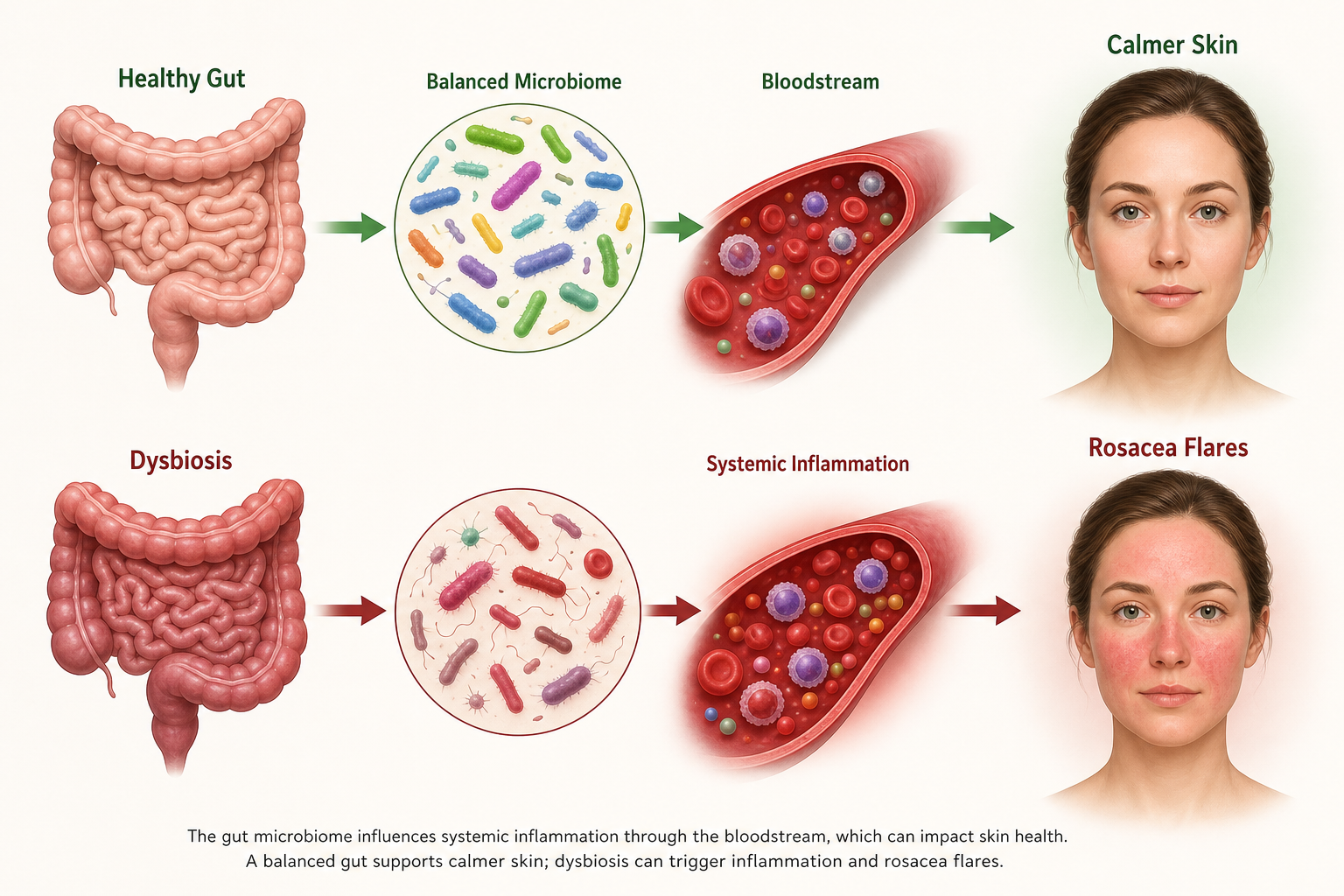
A diet that supports the gut microbiome — rich in dietary fibre, prebiotic foods, and fermented options where tolerated — may help reduce this inflammatory burden over time. The Mediterranean diet, which emphasises vegetables, legumes, whole grains, oily fish, olive oil, and moderate amounts of dairy, broadly aligns with both gut health principles and an anti-inflammatory approach to rosacea management. While no clinical trial has specifically tested the Mediterranean diet as a rosacea treatment, its components map closely onto the foods most consistently associated with reduced inflammatory signalling.
A Sample Rosacea-Friendly Day of Eating
This example is illustrative and not a personalised meal plan. It demonstrates how rosacea-friendly food choices can be incorporated practically without being overly restrictive.
- Breakfast: Porridge with chia seeds, blueberries, and a drizzle of honey; iced green tea or cold brew coffee
- Mid-morning: A small handful of walnuts and a sliced pear
- Lunch: Grilled salmon fillet with roasted sweet potato, steamed kale, and an olive oil and lemon-free herb dressing (use apple cider vinegar sparingly if tolerated, or skip entirely)
- Afternoon: Cucumber slices with hummus; cooled chamomile tea
- Dinner: Baked chicken breast with turmeric and ginger seasoning, roasted bell peppers, courgette, and a side of lentils
- Dessert (optional): Fresh mango or peach slices
Notice that this day avoids alcohol, spicy seasonings, tomato-based sauces, aged cheeses, and hot beverages — the highest-risk categories — while remaining nutritionally varied and satisfying.
How to Identify Your Personal Triggers
Because rosacea triggers are highly individual, the most reliable method for identifying your specific dietary triggers is a structured elimination diet combined with a food and symptom diary. This approach involves removing the most commonly reported trigger categories for two to four weeks, then reintroducing them one at a time — waiting three to four days between each reintroduction — and recording any skin changes. This systematic process allows you to distinguish genuine personal triggers from foods you can tolerate without issue.
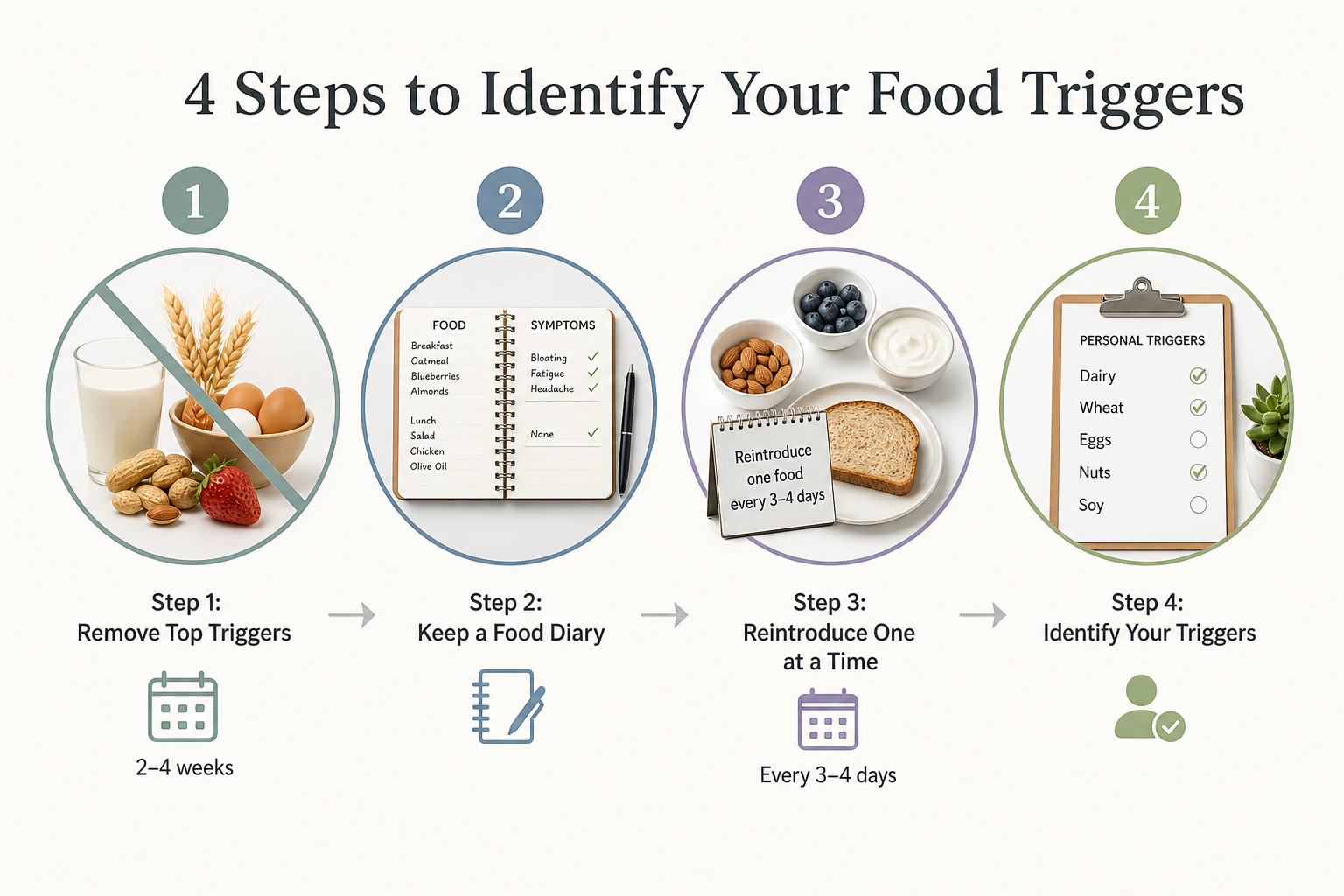
A food and symptom diary should record what you ate, the time, the serving temperature, any other potential triggers (stress, sun exposure, exercise), and any skin changes within the following 24 to 48 hours. Over several weeks, patterns typically become visible. Many patients discover that their actual trigger list is shorter than they feared, which makes long-term dietary management far more sustainable.
Working with a registered dietitian who has experience in elimination protocols can make this process more structured and nutritionally safe, particularly if you are removing multiple food groups simultaneously. Coordinating dietary changes with your dermatologist ensures that dietary management complements rather than conflicts with any prescribed topical or oral treatments.
One important mindset note: the goal is not to eliminate every possible trigger at once. Starting with the highest-probability triggers — alcohol, spicy foods, and thermally hot beverages — and addressing them first often produces the most noticeable improvement with the least dietary disruption. Once those are managed, you can investigate secondary triggers methodically.
Supplements That May Support Rosacea Management
Several supplements are discussed in the context of rosacea, though evidence for most remains preliminary. Omega-3 fish oil supplements may help reduce systemic inflammation when dietary intake of oily fish is low. Zinc supplements have been studied in small trials with modest results; dietary zinc from whole foods is a safer starting point. Niacinamide (vitamin B3) is more established as a topical ingredient for rosacea than as an oral supplement, though oral niacinamide has shown some anti-inflammatory effects in skin conditions more broadly. Vitamin D deficiency has been associated with increased inflammatory skin conditions in some studies, and correcting a documented deficiency may be beneficial.
Probiotic supplements are a practical alternative for those who cannot tolerate histamine-rich fermented foods. Look for multi-strain formulations that include Lactobacillus and Bifidobacterium species, which have the most research support for gut microbiome balance. Always discuss supplement use with a healthcare professional before starting, particularly if you are taking prescribed medications.
Frequently Asked Questions
Which foods most commonly trigger rosacea flare-ups?
According to surveys by the National Rosacea Society, alcohol (particularly red wine), spicy foods, hot beverages, and cinnamaldehyde-containing foods such as tomatoes and citrus are the most frequently reported dietary triggers. Individual responses vary, so personal testing through a food diary remains essential.
Can diet alone control rosacea?
Diet can meaningfully reduce the frequency and severity of flare-ups for many people, but it is unlikely to control rosacea completely on its own. Most patients benefit from a combination of dietary management, prescribed topical or oral treatments, sun protection, and trigger avoidance across multiple categories (not just food). Consult a dermatologist for a comprehensive management plan.
Is coffee a rosacea trigger?
Hot coffee is a well-documented trigger due to its temperature rather than its caffeine content. Switching to cold brew or iced coffee eliminates the thermal trigger and is often well tolerated. Some patients also report sensitivity to caffeine itself, though this is less consistently reported than the temperature effect.
Are fermented foods good or bad for rosacea?
Fermented foods such as kefir, miso, and pickles can support gut microbiome health, which may benefit rosacea indirectly. However, many fermented foods — including kimchi, sauerkraut, soy sauce, and aged vinegar — are also high in histamine and can trigger flares in histamine-sensitive individuals. Testing fermented foods individually is the safest approach.
How long does an elimination diet take to show results?
Most elimination protocols run for two to four weeks before reintroduction begins. Skin improvements, if they occur, are typically noticeable within this period. The full reintroduction phase — testing foods one at a time with several days between each — can take an additional four to eight weeks depending on how many foods are being tested.
Does sugar worsen rosacea?
Refined sugar and high-glycaemic foods may contribute to systemic inflammation over time, which could worsen rosacea reactivity. While sugar is not as consistently reported a trigger as alcohol or spicy food, reducing refined sugar and choosing low-glycaemic carbohydrates is broadly consistent with an anti-inflammatory dietary approach.
Building a Rosacea-Friendly Diet That Works for You
Managing rosacea through diet is not about following a rigid list of forbidden foods — it is about understanding the mechanisms behind your personal triggers and making informed, sustainable choices. The most impactful first steps for most people are reducing or eliminating alcohol, switching hot beverages to cooled alternatives, and moderating spicy food intake. These three changes address the most reliably reported triggers and often produce noticeable improvements in facial flushing and flare frequency relatively quickly.
From there, a structured food and symptom diary will help you identify whether histamine-rich foods, cinnamaldehyde-containing foods, or dairy are contributing to your specific pattern of flares. An anti-inflammatory diet — emphasising omega-3 fatty acids, antioxidant-rich vegetables and fruits, fibre-rich whole grains, and gut-supportive prebiotic and probiotic foods — provides a positive framework that goes beyond simple avoidance and actively supports skin health over time.
Dietary management works best as part of a broader rosacea care plan that includes dermatological treatment, appropriate sun protection, and awareness of non-dietary triggers such as temperature extremes, exercise, and stress. If you are finding it difficult to identify your triggers or to manage your diet safely while meeting your nutritional needs, a registered dietitian and your dermatologist can provide personalised guidance tailored to your rosacea subtype and overall health.