Mole Removal Aftercare: How to Care for Your Healing Wound Site
Mole removal aftercare plays a decisive role in how well your skin heals and how noticeable any resulting mark will be. Whether your mole was removed by shave excision, surgical excision, or laser treatment, the wound site needs consistent, gentle attention during the weeks that follow. This guide explains what to expect at each stage of healing, how to clean and protect the area, which products genuinely help, and when a symptom warrants a call to your dermatologist.
Key Takeaways
- Moist wound healing — keeping the site covered with petroleum jelly and a sterile dressing — consistently produces better outcomes than letting a wound dry out and scab over.
- The healing timeline varies by removal method: shave excision sites typically close within one to two weeks, while surgical excision wounds with sutures may take two to four weeks before the surface is fully healed.
- Do not pick the scab. Premature scab removal disrupts new tissue formation and significantly increases the risk of a more visible scar.
- Sun protection is a long-term commitment: newly healed skin and immature scars are highly vulnerable to UV-induced hyperpigmentation for up to twelve months after the procedure.
- Signs of infection — increasing redness, warmth, pus, or fever — require prompt medical attention rather than home management.
What to Expect Immediately After Mole Removal
In the first few hours after the procedure, the wound site will typically be covered with a small sterile dressing applied by your practitioner. Some minor bleeding, oozing, or weeping of clear fluid is normal during this period. The area may feel tender, and mild swelling or redness around the edges of the wound is an expected part of the body’s initial inflammatory response. Your practitioner will usually provide specific verbal or written instructions before you leave; these should always take priority over general guidance.
Pain is generally mild and manageable with an over-the-counter pain reliever such as acetaminophen (paracetamol) or ibuprofen, taken according to the product label. Avoid aspirin unless prescribed, as it can increase bleeding. Keep the dressing in place for the first 24 hours unless it becomes saturated or falls off, and try to keep the area dry during this initial period.
The Mole Removal Healing Timeline
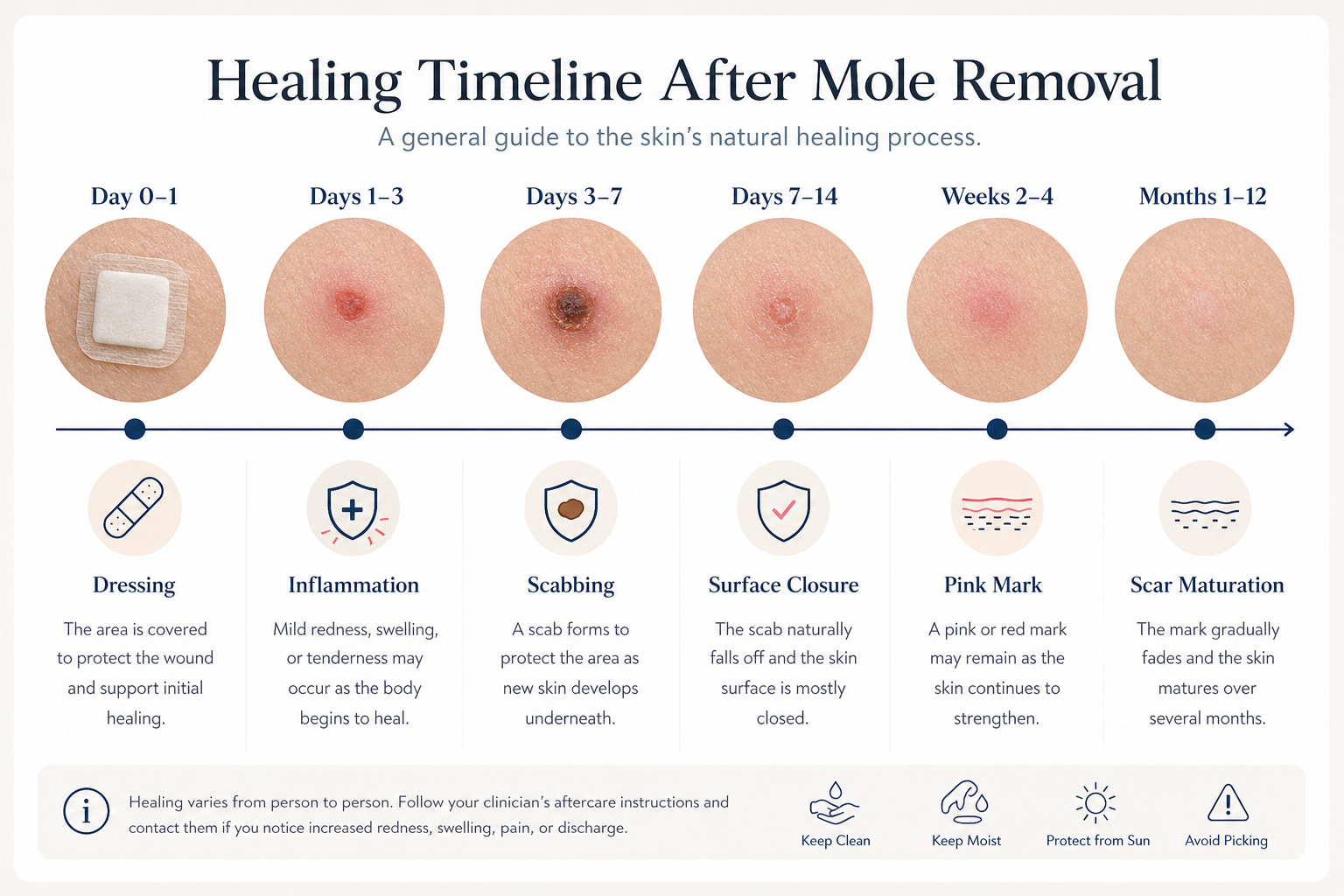
Understanding the healing timeline helps you recognise what is normal at each stage and avoid unnecessary anxiety. Healing broadly follows three overlapping biological phases: the inflammatory stage, the proliferation stage, and scar maturation.
| Time Period | What Typically Happens | Key Care Actions |
|---|---|---|
| Day 0–1 | Tenderness, minor bleeding or oozing, initial dressing in place | Keep dressing dry; take pain relief if needed; avoid touching the site |
| Days 1–3 | Inflammatory stage: redness, swelling, warmth around wound edges | Begin daily gentle cleaning; apply petroleum jelly; replace sterile dressing |
| Days 3–7 | Scab or crust begins to form; itching may start as new tissue grows | Continue moist wound healing; do not pick the scab; avoid strenuous activity |
| Days 7–14 | Scab lifts naturally; surface skin closes; sutures may be removed (if applicable) | Continue dressing changes; stitch or suture removal appointment if needed |
| Weeks 2–4 | Pink or red mark remains; skin surface is closed but fragile | Introduce silicone gel or silicone sheets; begin sun protection |
| Months 1–12 | Scar maturation: mark gradually fades and flattens | Consistent broad-spectrum SPF 30+ sunscreen; scar massage if advised |
Scar maturation is a slow process that continues for many months after the surface appears healed. The pink or slightly raised mark you see at four weeks is not the final result; most scars continue to soften and fade for six to twelve months.
How to Clean the Wound Site
Daily wound cleaning removes bacteria and debris without disrupting the fragile new tissue forming beneath. The recommended approach is straightforward and should take no more than a few minutes.
- Wash your hands thoroughly with soap and water before touching the wound site.
- Gently remove the existing dressing. If it sticks, dampen it slightly with clean water to loosen it rather than pulling.
- Using a clean cotton pad or gauze, apply a small amount of mild soap and lukewarm water to the wound. Gently cleanse the area with light circular motions.
- Rinse thoroughly with clean lukewarm water to remove all soap residue.
- Pat dry with a clean, soft cloth or sterile gauze. Do not rub — rubbing can disturb the wound edges and remove forming tissue.
- Apply a thin layer of petroleum jelly (such as Vaseline) or a practitioner-recommended antibiotic ointment such as Polysporin to keep the surface moist.
- Cover with a fresh sterile dressing or non-stick bandage.
Repeat this dressing change once daily, or more frequently if the dressing becomes wet or soiled. Avoid using alcohol, hydrogen peroxide, or iodine directly on the wound — these agents are cytotoxic to the new cells responsible for healing and can delay recovery rather than prevent infection.
Why Moist Wound Healing Matters
Moist wound healing is not simply a preference — it is supported by decades of wound care research. Keeping the wound site covered with petroleum jelly and a sterile dressing creates an environment where new skin cells can migrate across the wound surface more efficiently. In contrast, wounds left exposed to air form a hard scab that acts as a physical barrier, slowing re-epithelialisation (the process by which new skin forms) and increasing the likelihood of a more prominent scar.
Petroleum jelly is the most widely recommended product for this purpose because it is inert, non-sensitising, and effective at maintaining surface moisture without introducing unnecessary ingredients. Some practitioners recommend a thin layer of antibiotic ointment such as Neosporin or Polysporin for the first few days to reduce bacterial load, though petroleum jelly alone is generally sufficient for clean, uncomplicated wounds. If you have a known sensitivity to neomycin (an ingredient in some antibiotic ointments), discuss alternatives with your practitioner before use.
Aftercare by Removal Method
The type of mole removal procedure influences how the wound heals and what specific aftercare steps apply. The table below summarises the key differences.
| Removal Method | Wound Type | Typical Healing Time | Specific Aftercare Notes |
|---|---|---|---|
| Shave excision | Shallow, no sutures | 7–14 days to surface closure | Moist wound healing is especially important; wound is open and flat; scab forms and lifts naturally |
| Surgical (elliptical) excision | Deeper, sutured closed | 10–21 days to suture removal; months for full scar maturation | Keep suture line clean and moist; avoid tension on wound; attend stitch removal appointment |
| Punch excision | Small circular wound, may be sutured | Similar to surgical excision | Follow suture care instructions; avoid stretching the area |
| Ablative laser (e.g. CO2 laser) | Superficial tissue vaporisation; no sutures | 7–14 days for surface healing | Wound may weep more initially; strict sun avoidance critical; fragrance-free moisturiser once healed |
| Cryotherapy | Blister formation then crusting | 1–3 weeks depending on depth | Allow blister to resolve naturally; do not puncture; keep area clean and protected |
| Electrosurgery / radiosurgery | Superficial; no sutures | 7–14 days | Similar to shave excision aftercare; moist healing and sun protection essential |
For shave excision aftercare specifically, the absence of sutures means the wound heals entirely from the base upward, making consistent moisture maintenance particularly important. Surgical excision aftercare involves an additional consideration: the suture line is under some tension, especially on the back, shoulders, or chest, where movement can stress the wound edges. Keeping the area as still as reasonably possible during the first week helps the wound close cleanly.
Suture and Stitch Care
If your mole was removed by surgical or punch excision, you will have sutures (stitches) that require their own care. Keep the suture line clean and moist using the same daily cleaning method described above. Steri-strips — thin adhesive strips sometimes placed over the suture line — should be left in place until they fall off naturally or your practitioner removes them. Do not pull at steri-strips or sutures.
Stitch removal timing depends on the location of the wound. Facial sutures are typically removed at five to seven days because facial skin heals quickly and early removal reduces the risk of suture marks. Sutures on the trunk or limbs are usually left for ten to fourteen days to allow adequate wound strength to develop. Your practitioner will advise the appropriate timing for your specific wound. Missing a suture removal appointment can lead to suture marks or, if left too long, difficulty removing the stitches cleanly.
What to Avoid After Mole Removal
Several activities and products can interfere with healing or increase the risk of complications during the recovery period.
- Do not pick the scab or crust. Scabs protect the wound while new tissue forms beneath. Removing a scab prematurely reopens the wound, increases infection risk, and almost always results in a more noticeable scar.
- Avoid strenuous exercise and heavy sweating for at least one to two weeks, or until the wound is fully closed. Sweat introduces bacteria to the wound site and physical tension can reopen wound edges, particularly for sutured excisions.
- Avoid swimming, hot tubs, and saunas until the wound is completely healed. Immersion in water — especially non-sterile water — significantly increases infection risk.
- Avoid direct sun exposure on the healing wound site. UV radiation can cause permanent hyperpigmentation (darkening) of immature scar tissue, making the mark far more visible long-term.
- Avoid applying makeup, skincare products, or perfumed lotions directly to the wound until the surface is fully closed. Fragrances and active ingredients such as retinoids, AHAs, or BHAs can irritate healing tissue.
- Avoid shaving over the wound site until it is fully healed and any scab has resolved naturally.
- Avoid alcohol and smoking during the healing period. Smoking impairs circulation and reduces oxygen delivery to healing tissue; alcohol can thin the blood and interfere with the immune response.
How to Minimise Scarring
Some degree of scarring is an inevitable consequence of any procedure that removes tissue from the skin. However, the appearance of the resulting mark can often be significantly reduced with consistent aftercare and appropriate scar management products.
Silicone Gel and Silicone Sheets
Silicone gel sheets and topical silicone scar gel are the most evidence-supported options for scar management after skin procedures. Silicone works by hydrating the stratum corneum (the outermost skin layer) and regulating collagen production in the healing tissue, which can reduce scar thickness, redness, and firmness over time. Silicone sheets are applied directly over the healed wound for several hours per day, while silicone gel dries to form a thin film and may be more practical for facial sites or areas where a sheet is difficult to keep in place. Both forms require consistent daily use over several months to produce a meaningful benefit.
Petroleum Jelly in the Long Term
Petroleum jelly continues to be useful beyond the initial wound care phase. Keeping a healing scar moisturised reduces itching and helps maintain the pliability of new tissue. It is a cost-effective option for those who cannot access silicone products, though silicone-based products have a stronger evidence base for active scar remodelling.
Vitamin E: A Note of Caution
Vitamin E oil is frequently recommended for scars in non-medical settings, but the clinical evidence for its effectiveness is mixed. Some studies have found no benefit over petroleum jelly alone, and topical vitamin E can cause contact dermatitis in a proportion of users. It is not routinely recommended by dermatologists as a first-line scar treatment.
Sun Protection for Scar Prevention
Applying a broad-spectrum SPF 30+ sunscreen to the healed wound site every day — regardless of weather or season — is one of the most impactful steps you can take to prevent a dark or discoloured scar. Immature scar tissue lacks the melanin distribution of surrounding skin and is highly susceptible to UV-induced pigmentation changes. This vulnerability persists for up to twelve months after the procedure, making sun protection a long-term commitment rather than a short-term precaution. For facial sites, a daily SPF 50 broad-spectrum sunscreen is a reasonable choice. Reapply every two hours if you are outdoors.
Scar Massage
Once the wound is fully closed and any sutures have been removed, gentle scar massage can help soften and flatten the developing scar. Using a small amount of moisturiser or silicone gel, apply firm circular pressure to the scar for one to two minutes, two to three times daily. Scar massage is generally introduced from around four weeks post-procedure, but follow your practitioner’s specific guidance on timing.
Body-Location Considerations
Where on the body the mole was located affects both the healing process and the likely appearance of the final scar. Facial wounds tend to heal relatively quickly due to the rich blood supply to the face, but they are highly visible and require careful sun protection. Scalp wounds can be difficult to keep clean and dry, particularly in people with dense hair; gentle cleansing with a mild shampoo is usually appropriate once the wound begins to close.
Wounds on the back, shoulders, and chest are in high-tension areas — the skin in these locations is constantly under mechanical stress from movement. This tension can cause scars to widen or become raised (hypertrophic) more readily than scars in low-tension areas. Silicone sheets are particularly useful for these sites, and your practitioner may recommend avoiding upper-body exercise for a longer period. Wounds on the limbs are generally straightforward but benefit from loose-fitting clothing to avoid friction over the dressing.
Signs of Infection After Mole Removal
Most mole removal wounds heal without complication, but infection can occur. Recognising the signs of infection early allows prompt treatment and reduces the risk of more serious consequences.
Contact your dermatologist or healthcare provider promptly if you notice any of the following:
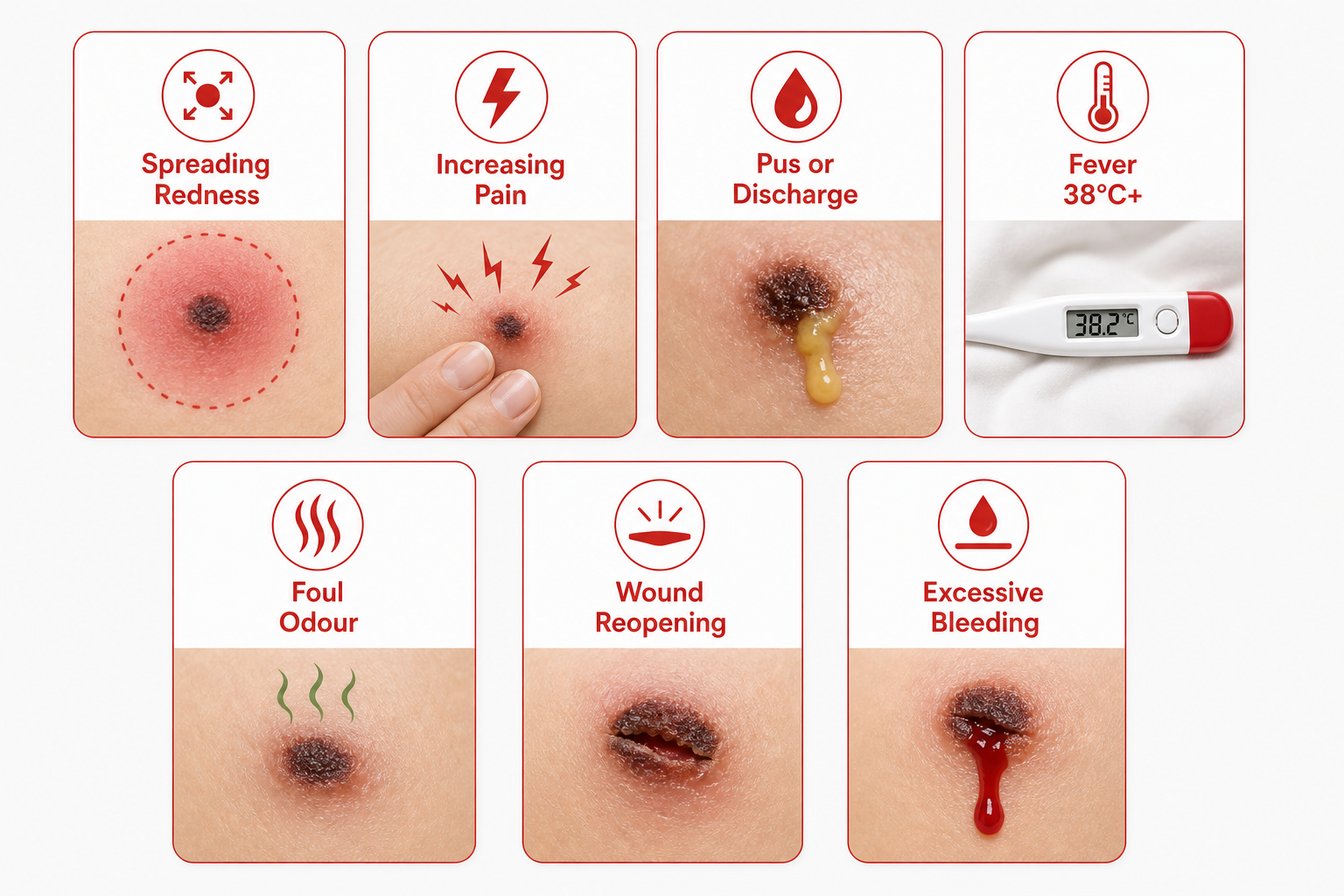
- Redness that is spreading beyond the immediate wound edges rather than gradually fading
- Increasing pain or tenderness after the first two to three days (pain should be improving, not worsening)
- Warmth or heat around the wound site that is intensifying
- Pus or cloudy discharge from the wound
- A foul or unusual odour from the wound site
- Fever above 38°C (100.4°F)
- The wound reopening or the edges separating (wound dehiscence)
- Excessive bleeding that does not stop with gentle pressure applied for ten minutes
Do not attempt to treat a suspected infection at home with over-the-counter products alone. A wound infection typically requires assessment by a qualified practitioner and may need a course of oral antibiotics. Early intervention prevents the infection from deepening and reduces the impact on the final scar.
Nutrition, Lifestyle, and Systemic Healing
Wound healing is a whole-body process, not just a local one. Adequate nutrition supports every stage of tissue repair. Protein provides the amino acids needed to build new collagen; vitamin C is essential for collagen synthesis and immune function; zinc plays a role in cell division and wound closure. A balanced diet with sufficient protein and fresh vegetables supports healing without the need for supplementation in most healthy adults.
Staying well hydrated keeps skin tissue pliable and supports circulation to the healing area. Avoiding smoking during the recovery period is particularly important: nicotine causes vasoconstriction (narrowing of blood vessels), reducing oxygen and nutrient delivery to the wound and significantly impairing healing. Alcohol in excess can suppress immune function and increase bleeding risk. These lifestyle factors are rarely discussed in standard aftercare leaflets but have a meaningful impact on outcomes.
Resuming Skincare, Makeup, and Shaving
Patients frequently ask when it is safe to return to their normal skincare routine after mole removal. The general guidance is as follows, though your practitioner’s specific advice should always take precedence:
- Gentle moisturiser (fragrance-free): once the wound surface is fully closed, typically from around week two for shave excision sites.
- Makeup over the site: once the surface is fully healed and no scab or open area remains — usually from week two to three. Use clean brushes and avoid pressing hard on the area.
- Active skincare ingredients (retinoids, AHAs, BHAs, vitamin C serums): generally avoid directly on the wound site for at least four to six weeks, or until the scar is well established.
- Shaving over the site: wait until the wound is fully healed and any scab has resolved — typically two to three weeks for shave excision sites, longer for sutured wounds.
- Sunscreen: introduce as soon as the wound surface is closed, and continue daily for at least twelve months.
Mole Regrowth: What It Means
It is not uncommon for a small amount of pigmentation to reappear at the site of a removed mole, particularly after shave excision, where the deeper dermal component of the mole may not have been fully removed. Benign regrowth of this kind is usually flat, evenly pigmented, and appears within the original wound boundary. However, any pigmentation returning at a previously treated site should be assessed by a dermatologist rather than assumed to be benign. This is especially important if the original mole was sent for biopsy and the results showed atypical or dysplastic cells. Attend your follow-up appointment as scheduled, and report any new pigmentation at the site promptly.
Frequently Asked Questions
How long does a mole removal wound take to heal?
Surface healing typically takes one to two weeks for shave excision and laser removal, and two to three weeks for sutured surgical excision. However, the underlying scar continues to mature and fade for up to twelve months. The timeline varies depending on wound size, location, and individual healing factors.
Can I shower after mole removal?
Yes, but keep the wound site out of the direct stream of water for the first 24 to 48 hours. After that, brief exposure to water during showering is generally acceptable, provided you pat the area dry immediately and replace the dressing. Avoid soaking the wound in a bath, swimming pool, or hot tub until it is fully healed.
Is it normal for the wound to itch during healing?
Yes. Itching is a common and normal part of the proliferation phase of healing, typically beginning around days three to seven. It indicates that new tissue is forming. Resist the urge to scratch or pick at the area. Keeping the wound moist with petroleum jelly can help reduce itching.
When should I start using sunscreen on the healed site?
Begin applying a broad-spectrum SPF 30+ sunscreen as soon as the wound surface is fully closed — usually from around week two. Continue daily application for at least twelve months, as immature scar tissue is highly vulnerable to UV-induced pigmentation changes throughout this period.
What is the difference between silicone gel and silicone sheets for scars?
Both silicone gel sheets and topical silicone scar gel work by the same mechanism — hydrating the scar surface and modulating collagen production. Sheets are reusable and may provide more consistent contact, but they can be impractical on the face or in areas that move frequently. Silicone gel dries to a thin film and is easier to apply to awkward locations. Either form requires consistent daily use over several months to be effective.
Do I need to wait for biopsy results before starting aftercare?
No. Wound care should begin immediately after the procedure regardless of whether the removed tissue has been sent for biopsy. Biopsy results typically take one to two weeks to return. Your practitioner will contact you with the results and advise on any further steps if needed. Continue your aftercare routine in the meantime.
What if my scar is still very red or raised after several months?
Some scars, particularly on the chest, shoulders, or back, can become hypertrophic (raised and firm) or, less commonly, develop into keloid scars. If your scar remains significantly raised, red, or uncomfortable after three to six months of consistent scar management, discuss scar revision options with your dermatologist. Treatments such as corticosteroid injections, laser therapy, or silicone-based pressure therapy may be appropriate depending on the scar type.
Supporting Your Skin Through the Full Recovery Period
Effective mole removal aftercare is not a single action but a sustained process that spans several weeks of active wound care and up to twelve months of scar protection. The steps that make the greatest difference — keeping the wound site moist, protecting it from sun exposure, and resisting the urge to pick at scabs — are straightforward but require consistency. Matching your aftercare approach to your specific removal method and wound location gives the healing tissue the best possible conditions to recover with minimal visible marking.
If you have concerns about how your wound is healing, notice signs of infection, or are unsure whether a symptom is normal, contact your dermatologist or the clinic that performed the procedure. A brief assessment can provide reassurance or catch a complication early, when it is easiest to address. Your follow-up appointment is also the right time to discuss scar management options, review biopsy results if applicable, and arrange any ongoing skin monitoring that may be appropriate for your individual history.