Is Botox a Toxin or Poison — and Does That Make It Dangerous?
Botox is derived from botulinum toxin, widely regarded as one of the most potent biological substances known to science. Yet millions of people safely receive BTX injections every year for both medical and cosmetic purposes.
The confusion around whether Botox is a “toxin,” a “poison,” or a safe treatment often comes down to a misunderstanding of dosage, purification, and context. The answer is nuanced: yes, it is technically a toxin — but no, that does not make a properly administered Botox injection poisonous.

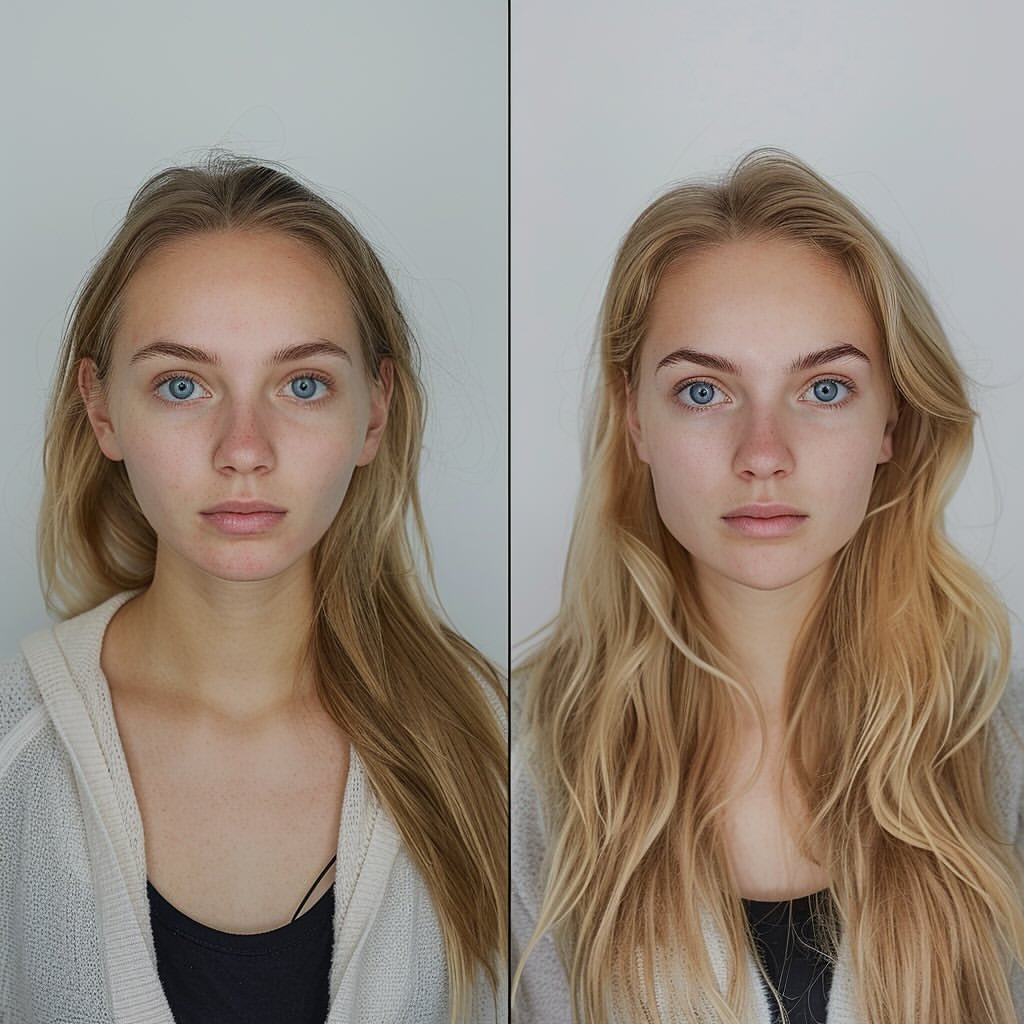
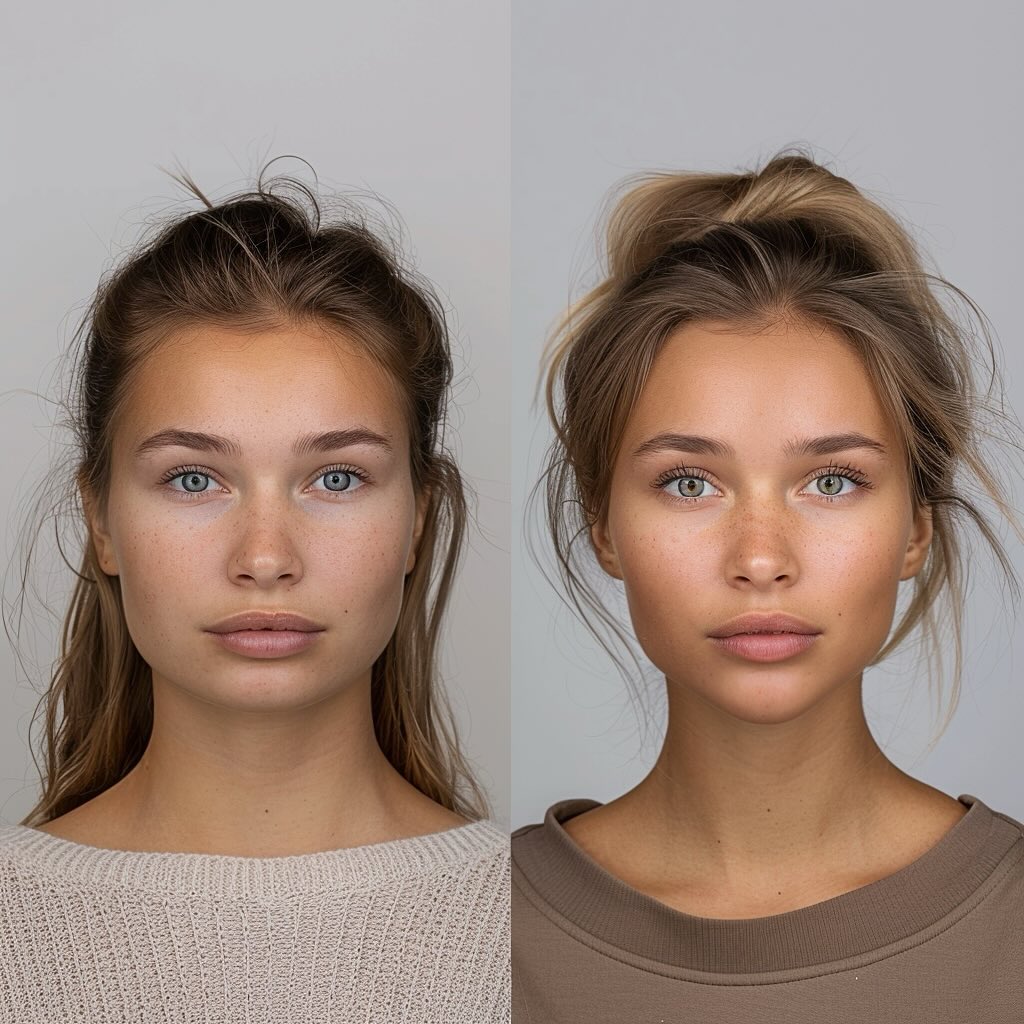
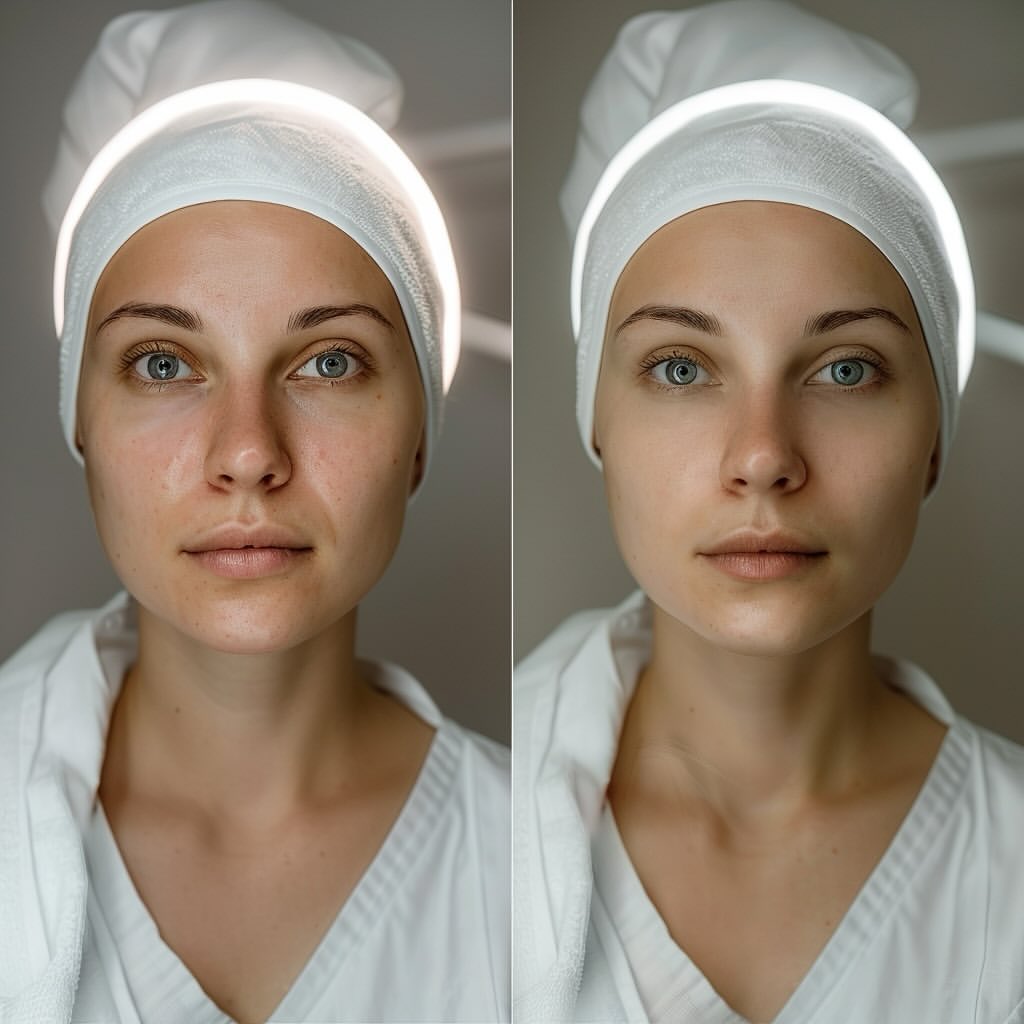
Thousands of satisfied customers

What Is Botox in Simple Terms
Botox is a prescription injectable treatment used to temporarily relax targeted muscles. It is employed both cosmetically — to soften expression lines — and medically, for conditions ranging from hyperhidrosis to chronic migraine. Its active ingredient is a purified protein derived from botulinum toxin type A.
Meaning of Botox and Botulinum Toxin
Botox is a brand name owned by Allergan (now AbbVie). Its active substance is botulinum toxin type A — one of several serotypes of the botulinum neurotoxin. Other brands such as Dysport and Xeomin contain different formulations of the same class of protein, each with distinct unit measurements and diffusion characteristics.
Origins of Botulinum Toxin
Botulinum toxin is produced by Clostridium botulinum, an anaerobic bacterium found in soil, water, and occasionally food. Scientists first identified its toxic properties in the 19th century when studying outbreaks of food-borne illness. The toxin that causes the disease botulism is the same substance — at vastly different concentrations — that underlies modern therapeutic use.
Development of Botox for Medical Use
Research into the therapeutic use of botulinum toxin began in the 1970s, when ophthalmologist Dr Alan Scott explored its potential for treating strabismus (crossed eyes). The FDA approved the first botulinum toxin product in 1989. Cosmetic approval for frown lines followed in 2002. Since then, BTX products have received approval for a range of indications, and clinical evidence for both safety and efficacy has continued to grow.
Is Botox a Toxin?
Scientifically, yes. Botox contains botulinum toxin type A and is, therefore, by definition, a toxin. What distinguishes medical and cosmetic applications from harmful exposure is the degree of purification, the dose administered, and how it is delivered.
Definition of Toxin
A toxin is a poisonous substance produced naturally by a living organism — bacteria, plants, or animals. Botulinum neurotoxin is produced by the bacterium Clostridium botulinum and is classified among the most potent biological toxins known, based on its lethal dose in laboratory models.
Why Botulinum Toxin Is Classified as a Neurotoxin
Botulinum toxin acts by binding to nerve terminals and blocking the release of acetylcholine, the neurotransmitter responsible for muscle contraction. This interruption of nerve signalling causes temporary muscle paralysis. It is this mechanism — a direct effect on the nervous system — that classifies it as a neurotoxin.
Difference Between Raw Toxin and Medical Botox
The truth about botulinum toxin lies in understanding the difference between the naturally occurring substance and the medical product. The toxin is produced by the bacteria Clostridium botulinum, but an injection contains a highly purified, standardised formulation manufactured under strict pharmaceutical controls. The amount of botulinum toxin used in treatment is extremely small and carefully measured.
Modern BTX products undergo extensive purification, testing, and quality assurance processes. A Botox injection does not contain the same concentration or exposure level associated with food poisoning called botulism. Instead, the injection of botulinum toxin is designed to produce a predictable local effect in specific muscles while minimising systemic exposure.
Key differences include:
- The toxin used in treatment is highly purified and pharmaceutical grade.
- Doses are extremely small and precisely measured.
- Products are manufactured under strict quality and safety standards.
- The concentration used is not comparable to the levels associated with botulism.
- Injections are designed to act locally in targeted muscles rather than throughout the body.
- Extensive testing and quality assurance help ensure consistent and predictable results.
Is Botox a Poison?
The question of whether Botox is a poison is slightly more complex. Scientifically, substances can be both toxins and poisons under certain definitions. However, medical experts generally focus on how a substance is used, its formulation, and its dose rather than applying broad labels alone.
When discussing the cosmetic use or the therapeutic use of BTX, the context is very different from accidental poisoning. Approved products are administered in carefully controlled doses by trained professionals within established safety guidelines. Key distinctions include:
- Use of highly purified pharmaceutical formulations.
- Administration by qualified healthcare professionals.
- Carefully measured and controlled dosing.
- Treatment within approved medical and cosmetic indications.
- Ongoing safety monitoring and regulatory oversight.
Definition of Poison
A poison is any substance capable of causing harm, illness, or death when introduced into the body in sufficient amounts. Unlike a toxin, which is specifically produced by a living organism, a poison may be natural or synthetic.
Examples of substances that can act as poisons at sufficiently high levels include:
- Prescription and over-the-counter medications.
- Alcohol.
- Household chemicals.
- Certain plants and natural compounds.
- Even water when consumed in excessive amounts.
Toxicologists often emphasise that risk depends not only on the substance itself but also on its amount or the chemical exposure involved.
Dose Determines Risk
One of the most important principles in toxicology is that the dose determines the poison. Even a toxin that causes botulism can have a very different effect when used in low doses under controlled medical conditions.
The doses used in cosmetic treatments are tiny compared with the amounts associated with illness. A small amount of botulinum toxin is injected into targeted muscles, creating a localised effect rather than widespread toxicity.
Factors that influence risk include:
- The amount administered.
- The concentration of the substance.
- The route of exposure.
- The location of administration.
- Individual patient factors.
Why Medical Experts Do Not Typically Refer to Botox as Poison
Medical professionals rarely describe Botox as a poison because the term does not accurately reflect how the product is used. Botox is a prescription-only medicine with approved indications, established dosing protocols, and extensive safety monitoring.
The use of botulinum toxin in medicine is intended to achieve therapeutic benefits through controlled administration. While BTX may cause adverse effects in some circumstances, its regulated medical use differs fundamentally from poisoning or toxic exposure.

How Botox Works in the Body
The action of BTX is based on its ability to temporarily interrupt communication between nerves and muscles. This mechanism allows botulinum toxin treatment to reduce unwanted muscle activity without permanently damaging tissue.
The effect develops gradually over several days. Following BTX injection, the targeted muscle becomes less active, which may soften dynamic wrinkles or help manage certain medical conditions linked to muscle overactivity.
Blocking Nerve Signals to Muscles
Botulinum neurotoxin type A works by preventing nerve endings from releasing acetylcholine. The toxin binds to specific nerve terminals and interrupts the signal that normally tells a muscle to contract.
This process involves:
- Binding to targeted nerve endings.
- Blocking the release of acetylcholine.
- Interrupting communication between nerves and muscles.
- Reducing the muscle’s ability to contract.
- Producing a controlled and localised effect.
Because the signal pathway is temporarily blocked, the muscle receives fewer instructions to move. This action of the toxin is responsible for both cosmetic and therapeutic outcomes.
Effects on Muscle Contraction
When BTX is injected, muscle contraction becomes reduced in the treated area. In aesthetic medicine, this can lessen the appearance of frown lines, forehead lines, and crow’s feet that develop through repeated facial movement.
The cosmetic use of BTX focuses on selective muscle relaxation rather than complete paralysis. Independent specialists typically tailor treatment plans according to facial anatomy, treatment goals, and muscle strength.
Duration of Botox Effects
Most people begin noticing effects of botulinum toxin injections within three to seven days, with peak results commonly appearing after around two weeks. The exact timeframe varies between individuals and treatment areas.
Results are temporary because nerve endings gradually recover. Factors that may influence how long Botox treatments last include:
- The dose administered.
- The treatment area.
- Individual metabolism.
- Muscle size and strength.
- Frequency of previous treatments.

Why Botox Is Safe When Used Correctly
The safety of botulinum toxin type A has been studied extensively over several decades. Regulatory approvals, ongoing research, and real-world clinical experience provide substantial information regarding the efficacy and safety of BTX when administered appropriately.
Like any medical treatment, no Botox injection is entirely without risk. However, approved formulations of botulinum toxin are considered safe for suitable candidates when delivered by qualified practitioners following established guidelines.
Extensive Clinical Testing
Before approval, BTX products undergo rigorous laboratory testing and clinical trials. Research evaluating the efficacy of botulinum toxin for cosmetic and medical purposes has involved thousands of participants worldwide.
BTX was approved for multiple indications after demonstrating acceptable safety profiles and measurable clinical benefits. Ongoing pharmacovigilance programmes continue to monitor adverse effects and long-term outcomes.
Approved Medical and Cosmetic Uses
Today, BTX is used for both aesthetic and therapeutic purposes. Approved indications vary by country but commonly include facial lines, chronic migraine, excessive sweating, cervical dystonia, muscle spasticity, and overactive bladder.
The cosmetic use of Botox represents only one part of a broader medical field. Botulinum toxin for the treatment of neurological and muscular disorders has been established in clinical practice for many years.
Importance of Qualified Injectors
Treatment outcomes depend heavily on practitioner expertise. Understanding facial anatomy, muscle function, injection technique, and patient assessment is essential when administering a botulinum toxin type A injection.
When exploring treatment options in London, Science Beauty helps readers compare verified clinics and independent specialists. Suitability for injection should always be determined through an assessment of medical history, anatomy, and treatment objectives.
Botox Risks and Side Effects
Although generally well tolerated, Botox treatments can produce adverse effects. Most side effects are mild and temporary, but understanding potential risks helps individuals make informed decisions.
The likelihood and severity of adverse effects may depend on treatment area, dosage, individual anatomy, and practitioner technique.
Common Side Effects
Common adverse effects following botulinum toxin injection include redness, swelling, bruising, tenderness at the injection site, and mild headache. These reactions usually resolve within a few days.
Some individuals may also experience temporary discomfort or a sensation of tightness in treated areas. Such effects are typically short-lived and do not indicate botulism.
Less Common Complications
Less common complications include eyelid drooping, facial asymmetry, and temporary weakness following botulinum toxin administration. These effects generally occur because of the unintended diffusion of the product into nearby muscles.
Most cases improve as the effect of BTX gradually wears off. Careful injection planning helps reduce the likelihood of these complications.
Rare Serious Reactions
Rarely, botulinum toxin can spread beyond the intended treatment area. In severe cases, it may affect swallowing, breathing, or muscle function.
Serious allergic reactions are also possible but uncommon. Individuals should seek urgent medical attention if concerning symptoms develop following BTX treatment.

Botox Myths and Facts
Public discussion around Botox often includes misconceptions about safety, toxicity, and long-term effects. Understanding the evidence behind common claims can help separate facts from myths.
Myth: Botox Contains Dangerous Amounts of Toxin
Botox contains purified botulinum toxin, but the amount used in treatment is extremely small. Doses are carefully calculated, standardised, and regulated to achieve the desired effect while maintaining safety.
Myth: Botox Stays in the Body Forever
The effects of BTX are temporary. Nerve endings gradually regenerate and restore communication with muscles over time, which is why repeat treatment is required to maintain results.
BTX does not remain permanently active in tissues. Clinical studies suggest that treated muscles progressively recover function after the effect of botulinum toxin diminishes.
Myth: Botox Causes Botulism in Cosmetic Patients
A common misconception is that cosmetic injections routinely cause botulism. In reality, Botox injection procedures use highly controlled formulations of botulinum toxin type A at carefully measured doses.
While botulinum toxin can cause botulism under specific circumstances, approved cosmetic treatments differ dramatically from the exposures associated with disease.
Botox vs Botulism
Although both Botox and botulism involve exposure to botulinum toxin, they are fundamentally different. One is a carefully regulated medical treatment that uses highly purified doses of botulinum toxin, while the other is a potentially life-threatening illness caused by uncontrolled exposure to a toxin produced by the bacteria Clostridium botulinum.
Understanding the distinction between a BTX injection and botulism helps explain why cosmetic and therapeutic applications differ dramatically from the disease caused by accidental exposure.
Botox vs Botulism: Key Differences
Feature | Botox Treatment | Botulism |
Purpose | Medical or cosmetic treatment | Unintended illness |
Source of toxin | Highly purified pharmaceutical product | Toxin produced by Clostridium botulinum |
Dose | Extremely small and carefully controlled | Uncontrolled exposure |
Administration | Injected by trained medical professionals | Accidental exposure through contaminated food, wounds, or other sources |
Effect | Localised muscle relaxation | Widespread disruption of nerve signalling |
Medical oversight | Strict regulatory and clinical supervision | Requires emergency medical treatment |
Risk profile | Generally predictable when used appropriately | Potentially life-threatening |
What Is Botulism?
Botulism is a rare but serious neurological illness caused by exposure to the botulinum neurotoxin. The toxin that causes botulism is produced by the bacterium Clostridium botulinum and can affect the nervous system when present in sufficient amounts.
Several forms of botulism exist, including food-borne botulism, wound botulism, and infant botulism. Food poisoning called botulism most commonly occurs when contaminated food allows the bacterium Clostridium botulinum to grow and produce toxin.
How Botulism Affects the Body
The signs and symptoms of botulism typically begin with muscle weakness and may include blurred vision, drooping eyelids, difficulty swallowing, slurred speech, and fatigue. As the condition progresses, paralysis can spread to multiple muscle groups.
Without treatment, severe botulism can affect breathing muscles and become life-threatening. Patients with confirmed botulism are often treated with botulinum antitoxin and supportive medical care to reduce the effects.
Why Botox Treatments Do Not Equal Botulism
Botox treatments do not equal botulism because the amount of toxin, method of administration, and medical oversight are entirely different. A botulinum toxin type A injection contains a highly purified formulation delivered in carefully controlled doses.
By contrast, botulism results from uncontrolled exposure to a toxin that causes widespread disruption of nerve signalling. During cosmetic use of Botox, the toxin is injected into specific muscles in tiny measured amounts to achieve a localised effect rather than systemic illness.
Final Answer: Is Botox a Toxin or Poison?
From a scientific perspective, botulinum toxin is a toxin because it is produced by the bacteria Clostridium botulinum and acts as a botulinum neurotoxin. However, approved Botox injection treatments use highly purified, controlled doses of botulinum toxin designed for medical and cosmetic benefits.
Whether a substance causes harm depends on factors such as dosage, formulation, administration, and clinical oversight. For this reason, medical experts generally view Botox as a regulated therapeutic product rather than a poison.
Frequently Asked Questions
Is Botox Dangerous Long Term?
Current research indicates that long-term use of botulinum toxin is generally well tolerated by many patients. Some individuals have regularly received Botox injections for years for both cosmetic and medical reasons. As with any treatment, ongoing assessment remains important because individual responses, treatment goals, and potential adverse effects may vary over time.
Can Botox Travel Through the Body?
Botulinum toxin is designed to act locally near the injection site. However, its diffusion into nearby tissues can occur and may contribute to temporary muscle weakness in adjacent areas. In rare situations, the toxin spreads beyond the treatment area, which is why appropriate dosing and professional administration are important.
How Much Botulinum Toxin Is in Botox?
The amount of botulinum toxin used in treatment is extremely small. A Botox injection contains carefully standardised units of purified botulinum toxin type A rather than large quantities of raw toxin. The doses used in cosmetic medicine are specifically calculated to create targeted effects while maintaining established safety margins.
Is Botox FDA-Approved?
Yes. Botox was approved by the FDA for medical use in 1989 and later received approval for cosmetic indications. Today, FDA-approved botulinum toxin products are authorised for several uses, including facial lines, chronic migraine, hyperhidrosis, muscle spasticity, and other medical conditions, subject to approved indications and prescribing guidance.
Can Botox Be Harmful if Too Much Is Used?
Like many medicines, Botox can become harmful if inappropriate doses are used or if it is administered incorrectly. Approved treatment protocols are designed to minimise risk by using carefully calculated amounts based on the treatment area, patient characteristics, and clinical goals. This is why treatment should only be performed by appropriately qualified practitioners following established medical guidelines.
What Are the Warning Signs After a Botox Treatment?
Most patients experience only mild and temporary side effects, such as redness, swelling, or bruising at the injection site. However, medical attention should be sought if symptoms such as difficulty swallowing, breathing problems, significant muscle weakness, or severe allergic reactions occur. These complications are uncommon but require prompt assessment and care.
Can Botox Cause Serious Health Problems?
Serious health problems following Botox treatment are uncommon when approved products are used correctly and administered by qualified practitioners. However, as with any prescription injectable treatment, risks can exist. Rare complications may include significant muscle weakness, swallowing difficulties, or breathing problems if the product affects unintended areas. Careful patient assessment, appropriate dosing, and proper injection technique play an important role in reducing these risks.
Newsletter Updates
Enter your email address below and subscribe to our newsletter