Does Botox Work on Deep Wrinkles?
Botox (botulinum toxin type A) is one of the most widely used cosmetic injectables globally, recognised for its ability to temporarily reduce the appearance of facial wrinkles and fine lines. Deep wrinkles — those with visible depth even at rest — are among the most common concerns brought to aesthetic specialists.
The short answer is: Botox can work on deep wrinkles, but results depend significantly on the type being treated. Where wrinkles are driven by repeated muscle movement, Botox injections are often highly effective. Where they are deeply etched into the skin at rest, additional treatments may be required alongside Botox to achieve meaningful improvement.

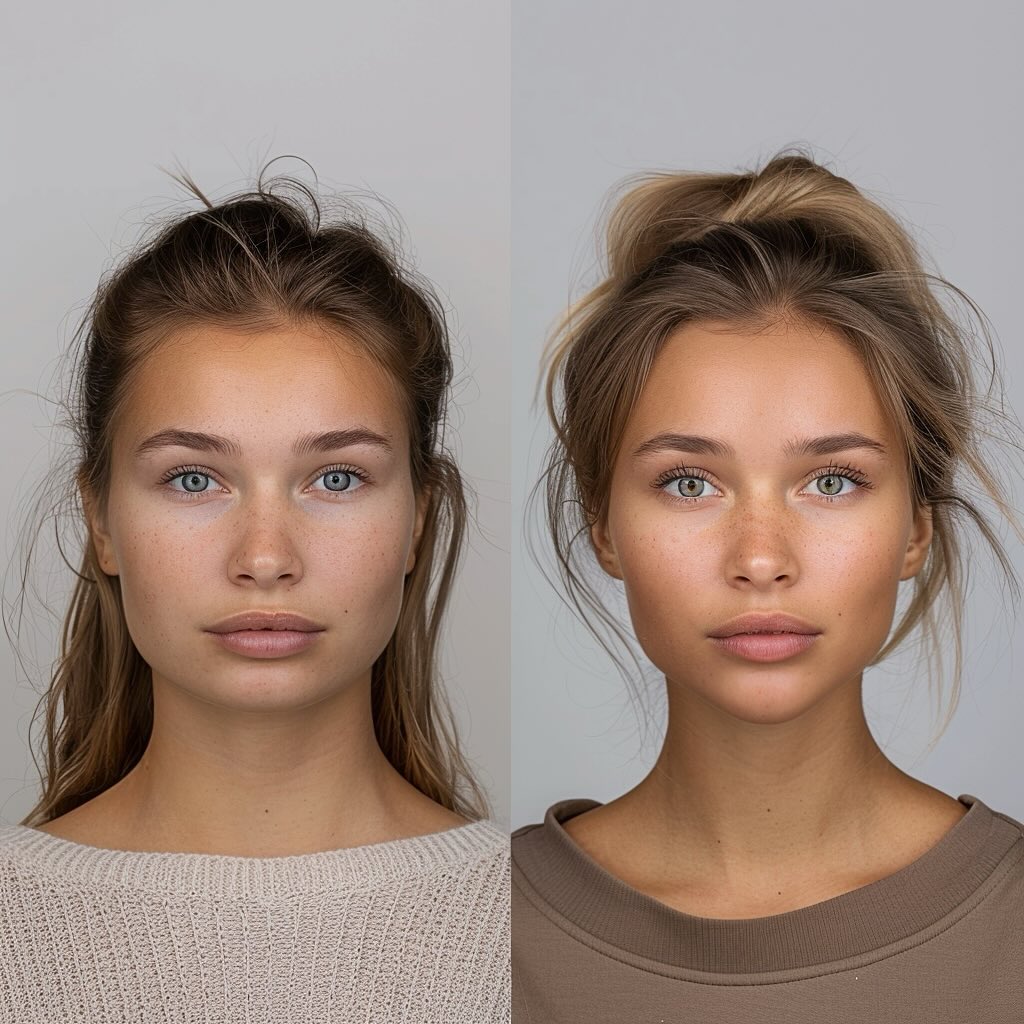
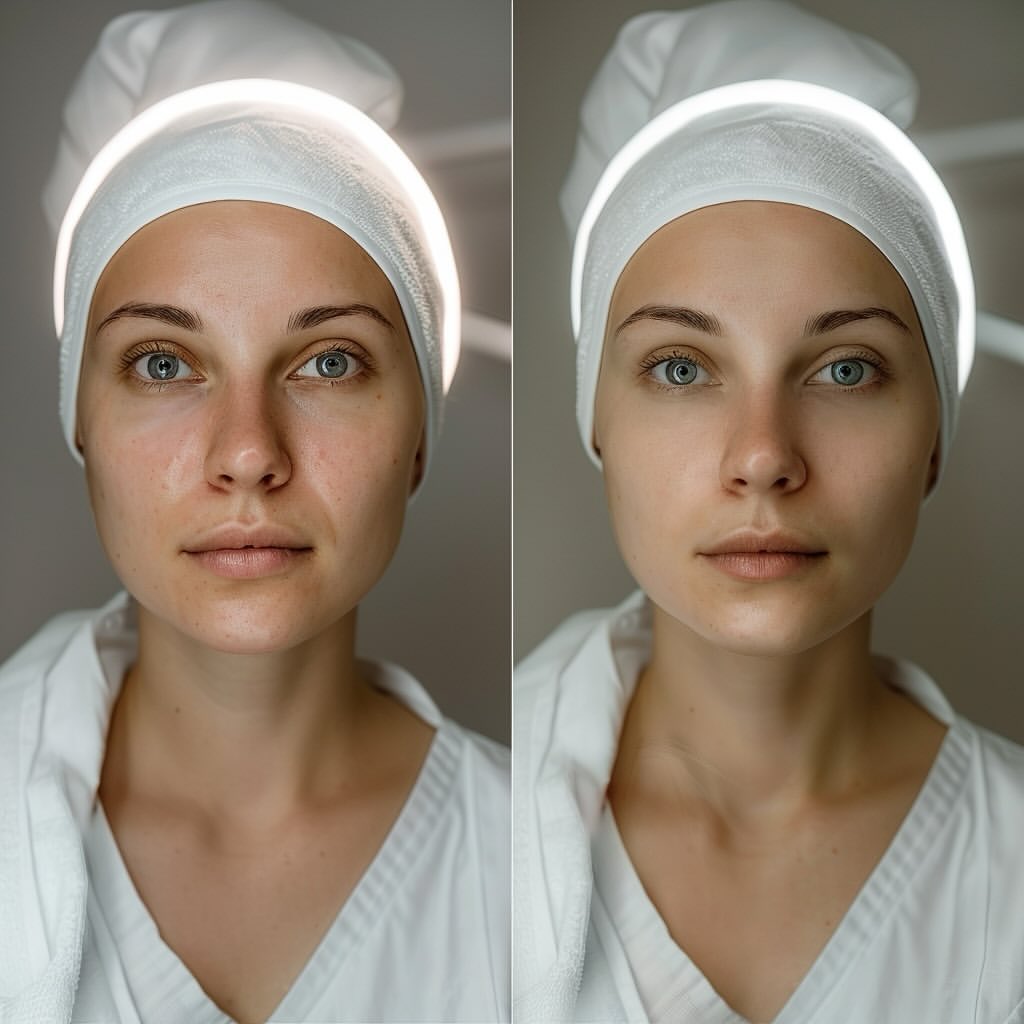
Thousands of satisfied customers

Effectiveness of Botox for Deep Wrinkles
Botox works by temporarily reducing the muscle contractions responsible for creasing the skin. For deep wrinkles caused by facial movement, this mechanism can produce noticeable softening. However, results vary, and no treatment guarantees complete removal of established lines.
How Botox Reduces Appearance of Deep Wrinkles
When botulinum toxin is injected into targeted facial muscles, it temporarily blocks the nerve signals responsible for contraction. As the muscle relaxes, the overlying skin is no longer repeatedly folded, allowing wrinkles to become less pronounced. Over time, reduced muscle activity may allow some skin repair, helping soften deeper dynamic lines gradually with consistent treatment.
Types of Deep Wrinkles Botox Can Improve
Botox is most effective on dynamic wrinkles — those caused by repeated facial movements. Common dynamic wrinkles that respond well include horizontal forehead lines, frown lines between the eyebrows (glabellar lines), and crow’s feet around the eyes. Bunny lines along the nose and certain chin creases may also respond to carefully placed injections by experienced practitioners.
Cases Where Botox Has Limited Impact
Static wrinkles — lines visible even when the face is completely at rest — are less responsive to Botox alone. They reflect cumulative collagen loss, skin laxity, and long-term sun exposure rather than active muscle contraction. Deeply etched nasolabial folds, marionette lines, and some forehead wrinkles in older skin typically require complementary treatments such as dermal fillers or skin resurfacing for meaningful improvement.
Expected Degree of Improvement
Outcomes vary across a spectrum. Mild dynamic wrinkles may smooth significantly, often appearing nearly absent. Moderate lines typically soften noticeably, particularly after repeat treatments. Very deep or long-established wrinkles may show partial improvement — reduced depth and visibility — rather than complete resolution. A qualified specialist can provide a realistic assessment based on individual anatomy and wrinkle history.
Difference Between Dynamic and Static Wrinkles
Understanding wrinkle categories is essential for evaluating whether Botox alone is likely to meet your goals, or whether a combination approach may be recommended.
What Dynamic Wrinkles Are
Dynamic wrinkles develop as a direct result of repeated facial muscle movements. Every smile, frown, squint, or raised eyebrow causes the skin to fold in predictable patterns. Over time, these repetitive contractions create visible lines that become increasingly pronounced.
Common examples of dynamic wrinkles include forehead lines, crow’s feet, and glabellar lines between the eyebrows. In the early stages, they may only appear during facial expressions, but can gradually become more noticeable as the skin ages.
What Static Wrinkles Are
Static wrinkles remain visible even when facial muscles are completely relaxed. Unlike dynamic ones, they are primarily associated with long-term structural changes within the skin.
Several factors contribute to static wrinkle formation, including:
- Collagen and elastin loss
- Reduced skin elasticity
- Chronic sun exposure
- Age-related volume loss
- Repeated skin folding over many years
Examples include deep nasolabial folds, marionette lines, and forehead creases that remain visible at rest. Because these wrinkles are embedded within the skin’s structure, they are often more difficult to treat with Botox alone.
Why Dynamic Wrinkles Respond Better to Botox
Because Botox works by interrupting the nerve-muscle signal that causes contraction, it directly addresses the underlying cause of dynamic wrinkles. By reducing the repetitive folding of skin, it prevents the crease from deepening further and, over time, may allow existing lines to soften. This mechanistic alignment explains why dynamic wrinkles typically show the strongest response to botulinum toxin treatment.
How Static Wrinkles Can Be Treated
Because static wrinkles are linked to collagen loss, skin thinning, and volume depletion, treatment often extends beyond muscle relaxation alone. While Botox may help reduce nearby muscle activity, additional procedures are frequently recommended to improve the skin’s structure and appearance.
Common treatment options include:
- Dermal fillers to restore lost volume
- Laser resurfacing to improve skin texture
- Microneedling to stimulate collagen production
- Chemical peels to encourage skin renewal
- Medical-grade skincare to support collagen health
Many patients benefit from a personalised treatment plan that addresses both dynamic and static components of facial aging.
Dynamic vs Static Wrinkles: Key Differences
Feature | Dynamic Wrinkles | Static Wrinkles |
Primary cause | Repetitive facial muscle movements | Structural changes within skin |
Visible at rest | Usually no in early stages | Yes |
Visible during facial expressions | Yes | Yes |
Common locations | Forehead lines, crow’s feet, frown lines | Nasolabial folds, marionette lines, deep forehead creases |
Main contributing factors | Muscle contractions | Collagen loss, sun damage, volume loss, aging |
Response to Botox | Typically excellent | Often limited |
Can Botox eliminate them completely? | Frequently significant improvement | Usually only partial improvement |
Additional treatments often needed | Not always | Commonly recommended |
Best complementary treatments | Preventive skincare | Fillers, laser resurfacing, microneedling, chemical peels |
Long-term management | Regular Botox treatments | Combination treatment approach |
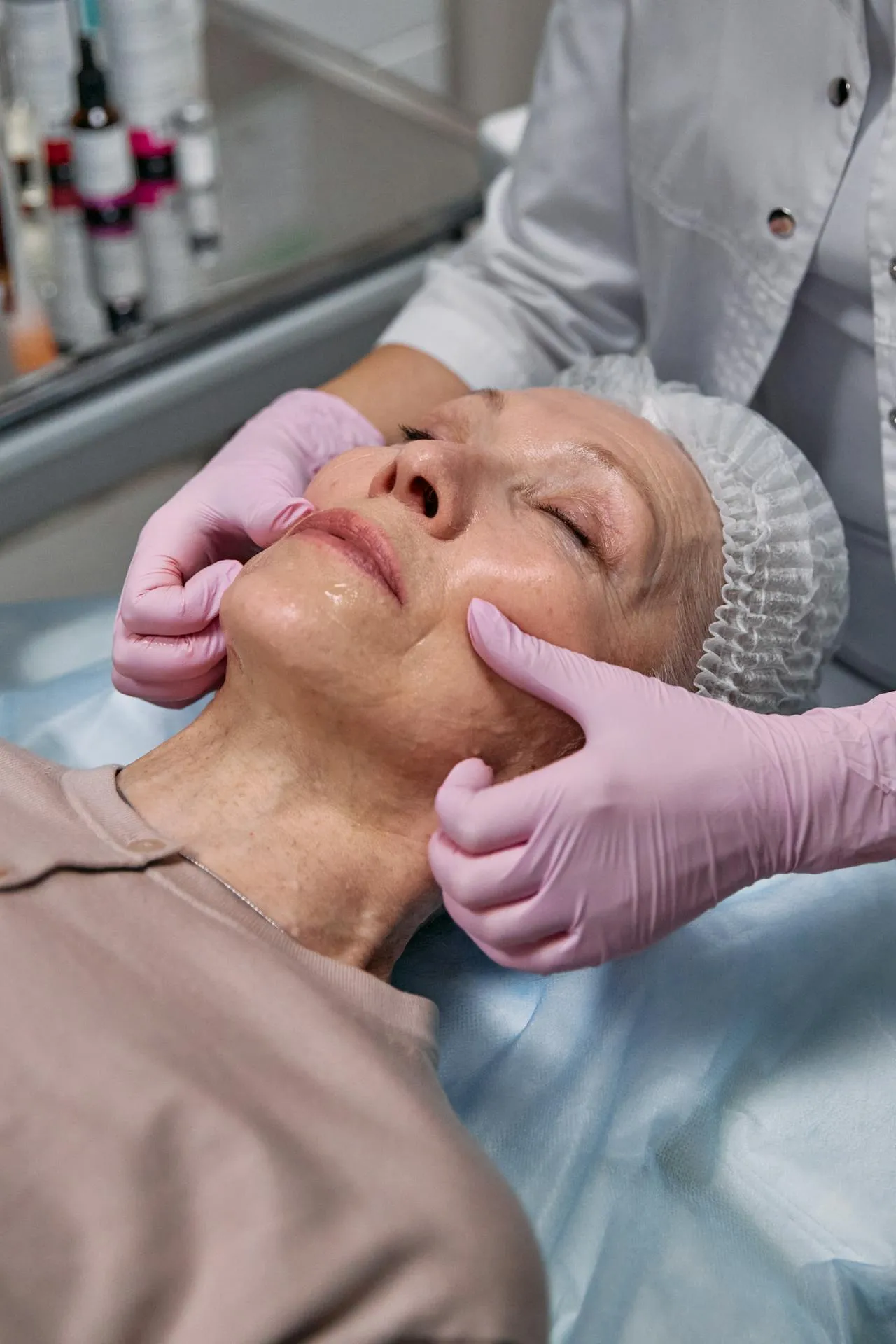
How Botox Works Beneath the Skin Surface
Role of Neuromodulators in Wrinkle Reduction
Botox belongs to a class of treatments called neuromodulators. When injected, botulinum toxin binds to the nerve terminals at the neuromuscular junction, temporarily preventing the release of acetylcholine — the chemical messenger that triggers muscle contraction. Without this signal, the targeted muscle remains relaxed rather than contracting in response to expression.
Changes That Occur After Injection
Following injection, the toxin gradually takes effect as it binds to nerve endings in the treated muscle. The muscle does not contract as forcefully or as often, reducing the repeated folding of the skin above it. This process is gradual, and patients will not notice immediate change at the injection sites; results emerge progressively over several days.
Timeline of Visible Results
Most patients begin to notice initial softening within three to five days of treatment. Full effects typically become visible between ten and fourteen days post-injection, once the neuromodulator has fully engaged with the targeted muscle fibres. Peak results are generally observed at around two weeks, at which point a follow-up assessment with the practitioner is commonly recommended.
Why Results Vary Between Individuals
Metabolism plays a significant role — individuals who process the toxin more rapidly may notice effects wearing off sooner. Muscle mass and strength affect the dose required for effective relaxation. Age-related changes in skin elasticity and collagen density influence visible improvement, and pre-existing skin damage or very deep lines will limit how much softening is achievable with botulinum toxin alone.

Areas Where Botox Is Most Effective for Deep Wrinkles
Forehead Lines
Horizontal forehead lines caused by repeated brow elevation are among the most common treatment areas. Botox can effectively soften these lines, though very deep or long-standing creases may show partial rather than complete improvement. Careful dosing is important to preserve natural brow position and avoid a heavy or flattened appearance.
Glabellar Lines Between Eyebrows
The glabellar region — the area between the brows responsible for the characteristic “11 lines” — responds well to Botox injections. Frown lines between the eyebrows caused by habitual furrowing are among the most evidence-supported treatment areas for botulinum toxin, with consistent improvement noted in clinical studies across a range of wrinkle depths.
Crow’s Feet Around Eyes
Crow’s feet around the eyes, caused by smiling and squinting, typically respond well to Botox treatment. Because the skin around the eyes is thinner, results are often noticeably smooth. Multiple injection sites along the outer eye area are commonly used to address the full extent of these facial lines without affecting natural eye expression.
Bunny Lines on Nose
Bunny lines — the diagonal wrinkles that appear along the sides of the nose during facial expressions — are a less commonly treated but recognised application for Botox. They form due to contraction of the nasalis muscle and may respond well to small, precisely placed injections, typically alongside treatment of the glabellar or forehead region.
Chin and Neck Wrinkles
Dimpling of the chin caused by the mentalis muscle can be addressed with targeted Botox injections. Horizontal neck bands (platysmal bands) may also be treated, though these are more complex areas requiring specific expertise. Results in the neck tend to be subtler and shorter-lasting than in the upper face, and suitability depends heavily on individual anatomy.
Here is a more SEO-focused rewrite with a stronger introductory paragraph and a scannable bullet list before the detailed sections.
Factors Affecting Botox Results for Deep Wrinkles
The effectiveness of Botox for deep wrinkles varies from person to person. While many patients experience noticeable smoothing of facial lines, the extent of improvement depends on several factors, including skin condition, line depth, muscle activity, lifestyle habits, and practitioner expertise. Evaluating these variables helps set realistic expectations and determine whether Botox alone is likely to deliver the desired results.
Key factors that influence Botox results include:
- Age and skin elasticity
- Severity of existing wrinkles
- Muscle strength and facial anatomy
- Lifestyle and environmental factors
- Injector skill and technique
Age and Skin Elasticity
Age plays an important role in how well the skin responds to Botox treatment. Younger patients generally have higher collagen levels and better skin elasticity, allowing the skin to rebound more effectively once muscle movement is reduced. As the skin ages, collagen and elastin production decline, making deep wrinkles more resistant to treatment.
For older patients, Botox can still provide meaningful improvement by relaxing facial muscles and preventing further wrinkle progression. However, deeply etched lines may soften rather than disappear completely, particularly when significant collagen loss is present.
Severity of Existing Wrinkles
The depth and duration of wrinkles are among the strongest predictors of treatment outcomes. Moderate expression lines often respond very well to Botox because they are primarily caused by repetitive muscle movement. In contrast, deep wrinkles that remain visible even when the face is relaxed are more challenging to treat.
Long-standing static wrinkles reflect structural changes within the skin, including collagen breakdown and tissue thinning. In these situations, Botox may reduce wrinkle prominence but may not fully eliminate visible lines. Combining Botox with treatments such as dermal fillers, laser resurfacing, or microneedling can often produce more comprehensive results.
Muscle Strength and Facial Anatomy
Every patient has unique facial anatomy and muscle activity patterns. Individuals with stronger facial muscles, especially in the forehead and glabellar region, may require a customised treatment plan to achieve optimal muscle relaxation. Stronger muscles can create deeper expression lines and may influence both dosage requirements and treatment longevity.
An experienced injector evaluates facial proportions, muscle movement, and wrinkle formation patterns before determining injection points and dosing. This personalised approach helps maximise wrinkle reduction while preserving natural facial expressions.
Lifestyle and Environmental Factors
Daily habits and environmental exposure can significantly affect both wrinkle formation and Botox outcomes. Excessive sun exposure accelerates collagen degradation, contributing to deeper lines and reduced skin quality. Smoking impairs circulation and damages collagen fibres, while chronic stress and inadequate sleep can interfere with the skin’s natural repair processes.
Patients who follow healthy skincare practices often maintain results more effectively. Helpful habits include:
- Using broad-spectrum sunscreen daily
- Avoiding smoking and tobacco products
- Following a consistent skincare routine
- Staying hydrated
- Prioritising adequate sleep
- Limiting excessive sun exposure
These measures support overall skin health and can enhance the visible benefits of Botox treatment.
Injector Skill and Technique
The expertise of the practitioner is a critical factor in achieving safe, natural-looking results. Botox requires precise placement, accurate dosing, and a detailed knowledge of facial anatomy. Small differences in injection technique can affect both effectiveness and appearance.
When injections are performed correctly, Botox can soften wrinkles while maintaining balanced facial movement. Poor technique, however, may lead to asymmetry, inadequate correction, or unwanted muscle effects. Choosing a qualified and experienced provider helps improve treatment outcomes and reduces the risk of complications.
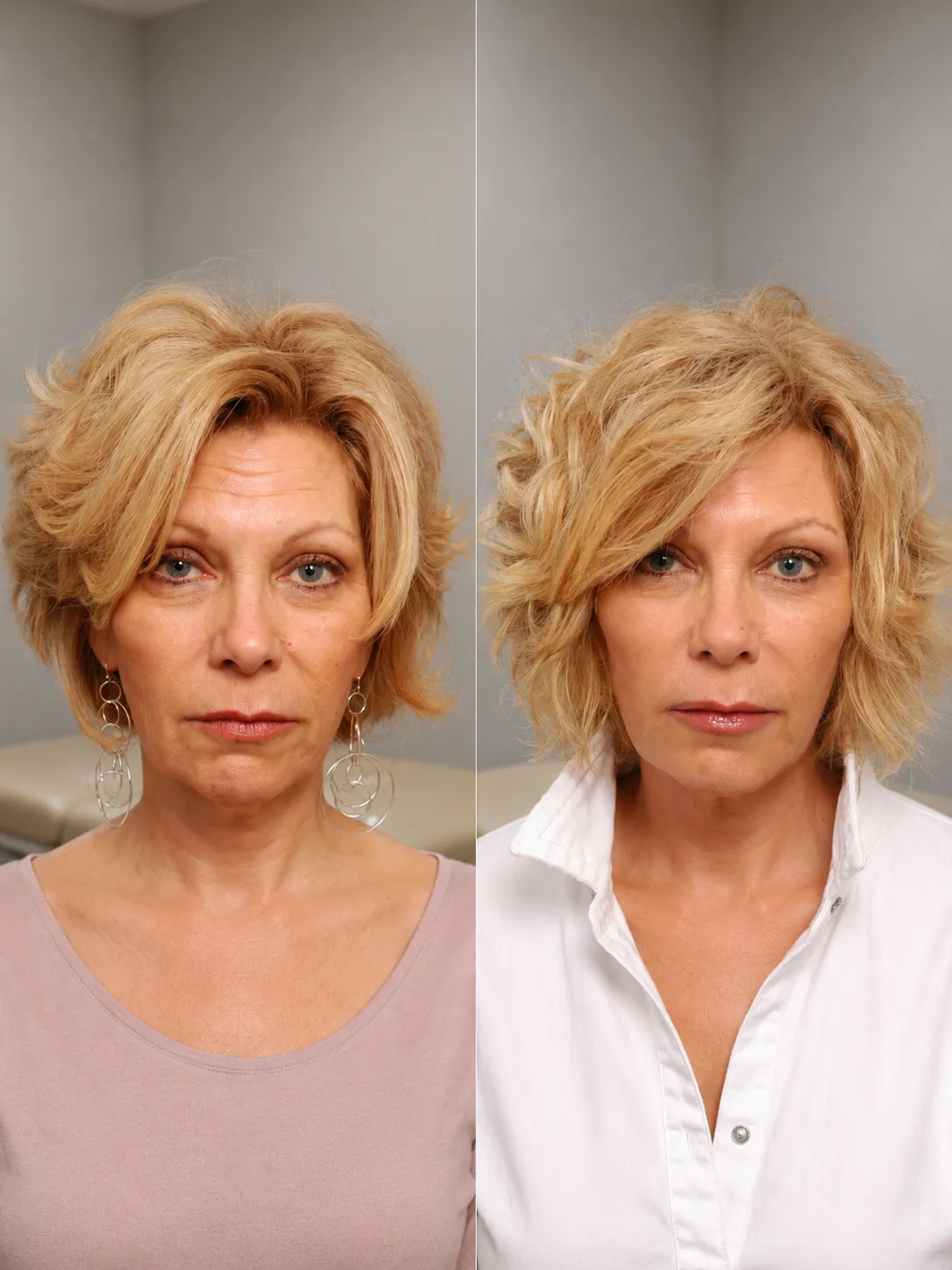
Can Botox Remove Deep Wrinkles Completely?
One of the most common questions patients ask is whether Botox can completely erase deep lines. While Botox is highly effective at reducing muscle-related lines, it is important to understand its limitations.
The treatment works by relaxing targeted muscles that contribute to wrinkle formation, but it cannot reverse all age-related changes within the skin. For many people, Botox delivers significant improvement rather than total wrinkle removal, especially when treating long-established or deeply etched lines.
Key points to know about Botox and deep wrinkles:
- Botox can significantly soften many deep expression lines
- Dynamic wrinkles respond better than static ones
- Complete line removal is not always achievable
- Structural skin changes may require additional treatments
- Regular treatments can help prevent wrinkles from becoming deeper
- Results vary based on age, skin quality, and wrinkle severity
Realistic Expectations Before Treatment
Setting realistic expectations is essential before undergoing Botox treatment. Botox is designed to reduce muscle activity and soften wrinkles caused by repeated facial expressions, but it is not a surgical procedure or a permanent solution for skin ageing.
Patients with dynamic wrinkles often see substantial improvement, while those with deep static lines may notice a reduction in line depth rather than complete elimination. During a consultation, a qualified practitioner should assess the skin, evaluate wrinkle patterns, and explain the level of improvement that is realistically achievable.
Partial Improvement Versus Complete Removal
For most patients, Botox delivers visible softening rather than total wrinkle removal. Moderate to deep dynamic wrinkles often become significantly less noticeable after treatment, particularly during facial movements such as smiling, frowning, or raising the eyebrows.
However, wrinkles that have been present for many years may remain partially visible even when muscle activity is successfully reduced. These lines are often embedded within the skin itself, meaning that muscle relaxation alone cannot fully restore a smooth appearance. As a result, many patients achieve substantial cosmetic improvement without complete wrinkle eradication.
Why Some Wrinkles Remain Visible
Deep lines develop through a combination of factors, not solely repeated muscle contractions. Over time, collagen depletion, elastin loss, sun damage, reduced skin hydration, and natural volume loss alter the skin’s structure.
Common reasons deep wrinkles may persist after Botox include:
- Long-term collagen and elastin breakdown
- Extensive sun exposure and photoaging
- Repetitive skin folding over many years
- Age-related loss of facial volume
- Reduced skin elasticity
- Presence of static wrinkles at rest
Because these structural changes exist independently of muscle movement, Botox may not completely eliminate all visible signs of aging. Additional treatments may be recommended to address the skin itself rather than the underlying muscles.
Benefits of Consistent Treatments
Although Botox may not fully remove deep wrinkles in a single session, regular treatment can provide long-term benefits. By limiting repetitive muscle movements, Botox reduces the ongoing stress that contributes to line formation and progression.
Potential advantages of maintaining a consistent treatment schedule include:
- Slower progression of existing wrinkles
- Prevention of new expression lines
- Gradual softening of dynamic wrinkles
- Improved skin appearance over time
- Longer-lasting aesthetic benefits with ongoing maintenance
Many practitioners observe that patients who begin treatment before wrinkles become deeply established often maintain smoother skin for longer. For those with existing deep lines, repeated treatments may contribute to gradual improvement while helping prevent further deepening of wrinkles.
Treatments Often Combined With Botox for Deep Wrinkles
Dermal Fillers
Dermal fillers — typically hyaluronic acid-based — restore volume beneath the skin and provide structural support to static wrinkles that Botox cannot address. Fillers are commonly used alongside Botox to treat nasolabial folds, marionette lines, and deeper forehead creases, offering a more comprehensive result than either treatment alone in patients with mixed wrinkle types.
Laser Skin Resurfacing
Laser treatments work by removing damaged outer skin layers and stimulating collagen remodelling in the deeper dermis. Combined with Botox, laser resurfacing can improve overall skin texture, reduce fine lines, and address the cumulative skin damage that contributes to deep static lines — particularly sun-related changes and long-standing surface irregularities not responsive to injectables.
Microneedling Treatments
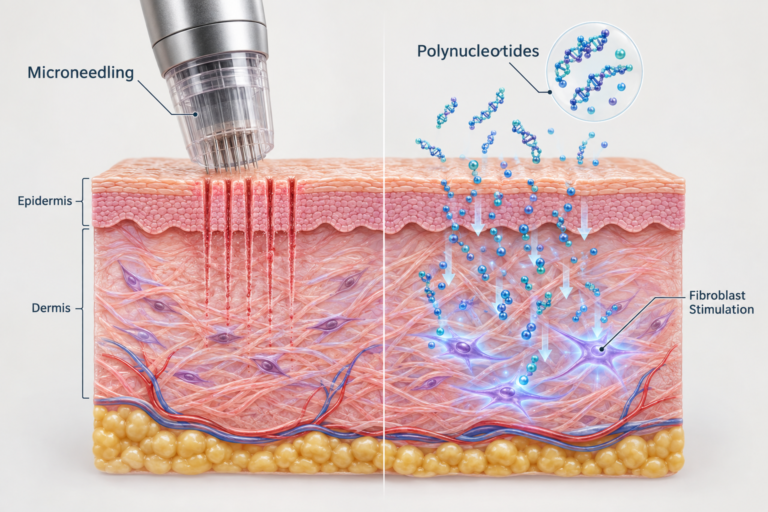
Microneedling uses fine needles to create controlled micro-injuries in the skin, triggering a natural wound-healing response that stimulates collagen and elastin production. When used alongside Botox, microneedling may help improve skin quality and gradually reduce the depth of static lines, particularly in patients where skin laxity and collagen loss are significant contributing factors.
Chemical Peels
Chemical peels improve skin texture and reduce surface-level wrinkles by removing damaged outer layers and stimulating cell renewal. Medium to deep peels can address fine lines caused by sun damage and skin ageing, complementing Botox by improving the quality of the skin above the muscle — where Botox works below it.
Medical-Grade Skincare Products
Evidence-based skincare — including retinoids, peptide complexes, vitamin C serums, and medical-grade moisturisers — supports wrinkle management between treatments. Retinoids in particular have a substantial body of clinical evidence for stimulating collagen production and improving fine lines and wrinkles over time. Many specialists recommend a consistent skincare regimen as part of an integrated approach to facial ageing.
How Long Botox Results Last on Deep Wrinkles
Average Duration of Results
For most patients, Botox results last between three to four months before muscle activity gradually returns and wrinkles become more visible again. Some patients — particularly those with lower metabolic rates or weaker treated muscles — may experience effects lasting closer to five or six months, though this varies considerably between individuals.
Factors Influencing Longevity
A higher metabolic rate is associated with faster breakdown of the toxin, reducing treatment duration. Higher physical activity levels, particularly intense exercise, may also shorten longevity. Muscle mass and the dose administered both influence how long the relaxation effect is maintained. Practitioners may adjust dosage for patients whose results consistently wear off more quickly than average.
Signs That Botox Is Wearing Off
As Botox gradually wears off, nerve-muscle communication slowly resumes and the treated muscles begin contracting again. Patients typically notice the gradual return of facial movement in the treated areas, followed by the reappearance of lines and wrinkles — initially faint, then progressively more defined. The return is gradual rather than sudden, usually occurring over several weeks.
Recommended Maintenance Schedule
Most practitioners recommend retreatment every three to four months to maintain consistent results. Some patients choose to extend intervals slightly once muscle activity has been regularly suppressed over time. Regular maintenance treatments are associated with the best cumulative outcomes for wrinkle management, and many patients schedule retreatment when they first notice the return of facial movement rather than waiting until wrinkles are fully re-established.
Who Is a Good Candidate for Botox for Deep Wrinkles?
Ideal Candidates
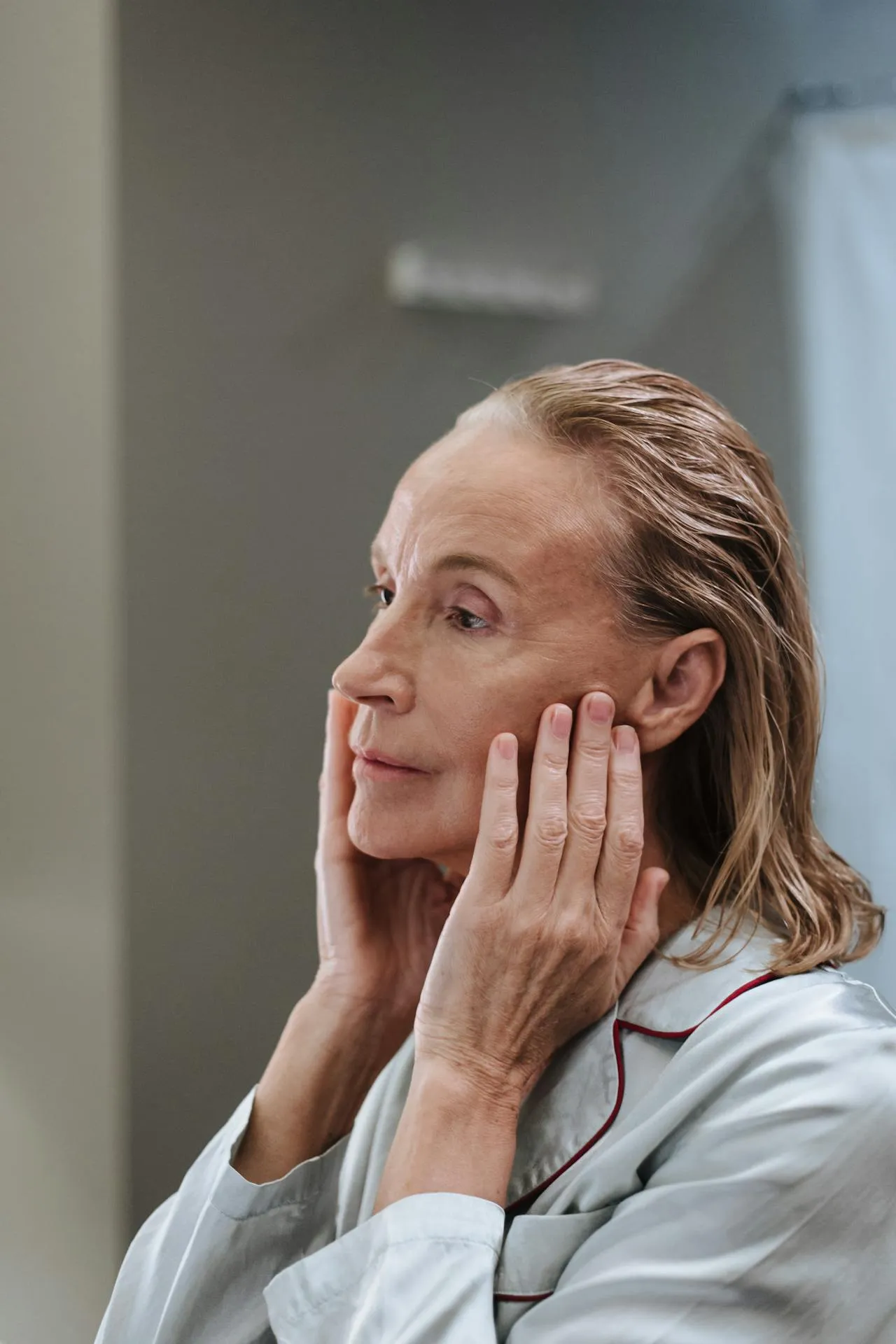
Patients who tend to achieve the strongest results from Botox are those with dynamic wrinkles clearly driven by facial expression and muscle activity, good overall skin quality, and realistic expectations. Younger patients or those whose deep lines are predominantly movement-related often see the most complete improvement. General good health and the absence of relevant contraindications are also important baseline considerations.
Candidates With Deep Static Wrinkles
Patients with deeply etched static wrinkles — visible at rest and not driven primarily by muscle activity — may still benefit from Botox as part of a combination plan. However, standalone Botox treatment is less likely to produce satisfactory results for this group. These patients are more commonly assessed for a combined approach involving dermal fillers, skin resurfacing, or collagen-stimulating treatments alongside botulinum toxin injections.
Situations Where Botox May Not Be Recommended
Botox is not appropriate for everyone. Contraindications may include pregnancy, breastfeeding, certain neuromuscular conditions such as myasthenia gravis, and active skin infections at or near the planned injection sites. Some medications may also interact with botulinum toxin. Suitability should always be assessed by a qualified medical practitioner who can review individual medical history and circumstances.
Importance of Professional Consultation
A consultation with a qualified, independent specialist is the essential first step before any Botox treatment. An experienced practitioner will assess wrinkle type, skin condition, facial anatomy, and overall treatment goals to create an individualised plan. This evaluation determines whether Botox alone is appropriate, whether a combination approach would produce better results, and what degree of improvement is realistic for the individual patient.
Key Takeaways About Botox for Deep Wrinkles
Botox can be an effective treatment for deep wrinkles, particularly those caused by repeated facial muscle contractions. It works by temporarily relaxing the muscles responsible for creasing the skin, helping lines appear softer and less defined over time. Results are most predictable for dynamic wrinkles such as forehead lines, frown lines between the eyebrows, and crow’s feet around the eyes.
For deep static wrinkles that remain visible at rest due to collagen loss and structural skin changes, Botox alone may not provide complete correction. Combination treatments such as dermal fillers or laser resurfacing are often recommended. Ongoing maintenance, effective skincare, and sun protection can help support and prolong treatment results.
Frequently Asked Questions
Does Botox Work on Very Deep Forehead Wrinkles?
Botox can soften very deep forehead wrinkles, particularly those caused by habitual brow elevation and muscle activity. However, deeply etched horizontal lines that remain visible at rest may show only partial improvement, as structural skin changes contribute to their appearance. A specialist may recommend combining Botox with dermal fillers or resurfacing treatments for more comprehensive results in severe cases.
What Are Risks and Side Effects of Botox Treatment for Deep Wrinkles?
Common side effects include temporary bruising at the injection sites, localised swelling, and mild headache. Less common effects may include temporary drooping of the brow or eyelid if the toxin spreads beyond the intended area. Serious adverse events are rare when treatment is performed by qualified practitioners using appropriate techniques and doses. A thorough pre-treatment assessment helps identify individual risk factors.
How Long Does It Take to See Full Results?
Initial effects from Botox injections are typically noticeable within three to five days, as targeted muscles begin to relax. Full results — where muscle relaxation has reached its peak effect and wrinkles have softened to their greatest extent — are generally visible between ten and fourteen days after treatment. Practitioners often recommend a follow-up review at this point to assess outcome and address any asymmetry.
Is Botox Better Than Fillers for Deep Wrinkles?
Botox and dermal fillers address different aspects of wrinkle formation and are not directly comparable. Botox reduces lines caused by muscle movement, whilst fillers restore volume and provide structural support for static lines and folds. For many patients with deep lines, a combination of both treatments produces better outcomes than either alone. A specialist assessment determines which approach — or combination — is most appropriate.
Can Botox Prevent Lines From Becoming More Noticeable Over Time?
Botox is not only used to soften existing facial lines — it is also commonly used as a preventive treatment. By reducing repetitive muscle contractions, Botox limits the constant skin folding that contributes to deeper creases over time. Many practitioners recommend treatment before expression lines become permanently etched into the skin, particularly in areas such as the forehead and between the eyebrows. While Botox cannot stop the natural ageing process, it may help slow the progression of movement-related facial lines and reduce the likelihood of them becoming more pronounced in the future.
What Happens If Botox Is Stopped?
If Botox treatment is discontinued, muscle activity gradually returns to its previous state and wrinkles will reappear over time. Lines caused by facial muscle contractions will not worsen beyond where they would have been without any treatment — stopping Botox does not accelerate ageing. However, any cumulative benefit from reduced muscle activity over successive treatments will diminish as normal movement resumes.
Newsletter Updates
Enter your email address below and subscribe to our newsletter