What Is Botox Made Of? Understanding the Ingredients Behind Botox Injections
Botox is one of the most widely recognised injectable treatments in aesthetic medicine, yet many people are surprised to learn that it is made from a highly purified form of botulinum toxin. Questions about what Botox is made of are common, particularly among people considering injections for wrinkle reduction or medical concerns such as chronic migraine.
Although Botox is often associated with cosmetic treatment, it is also used for a range of therapeutic and cosmetic purposes. Understanding the ingredients, manufacturing process, and safety profile can help readers make more informed decisions when exploring verified clinics and independent specialists in London. This guide explains what the product contains, how botulinum toxin is produced, and what scientific evidence says about its safety and effectiveness.

Thousands of satisfied customers
What Is Botox?
Botox is one of the most recognised botulinum toxin products used in both cosmetic and medical settings. It is helpful to understand what the product is, how it is used, and how it differs from the broader category of botulinum toxin treatments.
Definition of Botox
Botox is an injectable neuromodulator made from botulinum toxin type A. A botulinum toxin injection temporarily reduces communication between nerves and specific muscles, helping to soften facial movement that contributes to wrinkle formation. The injections are commonly used to treat fine lines and wrinkles, including frown lines, while also serving therapeutic use in several medical conditions.
Beyond cosmetic use, the treatment may be used for chronic migraine, excessive sweating, muscle spasticity, and certain eye disorders. The effects of botulinum toxin injections depend on the treatment area, dosage, and individual response.
Common uses of botulinum toxin injections include:
- Fine lines and facial wrinkles (such as frown lines)
- Chronic migraine
- Excessive sweating (hyperhidrosis)
- Muscle spasticity
- Certain eye disorders (e.g., involuntary muscle contractions)
Difference Between Botox and Botulinum Toxin
Botulinum toxin refers to the active biological substance, while Botox is a specific brand name for a form of botulinum toxin manufactured for medical and cosmetic use. Several brands of botulinum toxin are available worldwide, each with its own formulation and manufacturing process.
In simple terms, all Botox contains botulinum toxin, but not all botulinum toxin products are Botox. Other brand names for botulinum toxin include Dysport, Xeomin, Jeuveau, and Daxxify.
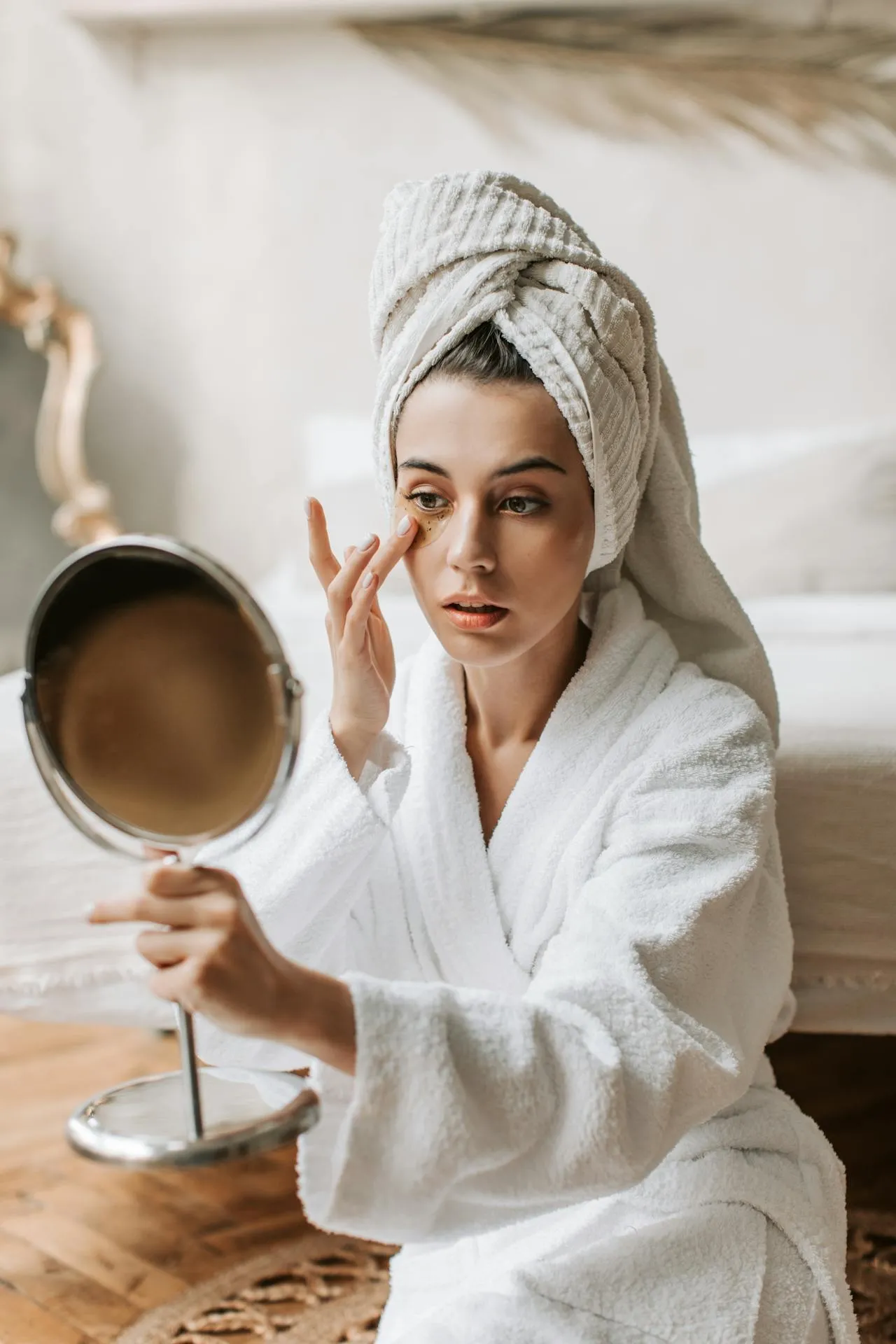
What Is Botox Made Of?
Understanding the active ingredient, supporting components, and manufacturing process helps explain how Botox injections are developed for safe therapeutic and cosmetic use.
Main Active Ingredient in Botox
The main active ingredient is botulinum toxin type A, a purified botulinum neurotoxin. This neurotoxin is responsible for the action of botulinum products by temporarily interrupting nerve signals that stimulate muscle contractions.
Botox is made from botulinum toxin that has been carefully processed into pharmaceutical-grade material. The amounts of botulinum toxin used in cosmetic products are extremely small and measured in precise units.
Source of Botulinum Toxin
Botulinum toxin is produced by the bacterium Clostridium botulinum. Under natural conditions, this bacterium can produce toxins associated with botulism, a rare but potentially serious illness often linked to contaminated food and food poisoning.
For medical manufacturing, the bacterium Clostridium botulinum is grown under highly controlled laboratory conditions. The produced toxin is then isolated and prepared for pharmaceutical development.
Purification Process
Raw toxin cannot be used directly in medicine. Instead, the toxin produced by the bacterium undergoes extensive purification and refinement processes designed to remove unwanted biological material and ensure consistency.
Key stages of the process include:
- Controlled bacterial cultivation
- Extraction of the toxin
- Purification and refinement
- Quality control and sterility testing
- Final formulation into injectable product
Manufacturing standards require rigorous quality control, sterility testing, and potency assessment. The resulting purified botulinum toxin is formulated into a stable product suitable for therapeutic and cosmetic applications.
Inactive Ingredients in Botox
In addition to botulinum toxin type A injection material, BTX contains inactive ingredients that help stabilise the product. These include:
- Human albumin
- Sodium chloride
Human albumin acts as a stabilising protein, while sodium chloride helps maintain solution balance when the product is prepared for injection.
Why Additional Ingredients Are Necessary
Supporting ingredients help maintain product stability during manufacturing, storage, transport, and administration. Without these components, the efficacy and safety of botulinum toxin treatment could be affected.
These ingredients also contribute to consistency between batches and assist practitioners when preparing injections for cosmetic purposes or therapeutic use.
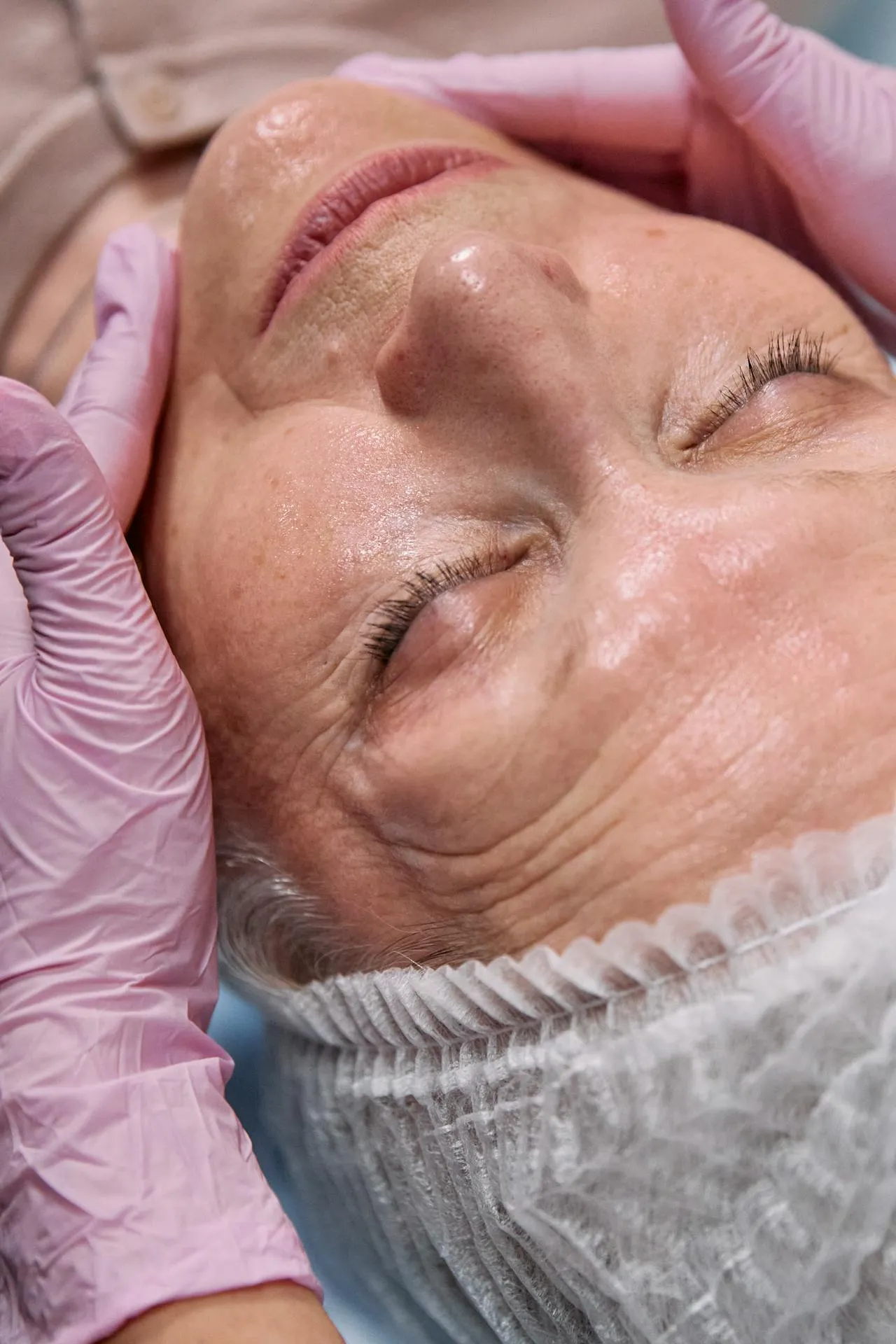
How Botox Works After Injection
The effects usually begin after a carefully placed injection targets specific muscles. Although the treatment process is relatively straightforward, the biological mechanisms behind wrinkle reduction involve complex interactions between nerves, muscles, and signalling pathways within the body.
Interaction With Nerves and Muscles
After injection of botulinum toxin, the active substance targets nerve endings that communicate with a target muscle. Botox blocks the release of neurotransmitters responsible for triggering muscle contraction.
As nerve signals are reduced, the treated muscle becomes less active. This action of the toxin is temporary and gradually reverses as new nerve connections develop.
Process Behind Wrinkle Reduction
Many facial wrinkles and fine lines develop because muscles that cause repeated facial expressions contract thousands of times each day. Botox is used to reduce the appearance of these dynamic wrinkles.
Key effects on the skin include:
- Reduced muscle movement in treated areas
- Less frequent skin folding
- Smoother appearance of dynamic wrinkles
- Softening of lines around the eyes and forehead
When muscles relax, the skin above them experiences less folding. As a result, wrinkles and fine lines often appear smoother, particularly in areas such as frown lines and around the eyes.
Timeline of Results
Most people begin noticing changes within three to seven days after treatment. Peak effects commonly occur within one to two weeks following injection.
Results typically last between three and four months, although duration varies depending on dosage, treatment area, muscle strength, and individual metabolism.
Breakdown and Elimination in the Body
The body gradually metabolises the active protein over time. As nerve function recovers, muscle activity slowly returns, and treatment effects diminish.
Important points include:
- Botulinum toxin does not remain permanently in the tissues
- Nerve signalling gradually recovers
- Muscle activity returns over time
- Repeat treatments are usually needed to maintain results
Botulinum toxin does not remain permanently within tissues. Repeat treatments are generally required to maintain cosmetic outcomes or therapeutic benefits.
Is Botox Toxic?
Because Botox is made from botulinum toxin, questions about toxicity are common. Understanding the difference between naturally occurring toxin exposure and medically controlled doses can help clarify why BTX has become an established treatment across both therapeutic and cosmetic medicine.
Why Botulinum Toxin Is Considered a Toxin
Botulinum toxin is classified as a toxin because it:
- Is naturally produced by bacteria (Clostridium botulinum)
- Can disrupt nerve signalling
- Potential to cause botulism in large uncontrolled doses
- Requires purification and strict medical control for safe use
However, medical products contain purified botulinum toxin in highly regulated quantities designed specifically for therapeutic and cosmetic use.
Safety of Medical Botox Doses
The doses used in the treatment are significantly lower than levels associated with poisoning. Medical products are manufactured according to strict pharmaceutical standards and dosing protocols.
Independent specialists assess dosage requirements based on anatomy, treatment goals, and medical history to minimise risk.
Safety considerations include:
- Use of very low, controlled doses
- Pharmaceutical-grade manufacturing standards
- Individualised dosing by trained professionals
- Careful assessment of patient medical history
Scientific Evidence Supporting Safety
Clinical studies spanning several decades have evaluated the safety of botulinum toxin for cosmetic and medical indications. Regulatory authorities, including the Food and Drug Administration, continue to monitor adverse event reporting and long-term outcomes.
Research generally supports the efficacy and safety of botulinum toxin type A when administered appropriately by trained healthcare professionals.
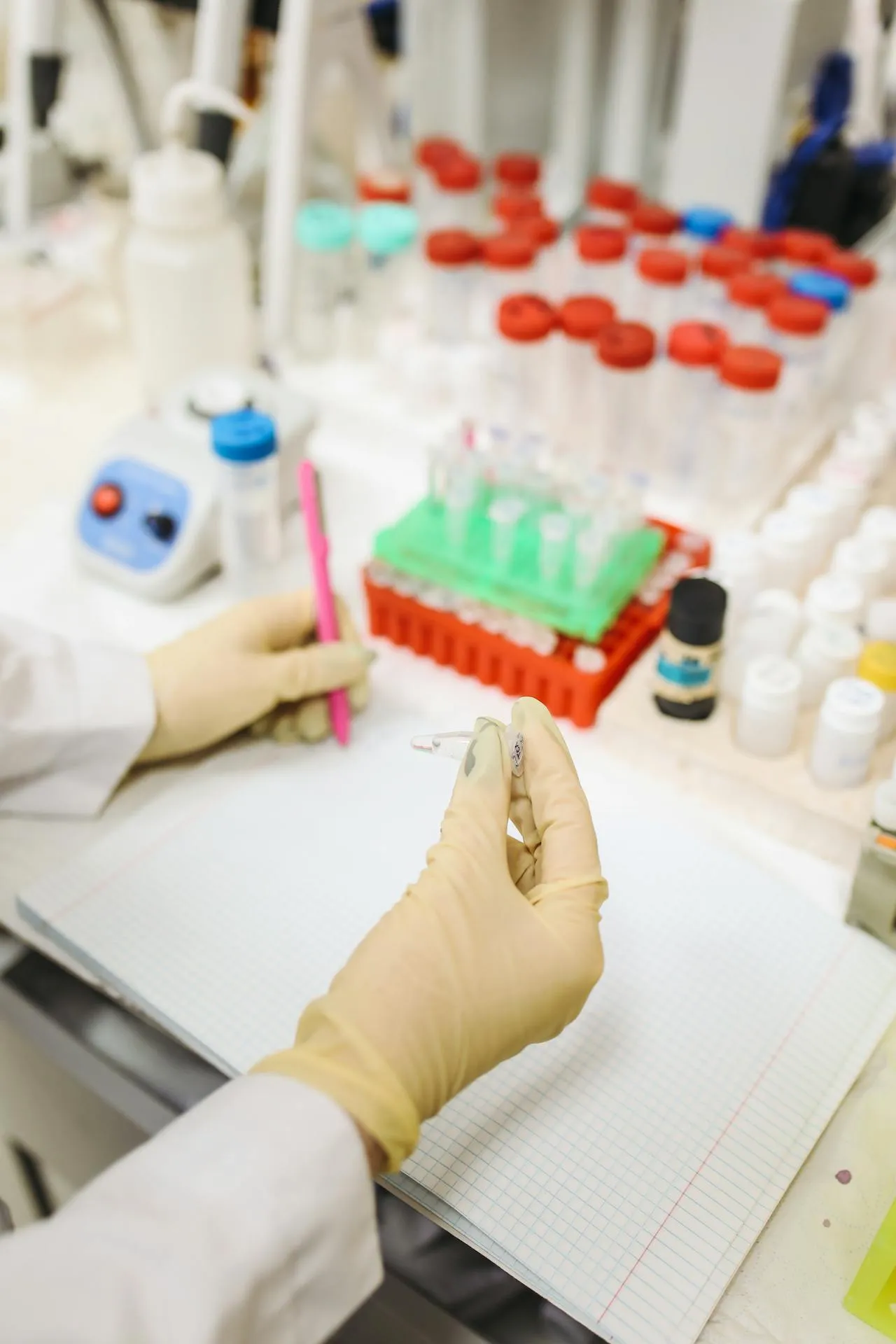
Is Botox Safe for Cosmetic Treatments?
Safety is one of the most important considerations for anyone researching Botox injections. While regulatory approval and extensive clinical use support its role in aesthetic medicine, understanding potential risks, side effects, and suitability factors remains essential before treatment.
FDA Approval and Regulatory Review
Botox cosmetic products undergo extensive regulatory review before approval. Authorities evaluate manufacturing standards, clinical trial data, product quality, and safety monitoring systems.
Ongoing surveillance helps identify uncommon complications and supports continual assessment of benefit-risk profiles.
Side Effects and Risks
Common side effects include temporary redness, swelling, tenderness, headache, bruise formation, and mild discomfort at the injection site. Some individuals may also experience temporary eyelid drooping.
Rare but serious side effects can occur. Serious adverse effects may include difficulty swallowing, breathing problems, or symptoms suggesting the toxin can spread beyond the intended treatment area.
Factors Affecting Treatment Safety
Several factors influence treatment safety:
- Practitioner expertise
- Injection technique
- Product selection
- Dose accuracy
- Patient suitability
Careful assessment helps reduce the likelihood of potential side effects and improves treatment planning.
Who Should Avoid Botox
Botox may not be suitable for individuals who are pregnant, breastfeeding, have certain neuromuscular disorders, or have known allergies to formulation components.
Anyone considering botulinum toxin for cosmetic use should discuss relevant medical conditions and medications with a qualified healthcare professional.
Ingredients Comparison: Botox vs Other Botulinum Toxin Products
Botox is not the only form of botulinum toxin available. Several products use similar active ingredients but differ in formulation, purification methods, accessory proteins, and stabilising components, which may influence how practitioners select treatments for individual patients.
Botox vs Dysport
Both Botox and Dysport contain botulinum toxin type A, although formulation characteristics differ. Dysport has distinct accessory proteins and dosing units, which may influence diffusion patterns following injection.
Botox vs Xeomin
Xeomin contains botulinum toxin type A but is manufactured with fewer accessory proteins. Some clinicians describe it as a more highly purified preparation compared with traditional Botox formulations.
Botox vs Jeuveau
Jeuveau is another botulinum toxin type A product developed primarily for aesthetic indications. Manufacturing methods and formulation details differ from Botox, although both products function through similar mechanisms.
Botox vs Daxxify
Daxxify uses a peptide stabiliser rather than human albumin. Clinical studies suggest it may provide longer-lasting results in some patients, although treatment suitability varies.
Which Product Contains Different Ingredients?
Product | Active Ingredient | Key Formulation Feature |
Botox | Botulinum toxin type A | Human albumin stabiliser |
Dysport | Different protein complex | |
Xeomin | Fewer accessory proteins | |
Jeuveau | Alternative manufacturing process | |
Daxxify | Peptide-based stabilisation |
Common Myths About What Botox Is Made Of
Misinformation about the ingredients remains widespread, particularly online. Addressing common myths can help separate scientific evidence from misconceptions and provide a clearer understanding of how botulinum toxin products are manufactured and used in modern medicine.
Myth: Botox Contains Live Bacteria
Botox does not contain living Clostridium botulinum bacteria. The manufacturing process removes bacterial material and produces a purified pharmaceutical product.
This misconception likely arises because botulinum toxin is originally produced by the bacterium Clostridium botulinum. However, the final formulation contains neither live bacteria nor the bacterial cells themselves. Instead, it contains a highly purified form of botulinum toxin type A that has undergone extensive processing, purification, and quality testing to meet strict pharmaceutical standards before it can be used in medical or cosmetic treatments.
Myth: Botox Contains Dangerous Levels of Toxin
The form of botulinum toxin used in Botox is administered in carefully measured quantities. Medical dosing follows established safety standards and therapeutic guidelines.
While it is one of the most potent biological substances known, the amounts used in injections are extremely small and precisely controlled. Treatment protocols are based on decades of clinical research and regulatory oversight. When administered by appropriately trained healthcare professionals, the dosage is designed to affect only the targeted muscles while maintaining a wide margin of safety for approved therapeutic and cosmetic applications.
Myth: Botox Is Made From Synthetic Chemicals Only
Although it contains pharmaceutical ingredients, its active component originates from a biological substance produced by bacteria. It is therefore not purely synthetic.
The active ingredient in Botox begins as a naturally occurring protein produced by Clostridium botulinum under controlled laboratory conditions. During manufacturing, this substance is purified, stabilised, and formulated into a pharmaceutical product that also contains inactive ingredients such as human albumin and sodium chloride. As a result, Botox combines a biological origin with modern pharmaceutical processing rather than being made entirely from synthetic chemicals.
Myth: Botox Permanently Changes Facial Muscles
Botox does not permanently alter muscles. The action of botulinum gradually diminishes as nerve function returns, allowing treated muscles to regain normal activity over time.
The treatment works by temporarily blocking nerve signals that tell muscles to contract. As the body naturally regenerates these nerve connections, muscle activity slowly returns and treatment effects wear off, typically within three to four months. Although repeated treatments may influence muscle strength over time due to reduced activity, the effects are generally reversible, and facial muscles can regain their normal function once treatment is discontinued.
Key Facts About What Botox Is Made Of
Botox is made from botulinum toxin type A, a purified neurotoxin produced by the bacterium Clostridium botulinum. Additional ingredients, including human albumin and sodium chloride, support product stability and consistency. Although botulinum toxin is naturally associated with botulism, medical formulations contain carefully controlled amounts designed for therapeutic and cosmetic use.
Current evidence supports the safety of Botox when administered appropriately, while recognising that all medical procedures carry potential risks and side effects.
Frequently Asked Questions
What exactly is Botox made of?
Botox contains botulinum toxin type A as its active ingredient. It also includes human albumin, a stabilising protein, and sodium chloride, which helps maintain formulation balance. Together, these ingredients create a pharmaceutical product suitable for medical and cosmetic applications when prepared and administered according to established clinical standards.
Does Botox contain poison?
Botulinum toxin is technically classified as a toxin because it originates from bacteria and can affect nerve function. However, Botox contains highly purified and carefully measured amounts developed for therapeutic and cosmetic use. These controlled doses differ significantly from the quantities associated with poisoning or naturally occurring botulism.
Is human albumin in Botox safe?
Human albumin undergoes extensive donor screening, purification, and manufacturing controls. Regulatory authorities require strict safety measures for albumin-containing medical products. Decades of clinical use have supported its safety profile, and the risk of disease transmission through modern pharmaceutical albumin products is considered extremely low.
Does Botox Contain Animal Products?
Botox formulations do not typically contain animal-derived ingredients within the finished product. However, manufacturing processes can vary between pharmaceutical companies. Individuals with specific ethical, religious, or dietary concerns should discuss product details directly with a qualified practitioner before undergoing botulinum toxin treatment or cosmetic procedures.
Can People Be Allergic to Botox Ingredients?
Allergic reactions to Botox ingredients are uncommon but possible. Sensitivity may occur to the active ingredient or supporting components, such as human albumin. Symptoms can include swelling, rash, itching, or other allergic responses. Anyone with a history of severe allergies should seek medical advice before treatment.
Is Botox Natural or Synthetic?
Botox occupies a middle ground between natural and pharmaceutical products. The active ingredient originates from botulinum toxin produced by Clostridium botulinum bacteria, making it biologically derived. However, extensive purification, processing, testing, and formulation mean the final product is a carefully manufactured medicine rather than a natural substance.
What Happens If Botox Enters the Bloodstream?
Small amounts may enter circulation after injection, but clinically significant systemic effects are uncommon when treatment is performed appropriately. Rare complications can occur if the toxin spreads beyond the intended tissues. This is why product selection, dosing, treatment planning, and practitioner expertise remain important considerations for patient safety.
What Are the Risks and Side Effects Of Botox?
Common side effects include redness, swelling, tenderness, headache, and bruising at the injection site. Less commonly, temporary eyelid drooping or asymmetry may occur. Rare but serious adverse effects can involve swallowing difficulties, breathing problems, or wider toxin spread, requiring prompt medical assessment and appropriate care.
Newsletter Updates
Enter your email address below and subscribe to our newsletter