
How to Identify and Treat Fungal Acne: A Complete Treatment Guide to Get Rid of Fungal Acne
The journey to clear skin begins with understanding the specific nature of your breakouts. Many people struggle for years because they apply solutions meant for traditional spots to a condition that isn’t actually a typical inflammatory issue in the classic sense.

Thousands of satisfied customers

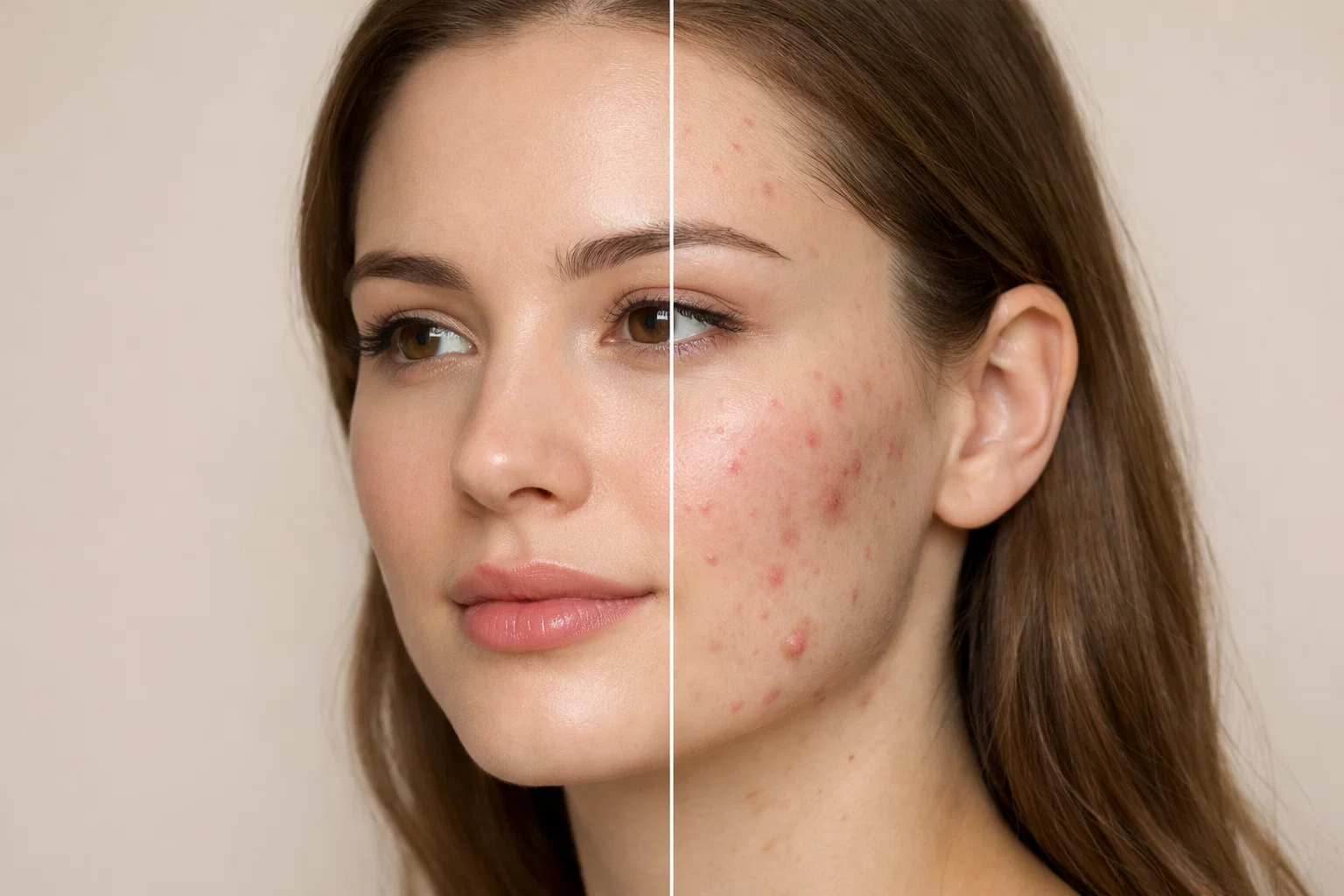
What Is Fungal Acne and How Does It Differentiate from Regular Acne?
Identifying the root cause of your skin concerns is vital for selecting the right intervention. Before diving into specific subtypes, it is helpful to compare the two most common conditions people confuse.
Feature | Regular Acne (Acne Vulgaris) | Fungal Acne (Malassezia Folliculitis) |
Primary Cause | Bacteria and clogged pores | Fungal overgrowth in hair follicles |
Main Symptom | Painful cysts or blackheads | Intense itching and irritation |
Appearance | Varying sizes and shapes | Uniform, small red bumps |
Contagion | Not contagious | Can spread via shared items |
Common Areas | Face, neck, chest | Forehead, hairline, back, chest |
Malassezia Folliculitis as a Specific Type of Acne
This fungal-driven breakout isn’t common congestion but a skin condition technically known as Malassezia folliculitis. It occurs when microorganisms that cause these bumps overgrow within the hair follicles, leading to inflammation and small, uniform lesions.
Clinical observations suggest that because this is a mycotic infection, traditional blemish treatments like benzoyl peroxide often prove ineffective. Understanding that this type of flare-up is caused by fungal particles is the first step toward recovery.
Sensation and Appearance: How to Tell if Your Acne Is Fungal
Unlike regular breakouts, this specific irritation typically presents as monomorphic, itchy red bumps. While typical spots feature a mix of blackheads and cysts, these symptoms are characterised by their consistent size and intense pruritus.
The affected area often feels significantly more irritated than usual skin issues. If your blemishes look like a uniform rash and feel persistently itchy, it is highly likely that your condition is related to fungal flora rather than bacterial.
Why Traditional Acne Treatments Fail to Clear Yeast Infections
Since these flare-ups require specific antifungal intervention, typical protocols often make the irritation worse. Most standard products target bacteria or oil production, which does nothing to address the underlying organic growth.
Using medications designed for acne vulgaris on a different skin condition is an ineffective treatment. This mismatch in diagnosis and therapy explains why many patients find their breakouts persist despite using strong acids.

Symptoms and Causes of Fungal Acne Infection
Recognising why these breakouts happen involves looking at both biological and external factors. The following sections explore how internal health and external habits create the perfect environment for organisms to thrive.
Primary Factors That Cause Fungal Acne on the Face and Body
The irritation is caused by an overgrowth of Malassezia, a fungus that naturally lives on everyone’s skin. When the balance of the skin microbiome is disrupted, this growth triggers an infection within the hair follicles.
Excess sebum serves as the primary fuel for these organisms. Individuals with oily skin types are more susceptible to these breakouts, as the lipids provide the perfect environment for rapid growth and subsequent inflammation.
Common Environmental Triggers and Causes of Fungal Acne
High humidity and heat significantly increase the risk of these infections. Pathogens thrive in warm, moist environments, which is why these breakouts are more frequent during summer months or after intense exercise.
Occlusive clothing and heavy skincare products can trap sweat against the skin. This creates a breeding ground for the fungal flora, making areas prone to these lesions like the forehead, chest, and back particularly vulnerable.
Medical Conditions and Antibiotic Use That Worsen Symptoms
Long-term use of oral antibiotics for regular blemishes can actually cause these Malassezia-related issues. By killing off good bacteria that keep microorganisms in check, antibiotics allow Malassezia to proliferate, leading to folliculitis.
- Prolonged courses of tetracyclines.
- Recent use of systemic steroids.
- Immunosuppressive medical conditions.
- Hormonal fluctuations during pregnancy or stress.

How to Identify Fungal Acne Correctly for Better Results
Getting a professional opinion is the most reliable way to stop the guesswork. At our clinic, we use several diagnostic steps to ensure your treatment plan is built on accurate data rather than assumptions.
Professional Diagnostic Methods to Differentiate Fungal Acne
A professional diagnosis often involves a skin scraping or a Wood’s lamp examination. Under specific ultraviolet light, the fungus within the hair follicles may fluoresce, helping to differentiate this condition from other issues.
At our London clinic, we provide specialized acne treatment and use advanced imaging to identify the problem accurately. A precise diagnosis ensures we create a treatment plan that targets the fungal particles rather than wasting time on ineffective bacterial solutions.
Common Misdiagnoses and Risks of Treating It Like Bacterial Acne
These breakouts often go misidentified as traditional blemishes due to the similar appearance of small red bumps. Treating the area like bacterial spots with standard creams can strip the skin barrier and further encourage organic growth.
This incorrect approach, like using heavy oils or antibiotics, can lead to a cycle of frustration. Without a targeted intervention, the infection may spread across the affected area, making the condition harder to manage.
Impact of Chronic Malassezia on Long Term Skin Health
If left untreated, the irritation persists and can lead to post-inflammatory hyperpigmentation. Chronic inflammation within the hair follicles weakens the skin structure, potentially leading to texture issues and lasting marks.
Persistent skin conditions can also cause emotional distress due to their stubborn nature. Promptly getting rid of the infection is essential to prevent permanent damage and restore the skin’s natural protective barrier.

Effective Treatment Options to Get Rid of Fungal Acne
Once a diagnosis is confirmed, we can move toward active elimination of the pathogens. There are multiple levels of intervention available depending on how deep the infection has settled into the follicles.
Topical Treatment for Fungal Acne and Antifungal Cleansers
An effective treatment for these breakouts often starts with topical antifungal therapy. Ketoconazole or sulfur-based cleansers are frequently used to rid the skin of excess fungal flora while soothing the inflamed hair follicles.
Applying these solutions consistently helps to reduce the microbial population. Most patients see a significant reduction in bumps when they switch from traditional spots treatments to targeted antifungal washes.
Oral Medications and Prescription Fungal Acne Treatments
For severe cases, a dermatologist may prescribe oral antifungal medications. These systemic protocols are highly effective at clearing widespread infections that do not respond to traditional solutions or topical creams.
Oral therapy for these issues requires professional supervision to monitor for side effects. This approach is typically reserved for those who find that their breakouts usually return after stopping topical therapy.
Natural Ways to Help Manage Fungal Acne at Home
Honey and tea tree oil have shown some antifungal properties that may help manage symptoms. While not a complete replacement for medical intervention, these can support the skin’s recovery from a fungal infection.
- Applying raw honey masks for 15 minutes.
- Using diluted tea tree oil as a spot treatment.
- Wiping the skin with diluted apple cider vinegar.
- Switching to a silk pillowcase to reduce friction.
Fungal Acne-Safe Skincare Routine and Managing Fungal Acne
Treating the current infection is only half the battle; you must also audit your daily products. Many luxury creams contain ingredients that act as “food” for Malassezia, fueling the very flare-ups you want to stop.
Choosing Non-Comedogenic Products for Effective Treatment
Managing these breakouts requires a completely different approach to your product selection. You must avoid oils and esters that feed the fungal flora, focusing instead on safe ingredients that won’t trigger new lesions.
Check your current products for ingredients like polysorbates or galactomyces. Eliminating these triggers is a crucial part of a treatment plan to effectively clear the skin and prevent the problem from returning.
Role of Gentle Exfoliation in Acne Treatment
Gentle exfoliation helps remove dead skin cells that can clog hair follicles and trap organisms. Salicylic acid is a common solution that can also assist in clearing the pores of excess sebum.
However, over-exfoliating can damage the skin barrier and make the condition worse. We recommend a balanced approach to rid the skin of debris without causing the irritation that these breakouts typically cause.
Adjusting Skincare Ingredients to Treat Fungal Acne Safely
Switching to oil-free, water-based moisturisers is essential when dealing with these issues. Ingredients like squalane (derived from olives) are generally considered safe, as they do not provide a food source for the microorganisms.
Unlike typical spots, where heavy creams might be used for dryness, these breakouts require lightweight hydration. Careful selection of options ensures you nourish the skin without encouraging further growth or infection.
Treatment and Prevention Strategies to Avoid Recurrence
Maintaining your results requires a shift in lifestyle and hygiene. Pathogens are opportunistic, and even a single week of improper care in a humid climate can lead to a sudden resurgence of symptoms.
Daily Hygiene Habits to Prevent Fungal Acne
To prevent these flare-ups, you must change out of sweaty gym clothes immediately. Organic growth thrives in damp environments, so keeping the skin dry and clean is the most effective way to stay clear.
- Showering immediately after any physical activity.
- Using a fresh towel for every face wash.
- Sanitising mobile phone screens daily.
- Avoiding shared makeup brushes or sponges.
Lifestyle Modifications for Preventing Fungal Acne Recurrence
Dietary choices that lower sugar intake may help some patients in preventing recurrence. Since fungal flora thrives on glucose, maintaining a balanced internal environment can support your external treatments.
Reducing stress is another way to manage the skin condition, as cortisol can increase oil production. Managing these breakouts involves a holistic approach that combines medical care with these daily lifestyle adjustments.
Exercise and Sweat Management Tips to Limit Yeast Growth
If you are susceptible to these issues, use a safe cleanser immediately after working out. Removing sweat quickly prevents the microorganisms from colonising the hair follicles during recovery.
Using breathable, moisture-wicking fabrics during exercise can also lower the risk of infection. These fabrics help the skin breathe, unlike bacterial environments where friction might be the only major concern.
Advanced Ways to Treat Fungal Acne Scarring
If the infection has left its mark on your skin texture, professional rejuvenation is the next step. Our aesthetic procedures focus on repairing the collagen structure while ensuring the fungal particles stay in check.
Addressing Permanent Skin Damage from This Type of Acne
These flare-ups rarely leave deep ice-pick scars like bacterial spots, but they can cause significant texture irregularities. This condition often leaves behind red or brown marks that require professional intervention.
At our London clinic, we specialise in identifying and providing effective acne scars treatment for these marks. Once the infection is cleared, we can focus on advanced skin rejuvenation to restore a smooth, even complexion.
Professional Laser Resurfacing and Microneedling Treatment Options
Laser resurfacing is an effective treatment for smoothing out the uneven skin texture left by these breakouts. By stimulating collagen, these options help the skin heal from the trauma of chronic inflammation.
Microneedling can also be used to treat scarring by creating controlled micro-injuries. This encourages the skin to repair itself, providing a more comprehensive solution than over-the-counter products can offer.
Recovery Timeline and Expected Results for Clear Skin
The recovery timeline for scarring depends on the severity of the initial diagnosis. Most patients require a series of treatments to see a complete transformation in their skin’s clarity and health.
- Initial consultation and skin analysis.
- Clearing the active infection.
- First session of laser or microneedling.
- Ongoing maintenance and barrier repair.
- Final assessment of skin texture.
When to See a Dermatologist for Professional Treatment for Fungal Acne
Self-treatment has its limits, especially when dealing with stubborn strains. Knowing when to escalate your care to a clinical level can save you months of ineffective home attempts and potential scarring.
Identifying Signs of Widespread or Persistent Infection
If your breakouts might be fungal-driven and have not responded to typical treatments within four weeks, it is time to seek professional help. Widespread flare-ups across the back and chest often require prescription-strength antifungal therapy.
Persistent itching is a major red flag. A specialist can provide the correct diagnosis and therapy to stop the cycle of ineffective solutions and skin irritation.
Professional Consultation Benefits for Targeted Acne Treatment
A professional consultation allows for a personalised protocol tailored to your specific skin type. We can differentiate these fungal issues from other similar-looking conditions like folliculitis or rosacea.
Our clinic provides access to advanced solutions not available online. Expert guidance ensures you are using the right concentrations of active ingredients to effectively clear the infection without damaging your skin.
Managing Expectations for How Long Fungal Acne Takes to Clear
With the right plan, the skin usually begins to clear within one to two weeks. However, these issues require a commitment to a maintenance routine to prevent the organic growth from returning.
Complete clearance of the affected area may take up to a month. Understanding this timeline helps patients stay consistent with their therapy and avoid the temptation to return to improper protocols.
FAQs About Fungal Acne
Can Salicylic Acid Help Clear Malassezia?
Salicylic acid is an effective treatment for keeping pores clear of the sebum that feeds organisms. While it doesn’t kill the fungus directly, it helps manage the breakout by removing the organic matter pathogens thrive on. It is a useful secondary tool in a comprehensive treatment plan.
Will Fungal Acne Go Away on Its Own Without Treatment?
These flare-ups rarely clear without active intervention because the pathogens naturally live on the skin. Without specific therapy or lifestyle changes, the infection typically persists or worsens in humid conditions. To get rid of the problem, you must proactively disrupt the fungal growth environment through proper care.
Are Certain Makeup Brands More Likely to Trigger Breakouts?
Makeup containing oils, esters, or fatty acids can significantly make the condition worse. It is not about the brand, but the specific ingredients that feed the fungal particles. Always choose oil-free, safe products to prevent flares from occurring during your daily routine.
Is It Safe to Pop Fungal Acne Bumps?
Popping these bumps is highly discouraged as it can spread the infection to nearby hair follicles. Unlike regular spots, these lesions contain fungal flora and inflammatory fluid that can cause further irritation if released. Picking also increases the risk of scarring and hyperpigmentation on the skin.
How Does Hot Weather Affect Yeast Growth on Skin?
Hot weather increases sweat and oil production, creating the ideal warm, moist environment for Malassezia to thrive. This environmental shift significantly raises the risk of flare-ups for those susceptible to the condition. Maintaining a cool, dry skin surface is essential for prevention during summer.
Newsletter Updates
Enter your email address below and subscribe to our newsletter


