How to Get Rid of Tired Eyes: Causes, Remedies, and When to Seek Help
Tired eyes are one of the most common complaints in modern life, affecting people who spend long hours at screens, sleep poorly, or live with undiagnosed dry eye disease. The discomfort can range from a mild heaviness at the end of the day to persistent soreness, blurred vision, and a visibly fatigued appearance that no amount of sleep seems to fix. Understanding what is actually causing your eye fatigue — and matching the right remedy to the right cause — makes a meaningful difference in how quickly you find relief.
Key Takeaways
- Tired eyes (clinically called asthenopia) have multiple causes, including digital eye strain, dry eye disease, poor sleep, uncorrected refractive errors, and environmental factors — and each responds to different remedies.
- The 20-20-20 rule, preservative-free artificial tears, warm compresses, and workspace adjustments are among the most evidence-supported self-care strategies for screen-related eye fatigue.
- Tired eyes that persist after adequate sleep may indicate dry eye disease, a refractive error, or a systemic condition — all of which benefit from professional assessment rather than self-treatment alone.
- Cosmetic concerns such as dark circles and under-eye puffiness have different causes from functional eye fatigue and may require separate approaches, including targeted skincare or clinical treatments.
- If symptoms persist beyond two to three weeks of consistent self-care, or if you experience significant vision changes, photophobia, or pain, an eye examination is advisable.
What Are Tired Eyes and What Causes Them?
The medical term for eye fatigue is asthenopia — a broad term describing discomfort, strain, or weakness in the eyes that typically follows prolonged visual effort. Asthenopia is not a disease in itself but a symptom that can arise from several different underlying causes. Identifying the most likely cause in your situation is the first step toward effective relief.
Digital eye strain and computer vision syndrome are among the most prevalent causes today. When you focus on a screen for extended periods, your blink rate drops significantly — sometimes by as much as half — which reduces the distribution of the tear film across the eye’s surface. The result is dryness, irritation, and the characteristic heaviness associated with screen fatigue. Computer vision syndrome also involves the sustained effort of convergence, the inward turning of both eyes to maintain focus on a near object, which fatigues the muscles responsible for eye movement and focus.
Sleep deprivation is another major contributor. During sleep, the eyes are lubricated, rested, and repaired. Consistently sleeping fewer than seven to eight hours disrupts this process and can leave the eyes feeling sore, dry, and sensitive to light the following day. Poor sleep also affects the circadian rhythm, which in turn influences tear production and the body’s inflammatory response — both relevant to eye comfort.
Dry eye disease is frequently mistaken for simple tiredness. In dry eye disease, the meibomian glands — small oil-producing glands along the eyelid margins — fail to produce sufficient oil to stabilize the tear film. Without this oily layer, tears evaporate too quickly, leaving the eye surface exposed and irritated. Many people with dry eye disease describe their eyes as tired, heavy, or burning, particularly later in the day, and may not realize that a chronic condition rather than lifestyle factors is responsible.
Uncorrected refractive errors such as nearsightedness, farsightedness, and astigmatism force the eyes to work harder to maintain a clear image. This sustained effort causes muscle fatigue that manifests as eye strain, headaches, and difficulty concentrating. An outdated glasses or contact lens prescription can produce the same effect even in people who have previously had their vision corrected.
Additional causes include allergies (which trigger inflammation and itching), poor lighting or glare, prolonged reading or driving, dehydration, low-humidity environments such as air-conditioned offices, and seasonal changes that dry the air. Less commonly, persistent eye fatigue may be associated with systemic conditions including anaemia, thyroid dysfunction, or chronic fatigue syndrome.
Recognising the Symptoms
Tired eyes present with a recognisable cluster of symptoms, though not everyone experiences all of them. Common signs include a sore, heavy, or burning sensation in or around the eyes; redness or a bloodshot appearance; blurred or occasionally double vision; watery or paradoxically dry eyes; and headaches centred around the forehead or temples. Some people notice increased light sensitivity, known as photophobia, or find it difficult to keep their eyes open and focused during tasks that previously felt effortless.
Associated symptoms can extend beyond the eyes themselves. Neck, shoulder, and upper back tension are frequently reported alongside eye fatigue, particularly in people whose workstation setup places strain on their posture. Puffiness and swelling around the eyes, as well as dark circles, are cosmetic manifestations that often accompany fatigue — though these have their own distinct causes and are discussed separately below.
Practical Remedies for Tired Eyes
Most cases of occasional eye fatigue respond well to a combination of self-care strategies. The key is consistency — applying a single remedy once is unlikely to produce lasting relief, but building several habits into your daily routine can significantly reduce the frequency and severity of symptoms.
The 20-20-20 Rule
The 20-20-20 rule is one of the most widely recommended strategies for reducing digital eye strain. Every 20 minutes of screen use, look at an object at least 20 feet away for at least 20 seconds. This brief pause allows the eye muscles responsible for near focus and convergence to relax, reducing the cumulative fatigue that builds over a long working day. Setting a timer or using a screen break reminder application can help make this habit automatic. While the 20-20-20 rule does not address all causes of eye fatigue, it is a practical, low-effort intervention with a reasonable evidence base for screen-related discomfort.
Warm and Cold Compresses
A warm compress applied to closed eyes for five to ten minutes can help stimulate the meibomian glands, encouraging them to release the oils needed to stabilise the tear film. This is particularly useful for people whose eye fatigue is linked to dry eye disease or meibomian gland dysfunction. A clean flannel soaked in warm (not hot) water, or a purpose-made heated eye mask, works well. Cold compresses, by contrast, are more effective for reducing puffiness and swelling around the eyes. Chilled cucumber slices or a cold damp cloth placed over closed eyes for a few minutes can constrict blood vessels and temporarily reduce under-eye swelling. Chamomile or green tea bags, cooled in the refrigerator, are a popular home remedy that combines mild anti-inflammatory properties with the cooling effect of a cold compress.
Lubricating Eye Drops
Lubricating eye drops — also called artificial tears — supplement the natural tear film and provide immediate relief from dryness and irritation. For people who use drops frequently (more than four times daily), preservative-free artificial tears are generally preferable, as the preservatives in multi-dose bottles can themselves cause irritation with repeated use. Preservative-free formulations are available in single-use vials and are suitable for contact lens wearers. It is worth noting that lubricating drops address the symptom of dryness rather than its underlying cause; if you find yourself relying on drops multiple times a day, this may indicate dry eye disease that warrants a professional assessment.
Palming and Eye Relaxation Techniques
Palming is a simple relaxation technique in which you rub your hands together to generate warmth, then cup them gently over your closed eyes without applying pressure to the eyeballs. Remaining in this position for one to two minutes in a quiet environment allows the eye muscles to rest in darkness and warmth. Some people find this technique, along with conscious blinking exercises and gentle eye rolls, helpful for breaking the cycle of sustained focus during a long working day. The evidence base for these techniques is largely anecdotal, but they carry no risk and may provide subjective relief.
Hydration and Nutrition
Dehydration reduces tear production and can worsen dry eye symptoms. Drinking adequate water throughout the day — generally around eight glasses, though individual needs vary — supports overall eye comfort. Nutrition also plays a role that is underappreciated in most tired-eye guides. Omega-3 fatty acids, found in oily fish, flaxseed, and walnuts, have been studied for their role in supporting meibomian gland function and improving tear film quality. Lutein and zeaxanthin, antioxidants found in leafy green vegetables and eggs, are concentrated in the macula and may help filter high-energy light. Vitamin A, found in dairy products, eggs, and orange and yellow vegetables, is essential for maintaining the mucous membranes of the eye surface. While dietary changes alone are unlikely to resolve significant eye fatigue, they form a useful part of a broader approach to eye health.
Workspace and Lifestyle Adjustments
Environmental and ergonomic factors are among the most modifiable contributors to eye fatigue, and addressing them can produce noticeable improvements relatively quickly.
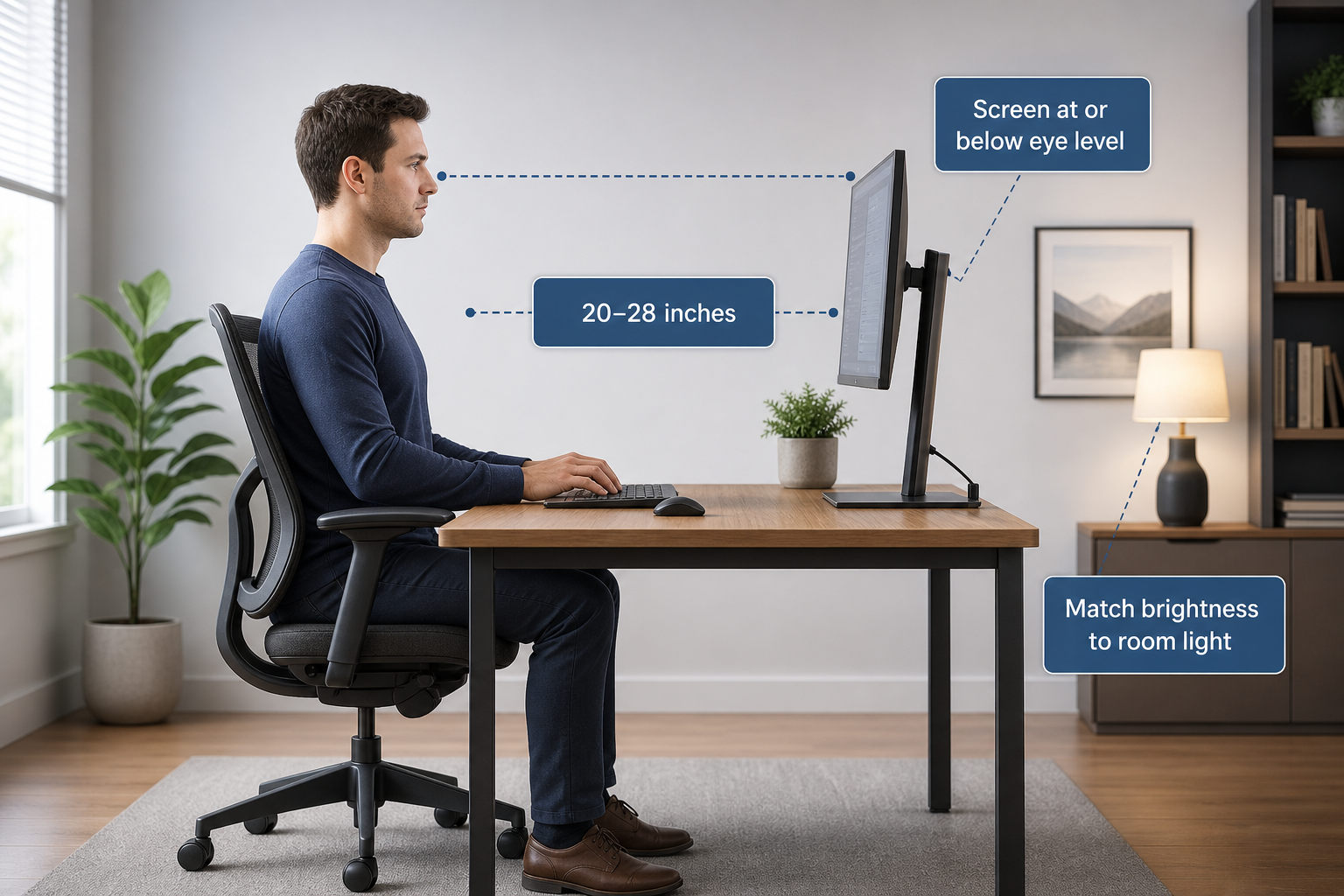
Monitor position matters more than most people realise. The screen should sit approximately 20 to 28 inches from your face, with the top of the monitor at or slightly below eye level. This position reduces the need to hold the eyes wide open, which in turn reduces tear evaporation. Matching screen brightness to the ambient light in the room reduces the contrast that causes glare-related strain. An anti-reflective coating on glasses lenses can also reduce glare from both screens and overhead lighting.
Blue light from digital screens has received considerable attention as a cause of eye fatigue. The American Academy of Ophthalmology has stated that there is currently no scientific evidence that blue light from screens causes damage to the eyes, and does not recommend blue light glasses specifically for preventing eye strain. However, using night mode or reducing screen brightness in the evening may support better sleep by limiting blue light’s effect on melatonin production and the circadian rhythm — which indirectly benefits eye health through improved sleep quality. Blue light glasses may therefore be more relevant to sleep hygiene than to daytime eye comfort.
Low humidity is a frequently overlooked environmental trigger. Air conditioning and central heating both reduce indoor humidity, accelerating tear evaporation and worsening dry eye symptoms. Using a humidifier in your workspace or bedroom can help maintain a more comfortable moisture level. If you live with allergies, a HEPA air purifier may reduce airborne allergens that contribute to eye irritation and fatigue.
Avoiding screens for one to two hours before bed, ensuring adequate and consistent sleep, and taking regular breaks from sustained near-focus tasks — including reading and driving — all contribute to reducing the cumulative burden on the visual system.
Skincare and Cosmetic Approaches for Tired-Looking Eyes
There is an important distinction between eyes that feel tired and eyes that look tired. Many people searching for remedies are primarily concerned with the cosmetic appearance of fatigue — dark circles, puffiness, and fine lines — rather than physical discomfort. These concerns have different underlying causes and respond to different interventions.
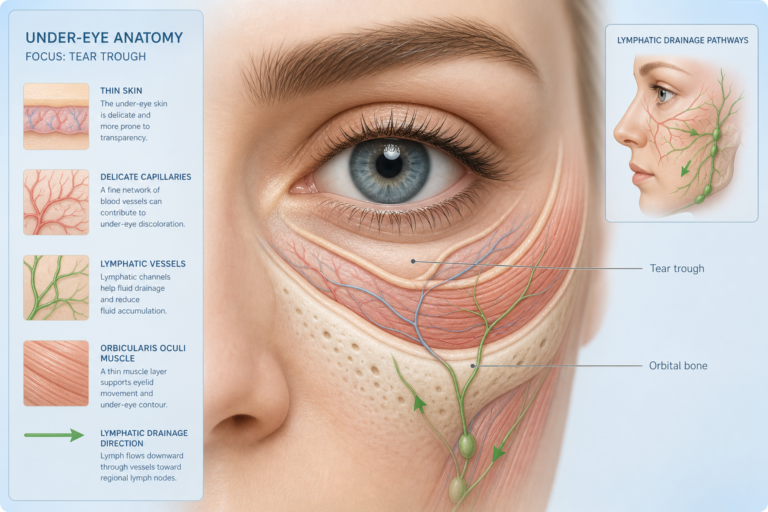
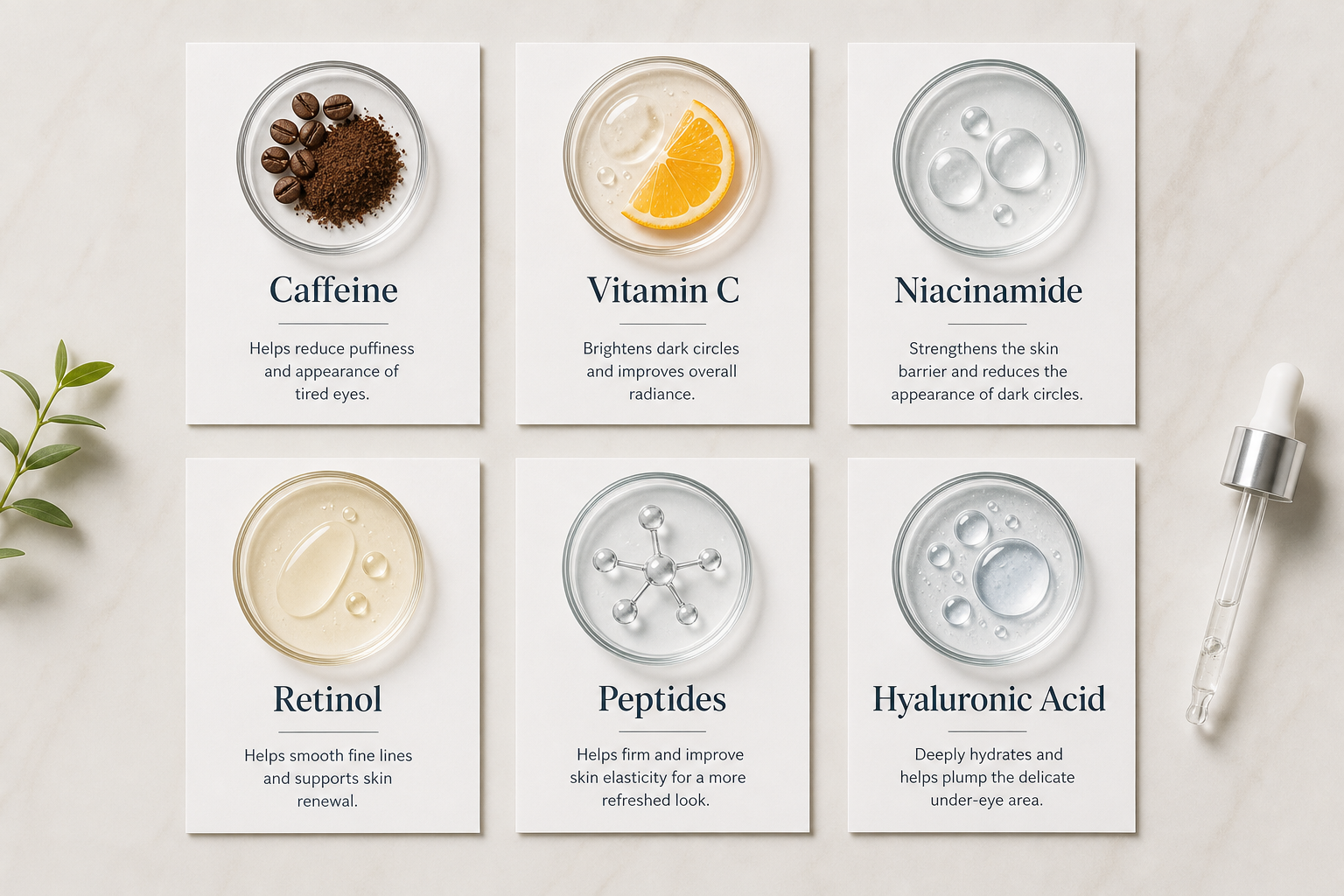
Dark circles can result from pigmentation, visible blood vessels beneath thin under-eye skin, volume loss creating a shadowed hollow, or a combination of these factors. Topical ingredients that may help include vitamin C (which can brighten pigmentation and support collagen), caffeine (which temporarily constricts blood vessels and reduces puffiness), niacinamide (which may improve skin tone and barrier function), vitamin K (sometimes used for vascular dark circles), and retinol or peptides (which may support skin thickness and firmness over time). Results from topical eye creams are generally modest and gradual; they work best as part of a consistent skincare routine rather than as quick fixes.
Under-eye puffiness is often caused by fluid accumulation, which can be worsened by salt intake, alcohol, allergies, and sleeping position. Gentle lymphatic drainage massage around the eye area — using light tapping motions with the ring finger along the orbital bone — may help encourage fluid movement and temporarily reduce swelling. Gua sha tools designed for the face can be used similarly, though technique matters and excessive pressure around the delicate eye area should be avoided.
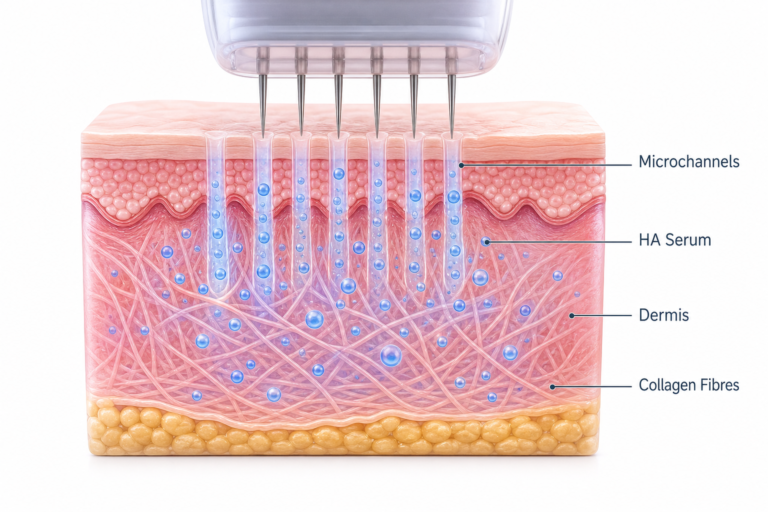
For persistent or significant cosmetic concerns that do not respond to skincare, clinical options exist. These may include injectable treatments for volume loss, polynucleotide therapy for skin quality, or other aesthetic interventions depending on the specific concern. A consultation with a qualified aesthetic practitioner can help identify which type of dark circle or puffiness is present and which approach is most appropriate — since not all under-eye concerns respond to the same treatment.
Why Do My Eyes Feel Tired Even After Sleeping?
Waking up with tired, sore, or heavy eyes despite a full night’s sleep is a common and underserved concern. When rest does not resolve eye fatigue, the most likely explanations include dry eye disease (which can cause significant discomfort on waking if the eyes dry out overnight), an uncorrected or changed refractive error, nocturnal lagophthalmos (incomplete eyelid closure during sleep, which exposes the eye surface), or a systemic condition such as anaemia or thyroid dysfunction. Binocular vision problems — where the two eyes struggle to work together efficiently — can also produce persistent fatigue that is not relieved by sleep. If your eyes consistently feel tired in the morning or throughout the day regardless of how much you sleep, this pattern warrants an eye examination rather than continued self-treatment.
When to See an Eye Doctor
Occasional eye fatigue after a long day at a screen or a poor night’s sleep is normal and usually resolves with rest and simple self-care. However, certain patterns suggest that professional assessment is appropriate. Consider booking an eye examination if your symptoms persist beyond two to three weeks of consistent self-care; if you experience significant or sudden changes in vision, including blurring, double vision, or loss of peripheral vision; if photophobia is severe or worsening; if you have eye pain rather than simple discomfort; or if your symptoms are accompanied by headaches that are not relieved by rest or over-the-counter analgesia.
An optometrist can assess whether a refractive error is contributing to your fatigue, check for dry eye disease and meibomian gland dysfunction, evaluate binocular vision and convergence, and refer you to an ophthalmologist if a more significant condition is suspected. Prescription eye drops, vision therapy, or treatment for dry eye disease may be recommended depending on the findings. Attempting to manage persistent or worsening eye fatigue without a diagnosis risks missing a treatable underlying cause.
Frequently Asked Questions
Is eye fatigue the same as dry eye disease?
Not necessarily, though the two frequently overlap. Eye fatigue (asthenopia) describes discomfort from sustained visual effort and has many possible causes. Dry eye disease is a specific chronic condition in which the tear film is insufficient or unstable, often due to meibomian gland dysfunction. Dry eye disease commonly causes symptoms that feel like tiredness — heaviness, burning, and difficulty keeping the eyes open — but it requires targeted treatment rather than rest alone. If lubricating drops provide only brief relief and symptoms return quickly, dry eye disease is worth investigating with an eye care professional.
Do blue light glasses actually help with tired eyes?
The evidence for blue light glasses reducing eye strain is currently limited. The American Academy of Ophthalmology does not recommend them specifically for preventing eye damage or reducing computer-related eye fatigue, as there is no robust clinical evidence that blue light from screens harms the eyes. Blue light glasses may be more useful for people who find that evening screen use disrupts their sleep, since reducing blue light exposure before bed can support melatonin production. For daytime eye comfort, adjusting screen brightness, taking regular breaks, and using lubricating drops are better-supported strategies.
Can dehydration cause tired eyes?
Yes. Adequate hydration is necessary for maintaining tear production. When the body is dehydrated, tear volume can decrease, leaving the eye surface less well lubricated and more prone to irritation and fatigue. Drinking sufficient water throughout the day is a simple and often overlooked part of managing eye comfort, particularly in warm weather or air-conditioned environments.
How long does it take for tired eyes to recover?
Tired eyes caused by a single long day at a screen or one poor night’s sleep typically recover within a day or two with rest, adequate sleep, and reduced screen exposure. Fatigue that has built up over weeks of poor sleep hygiene or sustained screen use may take longer to resolve — often one to two weeks of consistent self-care. If symptoms do not improve within two to three weeks, or if they are present most days regardless of lifestyle adjustments, professional assessment is advisable.
Are there foods that help with eye fatigue?
Certain nutrients support eye health and may help reduce fatigue over time. Omega-3 fatty acids (from oily fish, flaxseed, and walnuts) support meibomian gland function and tear film stability. Lutein and zeaxanthin (from leafy greens, eggs, and corn) are antioxidants concentrated in the eye that may help manage light-related stress. Vitamin A (from dairy, eggs, and orange vegetables) is essential for the eye’s mucous membranes. These nutrients are most relevant as part of a balanced long-term diet rather than as immediate remedies.
Can tired eyes affect my vision?
Eye fatigue can temporarily cause blurred vision, difficulty focusing, and occasional double vision — all of which typically resolve with rest. These symptoms occur because the muscles controlling focus and eye movement become fatigued, not because the eye itself is damaged. However, if blurred vision is persistent, worsening, or accompanied by other symptoms such as pain or flashes of light, it should be assessed by an eye care professional promptly, as these can occasionally indicate conditions unrelated to simple fatigue.
When Self-Care Is Enough and When It Is Not
For most people, tired eyes are a manageable and reversible problem. Combining the 20-20-20 rule with regular screen breaks, preservative-free artificial tears when needed, a warm compress routine, adequate sleep, and sensible workspace ergonomics addresses the majority of screen-related and lifestyle-related eye fatigue effectively. Adding targeted skincare ingredients such as caffeine and vitamin C can help with the cosmetic appearance of tired eyes, while attention to hydration, omega-3 intake, and indoor air quality supports eye comfort from the inside out.
Where self-care falls short — particularly when symptoms are persistent, present on waking, or accompanied by meaningful vision changes — the appropriate next step is a professional eye examination rather than escalating home remedies. An optometrist can identify whether dry eye disease, a refractive error, a binocular vision problem, or another condition is responsible, and recommend treatment accordingly. For cosmetic concerns that go beyond what skincare can address, a consultation with a qualified aesthetic practitioner can help clarify which clinical options are appropriate for your specific under-eye concerns. Tired eyes are common, but persistent tired eyes deserve a proper explanation.