Can You Put Makeup On After Botox
After a Botox injection, one of the most common questions is whether you can wear makeup after Botox straight away. The short answer is: not immediately. Most practitioners recommend waiting at least 24 hours before you apply makeup after Botox, with four hours being the absolute minimum in low-risk cases. Applying products too early can irritate the skin, introduce unexpected complications, and — in some cases — interfere with how botox settles into the targeted muscles. Following your practitioner’s aftercare instructions is the most reliable way to protect your results and support smooth skin recovery.

Thousands of satisfied customers
Botox Aftercare Rules
Understanding the do’s and don’ts of aftercare matters more than many people realise. Within the first 4 to 24 hours after Botox injections, the botulinum toxin remains bound to the neuromuscular junction in the treated area. Applying pressure, friction, or irritating products during this window may affect how evenly the toxin distributes across the targeted muscle group, potentially influencing your final result.
The first 24 hours are considered the critical post-botox period. Minimising facial manipulation — including makeup application — helps prevent inadvertent disturbance of the treatment area while the toxin begins its initial settling process.
First Hours After Botox Appointment
Immediately following a Botox appointment, the skin at each injection site will have tiny puncture marks, and it is common to notice localised redness, mild bruising, or slight tenderness. These are among the most common side effects and are typically short-lived. The botulinum toxin requires time to bind at the neuromuscular level, a process that begins within hours but continues over several days. The skin itself may feel sensitised or slightly warm to the touch.
Activities To Avoid After Botox
Standard post-botox restrictions include: touching or rubbing your face, strenuous exercise, booking facial massages or facials, consuming alcohol, and makeup application to the treated area. These precautions address specific mechanisms that could disrupt placement or increase the risk of unwanted side effects such as bruising or swelling.
Why Gentle Skin Care Matters
Reducing pressure and friction on freshly injected skin limits the chance of bacteria reaching open puncture points, minimises unnecessary inflammation, and allows the treated muscles to begin responding to the toxin undisturbed. Even gentle cleansing should be approached carefully in the first several hours, using light, patting motions rather than rubbing or dragging the skin.
Why Makeup Should Wait After Botox
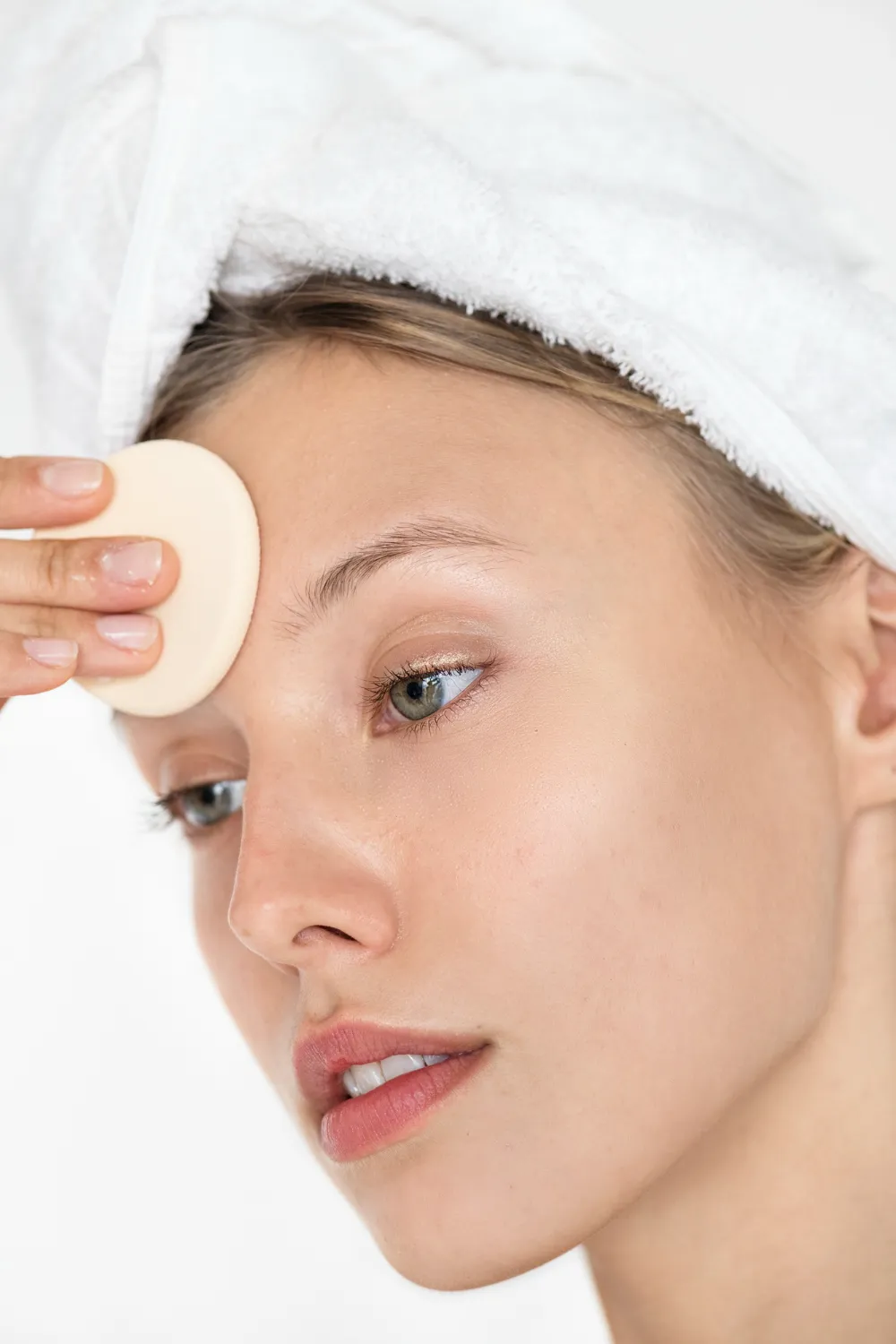
Beyond general skincare caution, there are specific medical and cosmetic reasons professionals advise delaying makeup after Botox injections. The combination of fresh injection sites, sensitised skin, and the early settling phase of the toxin creates a situation where applying makeup too soon after Botox introduces several overlapping risks. Knowing whether you can wear makeup — and when — starts with understanding what is happening beneath the surface.
Sensitivity Around Injection Sites
Skin directly over injection sites may remain tender and reactive for several hours after Botox treatment. Makeup brushes, sponges, or fingers pressed against these areas can worsen localised irritation, cause unnecessary redness, or trigger a mild inflammatory response. Even products that are ordinarily well tolerated may irritate the skin when applied post-treatment.
Risk Of Botox Migration
One of the more significant concerns is that mechanical pressure — from vigorous blending, rubbing, or massaging foundation into the skin — may cause Botox to spread into unintended muscles. If the toxin spreads into adjacent muscle groups, it may contribute to unwanted effects in surrounding areas, which is why practitioners consistently advise against rubbing or applying pressure after treatment. This risk is highest in the first four to six hours following injection.
Bruising And Swelling Concerns
Applying makeup products to an area that is already experiencing mild bruising or swelling can make both worse. The physical act of blending, tapping, or patting product over fragile capillaries may increase local inflammation. Heavy foundations can also trap heat against the skin, which is counterproductive during the post-botox recovery window.
Increased Risk Of Infection
Makeup products, brushes, and sponges harbour bacteria even with regular cleaning. When applied to skin with tiny punctures from Botox injections, there is a potential for bacteria to reach the injection site. This may increase the risk of localised irritation or, in rare cases, infection — a serious side effect that reinforces the importance of both timing and hygiene in makeup application post-botox.
Risks Of Wearing Makeup Too Soon After Botox
Applying makeup immediately after Botox treatment is not simply a matter of cosmetic inconvenience. There are several complications that may arise and take a long time to fully resolve if makeup is applied before the skin has adequately settled.
Uneven Botox Results
Consistent facial pressure on a specific area — such as blending foundation aggressively over the forehead or around the eyes — may contribute to uneven muscle relaxation. If one side receives more mechanical pressure than the other during the early settling phase, the effects of Botox may not distribute as the practitioner intended.
Delayed Skin Recovery
Applying products with fragrance, alcohol, or abrasive textures before the injection sites have closed can prolong redness, tenderness, and surface sensitivity. This can extend the period of visible post-treatment marking and delay the point at which skin returns to its normal baseline, pushing back the moment your results look fully settled.
Clogged Pores And Skin Reactions
Heavy foundations, silicone-based primers, or fragranced moisturisers applied over recently injected skin may clog pores or trigger localised reactions. Products that are generally well tolerated may cause unexpected irritation when the skin barrier has been temporarily compromised, particularly if they contain retinol or exfoliating acids. Choosing the right makeup products — non-comedogenic and fragrance-free — is particularly important during this period.
Serious Post-Botox Infections
In rare cases, applying makeup too soon — particularly with contaminated applicators or via direct contact with unclean hands — can introduce pathogens into still-open injection points. Serious side effects following cosmetic treatment are uncommon, but their consequences may require medical intervention. Patients with certain medical conditions affecting skin healing or immune response should seek personalised advice from their practitioner before resuming makeup use.
How Long After Botox Can You Wear Makeup
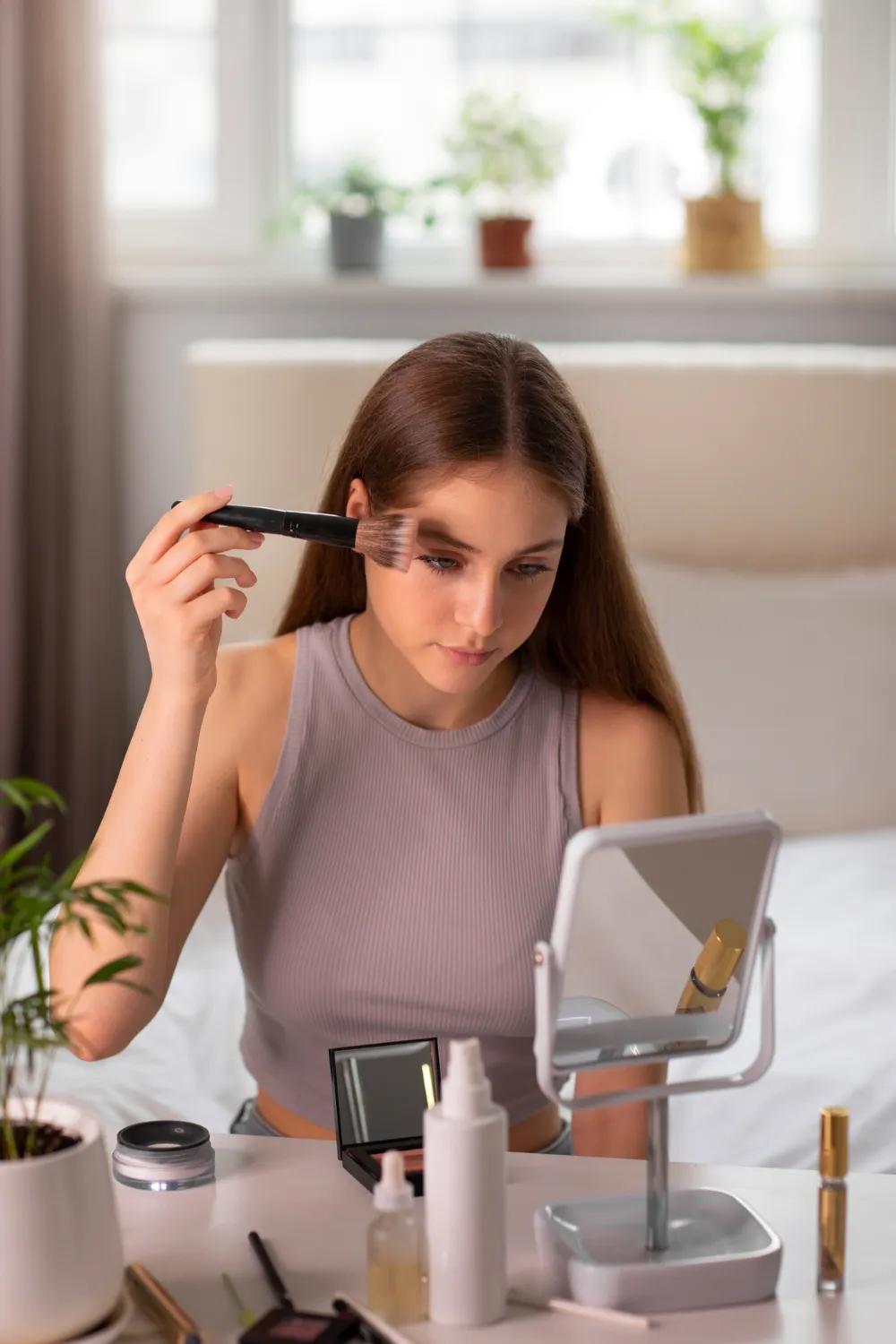
Most independent specialists advise patients to wait at least 24 hours before applying makeup after Botox treatment, with four hours being the practical minimum for low-risk cases. Whether you can wear makeup sooner depends on individual factors discussed below. The safest approach is always to follow the personalised guidance provided by the injector who administered your Botox® injections.
Makeup Timeline Recommended By Professionals
- Immediately after Botox: No makeup. Skin is punctured, sensitised, and the toxin is settling.
- After 4 hours: Minimal application may be acceptable for some patients in the absence of bruising or open marks — but only with clean tools and very gentle technique. Many practitioners still advise against it.
- After 24 hours: Most practitioners consider it generally appropriate to resume a careful makeup routine. Avoid rubbing or aggressive blending.
- After 48 hours: Generally considered appropriate to return to a normal makeup routine, provided there is no ongoing bruising or sensitivity.
Factors That Affect Waiting Time
Individual waiting times may vary based on skin sensitivity and barrier strength, the number of injection points and treatment areas, the patient’s tendency to bruise, and whether any post-treatment bruising or swelling has occurred. Patients who must wear makeup sooner — for professional or personal commitments — should discuss this specifically with their injector before treatment, ideally at a private consultation.
Signs Skin Is Ready For Makeup
If redness has subsided, swelling has resolved, and injection sites no longer feel tender or raised, this generally indicates the skin is in a more stable state. The absence of visible mild bruising is also a positive indicator. Even when skin appears settled, applying makeup right away with a heavy hand is best avoided — a lighter technique on the first day back helps your Botox results develop without interference.
Safest Way To Apply Makeup After Botox
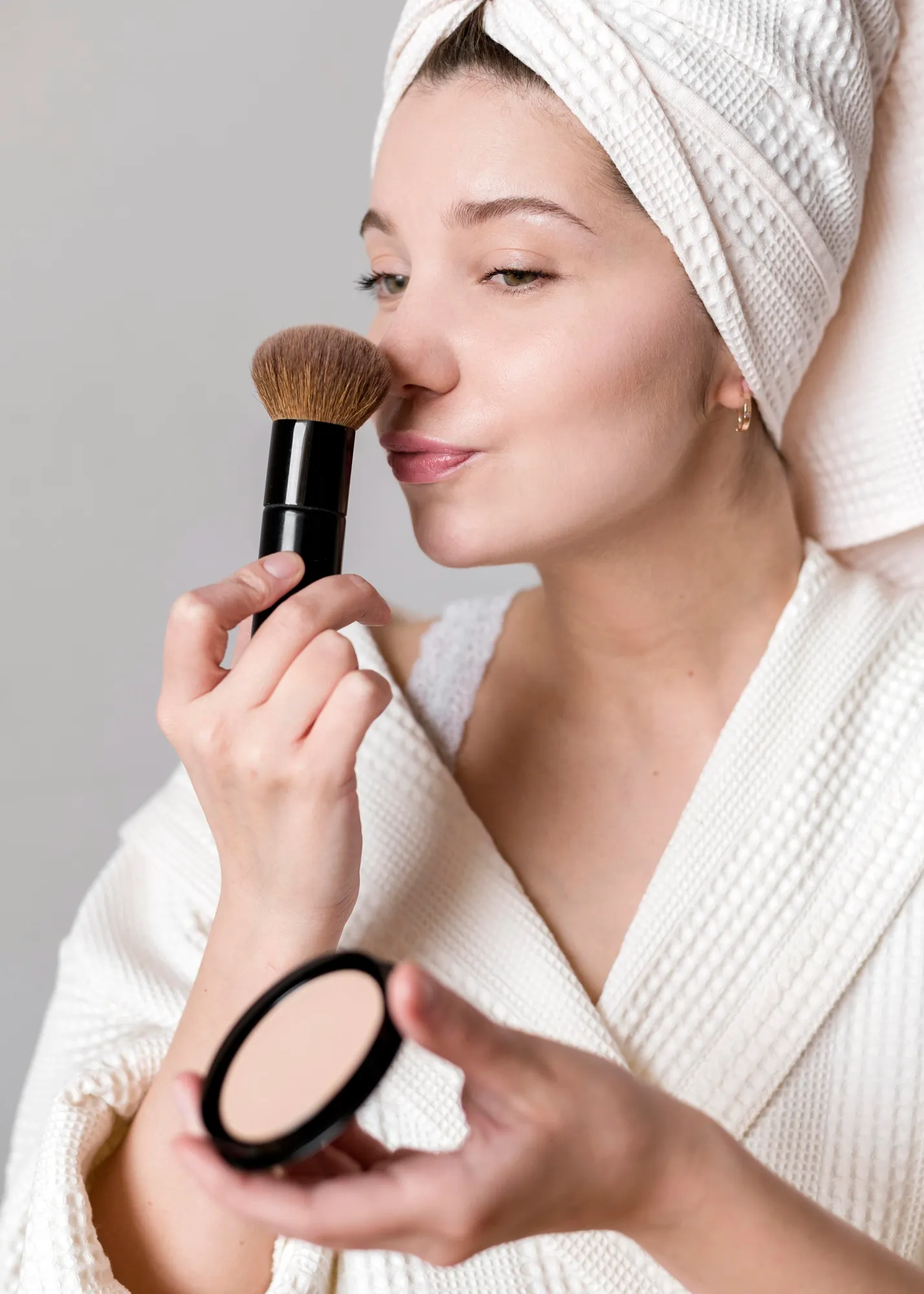
When you are ready to put on makeup after Botox injections, the manner in which you apply it matters as much as the products you choose. Best practices for makeup application post-botox prioritise hygiene, light-touch technique, and ingredient awareness.
Use Clean Makeup Brushes And Sponges
Before applying any makeup after Botox treatment, ensure all brushes, sponges, and applicators have been freshly cleaned. Replacing disposable sponges and using freshly sanitised brushes may help reduce the potential for bacterial exposure around any injection sites that are still recovering. This is one of the most straightforward makeup application techniques to adopt and one of the most effective.
Apply Makeup With Light Pressure
Use gentle tapping or pressing motions rather than dragging, rubbing, or blending aggressively. Tapping product onto the skin allows for coverage without the lateral friction that could affect the treated area. This technique is especially important over the forehead, around the eyes, and anywhere that receives Botox® injections directly.
Avoid Heavy Layers Of Foundation
Lightweight, buildable formulas — including mineral-based foundations, which are generally gentler on the skin and less likely to clog pores — are preferable during recovery. Heavy, full-coverage foundations require more blending effort, which in turn means more pressure over the injection sites. A tinted moisturiser or lightweight fluid foundation applied sparingly is typically a more appropriate choice in the first 24–48 hours after treatment.
Remove Makeup Carefully Before Bed
When you reapply makeup during the recovery period, be equally mindful of removal. Use a mild, non-foaming cleanser or micellar water applied with a soft cotton pad using downward, non-rubbing motions. Avoid oil-based cleansers that require massage to remove, and do not use cleansing devices such as facial brushes or sonic tools until the skin has fully recovered.
Makeup Tips After Botox For Better Results
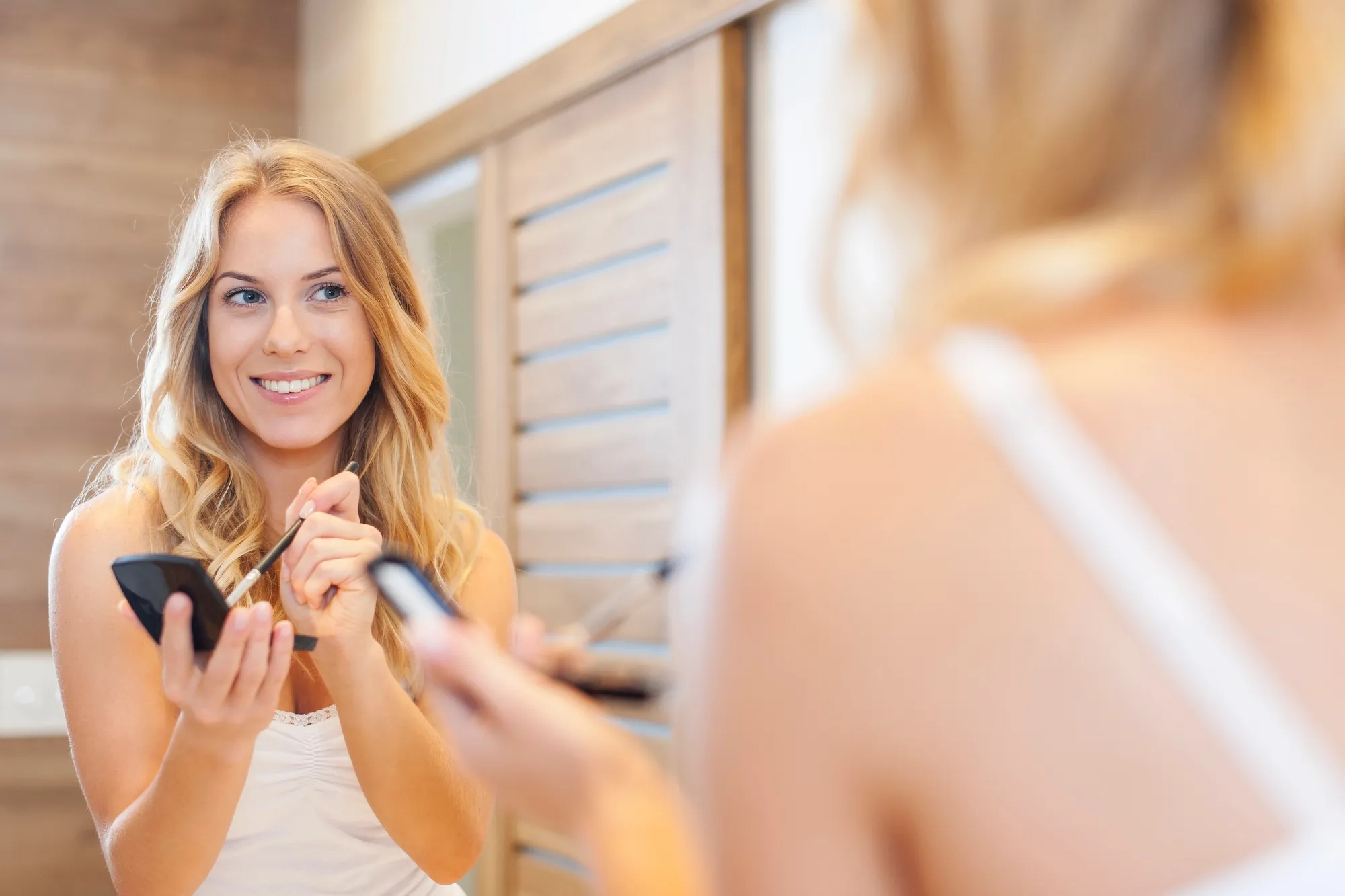
The way you manage your skin and makeup routine in the days following Botox injections can meaningfully influence what you can expect after Botox in terms of both outcome and comfort. Applying makeup helps you feel confident during recovery — but doing it well requires some care.
Keep Hands Away From Face
Touching the face frequently transfers bacteria to the skin and applies small but cumulative pressure over injection sites. Being conscious about keeping hands away from the treated area, particularly in the first 24 hours, is a simple measure to help prevent unnecessary irritation or interference with the toxin’s settling process.
Stay Upright After Treatment
Most practitioners recommend remaining upright for at least four hours following Botox injections. Lying down or bending forward for extended periods may allow gravity to assist the unintended movement of the toxin. This is particularly relevant for forehead and brow treatments.
Hydrate Skin Without Heavy Products
Keeping skin hydrated supports recovery without adding risk. A lightweight, fragrance-free moisturiser or hyaluronic acid serum applied very gently is typically well tolerated. It is also worth remembering to put on sunscreen — a non-chemical, mineral SPF is generally the better choice in the days immediately following treatment, as it sits on the skin rather than requiring absorption. Avoid products containing retinol, vitamin C, or exfoliating acids for at least 24–48 hours.
Follow Injector Aftercare Instructions
Generic guidance offers a useful baseline, but personalised advice from the practitioner who administered your Botox is specific to your anatomy, the amount of product used, and your skin’s individual response. If your injector provides written aftercare instructions, these should always take precedence — and if in doubt, contact the clinic before applying anything new.
What To Do If You Need Makeup Immediately After Botox
Some patients must wear makeup sooner than they would ideally like — returning to work, attending an event, or managing other commitments shortly after their appointment. While it is always preferable to allow adequate recovery time, there are pragmatic approaches worth considering.
Safest Minimal-Makeup Options
If wearing makeup right after Botox is genuinely unavoidable within the first few hours, limit application to the absolute minimum. A small amount of hypoallergenic makeup — such as a light concealer applied with a clean fingertip or cotton bud using very gentle dabbing motions — may be acceptable in some cases, but only if the practitioner who administered your Botox has confirmed this is appropriate. Avoid any products that require blending over injection sites.
Alternatives To Full Makeup Routine
Tinted SPF moisturiser applied extremely gently may offer some coverage without requiring active blending. Sunglasses can help minimise the appearance of any redness or swelling around the eye area without any product contact. The most practical solution for many patients is to schedule Botox appointments well ahead of social or professional commitments, allowing at least 24 to 48 hours for initial recovery — making it safe to resume wearing makeup with confidence.
Questions To Ask Your Botox Provider
Before leaving your appointment, ask your injector directly: How long should I wait before applying makeup after this specific treatment? Are there particular areas I should avoid entirely? Do I have any factors — such as skin sensitivity or medical conditions — that affect the timeline? Answers to these questions, based on your individual treatment, are far more reliable than generalised timelines found online.
Final Thoughts On Makeup After Botox
Most aesthetic practitioners consistently advise waiting at least four hours — and ideally 24 hours before applying makeup — as the most appropriate approach following Botox® injections. The risks associated with wearing makeup too soon include potential migration of the toxin, increased mild bruising, delayed healing, skin irritation, and, in rare cases, serious side effects. When you do return to your normal makeup routine, using clean makeup brushes, following best practices for makeup application techniques, and choosing lightweight or mineral-based foundations all help to protect your results. Botox is generally well tolerated, and the recovery period is short, but the best possible outcome depends on how carefully that window is managed.
Frequently Asked Questions About Makeup After Botox
Can You Wear Foundation After Botox?
Foundation can typically be worn after a minimum of four hours following Botox injections, though most independent specialists recommend waiting a full 24 hours before applying it to treated areas. When you do resume wearing foundation, choose a lightweight, non-comedogenic formula — mineral-based foundations are generally gentler on the skin — and apply it using a freshly cleaned brush or sponge with gentle tapping motions rather than rubbing or blending aggressively over the treated skin.
Can You Wash Your Face After Botox?
Most practitioners advise waiting at least four to six hours before washing your face following a Botox appointment. When you do cleanse, use a gentle, fragrance-free product applied with soft, patting motions — never scrubbing or using mechanical cleansing devices. Lukewarm water is preferable to hot, as heat increases blood flow to the face and may contribute to swelling or discomfort in the first 24 hours post-treatment.
Can Makeup Ruin Botox Results?
Makeup itself does not directly ruin Botox, but the physical act of applying it — particularly rubbing, pressing, or blending aggressively — may affect placement if done within the first four to six hours after injections, while the toxin is still in its early binding phase. There is a possibility that significant mechanical pressure over a freshly treated area could contribute to uneven muscle relaxation or contribute to the unintended spread of the toxin.
Can You Use Makeup Brushes After Botox?
Makeup brushes may be used after Botox injections, but only once sufficient time has passed — generally at least 24 hours for treated areas — and provided they have been freshly cleaned before use. Even clean brushes should be used with a light tapping motion rather than sweeping or pressing strokes. Hygiene is especially important in the first days after treatment, as bacteria on applicators may increase the risk of irritation or infection at healing injection sites.
Newsletter Updates
Enter your email address below and subscribe to our newsletter