Can You Fly After Dermal Fillers? Everything You Need to Know
Flying after dermal fillers is generally considered safe for most people, but timing, swelling, bruising, the treatment area, and your individual recovery can all influence comfort and results. Recommendations from practitioners typically range from flying on the same day to waiting at least 24–48 hours, depending on the complexity of the filler treatment and how your skin responds.


Thousands of satisfied customers
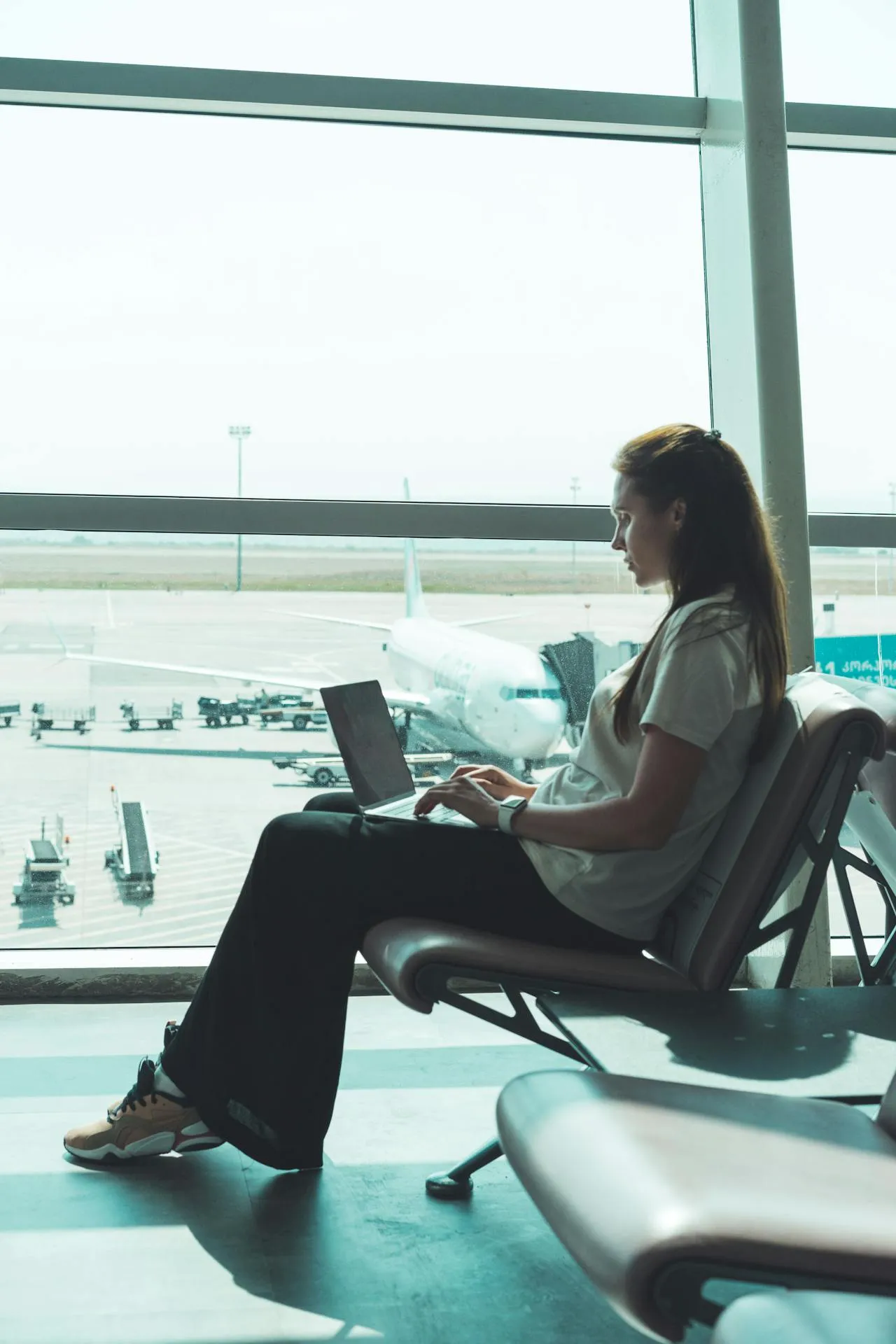
Flying After Dermal Fillers: Is It Safe?
For the vast majority of patients, flying after dermal fillers does not pose a serious medical risk. Filler placement is not typically affected by changes in altitude, and there is no clinical evidence that air travel causes filler migration. That said, many practitioners advise a short waiting period — not because flying is inherently dangerous, but to allow initial swelling and bruising to settle and to ensure you’re comfortable if any minor side effects occur.
How Dermal Fillers React to Air Travel
Most modern dermal filler treatments use hyaluronic acid (HA), a naturally occurring substance the body metabolises gradually over 12–18 months. HA fillers integrate into surrounding tissue and are not mechanically displaced by changes in altitude or barometric pressure. The structural properties of the filler itself remain stable during a flight, which is why many patients do fly after dermal filler appointments without incident.
Effects of Cabin Pressure on Treated Areas
A common concern is whether cabin pressure causes fillers to expand, shift, or behave differently inside the plane. Clinically, this is not supported. However, the low humidity and reduced air pressure in the cabin can promote mild fluid retention and puffiness throughout the body, including in the treated area. This is not caused by the filler itself but by normal physiological changes during air travel that can temporarily worsen post-treatment swelling.
Reasons Practitioners Recommend Waiting Before Flying
Even when flying is considered safe, waiting is often advisable for practical reasons:
- Monitoring side effects such as swelling or bruising in the hours after treatment
- Being close to the clinic in case unexpected concerns arise
- Avoiding conditions — dry cabin air, prolonged sitting — that can aggravate inflammation
- Ensuring adequate recovery time before appearing at an event or destination
- Confirming that results are settling as expected before committing to travel

How Long Should You Wait to Fly After Dermal Fillers?
There is no single universal rule, but most practitioners recommend waiting at least 24 to 48 hours before flying. The appropriate timeframe depends on treatment complexity, the areas injected, and how your body responds. More extensive treatments or a history of significant swelling may call for a longer delay before air travel.
Flying Immediately After Treatment
Some patients do fly immediately after a filler appointment, particularly if the treatment was straightforward, limited to one area, or performed well in advance of their departure. However, same-day flying is generally considered less ideal. You may still be experiencing initial bruising and swelling, and you won’t have the opportunity to contact your practitioner if questions arise.
Waiting 24 to 48 Hours
Waiting 24–48 hours after getting fillers is the most commonly recommended timeframe among practitioners. By this point, the initial bruising and swelling will often have reduced noticeably, tenderness at the injection sites typically begins to ease, and you’re better placed to assess your recovery before a flight. This window is widely considered a sensible balance between caution and practicality for most filler patients.
Cases That May Require Longer Delay
Some situations may warrant waiting longer than 48 hours after getting dermal fillers:
- Extensive treatments involving multiple injection sites across the face
- Treatments in high-sensitivity areas such as the under-eyes or lips
- A personal history of significant swelling or bruising after injectables
- Practitioner-specific aftercare instructions that recommend a longer delay
- Long-haul flights where extended exposure to cabin conditions is expected
- Recent filler dissolving procedures, which can cause prolonged swelling

Potential Risks of Flying Too Soon After Fillers
Flying sooner than recommended is unlikely to cause serious complications, but it may make your recovery less comfortable and more difficult to manage. The key concern is that normal post-treatment side effects may be worsened by conditions inside the plane, and you’ll be further from professional support should anything unexpected develop.
Increased Swelling During Flight
Sitting for extended periods and the low-humidity environment of aircraft cabins can contribute to fluid retention throughout the body. If you fly immediately after a filler treatment, existing swelling may increase temporarily during the flight. This is generally not harmful and should subside within a few days, but it can be uncomfortable and may affect how your results look on arrival.
Bruising and Sensitivity
Travel-related factors — including dehydration, pressure changes, and prolonged immobility — may make bruising more noticeable or prolong discomfort at injection sites. The risk of bruising is not dramatically increased by flying, but if you arrive at a destination still visibly bruised, it can be frustrating, particularly if you’re planning to look your best on holiday.
Difficulty Monitoring Rare Complications
Rare but serious complications, such as vascular compromise, are most likely to become apparent within the first few hours after filler injections. Remaining near the clinic for at least 24 to 48 hours means you can seek prompt assessment if anything unusual occurs. On a long-haul flight, access to specialist support is not possible, and the risk of complications being managed quickly is reduced.
Factors That Influence When You Can Fly
Factor | Lower-Risk for Earlier Travel | May Require Longer Wait |
Treatment extent | Single small area | Multiple areas or full face |
Injection sites | Cheeks, jawline, temples | Lips, under-eyes, nose |
Swelling history | Minimal previous reaction | Significant previous swelling |
Flight duration | Short-haul (under 3 hours) | Long-haul (over 6 hours) |
Treatment complexity | Standard placement | MD Codes™ or advanced techniques |
Personal healing | Fast healer, no bruising history | Prone to bruising or inflammation |
Type of Dermal Filler Used
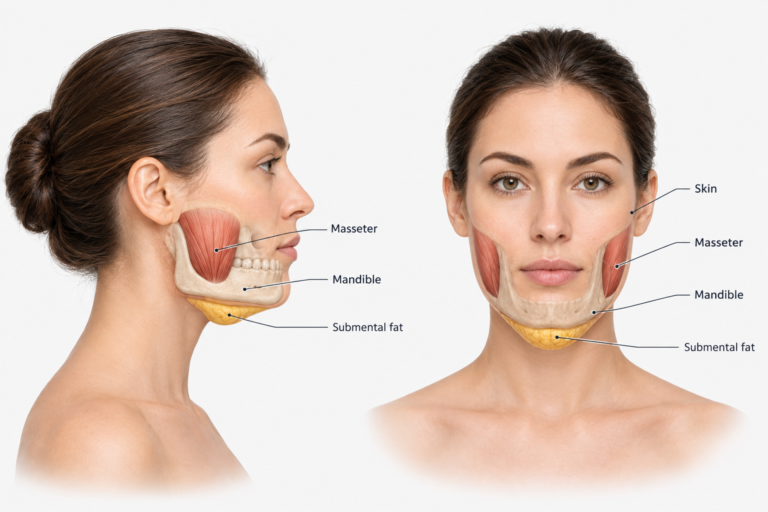
Different filler products vary in viscosity, longevity, and how they integrate with tissue. Thicker, high-density fillers used for structural support — such as those in the jawline or cheekbones — behave differently from softer products used in delicate areas. Your practitioner will factor in the specific product used when providing post-treatment advice, so always ask about the filler used and whether it influences the recommended recovery timeline before flying.
Treatment Area
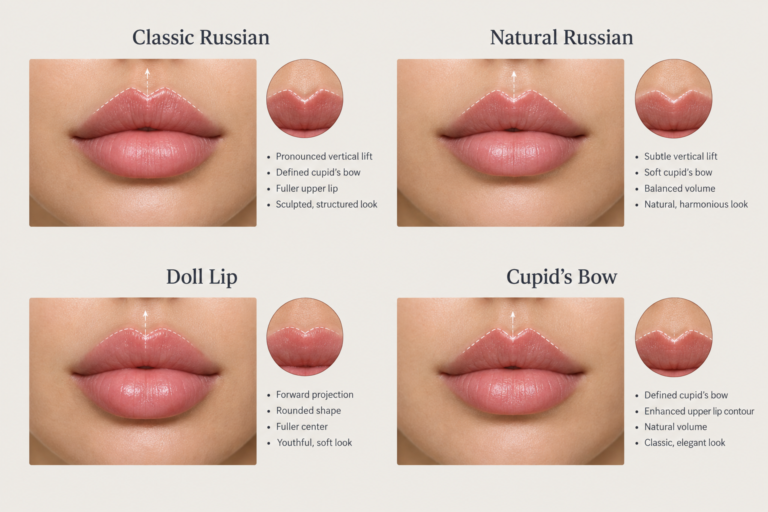
Some treatment areas are more prone to swelling than others. The lips and under-eye (tear trough) regions tend to swell more noticeably and for longer than areas such as the temples or cheeks. Lip filler treatments, in particular, can result in significant initial swelling that may be more uncomfortable on a flight. If you’ve had lip filler or tear trough correction, a longer waiting period is often advisable before air travel.
Individual Healing Response
Recovery varies considerably between individuals. Age, lifestyle, hydration levels, previous filler experience, and general sensitivity to injections all play a role. First-time filler patients may experience more pronounced swelling and bruising than those who have had regular treatments. Certain medications and supplements — including aspirin, ibuprofen, and fish oil — can increase the risk of bruising, and a practitioner should be aware of these before treatment.
Length of Flight
Short-haul flights of under three hours present fewer concerns than long-haul journeys. Extended time in a pressurised cabin, combined with immobility, low humidity, and dehydration, creates a less favourable environment for post-treatment recovery. If you’re planning a long-haul flight after a filler appointment, it is worth scheduling the treatment well in advance — ideally at least one to two weeks before departure — to allow adequate recovery time.
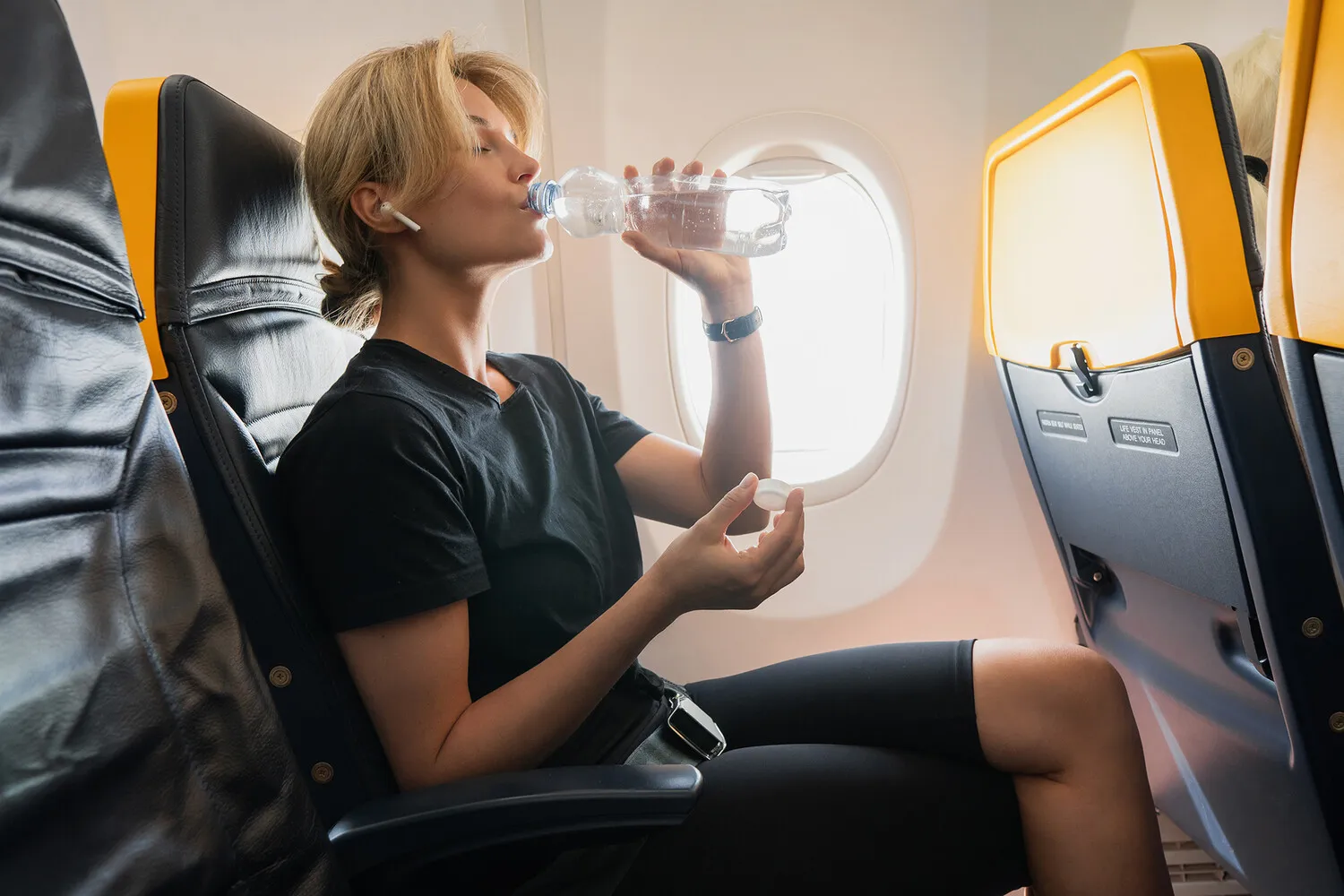
Tips for Flying After Dermal Fillers
Tip | Why It Matters |
Wait at least 24 to 48 hours | Allows initial swelling and bruising to begin settling |
Stay hydrated on the flight | Helps minimise swelling and bruising worsened by dry cabin air |
Avoid alcohol before and during the flight | Alcohol contributes to dehydration and may increase the risk of swelling |
Use a cold compress or ice pack if needed | Using an ice pack intermittently can help reduce bruising and puffiness |
Avoid salty foods before travelling | Excess salt encourages fluid retention and can worsen swelling |
Protect your skin from the sun and heat at your destination | Heat may aggravate post-treatment inflammation in the treated area |
Follow your practitioner’s aftercare instructions | Personalised advice based on your treatment is always the most reliable guide |
Bring arnica gel if prone to bruising | Arnica is commonly used to help reduce bruising after cosmetic procedures |
Stay Hydrated Before and During Your Flight
Dehydration is one of the most common factors that can worsen post-filler recovery during air travel. Cabin air is significantly drier than normal environments, which can stress the skin and affect overall skin health. Drinking plenty of water before and during the flight helps support hydration and may reduce the likelihood of prolonged puffiness. Avoiding caffeinated drinks, which have a diuretic effect, is also advisable.
Avoid Alcohol and Excess Salt
Alcohol is a vasodilator and contributes to both dehydration and increased blood flow to the face, which may increase swelling at injection sites. Excess salt encourages fluid retention throughout the body. Both are best avoided for at least 24 hours before and after a filler treatment, and ideally during the flight itself, particularly when it comes to holiday travel, where celebration drinks may be tempting.
Protect Skin From Heat and Sun Exposure
Exposure to direct sunlight, saunas, steam rooms, or intense heat shortly after a filler treatment can aggravate inflammation and increase the risk of swelling. If you’re flying to a hot destination, be mindful that arriving in high temperatures immediately after treatment may affect recovery. Use broad-spectrum SPF, seek shade, and avoid prolonged sun exposure in the days following your treatment.
Follow Aftercare Instructions
Post-treatment care is not generic — it should be personalised to your treatment, the filler product used, and the areas injected. Important to follow your practitioner’s specific guidance above general tips, including avoiding touching the treated area, refraining from facial massages for two weeks, and sleeping with your head elevated if swelling is significant. These instructions help to allow fillers to settle optimally and support the best possible results.

When to Contact Your Practitioner Before Travelling
If you’re planning to fly after dermal fillers, it’s sensible to be aware of situations where professional input is strongly advised before you board.
Persistent Swelling or Bruising
Some degree of swelling and bruising is expected within a few days of treatment. However, if swelling appears to be worsening rather than improving, feels unusually firm, or is accompanied by significant pain or heat, contact your practitioner before travelling. Persistent or escalating symptoms may indicate a reaction that warrants assessment before you fly.
Signs of Infection or Vascular Complications
Rare but serious complications require prompt attention. Contact your practitioner immediately — and do not fly — if you experience:
- Severe or worsening pain beyond expected tenderness
- Unusual skin discolouration, including blanching or a dusky, mottled appearance
- Signs of infection, such as increasing redness, warmth, or discharge
- Visual disturbances or any neurological symptoms
- Tissue that feels hard or does not respond normally to gentle pressure
Upcoming International or Long-Haul Travel
If you know you’re planning a significant trip, the simplest solution is to schedule your filler appointment well in advance — ideally, a minimum of one week before departure, and preferably two weeks for more complex or extensive treatments. This gives adequate time for any swelling or bruising to resolve, allows you to attend a follow-up if needed, and ensures you’re not managing recovery mid-journey.
Final Thoughts on Flying After Dermal Fillers
Flying after dermal fillers is generally safe, and many patients travel without any significant issues. The key principles are straightforward: wait at least 24–48 hours where possible, follow the aftercare guidance provided by your practitioner, stay hydrated during the flight, and be alert to any unusual symptoms. Individual factors — including the treatment area, filler type, your healing response, and the length of the flight — all influence how soon flying is appropriate.
Science Beauty helps readers explore and compare aesthetic treatments and find verified specialists and clinics in London.
Frequently Asked Questions
Can Cabin Pressure Move Dermal Fillers?
No — cabin pressure does not cause dermal filler to shift or migrate. Hyaluronic acid fillers integrate into surrounding tissue and are not mechanically affected by changes in altitude or air pressure inside the plane. The concern about filler migration during flights is a common misconception; there is no clinical evidence to support it. Any post-flight puffiness is related to fluid retention rather than movement of the filler itself.
Can You Fly After Lip Fillers?
You can fly after lip fillers, but the lips are among the areas most prone to pronounced initial swelling, so waiting 24–48 hours is particularly advisable. Lip filler treatments can result in visible swelling that may be uncomfortable during a flight and more noticeable on arrival. If appearance matters at your destination, scheduling lip filler treatments at least one to two weeks before departure is a sensible precaution for optimal results.
Does Flying Increase Swelling After Fillers?
Flying does not directly cause swelling from the filler itself, but the conditions inside the plane — low humidity, reduced air pressure, prolonged sitting, and dehydration — can contribute to temporary fluid retention that may worsen existing post-treatment puffiness. This typically subsides within a few days once you’re back in normal conditions. Staying hydrated and avoiding alcohol during the flight can help minimise this effect.
Can You Take a Long-Haul Flight After Dermal Fillers?
Long-haul flights are not prohibited after receiving dermal fillers, but they warrant more planning than short trips. Extended time in a pressurised, dry cabin environment increases the likelihood of temporary swelling, and you’ll be further from your practitioner if any concerns arise. Ideally, schedule treatment at least one to two weeks before a long-haul departure to allow adequate recovery time and ensure fillers have had time to settle fully before travel.
Newsletter Updates
Enter your email address below and subscribe to our newsletter