Arm Lift Before and After Scar: What to Expect and How to Minimise Scarring
One of the most common questions patients ask before an arm lift is not about the surgery itself, but about the scar it leaves behind. Understanding what a brachioplasty scar looks like immediately after surgery, how it changes over the following months, and what can realistically be done to minimise it is essential for setting accurate expectations and making an informed decision about whether the procedure is right for you.
Key Takeaways
- A standard arm lift leaves a linear scar along the inner upper arm, typically running from the armpit to the elbow; the length and position depend on the technique used.
- Brachioplasty scars go through predictable healing phases over 12 to 24 months, progressing from red and raised to flat and pale as collagen remodelling completes.
- Scar quality is influenced by genetics, skin type, wound tension, smoking status, and how consistently post-operative care is followed.
- Silicone scar sheets, scar massage, and consistent UV protection are the most evidence-supported strategies for improving scar appearance at home.
- For scars that do not respond to conservative care, medical interventions including corticosteroid injections, laser therapy, and scar revision are available options.
Where Is the Arm Lift Scar Placed?
The location of a brachioplasty scar depends on the surgical technique chosen, and this decision has a meaningful impact on how visible the scar is in everyday life. Two main placement philosophies exist in the surgical literature, and understanding them helps patients ask better questions during consultation.
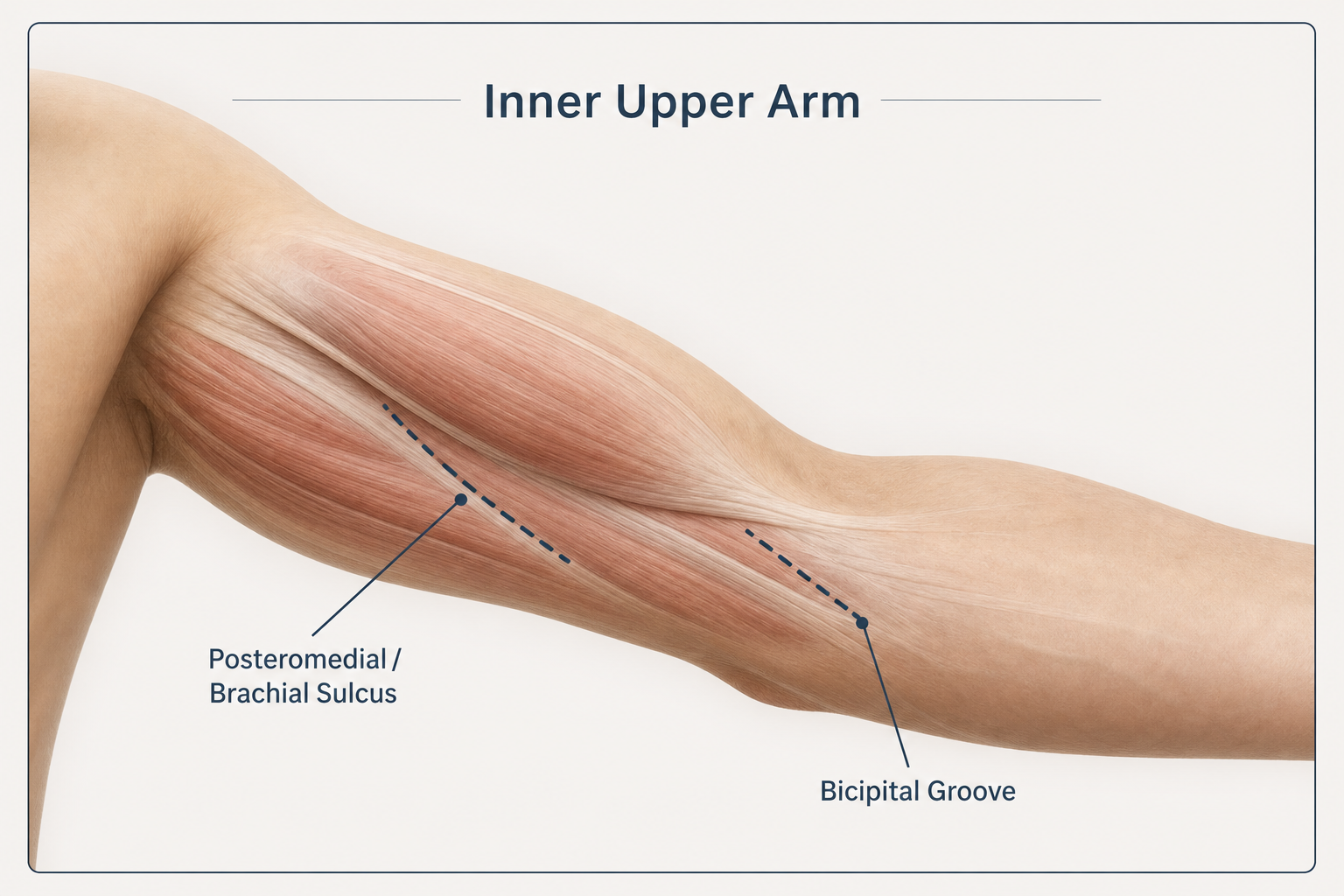
The most widely used approach places the incision along the posteromedial scar placement line, also called the brachial sulcus — the natural groove on the inner and slightly posterior surface of the upper arm. When the arm rests at the side, this position keeps the scar relatively hidden. The alternative is placement along the bicipital groove, the groove between the biceps and triceps muscles on the inner arm. Research published in the Annals of Plastic Surgery found that medial straight scars scored approximately 4.0 out of 5 for patient acceptability compared with 3.14 out of 5 for posterior straight scars, suggesting that placement along the inner arm tends to be better received by patients. However, individual anatomy, the degree of skin laxity, and surgeon preference all influence which approach is most appropriate for a given patient.
For patients with significant skin laxity extending toward the chest wall, an extended brachioplasty may be required, where the incision continues beyond the armpit onto the lateral chest. This produces a longer scar but addresses excess skin that a standard arm lift cannot reach. At the other end of the spectrum, a limited-incision arm lift — sometimes called a mini arm lift — confines the incision to the armpit area and is suitable only for patients with mild, localised skin laxity near the axilla. The trade-off is a shorter, more easily concealed scar, but the correction achievable is correspondingly limited.
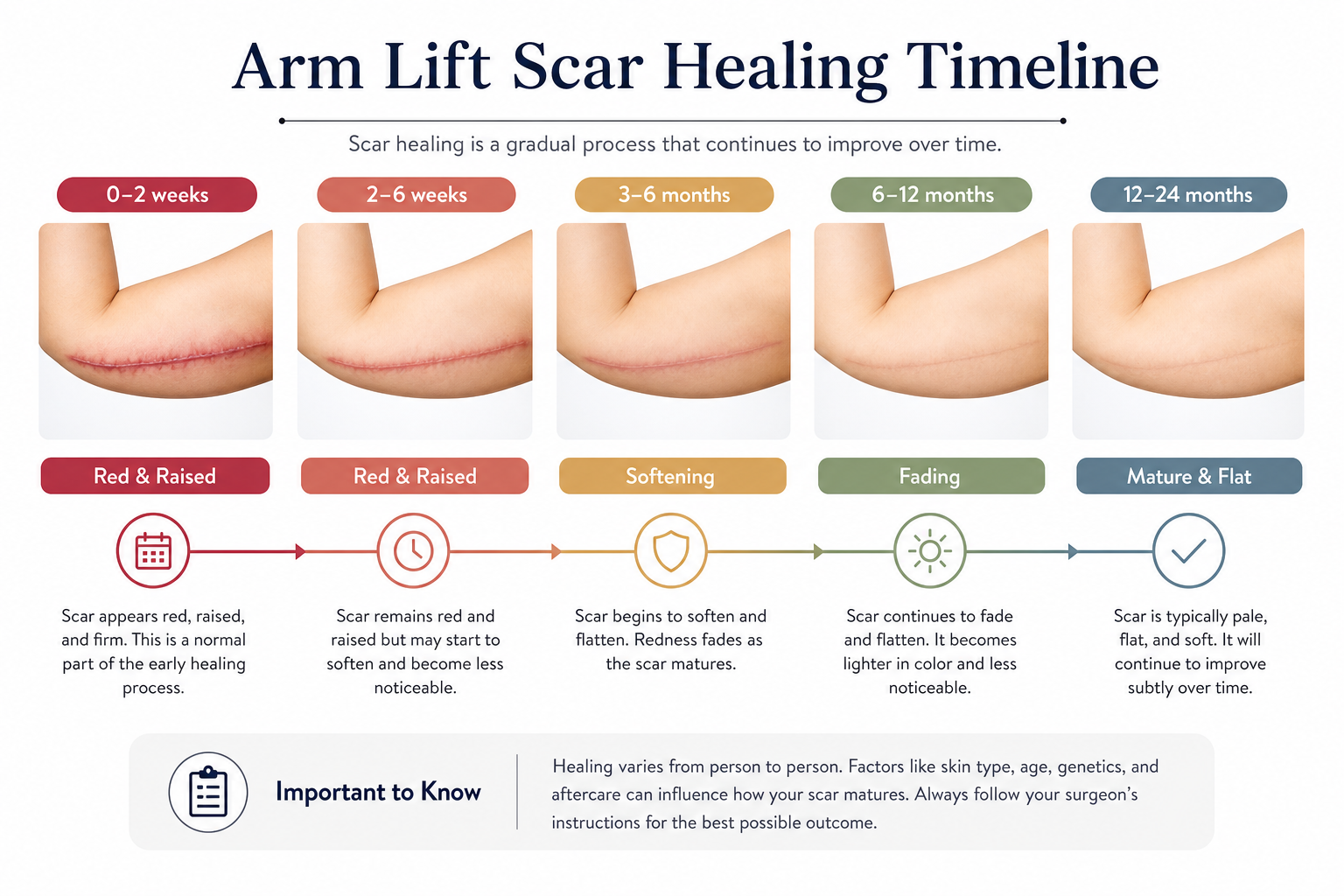
Arm Lift Scar Healing Timeline
Scar maturation after brachioplasty is a gradual biological process driven by collagen remodelling, and it unfolds over a much longer period than most patients anticipate. The scar you see at six weeks is not the scar you will have at eighteen months.
| Time After Surgery | Typical Scar Appearance | Recommended Care |
|---|---|---|
| 0–2 weeks | Closed wound with sutures or tape; swollen, bruised, tender surrounding tissue | Keep wound clean and dry; follow surgeon’s dressing instructions; avoid arm elevation above shoulder |
| 2–6 weeks | Red, raised, and firm; scar may feel itchy as new collagen forms; width may appear to increase slightly | Begin silicone gel or silicone scar sheets once wound is fully closed; gentle scar massage may begin around week 4–6 if surgeon approves; wear compression garment |
| 3–6 months | Scar begins to soften and flatten; redness gradually reduces; scar fading timeline varies by skin type | Continue silicone therapy; maintain strict UV protection with SPF 30 or higher; continue scar massage |
| 6–12 months | Continued flattening and fading; scar transitions from pink to lighter pink or pale; texture improves | Ongoing sun protection; silicone therapy as needed; review with surgeon if scar remains raised or widened |
| 12–24 months | Final scar maturation; most patients have a thin, pale, flat line; some widening or irregularity may persist | Maintain UV protection; consider laser or microneedling if residual redness or texture remains; scar revision if indicated |
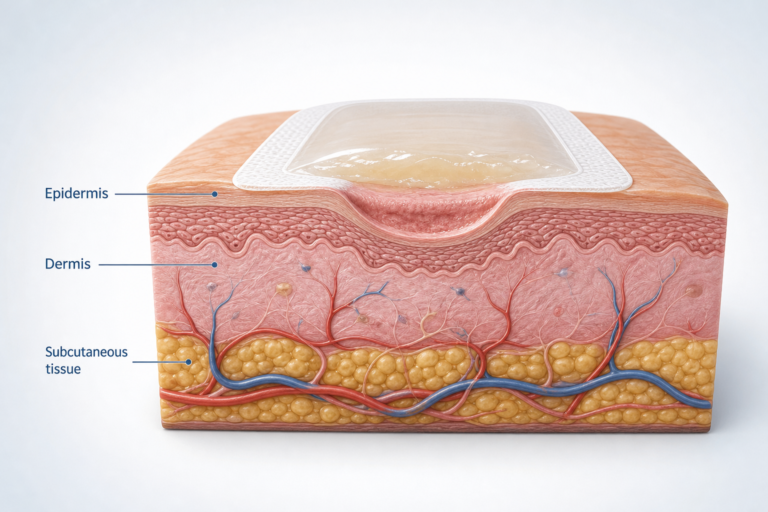
The early phase of healing — roughly the first six weeks — involves active inflammation and new collagen deposition. During this period the scar is typically at its most visible: red, raised, and firm to the touch. This is a normal part of the healing process and does not indicate a poor outcome. Between three and six months, the collagen fibres begin to reorganise and the scar softens perceptibly. By twelve months, most patients see a significantly improved result, though full scar maturation can continue for up to two years.
What Affects Scar Quality After an Arm Lift?
Not all brachioplasty scars heal the same way. Several factors influence whether a scar remains flat and pale or becomes raised, wide, or discoloured, and understanding these factors helps patients approach recovery with realistic expectations.
Genetics and Skin Type
Individual genetic predisposition is one of the strongest determinants of scar quality. Patients with a personal or family history of keloid scar formation — where scar tissue grows beyond the original wound boundary — or hypertrophic scar formation — where the scar remains raised and red but stays within the wound margins — are at higher risk of a more prominent result. Patients with darker skin tones on the Fitzpatrick scale also have a statistically higher tendency toward hypertrophic or keloid scarring and should discuss this with their surgeon before proceeding.
Wound Tension and Surgical Technique
Excessive wound tension at the time of closure is a well-recognised cause of widened or hypertrophic scars. When too much skin is removed relative to what the tissues can comfortably accommodate, the scar is placed under constant mechanical stress during healing. Experienced surgeons use layered closure techniques and, in some cases, internal sutures to reduce surface tension, but the degree of skin laxity being corrected and the patient’s tissue quality both play a role. Post-bariatric patients — those who have undergone massive weight loss — tend to have thinner, less elastic skin and a higher rate of wound complications including scar widening and dehiscence compared with patients undergoing cosmetic arm lift for moderate skin laxity.
Lifestyle and Behavioural Factors
Smoking significantly impairs wound healing by reducing tissue oxygenation, and patients who smoke are at substantially higher risk of poor scar outcomes, wound breakdown, and infection. Most surgeons require patients to stop smoking for a minimum period before and after surgery. UV exposure to an immature scar causes permanent pigmentation changes — the scar can darken and become more visible — which is why consistent sun protection is non-negotiable for at least twelve months after surgery. Uncontrolled movement of the arm during early healing, particularly overhead reaching or heavy lifting, places mechanical stress on the healing wound and can contribute to scar widening.
Infection and Wound Complications
Any wound infection or episode of dehiscence (wound opening) disrupts the normal healing sequence and significantly increases the risk of a hypertrophic or widened scar. Prompt recognition and treatment of wound complications is important, and patients should contact their surgical team if they notice increasing redness, warmth, discharge, or wound separation.
Nerve Sensitivity Near the Scar
A less commonly discussed aspect of brachioplasty scarring is altered sensation in and around the scar. The medial antebrachial cutaneous nerve, which runs along the inner upper arm, is at risk of stretching or minor injury during surgery. Patients may experience numbness, tingling, or hypersensitivity along the scar line, particularly in the early months. In most cases these sensations improve as nerve function recovers, but some degree of altered sensation may persist long-term. This is worth discussing with your surgeon before the procedure.
How to Minimise Arm Lift Scars: Evidence-Based Strategies
While no approach can eliminate a brachioplasty scar entirely, a consistent post-operative care routine can meaningfully improve the final appearance. The following strategies have the strongest evidence base for scar management after surgery.
Silicone Therapy
Silicone scar sheets and silicone gel are considered the gold standard in non-invasive scar management and are supported by multiple clinical studies. Silicone works by maintaining hydration at the scar surface and modulating collagen production during the remodelling phase. Sheets are typically worn for twelve or more hours per day and are particularly practical at night, while silicone gel can be applied during the day when sheets are less convenient. Both formats are appropriate for brachioplasty scars; the choice often comes down to patient preference and lifestyle. Silicone therapy should begin once the wound is fully closed — usually around two to four weeks after surgery — and continued for at least three to six months.
Scar Massage
Regular scar massage helps to break down dense collagen fibres, improve scar pliability, and reduce the risk of scar contracture — a tightening of the scar tissue that can restrict arm movement. Massage is typically introduced around four to six weeks after surgery, once the wound has healed sufficiently. The technique involves applying firm circular or longitudinal pressure along the scar using a moisturising cream or oil. Patients should ask their surgeon or a specialist nurse for guidance on correct technique and timing before starting.
Sun Protection
Consistent UV protection is one of the most important and most frequently neglected aspects of scar care. An immature scar lacks the melanin distribution of normal skin and is highly susceptible to UV-induced pigmentation changes. Applying a broad-spectrum sunscreen of SPF 30 or higher to the scar whenever it is exposed to sunlight — and covering the arm with clothing when possible — should be maintained for a minimum of twelve months after surgery. Patients who are diligent about sun protection consistently report better long-term scar colour outcomes.
Compression Garments
Wearing a compression garment on the arm during the early recovery period helps to reduce swelling, support the healing tissues, and apply gentle pressure to the scar. Most surgeons recommend compression for four to six weeks post-operatively. Consistent use during this period may contribute to a flatter scar by reducing fluid accumulation and limiting excessive collagen deposition.
Practical Scar Concealment During Healing
During the months when the scar is at its most visible, many patients find loose-fitting long-sleeved clothing in breathable fabrics the most comfortable and practical option. For patients planning events such as weddings or beach holidays, it is worth discussing the timing of surgery with your surgeon — ideally allowing at least six to twelve months between the procedure and any occasion where arm exposure is important. Patients with a mini arm lift scar confined to the armpit area should be aware that friction and moisture in the axilla can irritate the healing scar; keeping the area clean and dry and avoiding tight clothing that rubs the armpit is particularly important in the early weeks.
Medical Treatments for Problematic Arm Lift Scars
When conservative scar care does not produce a satisfactory result, several medical and procedural interventions may be considered. These are typically introduced after the scar has had time to mature — usually from three to six months onwards — and are most effective when tailored to the specific type of scar problem.
Corticosteroid Injections
Corticosteroid injections, most commonly triamcinolone acetonide, are a well-established treatment for hypertrophic and keloid scars. Injected directly into the scar tissue, corticosteroids suppress inflammation and inhibit excessive collagen production, helping to flatten and soften raised scars. A course of injections is typically given at four to six week intervals, with the number of sessions depending on the scar’s response. Side effects can include skin thinning, hypopigmentation, and telangiectasia (small visible blood vessels) at the injection site, so the treatment requires careful dosing by an experienced practitioner.
Laser Therapy
Several laser modalities are used for brachioplasty scar improvement. Pulsed dye laser targets the blood vessels within a red or hypertrophic scar, reducing redness and helping to flatten raised tissue. Fractional laser resurfacing — both ablative and non-ablative types — stimulates controlled collagen remodelling and can improve scar texture and surface irregularity. Nd:YAG laser is sometimes used for deeper scar remodelling. Laser treatments are generally well tolerated but may require multiple sessions, and results vary depending on scar type, skin tone, and the specific device used. Patients with darker skin tones require careful laser selection to avoid post-inflammatory hyperpigmentation.
Microneedling
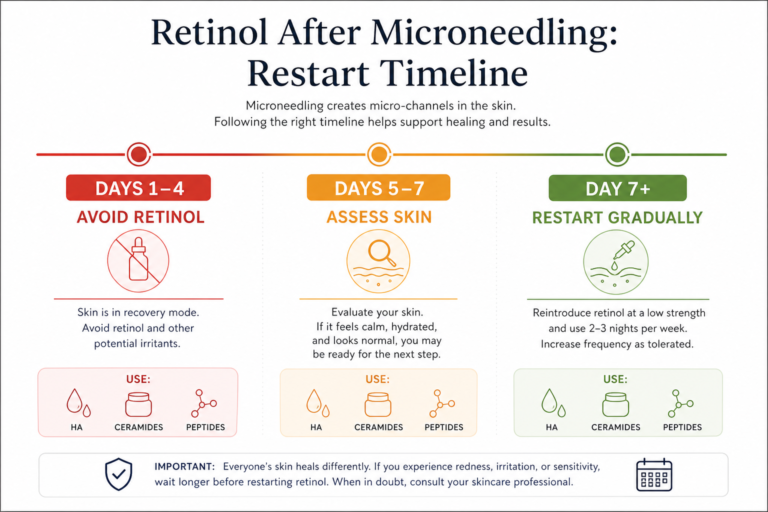
Microneedling, or skin needling, uses fine needles to create controlled micro-injuries in the scar tissue, stimulating the body’s natural collagen remodelling response. It can improve scar texture, softness, and surface appearance and is generally considered safe across a range of skin tones. Microneedling is typically performed in a series of sessions spaced four to six weeks apart and is often combined with topical treatments applied immediately after needling to enhance penetration.
Scar Revision Surgery
In cases where a scar has healed with significant widening, poor positioning, or a contracture that limits arm movement, scar revision surgery may be considered. This involves surgically excising the problematic scar and reclosing the wound under optimal conditions. Techniques such as Z-plasty may be used to reorient the scar and reduce tension, particularly where axillary contracture is a concern. Scar revision is not undertaken lightly — the new scar will itself need time to mature — and is generally reserved for cases where conservative and minimally invasive approaches have been insufficient.
Emerging Approaches
Research into newer scar management strategies is ongoing. Botulinum toxin injections have been investigated as a preventive measure for hypertrophic scar formation by reducing wound tension during early healing, with some promising early results. Microcurrent therapy has been the subject of a completed clinical trial (NCT04066946) specifically examining its effects on brachioplasty scars, though results from this research are still being evaluated. Laser-assisted scar remodelling protocols continue to evolve. Patients interested in emerging options should discuss the current evidence base with their surgeon or dermatologist before pursuing these treatments.
The Scar Versus Result Trade-Off: An Honest Assessment
The central question for most patients considering an arm lift is whether the improvement in arm contour and skin laxity is worth accepting a permanent scar. This is a genuinely individual decision, and the honest answer is that it depends on how significantly excess skin is affecting your quality of life, confidence, and physical comfort.
Patient-reported outcome data collected using validated instruments such as the BODY-Q consistently shows that the majority of patients who undergo brachioplasty report meaningful improvements in body image, confidence, and the ability to wear clothing they previously avoided — including sleeveless tops and swimwear. For many patients, particularly those who have experienced significant weight loss and carry substantial excess skin on the upper arms, the functional and psychological benefit of the procedure outweighs the presence of a scar. However, for patients with only mild skin laxity or those who are primarily motivated by cosmetic concerns rather than functional limitation, the scar trade-off may feel less acceptable, and non-surgical alternatives or a limited-incision approach may be worth exploring first.
It is also worth noting that the scar’s final appearance at two years is typically very different from its appearance at two months. Patients who see their scar at its most prominent in the early post-operative period sometimes regret their decision, only to feel very differently once the scar has matured. Viewing realistic before and after photographs at multiple time points — not just immediately post-surgery — provides a more accurate picture of the likely long-term outcome.
Frequently Asked Questions
Will my arm lift scar ever disappear completely?
A brachioplasty scar will not disappear entirely. Over 12 to 24 months it typically fades from red and raised to a thin, pale, flat line, but some degree of visible scarring is a permanent outcome of the procedure. The goal of scar management is to achieve the least visible scar possible, not to eliminate it.
When can I start using scar cream or silicone sheets?
Silicone-based scar products should only be applied once the wound is fully closed with no open areas. This is usually around two to four weeks after surgery, but your surgeon will confirm the appropriate timing based on how your wound is healing. Starting too early on an incompletely healed wound can cause irritation or infection.
How long does the scar fading timeline take?
Most of the visible improvement in scar colour and texture occurs between three and twelve months after surgery. However, the scar maturation process continues for up to 24 months, and the final result is not fully apparent until this point. Patients should avoid judging the outcome too early.
Can I have a mini arm lift to avoid a long scar?
A limited-incision arm lift produces a shorter scar confined to the armpit area, but it is only appropriate for patients with mild, localised skin laxity near the axilla. If you have significant excess skin along the length of the upper arm, a mini arm lift will not achieve adequate correction, and a standard or extended brachioplasty will be needed. Your surgeon will assess your anatomy and advise on the most suitable technique.
What is a hypertrophic scar and am I at risk?
A hypertrophic scar is one that remains raised, red, and firm within the boundaries of the original wound. It differs from a keloid scar, which grows beyond the wound margins. Hypertrophic scarring after brachioplasty is more common in patients with darker skin tones, a personal or family history of problematic scarring, or in cases where wound tension was high. If you are concerned about your risk, discuss it with your surgeon before the procedure.
Is there anything I can do to prevent a bad scar before surgery?
Stopping smoking well in advance of surgery, maintaining a stable weight, optimising nutrition, and following all pre-operative instructions from your surgeon are the most important steps you can take before the procedure. After surgery, consistent adherence to scar care protocols — silicone therapy, sun protection, and scar massage — gives you the best chance of a favourable outcome.
When should I be concerned about my scar?
Contact your surgical team if you notice signs of infection such as increasing redness, warmth, swelling, or discharge from the wound; if the wound appears to be opening; or if the scar becomes progressively more raised and uncomfortable beyond the first few months. A scar that continues to thicken or spread after six months may benefit from early intervention with corticosteroid injections or laser therapy.
Making an Informed Decision About Arm Lift Scarring
Arm lift scarring is a permanent and unavoidable aspect of brachioplasty, but for the right patient it is a trade-off that the majority find acceptable once the scar has matured. The key is entering the process with accurate, realistic expectations: understanding where the scar will be placed, what it will look like at each stage of healing, which factors may influence your individual outcome, and what options are available if the scar does not heal as hoped.
Choosing a surgeon with specific experience in arm contouring procedures, discussing your skin type and scar history openly before surgery, and committing to a consistent post-operative care routine are the most important steps you can take to optimise your result. If you are considering an arm lift and want to understand how the scar outcomes might look for your specific anatomy and skin type, a consultation with a qualified plastic surgeon will provide the most personalised and accurate guidance.