What Is Microneedling? How It Works, Benefits, Risks & Results
Microneedling is a minimally invasive procedure that uses fine needles to create controlled micro-injuries in the skin, triggering the body’s natural wound healing response and stimulating collagen and elastin production. It is one of the most widely studied skin rejuvenation treatments available in professional clinics today, with applications ranging from acne scarring and fine lines to enlarged pores and stretch marks. This article explains how microneedling works, what the procedure involves, who may benefit, what results are realistic, and what risks and limitations to consider before booking a consultation.
Key Takeaways
- Microneedling — also called collagen induction therapy — stimulates the skin’s own repair mechanisms to improve texture, tone, and firmness over time.
- Most patients require a course of 3–6 sessions spaced 4–6 weeks apart; visible improvement typically develops over 4–12 weeks as collagen remodelling progresses.
- Microneedling is generally considered safe for a wider range of skin tones than heat-based treatments, though post-inflammatory hyperpigmentation remains a risk in some individuals.
- Radiofrequency microneedling and PRP combinations may enhance outcomes for certain concerns, but add cost and complexity.
- At-home dermaroller devices are not equivalent to professional treatment and carry meaningful infection and injury risks if used incorrectly.
How Microneedling Works: The Science Behind the Treatment
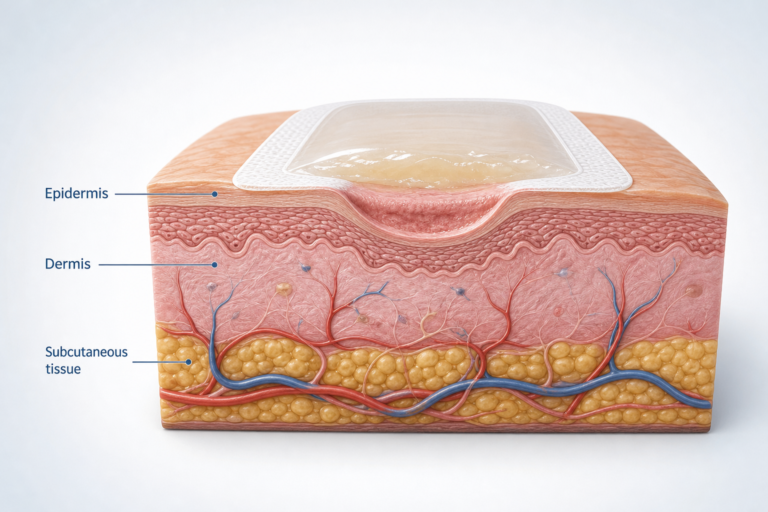
Microneedling works by delivering controlled micro-injuries to the epidermis and upper dermis using a device fitted with fine, sterile needles. These tiny punctures are shallow enough to avoid lasting damage but deep enough to activate the skin’s wound healing cascade. In response, the body releases growth factors and signals fibroblast cells in the dermis to produce new collagen and elastin — the structural proteins responsible for skin firmness, elasticity, and smoothness. This process is sometimes called percutaneous collagen induction (PCIT) in clinical literature.
The depth of needle penetration is adjusted depending on the concern being treated and the area of the face or body. Shallower depths of around 0.25–0.5 mm are used for general skin texture refinement and product absorption, while depths of 1.0–1.5 mm or greater may be used for acne scars, stretch marks, and more significant skin laxity. Deeper settings are typically reserved for trained practitioners working in clinical settings, as the risk of adverse effects increases with depth. The skin remodelling process continues for several months after each session, which is why results are gradual rather than immediate.
Beyond collagen synthesis, microneedling also improves transdermal drug delivery. The micro-channels created during treatment temporarily increase the skin’s permeability, allowing topically applied serums — such as hyaluronic acid or platelet-rich plasma — to penetrate more effectively than they would through intact skin. This is one reason why many practitioners apply active serums during or immediately after the procedure.
What Conditions Can Microneedling Treat?
Microneedling has been studied for a broad range of skin concerns. The strongest clinical evidence supports its use for atrophic acne scarring, where multiple peer-reviewed studies report meaningful improvement after a course of sessions. A frequently cited figure in dermatology literature is approximately 50–70% improvement in acne scar appearance following a series of professional treatments, though individual outcomes vary considerably depending on scar type, depth, and skin characteristics.
- Acne scarring: Particularly atrophic (depressed) scars such as rolling and boxcar types; considered one of the most evidence-supported indications.
- Fine lines and wrinkles: Especially superficial lines around the eyes, mouth, and forehead where collagen loss contributes to skin thinning.
- Skin texture and tone: Uneven surface texture, rough patches, and dullness often respond well to a course of treatment.
- Enlarged pores: Pore size may appear reduced as surrounding collagen support improves.
- Hyperpigmentation and uneven skin tone: Including some forms of melasma and sun-related discolouration, though results for pigmentation are more variable.
- Stretch marks (striae): Particularly on the abdomen, thighs, and décolleté; improvement is possible but typically requires more sessions and results are less predictable than for facial concerns.
- Skin laxity and firmness: Mild to moderate skin tightening may occur as new collagen matures, particularly with radiofrequency microneedling.
- Surgical and traumatic scars: Evidence supports use for non-keloid scars, though timing and scar maturity affect suitability.
- Hair loss (alopecia): Microneedling is increasingly used alongside topical treatments such as minoxidil for androgenetic alopecia. Early clinical data is encouraging, though this application is still developing and should be discussed with a specialist.
Microneedling is also used on body areas beyond the face, including the neck, décolleté, abdomen, and upper arms. Results on body skin tend to require more sessions and may be less dramatic than facial outcomes, partly because facial skin has a higher density of sebaceous glands and healing capacity.
Types of Microneedling: Standard, RF, PRP, and At-Home
| Type | Mechanism | Best For | Approximate Cost Per Session | Downtime |
|---|---|---|---|---|
| Standard microneedling | Mechanical micro-injuries; collagen induction | Texture, acne scars, pores, fine lines | £150–£400 / $200–$600 | 1–3 days |
| Radiofrequency microneedling (RF microneedling) | Micro-injuries + radiofrequency heat energy delivered to dermis | Skin tightening, deeper scars, laxity | £400–£1,200 / $500–$1,800 | 2–5 days |
| Microneedling with PRP (platelet-rich plasma) | Micro-injuries + growth factors from patient’s own blood | Acne scars, skin rejuvenation, hair loss | £300–£700 / $400–$900 | 2–4 days |
| At-home dermaroller | Shallow mechanical micro-injuries (0.25–0.5 mm) | Product absorption, mild texture | £10–£60 / $15–$80 (device cost) | Minimal |
Standard microneedling uses a microneedling pen or automated stamping device fitted with a disposable needle cartridge. The practitioner adjusts needle depth and speed according to the treatment area and concern. This is the most widely available form and is suitable for most skin rejuvenation goals.
Radiofrequency microneedling combines the mechanical action of needles with radiofrequency energy delivered directly into the dermis. The heat generated by the RF energy adds a skin tightening effect beyond what needles alone can achieve, making it particularly useful for skin laxity and deeper scarring. Devices such as Morpheus8, Vivace, and Genius are examples of RF microneedling platforms. RF microneedling typically costs more and may involve slightly more downtime than standard treatment.
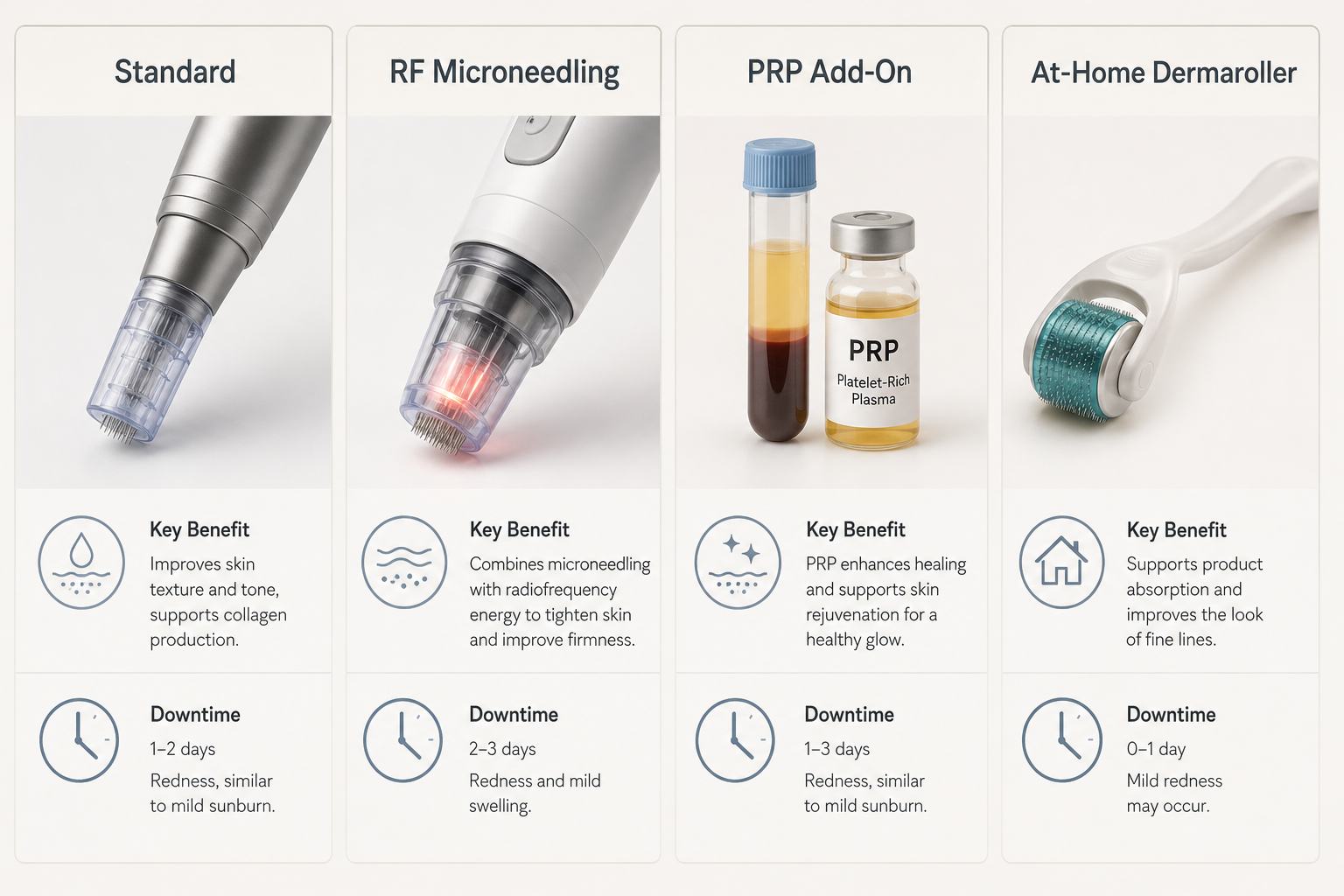
Microneedling with platelet-rich plasma (PRP) — sometimes called a vampire facial — involves applying a concentration of the patient’s own growth-factor-rich plasma to the skin during or after microneedling. The micro-channels created by the needles enhance PRP absorption. Evidence for PRP as an add-on is promising, particularly for acne scarring and hair loss, though research is still accumulating and results vary between individuals.
At-home dermaroller devices are available over the counter but are not equivalent to professional treatment. Consumer devices are limited to needle lengths of 0.25–0.5 mm for safety reasons, which restricts their ability to reach the dermal layers where meaningful collagen stimulation occurs. Improper technique, inadequate sterilisation, and overuse also carry real risks of infection, skin damage, and post-inflammatory hyperpigmentation. At-home devices may support product absorption but should not be expected to replicate clinical outcomes.
What to Expect During a Professional Microneedling Session
- Consultation and skin assessment: A qualified practitioner reviews your skin concerns, medical history, current medications, and treatment goals. Fitzpatrick skin type is assessed to guide needle depth and post-treatment care, particularly regarding pigmentation risk.
- Pre-treatment preparation: The skin is cleansed thoroughly. A topical numbing cream is applied and left for approximately 20–40 minutes to minimise discomfort during the procedure.
- The treatment: The practitioner moves the microneedling pen systematically across the treatment area. Most patients describe the sensation as a mild scratching or vibrating pressure. Sensitive areas such as the forehead and around the nose may feel more intense. A full-face session typically takes 20–40 minutes.
- Serum application: A calming or active serum — commonly hyaluronic acid — is applied immediately after needling to take advantage of enhanced transdermal drug delivery through the open micro-channels.
- Post-treatment care instructions: The practitioner provides specific aftercare guidance. The skin will appear red and may feel warm, similar to mild sunburn, for 24–48 hours.
The number of sessions recommended depends on the concern being treated. General skin texture and tone improvements may be achievable with 2–3 sessions, while acne scarring typically requires 4–6 sessions or more. Sessions are usually spaced 4–6 weeks apart to allow the skin’s collagen remodelling cycle to progress between treatments.
Needle Depth Guide by Skin Concern
Needle depth is one of the most important variables in microneedling and should always be set by a trained practitioner based on individual assessment. The following ranges reflect general clinical practice; actual settings will vary by device, skin thickness, and patient tolerance.
| Needle Depth | Primary Application | Notes |
|---|---|---|
| 0.25–0.5 mm | Product absorption, mild texture, sensitive areas | Suitable for at-home use; minimal collagen stimulation |
| 0.5–1.0 mm | Fine lines, pore size, general skin rejuvenation | Standard professional range for facial skin |
| 1.0–1.5 mm | Acne scars, hyperpigmentation, skin laxity | Requires professional setting; more downtime |
| 1.5–2.5 mm | Deep acne scars, stretch marks, body skin | Clinical use only; higher risk of side effects if misapplied |
Microneedling Results and Timeline
Microneedling results develop gradually because they depend on the skin’s own collagen remodelling process, which takes time. Most patients notice an initial improvement in skin radiance and hydration within the first week as surface-level inflammation resolves. More meaningful changes in texture, scar appearance, and firmness typically become visible between weeks 4 and 8 after a session, as new collagen fibres mature and reorganise within the dermis.
Full results from a complete course of treatment are generally seen at 3–6 months after the final session. Collagen remodelling continues for several months, which means the skin may continue to improve even after the treatment series has ended. Maintenance sessions every 6–12 months are commonly recommended to sustain results, as the skin’s natural ageing process continues to reduce collagen over time.
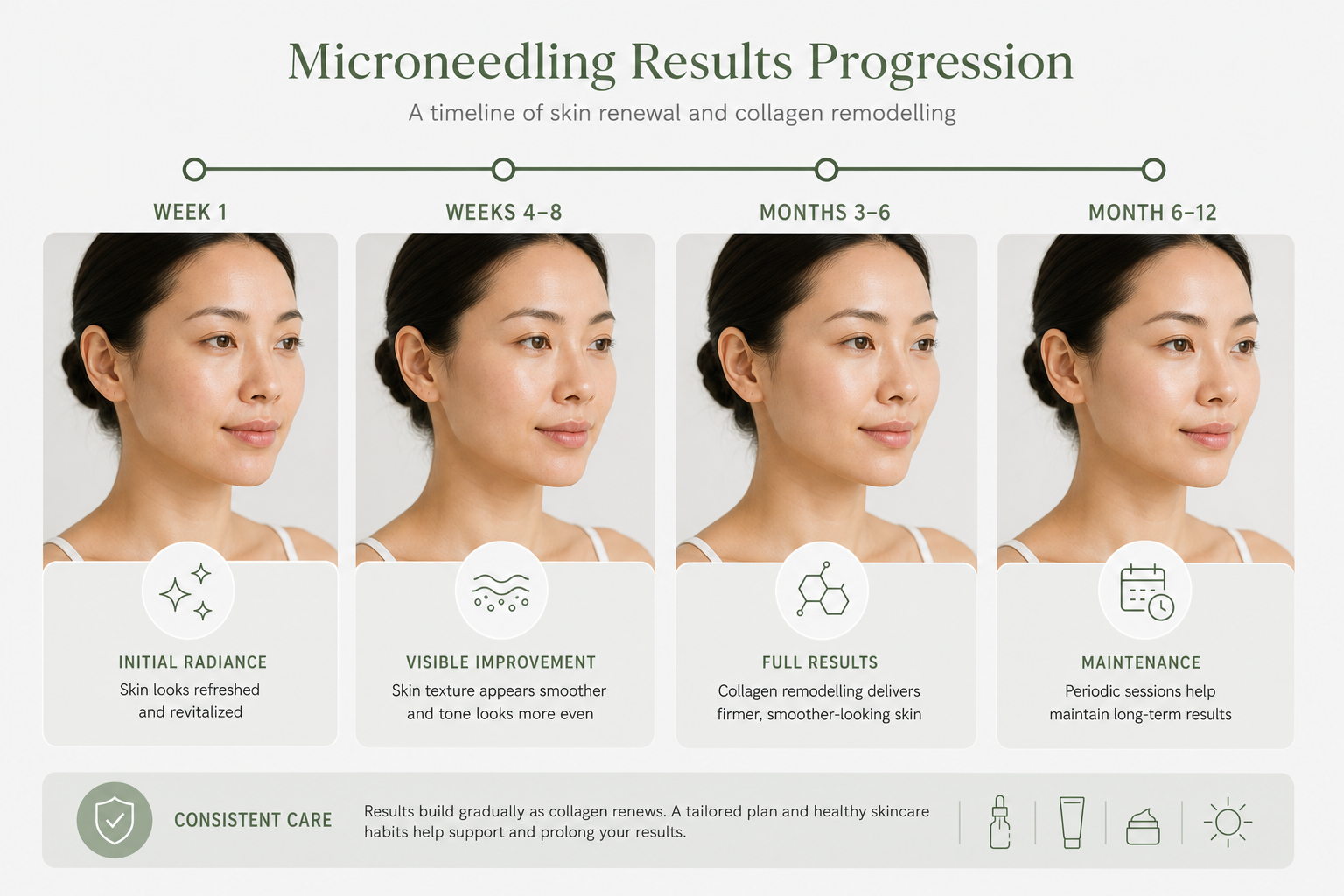
Results vary meaningfully between individuals depending on age, skin condition, the number of sessions completed, the concern being treated, and adherence to aftercare. Acne scarring, in particular, shows a wide range of outcomes — some patients achieve substantial improvement while others see more modest changes, especially with deeper or ice-pick type scars.
Microneedling Aftercare: What to Do and Avoid
| Timeframe | Do | Avoid |
|---|---|---|
| First 24 hours | Use a gentle cleanser; apply hyaluronic acid serum; keep skin cool | Makeup; active skincare ingredients; touching the face unnecessarily |
| 24–48 hours | Continue gentle moisturiser; apply SPF when going outdoors | Exercise and sweating; heat (saunas, steam rooms, hot showers) |
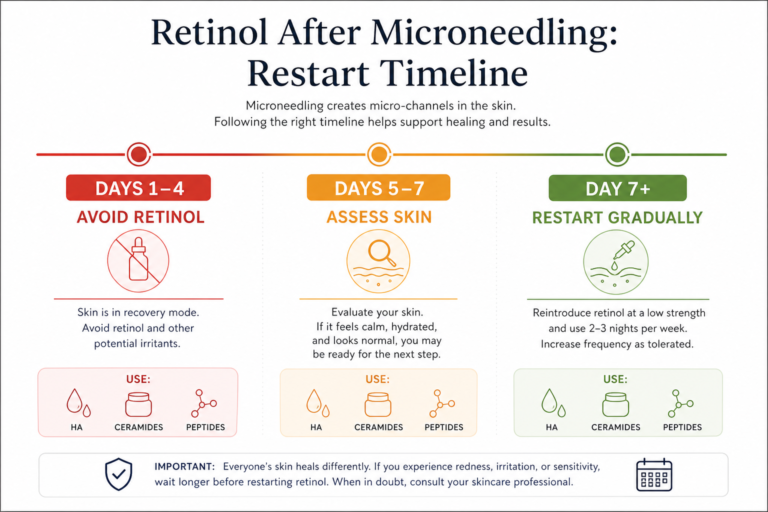
| 48–72 hours | Reintroduce mineral SPF; stay well hydrated | Swimming pools; retinoids; AHAs/BHAs; vitamin C serums |
| Up to 2 weeks | Consistent daily SPF; gentle skincare routine | Prolonged direct sun exposure; tanning beds |
Redness, mild swelling, and skin sensitivity are normal in the first 24–48 hours and typically resolve without intervention. Some patients experience mild flaking or dryness as the skin heals over the following days. Keeping the skin well moisturised and protected from UV exposure during this period supports recovery and helps protect the new collagen being formed.
Microneedling for Skin of Colour: What to Know
Microneedling is often described as suitable for a wider range of skin tones than laser resurfacing, and this distinction has a clear physiological basis. Unlike ablative lasers and many light-based devices, standard microneedling does not generate heat in the skin. Because melanocytes — the cells responsible for pigment production — are not thermally stimulated, the risk of treatment-induced pigmentation changes is lower than with heat-based alternatives.
However, post-inflammatory hyperpigmentation (PIH) remains a genuine risk in individuals with Fitzpatrick skin types III–VI, particularly if the skin is treated too aggressively, if aftercare is not followed carefully, or if the skin is exposed to UV light during recovery. Practitioners experienced in treating darker skin tones will typically use conservative needle depths, avoid excessive passes over the same area, and emphasise strict sun protection in the aftercare plan. Patients with a personal or family history of PIH or keloid scarring should discuss this explicitly during consultation.
Risks, Side Effects, and Contraindications
Microneedling is generally well tolerated when performed by a trained practitioner using an appropriate FDA-cleared device, but it is not without risk. Understanding both common side effects and less frequent complications helps patients make an informed decision.
Common side effects (expected and temporary):
- Redness and warmth (typically resolves within 24–48 hours)
- Mild swelling, particularly around the eyes
- Skin sensitivity and tightness
- Mild flaking or peeling as the skin heals
- Pinpoint bruising in some individuals
Less common but possible risks:
- Post-inflammatory hyperpigmentation, particularly in darker skin tones
- Infection if sterility protocols are not followed correctly
- Prolonged redness or irritation
- Milia (small cysts) in rare cases
- Scarring, including keloid formation in predisposed individuals
Who should avoid microneedling (contraindications):
- Active acne breakouts, eczema, rosacea, or psoriasis in the treatment area
- Active skin infection or open wounds
- History of keloid or hypertrophic scarring
- Current use of isotretinoin (Accutane) — most practitioners advise waiting at least 6 months after completing a course
- Pregnancy or breastfeeding
- Blood-thinning medications or clotting disorders (discuss with your prescriber)
- Immunosuppression or conditions affecting wound healing
- Recent radiation therapy to the treatment area
A thorough consultation with a qualified practitioner is essential to identify any contraindications and to determine whether microneedling is appropriate for your specific situation.
Pre-Treatment Preparation Checklist
Preparing the skin correctly before microneedling reduces the risk of adverse reactions and supports better healing. The following general guidance reflects common clinical recommendations, though your practitioner may provide specific instructions tailored to your skin and treatment plan.
- Avoid retinoids (retinol, tretinoin) for 5–7 days before treatment
- Avoid AHAs, BHAs, and exfoliating acids for 3–5 days before treatment
- Avoid NSAIDs such as ibuprofen for 3 days before treatment where possible, as they may affect the inflammatory healing response
- Do not use isotretinoin for at least 6 months before treatment
- Avoid prolonged sun exposure and tanning for at least 2 weeks before treatment
- Inform your practitioner of all medications, supplements, and skin conditions
- Arrive with clean skin, free of makeup and active skincare products
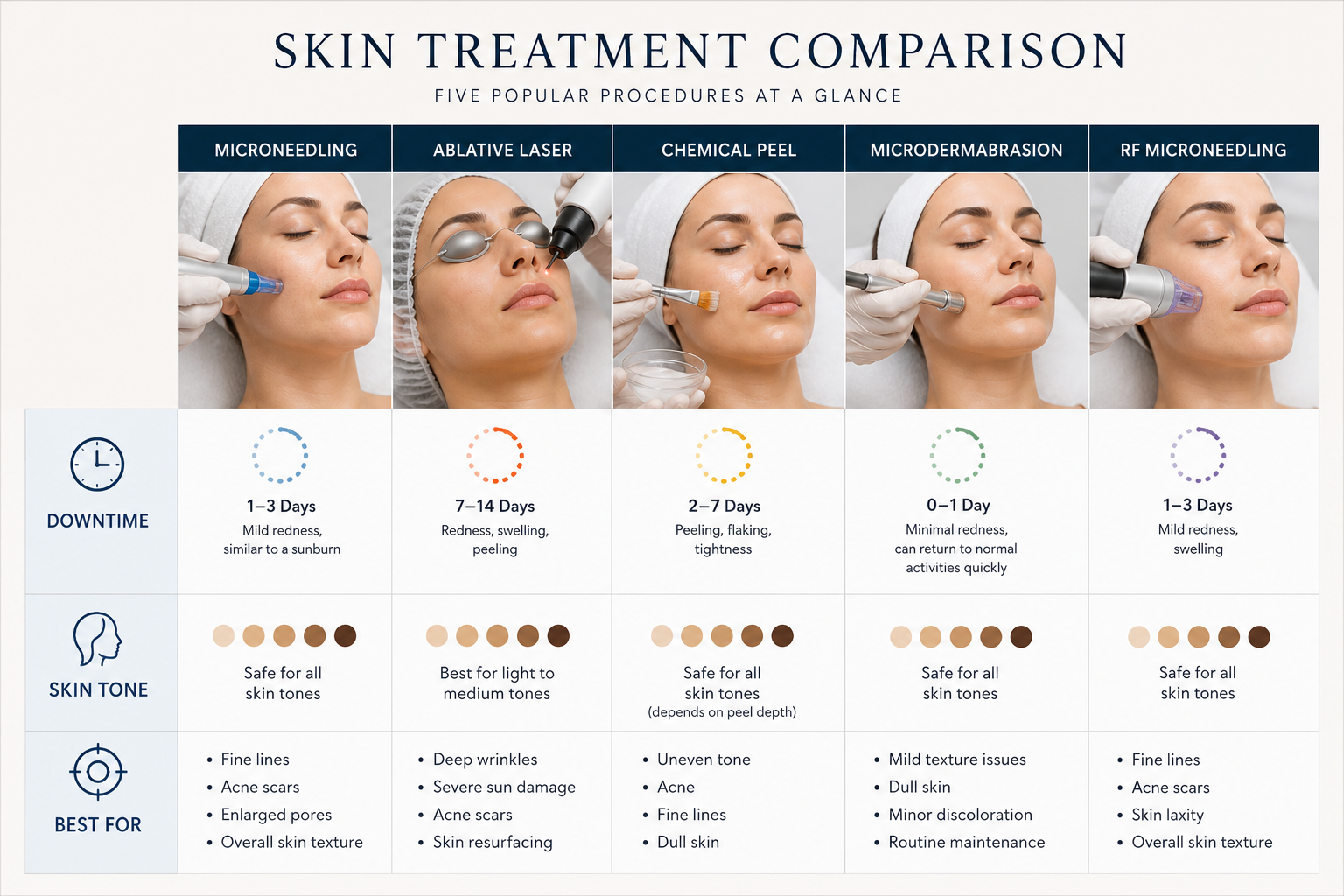
Microneedling vs. Alternatives: How Does It Compare?
| Treatment | Mechanism | Best For | Downtime | Approximate Cost (Course) | Skin Tone Suitability |
|---|---|---|---|---|---|
| Microneedling | Mechanical collagen induction | Scars, texture, pores, fine lines | 1–3 days | £450–£1,800 / $600–$3,600 | All skin tones (with care) |
| Ablative laser resurfacing | Controlled thermal injury to skin layers | Deeper wrinkles, significant sun damage | 7–14 days | £800–£3,000 / $1,000–$5,000 | Better suited to lighter skin tones |
| Chemical peel | Chemical exfoliation of skin layers | Pigmentation, texture, mild lines | 3–14 days (depth-dependent) | £200–£1,500 / $300–$2,500 | Varies by peel depth and skin tone |
| Microdermabrasion | Mechanical exfoliation of epidermis | Mild texture, dullness, superficial lines | Minimal | £150–£600 / $200–$900 | All skin tones |
| RF microneedling | Mechanical + radiofrequency heat | Laxity, deeper scars, tightening | 2–5 days | £1,200–£4,000 / $1,500–$5,400 | All skin tones (device-dependent) |
No single treatment is universally superior. The right choice depends on the specific concern, skin type, acceptable downtime, budget, and the practitioner’s assessment. Microneedling occupies a useful middle ground — more effective than microdermabrasion for structural concerns such as scarring, but with less downtime and lower pigmentation risk than ablative laser resurfacing for most skin tones.
Frequently Asked Questions
How many microneedling sessions will I need?
The number of sessions depends on the concern being treated. General skin texture and radiance improvements may be noticeable after 2–3 sessions, while acne scarring typically requires 4–6 sessions or more. Your practitioner will recommend a course based on your individual assessment.
Is microneedling painful?
Most patients find professional microneedling tolerable with the application of a topical numbing cream beforehand. Sensation varies by area — the forehead, nose, and bony areas tend to be more sensitive. Without numbing cream, the procedure would be significantly more uncomfortable.
How long do microneedling results last?
Results are not permanent. The new collagen produced gradually diminishes as the natural ageing process continues. Most practitioners recommend maintenance sessions every 6–12 months to sustain improvements. Consistent sun protection and a good skincare routine also help prolong results.
Can microneedling be combined with other treatments?
Yes. Microneedling is commonly combined with platelet-rich plasma (PRP), hyaluronic acid serums, and radiofrequency energy. It can also be incorporated into a broader treatment plan alongside injectables or other skin treatments, though timing and sequencing should be guided by your practitioner.
Is microneedling safe for darker skin tones?
Standard microneedling does not use heat, which makes it generally safer for darker skin tones than many laser treatments. However, post-inflammatory hyperpigmentation is still a risk, particularly with aggressive settings or inadequate sun protection during recovery. Choosing a practitioner experienced with your Fitzpatrick skin type is important.
What is the difference between a microneedling pen and a dermaroller?
A microneedling pen uses an automated stamping motion with a disposable needle cartridge, allowing precise depth control and consistent needle penetration. A dermaroller uses a rolling motion with fixed needles and offers less control over depth and pressure. Professional clinics predominantly use pen devices for this reason.
Does microneedling help with hair loss?
Microneedling is being studied as an adjunct treatment for androgenetic alopecia, often used alongside topical minoxidil. Early clinical evidence is encouraging, suggesting it may enhance the penetration and effectiveness of topical treatments and stimulate follicle activity. However, this application is still developing and a trichologist or dermatologist should be consulted for hair loss concerns.
Is Microneedling Worth Considering for Your Skin Concerns?
Microneedling is a well-established, evidence-supported skin rejuvenation treatment with a broad range of applications and a relatively favourable safety profile when performed by a trained practitioner using a sterile, FDA-cleared device. It is particularly well suited to patients seeking improvement in acne scarring, skin texture, fine lines, and enlarged pores, and it offers a meaningful advantage over heat-based alternatives for individuals with darker skin tones.
Realistic expectations are important. Microneedling produces gradual, cumulative results rather than dramatic immediate changes. A course of sessions is almost always required, and maintenance treatments are needed to sustain outcomes over time. Results vary between individuals, and some concerns — particularly deep ice-pick acne scars or significant skin laxity — may respond better to radiofrequency microneedling or combination approaches.
If you are considering microneedling, a consultation with a qualified aesthetic practitioner or dermatologist is the appropriate starting point. A thorough skin assessment will help determine whether microneedling is suitable for your specific concerns, which type and depth of treatment may be most appropriate, and what realistic outcomes you can expect from a personalised course of treatment.