Wax Burn Treatment: How to Treat Hair Removal Burns Safely
A wax burn can happen to anyone — whether you wax at home or visit a professional salon. The skin may turn red immediately, feel hot to the touch, or in more serious cases develop blistering or raw patches. Knowing how to respond in the first few minutes matters, and so does understanding what not to do, because some common home remedies can make the injury worse. This guide covers immediate first aid, a realistic healing timeline, body-area-specific considerations, how to prevent post-inflammatory hyperpigmentation, and clear guidance on when to seek medical attention.
Key Takeaways
- Cool running water — not ice — is the correct immediate first aid for a wax burn; apply for at least 10–20 minutes.
- Most minor wax burns are first-degree injuries that heal within a few days to one week with proper aftercare; second-degree burns with blistering require medical assessment.
- Wax burns and skin lifting (epidermal avulsion) are two distinct injuries with different causes, though both need gentle wound care.
- Certain medications and skincare ingredients — including retinoids, isotretinoin, and exfoliating acids — significantly increase burn risk and should be disclosed before any waxing appointment.
- Sun protection and fragrance-free moisturizer are essential during healing to reduce the risk of post-inflammatory hyperpigmentation, particularly on the face and bikini area.
Wax Burn vs. Skin Lifting: Understanding the Difference
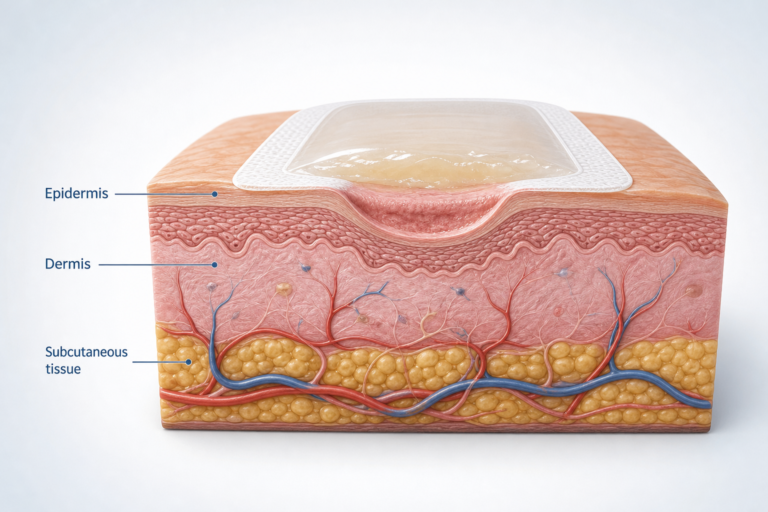
These two injuries are frequently confused, but they have different causes and slightly different management priorities. A true thermal wax burn occurs when wax is applied at too high a temperature, transferring heat energy into the skin and causing a thermal injury similar to any other burn. The skin may appear red, feel warm, and in moderate cases develop blisters. Skin lifting — more precisely called epidermal avulsion — is a mechanical injury. It happens when wax adheres too strongly to the skin surface and, on removal, pulls away the uppermost layer of skin rather than just the hair. The result is a raw, shiny, or weeping patch that looks almost like an abrasion. Skin lifting is more common with soft wax applied over the same area twice, or when the skin has been weakened by retinoids, recent chemical peels, or laser treatments.
Both injuries leave the skin barrier compromised and vulnerable to infection, and both require similar first-aid principles: gentle cleansing, protection from friction and contamination, and consistent moisturising. The key distinction is that a thermal burn may involve deeper tissue damage if the wax was significantly overheated, whereas skin lifting is typically confined to the epidermis. In practice, a wax burn on the face or bikini area caused by overheated wax can occasionally involve both mechanisms simultaneously.
Burn Severity: First-Degree vs. Second-Degree
Understanding burn severity helps you decide whether home treatment is appropriate or whether you need professional medical care.
| Characteristic | First-Degree (Superficial) | Second-Degree (Partial-Thickness) |
|---|---|---|
| Skin appearance | Red, dry, no blisters | Red, wet, blistering or raw |
| Pain level | Mild to moderate | Moderate to severe |
| Skin layers affected | Epidermis only | Epidermis and upper dermis |
| Typical healing time | 3–7 days | 1–3 weeks |
| Scarring risk | Low; PIH possible | Moderate; scarring possible |
| Home treatment suitable? | Usually yes, if small area | Medical assessment recommended |
Most waxing injuries are first-degree burns or superficial epidermal avulsions. A second-degree burn from waxing is less common but can occur when wax is severely overheated, when the same area is waxed repeatedly in one session, or when the skin has been significantly sensitised by medication or prior treatment. Any burn that covers a large surface area, involves blistering across more than a small patch, or occurs near the eyes warrants prompt medical attention regardless of apparent depth.
Immediate First Aid: Step-by-Step Wax Burn Treatment
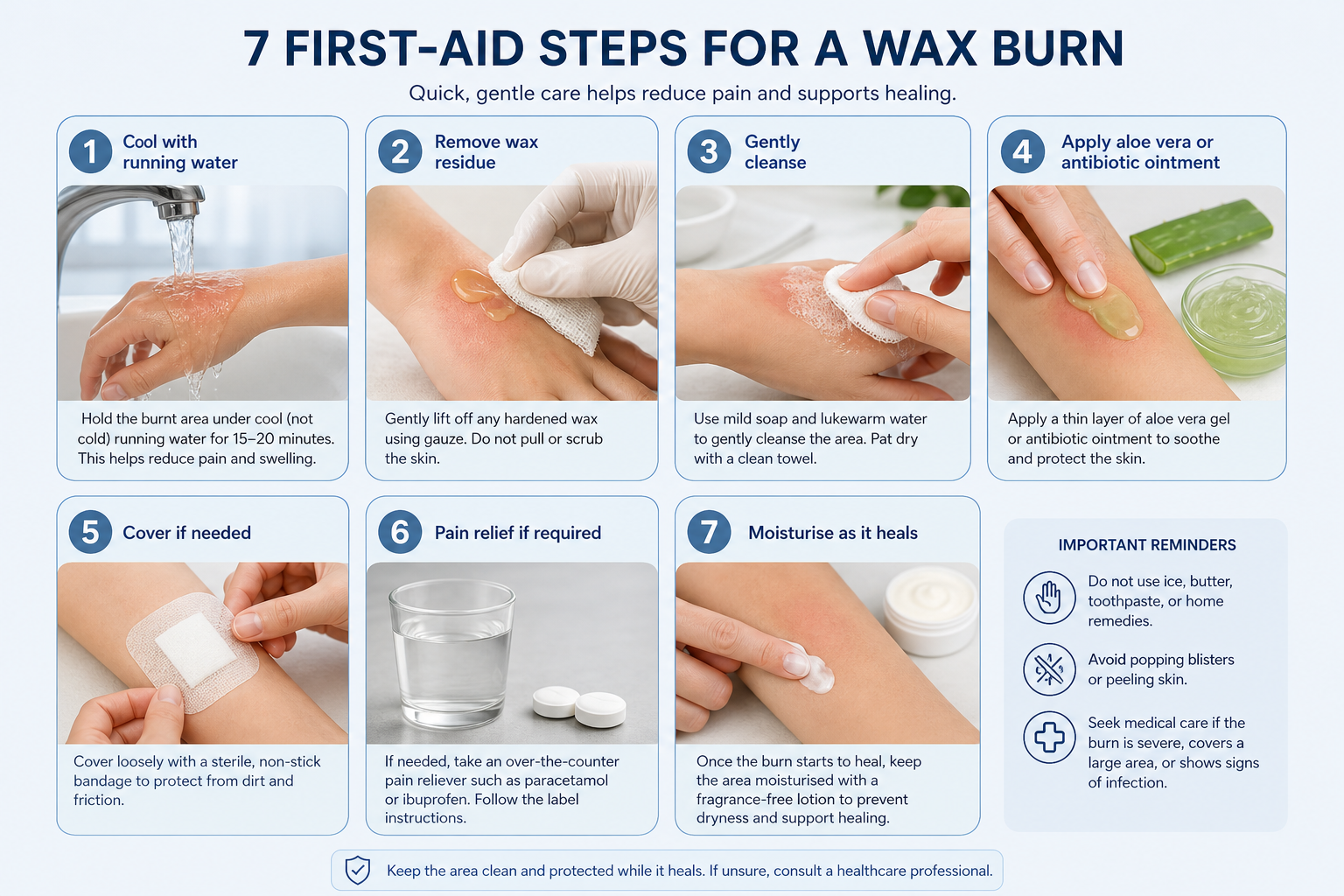
The first few minutes after a wax burn are the most important for limiting tissue damage and reducing inflammation. Follow these steps in order.
- Cool the skin with running water. Hold the affected area under cool running water for 10 to 20 minutes. Cool water — not ice, not ice-cold water — is the standard first-aid recommendation for burns. Applying ice directly to the skin can cause ice burn and restrict blood flow, worsening the injury. A cool damp cloth held gently against the area is an acceptable alternative if running water is not practical.
- Remove wax residue carefully. Once the skin has been cooled, remove any remaining wax residue. Do not pull or scrub. A small amount of petroleum jelly (such as Aquaphor or plain Vaseline) applied around the edges of the wax can help loosen it without additional trauma. Wipe gently with a soft cloth or clean gauze in the direction of hair growth.
- Gently cleanse the area. Use a mild, fragrance-free cleanser and lukewarm water to clean the skin. Pat dry with a clean cloth — do not rub.
- Apply a soothing topical agent. Pure aloe vera gel is widely used for minor burns and may help reduce redness and discomfort. For any area where the skin surface has been broken, a thin layer of antibiotic ointment such as bacitracin can help prevent infection. Hydrocortisone cream (1%) may help reduce inflammation and redness on intact skin, but should not be applied to open wounds or broken skin.
- Cover the area if needed. If the skin is broken or raw, cover it loosely with sterile non-stick gauze or a clean adhesive bandage. This protects the wound from friction and contamination. Change the dressing daily or whenever it becomes wet or soiled.
- Take an over-the-counter pain reliever if needed. Ibuprofen or another NSAID can help manage pain and reduce inflammation. Follow the dosage instructions on the packaging and check for any contraindications relevant to your health.
- Keep the area moisturised as it heals. Once the acute phase has passed and the skin is no longer broken, apply a fragrance-free moisturiser regularly to support the skin barrier and reduce peeling. Avoid any product containing alcohol, fragrance, or active ingredients such as retinol or exfoliating acids until the skin has fully recovered.
What Not to Put on a Wax Burn
Several commonly suggested home remedies can delay healing or cause additional harm. Avoid the following on any wax burn or area of skin lifting.
- Ice or ice packs directly on the skin. Ice causes vasoconstriction and can cause a secondary cold injury. Always wrap ice in a cloth if you use it at all, and limit contact to short intervals — though cool running water remains the preferred option.
- Butter, coconut oil, or other greasy food-based remedies. These can trap heat in the skin, introduce bacteria, and interfere with wound healing.
- Hydrogen peroxide or alcohol-based products. These are cytotoxic to healing skin cells and can delay recovery and increase scarring risk.
- Perfumed lotions, toners, or body sprays. Fragrance ingredients are common irritants and can provoke an inflammatory reaction on compromised skin.
- Retinol, retinoids, or exfoliating acids (AHAs, BHAs). These active ingredients thin the skin barrier and should be avoided until the burn has fully healed.
- Makeup or concealer on the affected area. Applying makeup over a wax burn on the face can introduce bacteria and irritants into broken skin.
- Scrubbing or exfoliating. Avoid any physical or chemical exfoliation on or near the burn. Do not pick or peel dry or flaking skin during recovery.
- Hot showers, saunas, steam rooms, or tanning beds. Heat and UV exposure can worsen inflammation, delay healing, and significantly increase the risk of post-inflammatory hyperpigmentation.
Body-Area-Specific Considerations
Different areas of the body have different skin thickness, sensitivity, and healing characteristics. These differences affect both the likelihood of a burn and the risk of lasting pigmentation changes.
Wax Burn on the Face
Facial skin — particularly around the upper lip, eyebrows, and cheeks — is thinner and more vascular than skin on the legs or arms. A wax burn on the face tends to be more visually prominent and may cause more discomfort relative to its size. The risk of post-inflammatory hyperpigmentation (PIH) is higher on the face, especially in people with medium to deep skin tones. Avoid applying any makeup to the area until the skin has fully closed and healed. Eyebrow wax burns near the eye area should be assessed by a medical professional if there is any concern about proximity to the eye itself.
Upper Lip Wax Burn
The upper lip is one of the most common sites for wax burns because the skin is delicate and the area is frequently waxed. People using topical retinoids or prescription acne treatments on the face are at particularly high risk of skin lifting in this area. Cool the area promptly, avoid licking the skin, and keep the area clean and moisturised. Healing typically takes five to ten days for a minor burn, though PIH can persist for several weeks.
Bikini and Brazilian Wax Burn
The bikini and Brazilian areas involve skin that is naturally more sensitive due to thinner skin, friction from clothing, and moisture. Burns in this area are more prone to secondary infection because of the warm, occluded environment. Keep the area clean and dry, wear loose-fitting cotton underwear, and avoid tight clothing, exercise that causes friction, and swimming pools or hot tubs until the skin has healed. Monitor closely for signs of infection.
Healing Timeline: What to Expect at Each Stage
Understanding the normal progression of a wax burn helps you distinguish expected healing from signs that something is wrong.
- Day 0 (immediately after): Redness, warmth, and mild swelling are normal. The skin may feel tender or stinging. This is the acute inflammatory phase.
- Days 1–3: Redness may deepen slightly before it begins to fade. Minor blistering can appear in moderate burns during this window. Do not puncture blisters; they protect the healing skin beneath.
- Days 2–7: Peeling skin is common as the damaged outer layer sheds. This is a normal part of healing. Do not pick or peel the skin manually, as this increases scarring risk.
- Week 1–2: New skin forms beneath the peeling layer. The area may appear pink or slightly shiny. Continue moisturising and applying SPF if the area is exposed to daylight.
- Week 2 and beyond: For minor burns, the skin surface should be largely restored. Any remaining discolouration is likely post-inflammatory hyperpigmentation rather than active injury.
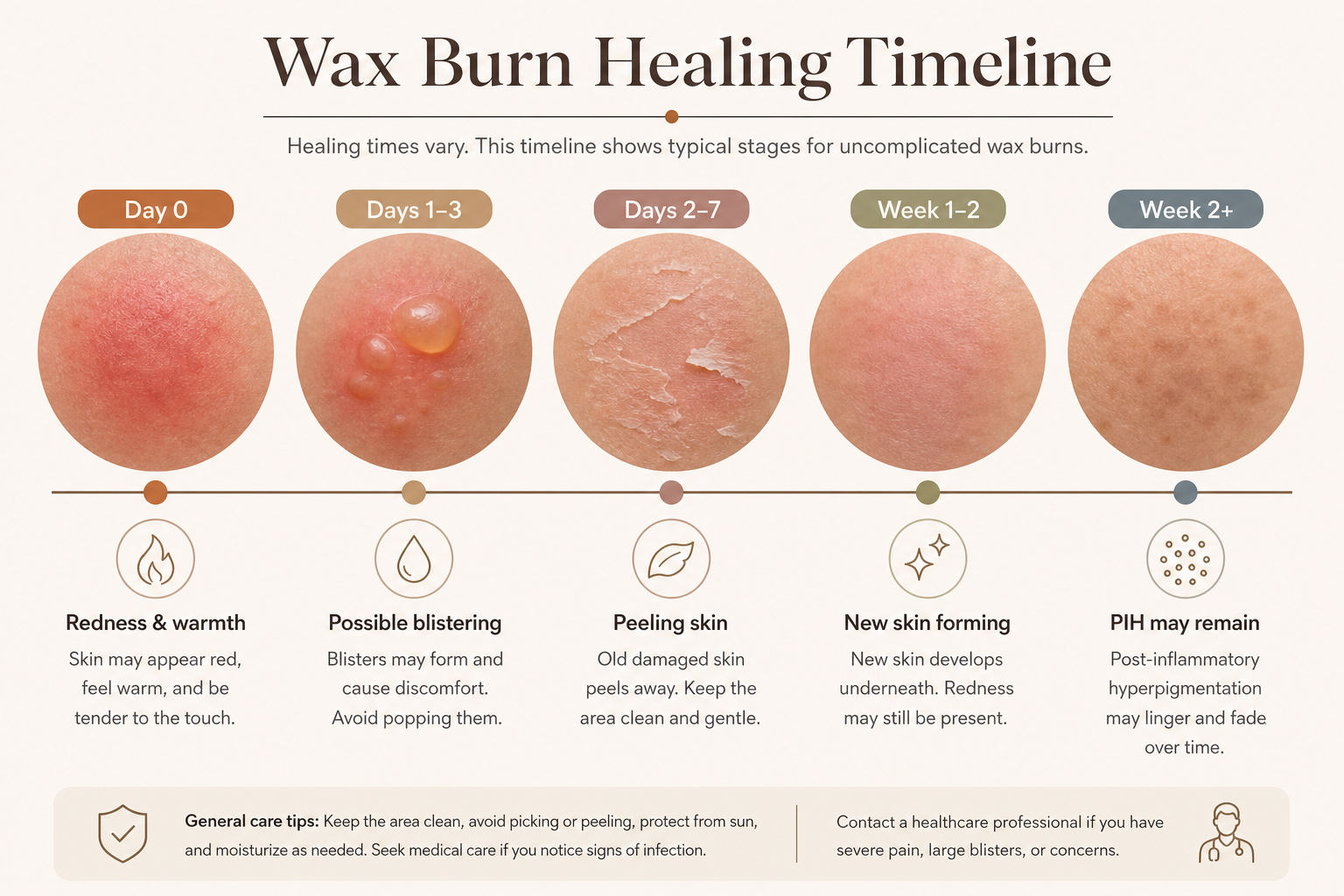
Healing timelines vary depending on burn depth, body area, individual skin type, and how consistently aftercare is followed. Facial burns and bikini area burns may take slightly longer to resolve fully due to ongoing friction and environmental exposure.
Managing Post-Inflammatory Hyperpigmentation After a Wax Burn
Post-inflammatory hyperpigmentation (PIH) refers to the dark spots or patches that can develop after skin inflammation or injury. It occurs when melanocytes — the pigment-producing cells in the skin — respond to inflammation by producing excess melanin. PIH is more common and more pronounced in people with medium to deep skin tones, though it can affect any skin type. On the face and bikini area, PIH from a wax burn can persist for weeks to several months if not managed proactively.
The most important step in preventing PIH is consistent sun protection. Apply a broad-spectrum sunscreen with SPF 30 or higher to any healed burn area that is exposed to daylight, even on cloudy days. UV exposure is the primary driver of PIH darkening. Once the skin has fully healed and is no longer broken or raw, ingredients such as vitamin C serum, niacinamide, and azelaic acid may help fade existing pigmentation over time. These should only be introduced gradually and after the skin barrier has fully recovered. For persistent or significant PIH, a dermatologist can advise on prescription-strength options or in-clinic treatments.
Scar prevention beyond the acute phase may also involve silicone gel sheets for any areas that have developed raised or thickened skin, though this is more relevant to deeper second-degree burns than to typical waxing injuries.
Contraindications: Who Is at Higher Risk of a Wax Burn
Certain medications and skincare ingredients significantly increase the risk of a wax burn or skin lifting, and this is one of the most important — and most under-discussed — aspects of waxing safety. Anyone using the following should inform their esthetician before a waxing appointment, or reconsider waxing altogether until the course of treatment is complete.
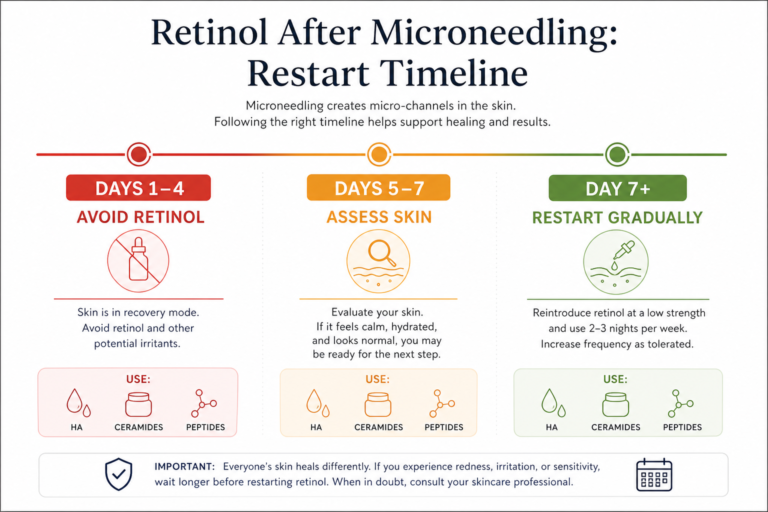
- Topical retinoids and retinol: These vitamin A derivatives thin the epidermis and weaken the skin barrier, making skin lifting far more likely. This retinoid contraindication applies to both prescription tretinoin and over-the-counter retinol products. Most guidelines recommend stopping retinoid use at least five to seven days before waxing.
- Oral isotretinoin (Accutane): Isotretinoin causes significant skin thinning and fragility. Waxing is generally contraindicated during a course of isotretinoin and for a period after completing treatment — a dermatologist should advise on the appropriate waiting period.
- Exfoliating acids (AHAs, BHAs): Glycolic acid, salicylic acid, lactic acid, and similar ingredients reduce the cohesion of the outer skin layer, increasing epidermal avulsion risk.
- Benzoyl peroxide: Commonly used for acne, benzoyl peroxide can sensitise and thin the skin surface.
- Recent chemical peels or laser treatments: Skin that has recently undergone a chemical peel or laser resurfacing is in an active healing state and should not be waxed until fully recovered.
- Topical or oral corticosteroids: Long-term steroid use can thin the skin, increasing vulnerability to mechanical injury.
- Certain antibiotics: Some antibiotics increase photosensitivity, which may compound post-wax skin reactions.
A thorough consultation and patch test before waxing — particularly for new clients or those who have changed their skincare routine — can identify these risk factors before a burn occurs.
Hard Wax vs. Soft Wax: Burn Risk Differences
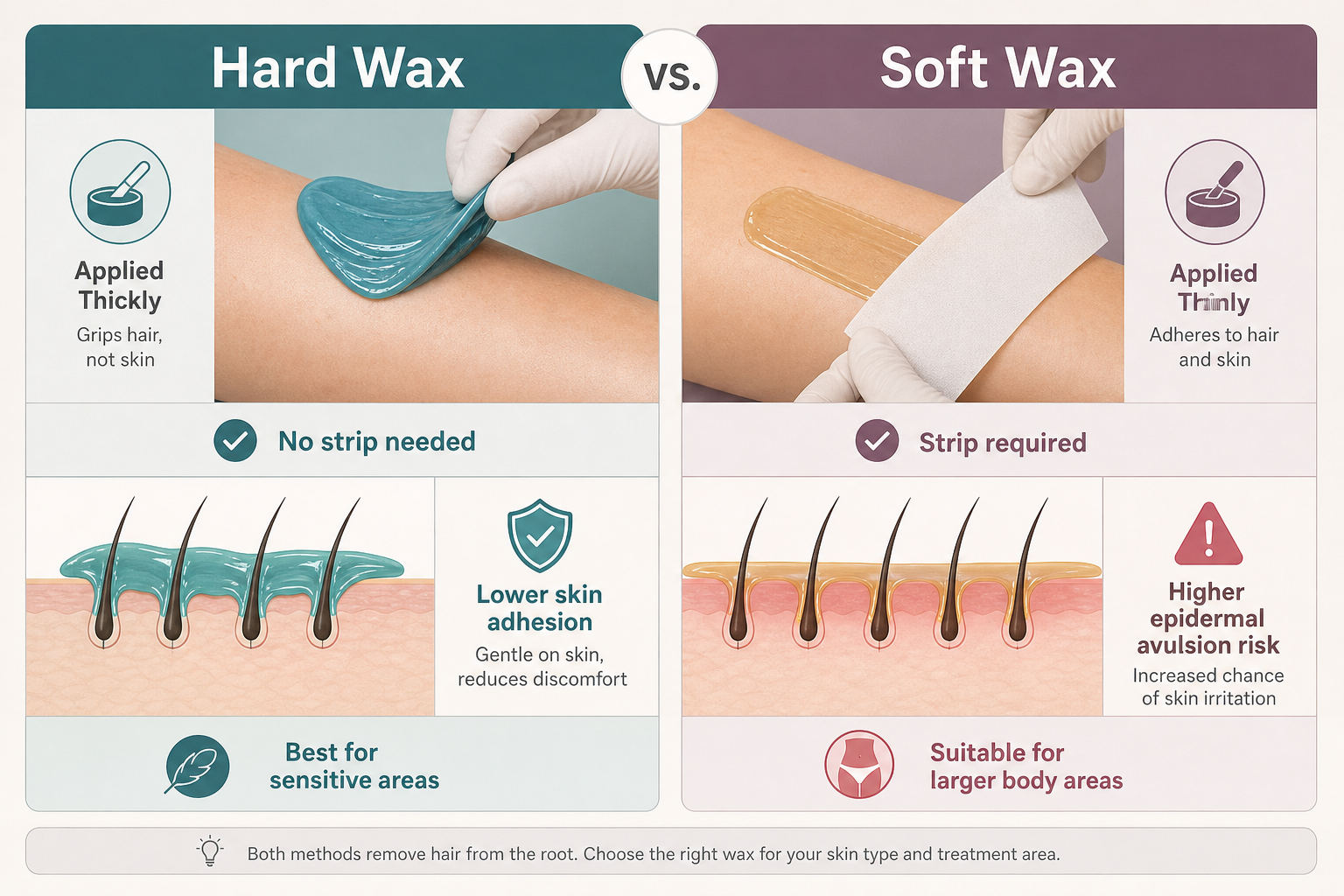
The type of wax used affects both the mechanism and likelihood of a burn. Hard wax is applied in a thicker layer and removed without a strip once it has set. Because it adheres primarily to the hair rather than the skin, hard wax generally causes less mechanical trauma and is preferred for sensitive areas such as the bikini line, underarms, and face. Soft wax is applied in a thin layer and removed with a cloth or paper strip. It adheres more strongly to the skin surface, which means double-passing the same area with soft wax significantly increases the risk of skin lifting. Both types can cause a thermal burn if applied at too high a temperature, but soft wax is more commonly associated with epidermal avulsion due to its adhesion characteristics.
When to See a Doctor
Most minor wax burns can be managed at home with appropriate first aid and aftercare. However, certain situations require prompt medical assessment.
- The burn covers a large area of skin or involves extensive blistering.
- The burn is located near the eyes or involves the eyelid area.
- Signs of infection develop: increasing redness spreading beyond the burn margin, warmth, swelling, pus or discharge, or fever.
- The burn does not show signs of improvement after five to seven days of appropriate home care.
- The pain is severe or worsening rather than gradually improving.
- You are unsure whether the burn is first-degree or deeper.
A dermatologist or general practitioner can assess burn depth, prescribe medicated creams if needed, and advise on scar prevention or PIH management for more significant injuries.
Prevention: Reducing the Risk of Future Wax Burns
Many wax burns are preventable with the right preparation and technique. The following measures apply whether you wax at home or visit a salon.
- Always perform a patch test when using a new wax product or visiting a new salon, particularly if you have sensitive skin or have recently changed your skincare routine.
- Test wax temperature on the inside of your wrist before applying it to a larger area. Wax should feel warm but not hot or painful.
- Avoid microwaving wax without a dedicated wax warmer, as microwave heating is uneven and can create hot spots.
- Disclose all medications and skincare products to your esthetician, particularly retinoids, exfoliating acids, and any recent cosmetic procedures.
- Do not wax over the same area twice in one session, especially with soft wax.
- Ensure hair is the right length — approximately a quarter of an inch — before waxing. Hair that is too short increases the likelihood of the wax gripping the skin rather than the hair.
- Prepare the skin properly: gently exfoliate 24 to 48 hours before waxing (not on the day itself), ensure the skin is clean and dry, and avoid applying lotions or oils on the day of the appointment.
- Use hard wax for sensitive areas such as the bikini line, underarms, and face where possible.
Frequently Asked Questions
Can I put aloe vera gel on a wax burn?
Yes. Pure aloe vera gel is a reasonable first-aid option for minor wax burns on intact skin. It may help soothe redness and discomfort. Choose a product that is as close to pure aloe as possible, without added fragrance, alcohol, or colouring agents. Aloe vera should not be applied to open wounds or broken skin in place of an antibiotic ointment.
How long does a wax burn take to heal?
A minor first-degree wax burn typically heals within three to seven days with consistent aftercare. Moderate burns involving some blistering or skin lifting may take one to two weeks. More significant second-degree burns can take two to three weeks or longer. Residual discolouration from post-inflammatory hyperpigmentation may persist for several weeks beyond the point at which the skin surface has healed.
Do wax burns leave scars?
Minor first-degree wax burns rarely leave permanent scars, though they can leave temporary dark spots (PIH) that fade over weeks to months. Second-degree burns carry a higher risk of scarring, particularly if blisters are broken prematurely or the wound becomes infected. Consistent sun protection and avoiding picking or peeling the skin are the most important steps in reducing this risk.
Can I cover a wax burn with makeup?
No — not while the skin is broken, raw, or actively healing. Applying makeup over a wax burn introduces potential irritants and bacteria into compromised skin and can delay healing. Once the skin surface has fully closed and healed, a mineral-based, fragrance-free product may be used cautiously, but it is best to wait until the area is fully recovered.
Is a wax burn the same as general post-wax redness?
No. Mild redness and sensitivity immediately after waxing is a normal inflammatory response that typically resolves within a few hours. A true wax burn involves more significant redness that persists, heat, tenderness, and potentially blistering or skin lifting. If redness fades within two to four hours and the skin feels normal, it is likely standard post-wax irritation rather than a burn.
Should I pop a blister from a wax burn?
No. Blisters should not be deliberately punctured. The fluid inside a blister is sterile and the blister itself acts as a natural protective barrier over the healing skin beneath. Breaking a blister prematurely increases infection risk and may worsen scarring. If a blister breaks on its own, clean the area gently, apply antibiotic ointment, and cover with a sterile non-stick dressing.
When Home Care Is Enough — and When It Is Not
The majority of wax burns are minor thermal injuries or superficial epidermal avulsions that respond well to prompt first aid and consistent aftercare. Cooling the skin immediately with cool running water, removing wax residue gently, applying aloe vera gel or antibiotic ointment, and protecting the area with a fragrance-free moisturiser and sun protection will support healing in most cases. Avoiding ice, greasy home remedies, alcohol-based products, and active skincare ingredients during recovery is equally important.
Where the injury is more extensive, involves blistering across a significant area, shows signs of infection, or does not improve within a week, a dermatologist or general practitioner should assess the wound. People with a history of keloid scarring, those with deeper skin tones who are more susceptible to PIH, or anyone who has experienced a burn near the eye area should have a lower threshold for seeking professional advice. Esthetician aftercare guidance given at the time of the appointment is also valuable — a trained professional should be able to identify the severity of a burn, apply appropriate first aid, and advise on follow-up care before you leave the salon.
If you experience repeated wax burns or skin lifting, it is worth reviewing your skincare routine for contraindicated ingredients, discussing your medical history with your esthetician, and considering whether an alternative hair removal method — such as laser hair removal, threading for facial areas, or depilatory creams — may be a safer long-term option for your skin type and sensitivity.