How Long Does Botox Fatigue Last? Causes, Timeline & Recovery Tips
Feeling unusually tired after a Botox appointment is more common than many patients expect. Post-Botox fatigue is generally a mild and self-limiting response that resolves within a few days, though the exact duration can vary depending on individual factors. This article explains why tiredness occurs after botulinum toxin treatment, how long it typically lasts, what you can do to recover more comfortably, and when prolonged tiredness after Botox warrants a conversation with your provider.
Key Takeaways
- Post-Botox fatigue is a recognised temporary side effect that most commonly resolves within 24 to 72 hours, though some patients experience mild tiredness for up to one week.
- The mechanism involves the body’s adjustment to botulinum toxin type A blocking acetylcholine at the neuromuscular junction, which can produce a broader sense of fatigue beyond the treated muscles.
- First-time Botox patients tend to notice fatigue more acutely than those who have had repeated treatments.
- Rest, hydration, a balanced diet, and avoiding strenuous activity for 24 to 48 hours are the most practical recovery measures.
- Fatigue lasting beyond two to three weeks, or accompanied by difficulty swallowing, breathing changes, or worsening muscle weakness, requires prompt medical assessment.
What Is Botox Fatigue?
Botox fatigue refers to a general sense of tiredness, low energy, or sleepiness that some patients notice in the hours or days following a botulinum toxin injection. It is distinct from the localised muscle relaxation that is the intended outcome of treatment. Instead, it presents as a systemic feeling of being run down — similar in character to the early stages of a mild viral illness, which is why it is sometimes grouped with flu-like symptoms after Botox. Patients may describe it as heaviness, a lack of motivation, or simply needing more sleep than usual. It is not a sign that something has gone wrong, and in the vast majority of cases it resolves without any intervention.
It is worth distinguishing Botox fatigue from other post-treatment experiences. Localised muscle weakness at or near the injection site is an expected and intended effect of the treatment. Fatigue, by contrast, is a whole-body sensation. Some patients also report mild nausea, chills, or body aches alongside tiredness, which together resemble a brief flu-like episode. These symptoms are generally mild and do not indicate infection or a serious adverse reaction in most cases.
Why Does Botox Cause Fatigue?
The active ingredient in Botox is onabotulinumtoxinA, a purified form of botulinum toxin type A. When injected, it works by blocking the release of acetylcholine at the neuromuscular junction — the point where a nerve signal meets a muscle fibre. Acetylcholine is the chemical messenger that tells muscles to contract. By inhibiting its release from the presynaptic membrane, botulinum toxin produces temporary muscle relaxation in the targeted area.
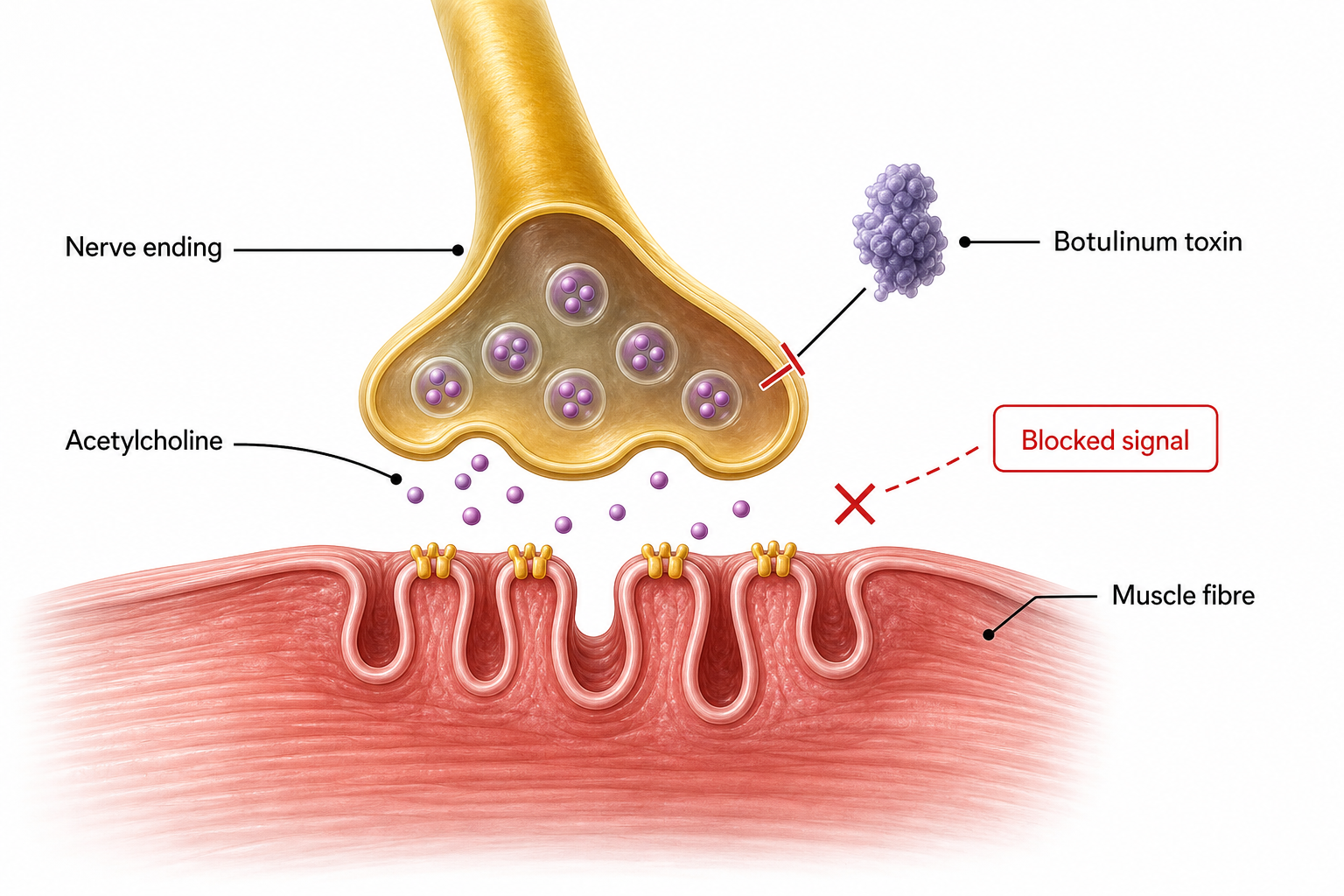
The fatigue some patients experience is thought to reflect the body’s broader adjustment to this nerve signal blockade. Although the toxin is injected locally, the nervous system’s response to even a localised disruption of acetylcholine signalling can produce systemic effects in some individuals. The body essentially registers a change in neuromuscular communication and responds with a generalised low-energy state while it adapts. This muscle relaxation response, while confined to the injection site in terms of the toxin’s direct action, can trigger a wider physiological adjustment that manifests as tiredness.
There is also an element of stress physiology involved. Anticipatory anxiety before an injection, the mild physical stress of the procedure itself, and the release of tension afterwards can all contribute to a post-appointment energy dip. This is not unique to Botox — many people feel tired after any minor medical procedure, even one that takes only a few minutes.
How Long Does Botox Fatigue Last? A Practical Timeline
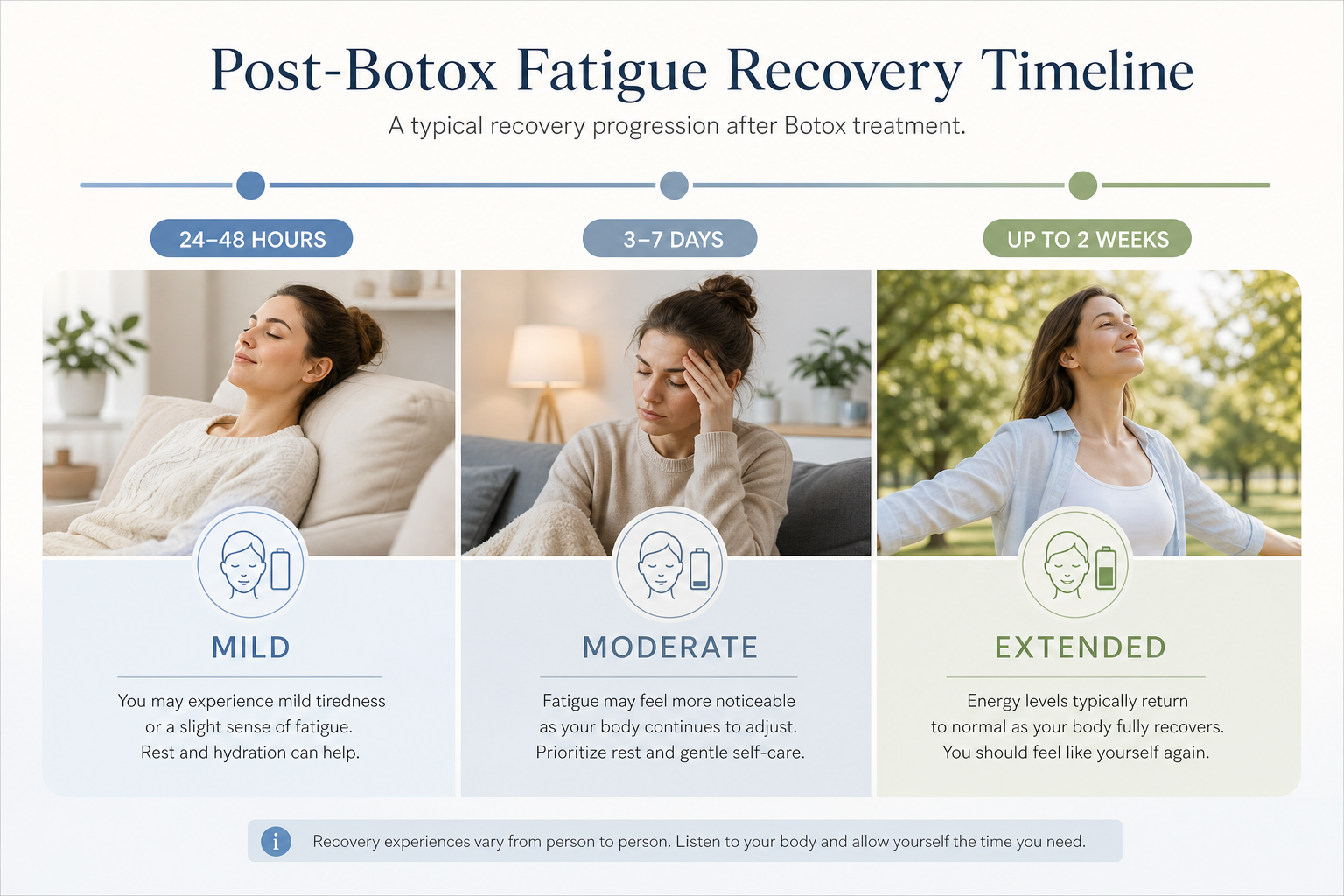
The duration of post-Botox fatigue varies between individuals, but the following timeline reflects what is typically reported in clinical practice and patient experience.
| Severity | Typical Duration | Common Features |
|---|---|---|
| Mild | 24 to 48 hours | Slight tiredness, desire to rest, mild drowsiness |
| Moderate | 3 to 7 days | Noticeable fatigue, flu-like symptoms, low energy, mild body aches |
| Extended | Up to 2 weeks | Persistent tiredness, may include mild chills or general malaise |
| Prolonged (uncommon) | Beyond 2 to 3 weeks | Warrants clinical review to rule out unrelated causes |
For most patients, fatigue after Botox is at its most noticeable within the first 24 to 48 hours and then gradually improves. By the end of the first week, the majority of patients report feeling back to their normal energy levels. An extended period of up to two weeks is less common but still within the range that practitioners generally consider acceptable, particularly in patients who are more sensitive to treatment or who had a larger treatment area addressed in a single session.
Fatigue lasting beyond two to three weeks is uncommon and should not be attributed to Botox without first ruling out other causes. At that point, a conversation with a healthcare provider is appropriate.
First-Time Patients vs. Repeat Treatments
First-time Botox patients are more likely to notice fatigue than those who have had repeated treatments. This is partly because the body has no prior experience of the neuromuscular adjustment that botulinum toxin produces. The nervous system’s initial response to acetylcholine inhibition at the neuromuscular junction tends to be more pronounced when it is encountered for the first time, which may explain why the systemic tiredness is more noticeable after a debut treatment.
With subsequent sessions, many patients report that fatigue either does not occur or is noticeably milder. The body appears to adapt over time, and the adjustment period shortens. However, this is not universal — some individuals continue to experience mild tiredness after every treatment, particularly if their overall health, stress levels, or sleep quality vary between appointments. It is also worth noting that if the treatment area is expanded in a later session, fatigue may return more noticeably even in experienced patients.
Factors That May Influence How Long Fatigue Lasts
Several individual and treatment-related factors can affect both the likelihood and duration of post-Botox fatigue. Understanding these can help patients prepare and manage their recovery more effectively.
- Overall health and immune status: Patients who are already tired, unwell, or under significant stress before their appointment may find that fatigue is more pronounced and lasts longer.
- Dehydration: Arriving at an appointment dehydrated can amplify post-treatment tiredness. Adequate fluid intake before and after treatment supports recovery.
- Treatment area and extent: Larger treatment areas or multiple injection sites in a single session may be associated with a more noticeable fatigue response, as the body is adjusting to a wider disruption of neuromuscular signalling.
- Individual sensitivity: Some people are simply more sensitive to botulinum toxin’s systemic effects. This is not predictable in advance and does not necessarily reflect a problem with the treatment or the practitioner’s technique.
- Sleep quality the night before: Poor sleep before an appointment can make post-treatment fatigue feel significantly worse. Arriving well-rested is a practical way to reduce the impact.
- Anxiety around the procedure: Heightened anxiety before or during the injection can trigger a stress response that contributes to post-appointment tiredness, independent of the toxin’s direct effects.
Does the Number of Units Affect Fatigue?
Patients sometimes assume that receiving more units of Botox will automatically produce more fatigue. The relationship is not straightforward. Botulinum toxin fatigue appears to be more closely related to individual sensitivity and the body’s systemic response to the treatment than to the precise number of units administered. A patient receiving a modest dose for forehead lines may experience more fatigue than another patient receiving a higher dose for a different area, simply because of differences in individual physiology.
That said, treating a significantly larger area in a single session — such as combining multiple facial zones with neck or jaw treatment — does appear to increase the likelihood of a more noticeable fatigue response. This is likely because the cumulative effect on neuromuscular signalling across a wider area places a greater demand on the body’s adjustment process. Practitioners typically consider this when planning treatment, and patients with a history of pronounced fatigue may benefit from discussing a staged approach.
Symptoms to Expect Alongside Fatigue
Post-Botox fatigue rarely occurs in complete isolation. The following symptoms are commonly reported alongside tiredness and are generally considered part of the body’s natural response to treatment:
- Sleepiness or drowsiness, particularly in the first 24 hours
- Mild headache, which is one of the more frequently reported side effects of botulinum toxin injections
- Flu-like symptoms including mild chills, body aches, or a general feeling of malaise
- Mild nausea, usually brief and not severe
- A low-grade sense of heaviness, particularly around the treated area
- Temporary muscle weakness near the injection site, which is an expected treatment effect rather than a side effect
These symptoms are typically mild and resolve on their own without treatment. They do not require medication in most cases, though rest and adequate hydration are helpful. If any of these symptoms are severe, worsening, or accompanied by the red-flag signs described below, medical assessment is warranted.
Recovery Tips: Managing Post-Botox Fatigue
There is no specific medical treatment for post-Botox fatigue, but several practical measures can support a more comfortable recovery and may help symptoms resolve more quickly.
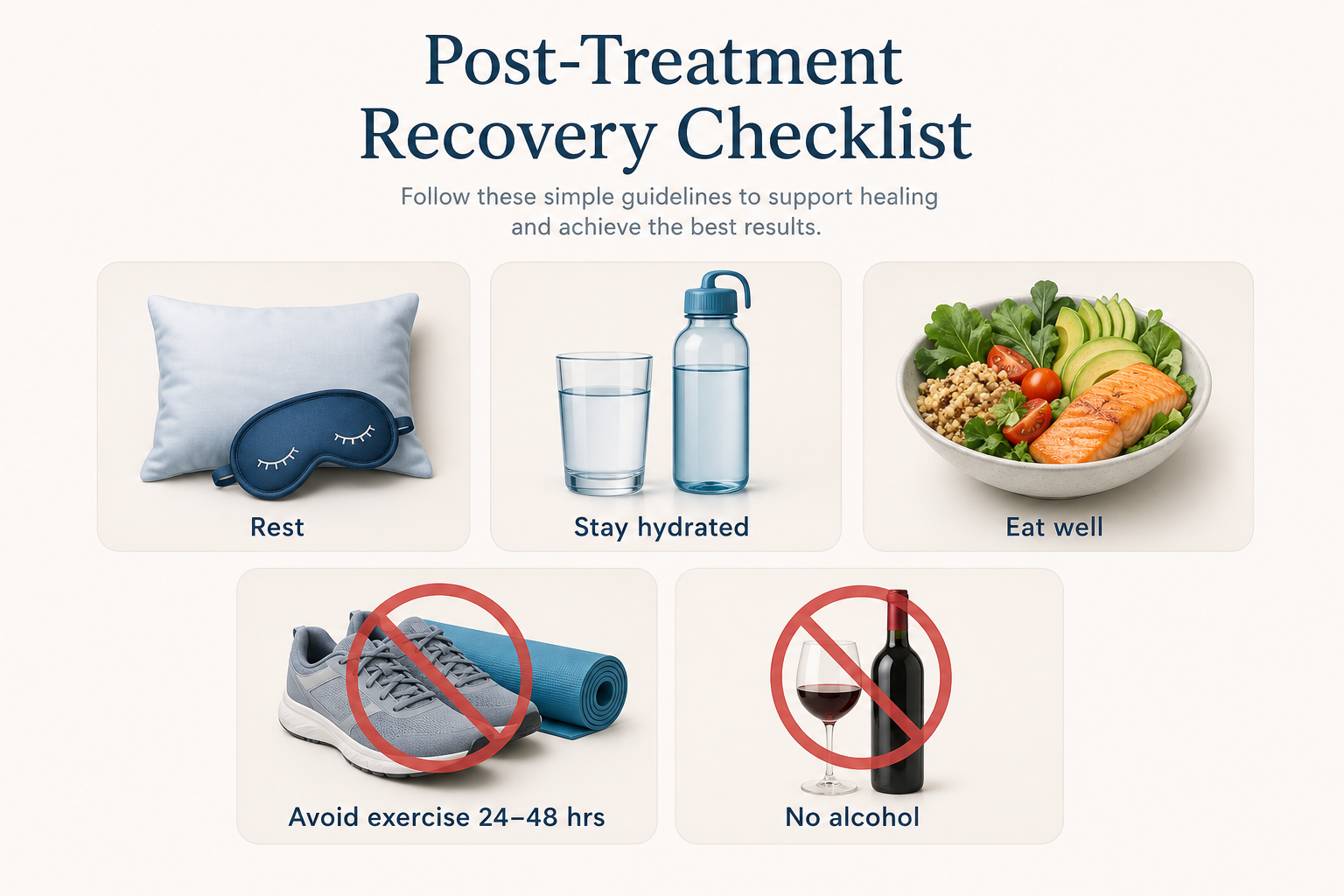
- Rest when you need to. Fatigue is the body’s signal to slow down. Scheduling your Botox appointment on a day when you can rest afterwards — rather than returning immediately to a demanding schedule — makes a meaningful difference for many patients.
- Stay hydrated after Botox. Dehydration can worsen fatigue and prolong recovery. Drinking adequate water throughout the day following treatment is one of the simplest and most effective steps you can take.
- Eat a balanced meal before and after your appointment. Low blood sugar can amplify tiredness. Having a nutritious meal before treatment and maintaining regular eating afterwards supports energy levels during recovery.
- Avoid strenuous activity for 24 to 48 hours. Intense exercise increases blood flow and may contribute to toxin spread away from the intended injection site. It also places additional physical demand on a body that is already adjusting to treatment. Gentle walking is generally acceptable.
- Avoid alcohol for at least 24 hours. Alcohol is dehydrating and can worsen fatigue. It may also increase the risk of bruising at the injection site.
- Stay upright for approximately four hours after injection. This is standard post-Botox advice and helps ensure the toxin remains localised to the intended treatment area.
- Use a cold compress if needed. A cool pack applied gently to the treated area can help with any localised discomfort or swelling, which may indirectly support overall comfort during recovery.
- Manage stress and prioritise sleep. Simple relaxation techniques such as deep breathing or meditation can help the nervous system settle after the procedure. Prioritising good sleep in the days following treatment supports recovery.
When to See a Doctor After Botox
The vast majority of post-Botox fatigue is mild, temporary, and resolves without medical intervention. However, certain symptoms require prompt attention from a healthcare provider. Knowing the difference between normal post-treatment tiredness and a potential complication is important for patient safety.
Contact your treating practitioner or seek medical care if you experience any of the following:
- Fatigue that persists beyond two to three weeks without improvement
- Severe drowsiness or difficulty staying awake
- Difficulty swallowing, speaking, or breathing — these may indicate unintended toxin spread beyond the injection site and require urgent assessment
- Worsening muscle weakness, particularly in areas distant from the injection site
- Significant facial drooping or ptosis (drooping eyelids or brows) that is causing functional difficulty
- Dizziness, loss of coordination, or confusion
- Signs of an allergic reaction, including rash, itching, swelling of the face or throat, or difficulty breathing
It is important to distinguish normal post-treatment fatigue from the rare but serious signs of systemic botulinum toxin effects. Difficulty swallowing or breathing after Botox is not a fatigue symptom — it is a potential indicator of toxin spread affecting muscles beyond the intended treatment area, and it requires emergency medical attention. This complication is rare when treatment is performed by a qualified and experienced practitioner, but patients should be aware of the distinction.
Prolonged Tiredness After Botox: Considering Other Causes
If tiredness after Botox extends well beyond two weeks, it is worth considering whether an unrelated condition may be contributing. Botulinum toxin treatment does not cause chronic fatigue, and persistent tiredness is more likely to reflect a pre-existing or coincidental health issue than a direct effect of the injection.
Conditions worth discussing with a general practitioner if fatigue is prolonged include thyroid dysfunction — a serum TSH test can identify hypothyroidism, which is a common and treatable cause of persistent fatigue. Anaemia, vitamin deficiencies, sleep disorders, and undiagnosed infections are other possibilities that a healthcare provider can assess. Anxiety or a heightened stress response around the procedure can also produce fatigue that outlasts the typical post-treatment window, particularly in patients who found the experience more distressing than anticipated.
An electrolyte imbalance is sometimes raised by patients as a possible cause of post-Botox fatigue, particularly concerns about potassium levels. There is no established mechanism by which botulinum toxin injections directly alter electrolyte balance in healthy individuals. If a patient is experiencing symptoms consistent with electrolyte disturbance, this should be investigated independently rather than attributed to the treatment.
Treatment Area and Fatigue: Does Location Matter?
Most discussions of post-Botox fatigue focus on cosmetic facial treatments such as forehead lines, glabellar lines, and crow’s feet. However, botulinum toxin is also used in other areas — including the masseter muscles for jaw slimming, the neck for platysmal bands, and in medical contexts for conditions such as cervical dystonia or hyperhidrosis. The fatigue experience may differ depending on the treatment area.
Treatments involving larger muscle groups — such as the masseter or neck — may produce a more noticeable muscle weakness sensation locally, which some patients interpret as general fatigue. Medical uses of botulinum toxin, particularly for cervical dystonia, often involve higher doses than cosmetic applications, and fatigue is a more commonly reported side effect in those clinical contexts. Patients receiving botulinum toxin for medical indications should discuss the expected side effect profile with their prescribing clinician, as the experience may differ from cosmetic treatment.
Frequently Asked Questions
Is it normal to feel tired after Botox?
Yes. Post-Botox fatigue is a recognised temporary side effect. It reflects the body’s adjustment to botulinum toxin type A blocking acetylcholine at the neuromuscular junction and is not a sign that something has gone wrong. Most patients find it resolves within a few days.
How long does Botox fatigue typically last?
For most patients, fatigue is most noticeable in the first 24 to 48 hours and resolves within a week. An extended period of up to two weeks is less common but still within the range that practitioners generally consider acceptable. Fatigue lasting beyond two to three weeks should be discussed with a healthcare provider.
Does Botox make you sleepy on the day of treatment?
Some patients do feel drowsy or sleepy on the day of their appointment. This can be related to the body’s response to the injection, mild anxiety around the procedure, or simply the physical and mental effort of attending a medical appointment. The sleepiness is usually mild and temporary.
Can I exercise after Botox if I feel fine?
It is generally recommended to avoid strenuous activity for 24 to 48 hours after botulinum toxin injections, regardless of how you feel. Intense exercise increases blood flow and may contribute to toxin spread away from the intended injection site. Gentle walking is usually acceptable.
Will Botox fatigue get better with repeated treatments?
Many patients find that fatigue is less noticeable after subsequent sessions compared to their first treatment. The body appears to adapt over time. However, this is not guaranteed, and fatigue may return if the treatment area is expanded or if overall health or stress levels differ between appointments.
Could my fatigue after Botox be caused by something else?
If tiredness persists beyond two to three weeks, it is worth considering other causes such as thyroid dysfunction, anaemia, vitamin deficiencies, or sleep disturbance. A general practitioner can assess these possibilities. Botulinum toxin treatment does not cause chronic fatigue in otherwise healthy individuals.
What is the difference between normal Botox fatigue and a serious reaction?
Normal post-Botox fatigue is a mild, generalised tiredness that improves over days. A serious reaction may include difficulty swallowing, breathing changes, severe muscle weakness in areas distant from the injection site, or signs of an allergic response. These symptoms require prompt medical attention and should not be attributed to ordinary fatigue.
Managing Botox Fatigue: What You Can Realistically Expect
Post-Botox fatigue is a well-recognised but often underexplained aspect of botulinum toxin treatment. For the majority of patients, it is a mild and self-limiting experience that resolves within a few days and does not interfere significantly with daily life. Understanding that it is a normal part of the body’s adjustment to treatment — rather than a sign of a problem — can make the experience considerably less concerning.
Preparing sensibly before your appointment by sleeping well, eating a balanced meal, and arriving hydrated gives you the best foundation for a comfortable recovery. Scheduling treatment on a day when you can rest afterwards, avoiding strenuous activity and alcohol for 24 to 48 hours, and staying hydrated after Botox are the most practical steps you can take to support your recovery. First-time patients in particular may benefit from setting aside the day after treatment for lighter activities.
If you have experienced pronounced fatigue after a previous Botox session, it is worth discussing this with your practitioner before your next appointment. They may be able to adjust the treatment plan, consider a staged approach, or provide more tailored aftercare guidance. And if tiredness after any treatment persists beyond what you would reasonably expect, seeking a clinical assessment is always the right course of action.