Microneedling for Wrinkles: How It Works, What to Expect, and Whether It’s Right for You
Microneedling has become one of the most widely used minimally invasive procedures for reducing fine lines and wrinkles, and for good reason — it works with the skin’s own repair biology rather than against it. But with so many treatments claiming to turn back the clock, it’s worth understanding exactly what microneedling can and cannot do, which types of wrinkles respond best, and how it compares to alternatives like Botox or laser resurfacing before you commit to a course of treatment.
Key Takeaways
- Microneedling — also called collagen induction therapy — stimulates the skin’s natural wound healing response to increase collagen and elastin production, gradually reducing wrinkle depth and improving skin texture and tone.
- Static wrinkles (lines visible at rest) respond better to microneedling than dynamic wrinkles caused by muscle movement; the latter are more effectively addressed with botulinum toxin.
- Most patients require a series of three to six sessions spaced four to six weeks apart to see meaningful wrinkle reduction, with results continuing to improve for several months after the final session.
- Radiofrequency microneedling (RF microneedling) adds a heat energy component that may deliver greater improvement for deeper wrinkles and skin laxity compared to standard microneedling alone.
- Microneedling is generally well tolerated across all skin tones, though patients with darker complexions should discuss the risk of post-inflammatory hyperpigmentation with their provider before treatment.
How Microneedling Works for Wrinkles
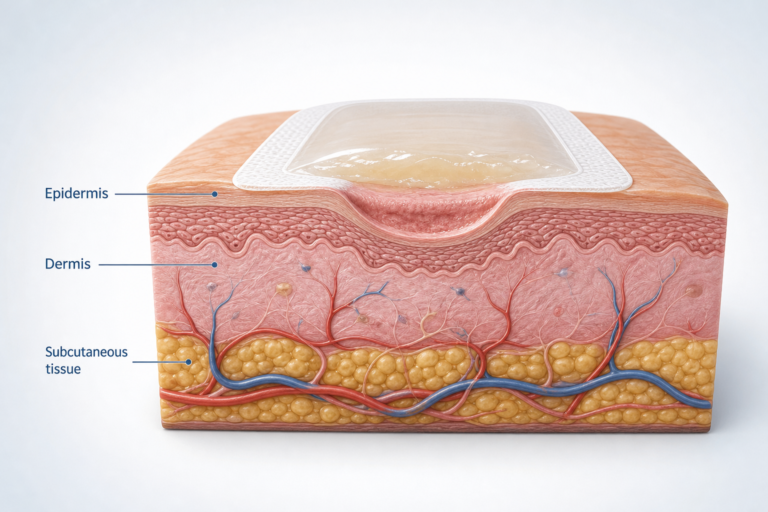
Microneedling — formally known as collagen induction therapy or percutaneous collagen induction — uses a device fitted with fine, sterile needles to create controlled micro-injuries across the skin’s surface. These tiny punctures are too small to cause lasting damage but are sufficient to trigger the skin’s wound healing cascade: a sequence of biological events that includes the release of growth factors, activation of fibroblast cells, and ultimately the synthesis of new collagen and elastin fibres within the dermis.
Collagen is the structural protein that gives skin its firmness and volume. Elastin allows skin to spring back after movement. Both decline with age, which is why skin gradually becomes thinner, looser, and more prone to wrinkling. By repeatedly stimulating the skin’s repair response, microneedling encourages dermal remodeling — the gradual replacement of degraded collagen with new, organised fibres. Over a series of sessions, this process can measurably increase collagen density, reduce wrinkle depth, and improve overall skin quality.
The needle depth used during treatment is adjusted according to the area being treated and the severity of the concern. For fine surface lines, depths of around 0.5 mm to 1.0 mm are typically used. Moderate to deeper wrinkles may require depths of 1.5 mm to 2.5 mm, particularly in thicker skin areas such as the cheeks or forehead. A qualified provider will select the appropriate depth based on a clinical assessment of your skin.
Which Types of Wrinkles Does Microneedling Treat?
Understanding the difference between static wrinkles and dynamic wrinkles is important when evaluating whether microneedling is the right approach for your concerns.
Static wrinkles are lines that are visible even when your face is completely at rest — they exist because of cumulative collagen loss, sun damage, and changes in skin structure over time. Examples include nasolabial folds (the lines running from the nose to the corners of the mouth), fine lines across the cheeks, and crepey texture on the neck or décolletage. Static wrinkles are the primary target of microneedling, and this is where the treatment tends to produce its most noticeable results.
Dynamic wrinkles are caused by repeated muscle contractions — crow’s feet from squinting, forehead lines from raising the brows, and frown lines between the eyebrows. These wrinkles are most effectively addressed with botulinum toxin (such as Botox), which temporarily relaxes the underlying muscle. Microneedling can improve the skin quality in these areas and may soften the appearance of dynamic lines over time, but it does not address the muscular cause. For this reason, many patients benefit from combining both approaches.
Wrinkle Location and What to Expect
Different areas of the face and body respond differently to microneedling, and it’s worth having realistic expectations for each zone:
- Forehead lines: Moderate improvement in skin texture and fine lines; deeper expression lines may need botulinum toxin in addition.
- Crow’s feet (periorbital area): The skin around the eyes is thin and delicate, making this one of the more challenging areas. Clinical research using RF microneedling has reported approximately a 49% reduction in periorbital wrinkle severity, though standard microneedling typically produces more modest improvements in this zone.
- Nasolabial folds: Microneedling can soften these lines, though significant volume loss in this area may also benefit from dermal filler.
- Neck and décolletage: These areas often show crepey skin and horizontal lines that respond well to microneedling. A published clinical study reported a 93.8% improvement rate in neck wrinkles after four monthly microneedling sessions.
- Around the mouth: Vertical lip lines and perioral wrinkles can be improved, though deeper lines may require combination treatment.
Radiofrequency Microneedling: An Upgrade for Deeper Wrinkles
Standard microneedling relies entirely on the mechanical stimulus of the needles to trigger collagen production. Radiofrequency microneedling (RF microneedling) — delivered by devices such as Morpheus8 or Vivace — adds a second layer of energy: radiofrequency waves are emitted from the needle tips directly into the dermis as the needles penetrate the skin. This thermal energy heats the deeper layers of tissue, producing additional collagen contraction and stimulation beyond what needles alone can achieve.
RF microneedling is particularly useful for patients with more pronounced skin laxity, deeper wrinkles, or those who have not achieved sufficient improvement from standard microneedling. The combination of mechanical and thermal stimulation tends to produce more significant dermal remodeling and skin tightening, making it a stronger option for moderate to advanced signs of ageing. The trade-off is a higher cost per session and, in some cases, slightly more downtime than standard microneedling.
Microneedling with PRP: Does It Improve Wrinkle Results?
Platelet-rich plasma (PRP) is a concentration of growth factors derived from a small sample of the patient’s own blood. When applied to the skin immediately after microneedling — while the micro-channels created by the needles are still open — PRP is thought to penetrate more deeply than it would through intact skin, potentially amplifying the healing and collagen-stimulating response.
The evidence for microneedling combined with PRP is promising but still developing. Some studies suggest the combination produces greater improvement in skin texture, tone, and wrinkle depth than microneedling alone, particularly for fine lines and early skin ageing. It is generally considered a worthwhile addition for patients seeking to maximise results from each session, though it adds to the overall cost and involves a blood draw at each appointment.
How Many Sessions Are Needed for Wrinkle Reduction?
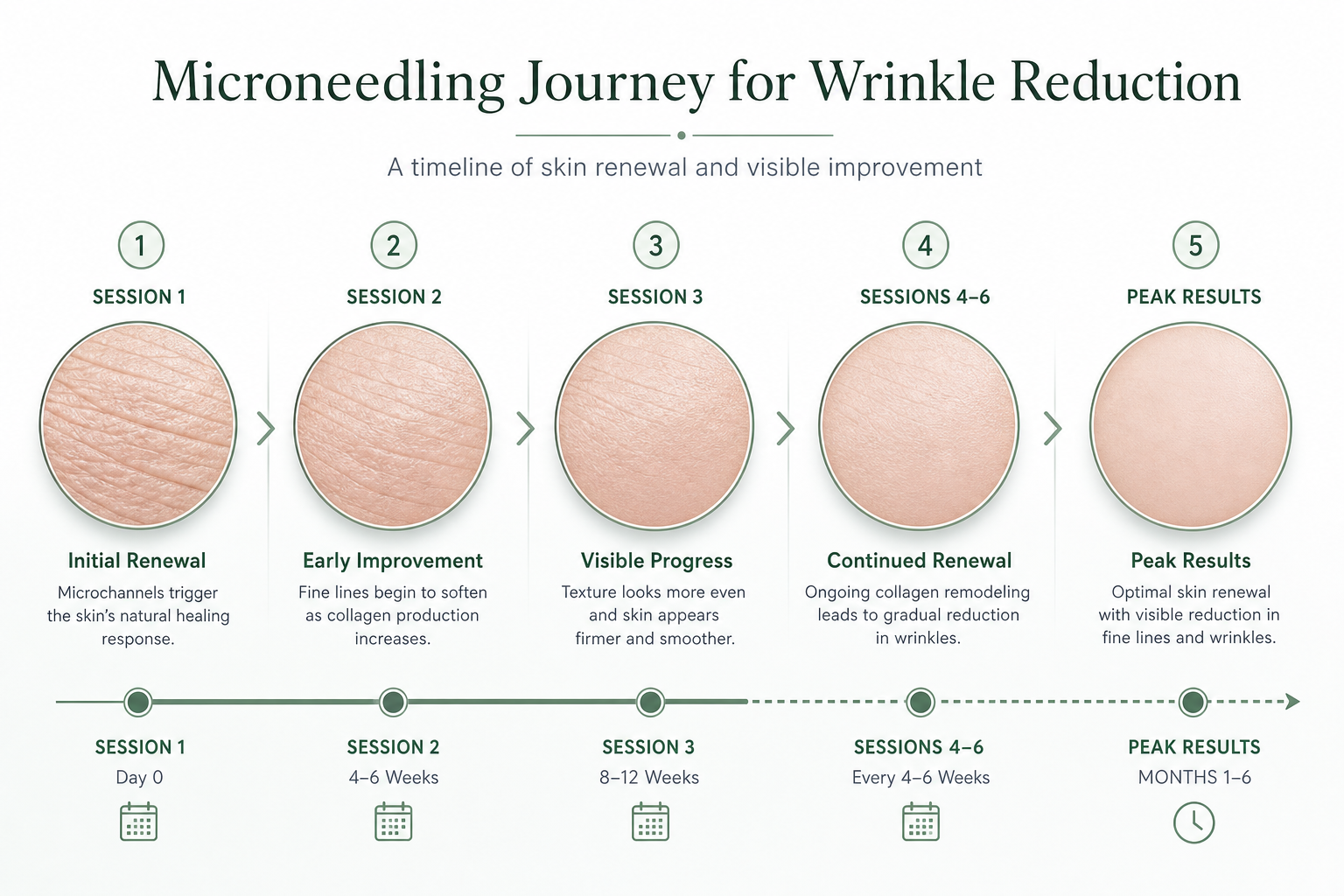
Microneedling for wrinkles is not a single-session treatment. Meaningful collagen remodeling takes time, and results build progressively across a series of appointments. Most providers recommend an initial course of three to six sessions, spaced four to six weeks apart, to allow adequate healing between treatments.
Here is a realistic milestone guide for what patients typically experience across a standard course:
| Session Milestone | Typical Timeframe | What You May Notice |
|---|---|---|
| After Session 1 | Weeks 1–4 | Improved skin radiance and texture; minimal wrinkle change yet |
| After Session 2 | Weeks 5–8 | Skin feels firmer; fine lines may begin to soften |
| After Session 3 | Weeks 9–12 | Noticeable reduction in fine line depth; improved skin tone |
| After Session 4–6 | Months 3–6 | Cumulative collagen increase; deeper wrinkles visibly reduced |
| 3–6 months post-series | Months 6–12 | Peak results as collagen remodeling continues after final session |
It is worth noting that collagen synthesis continues for several months after the final session in a course, meaning results often peak three to six months after treatment ends rather than immediately. Patience is an important part of the process.
Maintenance Sessions
Once the initial series is complete, maintenance sessions every six to twelve months are typically recommended to sustain wrinkle reduction results. Without periodic retreatment, the natural ageing process will gradually continue, and some improvement will be lost over time. The frequency of maintenance sessions depends on the individual’s skin, age, lifestyle factors such as sun exposure, and the degree of improvement achieved.
What Happens During a Microneedling Appointment?
A professional microneedling session typically follows a consistent sequence. Understanding what to expect can help reduce any anxiety about the procedure.
- Consultation and skin assessment: Your provider reviews your skin concerns, medical history, and suitability before any treatment begins.
- Cleansing: The treatment area is thoroughly cleansed to remove makeup, oils, and bacteria.
- Topical numbing cream: A topical lidocaine or numbing cream is applied and left on for approximately 20–30 minutes to minimise discomfort during the procedure.
- Microneedling: The provider passes the device systematically across the treatment area. The session typically takes 30 to 60 minutes depending on the area covered.
- Serum or PRP application: A calming serum, hyaluronic acid, or PRP (if included) is applied immediately after treatment to take advantage of the open micro-channels for enhanced absorption.
- Post-treatment care instructions: Your provider explains aftercare and any products to avoid in the days following treatment.
Most patients describe the sensation as a mild scratching or vibrating feeling. The periorbital area and bony prominences such as the forehead tend to be more sensitive than the cheeks. Discomfort is generally well managed with topical numbing cream.
Downtime and Aftercare
Microneedling is a minimally invasive procedure, but it does involve a short recovery period. Immediately after treatment, the skin typically appears red and may feel warm — similar to mild sunburn. This erythema usually subsides within 24 to 48 hours for standard microneedling, though RF microneedling may involve slightly more redness and swelling lasting two to four days.
Some patients experience mild flaking or dryness in the days following treatment as the skin renews itself. Bruising is uncommon but possible, particularly in thinner-skinned areas. Serious complications such as infection are rare when treatment is performed by a trained provider using sterile, single-use needles.
Aftercare Guidelines
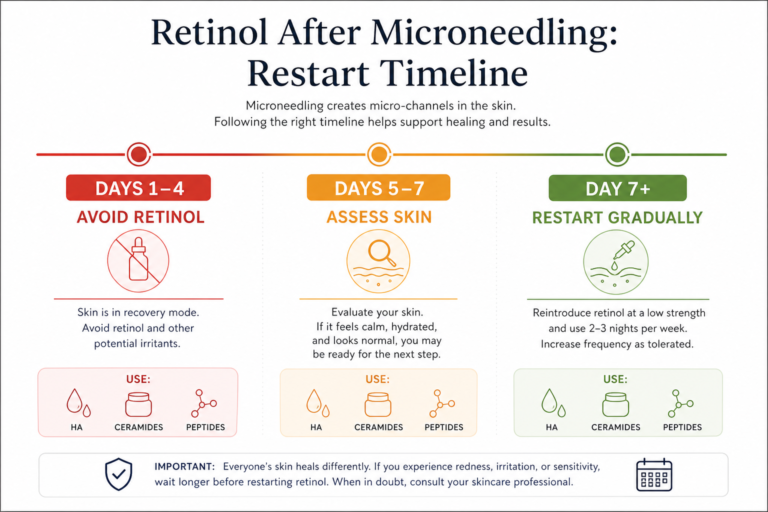
- Avoid retinoids, AHAs, BHAs, and vitamin C serums for at least five to seven days post-treatment, as these can irritate healing skin.
- Apply SPF 30 or higher daily and avoid direct sun exposure during the healing period.
- Do not use saunas, steam rooms, or engage in strenuous exercise for at least 48 to 72 hours.
- Cleanse gently with a mild, fragrance-free cleanser and keep the skin well hydrated.
- Avoid applying makeup for the first 24 hours where possible.
What to Avoid Before a Microneedling Session
Pre-treatment preparation is just as important as aftercare, yet it is often overlooked. To reduce the risk of complications and ensure the skin is in the best condition for treatment, providers typically advise the following in the days before a session:
- Discontinue retinoids and prescription vitamin A products for at least five to seven days beforehand.
- Avoid prolonged sun exposure and do not arrive with sunburned skin.
- Inform your provider if you are taking blood-thinning medications, as these may increase bruising risk.
- Do not have microneedling if you have an active skin infection, cold sore, or open wound in the treatment area.
- Patients who have used oral isotretinoin (Roaccutane) should wait at least six months after completing the course before undergoing microneedling.
Who Is a Good Candidate for Microneedling?
Microneedling is suitable for a broad range of patients and is one of the few professional skin treatments that can be safely used across all skin tones. Good candidates typically include people with:
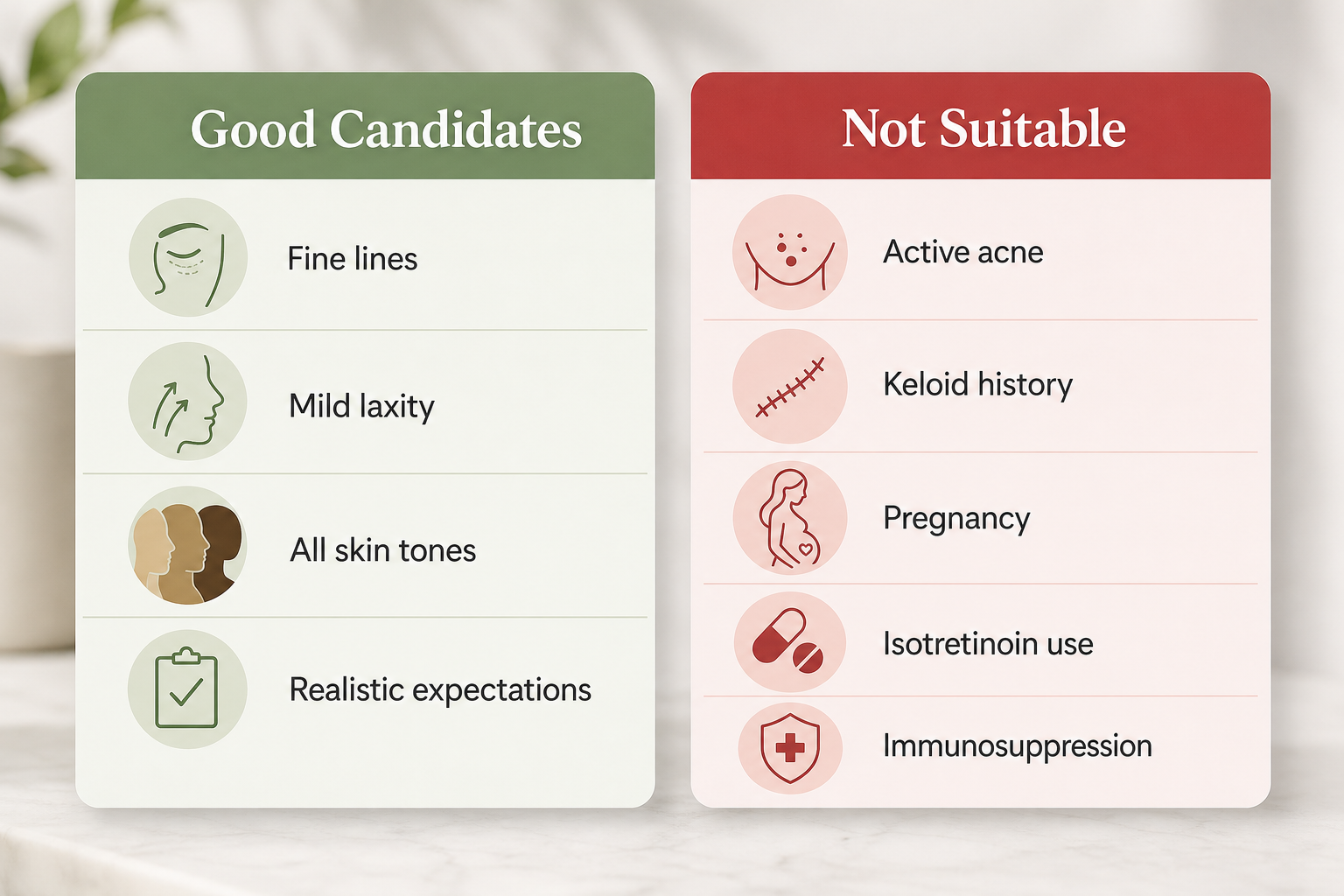
- Fine lines and early to moderate static wrinkles
- Mild to moderate skin laxity
- Crepey or thinning skin on the face, neck, or décolletage
- Uneven skin texture and tone alongside wrinkle concerns
- Realistic expectations about gradual, progressive improvement
Contraindications: Who Should Avoid Microneedling
Microneedling is not appropriate for everyone. Contraindications include:
- Active acne, rosacea flare-ups, or skin infections in the treatment area
- History of keloid scarring or hypertrophic scarring
- Pregnancy or breastfeeding
- Use of oral isotretinoin within the past six months
- Immunosuppression or conditions affecting wound healing
- Blood clotting disorders or anticoagulant therapy (discuss with your provider)
- Certain implanted electronic devices in or near the treatment area (particularly relevant for RF microneedling)
Skin Tone Considerations
Microneedling is generally considered safer for darker skin tones than many laser treatments, because it does not rely on light or heat energy that can affect melanin. However, post-inflammatory hyperpigmentation — a temporary darkening of the skin in response to inflammation — remains a possibility in patients with Fitzpatrick skin types IV to VI. Using appropriate needle depths, avoiding aggressive settings, and following a careful aftercare protocol can reduce this risk. Patients with darker complexions should discuss this with their provider and ensure the practitioner has experience treating their skin type.
Microneedling vs. Other Wrinkle Treatments
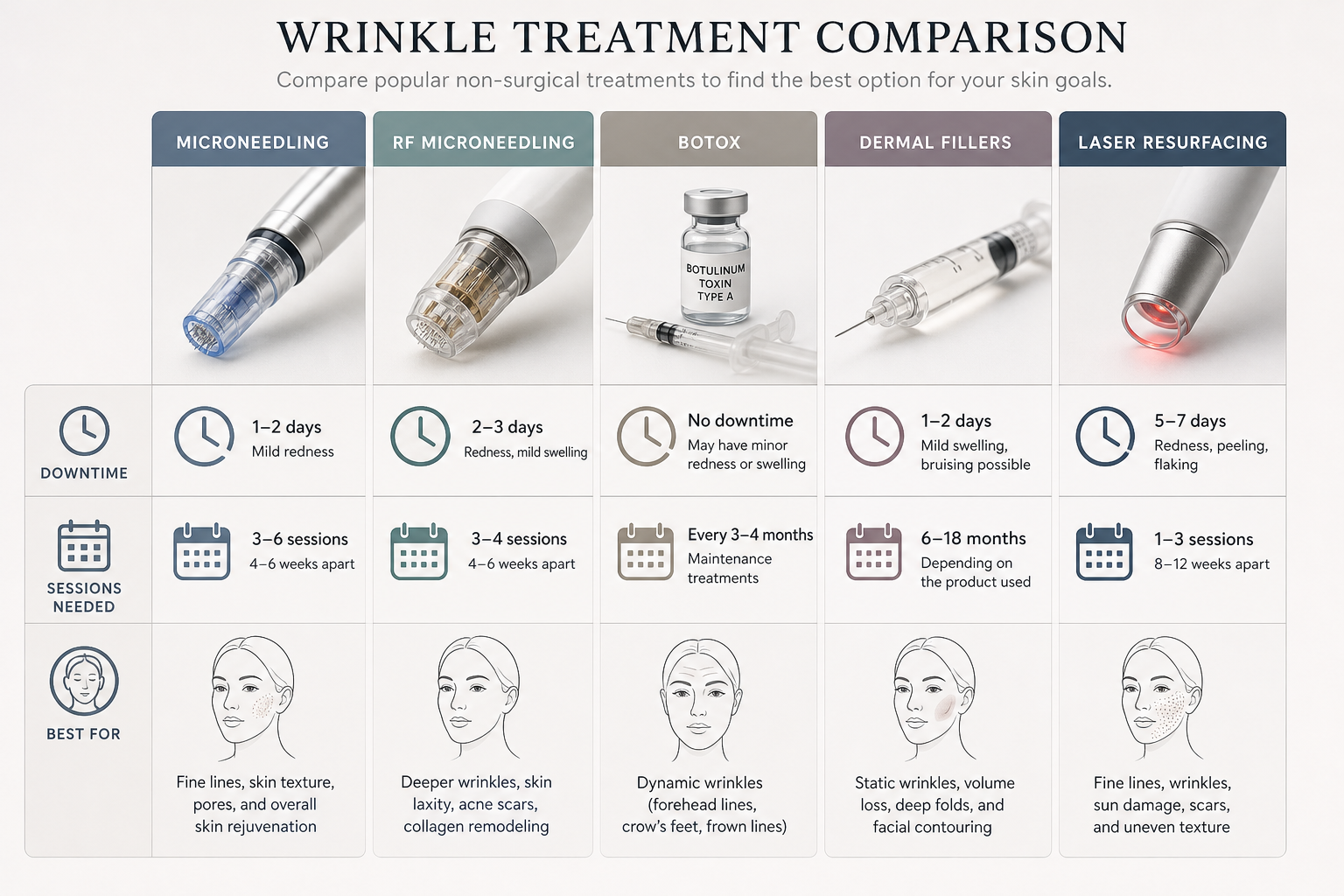
Microneedling occupies a useful middle ground in the wrinkle treatment landscape — more effective than topical skincare alone, less aggressive than ablative laser resurfacing, and complementary rather than competitive with botulinum toxin and dermal fillers. The table below summarises how it compares to common alternatives.
| Treatment | Best For | Mechanism | Sessions Needed | Downtime | Approximate Cost | Limitations |
|---|---|---|---|---|---|---|
| Microneedling | Static wrinkles, skin texture, all skin tones | Collagen induction via controlled micro-injuries | 3–6 initial; maintenance every 6–12 months | 1–3 days | £150–£500 per session | Gradual results; less effective for deep wrinkles alone |
| RF Microneedling | Deeper wrinkles, skin laxity, skin tightening | Microneedling + radiofrequency heat energy | 2–4 initial | 2–5 days | £400–£1,500 per session | Higher cost; more downtime than standard microneedling |
| Botulinum Toxin (Botox) | Dynamic wrinkles (crow’s feet, forehead, frown lines) | Muscle relaxation | Every 3–6 months ongoing | Minimal | £150–£400 per area | Does not improve skin quality or static wrinkles |
| Dermal Fillers | Volume loss, deep folds, nasolabial folds | Volumisation and structural support | As needed; typically every 9–18 months | Minimal to mild | £250–£600 per syringe | Does not stimulate collagen; swelling risk |
| Ablative Laser Resurfacing | Moderate to severe wrinkles, significant sun damage | Controlled thermal skin removal and collagen stimulation | 1–3 | 7–14 days | £1,000–£3,500 per session | Higher risk in darker skin tones; significant downtime |
| Chemical Peel | Fine lines, surface texture, pigmentation | Controlled exfoliation and skin renewal | 1–6 depending on depth | 1–14 days depending on depth | £80–£600 per session | Deeper peels carry higher risk; limited effect on deep wrinkles |
At-Home Dermarollers vs. Professional Microneedling for Wrinkles
At-home dermarollers are widely available and considerably cheaper than professional treatments, but they are not equivalent to clinical microneedling for wrinkle reduction. Consumer devices are limited to needle depths of around 0.2 mm to 0.5 mm — shallow enough to avoid meaningful dermal penetration and the collagen-stimulating response that makes professional microneedling effective for wrinkles. At these depths, dermarollers may improve product absorption and provide a mild surface-level benefit, but they are unlikely to produce measurable changes in wrinkle depth or collagen density.
Professional devices such as the FDA-cleared SkinPen use motorised, single-use needle cartridges that penetrate to clinically relevant depths with consistent pressure and speed — factors that significantly influence the quality of the wound healing response. There is also a meaningful hygiene difference: reusing a dermaroller at home blunts the needles and increases infection risk. For patients specifically seeking wrinkle reduction, professional treatment is the appropriate choice.
Frequently Asked Questions
Why do wrinkles sometimes look worse immediately after microneedling?
In the first 24 to 72 hours after treatment, skin swelling and inflammation can temporarily make lines appear more pronounced. This is a normal part of the healing response and resolves as the redness and swelling subside. It does not indicate that the treatment has made wrinkles worse — the opposite is true over the following weeks as collagen production increases.
Does microneedling work for deep wrinkles?
Microneedling can reduce the appearance of deep wrinkles, but the degree of improvement is generally more modest than for fine lines. Deeper wrinkles often benefit from RF microneedling, combination treatment with dermal fillers or PRP, or a longer series of sessions. A clinical assessment will help determine whether microneedling alone is sufficient or whether a combination approach is more appropriate for your specific concerns.
How long do microneedling results last for wrinkles?
Results from an initial course of microneedling typically last six to twelve months before maintenance is needed. The longevity depends on the number of sessions completed, the patient’s age, skin condition, sun exposure habits, and skincare routine. Regular maintenance sessions help sustain the collagen density achieved during the initial course.
Can microneedling be combined with Botox?
Yes, and this is a common and effective combination. Botulinum toxin addresses dynamic wrinkles caused by muscle movement, while microneedling improves skin quality, texture, and static wrinkles. The two treatments are typically spaced at least two weeks apart. Your provider can advise on the optimal sequencing based on your treatment plan.
Is microneedling painful?
Most patients find professional microneedling tolerable with topical numbing cream applied beforehand. Sensitive areas such as around the eyes or on the forehead may feel more uncomfortable than the cheeks. RF microneedling tends to involve a greater sensation of heat and pressure. Discomfort levels vary between individuals and providers will adjust settings accordingly.
How soon will I see results from microneedling for wrinkles?
Some improvement in skin radiance and texture may be visible within a week or two of the first session. Meaningful wrinkle reduction typically becomes apparent after the second or third session, with the most significant results appearing three to six months after completing the initial course as collagen remodeling continues.
Is Microneedling the Right Approach for Your Wrinkle Concerns?
Microneedling is a well-established, evidence-supported option for patients seeking gradual, natural-looking improvement in fine lines, static wrinkles, and overall skin quality. It is particularly well suited to those who want to avoid the downtime of laser resurfacing, are not ready for injectable treatments, or want to complement existing treatments such as botulinum toxin or fillers with a collagen-building foundation.
It is not a quick fix. Results build over months, require a committed series of sessions, and need periodic maintenance to sustain. For deeper wrinkles or significant skin laxity, RF microneedling or a combination approach may deliver more meaningful improvement than standard microneedling alone. And for wrinkles driven primarily by muscle movement, botulinum toxin remains the more targeted solution.
The best starting point is a consultation with a qualified, experienced provider who can assess your skin, discuss your goals honestly, and recommend a treatment plan — whether that involves microneedling alone, a combination approach, or an alternative that better matches your concerns. Realistic expectations and a clear treatment plan are the foundation of a satisfying outcome.