Forehead Wrinkles at 30: Causes, Prevention and Early Intervention
Noticing forehead wrinkles at 30 is more common than most people expect, and it rarely signals anything unusual about how you are ageing. The forehead is one of the first areas to show fine lines precisely because of how it is built — thin skin stretched over a highly active muscle that moves dozens of times every hour. Understanding why lines appear here, and what stage they are at, is the most useful starting point for deciding what, if anything, to do about them.
Key Takeaways
- Forehead lines in your 30s are usually dynamic wrinkles — caused by repeated muscle movement — and are generally more responsive to early intervention than lines that have become permanently etched into the skin.
- Collagen production declines by roughly 1% per year from the mid-20s, making the early 30s a meaningful window to establish a preventative skincare routine before lines deepen.
- Daily broad-spectrum sunscreen is the single most evidence-supported step for slowing photoaging and preserving skin elasticity.
- Ingredients including retinoids, hyaluronic acid, peptides, and vitamin C each address different aspects of early skin ageing and can be combined thoughtfully.
- Professional treatments such as botulinum toxin, collagen induction therapy, and laser resurfacing may be appropriate for some patients, but suitability depends on individual assessment.
Why the Forehead Shows Lines First
The forehead is dominated by the frontalis muscle, a broad, thin sheet of muscle that runs from the eyebrows to the hairline. Every time you raise your eyebrows — in surprise, concentration, conversation, or while reading a screen — the frontalis contracts and the overlying skin folds. Unlike the skin over a joint, forehead skin has no underlying bone to limit movement, so it creases repeatedly throughout the day, every day, for decades.
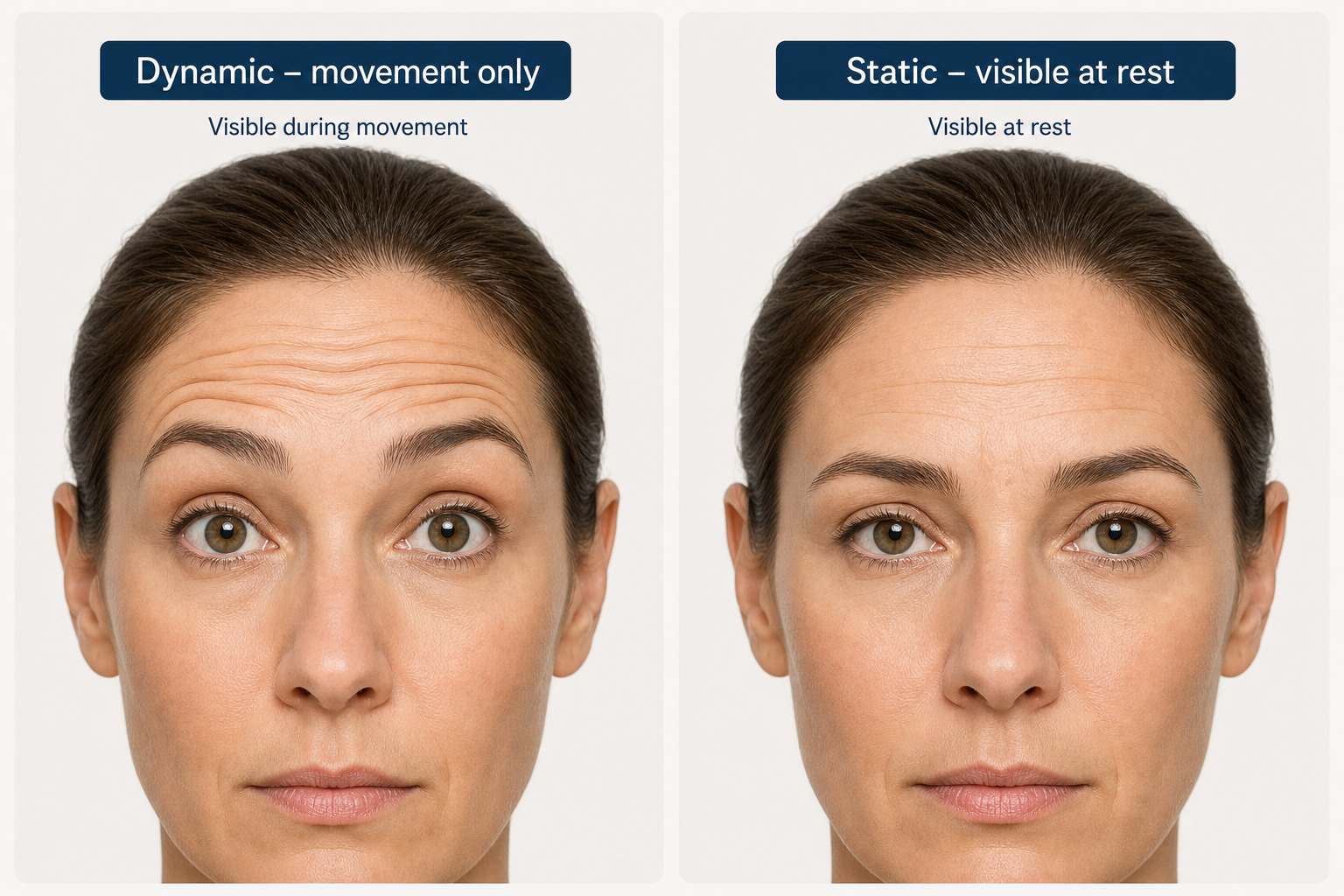
Compounding this is the fact that forehead skin is relatively thin compared with areas such as the cheeks. Thinner skin has less structural cushioning, so expression lines become visible earlier. By the time most people reach their late 20s or early 30s, the cumulative effect of thousands of daily contractions begins to leave a visible trace even when the face is at rest. This is the transition from a dynamic wrinkle — one that appears only during movement — toward a static wrinkle that remains visible at rest.
Stress and habitual unconscious brow-raising are underappreciated contributors. People who habitually lift their brows when concentrating, anxious, or looking at screens may be accelerating this process without realising it. Becoming aware of this habit, while not a complete solution, can reduce unnecessary repetitive movement.
Dynamic Wrinkles vs Static Wrinkles: Why the Distinction Matters
Understanding the difference between dynamic wrinkles and static wrinkles is clinically important because the two types respond to different interventions.
| Feature | Dynamic Wrinkles | Static Wrinkles |
|---|---|---|
| Cause | Repeated muscle contraction | Collagen loss, volume depletion, skin laxity |
| Appearance | Visible during movement; fade at rest | Visible at rest regardless of expression |
| Typical age of onset | Mid-20s to early 30s | Tends to develop from mid-30s onward |
| Primary treatment approach | Neurotoxin (botulinum toxin), prevention | Resurfacing, fillers, collagen stimulation |
| Reversibility | High with early intervention | Partial improvement possible; harder to fully reverse |
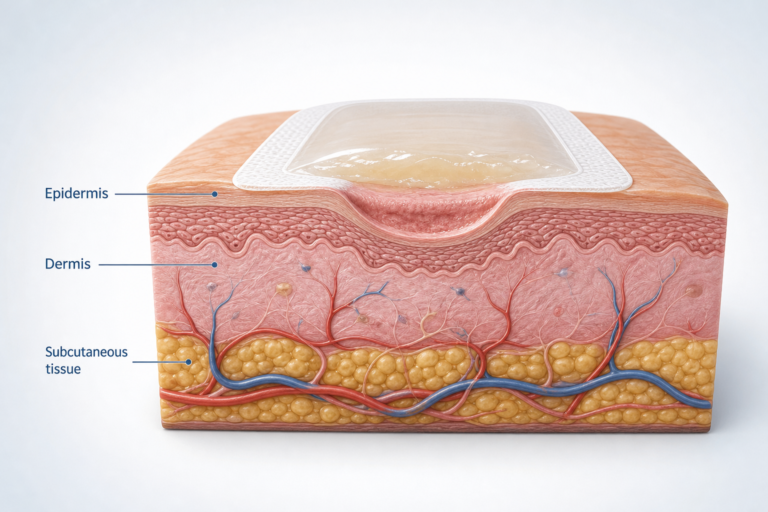
At 30, most forehead lines are still predominantly dynamic. This is actually the most favourable stage for intervention: the lines have not yet become permanently etched into the dermis, and a combination of good skincare and, where appropriate, professional treatment can prevent them from progressing to static wrinkles. Framing your 30s as a problem is less useful than recognising it as an opportunity — the window when prevention is most effective.
What Causes Forehead Wrinkles at 30?
Several factors contribute to premature skin ageing in the forehead area. Most people have a combination of causes rather than a single one.
Collagen and Elastin Decline
Collagen production begins to decline at approximately 1% per year from the mid-20s. Collagen is the structural protein that keeps skin firm and resilient; elastin is the complementary protein that allows skin to spring back after being stretched or folded. As both decline, the skin loses its ability to recover fully from repeated movement, and lines begin to persist. By the early 30s, this cumulative loss is often enough to make forehead lines noticeable for the first time.
Photoaging and UV Damage
Photoaging — skin ageing caused by ultraviolet radiation — is the most significant external cause of early wrinkles. UV exposure degrades collagen and elastin fibres, impairs the skin’s repair mechanisms, and generates free radicals that damage skin cells. The forehead is a sun-exposed area, and years of cumulative UV exposure without adequate photoprotection accelerate the appearance of fine lines and loss of skin elasticity. Research consistently identifies UV exposure as the dominant environmental driver of visible skin ageing.
Lifestyle Factors
Smoking significantly accelerates collagen breakdown and reduces skin oxygenation, contributing to earlier and deeper wrinkle formation. Poor sleep — both insufficient duration and sleeping face-down or on the side — creates compression wrinkles that can deepen over time. Chronic stress elevates cortisol, which has been associated with collagen degradation and increased habitual facial tension. A diet high in processed foods and sugar may also contribute through a process called glycation, which stiffens collagen fibres.
Genetics and Skin Type
Genetic factors influence how quickly collagen declines, how thick or thin the skin is, and how actively the frontalis muscle moves. People with fairer skin types tend to show photoaging earlier. Those with naturally expressive faces or a habit of raising their brows frequently may develop dynamic lines sooner. These factors are not controllable, but understanding them helps set realistic expectations about what prevention can achieve.
Hormonal Changes in Women
Oestrogen plays a meaningful role in maintaining skin thickness and collagen density. Women in their 30s may begin to experience subtle hormonal shifts that affect skin quality, even before perimenopause. This is a largely underaddressed factor in most skincare guides, but it helps explain why some women notice a change in skin texture and resilience during this decade that goes beyond what lifestyle alone would predict.
Building a Preventative Skincare Routine
A consistent, evidence-informed preventative skincare routine is the most accessible and sustainable approach to slowing the progression of forehead lines. The goal is to protect the skin barrier, support collagen, and limit further UV damage.
Morning Routine
The morning routine should prioritise protection. Cleanse gently to avoid stripping the skin barrier, apply an antioxidant serum — vitamin C is the most studied option and may help neutralise UV-generated free radicals while supporting collagen synthesis — and follow with a moisturiser containing hyaluronic acid to support skin hydration. The final and most important step is a broad-spectrum sunscreen with SPF 30 or higher, applied every morning regardless of weather or season. Broad-spectrum formulations protect against both UVA (ageing) and UVB (burning) radiation. This single step has more evidence behind it than any other anti-ageing measure.
Evening Routine
The evening routine is the opportunity to use active ingredients that support skin renewal. Retinoids — the vitamin A derivative family that includes retinol, retinaldehyde, and prescription-strength tretinoin — are the most evidence-supported topical anti-ageing ingredients available. Retinoids accelerate cell turnover, stimulate collagen production, and can improve the appearance of existing fine lines over time. They should be introduced gradually, starting two to three nights per week, to allow the skin to adapt and avoid irritation. Retinoids increase photosensitivity, which is why morning sunscreen use is essential when incorporating them into a routine.
Peptides are short chains of amino acids that signal the skin to produce more collagen and support structural proteins. They are generally well tolerated and can be used alongside retinoids on alternating nights or in a separate moisturiser. Hyaluronic acid in the evening helps maintain overnight hydration, which supports the skin barrier and overall skin quality. For those who find retinoids too irritating, bakuchiol — a plant-derived alternative — has shown some promise in early studies, though the evidence base is less established than for retinoids.
Ingredient Layering Guidance
A common practical question is how to combine these ingredients without causing irritation or reducing efficacy. Vitamin C is best used in the morning, as it complements sunscreen’s protective effect. Retinoids are best used at night on clean, dry skin. Hyaluronic acid and peptides can be used morning and evening. Niacinamide (vitamin B3) is a versatile ingredient that supports the skin barrier and can be used at either time of day. Avoid applying retinoids and vitamin C at the same time, as the combination can cause irritation in many skin types.
Lifestyle Adjustments That Support Skin Health
Skincare products work alongside, not instead of, broader lifestyle habits. Several adjustments can meaningfully support the skin’s ability to maintain collagen and resist premature ageing.
- Sun protection beyond SPF: Wearing a wide-brimmed hat and seeking shade during peak UV hours (typically 10am to 4pm) reduces cumulative UV exposure beyond what sunscreen alone provides.
- Sleep position: Sleeping on your back reduces compression wrinkles caused by the face pressing against a pillow. A silk or satin pillowcase creates less friction than cotton if back sleeping is not comfortable. Anti-wrinkle patches worn overnight may reduce forehead line depth for some people, though evidence is largely anecdotal.
- Hydration: Adequate water intake supports overall skin hydration, though it does not directly reverse wrinkles. Dehydrated skin appears duller and lines look more pronounced, so hydration matters for skin quality even if its anti-ageing effect is modest.
- Diet: A diet rich in antioxidants — found in colourful vegetables, berries, and green tea — may help counteract oxidative stress. Omega-3 fatty acids from oily fish or flaxseed support skin barrier function. Reducing processed sugar may help limit glycation-related collagen stiffening.
- Smoking cessation: Stopping smoking is one of the most impactful steps a person can take for skin health. The improvement in skin oxygenation and collagen preservation after quitting is measurable.
- Stress management: Chronic stress is associated with elevated cortisol and increased habitual facial tension, both of which may accelerate forehead line formation. Practices that reduce stress — whether exercise, sleep, or mindfulness — have indirect benefits for skin ageing.
Professional Treatments Worth Knowing About
For patients whose forehead lines are progressing despite good skincare, or who want more targeted results, several professional treatments may be appropriate. Suitability depends on individual assessment, skin condition, and the nature of the lines present.
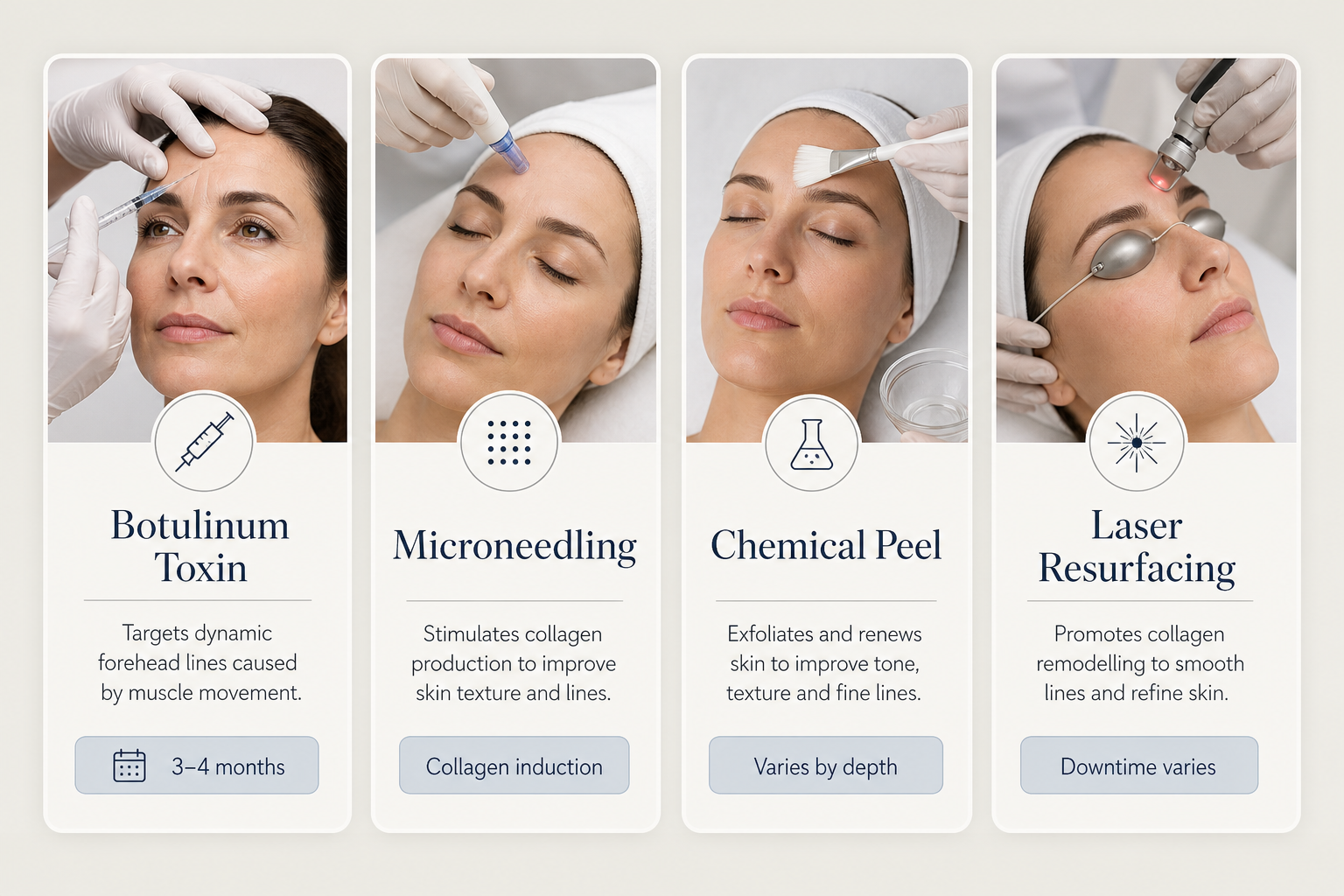
Botulinum Toxin (Neurotoxin Injections)
Botulinum toxin — available under brand names including Botox and Dysport — is the most commonly used professional treatment for dynamic forehead wrinkles. It works by temporarily reducing the activity of the frontalis muscle, which prevents the repetitive folding that deepens lines over time. When used at the stage when lines are still predominantly dynamic, botulinum toxin can prevent them from becoming static. Results typically last three to four months, after which the treatment can be repeated. Clinical evidence for its efficacy in forehead lines is well established. Risks include temporary bruising, headache, and — less commonly — unintended effects on adjacent muscles such as brow heaviness, which is why treatment by a qualified and experienced practitioner is important. Botulinum toxin is not suitable during pregnancy or breastfeeding.
Collagen Induction Therapy (Microneedling)
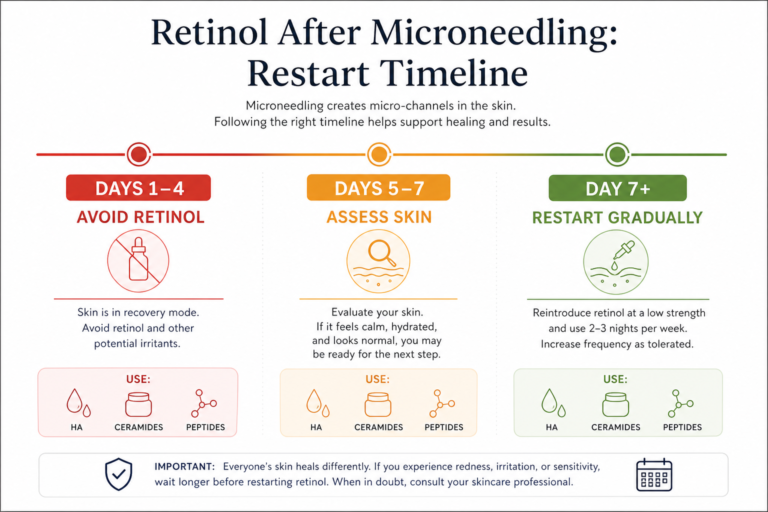
Collagen induction therapy, commonly known as microneedling, uses fine needles to create controlled micro-injuries in the skin, stimulating the body’s natural collagen and elastin production. It can improve skin texture, fine lines, and overall skin quality. Radiofrequency microneedling devices combine this mechanical stimulation with heat energy for additional skin tightening. A course of treatments is typically required, and results develop gradually over several weeks as new collagen forms. Downtime is usually limited to redness and mild swelling for one to three days. Microneedling is generally not suitable for active skin infections, certain inflammatory skin conditions, or patients on specific medications.
Chemical Peels
Chemical peels use acids — such as glycolic acid, lactic acid, or trichloroacetic acid — to remove the outer layers of skin and stimulate renewal. Superficial peels improve skin texture and tone with minimal downtime. Medium-depth peels can address more established fine lines but involve a longer recovery period. Peels are often used as part of a combination approach alongside other treatments. They are not suitable for all skin types, and darker skin tones require careful assessment to avoid post-inflammatory hyperpigmentation.
Laser Resurfacing
Fractional laser resurfacing — including CO2 and non-ablative fractional devices — targets the dermis to stimulate collagen remodelling and improve the appearance of fine lines and skin texture. Results can be significant, but downtime varies from a few days for non-ablative treatments to one to two weeks for ablative options. Laser resurfacing is generally more appropriate for established static lines than for early dynamic lines, though it may be used as part of a combination approach. Skin type, Fitzpatrick classification, and medical history all influence suitability.
Dermal Fillers
Dermal fillers — most commonly hyaluronic acid-based — are used to restore volume and smooth static lines. In the forehead, fillers are used more selectively than botulinum toxin, as the anatomy of the area requires careful technique to avoid vascular complications. Fillers are generally more relevant when lines have become static and there is associated volume loss, rather than as a first-line treatment for early dynamic lines in the 30s.
When to Seek Professional Advice
A useful decision framework: if forehead lines are visible only during expression and you have not yet established a consistent skincare routine, starting with evidence-based skincare is a reasonable first step. If lines are visible at rest, deepening despite good skincare, or causing significant concern, a consultation with a qualified aesthetic practitioner or dermatologist is appropriate. A professional assessment can determine whether lines are dynamic or static, identify contributing factors, and recommend a treatment plan matched to your skin and goals.
Realistic Expectations: What Prevention Can and Cannot Achieve
Prevention is genuinely effective, but it is important to be clear about its limits. A consistent preventative skincare routine with daily sunscreen and active ingredients can meaningfully slow the progression of forehead lines and may improve the appearance of early fine lines. It is unlikely to completely eliminate lines that are already visible, and it cannot reverse significant collagen loss that has already occurred.
Professional treatments can produce more noticeable improvements, but they also carry costs, risks, and maintenance requirements. Botulinum toxin requires repeat treatment every three to four months to maintain results. Laser and microneedling treatments require recovery time and may need multiple sessions. No treatment permanently stops the ageing process.
The most realistic outcome of early intervention in the 30s is that lines remain less deep and less numerous than they would otherwise become — not that they disappear entirely. This is a meaningful benefit, but it is worth approaching with accurate expectations rather than the promise of reversal.
Frequently Asked Questions
Is it normal to have forehead wrinkles at 30?
Yes. The forehead is one of the earliest areas to show expression lines because of the constant activity of the frontalis muscle and the relative thinness of the overlying skin. Noticing fine lines or early forehead furrows in your late 20s or early 30s is common and does not indicate accelerated ageing in most cases.
Can forehead wrinkles be reversed at 30?
Dynamic wrinkles — those that appear during movement — can often be significantly reduced with botulinum toxin and may improve with consistent use of retinoids over time. Lines that have become static are harder to fully reverse but may be improved with resurfacing treatments or fillers. Complete reversal is not a realistic expectation for any treatment.
Does drinking more water help with forehead wrinkles?
Adequate hydration supports overall skin quality and can make fine lines appear less pronounced when skin is well hydrated. However, drinking water does not directly rebuild collagen or reverse established wrinkles. Topical hyaluronic acid is more directly effective at improving skin hydration at the surface level.
At what age should I start using retinol?
Retinoids can be introduced in the mid-to-late 20s as a preventative measure, or earlier if a dermatologist recommends it for another skin concern. Starting in the early 30s is still well within the window where retinoids can meaningfully support collagen production and slow the progression of fine lines. Begin with a low concentration and increase gradually.
Does screen time cause forehead wrinkles?
Screen time itself has not been conclusively shown to cause wrinkles through blue light exposure at typical indoor levels. However, prolonged screen use may contribute indirectly — through habitual brow-raising while reading, squinting in poor lighting, or disrupting sleep quality. Addressing these habits is more evidence-based than purchasing blue-light-blocking skincare products, for which the evidence remains limited.
Can I use botulinum toxin as a preventative treatment in my 30s?
Preventative use of botulinum toxin — sometimes called preventative Botox — is an approach some practitioners recommend for patients with early dynamic lines who want to prevent them from becoming static. The rationale is that reducing muscle movement during the years when lines are still dynamic may slow their progression. This is a reasonable clinical approach for some patients, but it is not universally necessary and should be discussed with a qualified practitioner based on individual assessment.
How long does it take to see results from retinoids?
Visible improvement from retinoids typically takes eight to twelve weeks of consistent use, with more significant changes often apparent after six months. Skin may appear temporarily drier or more sensitive during the first few weeks of use — this is normal and usually settles as the skin adapts.
Starting Early: What Your 30s Mean for Long-Term Skin Health
The 30s represent a genuinely useful moment to act on forehead lines — not because the situation is urgent, but because the lines are most likely still dynamic and the skin’s capacity to respond to collagen-stimulating treatments remains relatively strong. Waiting until lines are deeply static makes improvement harder and typically requires more intensive intervention.
A practical starting point is daily broad-spectrum sunscreen, a vitamin C serum in the morning, and a retinoid introduced gradually in the evening. These three steps address the most significant drivers of early forehead line progression — UV damage, oxidative stress, and declining collagen production — and are supported by the strongest available evidence in topical anti-ageing skincare.
If you are uncertain whether your lines are dynamic or static, or if you want to explore professional options, a consultation with a qualified aesthetic practitioner or dermatologist can provide a clear assessment and a treatment plan matched to your skin, your goals, and your timeline. Early intervention does not mean aggressive intervention — it means making informed choices while the options are broadest.