Cheek Filler Injection Process: Step-by-Step Guide
Cheek filler treatment is one of the most requested forms of facial rejuvenation, helping to support the appearance of volume and mid-face contour. This guide walks through the full injection process, from initial consultation to aftercare, so readers can approach the procedure with clarity and realistic expectations.
Whether you’re new to cosmetic injectables or comparing cheek dermal filler options across London, understanding each stage of the treatment journey — preparation, the injection itself, and recovery — helps you make a more informed decision when exploring specialists through Science Beauty.

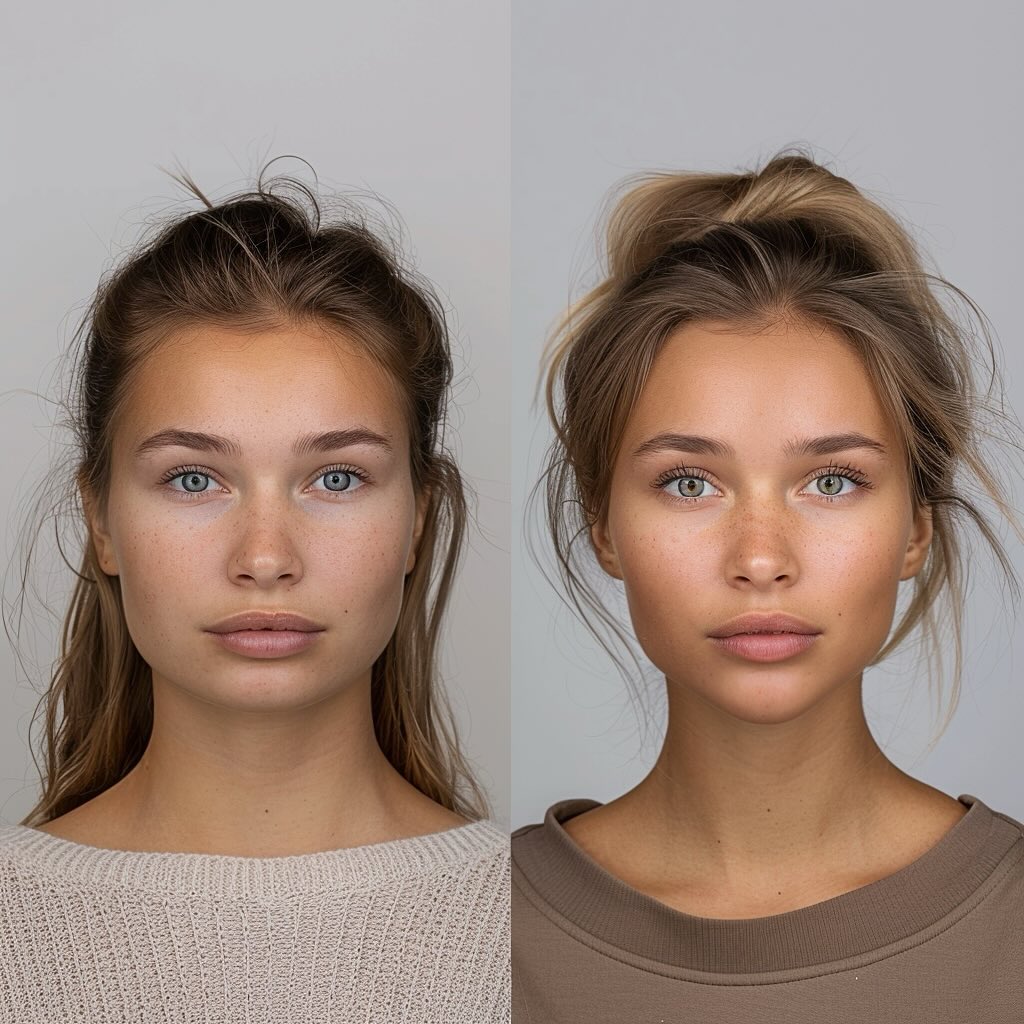
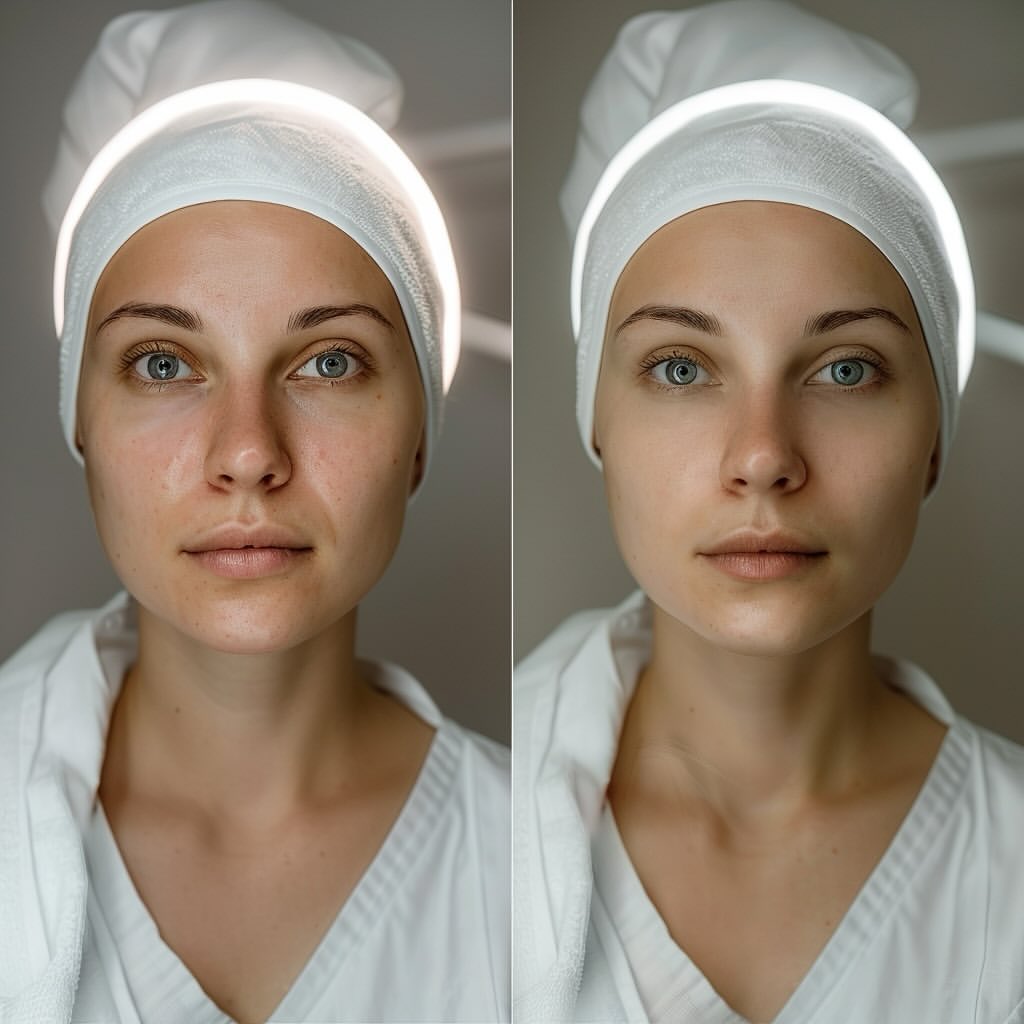
Thousands of satisfied customers

What Cheek Filler Treatment Involves
Cheek filler is typically used to restore lost volume, enhance facial contours, and create more balanced proportions across the mid-face. Most practitioners use hyaluronic acid fillers, valued for their smooth texture and reversibility, though the specific type of filler chosen depends on individual goals and facial anatomy.
The treatment works by adding structured volume beneath the skin, lifting the surface of the outer cheek area and supporting areas that have lost natural definition. Results are designed to look subtle rather than dramatic.
Goals of Cheek Filler Procedure
The treatment commonly addresses several concerns:
- Volume loss in the mid-face associated with natural ageing
- Naturally flat or under-projected cheekbones
- Facial asymmetry affecting overall balance
- Loss of definition along the cheek contour
- A tired or hollowed appearance caused by reduced fat pads
Areas Typically Treated
Injection points for cheek enhancement generally fall across a few key zones, though exact placement depends on facial structure and desired outcome.
| Area | Purpose |
| Anterior cheek | Adds forward projection and central volume |
| Lateral cheek | Enhances width and cheekbone definition |
| Deep medial cheek | The deep medial cheek may be assessed where volume loss contributes to a hollowed appearance |
| Zygomatic arch | Supports structural lift along the cheekbone |
Who Can Benefit From Treatment
Cheek dermal filler may suit adults experiencing age-related volume loss, those with naturally flatter cheeks, or people seeking improved facial symmetry. Suitability always depends on anatomy, skin quality, medical history, and a qualified practitioner’s assessment during consultation.
How to Prepare for Cheek Filler Appointment
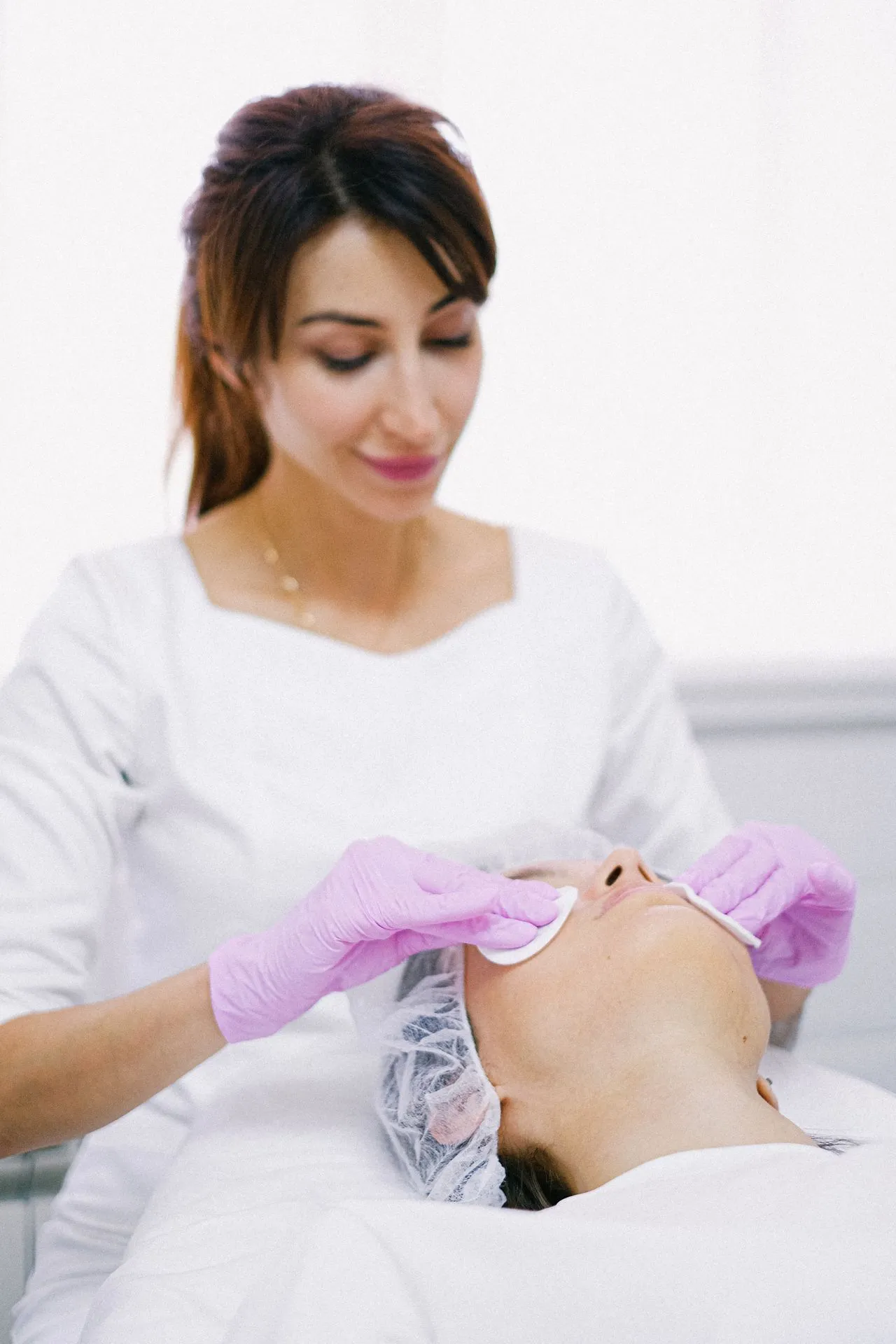
Preparation can reduce bruising and improve the overall treatment experience. Most practitioners provide guidance in the days leading up to your appointment, covering medication, lifestyle, and questions worth raising beforehand.
Following pre-treatment advice closely is one of the simplest ways to support a smoother injection process and more predictable healing afterwards.
Medications and Supplements to Avoid
Certain substances may increase bruising risk during the injection:
- Aspirin and other blood-thinning medications, unless prescribed
- Fish oil, vitamin E, and similar supplements
- Ibuprofen and other NSAIDs where possible
- Herbal remedies known to affect clotting
Always speak with a healthcare provider before stopping any prescribed medication ahead of treatment.
Lifestyle Recommendations Before Treatment
Simple adjustments beforehand can support comfort and results:
- Stay well hydrated in the days before your appointment
- Avoid alcohol for at least 24 hours prior
- Reduce smoking where possible to support healing
- Arrive with a clean face, or without makeup if requested
Questions to Ask Before Procedure
Before booking, it’s worth discussing the following with your chosen practitioner:
- Which type of product will be used and why
- The injector’s qualifications and experience with facial anatomy
- What results can realistically be expected
- Potential risks, side effects, and how they’re managed
- Aftercare instructions and any planned follow-up schedule
Cheek Filler Injection Process Step by Step
The injection process follows a structured sequence designed to prioritise safety, precision, and natural-looking results. Each stage builds on facial mapping and continuous assessment throughout the appointment.
Cleansing and Marking Injection Sites
The practitioner begins by thoroughly cleansing the skin, then mapping the face to identify optimal cheek filler injection points. Photographs are often taken beforehand, and planned injection sites are marked to guide precise injection and even distribution across the treatment area.
Applying Numbing Cream
A topical anaesthetic cream is typically applied to the cheek area beforehand. Many fillers also contain lidocaine, which helps reduce discomfort during the injection itself, allowing for a more comfortable overall experience.
Filler Injection Technique
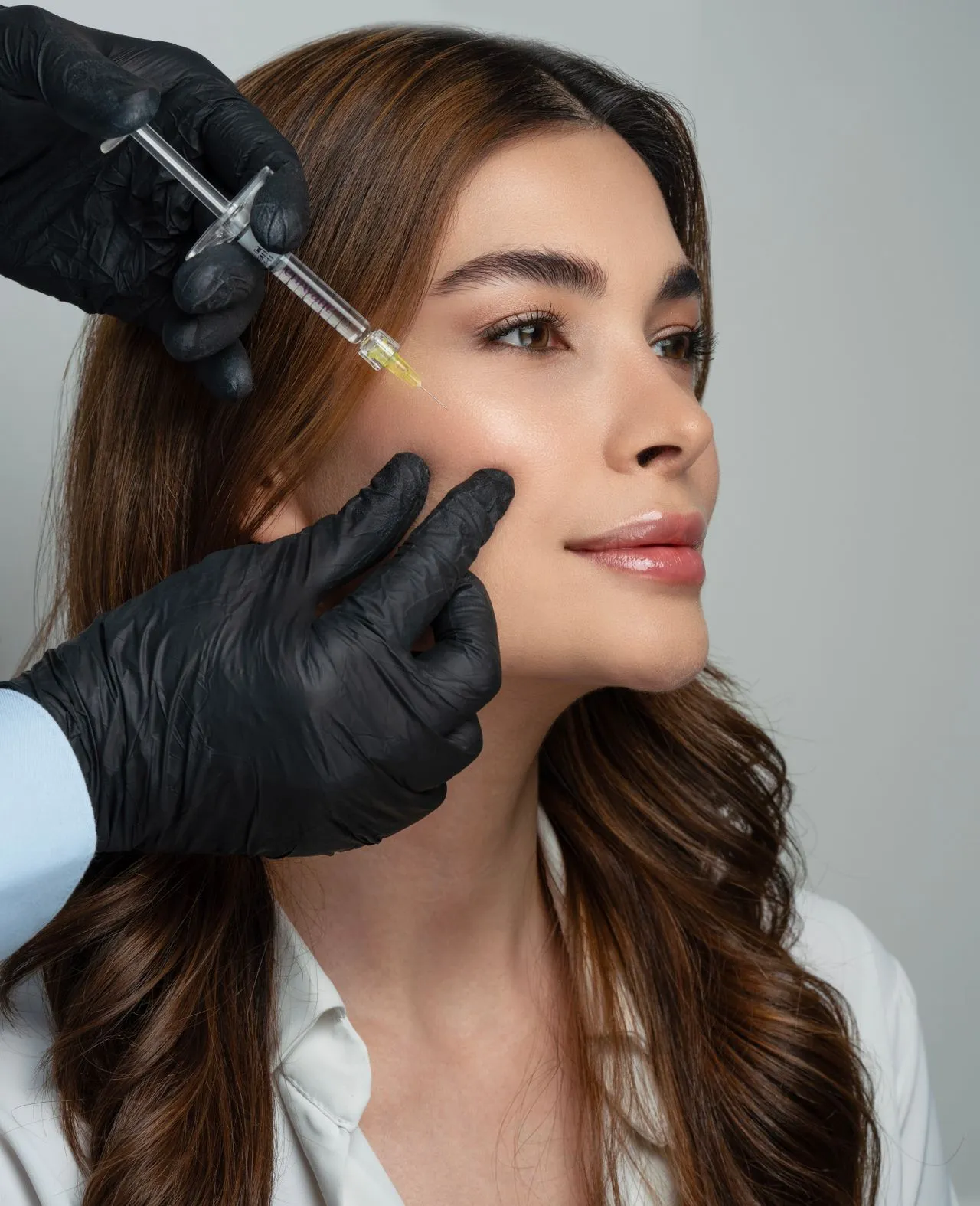
Filler is placed using either a fine needle or a cannula, depending on the practitioner’s preferred injection technique and the treatment plan. The dermal filler is introduced gradually across multiple injection points, with the injector continuously assessing symmetry, volume, and cheek contour throughout.
Shaping and Evaluating Results
Once filler is injected, the practitioner may gently massage the area to encourage even distribution. Facial symmetry is checked from multiple angles, with additional small adjustments made where needed before confirming the final result.
What Patients Can Expect During the Procedure
Understanding what happens during the appointment can help ease anxiety, particularly for those considering the procedure for the first time.
Duration of Appointment
A full cheek filler appointment typically takes between 30 and 45 minutes, including consultation updates, numbing time, the injection itself, and a final review of results before leaving the clinic.
Pain Level During Injections
Most patients describe the injections as involving pressure or mild pinching rather than significant pain. Numbing cream and lidocaine within the filler help keep discomfort manageable throughout the procedure.
Immediate Appearance After Treatment
Some swelling, redness, and minor bruising are normal immediately after treatment. Visible volume and contour improvement is typically noticeable straight away, although true results settle over the following days.

Recovery After Cheek Filler Treatment
Recovery from cheek filler injection is generally straightforward, though following aftercare guidance closely supports the best possible outcome and reduces avoidable complications.
First 24 to 48 Hours
In the first two days, patients are typically advised to:
- Apply a cold compress to reduce swelling
- Avoid strenuous exercise and excessive heat
- Steer clear of alcohol and blood-thinning supplements
- Avoid unnecessary pressure or touching of treated areas
Healing Timeline
Swelling usually reduces within a few days, while any bruising typically resolves within one to two weeks. The filler continues to settle gradually, with final contour becoming clearer over the following weeks.
| Timeframe | What to Expect |
| 24—48 hours | Peak swelling, possible bruising |
| 3—7 days | Swelling reduces, bruising fades |
| 1—2 weeks | Most visible bruising resolved |
| 2—4 weeks | Filler fully settles, final contour visible |
Aftercare Tips for Best Results
To support natural-looking, long-lasting results, patients are often advised to:
- Stay hydrated and maintain a gentle skincare routine
- Sleep on your back where possible for the first few nights
- Avoid heavy makeup on treated areas for at least 12 hours
- Attend any recommended follow-up appointment for review
Choosing a Qualified Practitioner for Cheek Fillers
Selecting an experienced injector is one of the most important factors in achieving safe, natural-looking results from cheek filler treatment.
Credentials and Experience
Look for a practitioner with recognised medical qualifications, strong knowledge of facial anatomy, and specific experience in cheek augmentation and cheek filler techniques rather than general cosmetic work alone.
Before-and-After Portfolio
Reviewing a practitioner’s previous work can help set realistic expectations. Consistent, natural-looking results across different facial structures suggest careful judgement rather than a one-size-fits-all approach to filler placement.
Safety Standards During Treatment
Choose practitioners working within licensed clinics that follow clear safety protocols, use approved dermal filler products, and maintain transparent, unhurried consultation processes before any treatment begins.
Frequently Asked Questions
How long does the cheek filler injection process take?
A typical appointment lasts around 30 to 45 minutes, though this can vary depending on the number of injection points, complexity of the treatment plan, and whether additional areas are being addressed alongside cheek augmentation during the same session.
Does cheek filler procedure hurt?
Most patients experience mild pressure or pinching rather than significant pain. Topical numbing cream and lidocaine within the filler itself help manage discomfort, making the injection process generally well tolerated by those new to aesthetic treatments.
What are the risks and side effects of cheek filler injections?
Common side effects include temporary swelling, redness, tenderness, and minor bruising at injection points. Less commonly, lumps, asymmetry, or infection can occur. Rarely, filler can affect blood vessels, causing more serious complications. Choosing an experienced injector and following aftercare guidance helps reduce these risks.
When can normal activities resume after the treatment?
Most people return to normal daily activities the same day, though strenuous exercise, excessive heat, and alcohol are usually best avoided for 24 to 48 hours to reduce swelling, bruising, and pressure on treated areas.
How long do the results last?
Cheek filler results typically last between 12 and 18 months, though this varies depending on the type of filler used, individual metabolism, and treated area. A qualified practitioner can advise on maintenance timing during follow-up consultations.
Can the product be dissolved if needed?
Yes, hyaluronic acid fillers can usually be dissolved using a dissolving enzyme if results are uneven, overfilled, or no longer desired. This option offers reassurance for those trying filler injections for the first time.
What should be avoided after cheek filler injections?
Patients are generally advised to avoid strenuous exercise, excessive heat such as saunas, alcohol, and unnecessary pressure on treated areas for at least 24 to 48 hours, supporting smoother healing and more predictable, natural-looking results.
Newsletter Updates
Enter your email address below and subscribe to our newsletter