
Lip Filler Injection Process: Step-by-Step Guide
Lip filler injections are among the most requested aesthetic treatments in London, typically using hyaluronic acid to add volume, shape, or definition. This guide walks through the whole process from initial consultation to final results, helping readers considering lip augmentation know what to expect at each stage.

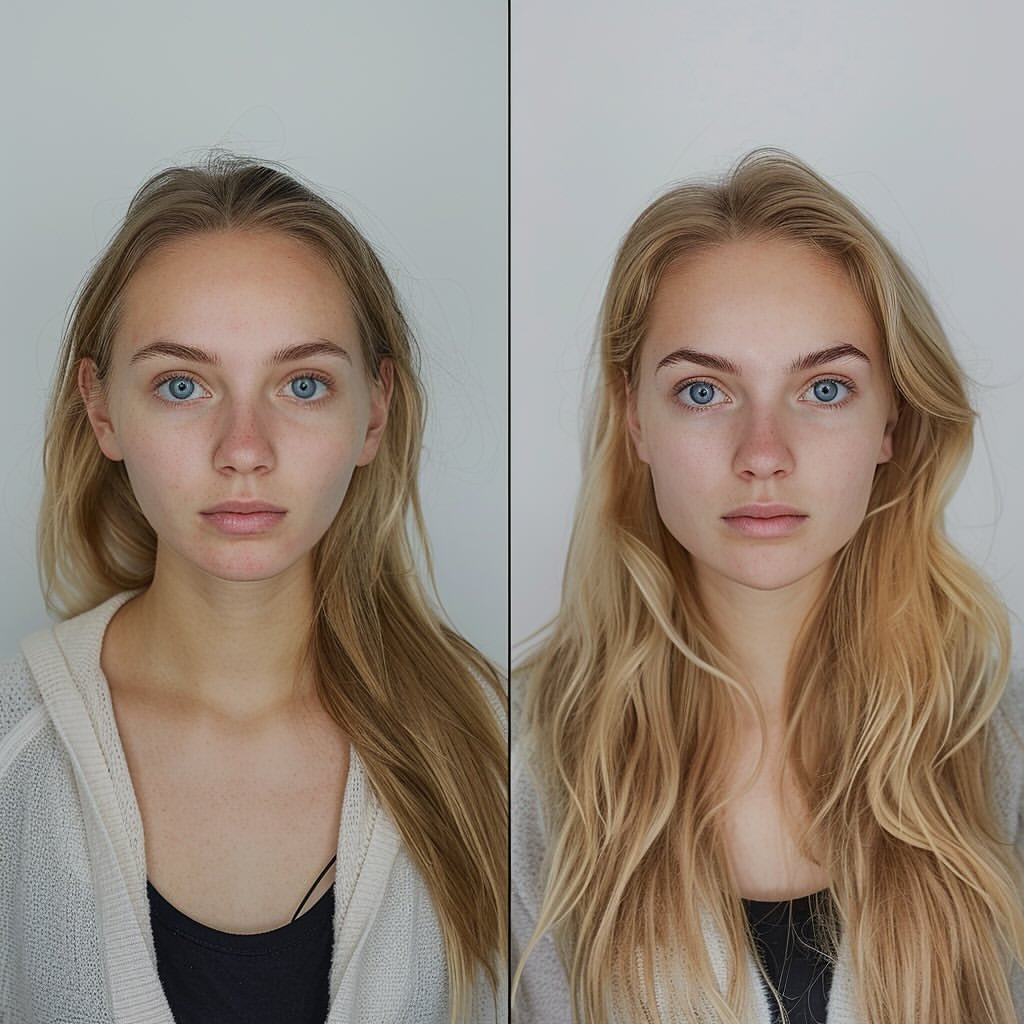


Thousands of satisfied customers
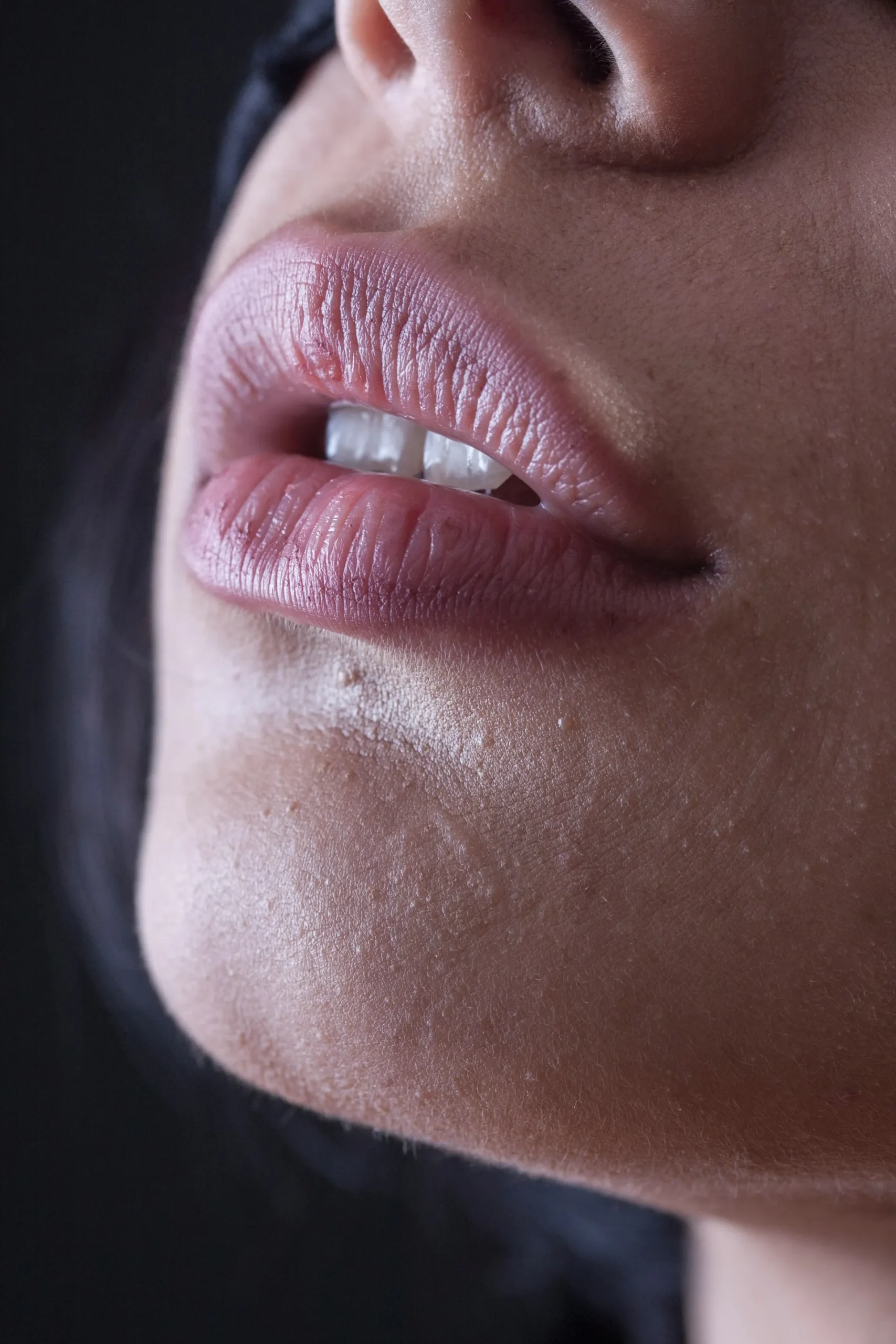
Lip Filler Injection Step by Step
A typical lip filler treatment follows a structured sequence: consultation, assessment, filler selection, preparation, the injection itself, and final shaping. Understanding this order can help readers feel more confident before attending their first appointment with an independent specialist.
Each stage plays a role in achieving natural-looking results. Practitioners generally move through these steps methodically, checking symmetry and comfort throughout, rather than rushing straight to the injection process itself.
Initial Consultation and Treatment Planning
During consultation, injectors typically assess facial proportions, lip anatomy, and medical history to identify contraindications. Aesthetic goals are discussed openly, allowing the practitioner to design a treatment plan tailored to the individual rather than applying a generic approach to every patient.
- Facial proportions and overall symmetry
- Medical history and known allergies
- Previous cosmetic or dermal filler treatments
- Aesthetic goals, including the desired volume
- Any contraindications requiring further assessment
Lip Assessment and Facial Balance Evaluation
Providers typically evaluate lip symmetry, volume, and the vermillion border alongside surrounding facial features. The cupid’s bow area is often assessed for natural proportion, since enhancing this region disproportionately can create results that look less harmonious with the rest of the face.
Choosing Suitable Dermal Filler
Hyaluronic acid filler is the most common choice for the augmentation, as it is a naturally occurring substance that integrates well with lip tissue. Consistency, flexibility, and longevity vary between products, so the type of filler used often depends on the desired outcome.
| Filler Characteristic | Typical Use |
| Softer, more flexible gel | Natural movement, subtle enhancement |
| Firmer, structured gel | Defining vermilion border, shape correction |
| Longer-lasting formulation | Extended results, fewer maintenance visits |
Preparing Lips Before Injection
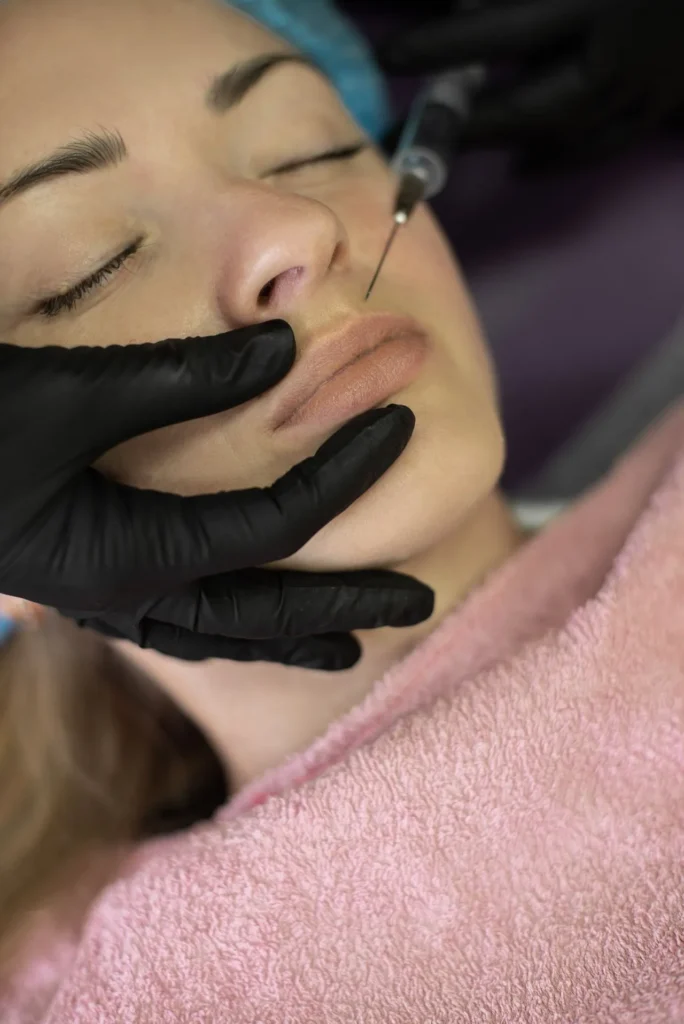
Before injecting filler, the lips are cleansed and makeup is removed to maintain sterile conditions. A topical numbing cream is usually applied, and injection points may be marked to guide accurate, symmetrical filler placement across the upper and lower lip.
What Happens During Lip Filler Treatment
Filler is generally injected using a fine needle or cannula, with small amounts of filler placed gradually to avoid overcorrection. The practitioner places small amounts of filler according to the agreed treatment plan.
Massage and Final Shape Adjustment
Once the filler is placed, practitioners often massage the lips gently to distribute the product and smooth any minor irregularities. Symmetry is checked carefully before the appointment concludes, ensuring both lips reflect the intended, balanced result.
Lip Anatomy and Injection Areas
Understanding lip anatomy helps explain why certain injection points are prioritised. The upper and lower areas contain distinct structures, and awareness of important blood vessels is essential for safe injection technique and reducing complication risk.
Vermilion Border
Defining the vermillion border of the lips can sharpen the shape and improve definition. This technique is often used for thin lips, where restoring a crisper outline creates the appearance of fuller lips without necessarily adding excessive volume.
Cupid’s Bow
Enhancing the cupid’s bow requires a careful, conservative technique, as overfilling this area can distort natural facial harmony. Small amounts of filler are typically used here to maintain a natural appearance rather than an exaggerated peak.
Lip Body and Volume Enhancement
Volume is usually added to the central lip body to address volume loss or create fuller lips. Practitioners aim to preserve softness and natural movement, avoiding a stiff or overfilled texture that can look unnatural when speaking or smiling.
Oral Commissures and Surrounding Area
When appropriate, filler may be placed near the oral commissures to soften downturned corners. This is considered on a case-by-case basis, depending on individual anatomy and the goals discussed during consultation.
Preparation Before Lip Filler Appointment
Preparing properly before an appointment may reduce bruising and support smoother recovery. Independent specialists typically provide guidance in advance, covering medications, lifestyle factors, and questions worth raising during consultation.
Medications and Supplements to Avoid
Certain medications and supplements can increase bruising risk during the injections. Patients should always consult their healthcare provider before stopping any prescribed medication.
- Aspirin and other blood-thinning medications
- Fish oil and omega-3 supplements
- Vitamin E supplements
- Ibuprofen and similar anti-inflammatories
- Alcohol in the 24 hours before treatment
Foods, Alcohol, and Lifestyle Considerations
Alcohol, smoking, dehydration, and strenuous exercise may all influence bruising and swelling after the injections. Staying hydrated and avoiding these factors beforehand is often recommended to support a smoother injection process and recovery.
Questions to Ask During Consultation
Asking the right questions during consultation can help patients feel informed before their first lip filler experience.
- What qualifications and training does the injector hold?
- Which type of filler will be used, and why?
- What results can realistically be expected?
- What are the possible risks or side effects?
- Is follow-up care available if needed?

Pain Management During Lip Filler Injection
Discomfort during the injections varies between individuals, though most describe it as manageable rather than severe. Several methods are typically used to reduce sensation during the injection technique itself.
Topical Numbing Cream
A topical anaesthetic cream is usually applied to the area around fifteen to twenty minutes before injecting begins. This helps reduce surface sensitivity, making the initial needle entry considerably more comfortable for most patients.
Fillers Containing Lidocaine
Many hyaluronic acid fillers contain lidocaine, a local anaesthetic that activates once the filler is placed. This can reduce discomfort progressively throughout the injection process, particularly during later injection points.
Pain Level and Patient Experience
Most patients describe the procedure as involving pressure or mild stinging rather than significant pain. Individual pain tolerance varies considerably, and practitioners can pause or adjust technique if discomfort becomes difficult to manage.
Recovery Timeline After Lip Filler Injection
Recovery from lip filler injections generally follows a predictable pattern, though timelines vary by individual. Most swelling and bruising subside within a few days, with final results becoming apparent shortly afterwards.
First 24 Hours
Immediately after the procedure, swelling, redness, and tenderness are common, along with occasional minor bruising. Cold compresses may help manage discomfort, and patients are typically advised to avoid touching the treated area unnecessarily.
Days Two to Seven
Swelling typically reduces noticeably within the first week, with lips gradually settling into a more accurate representation of the final shape. Some asymmetry during this period is normal and usually resolves as swelling continues to subside.
Final Results After Healing
Final results are usually visible once swelling has fully resolved, often around two weeks after treatment. At this stage, filler has typically integrated with surrounding tissue, and any follow-up appointment can be considered if needed.
Lip Filler Aftercare
Following aftercare instructions closely can support optimal results and reduce the risk of complications after lip augmentation.
| Recovery Stage | Aftercare Focus |
| First 24 hours | Cold compress, avoid touching the area |
| 24—72 hours | Avoid alcohol, exercise, and excessive heat |
| First 2 weeks | Avoid unnecessary massage or manipulation |
Activities to Avoid
Certain activities may increase swelling, bruising, or infection risk following lip filler injections.
- Strenuous exercise for 24—48 hours
- Saunas, steam rooms, and excessive heat
- Alcohol consumption for at least 24 hours
- Smoking, which may affect healing
- Applying makeup to injection sites too early
Managing Swelling and Bruising
Cold compresses can help ease swelling in the first day or two after treatment. Staying well hydrated, sleeping slightly elevated, and avoiding unnecessary pressure on the lips may also support a more comfortable recovery.

Signs That Require Medical Attention
Most side effects are mild, but certain symptoms warrant prompt medical evaluation to rule out rare but serious complications, such as intra-arterial injection.
- Severe or worsening pain
- Prolonged blanching or unusual skin colour changes
- Significant or spreading discolouration
- Signs of infection, including warmth or discharge
- Sudden vision changes

Choosing a Qualified Lip Filler Provider
Choosing a qualified injector is one of the most important decisions in the process. Readers exploring options through Science Beauty can compare verified clinics and independent specialists in London, reviewing qualifications, experience, and treatment approach before booking a consultation.
- Recognised medical or aesthetic qualifications
- Experience specifically with lip filler treatment
- Clear communication about products and technique
- Transparent pricing and consultation process
- Verified reviews or professional accreditation
Frequently Asked Questions
How long does lip filler injection process take?
A typical lip filler appointment lasts around 45–60 minutes in total. This includes consultation, applying numbing cream, the injection process itself, and a final assessment to check symmetry and shape before the patient leaves the clinic.
How painful are the injections?
Most patients report mild to moderate discomfort, often described as pressure or brief stinging rather than significant pain. Topical numbing cream and lidocaine-containing fillers help manage sensation, though individual pain tolerance means experiences can vary between patients considerably.
When does swelling go away after the procedure?
Swelling is most noticeable within the first 24–48 hours and typically subsides significantly within a week. Full settling can take up to two weeks, at which point final results are usually more accurately visible.
Can I eat or drink after lip filler injections?
Patients can usually eat and drink shortly after treatment, though very hot drinks and alcohol are best avoided for 24 hours. Gentle handling of the lips while eating is recommended to avoid unnecessary pressure on treated areas.
How soon can I wear lipstick after treatment?
Makeup is generally considered safe on injection sites after around 12 hours, once initial swelling has settled. Applying lipstick too early may increase infection risk or disturb filler placement before it has properly settled.
Are lip filler injections reversible?
Many hyaluronic acid fillers can often be dissolved using an enzyme called hyaluronidase if results are uneven or unsatisfactory. This reversibility is one reason hyaluronic acid remains a widely used option for lip augmentation.
Who should avoid lip filler injections?
Lip filler injections may not be suitable for those who are pregnant, breastfeeding, or have active infections in the treatment area. Allergies to filler components and certain medical conditions also require professional evaluation before proceeding.