Why Do People Get Headaches After Botox? Causes, Symptoms and Recovery Explained
A headache is one of the most commonly discussed side effects following a Botox injection. While many people complete treatment without significant discomfort, some may feel a pressure sensation due to temporary tissue irritation, muscle adaptation, or individual sensitivity. Most cases are mild and short-lived, although symptoms can vary.
Clinical studies suggest that a mild head pain after Botox treatment is usually temporary and often resolves within hours to a few days. However, persistent or severe symptoms deserve medical assessment. Understanding why headaches after Botox injections occur can help readers make informed decisions when considering the procedure and exploring qualified practitioners through Science Beauty.

Thousands of satisfied customers
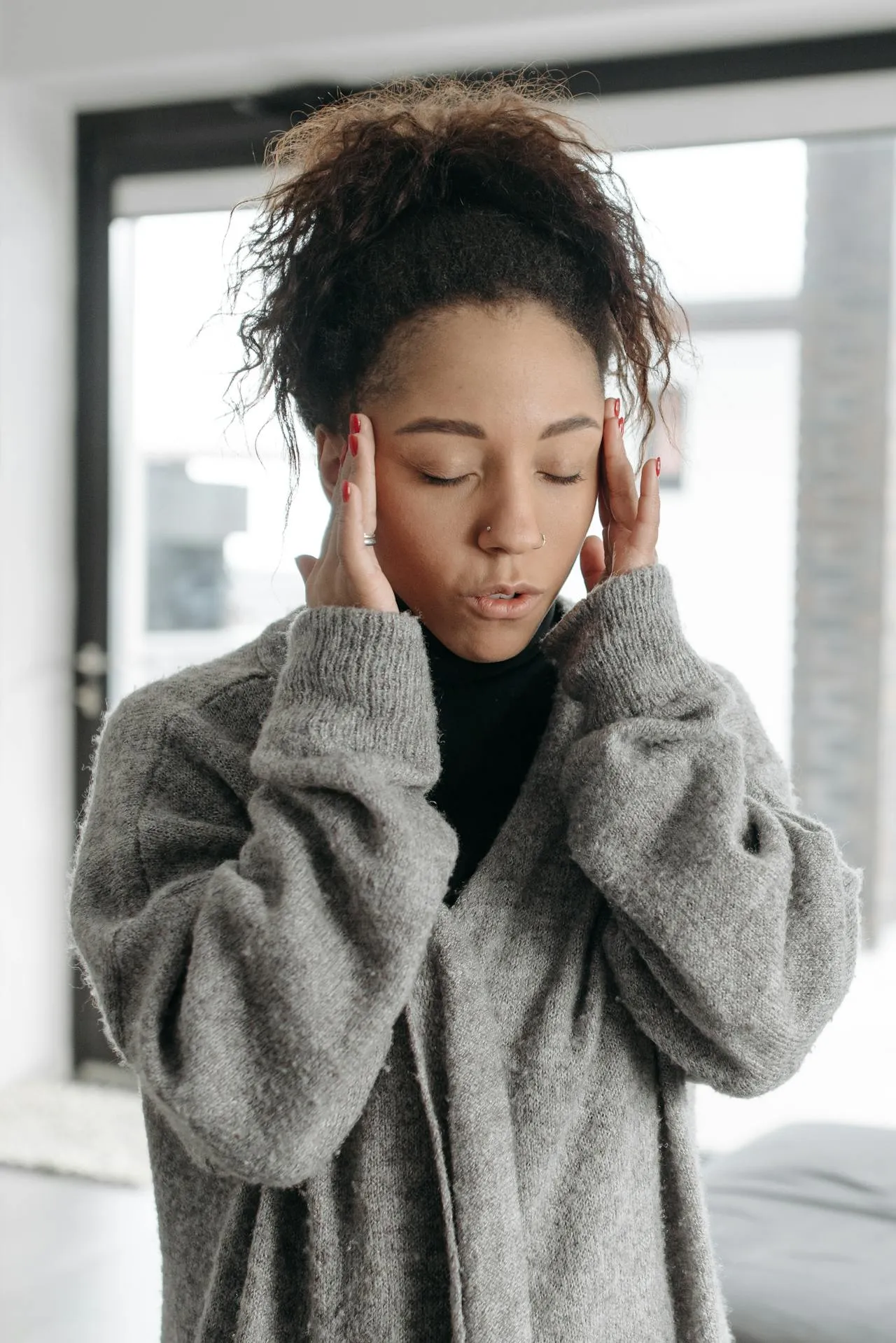
Headaches After Botox: Common or Rare?
A headache may occur after either a cosmetic or medical Botox treatment, but rates vary depending on the condition being treated, the number of injection points, and individual factors.
Frequency Of Headaches Following Botox Injections
Research suggests headache rates following an injection are generally low but not uncommon. Reported incidence varies across studies, treatment areas, and patient populations. Some Botox patients experience mild head pain immediately after treatment, while others notice symptoms later.
Factor | Potential Influence On Headache Frequency |
Previous headache history | May increase susceptibility |
Number of injection sites | May affect temporary discomfort |
Anxiety levels | Can contribute to symptoms |
Individual sensitivity | Influences symptom perception |
Common factors that may affect headache frequency include:
- Existing migraine disorders
- Sensitivity to needles
- Treatment area size
- Muscle activity patterns
- Hydration status
- Stress levels
Cosmetic Botox Versus Therapeutic Botox
Cosmetic Botox is commonly used to reduce wrinkle formation in areas such as the forehead or temples. Therapeutic uses include treatment for chronic migraine, muscle spasticity, and excessive sweating. Headache rates may differ because treatment goals, injection patterns, and the dose of BTX vary considerably.
Interestingly, Botox treatment for migraine is designed to treat chronic migraine and reduce headache days over time. Although it can help many people with migraine, a temporary head pain after Botox can still occur during the early period following treatment.
Typical Timeline For Symptom Development
Most people who get a headache after treatment notice symptoms within the first day. Others may experience post-treatment discomfort during the following several days as muscles adjust to the effects of botulinum toxin.
Typical symptom timing includes:
- Within a few hours of injection
- During the first 24 hours
- Several days after treatment
- Rarely beyond one week
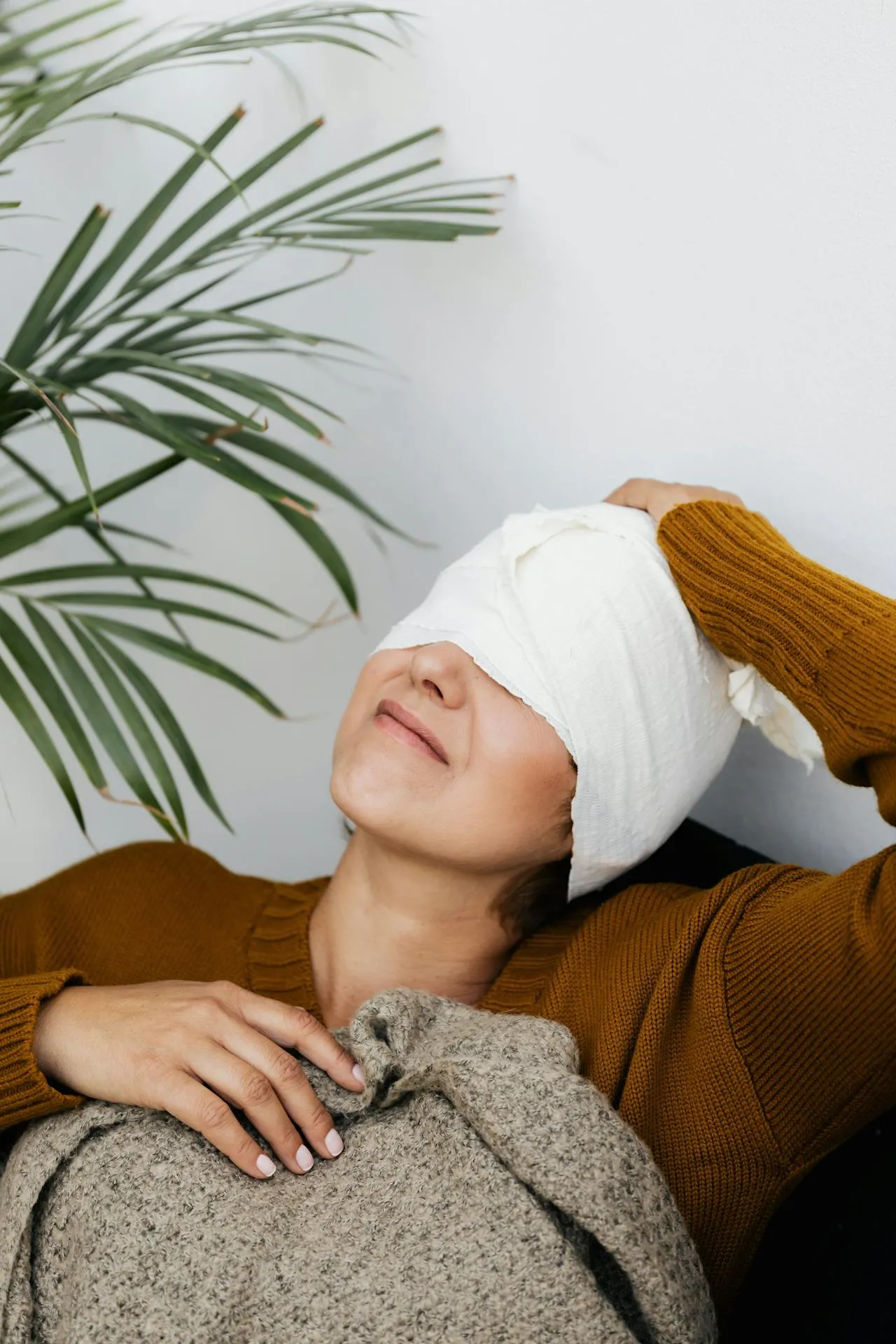
Causes Of Headaches After Botox
Several mechanisms may explain why Botox can cause temporary pain symptoms. In many cases, more than one factor contributes to discomfort.
Injection Site Trauma
Every injection creates a small puncture in the skin. Even when performed carefully, the needle can cause mild irritation around the injection site. This temporary tissue response may lead to headaches, tenderness, or local discomfort.
Muscle Adaptation And Tension Changes
Botox work involves reducing communication between nerves and targeted muscles. As muscles adapt, neighbouring muscles may temporarily compensate. This muscle tension adjustment, including over-contraction of forehead muscles, can occasionally contribute to head pain.
Inflammatory Response Following Treatment
The body’s natural response to any injection may involve mild inflammation. This response is usually short-lived but may trigger a mild head pain in sensitive individuals. Clinical experts consider this a normal physiological reaction rather than a sign of treatment failure.
Nerve Irritation Around Injection Areas
Small sensory nerves are located throughout facial and scalp tissues. Temporary irritation near these structures may contribute to discomfort. Some people describe headaches feel like pressure, aching, or mild throbbing sensations.
Injection Technique Factors
Injection placement, depth, product distribution, and practitioner experience can influence outcomes. A qualified Botox provider aims to administer Botox accurately and consistently, helping minimise avoidable side effects.
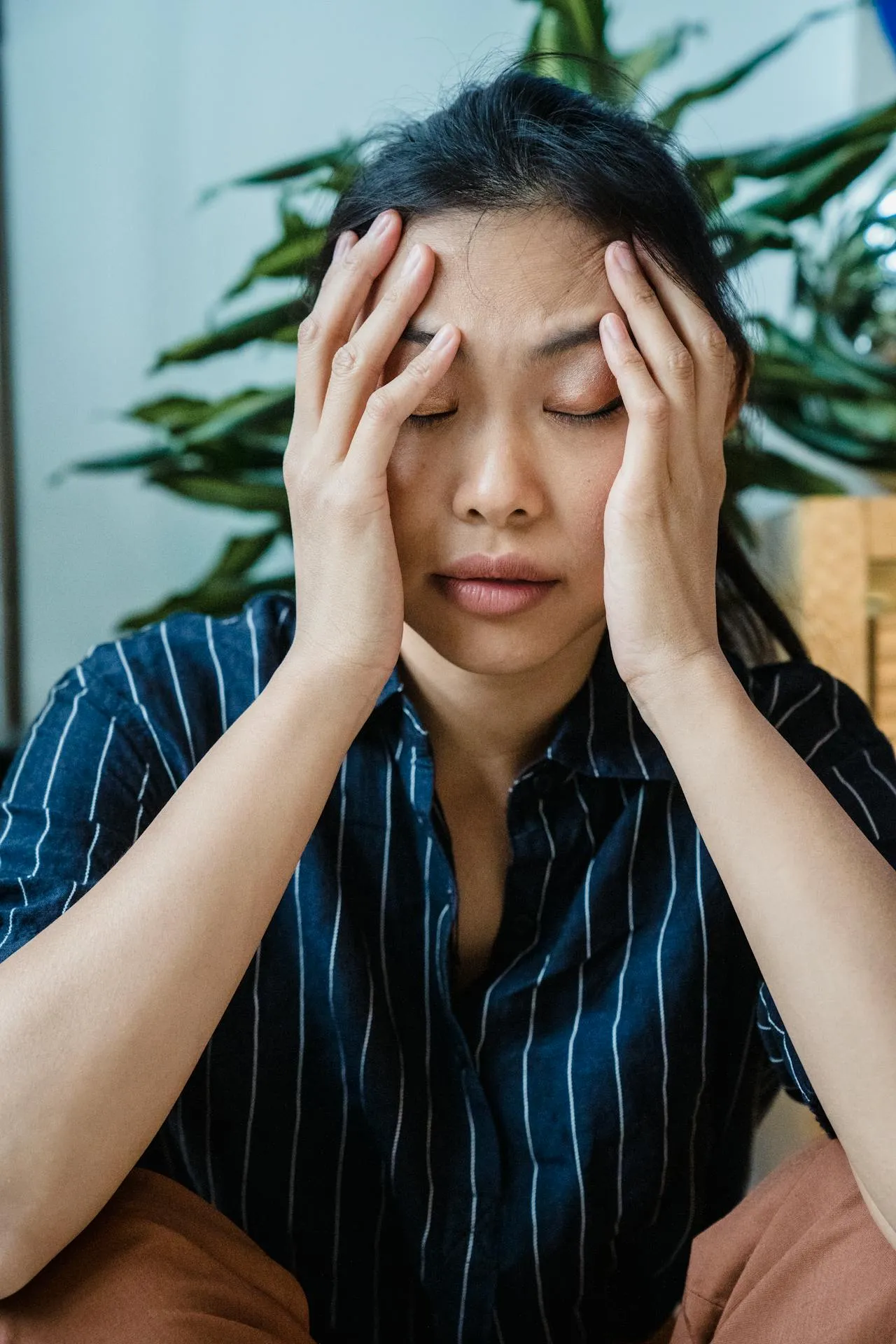
Types Of Headaches That Can Occur After Botox
Not every headache after Botox presents the same way. Different patterns may occur depending on the underlying cause.
Mild Tension Headaches
A mild head pain often feels like a band of pressure around the head. Tension headaches are typically linked to stress, muscle adaptation, or procedural anxiety and usually improve within a few days.
Pressure Or Tightness In Forehead
Some individuals report tightness across the forehead or temples after injecting Botox. This sensation often reflects changes in muscle activity rather than a complication. As Botox is working, the sensation typically becomes less noticeable.
Migraine-Like Symptoms
People with a history of migraine may occasionally experience symptoms resembling previous migraine attacks. They can include throbbing discomfort, sensitivity to light, or nausea. This does not necessarily indicate treatment failure.
Headaches Associated With Neck Muscle Changes
Changes in neck and scalp muscle balance can sometimes lead to pain symptoms. Altered movement patterns may create temporary discomfort, particularly when larger treatment areas are involved.
Stress And Anxiety Related To Procedure
Procedural anxiety can contribute to tension headaches. People receiving Botox for the first time may experience mild head pain related to anticipation, stress, or muscle tightening during treatment rather than the botulinum toxin type itself.
Dehydration And Lifestyle Factors
Dehydration, missed meals, alcohol consumption, and poor sleep may lead to headaches following treatment.
Potential contributing factors include:
- Inadequate hydration
- Lack of sleep
- Excess alcohol
- High stress levels
- Intense exercise
- Poor nutrition
Risk Factors For Developing Headaches After Botox
Certain characteristics may increase the likelihood of experiencing a headache after Botox treatment.
History Of Chronic Headaches Or Migraines
People with chronic migraine or frequent headache disorders may be more sensitive to physical triggers. Existing neurological pathways can make it easier to develop a head pain following procedures.
First-Time Botox Treatments
Individuals who get Botox treatment for the first time may notice symptoms more readily because the experience is unfamiliar and muscles are adapting for the first time.
Number Of Injection Sites
Larger treatment plans often require more than one injection point. Multiple injection areas may slightly increase temporary tissue irritation.
Dosage Administered
An approved Botox treatment plan is tailored to treatment goals. Larger doses do not automatically cause headaches, but treatment variables may influence symptom patterns.
Individual Sensitivity To Injections
Biological variability plays an important role.
Factors include:
- Pain tolerance
- Skin sensitivity
- Anxiety levels
- Previous experiences
- General health status
How Long Do Headaches Last After Botox
Most pain symptoms after getting Botox injections improve quickly without intervention.
Headaches During First 24 Hours
The first day is the most common period for symptoms. A tightness across the forehead may occur because of injection-related irritation or temporary muscle responses.
Symptoms During First Week
Many people report gradual improvement during the first week. Some pressure sensations after your Botox may come and go as muscle adaptation continues.
Persistent Pain Beyond Several Days
Headaches that last beyond several days are less common. Persistent symptoms may warrant assessment to identify unrelated causes, migraine activity, or other contributing factors.
Factors Affecting Recovery Time
Recovery Factor | Potential Effect |
Hydration | May support symptom resolution |
Sleep quality | Can influence recovery |
Stress levels | May prolong symptoms |
Overall health | Affects healing response |
Recovery may also depend on:
- Treatment area
- Injection technique
- Lifestyle habits
- Existing headache conditions
- Individual biology

How To Relieve Headaches After Botox
Several practical approaches may help relieve headaches following treatment.
Rest And Hydration Strategies
Adequate rest and hydration are often recommended. These measures may help prevent head discomfort from becoming more noticeable and support overall recovery.
Over-The-Counter Pain Relief Options
Over-the-counter pain relievers may be appropriate for some individuals. Readers should follow product instructions and seek medical advice if unsure. Over-the-counter pain relievers should not be used excessively without professional guidance.
Cold Compress Application
A cold compress may reduce local discomfort and swelling. Applying it gently for short periods can help relieve head pain and cause mild discomfort less frequently.
Avoiding Activities That Worsen Symptoms
Temporary avoidance of certain activities may be beneficial.
Examples include:
- Intense exercise
- Excess alcohol
- Excessive heat exposure
- Prolonged sun exposure
- Sleep deprivation
Following Aftercare Recommendations
Botox aftercare guidance provided by independent specialists should be followed carefully. Appropriate aftercare may reduce the likelihood of triggering a headache and support recovery.

When Headaches After Botox May Indicate A Problem
Most head-related symptoms are mild, but some situations require prompt evaluation.
Severe Or Sudden Headaches
A severe headache that develops suddenly should not be ignored. Experiencing a pain that is intense or unusual compared with previous symptoms warrants medical review.
Headaches Accompanied By Vision Changes
Blurred vision, double vision, or significant visual disturbances require prompt assessment. These symptoms are uncommon but deserve attention.
Neurological Symptoms Requiring Attention
Seek immediate medical attention if symptoms include:
- Weakness
- Difficulty speaking
- Significant dizziness
- Facial asymmetry
- Unusual sensations
Signs Of Infection Near Injection Sites
Redness, increasing swelling, fever, or worsening pain near an injection site may suggest infection and should be assessed by a healthcare professional.
Understanding What To Expect After Botox
A botox headache is usually temporary and often linked to injection-related irritation, inflammation, muscle adaptation, or lifestyle factors. Most symptoms improve within hours to a few days and respond to conservative treatment measures.
Although Botox is a drug and potential side effects of Botox can occur, serious complications remain uncommon. Whether considering Botox for cosmetic concerns or a treatment option for chronic migraine, balanced expectations are important. Science Beauty helps readers compare independent London clinics and specialists when exploring Botox for cosmetic and medical indications.
Frequently Asked Questions
Is It Normal To Get A Headache After Botox?
Yes. A headache after Botox is recognised as a possible common side effect of Botox injections. Most cases are mild, temporary, and related to the injection process, tissue irritation, or muscle adaptation. Clinical studies suggest symptoms usually resolve without intervention within a short period and do not necessarily indicate a problem with treatment.
How Soon Can Headaches Start After Treatment?
Many people get a headache within the first few hours after a Botox injection, although symptoms may also appear during the following one to three days. The exact timing varies according to individual sensitivity, treatment area, injection technique, hydration status, and any underlying migraine history.
Are Certain People More Likely To Experience Post-Treatment Discomfort?
Yes. Individuals with a history of migraine, chronic pain conditions, heightened sensitivity to injections, anxiety about procedures, or previous reactions to aesthetic treatments may be more likely to notice temporary discomfort. Factors such as sleep quality, hydration levels, stress, and overall health can also influence how the body responds after treatment.
Can Botox Make Existing Headaches Worse?
In some individuals, particularly those with chronic migraine or recurrent headache disorders, symptoms may temporarily worsen before improvement occurs. This short-term increase does not affect everyone. Botox is approved to help prevent migraine in suitable patients, but responses vary and careful assessment remains important before treatment.
Should I Contact My Provider About Persistent Headaches?
If headaches persist beyond several days, continue worsening, interfere significantly with daily activities, or occur alongside neurological symptoms, professional assessment is advisable. Keeping a symptom diary can help identify their frequency, triggers, and progression, providing useful information for the evaluating healthcare professional.
Can Symptoms Affect Daily Activities After Treatment?
Most post-procedure discomfort is mild and temporary, allowing people to continue normal daily routines. Some individuals may prefer to avoid strenuous exercise, excessive heat exposure, or alcohol consumption for the first day. If symptoms become severe or interfere significantly with everyday activities, medical advice should be sought.
Do Headaches Mean Botox Was Injected Incorrectly?
No. Discomfort can occur even when Botox is injected correctly by an experienced practitioner. Temporary tissue irritation, inflammation, anxiety, muscle adjustment, and individual biological factors can all lead to post-treatment discomfort. While technique influences outcomes, headaches alone do not prove that injecting Botox was performed incorrectly.
Newsletter Updates
Enter your email address below and subscribe to our newsletter