What Causes Orange Peel Chin And How To Treat Chin Dimpling Texture
An orange peel chin is a common cosmetic concern where the lower facial area develops a dimpled, uneven surface texture, often referred to as orange peel appearance. This dimpling can affect how the area looks both at rest and during movement, often prompting individuals to explore treatment option pathways.
It is typically linked to a combination of dermal, muscular, and volume changes in the lower face. Understanding the causes and treatment considerations for this condition helps individuals evaluate whether non-surgical or clinical approaches may help smooth surface texture and improve overall appearance.

Thousands of satisfied customers
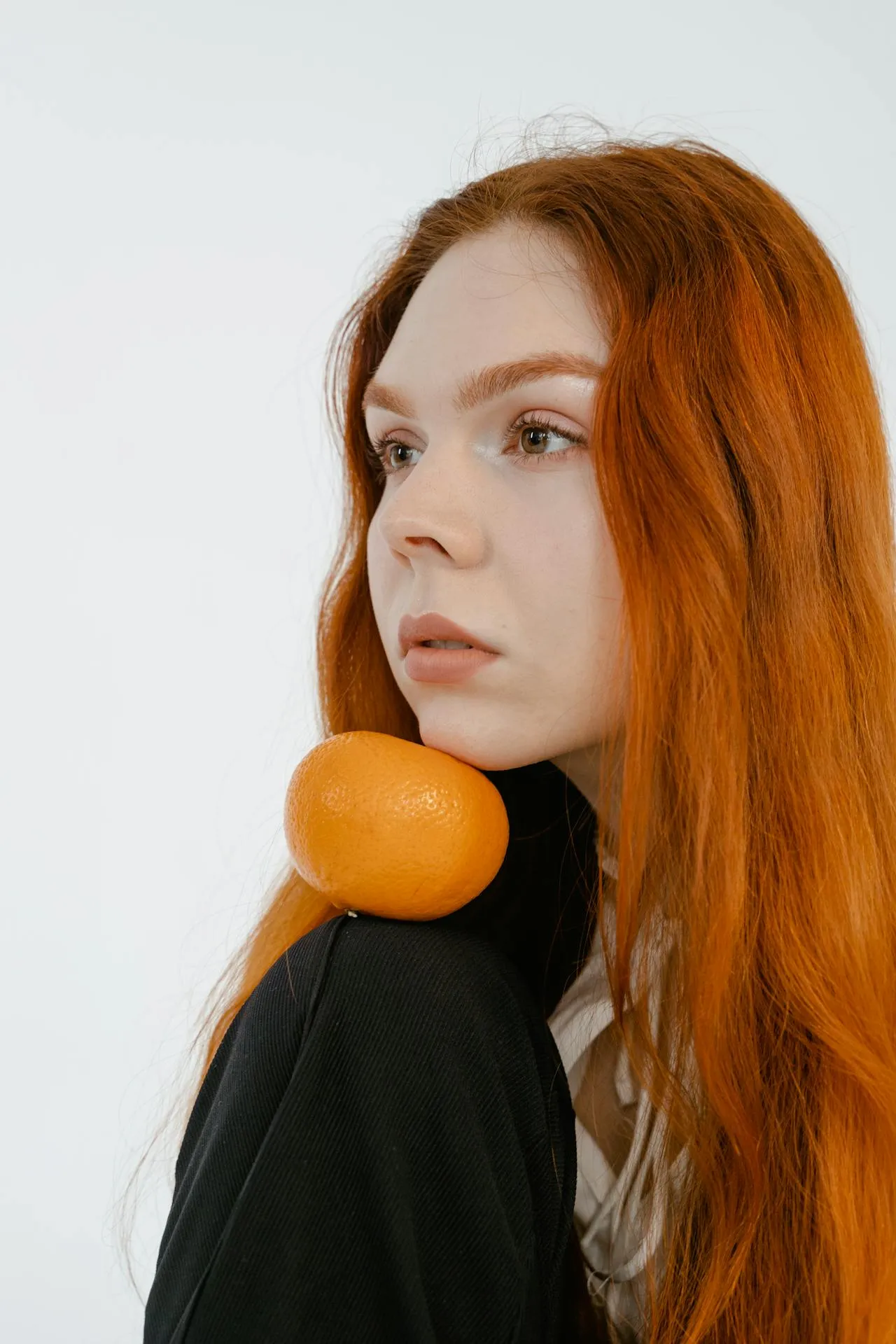
Orange Peel Chin Causes And Skin Texture Changes
Orange peel chin texture is usually the result of interacting structural changes within the skin, fat, and muscle layers. The appearance of chin dimpling develops gradually in many individuals and may become more noticeable with age, genetics, or repetitive muscle movement patterns.
Common contributing factors include:
- Reduced skin elasticity and collagen support
- Overactivity of the mentalis muscle
- Loss of lower face volume
- Genetic skin structure differences
- Hormonal skin density changes
- Repetitive facial expression patterns
These combined factors influence how the chin skin sits over underlying structures, creating uneven texture often described as orange peel chin or dimpled chin.
Ageing-Related Collagen Loss in the Chin Area
As skin ages, collagen and elastin levels decline, reducing firmness and elasticity in the chin area. This skin thinning can make underlying mentalis muscle movement more visible, contributing to orange peel skin and chin dimpling, especially during speech or expression changes.
Mentalis Muscle Overactivity And Repetitive Expressions
The mentalis muscle plays a key role in lower facial movement. When it becomes overactive, it can pull the overlying tissue inward, creating visible dimples or a pebble-like texture. Repeated contraction patterns may gradually reinforce an orange peel appearance, making the uneven surface more persistent over time.
Genetics And Natural Skin Structure Variations
Genetic factors influence skin thickness, pore size, and muscle attachment depth. Some individuals naturally develop a more uneven chin texture due to inherited structure, making an orange peel chin more likely even without significant ageing or external triggers.
Fat Volume Loss in the Lower Face And Chin Region
Loss of subcutaneous fat in the lower face reduces structural support beneath the overlying tissue. This can exaggerate dimpling and create uneven shadowing, making the orange peel texture more visible even in neutral facial positions.
Hormonal Shifts Affecting Skin Density
Hormonal fluctuations can affect hydration levels, elasticity, and dermal density. Reduced tissue resilience may contribute to uneven texture, making the orange peel appearance and dimpling more noticeable over time, particularly during midlife changes.
Medical And Skin Conditions Linked To Orange Peel Chin Appearance
Less common dermatological conditions can also contribute to orange peel chin texture. These conditions typically affect skin structure, inflammation levels, or healing processes, influencing overall chin appearance and surface smoothness.
Skin Inflammation And Chronic Irritation
Long-term irritation can alter skin texture on the chin area, affecting pore visibility and surface smoothness. Inflammatory responses may contribute to uneven texture, sometimes resembling orange peel chin or dimpled skin patterns.
Acne Scarring And Post-Inflammatory Changes
Previous acne lesions on the chin can lead to uneven dermal healing. This may result in indented scarring or textured skin, which can mimic orange peel chin and contribute to long-term chin dimpling appearance.
Dermal Fibrosis And Connective Tissue Changes
Abnormal healing responses can lead to fibrotic tissue development. This changes how skin sits over underlying structures, contributing to uneven chin texture and persistent orange peel skin appearance.
Fluid Retention And Localised Swelling Effects
Temporary or chronic swelling in the lower face may exaggerate uneven skin texture. This can make chin dimpling more visible, particularly when fluid distribution changes facial contour balance.
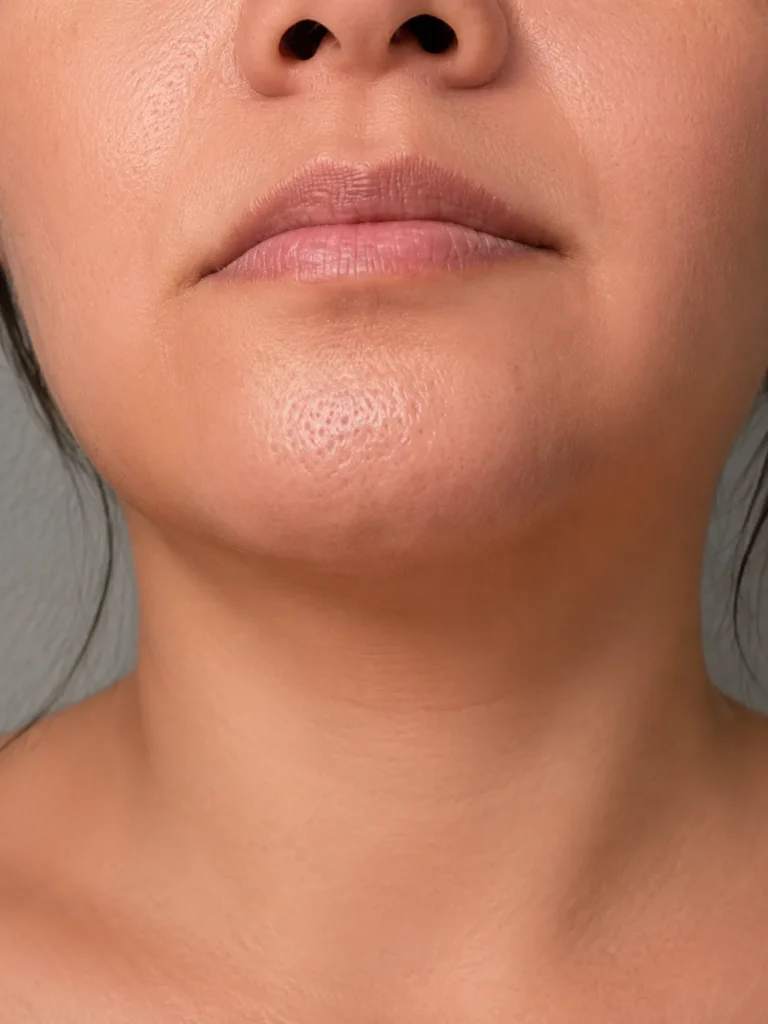
Muscle Movement Effects That Worsen Chin Dimpling
Facial movement patterns play a major role in how this condition develops and persists. Dynamic muscle activity can influence surface tension, making texture more or less visible depending on expression habits.
Repetitive lip and lower-face movement patterns
Daily activities such as talking, chewing, and lip pursing repeatedly activate lower facial muscles. Over time, this can contribute to persistent dimpling and an orange peel appearance even when the face is at rest.
Stress-related jaw and lower-face tension
Stress can increase unconscious jaw clenching and facial tension. This may intensify mentalis muscle activity, contributing to uneven texture and a more pronounced orange peel appearance during periods of heightened strain.
Overactive mentalis muscle contraction patterns
Excessive mentalis contraction can create a pebble-like effect. This repeated muscle pull directly influences surface movement, making dimpling and orange peel texture more visible in both static and dynamic expressions.
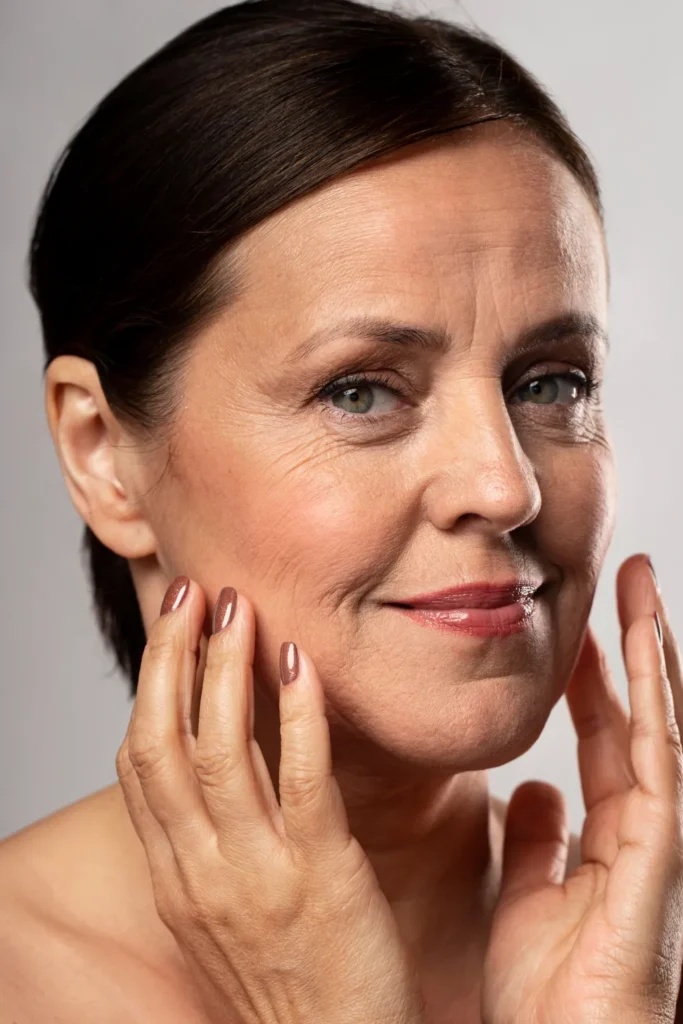
Treatment Options For Orange Peel Chin Texture
Treatment option strategies for orange peel chin typically focus on muscle activity, skin quality, and volume restoration. Independent specialists in aesthetic medicine may recommend personalised combinations depending on underlying causes and treatment goals.
Common approaches include:
- Neuromodulator injections
- Dermal filler treatments
- Skin resurfacing procedures
- Combination treatment plans
- Collagen stimulation therapies
- Non-surgical facial balancing methods
Neuromodulator Treatments For Muscle Relaxation
Botulinum toxin-based treatments are often used to reduce mentalis muscle overactivity. By relaxing muscle contractions, chin dimpling may appear less pronounced, helping to smooth orange peel chin texture in selected cases.
Dermal Fillers For Restoring Lost Volume
Treatment Focus | Primary Effect | Consideration |
Volume loss correction | Restores chin support | Must be carefully balanced |
Contour refinement | Improves symmetry | Requires expert assessment |
Dermal fillers can restore structural support in the chin, reducing shadowing caused by volume loss. This may help improve orange peel chin appearance when reduced lower face volume is a contributing factor.
Skin Resurfacing Treatments For Texture Refinement
Method Type | Mechanism | Outcome Goal |
Chemical resurfacing | Exfoliation stimulation | Smoother skin surface |
Energy-based treatments | Collagen stimulation | Improved skin texture |
Skin resurfacing procedures aim to improve outer layer texture and stimulate collagen renewal. This may help reduce uneven chin surface appearance associated with orange peel skin and dimpled chin concerns.
Combination Approaches For Structural And Muscle Causes
Combination treatment plans may address both muscle activity and volume loss simultaneously. This approach is often considered when an orange peel appearance is influenced by multiple factors, supporting more balanced and natural-looking improvements in the lower face.
At-Home Care And Skincare Approaches For Chin Texture
Skincare routines cannot fully correct structural chin dimpling but may support overall skin quality. Consistent care can help smooth surface appearance and improve skin resilience over time.
Recommended supportive approaches include:
- Retinoid-based skincare
- Daily hydration routines
- SPF sun protection
- Gentle exfoliation practices
- Barrier repair products
- Antioxidant serums
Retinoids For Collagen Stimulation
Retinoids are widely used to support collagen production and improve skin texture. Over time, they may help reduce uneven chin surface appearance, supporting smoother orange peel chin skin quality.
Hydration And Barrier Support Skincare
Maintaining hydration strengthens the skin barrier, improving elasticity and surface smoothness. This may reduce the visibility of chin dimpling and improve overall chin texture consistency.
Sun Protection To Prevent Collagen Breakdown
UV exposure accelerates collagen degradation, contributing to uneven skin texture. Regular sun protection helps preserve skin structure and may reduce progression of orange peel chin appearance.
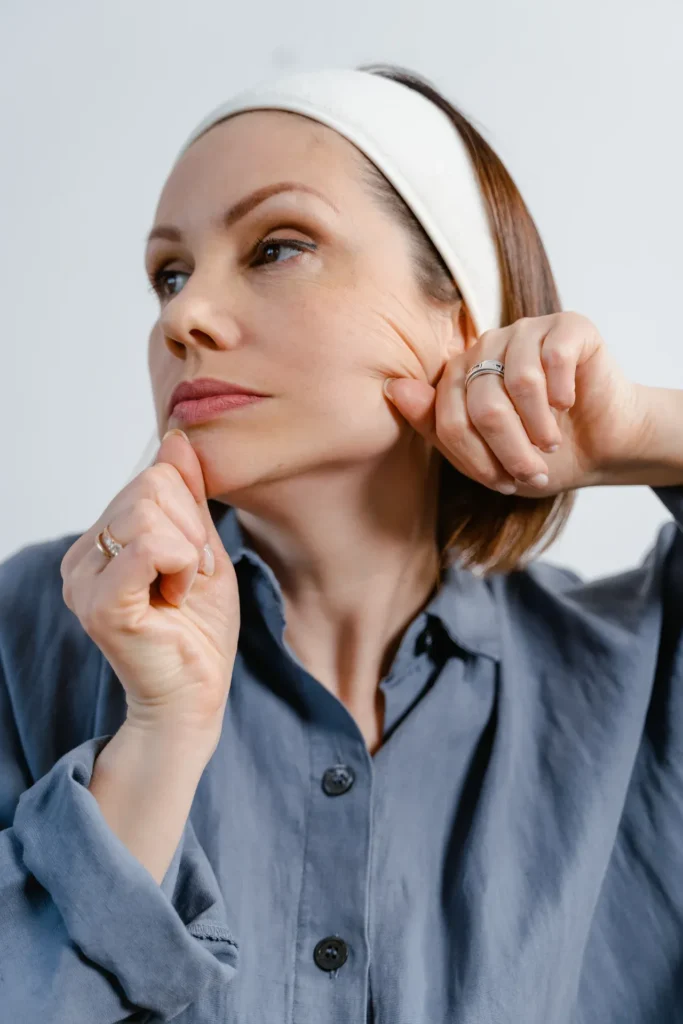
Gentle Exfoliation For Surface Refinement
Controlled exfoliation can remove dead skin buildup, improving surface reflection and texture. While not a corrective treatment for chin dimpling, it may help soften the appearance of orange peel skin.
When Chin Dimpling Signals A Medical Concern
In most cases, an orange peel appearance is a cosmetic variation, but sudden or unusual changes in texture should be assessed clinically. This helps determine whether an underlying condition may be contributing to tissue or structural changes.
Rapid Changes In Surface Texture
A sudden onset of dimpling, swelling, or contour irregularities may indicate an underlying condition affecting soft tissues. Professional evaluation is recommended if these changes develop quickly or occur without an obvious cause.
Persistent Asymmetry Or Firmness In The Area
Long-term unevenness, asymmetry, or firmness may suggest connective tissue or structural changes. These situations can require diagnostic assessment to identify potential causes of the altered appearance.
Associated Symptoms Beyond Texture Changes
Symptoms such as pain, inflammation, tenderness, or other systemic changes should be evaluated by a qualified clinician. These signs may indicate concerns that extend beyond a purely cosmetic issue.
Professional Consultation And Diagnosis Process
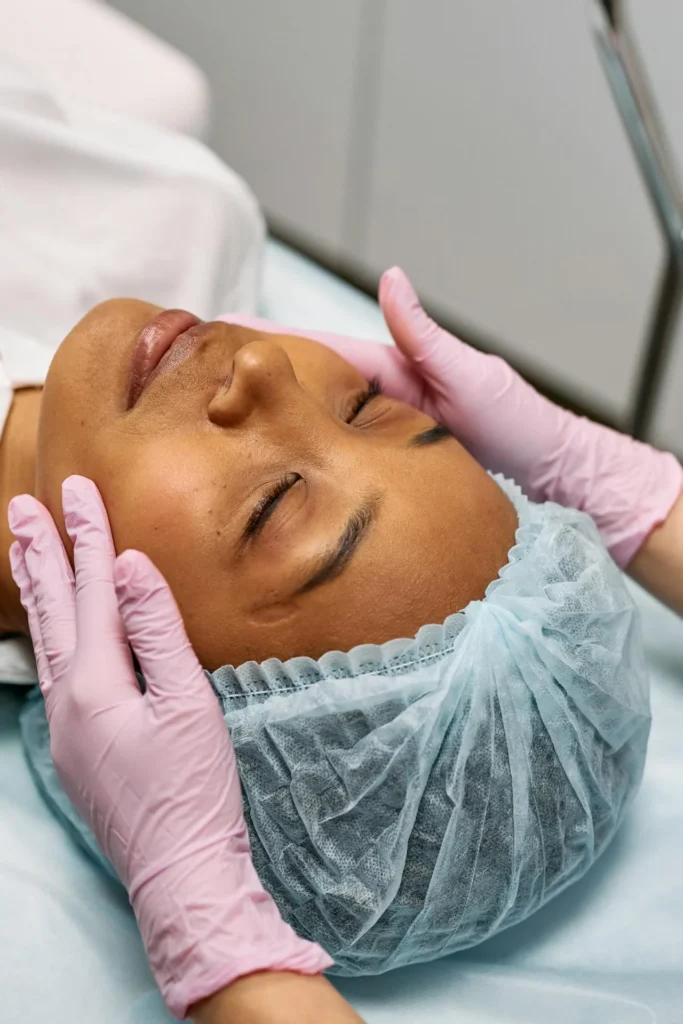
Understanding orange peel chin typically involves a detailed assessment of skin, muscle, and volume factors. Independent specialists evaluate both static and dynamic chin behaviour to determine appropriate treatment option pathways.
Visual And Tactile Examination Of Chin Structure
Practitioners assess skin thickness, texture, and underlying tissue support. This helps identify whether chin dimpling is primarily muscle-driven, volume-related, or linked to skin quality changes.
Facial Movement Analysis During Expression
Observing facial expressions helps identify mentalis muscle activity contributing to orange peel chin. Movement analysis is key to understanding how chin dimpling changes during speech or facial tension.
Treatment Planning Based On Layered Causes
Treatment plans are typically structured around combined factors such as muscle activity, fat distribution, and skin elasticity. This layered approach helps tailor interventions for more consistent chin texture improvement.
Expectations From Orange Peel Chin Treatment Results
Outcomes vary depending on underlying causes, treatment type, and individual response. Some treatment option approaches offer quicker visible changes, while others require gradual skin remodelling.
Short Term Vs Long Term Improvement Changes
Neuromodulator treatments may show faster improvements, while collagen-based treatments typically require longer timelines. Orange peel chin improvements may continue evolving over several weeks or months.
Maintenance And Repeat Treatment Needs
Many treatments require maintenance sessions to sustain results. Chin dimpling may gradually return if underlying muscle activity or volume loss is not continuously managed.
Individual Response Variability Factors
Age, genetics, skin condition, and muscle activity all influence results. Orange peel chin improvement varies significantly between individuals depending on these biological and structural differences.
Understanding orange peel chin requires recognising its multi-layered causes and treatment pathways. With appropriate assessment, dimpling and uneven texture can often be managed through tailored combinations of muscle-relaxing, volume-restoring, and surface-refining approaches, depending on the underlying factors involved.
Frequently Asked Questions
What Causes Orange Peel Texture On Chin Specifically?
Orange peel texture on chin is usually caused by a combination of mentalis muscle overactivity, reduced collagen support, and loss of lower face volume. These factors work together to create uneven skin surface movement and visible dimpling during expression and at rest.
Is Orange Peel Chin Permanent?
Orange peel chin is not always permanent, as it often depends on underlying causes such as muscle activity, skin quality, and volume loss. With appropriate treatment option approaches, it can often be improved, although maintenance may be required to sustain smoother texture.
Can Stress Make Chin Dimpling Worse?
Stress can increase jaw tension and unconscious facial muscle contraction. This may intensify mentalis muscle activity, making dimpling and the orange peel appearance more noticeable. Over time, repeated tension patterns can contribute to a more persistent uneven texture in the lower face.
Does Botox Help Orange Peel Chin?
Botox treatment for chin dimpling is often used to relax the mentalis muscle. By reducing overactivity, it may help smooth surface irregularities and improve an orange peel appearance when muscle movement is a primary contributing factor to texture changes.
Can Skincare Alone Fix Orange Peel Chin?
Skincare can improve overall tissue quality and support collagen health, but it cannot fully correct muscle-driven dimpling or significant volume loss. An orange peel appearance often requires clinical treatment option approaches when structural or muscular factors are involved.
At What Age Does Orange Peel Chin Usually Start?
Orange peel chin can develop at different ages depending on genetics, muscle activity, and tissue quality. It often becomes more noticeable with age-related collagen loss and reduced elasticity, although some individuals may experience dimpling earlier due to inherited structural factors.
Can Weight Loss Make Orange Peel Texture More Noticeable?
Significant weight loss can reduce soft tissue volume in the lower face, making underlying muscle activity and surface irregularities more visible. In some individuals, this may accentuate a pebble-like appearance, particularly if age-related volume changes or tissue laxity are already present.
Can Dehydration Make Orange Peel Texture More Noticeable?
Dehydration can reduce tissue plumpness and elasticity, making uneven texture appear more prominent. While it is not usually a primary cause, inadequate hydration may accentuate existing dimpling and surface irregularities, particularly when combined with age-related collagen decline or environmental factors.
Are Results From Non-Surgical Treatments Immediate?
Some non-surgical treatments produce visible improvements within days, while others work gradually by stimulating collagen production and tissue remodelling. The timeline depends on the treatment used, the underlying cause of the texture changes, and individual biological response patterns.
How Long Do Non-Surgical Treatments Typically Last?
The longevity of non-surgical treatments varies depending on the approach used, individual anatomy, metabolism, and lifestyle factors. Some options may provide improvements for several months, while others require periodic maintenance sessions to help preserve smoother texture and overall aesthetic results.