What Is Baby Botox? A Guide to Preventative Injectable Treatments
Baby Botox is a cosmetic treatment that uses smaller doses of botulinum toxin than traditional Botox to achieve subtle, natural-looking results. Rather than freezing facial movement, it gently softens muscle activity. This low-dose injectable approach has grown in popularity, particularly among younger patients seeking a preventative strategy against fine lines and wrinkles.

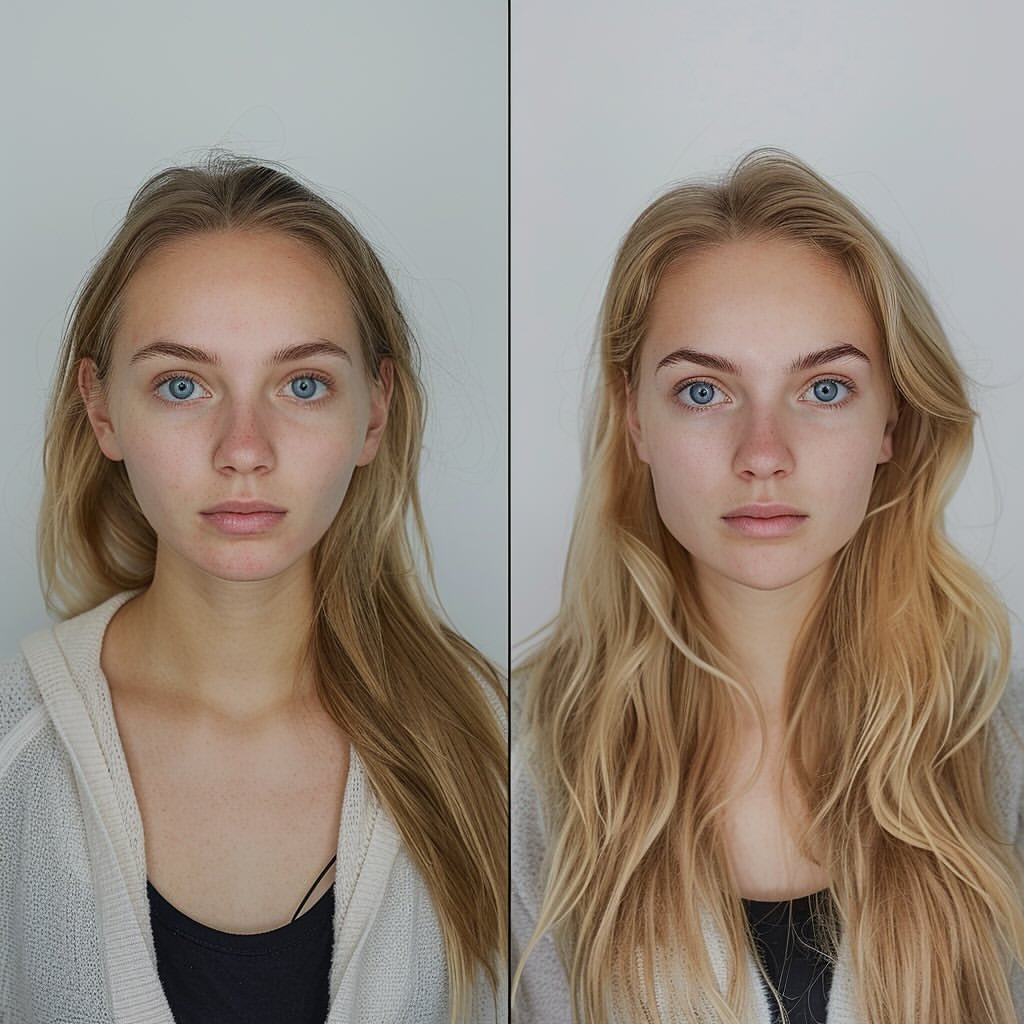
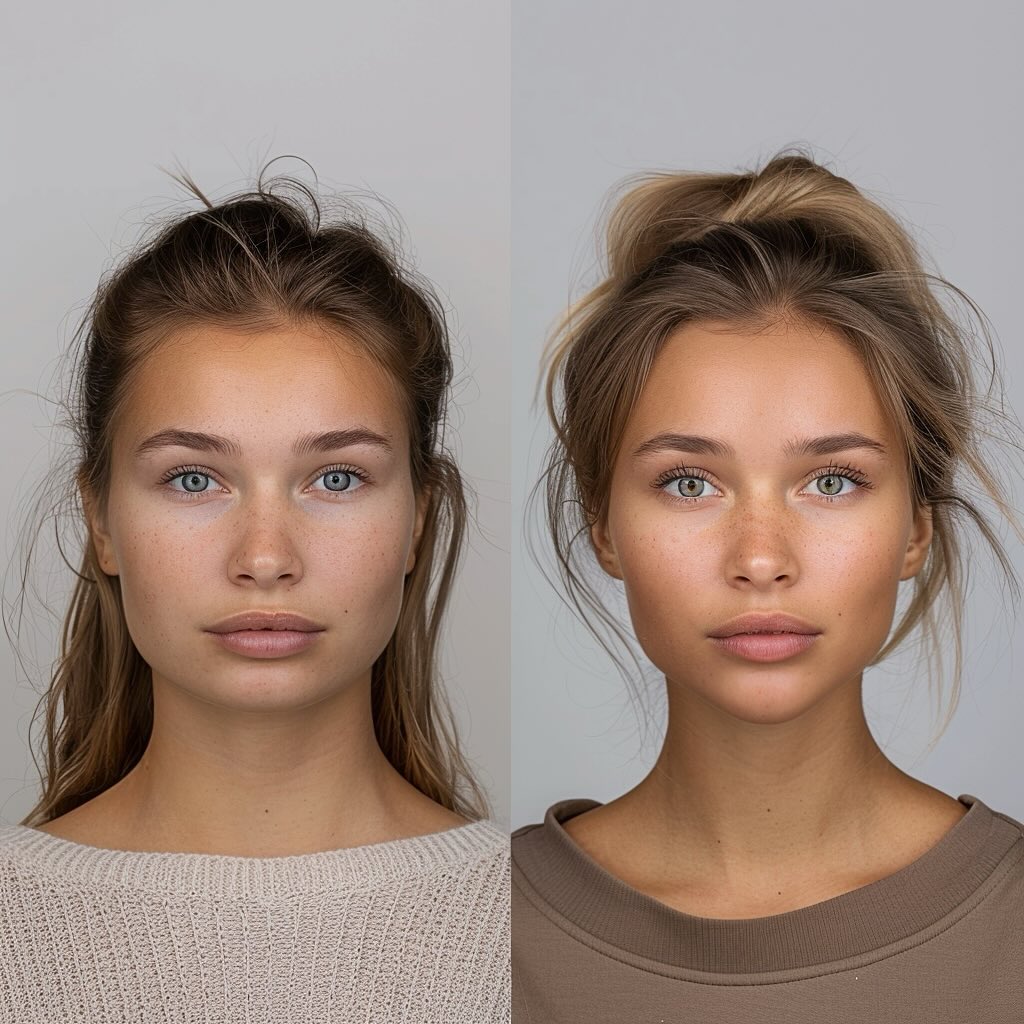
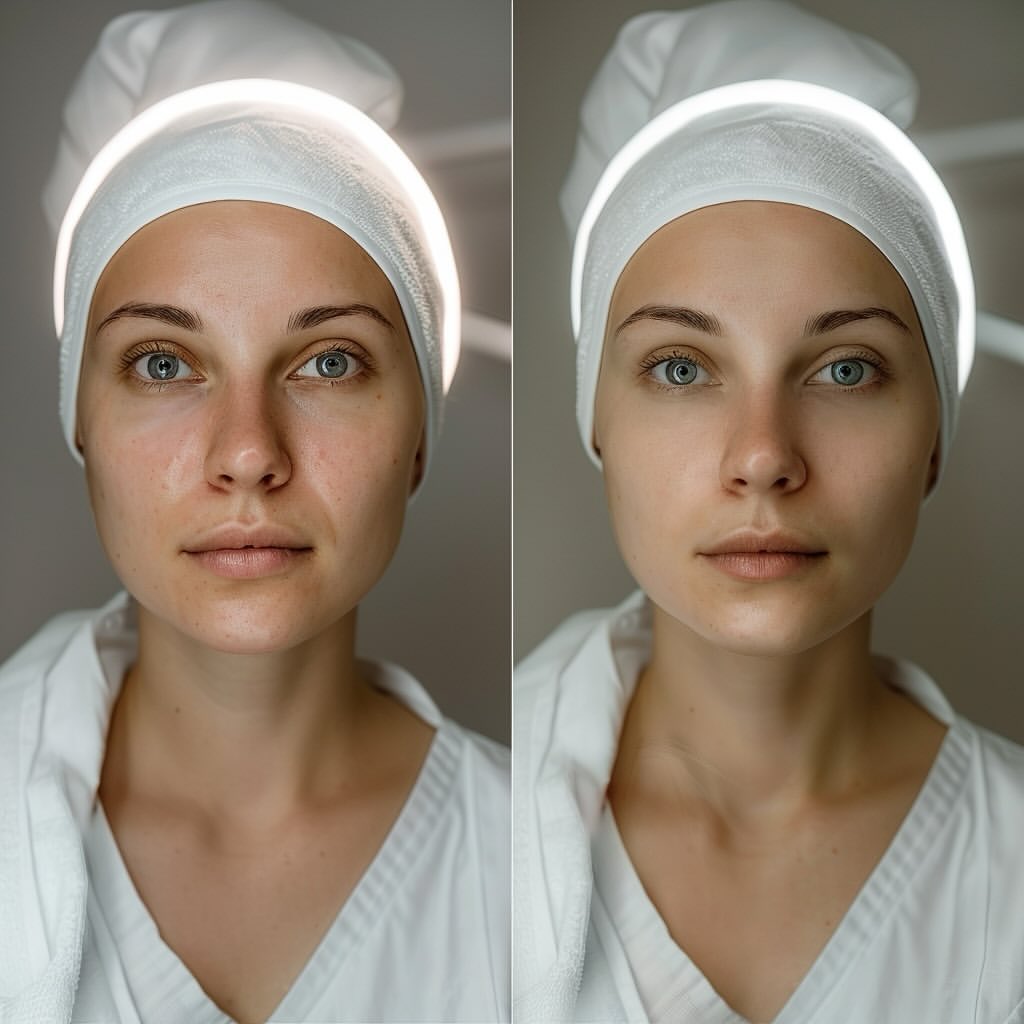
Thousands of satisfied customers
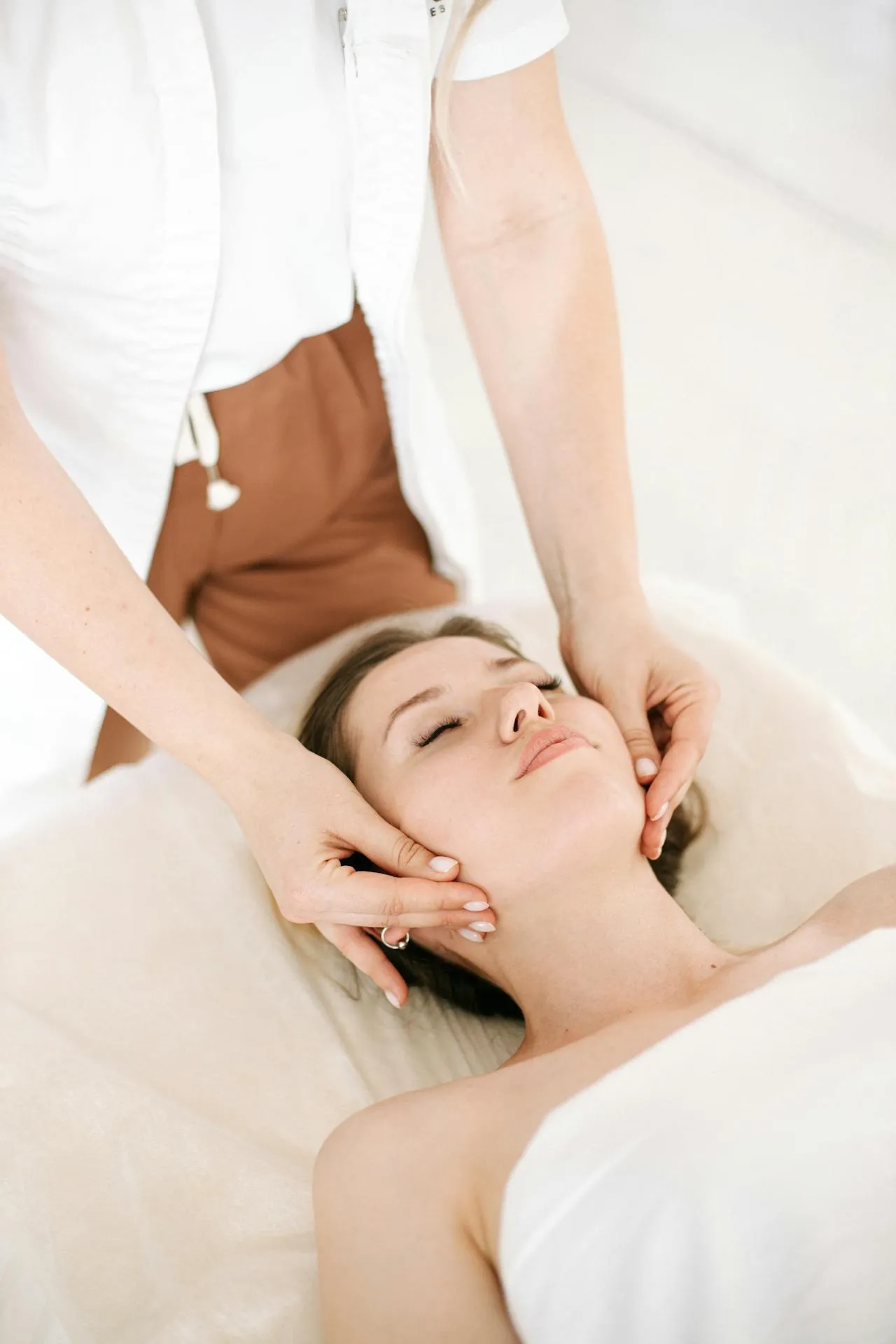
Baby Botox Explained
Baby Botox refers to a refined approach to botulinum toxin injections, where the dosage and placement are carefully calibrated to preserve natural facial movement while reducing the early signs of ageing. It is not a separate product from standard BTX — it is the same injectable treatment administered differently.
Definition of Baby Botox
Baby Botox is defined by its dosage rather than the product used. Practitioners administer smaller amounts of botulinum toxin to specific areas of the face, creating a softer, more controlled effect. The goal is to relax targeted muscles subtly, reducing the risk of a stiff or over-treated appearance while still improving the look of fine lines and wrinkles.
Key characteristics of Baby Botox include:
- Lower doses of botulinum toxin
- Subtle relaxation of facial muscles
- More natural-looking results
- Reduced risk of a frozen appearance
- Treatment tailored to specific facial areas
Origin of the Term Baby Botox
The term emerged informally in cosmetic medicine and beauty media during the early 2000s, as practitioners began exploring lower-dose protocols. It was popularised partly through celebrity culture and lifestyle journalism, where the appeal of looking refreshed without looking “fake” resonated widely. Clinically, many practitioners describe it as a conservative dosing technique rather than a distinct procedure.
Why Smaller Doses Are Used
Using a smaller amount of botulinum toxin allows for a more controlled relaxation of facial muscles. Rather than significantly reducing muscle contraction, lower doses soften movement, which can help smooth fine lines while maintaining expressive facial dynamics. Practitioners may also administer injections across a wider distribution of points to avoid concentrated effects in any one area.
Growing Popularity Among Younger Patients
Baby Botox has become increasingly common among patients in their mid-to-late 20s and 30s who are interested in a preventative approach before deep wrinkles develop. Reasons for its growing popularity are:
- Interest in preventative wrinkle management
- Preference for natural-looking outcomes
- Preservation of facial expressiveness
- Integration into long-term skincare routines
- Increased awareness through social media and beauty media outlets
Millennials and Gen Z consumers are more likely to explore injectables earlier as part of a broader skin health routine, often preferring subtle, natural results over more dramatic cosmetic changes.
How Baby Botox Works
Like all botulinum toxin treatments, baby Botox works by temporarily blocking nerve signals to targeted facial muscles. The reduced dosage means muscle relaxation is partial rather than complete, which allows for continued natural expression while softening the dynamic wrinkles associated with repeated movement.
Impact on Facial Muscles
Botulinum toxin inhibits the release of acetylcholine at the neuromuscular junction, which temporarily reduces the ability of muscle fibres to contract. With baby Botox uses a smaller amount, this inhibition is less pronounced, allowing muscles to move but with reduced intensity. The effect is a gentler treatment outcome rather than full immobilisation.
Effects on Dynamic Wrinkles
Dynamic wrinkles — lines that appear during facial expressions such as smiling, squinting, or frowning — are the primary target of baby Botox. By reducing the frequency and force of repetitive muscle movement, the treatment may slow the deepening of expression lines over time. Fine lines and wrinkles in early stages respond particularly well to this approach.
Common dynamic wrinkles treated with baby Botox include:
- Horizontal forehead lines caused by raising the eyebrows
- Glabellar lines (frown lines) between the eyebrows
- Crow’s feet around the outer corners of the eyes
- Bunny lines that appear on the bridge of the nose
- Fine wrinkles around the mouth caused by repeated facial movements
- Chin dimpling resulting from overactive mentalis muscles
Because these wrinkles are linked to muscle activity rather than skin quality alone, reducing movement can help maintain smoother-looking skin while preserving facial expression.
Difference Between Softening and Freezing Movement
Standard Botox at higher doses aims to significantly reduce or eliminate movement in treated areas, which can create a smoother but less expressive appearance. Baby Botox prioritises softening over freezing, meaning patients typically retain the ability to raise their eyebrows, smile naturally, and show emotion. This distinction is central to the appeal of low-dose BTX for those concerned about overdone results.
Timeline of Muscle Relaxation
Results from baby Botox generally begin to appear within three to five days of the injection, with full effects visible at around ten to fourteen days. Because the dosage is lower, some patients notice that results feel more gradual than with standard treatment. The effects of baby Botox typically last between two and four months, which may be slightly shorter than higher-dose BTX lasts.
Typical treatment timeline:
- Day 1–2: Injection sites may show mild redness, swelling, or small bumps that usually resolve quickly.
- Day 3–5: Initial muscle relaxation becomes noticeable, and treated areas start to appear smoother.
- Day 7–10: Expression lines continue to soften as the product reaches peak activity.
- Day 10–14: Full results are generally visible, revealing a refreshed and natural appearance.
- Month 2–4: Effects gradually diminish as nerve signalling returns and muscle activity resumes.
This gradual progression allows patients to adapt to the changes naturally and assess whether future maintenance treatments are desired.

Baby Botox Vs Regular Botox
Understanding the difference between baby Botox and regular Botox helps readers evaluate which approach may suit their goals. Both use the same botulinum toxin product, but they differ in dosage, technique, results, and who they are typically recommended for.
Differences in Dosage
Standard BTX procedures typically administer between fifteen and thirty units per treatment area. Baby Botox uses a smaller amount of botulinum toxin — often five to ten units per area — to achieve a less pronounced effect. Practitioners customise dosage based on muscle strength, anatomy, and the desired results for each patient.
Differences in Results
Traditional Botox treatments aim for a more visible smoothing of wrinkles, making them suitable for deeper, well-established lines. In contrast, Baby Botox focuses on subtle enhancement and natural-looking results:
- Subtler improvements
- Primary focus on early fine lines and wrinkles
- A refreshed, natural-looking appearance rather than a dramatic change
Patients choosing baby Botox often prefer a refreshed appearance rather than a significant visible change.
Differences in Treatment Goals
Standard Botox is generally used as a corrective treatment, addressing existing wrinkle formation. Baby Botox, by contrast, is often considered as part of a preventative approach — reducing repetitive muscle movement before wrinkles become entrenched. This preventative use case makes it particularly appealing to younger adults in their 20s and 30s.
Differences in Facial Movement
One of the most discussed distinctions between BTX and baby Botox is the preservation of natural facial expression. Patients who receive standard dosing may experience temporary limitations in the movement of treated muscles. With baby Botox, the reduced dose means that expressive movement — frowning, raising eyebrows, smiling — typically remains more intact.
Differences in Cost
Because baby Botox uses fewer units of product, it is often priced slightly lower than a full-dose treatment covering the same areas. In London, baby Botox sessions typically range from about £180 to £350 per session depending on the number of areas treated, the clinic location, and the experience of the practitioner. Multi-area packages may be priced differently.
Feature | Baby Botox | Regular Botox |
Dosage | Smaller amount (5–10 units per area) | Standard amount (15–30 units per area) |
Results | Subtle softening of fine lines | More noticeable wrinkle reduction |
Facial movement | Largely preserved | May be significantly reduced |
Treatment goal | Preventative, natural-looking | Corrective, more pronounced |
Typical duration | 2–4 months | 3–6 months |
Approximate cost (London) | About £180–£350 per session | About £200–£500 per session |
Benefits of Baby Botox
Baby Botox offers a range of advantages that make it a popular choice among patients who want cosmetic improvement without dramatic change. Its appeal lies primarily in its subtlety, customisation, and minimal recovery time.
Natural-Looking Results
Because baby Botox relaxes muscles gently rather than immobilising them, results tend to appear more in keeping with the patient’s natural facial character. Many patients report looking refreshed rather than visibly treated, which is often the desired result for those cautious about aesthetic procedures.
Patients often choose baby Botox because it can help maintain:
- Natural eyebrow movement during conversation
- Genuine smiles without a “frozen” appearance
- Subtle facial expressions that convey emotion
- Balanced facial symmetry without dramatic alteration
- A refreshed and rested appearance rather than an obviously treated look
This conservative approach appeals to individuals who want cosmetic enhancement while avoiding noticeable changes to their facial identity.
Prevention of Fine Lines
Clinical thinking around preventative Botox suggests that reducing repetitive facial movement may help slow the formation of deep wrinkles over time. Baby Botox is particularly suited to this approach, as it targets the muscles responsible for wrinkles from forming without fully eliminating the movement that gives the face its expressiveness.
Preserved Facial Expressions
A key benefit highlighted by both practitioners and patients is the ability to maintain natural expressions after treatment. Patients can smile, laugh, and emote without the restriction that can sometimes accompany higher-dose treatments. This quality makes baby Botox a popular option for those in public-facing professions or those new to injectables.
Customised Treatment Approach
The dosage and placement of baby Botox can be tailored precisely to individual anatomy, muscle strength, and aesthetic goals. This flexibility allows practitioners to address specific areas of concern whilst avoiding over-treatment. Bespoke treatment planning is considered best practice in medically led aesthetic settings.
Minimal Downtime
Baby Botox is a quick procedure, typically completed within fifteen to thirty minutes. Most patients return to normal activities on the same day. Side effects such as minor redness or a small bruise at injection sites usually resolve within a day or two, making it well-suited to those with busy schedules.
Typical post-treatment expectations include:
- Returning to work or daily activities immediately after the appointment
- Mild redness at injection sites that fades within a few hours
- Temporary swelling or tenderness in treated areas
- Minimal disruption to exercise and social plans after recommended waiting periods
- No requirement for lengthy recovery or time away from routine responsibilities
Compared with more invasive cosmetic procedures, baby Botox offers a convenient option for patients seeking aesthetic improvement with limited interruption to their lifestyle.
Areas of the Face Treated With Baby Botox
Baby Botox can be applied to multiple facial areas, each with specific treatment goals. The following areas of the face are among the most commonly addressed, though a qualified practitioner will assess individual anatomy before recommending a treatment plan.
Forehead Lines
Horizontal lines across the forehead are one of the most common areas of concern. Baby BTX uses smaller doses across the frontalis muscle to soften these lines while preserving the ability to raise the eyebrows naturally. Practitioners take care to avoid over-relaxation, which can cause brow heaviness.
Frown Lines Between Eyebrows
The glabellar region — the area between the eyebrows — is frequently treated to address frown lines. Baby Botox in this area can help prevent the formation of deeper furrows associated with repeated muscle contraction, making it a common choice for patients exploring a preventative approach to ageing.
Crow’s Feet
Fine lines around the eyes, often called crow’s feet, develop as a result of squinting and smiling. Low-dose treatment around the eyes can soften these lines while maintaining the natural warmth of a genuine smile. Precise placement around the eyes is essential to avoid affecting adjacent muscles.
Bunny Lines
Wrinkles that appear on the bridge of the nose when smiling or scrunching the face are known as bunny lines. A small amount of botulinum toxin injected into the nasalis muscle can soften these lines, often as part of a broader facial treatment rather than as a standalone procedure.
Chin Dimpling
Uneven or dimpled chin texture, caused by overactive mentalis muscle activity, can be addressed with a small dose of botulinum toxin. Baby Botox in this area may smooth the chin surface and is often combined with other treatments for a more balanced facial profile.
Neck Bands
Low-dose injections along the platysmal bands in the neck — sometimes called a Nefertiti lift — may improve the appearance of vertical neck cords. This treatment requires careful assessment and is typically suited to patients with mild to moderate neck band prominence.
Lip Flip Treatment
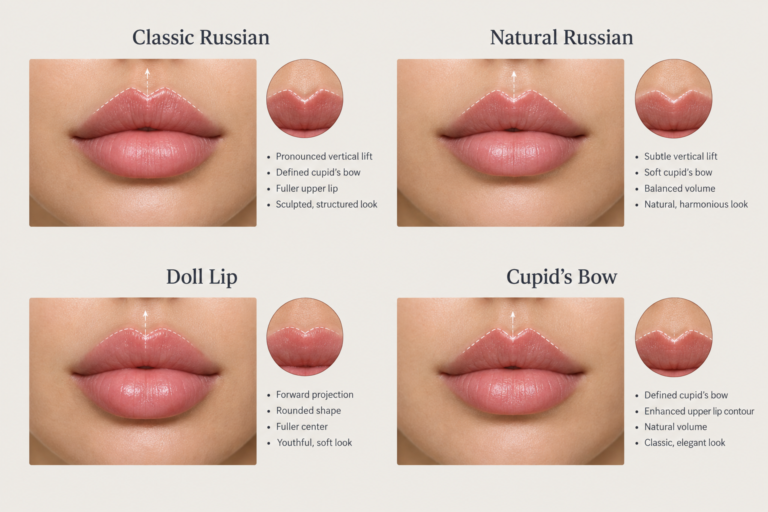
A lip flip involves injecting a very small amount of botulinum toxin above the upper lip to relax the orbicularis oris muscle. This can cause the lip to roll slightly upward, creating the appearance of a fuller upper lip without the use of filler. It is a subtle option for patients who want lip enhancement without adding facial volume.
Jawline and Masseter Area
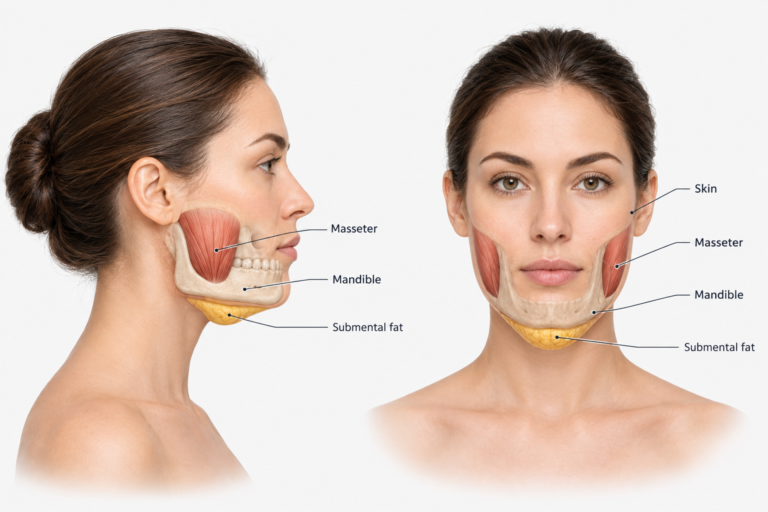
Baby Botox can be administered into the masseter muscles to slim the lower face and relieve jaw tension associated with teeth grinding (bruxism). This requires a higher dose than other facial areas, and practitioners typically assess muscle bulk before recommending treatment.
Ideal Candidates for Baby Botox
Baby Botox may be appropriate for a range of patients, from first-time injectable users to those with experience seeking a subtler approach. Suitability depends on individual anatomy, medical history, skin condition, and aesthetic goals, and should always be assessed by a medically qualified practitioner.
Baby BTX is commonly considered by people who want to:
- Reduce early signs of facial ageing
- Maintain a natural range of facial expressions
- Explore cosmetic injectables for the first time
- Prevent expression lines from becoming deeper wrinkles
- Achieve subtle, refreshed-looking results
- Avoid the appearance of overcorrection
First-Time Botox Patients
For individuals new to cosmetic injectables, baby Botox often serves as an ideal introduction. The lower dosage allows patients to experience the effects of botulinum toxin in a gradual and controlled manner. This approach can help reduce anxiety about treatment outcomes while providing an opportunity to evaluate how their facial muscles respond before considering larger doses in the future.
Patients Seeking Preventive Treatments
Many adults in their late 20s and early 30s begin exploring preventative aesthetic treatments when fine expression lines first become noticeable. Baby Botox is frequently used in this context because it may help reduce repetitive muscle movements that contribute to wrinkle formation. By intervening early, patients may delay the progression of dynamic lines into more permanent creases, although research into long-term preventative benefits continues to evolve.
Individuals Wanting Subtle Enhancements
Not everyone wants dramatic cosmetic changes. Baby Botox appeals to patients who simply wish to look more rested, refreshed, or youthful without obvious signs of treatment. Because lower doses are used, facial movement remains largely intact, creating results that are often difficult for others to identify as the outcome of an injectable procedure.
Younger Adults Exploring Cosmetic Procedures
Interest in baby Botox has grown significantly among younger adults who are considering aesthetic treatments for the first time. Patients in their late 20s and 30s often seek treatment to address emerging fine lines while preserving the natural expressiveness of their face. This age group frequently prefers conservative treatments that enhance appearance without creating a noticeably altered look.
Patients Concerned About Overdone Results
Some individuals hesitate to try BTX because they worry about appearing expressionless or unnatural. Baby Botox addresses these concerns by using smaller amounts of product to soften movement rather than eliminate it entirely. When administered by an experienced practitioner, the treatment can reduce wrinkles while maintaining a balanced and authentic facial appearance.
Patients who may particularly benefit from baby Botox include:
- Professionals who rely on facial expression during presentations, meetings, or public appearances
- Individuals seeking natural-looking anti-ageing treatments
- Patients with mild to moderate dynamic wrinkles
- People who have previously felt that standard Botox looked too strong
- Those wanting a lower-commitment introduction to injectable treatments
- Patients interested in preventative wrinkle management rather than corrective treatment alone
This flexibility and customisation make baby Botox an attractive option for patients who value subtle improvements and natural-looking results.
Baby Botox Risks and Side Effects
Like all injectable treatments, baby Botox carries a risk of side effects and complications. Understanding these risks helps patients make informed decisions and recognise when to seek professional guidance. Choosing a medically qualified practitioner significantly reduces the likelihood of adverse outcomes.
Common Side Effects
The most frequently reported side effects following baby Botox include temporary redness, mild swelling, and tenderness at injection sites. A small bruise may appear in some patients, particularly around the eyes or forehead. These effects typically resolve within a few days and are generally considered part of the normal post-treatment experience.
Less Common Complications
Less common risks include temporary asymmetry, headaches, or — in rare cases — partial drooping of the eyelid or brow if the product migrates to adjacent muscles. These effects are usually transient, resolving as the botulinum toxin wears off. The risk of complications is reduced when treatment is delivered by an experienced, medically qualified injector.
How to Reduce Risks
Selecting a practitioner with appropriate medical qualifications and experience in facial anatomy is the most important factor in minimising risk. In the UK, botulinum toxin is a prescription-only medicine and must be prescribed by a qualified healthcare professional. Patients should ensure their provider holds GMC, NMC, or equivalent registration.
When to Contact a Medical Professional
Patients should seek prompt medical advice if they experience severe swelling, vision changes, difficulty swallowing, significant asymmetry, or signs of infection such as increasing redness, warmth, or discharge. Unexpected spreading of effects beyond the treated area should also be reported to the treating practitioner without delay.
Baby Botox Vs Other Cosmetic Treatments
Understanding how baby Botox compares with other cosmetic procedures helps patients and readers evaluate the full range of options available. The most appropriate treatment depends on the individual’s concerns, anatomy, and goals, as assessed during a professional consultation.
Baby Botox Vs Dermal Fillers
Baby Botox and dermal filler serve different purposes. Baby Botox relaxes muscles to soften dynamic wrinkles, whilst filler adds volume to areas that have lost facial volume or depth, such as the cheeks, lips, or tear troughs. The two treatments are often combined as part of a comprehensive facial rejuvenation plan.
Baby Botox Vs Dysport
Dysport is a brand of botulinum toxin type A, similar in mechanism to BTX but with a slightly different molecular formulation. Some practitioners prefer Dysport for its diffusion characteristics across larger muscle groups. Both can be administered in low doses to achieve baby Botox-style effects, and the choice between them often comes down to practitioner preference and patient response.
Baby Botox Vs Xeomin
Xeomin is another botulinum toxin brand that contains the active ingredient without additional complexing proteins. This makes it a “naked” toxin that some practitioners suggest may reduce the likelihood of antibody resistance over time. Like regular BTX, it can be used in smaller doses to achieve the softer, more natural results associated with baby Botox.
Baby Botox Vs Skin Resurfacing Treatments
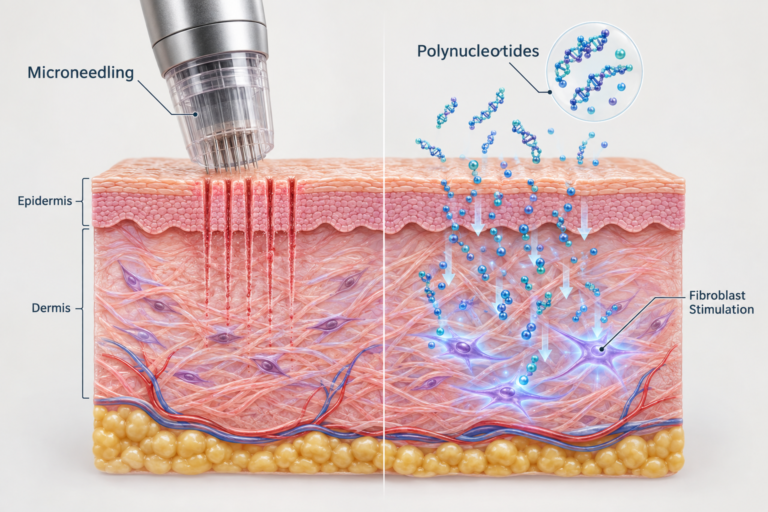
Whilst baby BTX addresses dynamic wrinkles caused by muscle movement, skin resurfacing treatments — such as chemical peels, microneedling, or laser resurfacing — target surface texture, pigmentation, and static wrinkles. Combining baby Botox with a skin resurfacing approach may offer more comprehensive improvement for patients with multiple areas of concern.
Combining Treatments for Comprehensive Results
Many patients opt for a combination approach, pairing baby Botox with dermal fillers, skin boosters, or resurfacing treatments to address different aspects of facial ageing simultaneously. A qualified practitioner will typically assess the full facial picture before recommending a multi-treatment plan, ensuring that each cosmetic procedure complements the others.
Treatment | Primary Purpose | Mechanism | Typical Duration |
Baby Botox | Soften dynamic wrinkles | Muscle relaxation (low dose) | 2–4 months |
Standard Botox | Reduce established wrinkles | Muscle relaxation (full dose) | 3–6 months |
Dermal Filler | Restore volume, define contour | HA volume addition | 6–18 months |
Dysport | Soften dynamic wrinkles | Muscle relaxation (diffusion) | 3–5 months |
Skin Resurfacing | Improve texture, tone | Surface remodelling | Variable |
Key Takeaways About Baby Botox
Baby Botox is a low-dose injectable treatment using the same botulinum toxin as standard Botox, but administered in smaller amounts to achieve subtler, more natural-looking results. It is particularly well suited to first-time patients, younger adults in their 20s and 30s, and anyone seeking a preventative approach to fine lines and wrinkles.
The treatment is typically completed in under thirty minutes, involves minimal downtime, and produces results that develop over ten to fourteen days. Effects generally last two to four months. Key benefits include preserved facial movement, a refreshed appearance, and the ability to customise dosage to individual anatomy and goals.
As with all cosmetic procedures, suitability depends on individual health, anatomy, and aesthetic objectives. Readers exploring baby Botox in London can use Science Beauty to compare independent specialists, review treatment options, and find verified clinics offering medically led injectable treatments.
Frequently Asked Questions
Is Baby Botox Safe?
Baby Botox uses the same botulinum toxin licensed for cosmetic use in the UK, making its safety profile well-established when administered by a qualified practitioner. As a prescription-only medicine, it must be prescribed by a GMC-registered doctor, nurse prescriber, or equivalent. Side effects are generally mild and temporary, though individual responses vary and a thorough medical assessment should precede any treatment.
At What Age Can Baby Botox Be Started?
There is no fixed minimum age for baby Botox beyond the legal requirement that patients must be over eighteen. Clinicians typically assess suitability individually based on the presence of early expression lines, skin type, and treatment goals. Preventative baby Botox is often discussed with patients in their mid-to-late 20s or early 30s, though the appropriate starting point varies by individual anatomy and lifestyle.
Can Baby Botox Look Natural?
Baby Botox is specifically designed to produce natural-looking results by preserving facial movement whilst reducing the visibility of fine lines. When administered by an experienced practitioner who tailors the dosage to individual facial anatomy, the outcome is typically a refreshed appearance rather than a visibly treated one. Natural results depend significantly on the skill and judgement of the injector.
How Often Is Baby Botox Needed?
Baby Botox typically lasts between two and four months, so most patients require three to four sessions per year to maintain their desired results. Some practitioners suggest that consistent preventative use over time may allow for slightly longer intervals between treatments, though this varies by patient. A review consultation at around ten to twelve weeks is commonly recommended to assess the outcome.
Can Baby Botox Prevent Wrinkles?
There is clinical reasoning to support the idea that reducing repetitive facial muscle movement may slow the deepening of expression lines over time. Baby Botox may help delay the development of deep wrinkles by limiting the muscle activity that causes them, particularly when started in the earlier stages of wrinkle formation. However, it cannot prevent all signs of ageing, and results vary between individuals.
Does Baby Botox Hurt?
Baby Botox injections involve fine needles and are generally described by patients as mildly uncomfortable rather than painful. A topical numbing cream is often applied beforehand to reduce sensation at the injection sites. The cosmetic procedure itself usually takes only a few minutes per area, and most patients find the experience manageable, including those with low pain tolerance.
Can Baby Botox Be Reversed?
Unlike dermal fillers, botulinum toxin cannot be dissolved with an antidote. However, the effects of baby Botox are temporary and naturally wear off as the body metabolises the product over two to four months. If a patient is unhappy with their results, the most practical course is to wait for the effects to diminish before reassessing the treatment plan with their practitioner.
Is Baby Botox Worth It?
Whether baby Botox is worth pursuing depends on individual goals, budget, and comfort with cosmetic procedures. For patients seeking subtle wrinkle improvement, a preventative approach, or their first experience with injectables, it offers a lower-risk entry point with natural-looking results. A consultation with a medically qualified injector is the most reliable way to assess personal suitability and expected outcomes.
Newsletter Updates
Enter your email address below and subscribe to our newsletter