How to Get Rid of Smile Lines and Laugh Lines: Expert Dermatologist Guide
Smile marks are a natural part of facial expression, yet many patients seek to reduce their presence for a refreshed look. Our London clinic provides evidence-based solutions for these common concerns. We focus on achieving results that look natural while maintaining the unique character of your face.

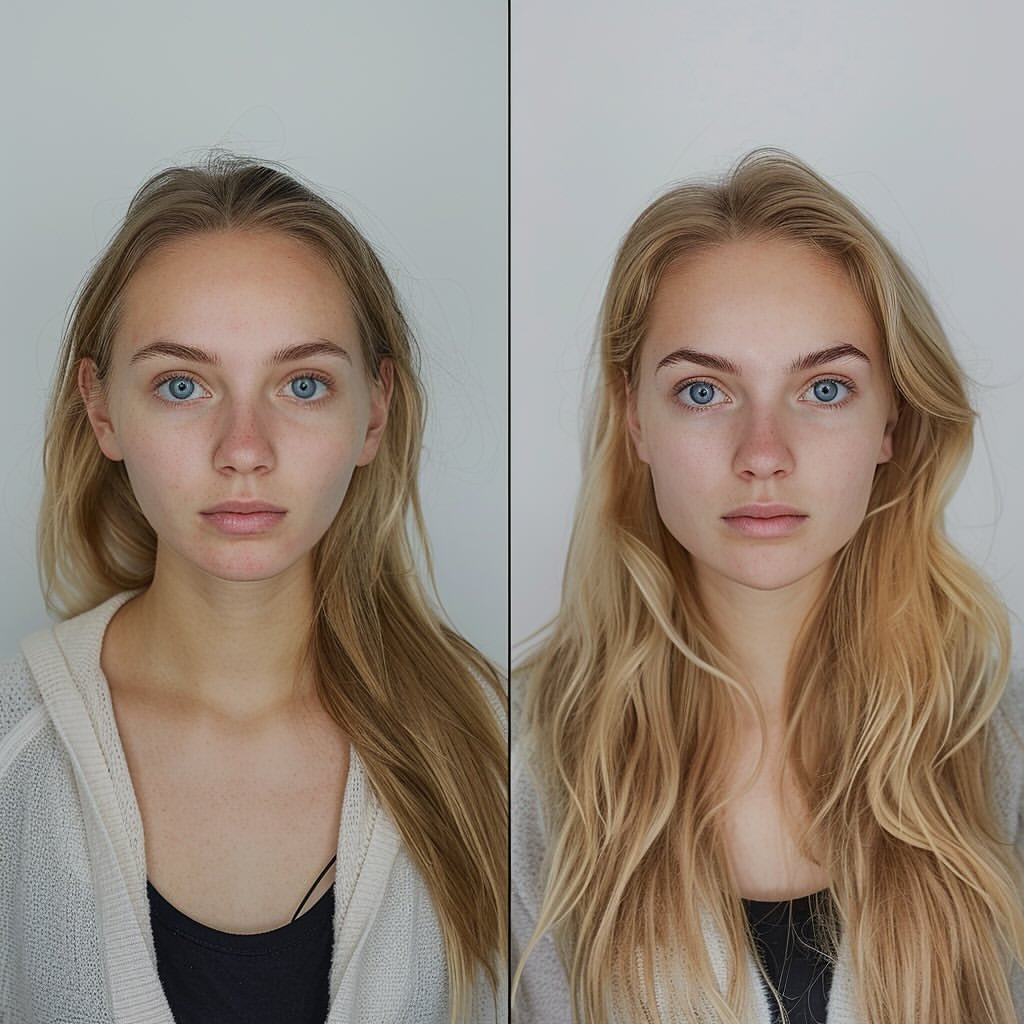
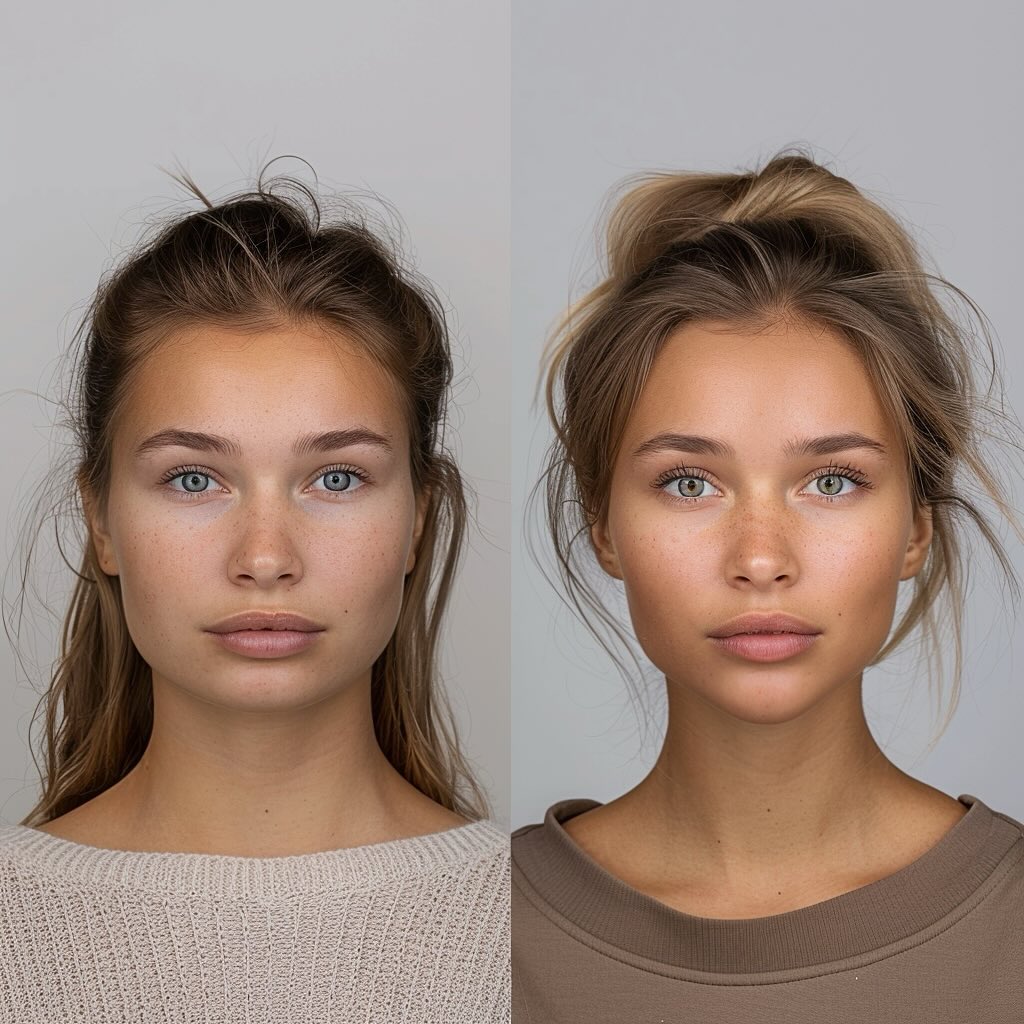
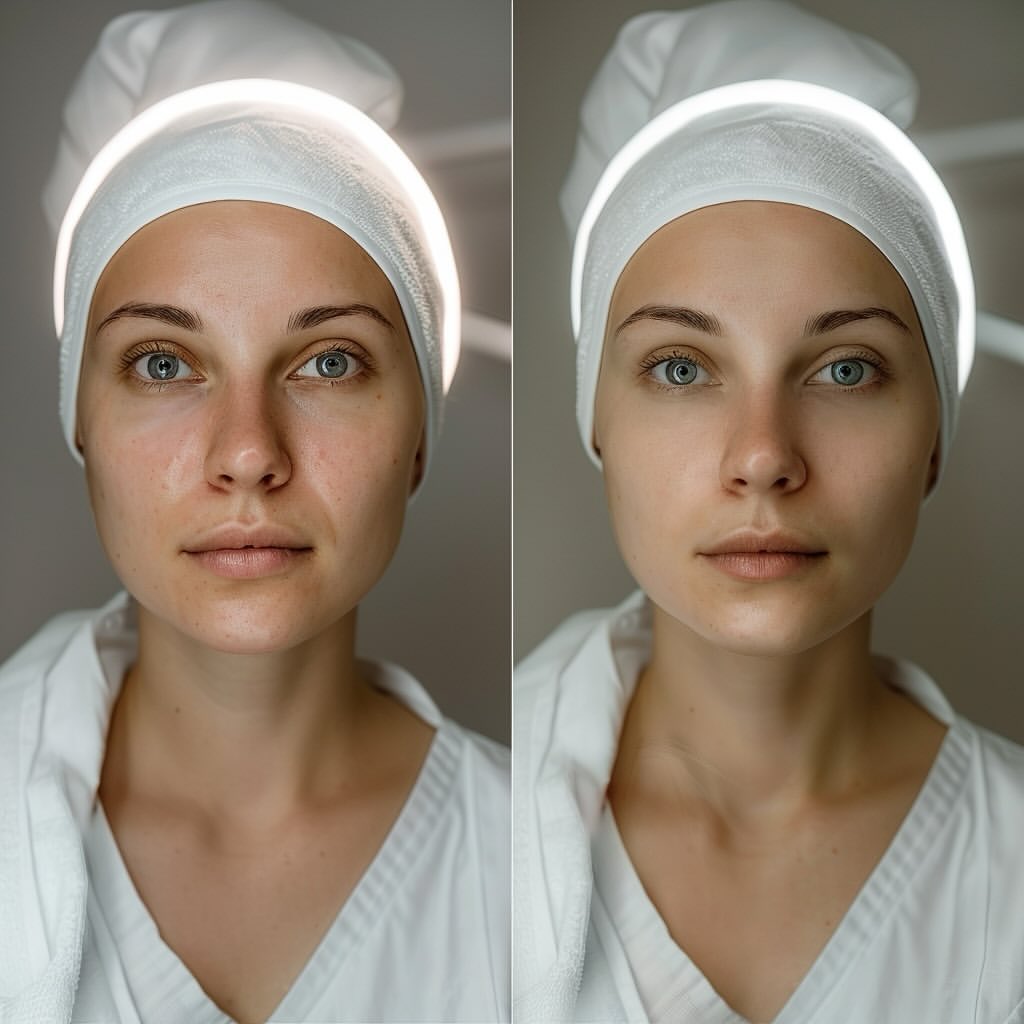
Thousands of satisfied customers

What Are Smile Lines and Why Do They Form?
The appearance of smile lines often signals a life well-lived, but changes in dermal structure can make them more prominent. Understanding why these lines form helps in selecting the right treatment. These lines are generally categorized by their depth and the specific facial movements that trigger them.
Common Names: Laugh Lines and Nasolabial Lines
Nasolabial lines are the technical term for the grooves running from the nose to the side of the mouth. People commonly refer to these visible indentations as laugh lines or smile marks. They often become more pronounced as the fat pads in our cheeks begin to migrate downwards.
Difference Between Dynamic and Static Lines
Dynamic lines only appear during facial movements, such as when you are smiling or laughing. Static lines remain visible even when your face is at rest, often requiring deeper cosmetic procedures. Transitioning from dynamic to static lines is a hallmark of the natural aging process.
Appearance of Fine Lines Around the Eyes
Smile marks often extend beyond the mouth, appearing as fine lines around the eye area. These are colloquially known as crow’s feet and are a primary concern for younger skin. The skin in this region is significantly thinner than the rest of the face, making it more vulnerable to damage.

Primary Causes of Smile Lines
Several internal and external factors contribute to the development of deep smile lines over time. Identifying these triggers is essential to help prevent these lines from deepening prematurely. By understanding the root causes, we can develop a more effective, targeted prevention strategy.
Natural Aging Process and Collagen Loss
As we get older, the body naturally produces less collagen and elastin. This volume loss and dermal thinning lead to a loss of elasticity, making the skin more prone to permanent creasing. This biological decline typically accelerates after the age of 25, leading to visible changes in facial texture.
Sun Damage and UV Exposure
Chronic sun damage is a leading cause of premature aging. Ultraviolet rays break down the collagen production in your skin, accelerating the appearance of fine lines and deepening existing nasolabial lines. Photoaging is responsible for a vast majority of skin concerns treated at our clinic.
Repetitive Facial Expressions
Frequent laughing and smiling involve the constant contraction of muscles around the mouth. Over decades, these repeated facial movements etch permanent marks into the skin as elasticity declines. While we never suggest you stop smiling, managing the intensity of expressions can help.
Dehydration and Skin Elasticity Issues
Keeping your skin hydrated is vital for maintaining a plump, youthful look. Dehydrated skin loses its ability to bounce back, making the appearance of smile lines more noticeable and difficult to treat. Hydration acts as a natural “plumper” for the facial skin.
Smoking and Environmental Pollutants
Smoking restricts blood flow to dermal cells and introduces harmful toxins. These pollutants degrade the structural integrity of your face, leading to premature fine lines around the mouth area. Environmental stress is a major contributor to skin dullness and sagging.
Sleep Position Impact on Facial Skin
Consistently pressing your face against a pillow can create a physical crease. Over time, this mechanical pressure contributes to the appearance of laugh marks, particularly if you favour one side. Sleep lines are distinct from expression lines and require different preventive measures.
How to Get Rid of Smile Lines with Natural Remedies
While clinical treatments are powerful, many patients explore natural remedies to support their dermal health. These methods focus on circulation and muscle tone to help reduce the depth of lines. Integrating these habits into your daily routine can yield subtle but noticeable improvements.
- Facial Massage: Improves blood flow and lymphatic drainage.
- Acupressure: Stimulates specific points to relax facial tension.
- Natural Oils: Provides fatty acids to reinforce the protective barrier.
- Temperature Therapy: Using cold rollers to reduce morning puffiness.
Targeted Facial Exercises for Mouth Area
Facial exercises can help to strengthen the muscles around the mouth, providing better structural support. Proponents suggest that consistent movement may help get rid of smile marks by toning the mid-face. These exercises act as a workout for the delicate muscles supporting your skin.
Effective Techniques for Eye Area Laugh Lines
Gentle movements can improve blood flow to the delicate skin around the eyes. Strengthening the muscles around this area may help prevent laugh lines from becoming permanent static lines. Consistency is the most important factor when performing these targeted eye techniques.
Daily Face Massage for Lymphatic Drainage
A regular facial massage encourages drainage and reduces puffiness. This technique can help to reduce the visible depth of a smile crease by improving the overall health and vitality of the skin. It works by removing toxins and encouraging a healthy, oxygenated glow.
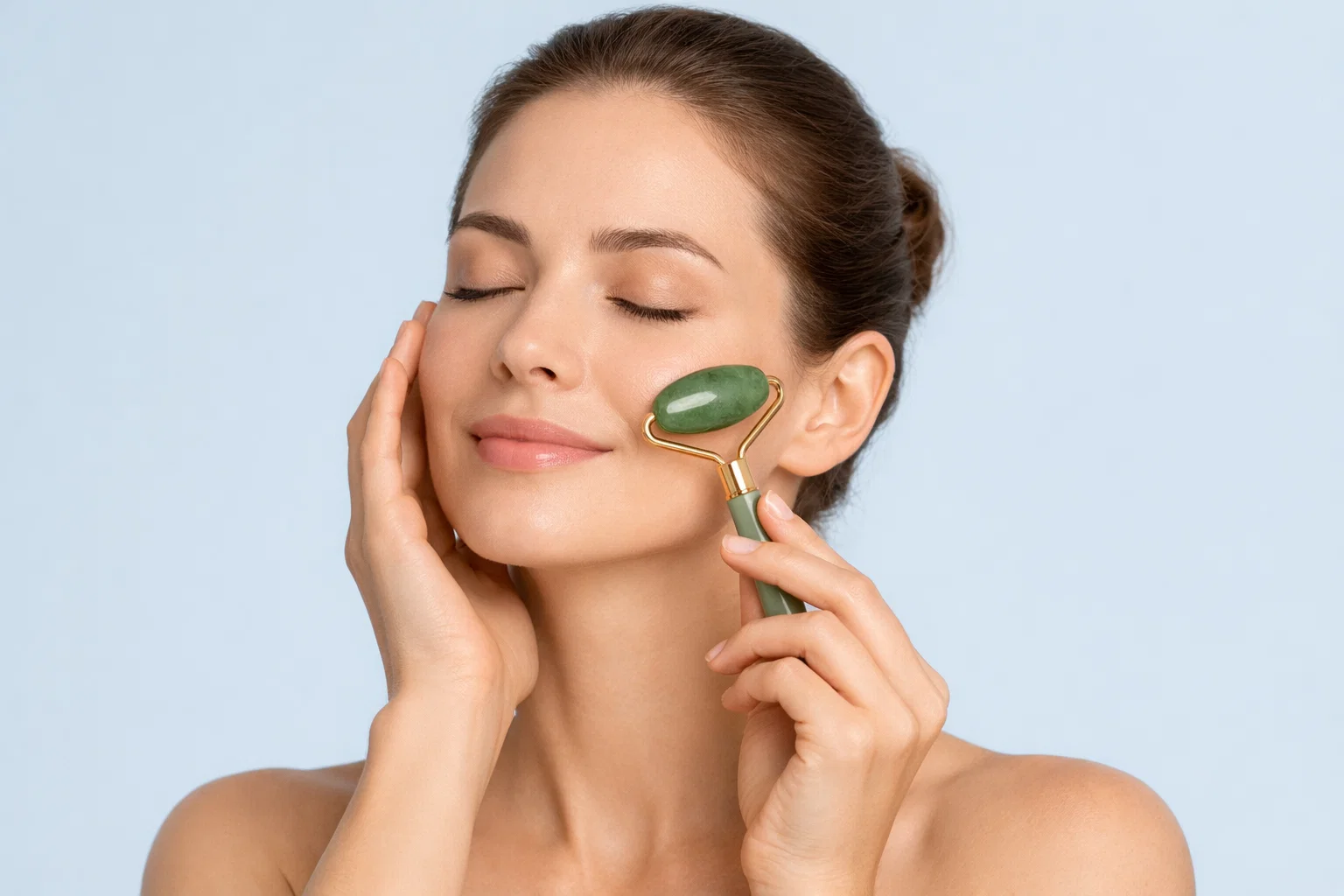
Gua Sha and Jade Rolling Benefits
Using these tools can help to reduce the appearance of smile marks by stimulating blood flow. They provide a soothing way to manage facial tension and enhance the absorption of hydrating serums. The cooling effect of the stone also helps to temporarily tighten the skin.
Facial Tension Management Tips
Mindfulness of your facial expressions can help prevent fine lines. Relaxing the muscles around the mouth when at rest can help reduce the mechanical stress that causes smile marks to form. Conscious relaxation can prevent the “etching” effect of persistent tension.
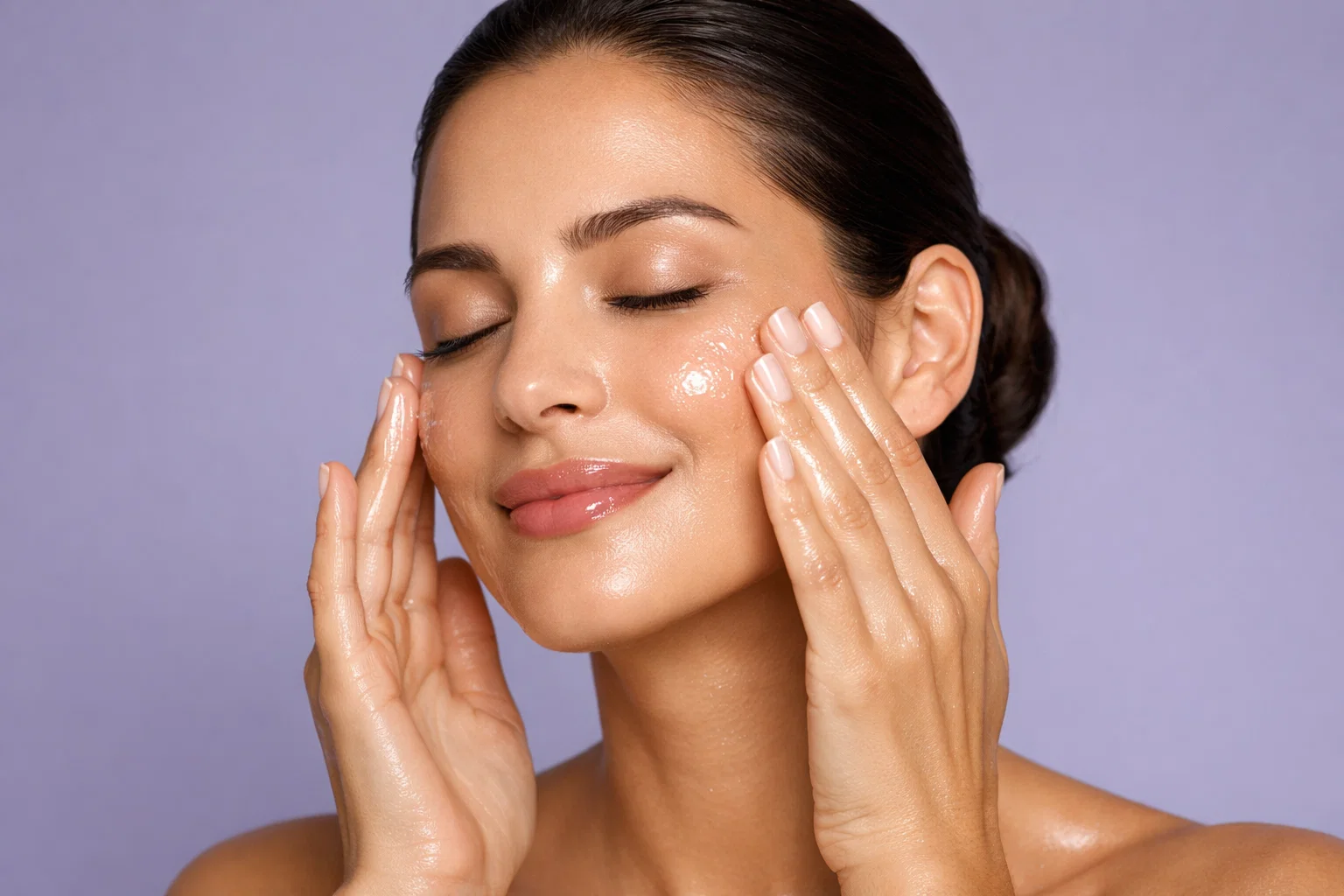
Best Skincare Treatments for Smile Lines
Modern skin care provides several effective ways to reduce the signs of aging. Using targeted ingredients helps to restore the skin and boost the natural production of structural proteins. A consistent, science-backed regimen is the foundation of any anti-aging strategy.
- Cleansing: Removing pollutants that degrade collagen.
- Protection: Neutralising free radicals with antioxidants.
- Correction: Stimulating turnover with active ingredients.
- Hydration: Maintaining the moisture barrier for resilience.
Using Retinol and Retinoids for Cell Turnover
Retinol is a gold-standard ingredient for increasing cell turnover and stimulating collagen. Regular use helps to reduce the appearance of fine lines by refining dermal texture and thickness over several months. It is widely considered the most effective topical anti-aging ingredient available.
Peptides for Collagen Induction
Peptides serve as chemical messengers that signal the skin to produce more collagen and elastin. These are excellent for those with sensitive skin who may find traditional retinoids too irritating. They work synergistically with other ingredients to rebuild the facial scaffold.
Hyaluronic Acid for Deep Hydration
Hyaluronic acid is a powerful humectant that draws moisture into the skin. By keeping your face hydrated, it can temporarily plump the area and reduce the appearance of laugh lines. This creates an immediate smoothing effect that is highly popular in London’s dry urban climate.
Vitamin C for Brightening and Protection
Vitamin C is an antioxidant that protects dermal cells from environmental damage. It works to stimulate collagen production while making the skin more resilience against the UV rays that cause aging. It also addresses the uneven pigmentation that often accompanies fine lines.
Over-the-Counter Creams versus Natural Remedy Options
Medical-grade topicals often contain higher concentrations of active ingredients than standard over-the-counter creams. While a natural remedy can provide hydration, active ingredients like retinol offer more significant structural changes. Choosing the right concentration depends on your facial tolerance.

Effective Ways to Prevent Smile Lines
Prevention is always more effective than correction when it comes to facial aging. Adopting healthy habits early on can help prevent laugh lines from deepening into permanent lines. Small daily choices accumulate over time to protect the longevity of your youthful appearance.
- Wear UV Protection: The single most important anti-aging step.
- Eat Antioxidant-Rich Foods: Berries, leafy greens, and nuts.
- Stay Hydrated: Aim for at least 2 litres of water daily.
- Avoid Smoking: To prevent oxygen deprivation in facial cells.
Daily Sunscreen Application Consistency
You must wear sunscreen every single day, regardless of the weather. This habit is the most effective way to help prevent smile marks caused by the breakdown of collagen from UV. Consistency ensures that your face remains shielded from invisible, year-round radiation.
Why You Should Wear Sunscreen Every Day
Applying sunscreen protects the skin from the photoaging that leads to volume loss. Protecting your collagen and elastin levels ensures your face remains firm and youthful for a longer period. It acts as a primary barrier against the external factors that accelerate aging.
Optimal Hydration and Diet for Skin Health
You should drink plenty of water to maintain skin turgor from within. Additionally, consuming foods rich in antioxidants supports the repair of cells and helps to reduce oxidative stress. A balanced diet provides the building blocks for healthy dermal repair.
Protective Eyewear to Reduce Squinting
Wearing sunglasses prevents the repetitive squinting that leads to lines around the eyes. This simple step can help prevent fine lines from forming in the delicate periorbital region. It also protects the sensitive skin around the eyes from direct UV exposure.
Sleep Hygiene and Silk Pillowcase Benefits
Switching to a silk pillowcase reduces the friction and pressure on your face. This can help to reduce the appearance of smile marks that are exacerbated by side-sleeping habits. It is a simple, passive investment in your long-term health.
Professional Non-Surgical Treatment Options
For more noticeable results, professional treatments offer deeper intervention. A dermatologist or plastic surgeon can recommend treatment options tailored to your specific skin type and aging concerns. These clinical procedures target the layers that home topicals cannot reach.
Treatment Type | Primary Benefit | Downtime |
Dermal Fillers | Immediate volume restoration | Minimal (1-2 days) |
Microneedling | Natural collagen stimulation | 2-3 days |
Laser Resurfacing | Texture and tone correction | 5-7 days |
Botox | Muscle relaxation | None |
Microneedling and Collagen Induction Therapy
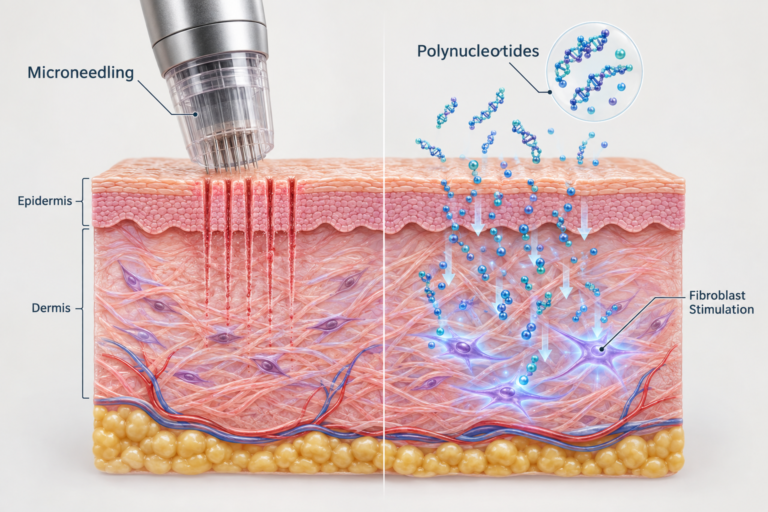
Microneedling creates controlled micro-injuries to stimulate collagen and elastin production. This process helps to restore the skin, reducing the depth of nasolabial lines and improving overall dermal texture. It is a versatile treatment suitable for various skin tones and types.
Laser Resurfacing Treatments
Advanced laser treatments use light energy to remove damaged skin layers. This stimulates the body to produce younger skin cells, effectively reducing the appearance of smile marks and sun damage. Different wavelengths allow us to customize the treatment based on the severity of the lines.
Chemical Peels for Skin Texture
Professional peels exfoliate the skin to reveal fresher skin underneath. This can help to reduce the appearance of fine lines and improve the effectiveness of your home care routine. They range from light “glow” peels to deeper, transformative treatments.
Energy-Based Skin Tightening Devices
Radiofrequency and ultrasound devices provide a non-invasive way to lift the skin. These treatments stimulate collagen production in the deeper skin, helping to eliminate laugh marks without requiring an injection. They are ideal for patients seeking subtle tightening without needles.
Strategic Use of Dermal Fillers and Botox
Combining dermal fillers with an injectable like Botox can provide a comprehensive rejuvenation. While fillers restore lost volume, Botox relaxes the muscles around the mouth to prevent further creasing. This “multi-modality” approach yields the most comprehensive results.
Softening Smile Lines Without Surgery
Many patients prefer subtle enhancements that do not require downtime. Modern techniques allow us to reduce the appearance of smile marks while making the results look entirely natural. These “tweakments” focus on refinement rather than total transformation.
- Micro-dosing Botox: For very subtle muscle relaxation.
- Skin Boosters: Deep hydration without adding heavy volume.
- Tear Trough Treatment: To improve the mid-face support structure.
- Topical Grade Serums: High-potency medical products.
Modern Dermal Filler Innovations
Advanced dermal fillers, such as Restylane, are designed to integrate seamlessly with your skin. A professional nasolabial folds filler injection can plump the crease, instantly reducing the appearance of laugh creases around the mouth. Modern formulas are more flexible and move naturally with your expressions.
Targeted Botox Applications
While typically used for the forehead, small amounts of Botox can relax the muscles around the corners of your mouth. This helps to reduce the downward pull that often accentuates smile marks. It creates a “lifted” look that opens up the facial expression.
Non-Invasive Skin Smoothing Techniques
Combining topicals with light-based therapies can offer significant improvement. These “smile marks without surgery” approaches are popular for patients seeking gradual, natural-looking results with minimal risk of complications. They prioritize skin health and long-term vitality.
Surgical Facelift for Lasting Results
For severe sagging and deep lines, surgical intervention may be the most effective route. A plastic surgeon can reposition underlying tissues to provide a long-term solution to facial aging. Surgery addresses the structural foundation of the face rather than just the skin.
Full Facelift and Mid-Face Lifting Procedures
A facelift addresses significant volume loss and skin laxity. By tightening the deeper structures, it can effectively eliminate laugh lines and restore the youthful contours of the cheeks and jawline. This provides the most dramatic and long-lasting results available in aesthetic medicine.
Autologous Fat Transfer Techniques
This procedure involves taking fat from another part of your body and injecting it into the face. It provides a permanent alternative to synthetic dermal fillers for restoring lost mid-face volume. It is highly biocompatible since it uses your own natural fat.
Thread Lifting Innovations
Thread lifts offer a “lunchtime lift” by using dissolvable sutures to pull the face taut. This stimulates collagen production in your skin, helping to lift the corners of your mouth. It serves as a bridge between non-invasive treatments and full surgery.
Recovery Realities and Life Planning
Surgical options require more downtime than an injectable treatment. It is important to discuss the recovery process with your surgeon to ensure the results align with your lifestyle and expectations. Planning for rest and proper post-operative care is essential for optimal healing.
FAQ
How long until facial exercises show visible results?
Clinical observations suggest that facial exercises require consistent daily practice for at least three to six months before changes occur. You may notice improved muscle tone, but they rarely provide the dramatic smoothing seen with professional treatments. Results vary significantly based on your age and existing dermal elasticity levels.
Does chewing gum contribute to deeper mouth lines?
Excessive chewing gum usage involves repetitive motions of the muscles around the mouth, which can potentially deepen existing lines. While it is not the primary cause, the constant mechanical stress may accelerate the breakdown of collagen in the area. Moderation is advised if you are prone to deep marks.
Can side sleeping make one side of the face age faster?
Yes, sleeping on one side exerts constant pressure on that specific side of the mouth and eye. This physical compression can lead to asymmetrical deepening of smile marks over time. Using a silk pillowcase or training yourself to sleep on your back can help mitigate this environmental aging.
Which age is best to start preventative skincare?
Dermatologists often recommend starting a preventative routine in your mid-twenties. At this stage, collagen production begins to slow down, making it the ideal time to incorporate sunscreen and antioxidants. Early intervention with moisture and protection can significantly delay the need for more invasive cosmetic procedures later in life.
Do facial patches actually work for overnight smoothing?
Facial patches work by physically preventing the skin from creasing while you sleep. They can provide a temporary reduction in the appearance of fine lines the following morning by keeping the face flat. However, they do not address the underlying causes of aging or provide permanent structural skin changes.
Newsletter Updates
Enter your email address below and subscribe to our newsletter