
Glutathione Skin Benefits: What the Evidence Actually Shows
Glutathione has attracted significant attention in aesthetic medicine as a potential skin-brightening and antioxidant treatment. Available in intravenous, oral, topical, and sublingual forms, it is increasingly offered in clinics alongside established skin treatments. Understanding what glutathione can realistically achieve for the skin, where the evidence is strong, and where it remains limited, is essential before considering any form of supplementation or clinical treatment.
Key Takeaways
- Glutathione is a naturally occurring antioxidant produced by the body, and clinical use focuses primarily on skin brightening and oxidative stress reduction.
- Intravenous glutathione is the most studied route for skin-related outcomes, though evidence quality varies and long-term safety data remain limited.
- Skin lightening effects, where they occur, are generally gradual and require repeated sessions or ongoing supplementation to maintain.
- Glutathione is not a treatment for all pigmentation concerns; suitability depends on the underlying cause of discolouration and individual skin type.
- A qualified practitioner should assess your skin concerns, medical history, and treatment goals before any glutathione protocol is recommended.
What Is Glutathione?
Glutathione is a tripeptide molecule composed of three amino acids: glutamine, cysteine, and glycine. It is synthesised naturally within the body’s cells and is considered one of the most important endogenous antioxidants. Its primary biological roles include neutralising free radicals, supporting immune function, facilitating detoxification in the liver, and regenerating other antioxidants such as vitamins C and E. Glutathione levels naturally decline with age, chronic illness, poor nutrition, and prolonged exposure to environmental stressors such as ultraviolet radiation and pollution.
In aesthetic medicine, glutathione is used with the intention of reducing oxidative damage to skin cells, modulating melanin production, and improving overall skin tone and luminosity. It is available in several delivery formats, each with different absorption characteristics and clinical evidence profiles. These include intravenous infusion, oral capsules or tablets, sublingual preparations, and topical creams or serums.
How Glutathione May Affect the Skin
The proposed skin benefits of glutathione centre on two main mechanisms: antioxidant activity and melanin modulation. As an antioxidant, glutathione scavenges reactive oxygen species that contribute to cellular damage, premature ageing, and uneven skin tone. Oxidative stress is a recognised driver of hyperpigmentation, dullness, and accelerated skin ageing, so reducing it at a cellular level may support healthier-looking skin over time.
The melanin modulation mechanism is more specific to the skin-brightening effects that glutathione is most commonly associated with. Melanin, the pigment responsible for skin colour, is produced by specialised cells called melanocytes through a process involving the enzyme tyrosinase. Glutathione is thought to inhibit tyrosinase activity and shift melanin synthesis from the darker eumelanin pathway toward the lighter phaeomelanin pathway. This shift may result in a gradual lightening of skin tone with consistent use, though the degree of change varies considerably between individuals.
Glutathione also plays a role in collagen synthesis support and may help reduce the appearance of fine lines associated with oxidative damage, though evidence for these effects in clinical settings is less robust than for its antioxidant properties.
Delivery Methods and How They Compare
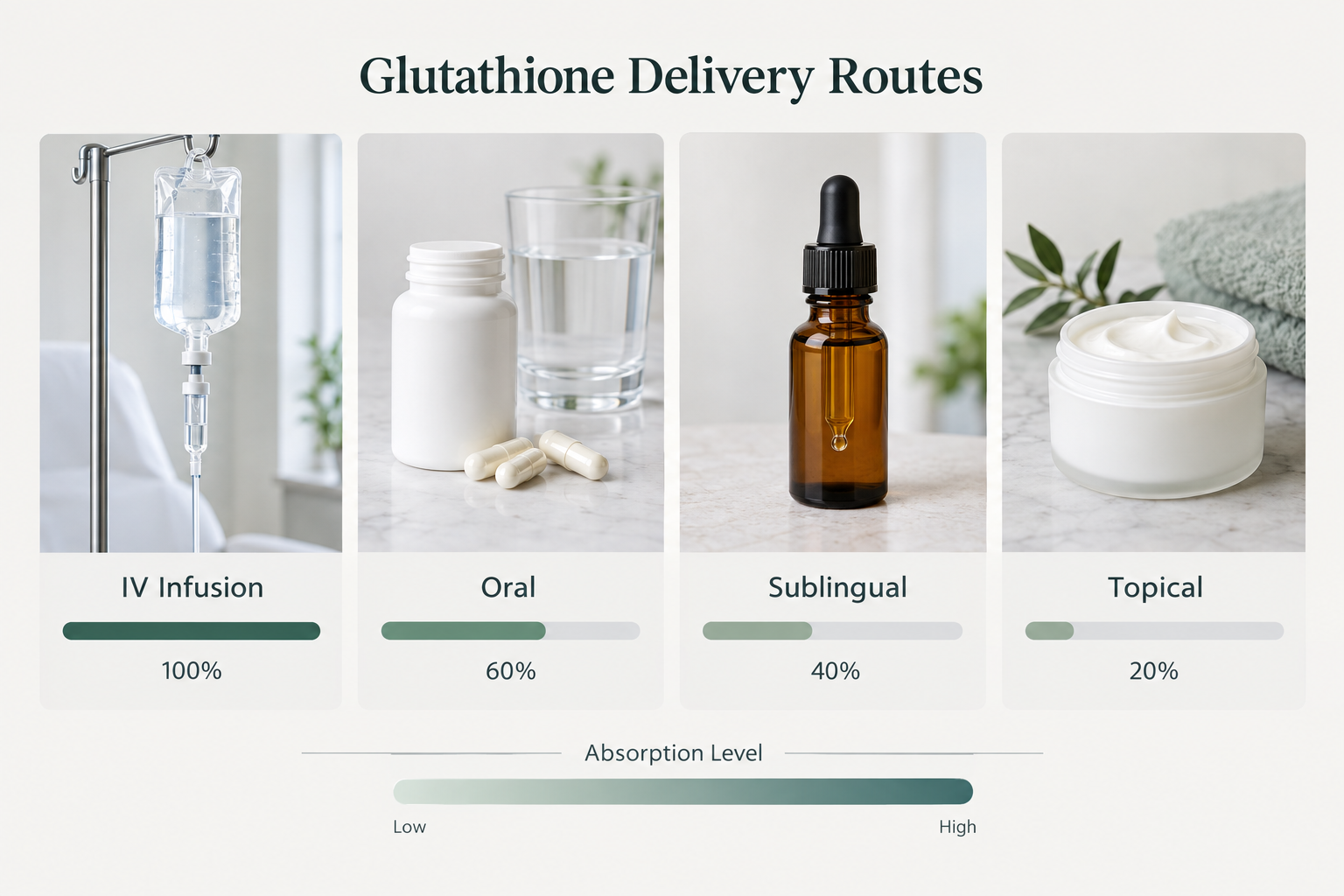
The route of administration significantly affects how much glutathione reaches the skin and whether clinically meaningful effects are likely. Each delivery method has distinct characteristics that are worth understanding before choosing a treatment approach.
Intravenous Glutathione
Intravenous (IV) glutathione delivers the molecule directly into the bloodstream, bypassing the digestive system entirely. This route achieves the highest plasma concentrations and is the most studied in the context of skin brightening. Several small clinical studies have reported measurable reductions in melanin index and improvements in skin tone following a course of IV glutathione infusions. However, most published studies involve small sample sizes, short follow-up periods, and variable dosing protocols, which limits the strength of conclusions that can be drawn. Regulatory bodies in several countries have raised concerns about the safety of high-dose IV glutathione for cosmetic purposes, and it is not universally approved for this indication.
Oral Glutathione
Oral glutathione supplementation has historically been considered poorly bioavailable because the molecule is largely broken down in the gastrointestinal tract before it can be absorbed intact. More recent research, including a small number of randomised controlled trials, suggests that certain oral formulations may achieve modest increases in plasma glutathione levels and produce some skin-brightening effects with consistent daily use over several weeks. The evidence base for oral glutathione is growing but remains preliminary, and results appear more modest than those reported with IV administration.
Sublingual and Liposomal Formulations
Sublingual glutathione, absorbed under the tongue, and liposomal glutathione, encapsulated in lipid particles to improve absorption, are marketed as alternatives that offer better bioavailability than standard oral tablets. Some early data support improved absorption with liposomal delivery, but robust clinical evidence specifically for skin outcomes using these formats is limited. These formulations are generally considered lower risk than IV administration but their comparative effectiveness for skin brightening has not been well established in independent clinical trials.
Topical Glutathione
Topical glutathione products, including creams and serums, face the challenge that glutathione molecules are relatively large and may not penetrate the skin barrier effectively in their intact form. Some formulations use precursors or delivery systems intended to improve skin penetration, but clinical evidence for meaningful skin brightening from topical glutathione alone is sparse. Topical products may offer antioxidant support at the skin surface, but they are unlikely to replicate the systemic effects seen with IV or oral routes.
Potential Skin Benefits of Glutathione
The skin-related benefits most commonly associated with glutathione treatment, where evidence exists, include the following areas. It is important to note that results vary between individuals and are not guaranteed.
Skin Brightening and Tone Improvement
The most widely discussed glutathione skin benefit is a gradual brightening of overall skin tone. Clinical observations and small studies suggest that consistent glutathione use, particularly via IV or oral routes, may reduce the appearance of dullness and produce a more even complexion over time. This effect is thought to result from the shift in melanin production described above, rather than from bleaching or damaging melanocytes. The degree of brightening is typically subtle to moderate and develops gradually over weeks to months of treatment.
Hyperpigmentation and Dark Spot Reduction
Glutathione may help reduce the appearance of certain types of hyperpigmentation, including post-inflammatory hyperpigmentation and sun-induced dark spots, by modulating melanin synthesis. Some patients report visible improvement in uneven pigmentation with a course of treatment. However, glutathione is not considered a first-line treatment for conditions such as melasma, which has a complex hormonal and UV-driven aetiology that may not respond predictably to glutathione alone. A dermatological assessment is advisable before using glutathione specifically for pigmentation concerns.
Antioxidant Protection and Skin Health
By reducing oxidative stress at a cellular level, glutathione may support the skin’s resilience against environmental damage from UV radiation, pollution, and other stressors. This antioxidant effect is biologically plausible and well-supported in laboratory research, though translating cellular antioxidant activity into visible skin improvements in clinical settings is more complex. Patients with skin that appears dull, fatigued, or prematurely aged due to oxidative damage may notice improvements in radiance and texture with consistent treatment.
Support for Skin Radiance and Luminosity
Beyond measurable pigmentation changes, many patients and practitioners report a subjective improvement in skin luminosity and glow following a course of glutathione treatment. This may relate to improved cellular health, reduced oxidative damage, and the brightening effect on melanin production working together. Subjective improvements in skin quality are commonly reported but are harder to quantify in clinical research.
What the Evidence Shows
The clinical evidence for glutathione skin benefits is genuinely mixed and should be interpreted carefully. A number of small randomised controlled trials and observational studies have reported statistically significant reductions in melanin index and improvements in skin tone with oral and IV glutathione over periods of four to twelve weeks. A 2017 randomised, double-blind, placebo-controlled trial published in a peer-reviewed dermatology journal found that oral glutathione supplementation produced measurable skin-lightening effects compared to placebo over a twelve-week period. However, the study involved a small number of participants and the long-term durability of results was not assessed.
Systematic reviews of the available literature consistently note that while early results are promising, the overall evidence base is limited by small sample sizes, short study durations, heterogeneous dosing protocols, and a lack of long-term follow-up data. The safety profile of high-dose IV glutathione for cosmetic use has not been comprehensively established, and regulatory agencies in several countries have issued warnings about unlicensed IV glutathione products marketed for skin lightening. Oral and sublingual formulations at moderate doses are generally considered lower risk, but independent long-term safety data are still limited.
In summary, the evidence suggests glutathione may offer genuine but modest skin benefits for some individuals, particularly for brightening and antioxidant support. It is not a transformative or guaranteed treatment, and the quality of available evidence does not yet support strong clinical recommendations for routine cosmetic use.
Realistic Results and Timeline
Patients considering glutathione treatment should have realistic expectations about the timeline and degree of change. Skin brightening effects, where they occur, are typically gradual. Most clinical protocols involve multiple sessions or weeks of daily supplementation before visible changes become apparent. With IV glutathione, some patients report noticing a difference in skin radiance after four to eight sessions, though this varies considerably. With oral supplementation, visible changes may take eight to twelve weeks of consistent daily use.
The degree of skin brightening achievable with glutathione is generally described as subtle to moderate. Glutathione is not a skin bleaching agent and does not produce dramatic or rapid changes in skin colour. Results are influenced by baseline skin tone, the underlying cause of any pigmentation, the delivery method used, dosing, and individual biological response. Maintenance treatment is typically required to sustain any improvements, as glutathione levels and melanin production will return toward baseline when treatment is discontinued.
Risks and Side Effects
Glutathione is generally well tolerated at moderate doses, but it is not without potential risks, particularly when administered intravenously at high doses or from unregulated sources.
- IV administration risks: Intravenous glutathione carries the general risks associated with any IV procedure, including infection at the injection site, phlebitis, and allergic reactions. High-dose IV glutathione has been associated in case reports with serious adverse effects including thyroid dysfunction, kidney impairment, and nerve damage, though these appear to be rare and are more commonly linked to unlicensed or high-dose protocols.
- Oral supplementation: Oral glutathione at typical supplementation doses is generally considered safe for most healthy adults in the short term. Gastrointestinal discomfort, including bloating or cramping, is occasionally reported. Long-term safety data beyond twelve weeks are limited.
- Skin reactions: Topical glutathione products may cause contact irritation or allergic reactions in sensitive individuals.
- Interactions: Glutathione may interact with certain medications, including some chemotherapy agents. Individuals with chronic health conditions or those taking regular medications should seek medical advice before starting any glutathione protocol.
- Unregulated products: A significant concern in the glutathione market is the availability of unregulated or counterfeit products, particularly for IV use. These carry unpredictable safety risks and should be avoided.
Regulatory bodies including the Philippine FDA and the UK’s MHRA have issued guidance or warnings regarding unlicensed glutathione products marketed for skin lightening. Patients should only receive IV glutathione from qualified medical practitioners using licensed, pharmaceutical-grade preparations.
Who May Be a Suitable Candidate
Glutathione treatment may be worth discussing with a qualified practitioner if you have concerns about uneven skin tone, dullness, or mild hyperpigmentation and are looking for a complementary approach alongside other evidence-based skin treatments. It may be of particular interest to individuals whose skin appears fatigued or lacklustre due to environmental exposure, stress, or lifestyle factors that increase oxidative stress.
Glutathione is not appropriate for everyone. It is generally not recommended during pregnancy or breastfeeding due to insufficient safety data. Individuals with kidney disease, liver conditions, or certain autoimmune conditions should seek specialist medical advice before use. Those with a history of allergic reactions to glutathione or its components should avoid it. IV glutathione is not suitable for self-administration and must be performed by a trained medical professional in a clinical setting.
Alternatives to Glutathione for Skin Brightening
Several other treatments and ingredients are used for skin brightening and hyperpigmentation, some with a more established evidence base than glutathione. Understanding the alternatives helps in making an informed decision about which approach may best suit your skin concerns.
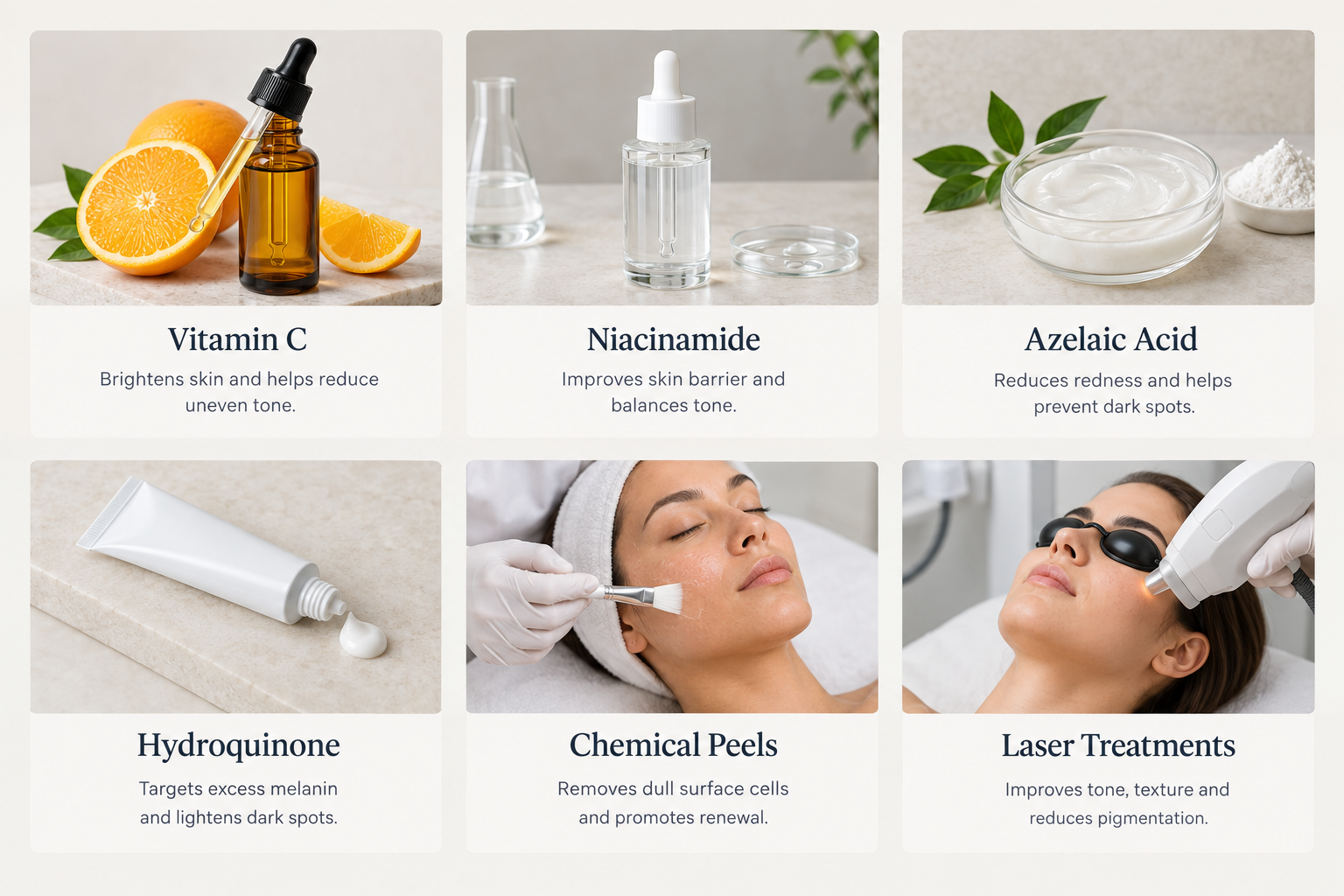
- Vitamin C (ascorbic acid): A well-researched antioxidant that inhibits tyrosinase and reduces melanin production. Available in topical serums and as an IV infusion. Topical vitamin C has a stronger evidence base for skin brightening than topical glutathione.
- Niacinamide: A form of vitamin B3 with good clinical evidence for reducing the transfer of melanin to skin cells, improving uneven tone, and supporting the skin barrier. Available in topical formulations and generally well tolerated.
- Azelaic acid: A clinically established topical treatment for hyperpigmentation and post-inflammatory discolouration, with a good safety profile including during pregnancy at certain concentrations.
- Hydroquinone: A prescription-strength skin-lightening agent with a long clinical history. Effective for certain types of hyperpigmentation but associated with potential side effects with prolonged use and is regulated or restricted in several countries.
- Chemical peels: Superficial to medium-depth peels using glycolic acid, lactic acid, or trichloroacetic acid can improve skin tone, texture, and mild pigmentation concerns. Results depend on peel depth and skin type.
- Laser and light-based treatments: Devices such as Q-switched lasers and intense pulsed light (IPL) are used for targeted pigmentation reduction and overall skin rejuvenation. These carry their own risk profiles and require careful patient selection, particularly for darker skin tones.
- Polynucleotides and skin boosters: Injectable treatments that support skin hydration, collagen production, and overall skin quality, though they address different concerns from pigmentation.
The most appropriate treatment for pigmentation or skin brightening depends on the specific cause of the concern, skin type, and individual goals. A qualified dermatologist or aesthetic practitioner can help identify the most suitable approach, which may involve combining glutathione with other treatments rather than using it in isolation.
Frequently Asked Questions
How long does it take to see results from glutathione treatment?
Results vary depending on the delivery method and individual response. With IV glutathione, some patients notice changes in skin radiance after four to eight sessions. Oral supplementation typically requires eight to twelve weeks of consistent daily use before visible changes become apparent. Results are gradual and not guaranteed.
Is glutathione safe for all skin types?
Glutathione is generally considered safe for most skin types when used appropriately, but individual responses vary. People with darker skin tones should be particularly cautious with any skin-lightening treatment and should seek advice from a practitioner experienced in treating diverse skin tones to avoid uneven results.
Does glutathione permanently lighten the skin?
Glutathione does not permanently alter skin colour. Any brightening effects are dependent on continued treatment. When glutathione supplementation is stopped, melanin production typically returns toward its natural baseline over time, and skin tone may gradually revert.
Can I take glutathione alongside other skin treatments?
Glutathione is sometimes used alongside other skin brightening or antioxidant treatments, such as vitamin C. However, combining treatments can increase the risk of interactions or adverse effects. Always inform your practitioner about all supplements and treatments you are using before starting a new protocol.
Is oral glutathione as effective as IV glutathione for skin brightening?
IV glutathione achieves higher plasma concentrations and has been more extensively studied for skin outcomes. Oral glutathione appears to offer more modest effects, though some formulations with improved bioavailability may narrow this gap. The choice between routes should be guided by a practitioner based on your goals, health status, and risk tolerance.
Are there any foods that naturally boost glutathione levels?
The body synthesises glutathione from dietary amino acids. Foods rich in cysteine, such as eggs, poultry, and legumes, as well as sulphur-containing vegetables like broccoli, garlic, and onions, may support natural glutathione production. Dietary approaches are unlikely to produce the same plasma concentrations as clinical supplementation but may support overall antioxidant status.
Is Glutathione Worth Considering for Your Skin Goals?
Glutathione offers a biologically plausible mechanism for skin brightening and antioxidant support, and early clinical evidence suggests it may produce modest improvements in skin tone and radiance for some individuals. It is not a dramatic or rapid skin transformation treatment, and the evidence base, while growing, remains limited in terms of study size and long-term follow-up. For patients seeking a gradual improvement in skin luminosity, a reduction in mild hyperpigmentation, or antioxidant support as part of a broader skin health approach, glutathione may be worth discussing with a qualified practitioner.
Glutathione is unlikely to be the most effective standalone solution for significant pigmentation concerns such as melasma, and it should not be viewed as a replacement for treatments with a stronger evidence base. The delivery method matters considerably, and IV glutathione in particular should only be administered by a qualified medical professional using pharmaceutical-grade preparations. If you are considering glutathione treatment, a thorough consultation that includes an assessment of your skin concerns, medical history, and realistic treatment goals is the appropriate starting point.


