How to Get Rid of Nasolabial Folds and Reduce Smile Lines


Thousands of satisfied customers


Nasolabial Folds Overview
Nasolabial folds are a central feature of skin, often becoming a point of focus for those interested in rejuvenation. Before diving into treatments, it is essential to define what these lines represent and how they evolve over your lifetime.
Defining Smile Lines and Common Types of Wrinkles
Nasolabial folds are creases that run from the sides of your nose to the corners of your mouth. While often called smile lines or laugh lines, they define your appearance and are a completely natural feature of the human face.
These lines are categorised as dynamic wrinkles when they appear only during facial expressions. However, as the ageing process continues, these folds may become static, meaning the crease remains visible even when your facial muscles are at rest.
Identifying Early Nasolabial Wrinkles and Texture Changes
Early signs of ageing often manifest as fine lines around the mouth. You might notice the tissue starts to become thinner and less resilient, causing the appearance of nasolabial grooves to deepen slightly during different times of the day.
If the lines appear more pronounced after dehydration or long days, it suggests a loss of elasticity. Detecting these texture changes early allows you to use preventative care and lifestyle adjustments to soften nasolabial folds before they deepen.
Primary Causes of Nasolabial Folds
Understanding the root causes of these folds is the first step in clinical management. Several biological and environmental factors work together to alter the facial structure and appearance over time.
Natural Ageing and Facial Volume Loss
The natural ageing process causes the skin to lose vital proteins. Specifically, the depletion of collagen and elastin leads to a reduction in structural support, making the folds around the nose and mouth appear more prominent.
Volume loss in the mid-face area, particularly around the cheekbone, allows tissue to sag downwards. This downward shift puts pressure on the lower face, which causes nasolabial folds to develop into deeper, more permanent indentations over time.
Structural Causes of Nasolabial Folds and Laxity
Laxity occurs when the foundation of the skin weakens. As we age, the body’s ability to stimulate collagen production slows significantly, resulting in skin that is thinner and prone to gravity-induced sagging.
This loss of firmness creates a heavier look in the lower face. When the upper cheek area loses its “lift,” the surface accumulates against the mouth area, making the nasolabial lines appear more pronounced and defined.
Sun Exposure and Accelerated Collagen Depletion
Sun damage is a leading external factor that causes nasolabial folds to worsen. Chronic sun exposure breaks down the hyaluronic acid and collagen fibres that keep the skin plump and youthful, accelerating the ageing process.
- UV rays penetrate deep into the skin.
- They damage the structural integrity of the cells.
- They trigger the production of free radicals.
- They lead to premature solar elastosis (yellowing and thickening).
Repeated Facial Expressions and Muscle Activity
Every time you smile or laugh, the facial muscles contract and pull the surface. While these expressions are vital for communication, they can cause the tissue to crease repeatedly in the same location between the nose and mouth.
Over time, these repetitive movements break down the underlying support structure. This process leads to the formation of permanent lines, as the face eventually loses the ability to “spring back” into a smooth, neutral position.
Genetics and Tissue Type Impact
Your genetic blueprint plays a significant role in how and when nasolabial folds may appear. Some individuals naturally have a facial structure or bone density that provides less support for the soft tissues around the mid-face.
Additionally, tissue type affects the depth of wrinkles. For example, those with naturally thinner or drier skins may notice that creases become more pronounced earlier in life compared to those with higher natural oil production and thickness.
Lifestyle Habits and Environmental Factors
Environmental stressors and lifestyle habits significantly influence the appearance of nasolabial folds. Smoking, for instance, restricts blood flow to the skin and directly destroys collagen and elastin, leading to premature sagging and deep grooves.
Poor dietary choices and lack of sleep also impair the body’s ability to repair itself. High sugar intake can lead to glycation, a process where sugar molecules attach to proteins, making collagen fibres brittle and less effective.

Effective Ways to Prevent Nasolabial Folds
Prevention is always more effective than correction. By incorporating specific habits into your daily life, you can maintain facial resilience and delay the onset of deep grooves.
Daily Sun Protection and UV Defense
The most effective way to prevent nasolabial folds is through consistent use of broad-spectrum sunscreen. Protecting the surface from harmful UV rays preserves existing collagen and prevents the premature breakdown of elastic fibres.
Apply a high SPF daily, even during overcast days in London. This simple step maintains the dermal thickness and prevents the sun damage that typically makes the appearance of nasolabial folds more prominent and difficult to treat later.
Optimal Hydration for Plumpness
Internal and external hydration is essential for maintaining a youthful look. When the face is well-hydrated, it appears more plump and firm, which helps to soften the appearance of fine lines and minor creases.
Using products containing hyaluronic acid can attract moisture to the surface. This immediate boost in hydration helps to make them less noticeable and supports the overall health and resilience of the protective skin.
Healthy Lifestyle Habits and Nutrition for Health
Adopting a healthy lifestyle is a foundational way to reduce the risk of premature ageing. A diet rich in antioxidants, vitamins, and minerals supports natural collagen production and helps the tissues defend themselves against oxidative stress.
- Vitamin C: Essential for collagen synthesis.
- Omega-3 Fatty Acids: Helps maintain the lipid skin.
- Antioxidants: Protect cells from environmental damage.
- Amino Acids: Provide the building blocks for repair.
Effective Anti-Ageing Routines
A structured routine is vital for long-term health. Incorporating a retinoid or vitamin C serum can stimulate collagen and improve cell turnover, which helps to maintain a smoother and firmer texture.
Consistency is key when using active ingredients to treat nasolabial folds. By supporting the natural architecture through scientifically-backed products, you can significantly slow down the rate at which smile lines become deep and permanent over time.

At-Home Ways to Reduce Nasolabial Folds
While professional treatments offer the most dramatic results, at-home care plays a crucial role in maintaining quality and improving the overall results of clinical procedures.
Topical Products and Targeted Night Creams
Topical products can provide noticeable improvements in texture and hydration. Night creams enriched with peptides or retinol work while you sleep to stimulate collagen production and repair damage caused by daily environmental stressors.
These products help to plump the tissue and reduce the depth of minor creases. While they cannot replace professional dermal fillers, they are essential for maintaining the results of clinical treatments and improving overall quality.
Using a Targeted Serum or Wrinkle Filler at Home
Targeted serums designed for the nose-to-mouth area often contain high concentrations of active ingredients. These formulas aim to provide an immediate “blurring” effect while delivering long-term benefits that help to reduce the appearance of nasolabial lines.
Look for ingredients that support elasticity and moisture retention. Regular application can help to soften nasolabial folds by providing the tissues with the necessary building blocks to remain resilient against the constant movement of facial muscles.
Facial Massages to Reduce Smile Lines Naturally
Facial massages can improve circulation and promote lymphatic drainage, which may temporarily reduce puffiness and make the face look more contoured. Gentle upward strokes can help to stimulate the surface and improve the absorption of serums.
- Knuckle massage: Relieves tension in the cheek muscles.
- Gua Sha: Sculpts and drains the mid-face area.
- Tapping: Increases blood flow to the surface.
- Stretching: Relaxes overactive facial muscles.
Facial Exercises to Strengthen Structure
Facial exercises, often called “face yoga,” involve specific movements designed to tone the muscles beneath the surface. The theory is that stronger muscles can provide better support for the face, potentially making it look firmer.
While results vary, many find that a dedicated routine helps to define the cheekbone area. This improved muscle tone can provide a slight lifting effect, which may help to reduce the sagging that contributes to deep creases.
Light Therapy Devices and Advanced Tools
At-home LED light therapy devices use specific wavelengths to penetrate the skin and stimulate collagen. Red light, in particular, is known for its ability to boost ATP production in cells, supporting the natural repair mechanisms.
Using these tools consistently can enhance the effectiveness of your products. They offer a non-invasive way to improve density and elasticity, helping to soften the appearance of nasolabial folds from the comfort of your home.

Professional Dermal Fillers and Non-Invasive Treatments
When home care is no longer sufficient, professional medical aesthetic treatments offer targeted solutions to restore volume and smooth out even the deepest creases.
Traditional Filler Injections for Immediate Results
Dermal fillers for nasolabial folds are among the most popular and effective ways to get rid of these creases quickly. Most modern fillers are made of hyaluronic acid, a substance naturally found in the body that provides immediate volume and hydration.
By injecting filler into the crease or the mid-face area, a practitioner can plump the tissues and lift the cheeks. This professional treatment provides immediate results, effectively making the lines appear much softer and the face more youthful.
Biofillers and Regenerative Solutions
Biofillers represent a shift towards regenerative cosmetic medicine. Unlike traditional fillers, these treatments often involve substances that encourage your own body to produce more collagen and elastin over a longer period, providing a very natural-looking result.
These options are excellent for those seeking gradual improvement rather than an overnight change. They work to strengthen the internal structure, ensuring that the reduction of nasolabial lines is sustained through the body’s own biological processes.
Platelet-Rich Plasma (PRP) Therapy Benefits
PRP therapy, often called the “vampire facial,” uses a concentration of your own platelets to stimulate collagen production. The growth factors found in the plasma help to repair damaged tissue and improve the overall thickness of the skin.
- Natural healing using the patient’s own blood.
- Stimulates long-term tissue regeneration.
- Improves overall tone and texture.
- Minimal risk of allergic reactions or rejection.
Professional Cabin Treatments and Chemical Peels
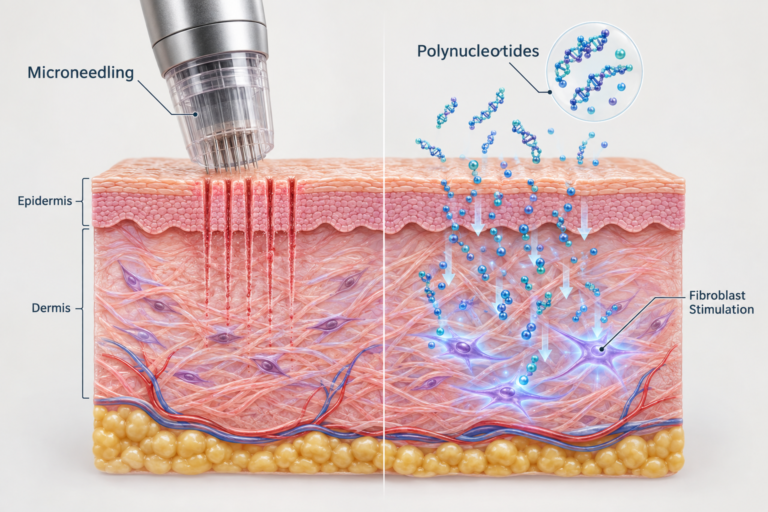
Professional chemical peels and microneedling are effective ways to resurface the face and stimulate the skin. These treatments remove the outer layer of dead cells and create controlled micro-injuries that trigger a robust healing response.
The result is a smoother, firmer skin with a noticeable reduction in fine lines. Regular sessions can help to manage the depth of folds by ensuring the tissues remain thick and capable of producing fresh collagen and elastin.
Light and Laser Therapies for Resurfacing
Medical-grade lasers provide targeted energy to the deeper layers of the face. These treatments can tighten loose tissue and significantly boost collagen production, offering a more long-term solution for those concerned with sagging and deep creases.
Laser therapy can be adjusted to various types and concerns. By improving the overall quality and tautness of the cheeks, these professional treatments help to lift the face and reduce smile lines effectively.
Surgical Options and Choosing the Right Treatment
For advanced cases of laxity, surgical intervention may be required. Deciding between a non-invasive approach and a surgical one depends on your age, condition, and aesthetic goals.
Feature | Dermal Fillers | Surgical Facelift |
Invasiveness | Non-surgical / Minimally invasive | Surgical procedure |
Results | Immediate | Long-term / Permanent |
Downtime | None to 24 hours | 2 to 4 weeks |
Primary Goal | Restore lost volume | Reposition muscle and tissue |
Longevity | 6 to 18 months | 10 to 15 years |
Comparison of Dermal Fillers vs. Surgical Options
Dermal fillers offer a non-surgical, temporary solution with minimal downtime. However, for those with significant laxity, a surgical mid-face lift or fat grafting may provide a more permanent way to treat nasolabial folds and restore facial contours.
Surgery addresses the underlying structural shift of fat and muscle more comprehensively than cosmetic injections. While more invasive, surgical options are often considered when non-surgical methods no longer provide the desired level of rejuvenation or lift.
Expected Outcomes and Recovery Times
Non-surgical treatments like fillers typically involve minimal recovery, with most patients returning to daily activities immediately. Surgical procedures, conversely, require a period of rest and healing, often involving swelling and bruising that can last for several weeks.
Understanding the expected outcomes is crucial for patient satisfaction. During your consultation, an expert will explain what each treatment can achieve, ensuring your expectations align with the likely clinical results for reducing the appearance of nasolabial folds.
Choosing the Right Practitioner for Long-Lasting Results
The success of any cosmetic procedure depends heavily on choosing the right practitioner. An experienced professional will assess your skin holistically, ensuring that treatments like dermal fillers look natural and do not over-fill the face.
- Check medical qualifications and certifications.
- Review before-and-after portfolios.
- Ensure the clinic maintains high hygiene standards.
- Consult on the practitioner’s aesthetic approach.
How to Reduce Nasolabial Folds for Men
Men’s facial ageing follows a unique trajectory. While men often develop folds later than women, the lines can become deeper and more resistant to simple topical treatments once they appear.
Structural Differences in Male Tissue and Aging
Male skins are generally thicker and have a higher collagen density than female ones, which often delays the initial signs of ageing. However, when nasolabial folds do develop in men, they tend to be deeper and more prominent.
Men also have different fat distribution patterns in the face. This means that volume loss may occur differently, often requiring a tailored approach to ensure that treatments preserve a masculine facial structure while effectively softening deep grooves and wrinkles.
Specialized Skincare for Male Nasolabial Folds
Men’s care should focus on hydration and protection, especially since daily shaving can sensitise the surface. Using products that contain active ingredients like retinol can help to maintain the dermal thickness and prevent deep lines from forming.
A simple but effective routine involving a high-quality moisturiser and daily sunscreen is essential. These steps help to protect the tissues from sun damage and environmental factors that can make laugh lines appear more pronounced over time.
Professional Treatments Tailored for Men
Professional treatments for men are designed to be subtle and effective. Dermal fillers can be used to restore volume in a way that enhances the jawline and cheekbones without looking “overdone,” providing a refreshed and youthful appearance.
Botulinum toxin injections may also be used to soften dynamic wrinkles around the mouth. By choosing treatments tailored to the unique needs of male anatomy, men can effectively reduce nasolabial folds while maintaining a natural, rugged look.
Frequently Asked Questions
Why do my smile lines look deeper in the morning?
Folds may appear deeper in the morning due to fluid redistribution and dehydration during sleep. If you sleep on your side, the pressure can temporarily compress facial tissues, making creases more prominent. As you move and hydrate throughout the day, the skin usually plumps back up, though persistent morning lines may indicate reduced elasticity.
Can weight loss make nasolabial folds more prominent?
Significant weight loss often leads to a reduction in facial fat, which can diminish the natural “cushion” in your cheeks. When this volume is lost, the overlying tissue begins to sag, making the grooves that run from the nose to the mouth appear more pronounced. This is why many patients seek volume-restoring treatments after weight loss.
Is it possible to completely erase deep lines without surgery?
While non-surgical treatments like dermal fillers and laser therapy can significantly soften nasolabial folds, completely erasing very deep, permanent creases is difficult without surgery. Most cosmetic options focus on making the folds less noticeable by restoring lost volume and stimulating collagen, which significantly improves the face’s overall youthful appearance and texture.
How long do results from professional fillers typically last?
The longevity of results depends on the type of filler used and your body’s individual metabolism. Generally, hyaluronic acid fillers in the nasolabial area last between six to eighteen months. Regular maintenance sessions and a high-quality routine can help extend these results and keep the face looking firmer for longer.
Do side-sleeping habits contribute to asymmetrical facial folds?
Sleeping on your side or stomach can put consistent pressure on one side of the face, leading to “sleep lines.” Over time, this repetitive compression can break down collagen unevenly, making the nasolabial fold on your preferred sleeping side appear deeper than the other. Switching to sleeping on your back can help prevent this.
Newsletter Updates
Enter your email address below and subscribe to our newsletter