
Temple Filler Treatments in London
Temple filler treatment is available in London through independent specialists who focus on the anatomical causes of temple hollowing. Temple hollowing may be associated with age-related changes in soft tissue and facial structure, and the area can appear sunken, altering the upper face and disrupting overall facial harmony.
Using hyaluronic acid dermal fillers, verified practitioners aim to support the appearance of volume in the temple area, softening hollows and supporting the brow. Many patients seek this treatment for a smoother contour and a smoother-looking upper-face contour, with each treatment plan assessed individually during consultation with an independent specialist.




carrying out the procedure on the day of the appointment

How Much Do Temple Fillers Cost in London?
Direct Answer
Temple fillers in London typically cost between £300 and £500 per 1 ml, with an average price of around £400–£450. Prices vary based on the injector’s qualifications, the amount of HA filler required, and clinic location, with 0.5 ml treatments starting around £200–£300. Premium central London and Harley Street clinics often charge £550 or more for advanced temple volume restoration.
Typical Temple Filler Prices in London
- 0.5 ml temple filler: £200–£300
- 1 ml temple filler: £300–£500
- Bilateral temple restoration (2 ml): £600–£900
- Premium Harley Street temple contouring: £500–£700
- Temple filler maintenance / review treatment: £150–£250
Key Pricing Factors
- Practitioner qualifications: GMC-registered doctors, GDC-registered dentists, and NMC-registered aesthetic nurses may charge more due to advanced facial anatomy training, with consultations commonly valued at £50–£100.
- Clinic location: Harley Street and central London clinics can cost 30–60% more than equivalent treatments in outer London zones 3–4 due to higher operating costs and specialist positioning.
- Filler material: HA filler selected for structural facial support can cost clinics 2–3× more than low-cost unverified alternatives.
- Volume and treatment scope: Temple filler commonly requires careful volume planning; 0.5 ml usually costs 60–70% of a 1 ml treatment, rather than 50%, because assessment and aftercare remain similar.
- What is included: A complete package may include consultation, facial assessment, treatment planning, follow-up review, and aftercare support, adding approximately £50–£150 in service value.
What Should Be Included in the Price
- Consultation with a GMC, GDC or NMC registered medical injector.
- Facial assessment and treatment mapping before injection.
- Written confirmation of the HA filler category and treatment approach.
- Follow-up review within 2–4 weeks to assess symmetry and settling.
- Correction advice or a repeat appointment option within a defined 2–6 week period.
Pricing Red Flags
Temple fillers advertised below £150 in London are a warning sign rather than a bargain. Suspiciously low prices usually indicate one of: an unqualified practitioner, an unverified filler product, or a non-clinical setting. Correcting complications such as asymmetry, infection, or vascular issues can cost significantly more than a properly performed treatment in a CQC-regulated clinic.
For a personalised quote based on the volume and facial balance needed for your temples, book a free consultation.
Temple Filler Price Guide in London
Temple filler treatment in London typically costs about £300—£900 per session, depending on the product used, volume required, and practitioner expertise.
These figures represent general London market guidance based on publicly advertised prices reviewed in July 2026 across 8 London clinics and comparable providers. They are not Science Beauty’s own prices. Final pricing depends on the independent specialist or clinic selected, treatment complexity, product choice, and consultation findings.
Indicative pricing breakdown:
- Essential Restoration: about £300—£450
- Comprehensive Enhancement: about £450—£650
- Advanced Combined Protocol: about £650—£900
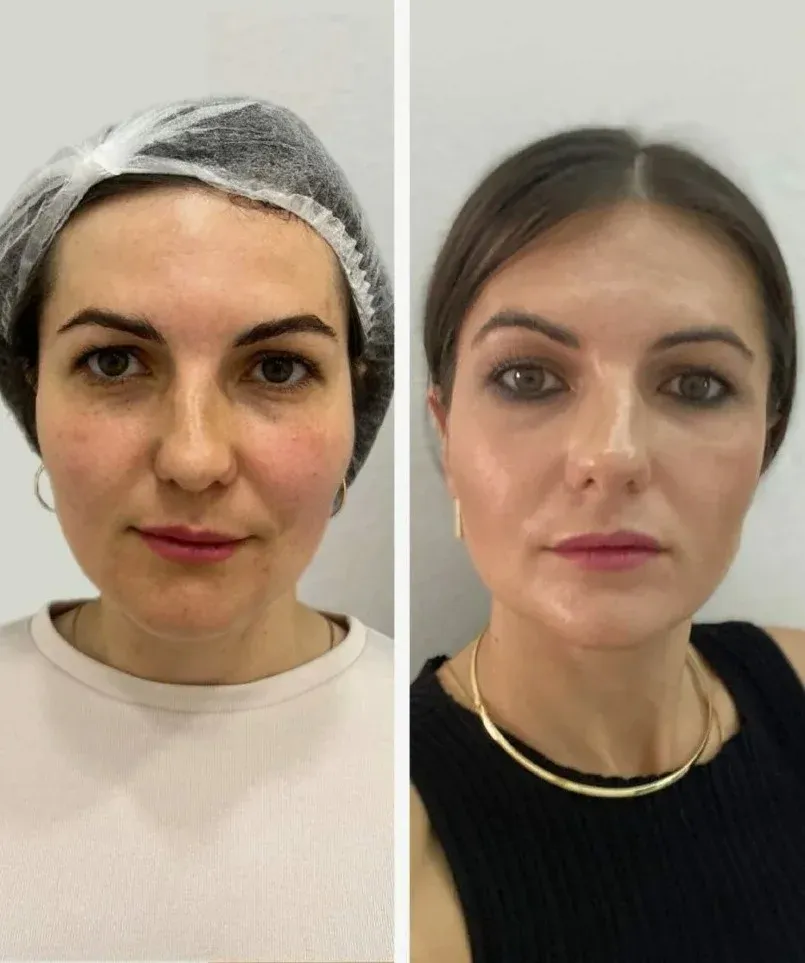
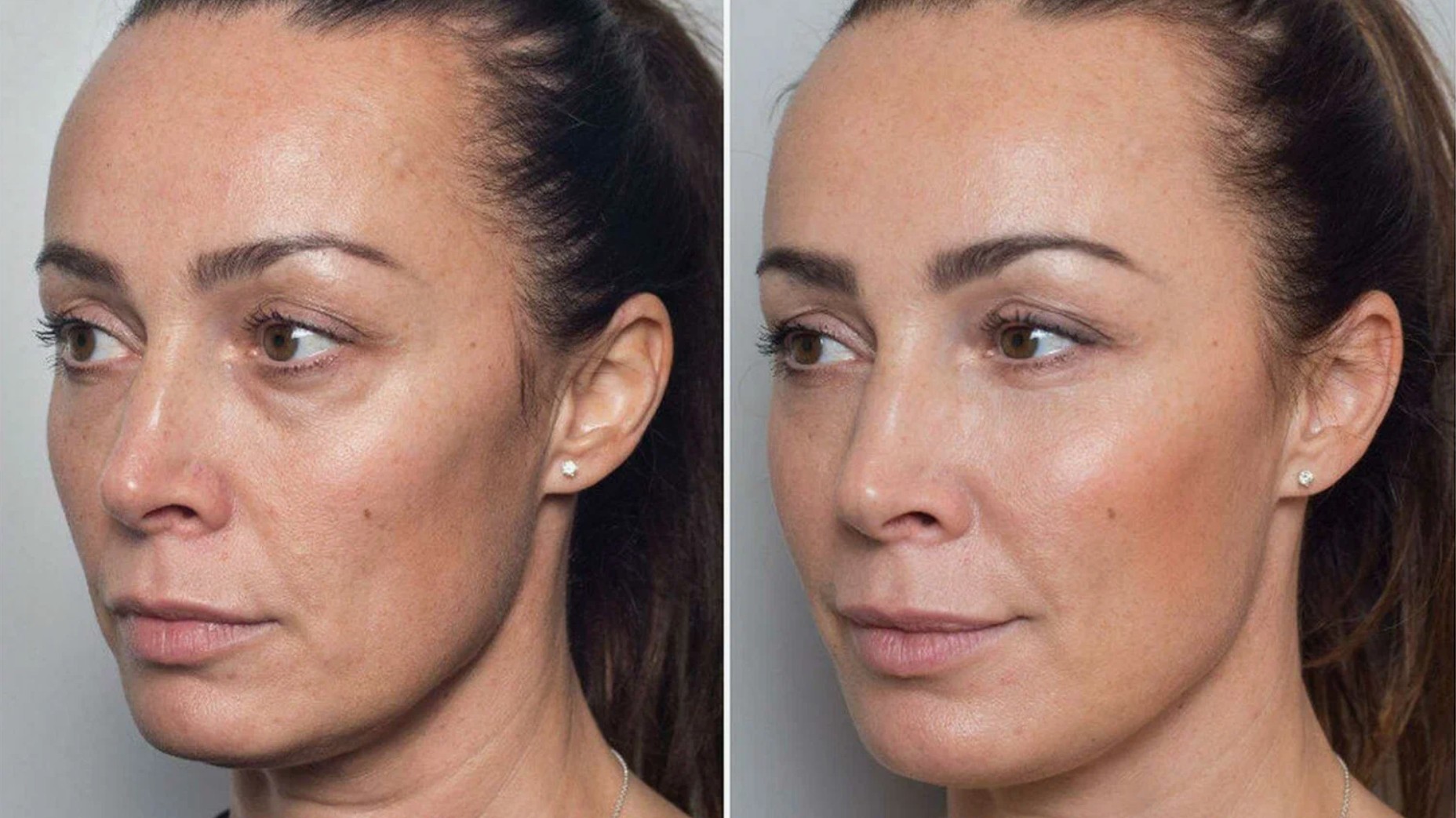
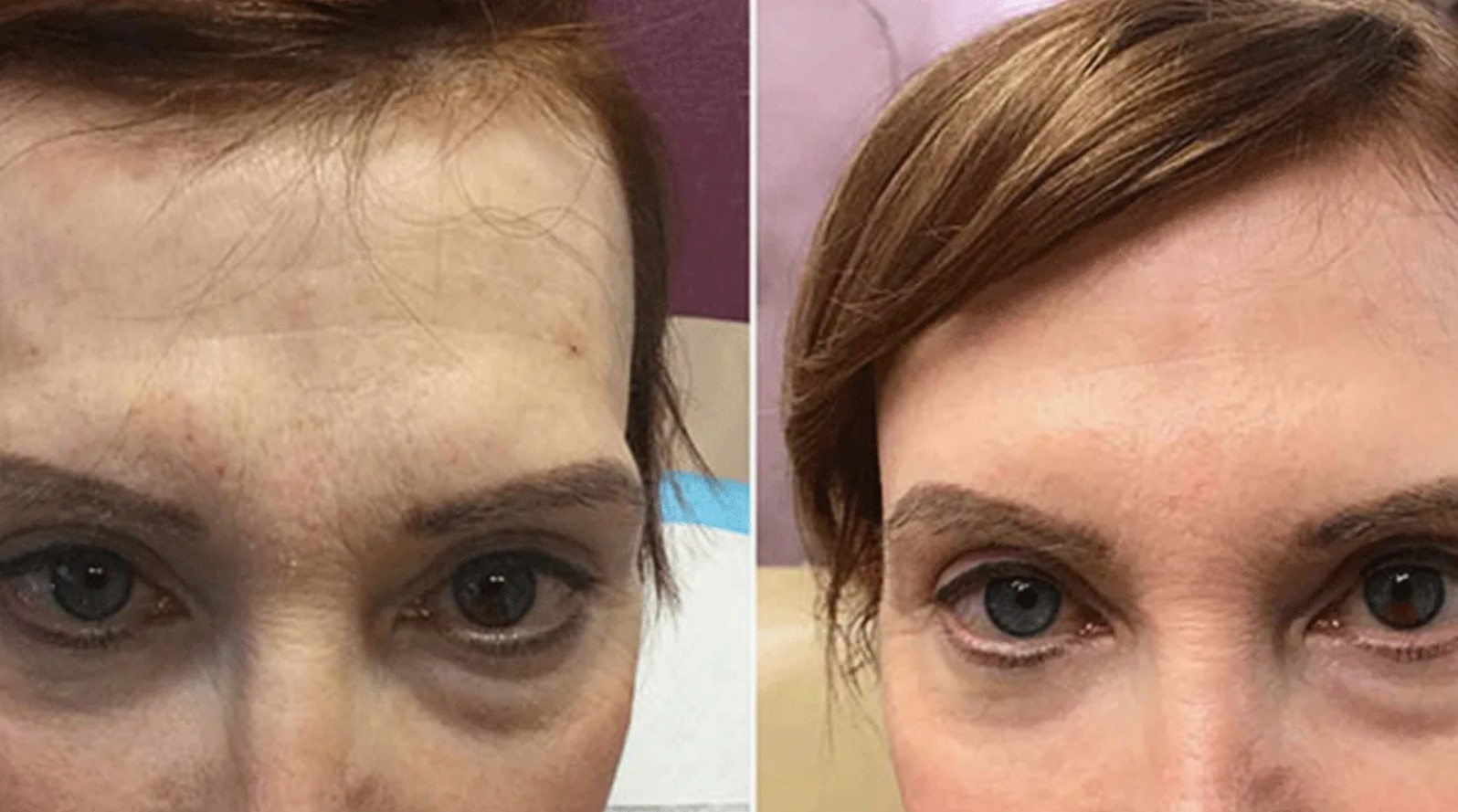
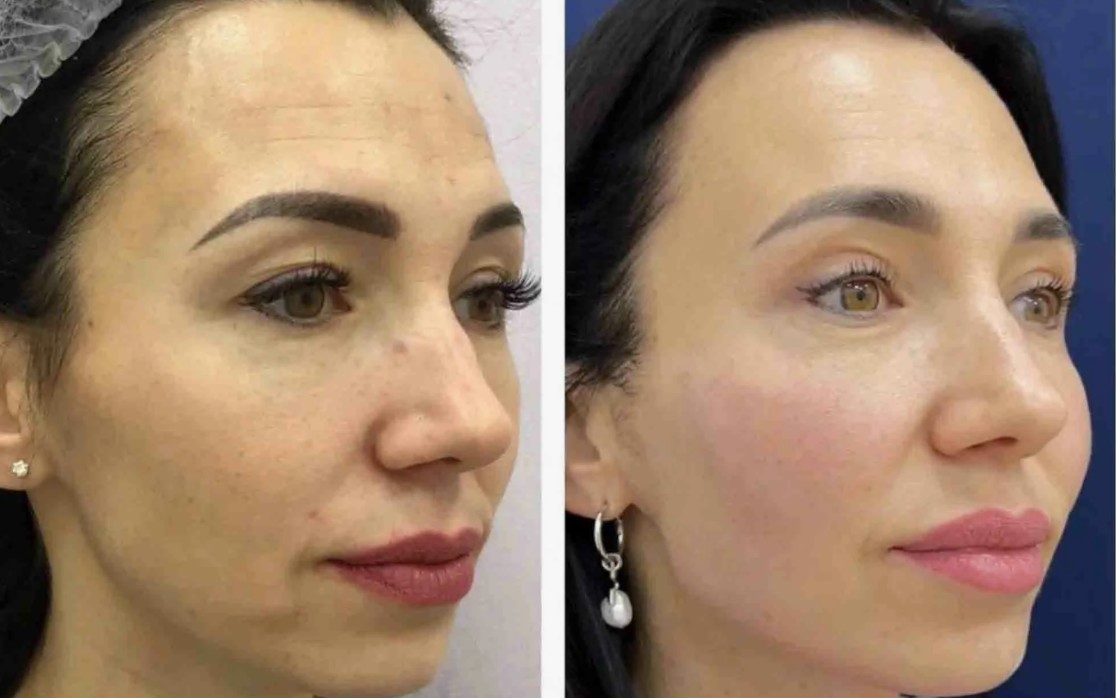
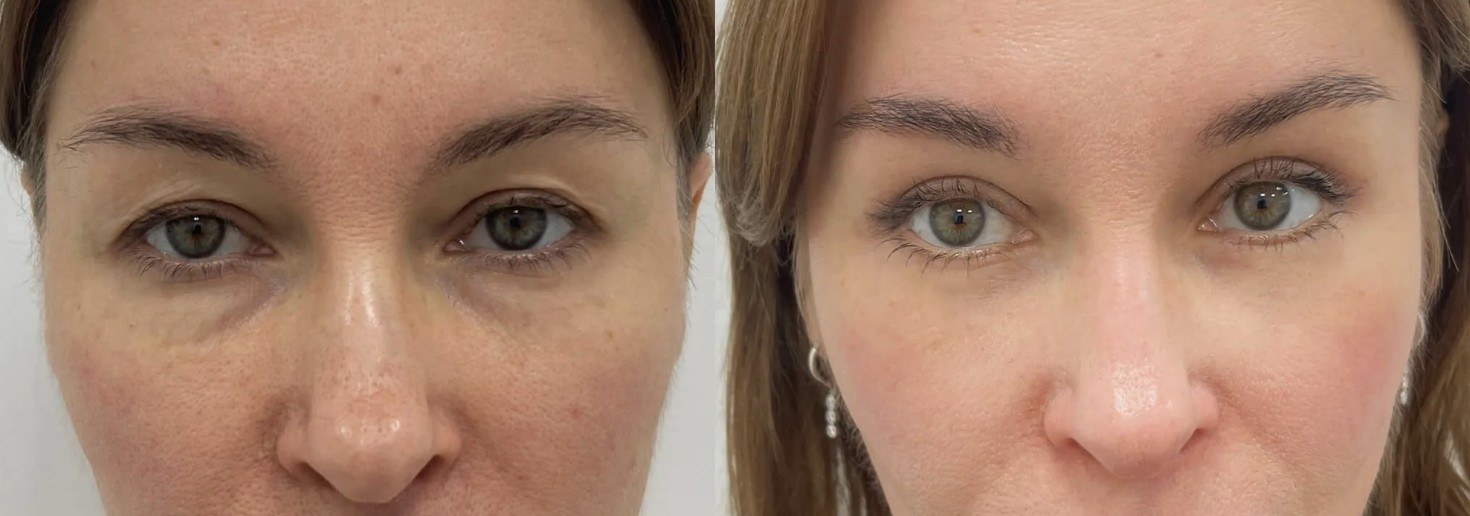
Before and After Temple Filler Treatment
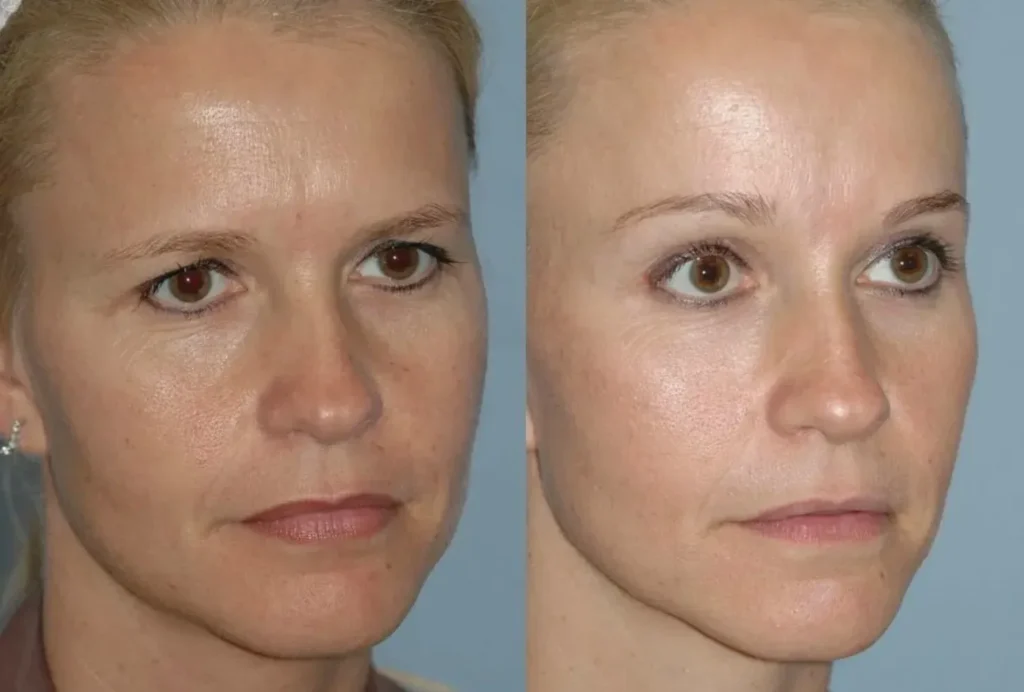
Following the procedure, patients often look for softened hollows, a smoother brow-to-hairline transition, and improved upper-face proportions. Visible change varies with anatomy, as each treatment plan reflects individual goals discussed during consultation.
Results depend on anatomy, the treatment plan, practitioner technique, and the type of filler used. Independent specialists assess these factors during consultation, since photographs and outcomes shown online represent individual results rather than a fixed standard for every patient.
Commonly discussed treatment outcomes:
- Softened temple hollows
- Smoother upper-face contour
- Subtle support to the outer brow
- More balanced facial symmetry
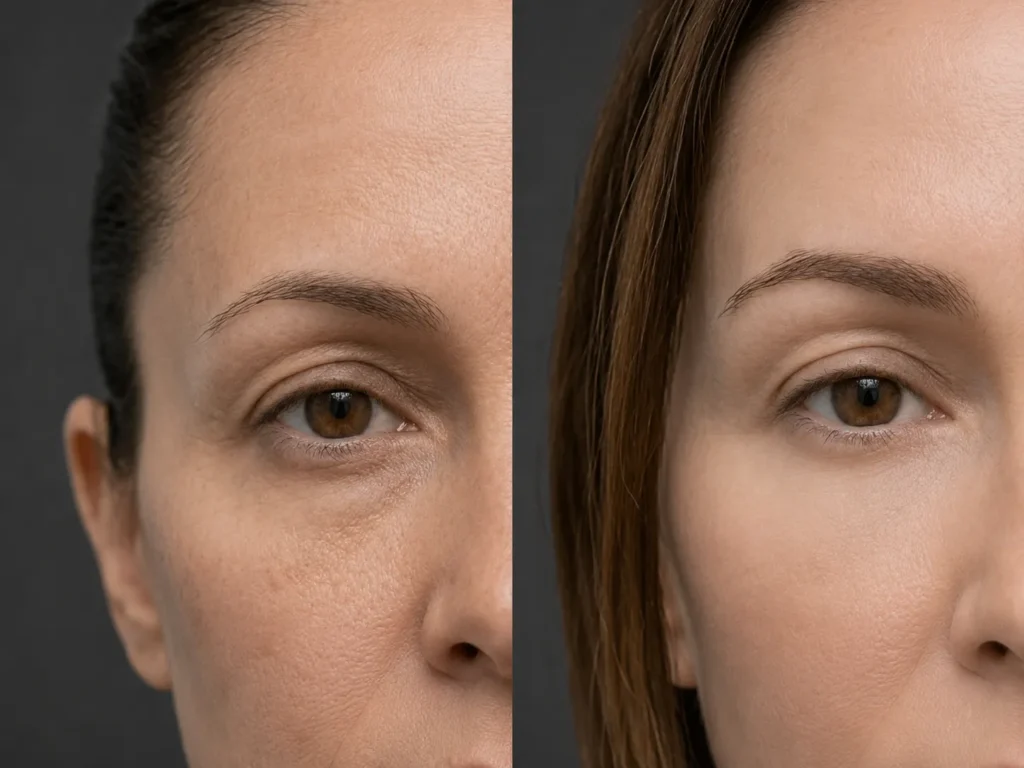
What is a Temple Filler?
A temple filler is a non-surgical cosmetic injectable treatment that uses hyaluronic acid-based dermal fillers to address volume loss in the temple region. Temple hollowing may be associated with age-related changes in soft tissue and facial structure, and filler is injected to help support the appearance of volume in the temples.
Hyaluronic acid-based fillers are widely used because the substance occurs naturally in the body and is generally well tolerated. Different products vary in thickness, with suitable dermal filler formulations often selected for deeper temple placement and lighter options used for more superficial correction.
Every treatment carries potential risks and considerations, so suitability for the procedure is assessed individually. Because the area sits close to several blood vessels, independent specialists recommend treatment only from practitioners with appropriate anatomical training and experience.

The Temple Filler Process: Step by Step
Clinical Assessment
During an initial consultation, an independent specialist reviews facial anatomy, temple volume loss, and medical history to determine a suitable treatment plan.
Pre-Treatment Protocol
The treatment area is cleansed, and a topical anaesthetic may be applied beforehand to help reduce discomfort during injection.
Treatment Implementation
Using a needle or cannula, the practitioner injects hyaluronic acid dermal filler into the temple area to add volume.
Post-Procedure Care
Aftercare guidance is provided directly by the treating specialist; Science Beauty does not provide clinical aftercare itself.
Booking a Consultation
Patients can use the platform to find and connect with an independent specialist for a face-to-face consultation before treatment.
- Procedure time: 15—30 minutes.
- Recovery: Minimal downtime; mild redness or swelling may ease within 24—48 hours.
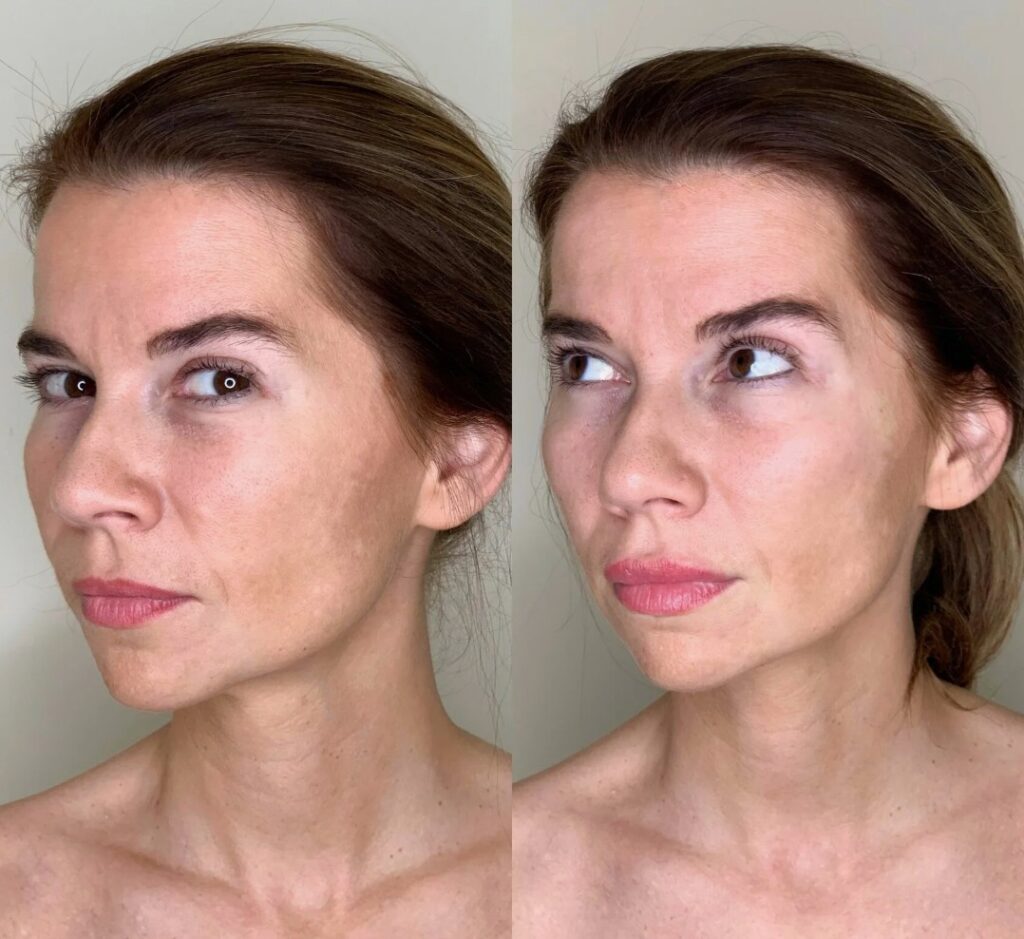
Benefits of Temple Filler
The treatment offers both aesthetic and structural benefits by addressing volume loss in an often overlooked part of the face. Supporting the appearance of volume in the temples may help soften hollows, support the brow, and contribute to a more balanced upper-face contour without surgical intervention.
As a non-surgical option, the procedure typically involves minimal downtime compared with surgical alternatives. Many patients seek this treatment to complement existing cheek, brow, or forehead fillers as part of a broader facial rejuvenation plan discussed during consultation.
Potential benefits include:
- May help support the appearance of volume in the temple area
- Can support a smoother upper-face contour
- May soften the appearance of sunken temples
- Suitable for combination with other filler treatments, subject to assessment
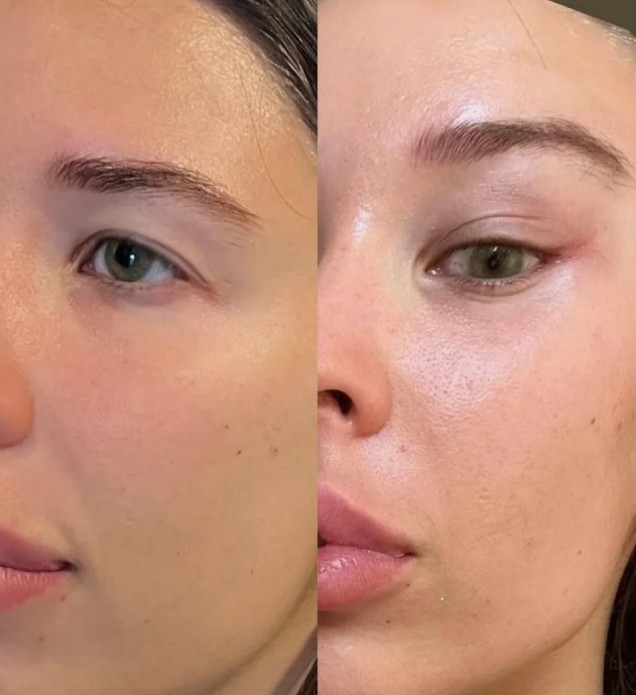
Temple Filler Treatment Options
Targeted Temple Restoration
For patients with early or localised volume loss, a targeted approach may involve a smaller amount of filler focused on the temple area alone.
Comprehensive Temple and Upper Face Protocol
For more pronounced hollowing, independent specialists may recommend a combined approach addressing the temples alongside the brow or forehead for balanced upper-face rejuvenation.
Combined Filler Programmes
Temple filler is often discussed alongside cheek or jawline filler as part of a broader treatment plan, subject to individual assessment.
Available approaches:
- Targeted temple restoration for localised volume loss
- Comprehensive upper-face protocol combining temple and brow
- Combined programmes with cheek, jawline, or forehead filler
- Follow-up sessions where clinically appropriate
Why Choose Science Beauty for Temple Filler?
Science Beauty connects patients with independent specialists selected against defined clinical and professional criteria.
Featured practitioners typically hold active GMC or NMC registration and practise within CQC-compliant environments.
Selection also considers verified clinical experience, evidence-based protocols, and consistent patient feedback.
Specialist selection criteria:
- Active GMC/NMC registration
- CQC-compliant treatment environments
- Verified clinical experience in facial aesthetics
- Evidence-based, protocol-driven treatment approach
- Consistent patient feedback and outcomes review
The term “premium” used in reference to treatments signifies those that meet our selection criteria, including active GMC/NMC registration, verified clinical experience, high patient satisfaction, and the use of clinically proven, evidence-based protocols. Science Beauty acts as an independent booking platform to help ensure quality and safety in aesthetic care.
Frequently Asked Questions
How long does temple filler last?
The duration of results varies between individuals, though many patients report visible improvement for around 9 to 15 months, depending on filler type, metabolism, and lifestyle. Longevity also depends on the amount of filler used and individual anatomy. A consultation with an independent specialist helps establish realistic expectations for how long results may last.
Is the procedure dangerous?
As with any injectable treatment, temple filler carries potential risks and considerations, particularly because the temple area sits close to blood vessels. When performed by an appropriately trained and experienced practitioner following a thorough consultation, the procedure is generally well tolerated, though individual suitability is always assessed beforehand.
How much filler is needed?
The required amount depends on the degree of volume loss, individual anatomy, and desired outcome. Many temple filler treatments use between one and two millilitres per side, though some patients may need more or less. An independent specialist determines the appropriate amount during a face-to-face consultation.
Is temple filler worth it?
Whether the treatment is worthwhile depends on individual goals, budget, and expectations. Many patients seek this treatment to address hollow temples and support a more balanced facial appearance without surgery. Because results and satisfaction vary between individuals, a consultation helps determine whether this option suits your specific concerns.
What are the risks?
Every treatment carries potential risks and considerations, including bruising, swelling, asymmetry, or, rarely, vascular complications given the temple’s proximity to blood vessels. Choosing a suitably qualified and experienced practitioner can help reduce the risk of complications. A thorough consultation allows any concerns to be discussed before proceeding with treatment.
Is temple filler painful?
Discomfort levels vary between patients and depend on the technique used. A topical anaesthetic may be applied beforehand to help minimise sensation during injection. Most patients describe the experience as mildly uncomfortable rather than painful, with any sensation typically easing shortly after the injection is complete.
Can temple filler be combined with other treatments?
The procedure is frequently discussed alongside other facial aesthetic treatments, such as cheek, brow, or forehead filler, as part of a broader rejuvenation plan. Suitability for combined treatment depends on individual anatomy and goals. An independent specialist can advise on appropriate sequencing and combinations during your consultation
What type of filler is used?
The treatment generally uses hyaluronic acid-based dermal fillers, chosen for their biocompatibility and reversibility. Some practitioners may use suitable thicker formulations for deeper structural support. The type of filler used depends on the degree of volume loss, desired outcome, and the specialist’s clinical judgement during assessment.
How soon will I see the results?
Most patients notice an immediate change in volume and contour following the appointment, though initial swelling can briefly mask the final outcome. Once any puffiness settles, usually within one to two weeks, the natural-looking result becomes clearer. Deeper improvements may continue to settle over the following weeks. An independent specialist can explain the expected timeline during your consultation
What should I do before my appointment?
Temple fillers in London usually cost £300–£500 per 1 ml, with the average price around £400–£450. The final cost depends on the amount of HA filler needed, practitioner qualifications, and clinic location. Many patients require 1–2 ml for both temples, making full treatment plans typically range from £600–£900.
How much do temple fillers cost in London?
Ahead of your appointment, it helps to avoid blood-thinning medication, alcohol, and strenuous exercise where possible, as advised by your specialist. Sharing your full medical history and aesthetic goals during consultation allows the practitioner to plan an appropriate approach. Following this guidance can help reduce bruising and support a smoother recovery.