
PhilArt Polynucleotide Skin Booster Treatments in London
Skin ageing often reflects visible changes in hydration, texture, and firmness over time. PhilArt polynucleotide treatment is one option some patients discuss with independent specialists as part of a plan intended to help address these concerns and support overall skin quality.
Through Science Beauty, patients researching a polynucleotide skin booster in London can compare verified clinics and connect with practitioners who assess suitability for PhilArt on an individual basis. Treatment suitability, product selection, and session planning are determined by the independent specialist or clinic following consultation, not by the platform itself.




Thousands of satisfied customers

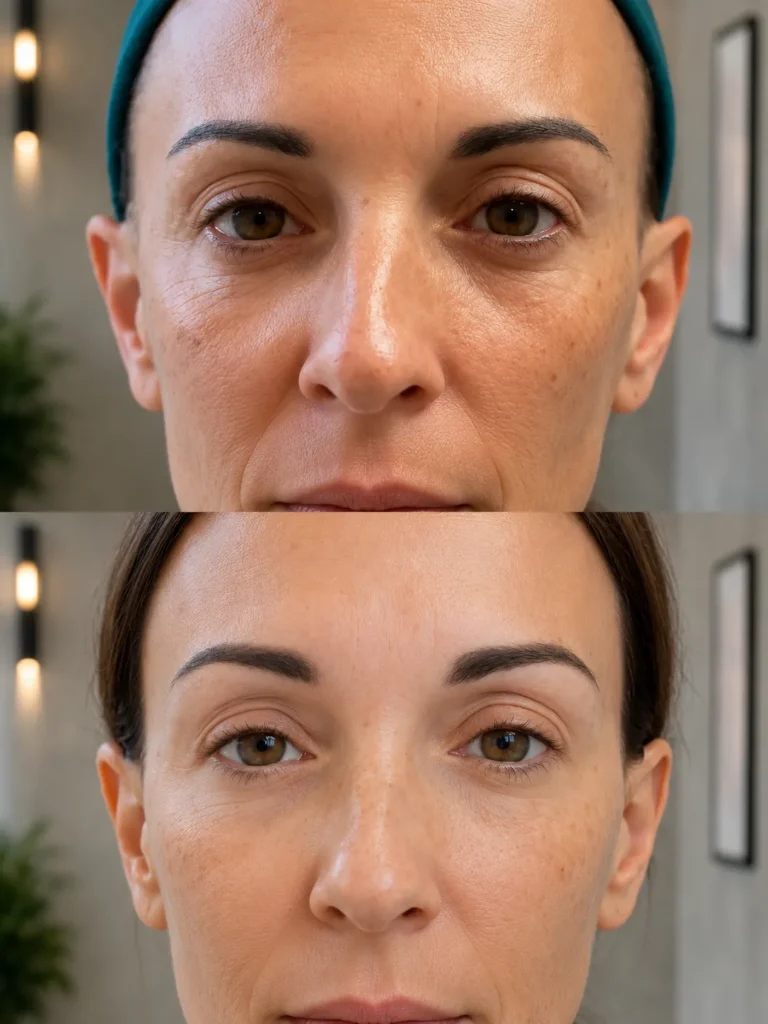
Before and After PhilArt Polynucleotide Treatment
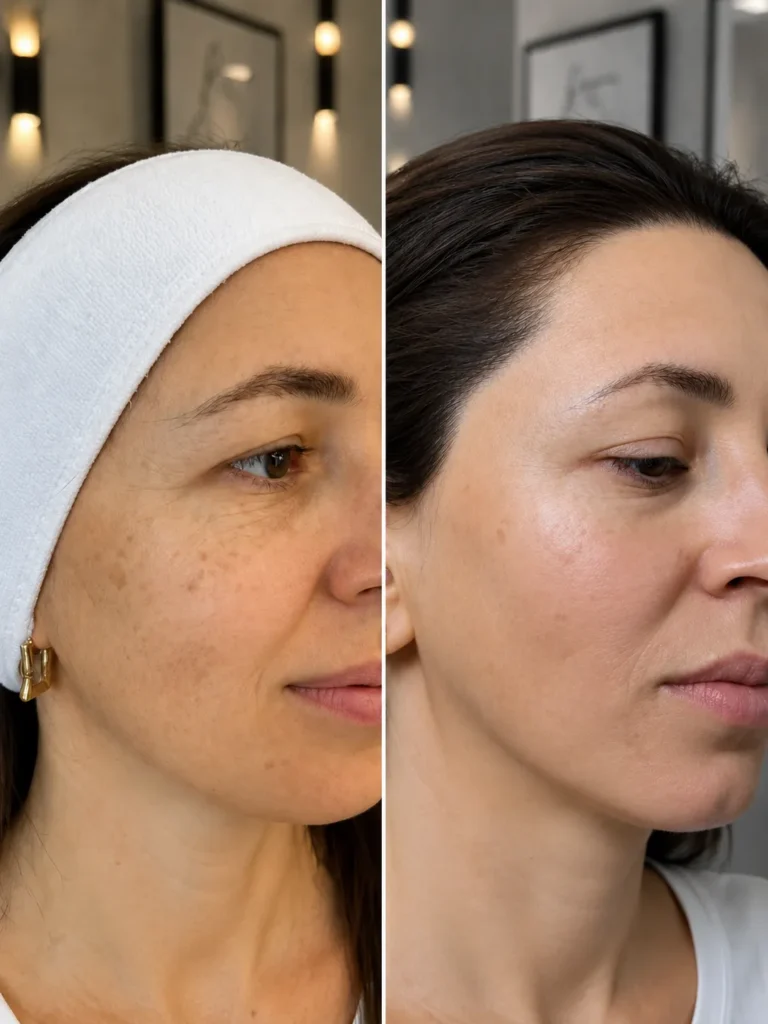
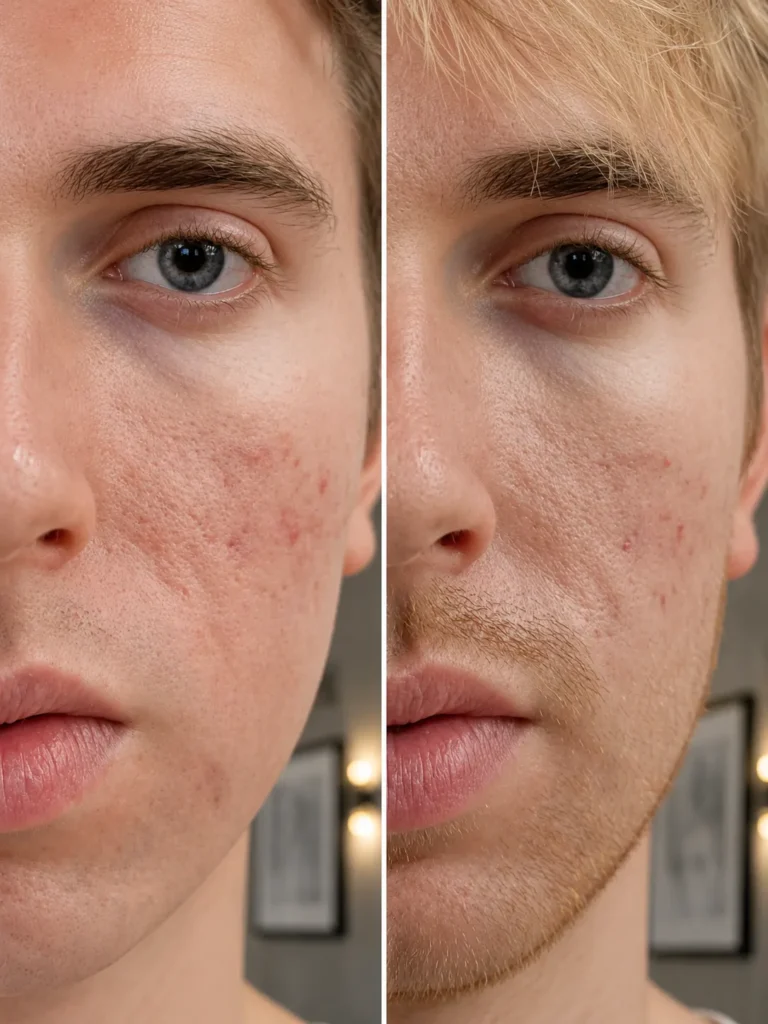
Patients seeking PhilArt polynucleotide treatment often describe wanting improved hydration, a smoother skin texture, and a more even skin tone. Independent specialists commonly report that visible changes can develop gradually across a course of sessions rather than immediately.
Results vary between individuals and depend on anatomy, skin condition, the plan agreed with the practitioner, product choice, and technique. Photographs used by clinics represent individual patient outcomes and should not be read as a guaranteed or typical result for every patient.
Outcomes commonly discussed by patients and practitioners include:
- A more hydrated, refreshed-looking complexion
- Softened appearance of fine lines and wrinkles
- Improved skin texture and tone
- A firmer, more even-looking complexion over time
What is a PhilArt Polynucleotide Skin Booster?
PhilArt is an injectable skin booster formulated from long-chain polynucleotides, purified DNA-based fragments rather than a hyaluronic acid filler. It is not designed to add volume, but to support the appearance of hydration, texture, and overall skin quality over time.
Polynucleotides are of natural origin and undergo a purification process intended to support a favourable tolerability profile. As with any injectable product, individual suitability, medical history, and clinical assessment are considered before proceeding, and every procedure carries potential risks that a practitioner will discuss during consultation.
The product may be used on the face, neck, décolletage, hands, and around the eye area, depending on the concerns identified and the treatment plan agreed with the independent specialist.
How Much Does PhilArt Polynucleotide Skin Booster Cost in London?
Direct Answer
PhilArt polynucleotide skin booster in London typically costs between £300 and £450 per session, with an average price of around £350–£400. Prices vary based on the treatment area, practitioner qualifications, and clinic location, with small-area treatments starting around £200–£300. Premium central London and Harley Street clinics often charge £500 or more for advanced skin regeneration protocols.
Typical PhilArt Polynucleotide Skin Booster Prices in London
- Small-area PhilArt treatment (including under-eye): £200–£300
- 1 session PhilArt skin booster (2 ml): £300–£450
- Course of 3 PhilArt treatments: £800–£1,200
- Premium Harley Street PhilArt treatment: £450–£600
- PhilArt maintenance session: £300–£450
Key Pricing Factors
- Practitioner qualifications: GMC-registered doctors, GDC-registered dentists, and NMC-registered aesthetic nurses may charge more due to medical training and injectable experience, with consultations commonly valued at £50–£125.
- Clinic location: Harley Street and central London clinics can cost 30–60% more than equivalent treatments in outer London zones 3–4 due to higher operating costs and specialist positioning.
- Product and protocol: Polynucleotide skin booster pricing can vary by 2–3× depending on the treatment formulation, volume used, and whether one or multiple areas are treated.
- Treatment volume and course length: A single PhilArt session may cost £300–£450, while a recommended course of 3 sessions often ranges from £800–£1,200 because clinics may apply package pricing.
- What is included: A complete treatment package may include consultation, skin assessment, treatment planning, comfort measures, follow-up review, and aftercare support worth approximately £50–£150.
What Should Be Included in the Price
- Consultation with a GMC, GDC or NMC registered medical injector.
- Skin assessment and personalised PhilArt treatment plan.
- Written confirmation of the polynucleotide treatment protocol used.
- Follow-up review within 2–4 weeks to assess skin response.
- Aftercare guidance and a maintenance plan, usually reviewed every 6–9 months.
Pricing Red Flags
PhilArt polynucleotide skin booster treatments advertised below £150 in London are a warning sign rather than a bargain. Suspiciously low prices usually indicate one of: an unqualified practitioner, an unverified product source, or a non-clinical setting. Correcting complications such as infection, prolonged inflammation, or poor treatment outcomes can cost significantly more than a properly performed procedure in a CQC-regulated clinic.
For a personalised quote based on your skin concern, treatment area, and number of sessions required, book a free consultation.
The PhilArt Polynucleotide Treatment Process: Step by Step
Patients arranging treatment through a verified clinic can generally expect the following stages, delivered entirely by the independent specialist rather than by Science Beauty.
Clinical Assessment
A face-to-face consultation reviews skin condition, medical history, and suitability for PhilArt before any plan is agreed upon.
Pre-Treatment Protocol
The area is cleansed, and a topical numbing agent may be applied depending on sensitivity and the area being treated.
Treatment Implementation
The practitioner administers the product via micro-injection, using technique and product volume appropriate to the plan.
Post-Procedure Care
Aftercare guidance is provided directly by the treating clinic to support comfort and recovery in the days following treatment.
- Procedure time: 20—30 minutes
- Recovery: Mild redness or swelling may settle within 24—48 hours.
Benefits of PhilArt Polynucleotide
PhilArt polynucleotide treatment is designed to support skin quality rather than deliver an immediate volumising effect. Many patients considering this approach are drawn to a gradual skin-quality approach rather than a filler-based change.
Independent specialists may use PhilArt to help support the appearance of hydration and smoother-looking skin texture over a course of sessions. It can also be considered alongside other treatments such as dermal fillers or PRP as part of a broader plan.
Reported benefits of PhilArt treatment:
- May help improve hydration and overall skin quality
- Can support a smoother, more even skin texture
- Suitable for use around the eyes, neck, and hands
- May be combined with other aesthetic treatments under clinical guidance
- Designed to complement, rather than replace, existing skincare routines
PhilArt Polynucleotide Treatment Options
Verified clinics available through the platform typically offer several approaches to PhilArt, tailored to individual concerns identified during consultation.
Targeted Area Treatment
A focused option for patients with localised concerns, such as the under-eye area or early signs of dehydrated skin in one zone.
Full-Face Protocol
A broader course addressing overall skin quality, hydration, and tone across the face, generally structured over several sessions.
Combined Protocol
PhilArt paired with other treatments, such as PRP or dermal filler, for patients whose plan includes more than one modality.
Summary of the available approaches:
- Single-area PhilArt polynucleotide session
- Full-face course-based protocol
- Under-eye or delicate-area procedure
- Combined polynucleotide and complementary product plans
Why Choose Science Beauty for PhilArt Polynucleotide?
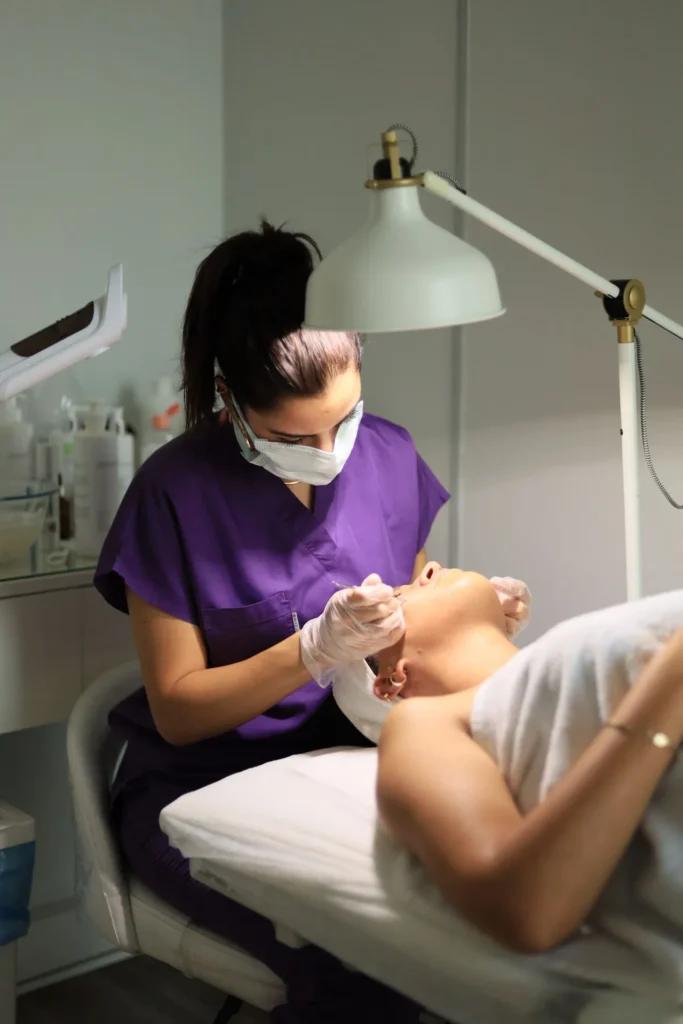
Science Beauty helps patients compare independent specialists and verified clinics offering PhilArt polynucleotide treatment, without performing procedures itself.
Specialists featured on the platform are reviewed against a defined set of criteria before being made available to patients.
Specialist selection criteria:
- Active GMC/NMC registration
- Verified clinical experience with polynucleotide products
- CQC-compliant clinical environments
- Evidence-based, clinically proven protocols
Frequently Asked Questions
How long do PhilArt results last?
Longevity varies between individuals depending on skin condition, age, and the number of sessions completed. Many patients notice effects on hydration and texture persisting for several months, with maintenance sessions sometimes recommended. An independent specialist can discuss realistic expectations during consultation based on your specific skin concerns and agreed plan.
Is PhilArt polynucleotide treatment dangerous?
As with any injectable procedure, PhilArt carries potential risks and considerations that should be discussed with a qualified practitioner. It is generally well tolerated by suitable candidates following clinical assessment. Individual suitability depends on medical history and skin condition, which is why consultation with an independent specialist is required before any treatment is arranged.
How much product is typically needed?
The volume of PhilArt used depends on the area, skin condition, and the plan agreed with the practitioner. Some patients are suited to a single session, while others may be advised to complete a course of two to four sessions. This is determined individually during consultation rather than following a fixed protocol.
Is PhilArt polynucleotide treatment worth it?
Whether PhilArt is worthwhile depends on individual goals, budget, and expectations. Many patients seek PhilArt to help support skin quality and hydration through a gradual, non-filler approach. An independent specialist can help assess whether this treatment aligns with your specific skin concerns during a consultation.
What are the risks of PhilArt polynucleotide treatment?
Potential risks associated with injectable treatments can include temporary redness, swelling, bruising, or sensitivity at the injection site. Every procedure carries some risk, which is why clinical assessment and a detailed medical history review are required beforehand. A qualified practitioner will discuss risks specific to your circumstances during consultation.
Can PhilArt be combined with other treatments?
PhilArt polynucleotide treatment is sometimes combined with other approaches, such as dermal fillers or PRP, depending on individual goals. Timing and sequencing of any combined protocol are planned by the treating clinic during consultation. Patients should discuss combination options directly with their chosen independent specialist.
Who is a suitable candidate for PhilArt polynucleotide treatment?
Suitability is generally assessed for adults experiencing concerns such as dehydrated skin, fine lines, uneven texture, or reduced skin elasticity. Certain medical conditions, pregnancy, or breastfeeding may affect candidacy. A face-to-face consultation with a qualified practitioner is required to confirm individual suitability before any treatment is scheduled.
How much does PhilArt polynucleotide skin booster cost in London?
PhilArt polynucleotide skin booster treatment in London usually costs £300–£450 per session, with an average price of around £350–£400. A full course of 3 sessions typically costs £800–£1,200, depending on the treatment area, practitioner qualifications, clinic location, and the amount of product required. Small areas such as under-eyes may start from around £200–£300.