
Nasolabial Fold Filler Injection Process: Step-by-Step Guide

Nasolabial folds are a commonly discussed concern in aesthetic consultations, and dermal filler remains one of the most requested solutions. This guide walks through the complete treatment journey, from initial consultation to recovery, so readers understand what a nasolabial fold filler injection process typically involves before exploring options through Science Beauty.
Suitability varies from person to person, and outcomes depend on anatomy, skin quality, and clinician judgement. This tutorial is intended to inform, not replace a professional assessment, and covers what most patients can expect at each stage of treatment.

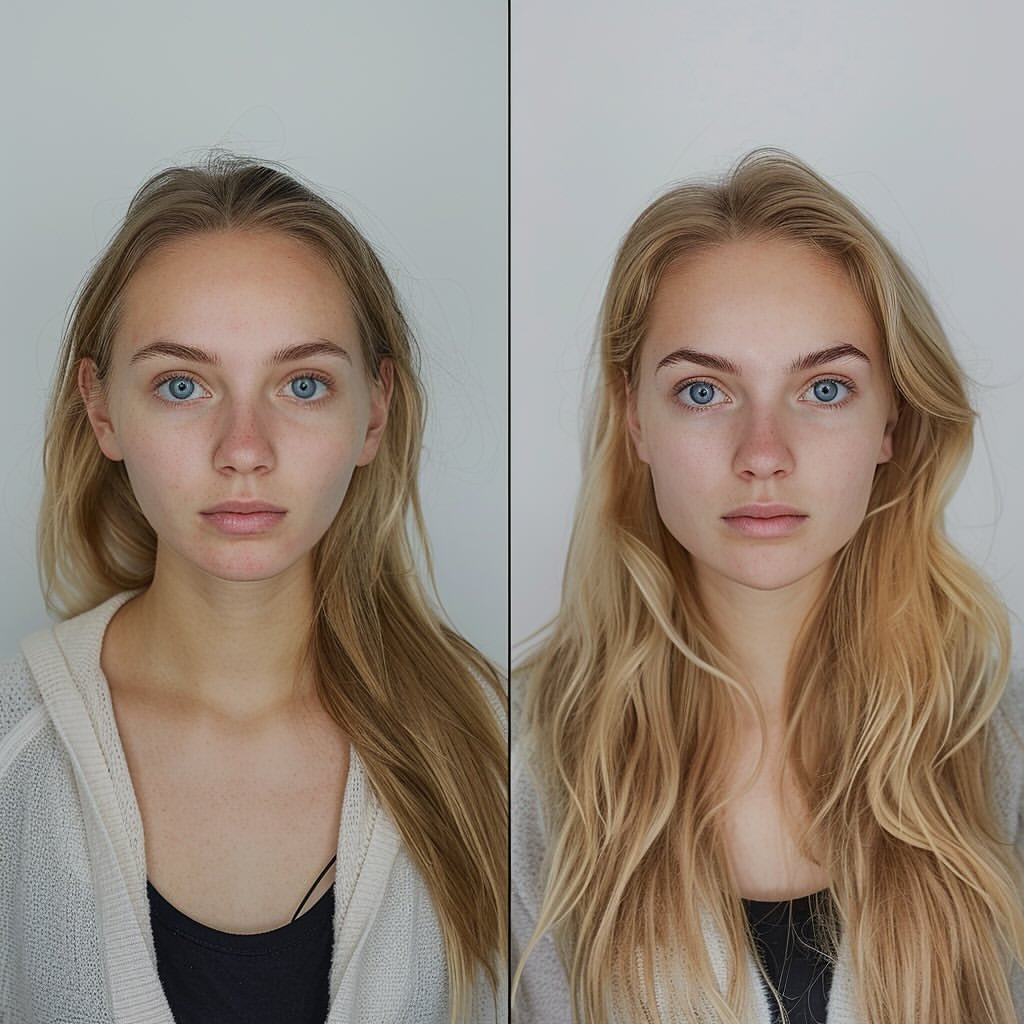

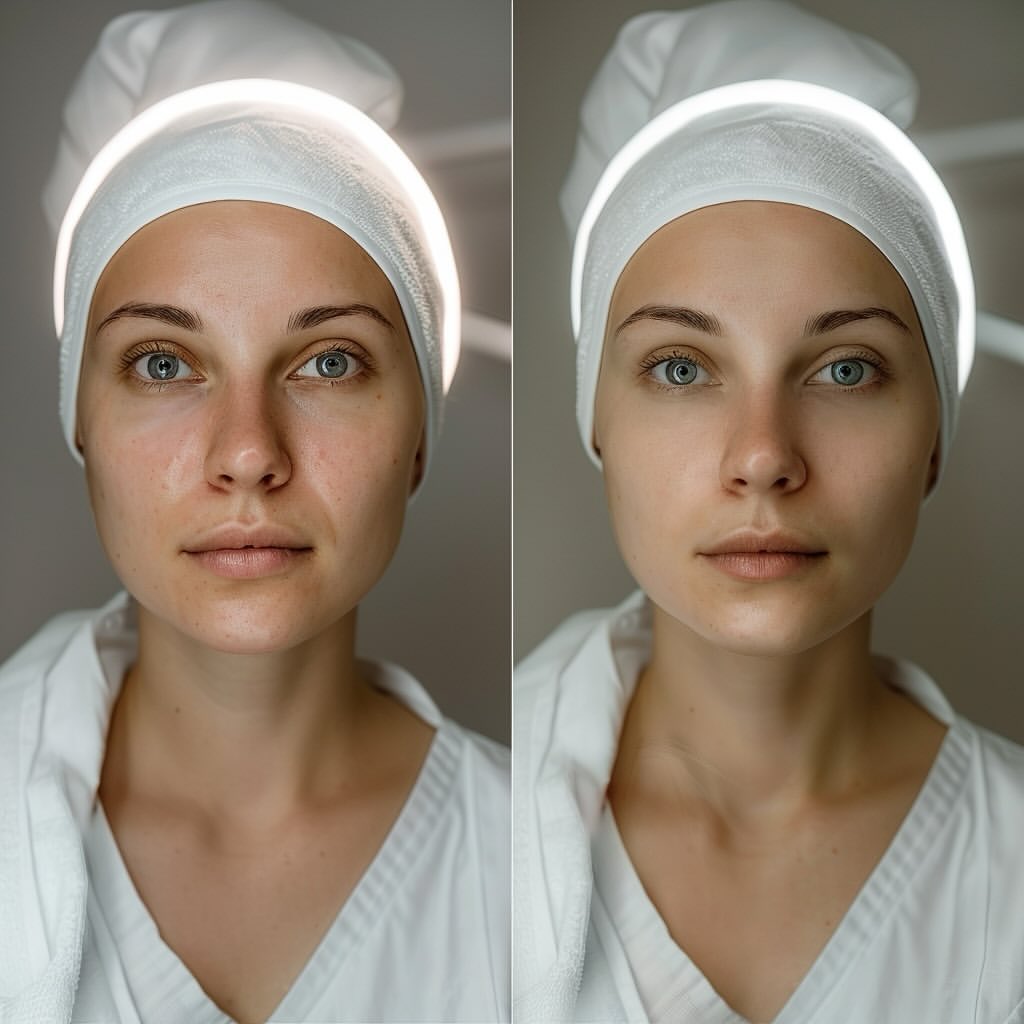
Thousands of satisfied customers
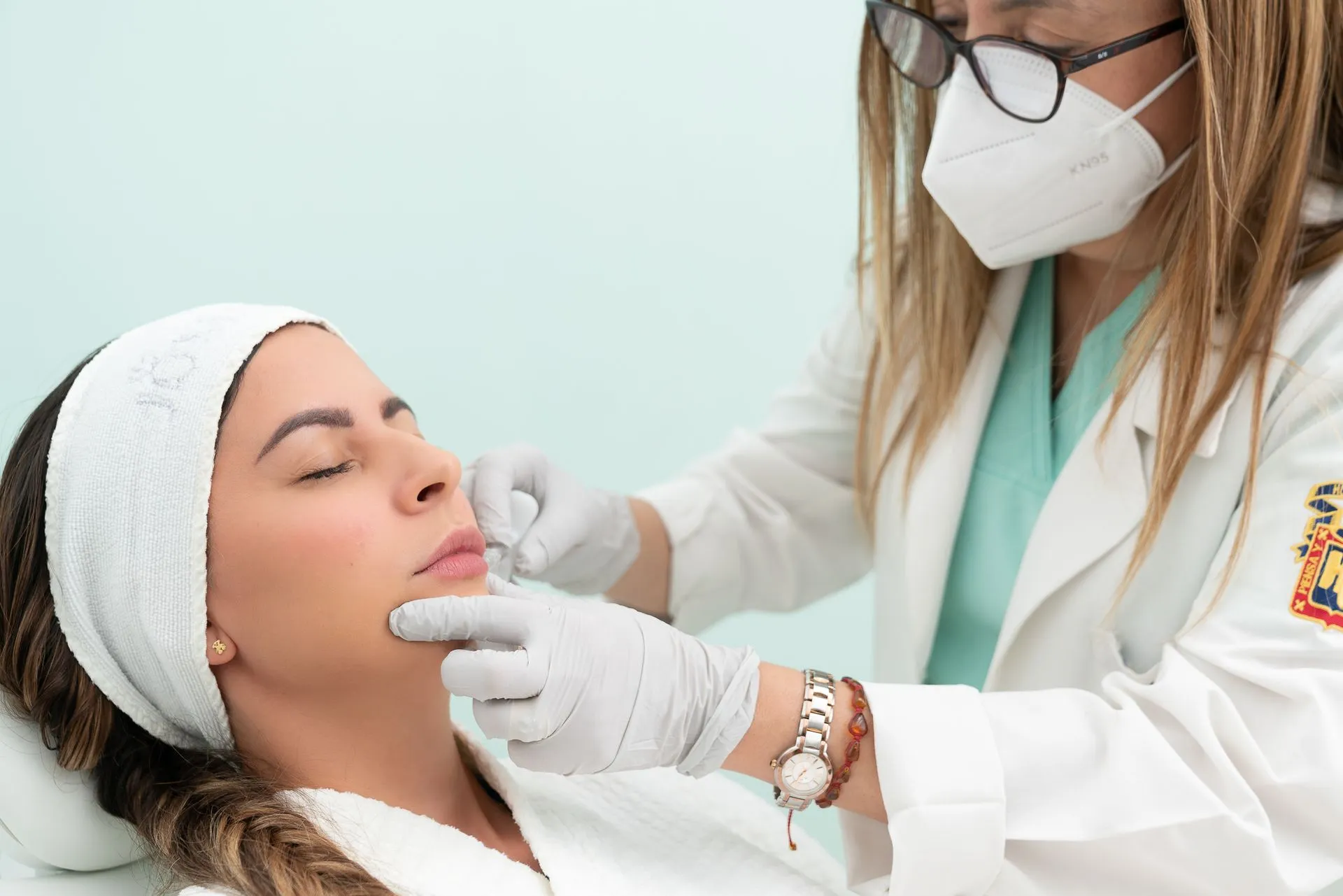
Consultation Before Nasolabial Fold Filler Treatment
A consultation is typically the first step before any nasolabial fold filler injection. It allows a qualified injector to assess suitability, discuss goals, and explain realistic expectations for the treatment ahead.
This stage is also where questions about safety, downtime, and product choice are usually addressed. Clear communication at this point often supports a smoother, safer treatment experience overall.
Facial Assessment and Medical History
Practitioners typically assess facial anatomy, skin elasticity, and the depth of the nasolabial fold. Previous cosmetic procedures, allergies, current medications, and relevant medical conditions are usually reviewed to help minimise risk.
Treatment Planning and Expected Results
Filler type, injection points, and estimated volume are generally determined based on individual anatomy. Practitioners typically discuss expected longevity, with the aim of natural-looking correction, and any limitations of the chosen approach.
Preparation Before Appointment
Common pre-treatment guidance may include:
- Avoiding alcohol for 24 hours beforehand
- Pausing certain supplements, such as fish oil or vitamin E, where medically appropriate
- Avoiding blood-thinning medication only if advised by a clinician
- Arriving with clean, makeup-free skin
- Following any specific instructions given during consultation
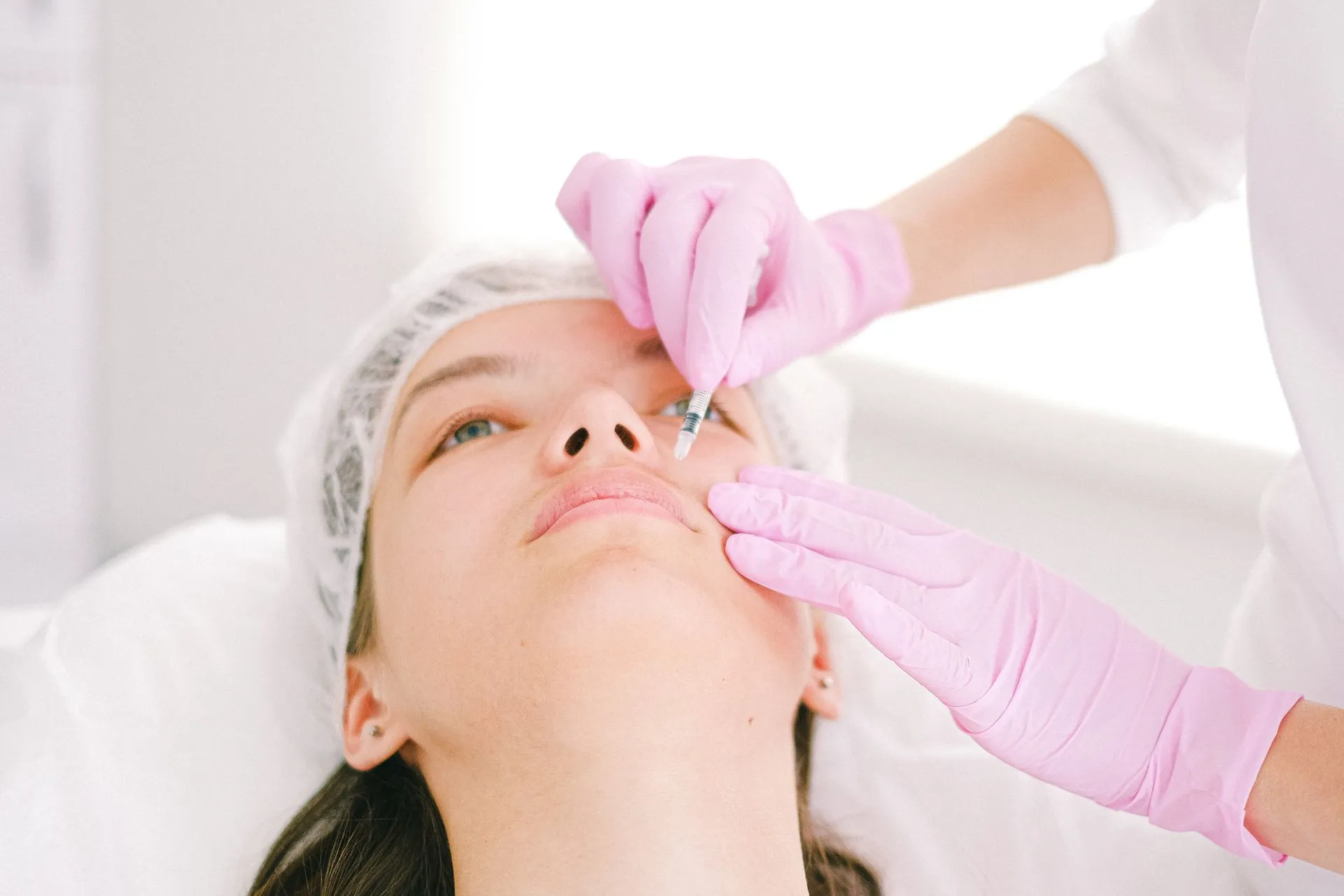
Step-by-Step Nasolabial Fold Filler Injection Procedure
Understanding the procedure in sequence can help reduce anxiety and clarify what happens during a typical appointment. Below is a general overview of how treatment is often structured.
Cleansing and Marking Injection Sites
The skin is usually cleansed and disinfected before treatment begins. The practitioner then typically marks injection points along the nasolabial fold to guide precise, symmetrical placement.
Applying Topical Anaesthetic
Numbing cream may be applied beforehand, or lidocaine-containing fillers may be used to improve comfort during injection. This step is generally optional and depends on individual sensitivity.
Filler Injection Technique
Injection technique may involve a fine needle or a blunt-tipped cannula, depending on practitioner preference and anatomical considerations. The product is typically introduced in small, gradual amounts, with continuous assessment for symmetry and a natural-looking result.
Massage and Immediate Assessment
Gentle massage is often used to mould the product and encourage even distribution. Practitioners typically check facial movement and balance between both sides before confirming treatment is complete.
Types of Fillers Used for Nasolabial Folds
Several formulations may be considered for nasolabial fold treatment. Product choice usually depends on fold depth, skin thickness, and desired outcome.
Hyaluronic Acid Fillers
Hyaluronic acid filler is the most commonly used option for this area. It is generally valued for its reversibility, flexibility within tissue, and comparatively natural feel once integrated.
Factors Affecting Filler Selection
| Factor | Influence on Selection |
| Fold depth | Deeper folds may require higher viscosity filler |
| Skin thickness | Thinner skin may need softer, more superficial products |
| Facial volume loss | May influence whether volumising filler is also considered |
| Age and aesthetic goals | Guides overall treatment planning and technique |
Pain Level During Nasolabial Fold Filler Procedure
Discomfort is a common concern among patients considering the injections. Most people describe sensations as manageable rather than severe.
Sensations During Injection
Patients often report pressure, mild pinching, or brief stinging as the needle or cannula passes through tissue. Discomfort is generally short-lived and tends to ease once the injection is complete.
Methods Used to Improve Comfort
Comfort measures may include:
- Topical anaesthetic applied before treatment
- Fillers pre-mixed with lidocaine
- Slow, gentle injection technique
- Ongoing communication between practitioner and patient throughout
Recovery After Nasolabial Fold Filler Injection
Recovery is usually straightforward, though some temporary side effects are common. Understanding what to expect can help patients feel more prepared.
Immediate Aftercare Instructions
Aftercare guidance often includes avoiding excessive touching, strenuous exercise, alcohol, heat exposure, and makeup application for a short period, as advised by the treating practitioner.
Common Temporary Side Effects
Typical side effects following nasolabial fold filler injection may include:
- Mild swelling
- Redness at injection sites
- Bruising
- Tenderness
- Firmness under the skin
- Slight asymmetry, usually temporary
Recovery Timeline
Most swelling and redness ease within the first 24 to 48 hours. Bruising may persist slightly longer, while final results typically become apparent once residual swelling has fully resolved, often within a week.

Results and Longevity
Results from nasolabial fold filler are generally visible soon after treatment, though refinement continues over the following days.
When Results Become Visible
Improvement is often noticeable immediately, with further refinement as any swelling subsides. Final correction is usually clearer within one to two weeks.
Factors Affecting Duration
Longevity commonly ranges from 6 to 18 months, influenced by metabolism, product type, injection technique, and lifestyle factors such as sun exposure or muscle activity in the treated area.
Maintenance Treatments
Many patients choose follow-up appointments or touch-ups to maintain consistent results. Maintenance intervals vary depending on individual response and the specific product used.
Choosing a Qualified Practitioner for Nasolabial Fold Filler Treatment
Selecting an experienced, appropriately licensed injector with strong knowledge of facial anatomy is essential for safer, more predictable aesthetic outcomes. Practitioner skill can meaningfully affect both comfort and results.
Science Beauty is an independent booking platform that helps readers compare qualified providers across London, review credentials, and consider patient feedback. It does not perform treatments directly, but supports informed decision-making when exploring independent specialists and clinics.
Frequently Asked Questions
How long does a nasolabial fold filler procedure take?
Appointments typically last between 30 and 60 minutes, depending on the practitioner’s approach. This generally includes consultation, skin preparation, the injection itself, and a brief post-procedure review to check symmetry and patient comfort before finishing.
When can normal activities resume after treatment?
Most everyday activities can usually resume immediately after treatment. However, strenuous exercise, excessive heat exposure, and alcohol are generally avoided for a short recommended period to reduce swelling or bruising risk.
How long do nasolabial fold fillers last?
Results commonly last between 6 and 18 months, though this varies by individual. Metabolism, filler type, injection technique, and lifestyle factors such as sun exposure can all influence how long correction remains visible.
Are nasolabial fold filler injections painful?
Discomfort is usually mild and brief, often described as pressure or light stinging. Topical anaesthetic or lidocaine-containing fillers are commonly used to improve comfort, and most patients tolerate the procedure without significant difficulty.
What are risks of nasolabial fold filler injections?
Common effects include swelling, bruising, redness, and tenderness. Rare but serious complications can include infection, vascular occlusion, tissue damage, or allergic reaction. Choosing an experienced practitioner and seeking prompt medical attention if concerns arise helps minimise these risks.
Who is a suitable candidate for nasolabial fold fillers?
Suitable candidates are generally in good health, without certain contraindications such as active skin infection or specific allergies. Suitability depends on individual anatomy and medical history, which is why an individual consultation is necessary before treatment begins.