
Marionette Line Filler Injection Process: Step-by-Step Guide
Marionette lines are the folds that run from the corners of the mouth to the chin, often becoming more pronounced with age-related volume loss around the oral commissures. Marionette line filler is a treatment commonly used to soften this area.
This guide walks through the full marionette line filler treatment journey, from consultation to recovery, explaining what typically happens at each stage. Results, safety considerations, and the importance of choosing a qualified practitioner are also discussed, since suitability and outcome depend on individual facial anatomy and clinician judgement.

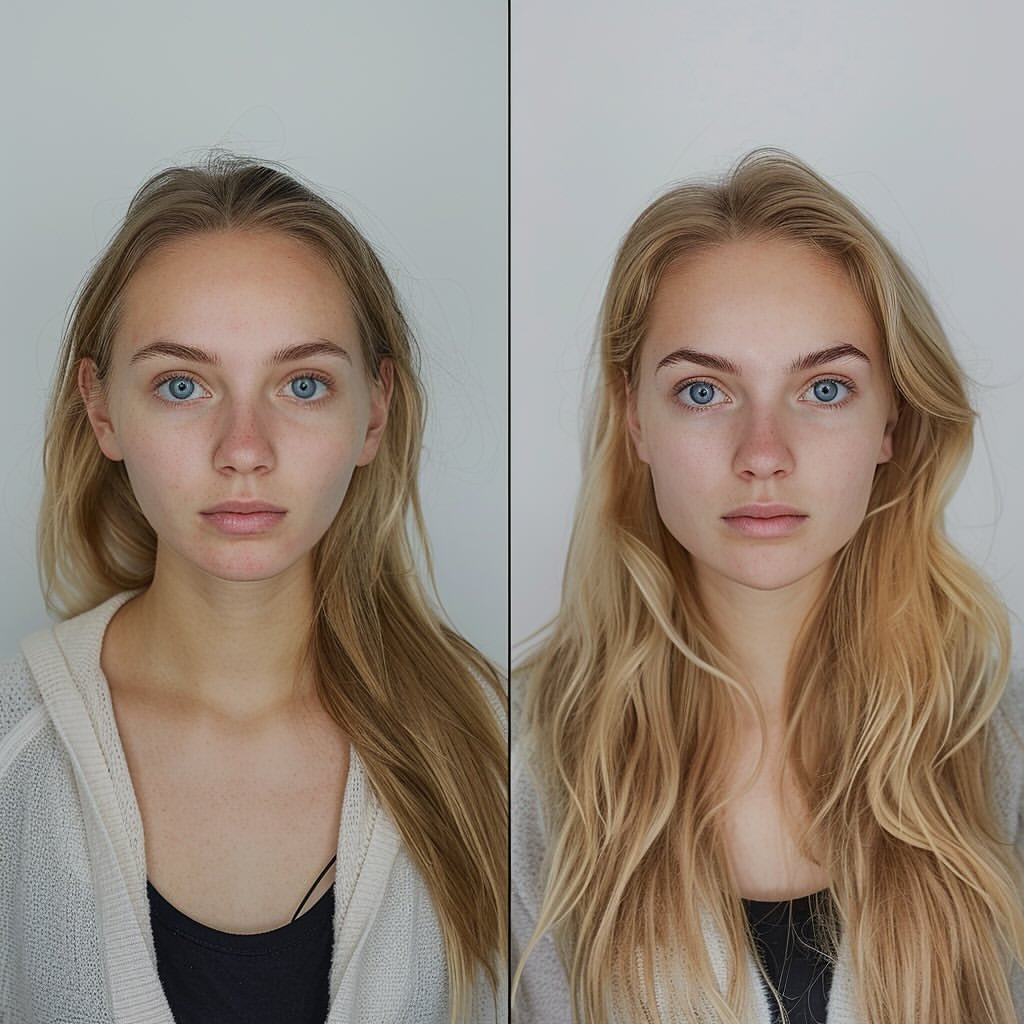

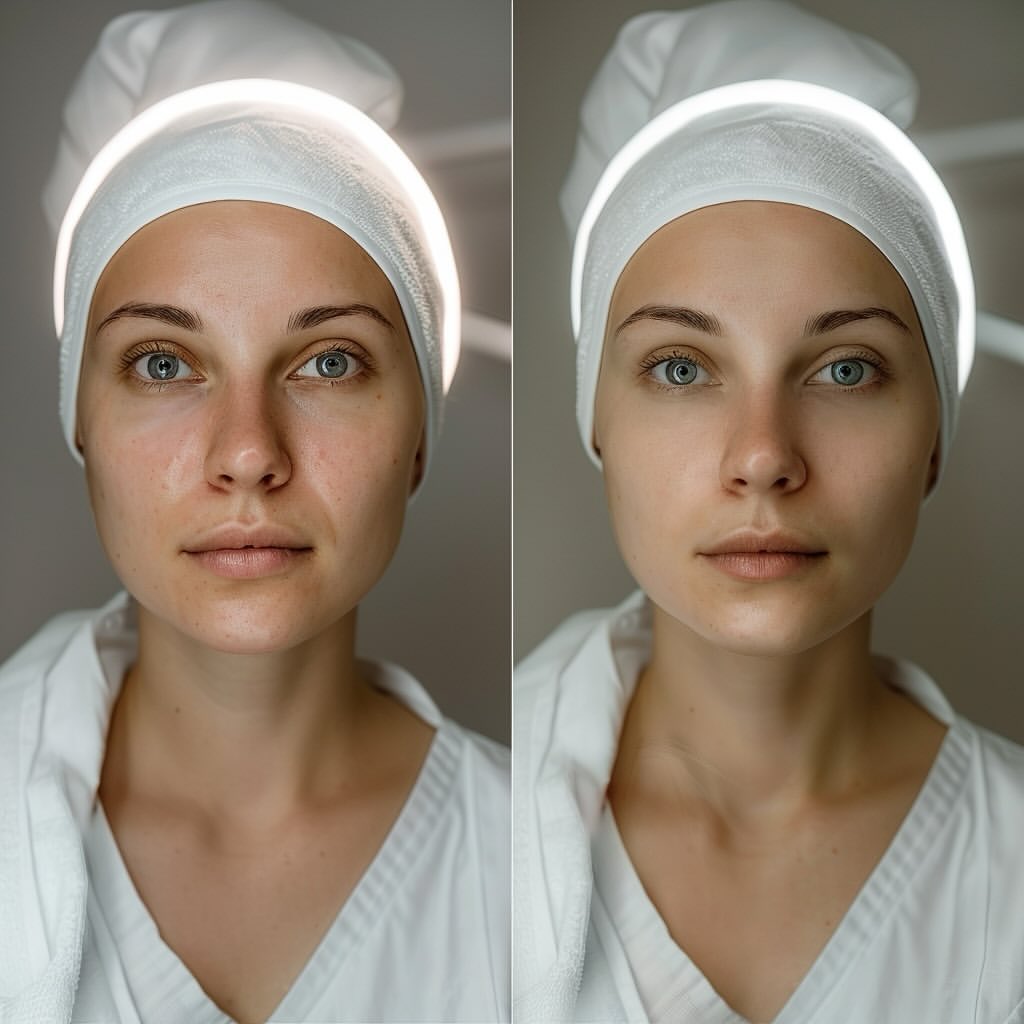
Thousands of satisfied customers


Preparation Before Marionette Line Filler Treatment
Preparing properly before a filler appointment may help support safety and a smoother recovery. Practitioners typically review medical history, current medications, and treatment goals before any injection technique is discussed or planned.
Good preparation also allows patients to ask questions about the marionette line filler treatment, understand realistic expectations, and reduce the likelihood of complications such as excessive bruising or swelling around the treatment area.
Medical Conditions and Medication Review
A thorough review helps identify factors that could affect how the body responds to dermal filler. Practitioners generally ask about:
- Current medications, including blood thinners and anti-inflammatory drugs
- Supplements such as fish oil, vitamin E, or ginkgo biloba
- Known allergies, particularly to lidocaine or hyaluronic acid
- Previous cosmetic treatments in the lower face
- Pregnancy, breastfeeding, or plans for pregnancy
- Autoimmune conditions or a history of cold sores near the mouth
Pre-Treatment Instructions
Simple adjustments beforehand may reduce bruising and support comfort during the injection. Patients are often advised to avoid alcohol for 24 hours and to stop smoking where possible, as both can affect healing.
Blood-thinning medications should only be paused under medical guidance, never independently. Staying hydrated, avoiding active skincare ingredients near the treatment area, and arriving with clean skin can also help the practitioner assess facial anatomy accurately on the day.
Suitable Candidates
Marionette line filler is typically considered by adults noticing deepening folds, volume loss, or a downturned appearance around the mouth. Good candidates are generally in good general health with realistic expectations about what the procedure can achieve.
- Adults with mild to moderate marionette lines
- Those experiencing volume loss in the lower face
- People without active skin infections near the mouth
- Individuals seeking subtle, natural-looking correction
Filler may not be appropriate for those with certain medical conditions, active infections, or unrealistic expectations, and a personalised treatment plan should always follow a proper consultation.
Marionette Line Filler Injection Process: Step-by-Step
Understanding each stage of the process can help patients feel more prepared and know what to expect during a typical appointment for marionette line treatment.
Initial Consultation and Facial Assessment
The consultation typically includes a review of medical history, facial anatomy, and skin quality. Practitioners assess volume loss, the depth of the fold, and how the lower face moves during expression to understand what is causing marionette lines in that individual.
Treatment goals and contraindications are discussed openly, allowing the practitioner to build a personalised treatment plan that reflects the patient’s facial structure rather than a standardised approach.
Treatment Planning and Injection Mapping
Injection points are mapped according to facial symmetry, muscle activity, fold depth, and surrounding lower-face structure. Practitioners estimate the amounts of product likely needed, though this is often adjusted during treatment.
Natural-looking results are usually prioritised over dramatic change, with attention paid to how the marionette line filler will interact with surrounding structures, including the chin and jawline, to maintain facial harmony.
Skin Preparation Before Injection
Before any injection begins, the skin is cleansed and disinfected to reduce infection risk. Makeup is removed, and photographs are often taken to document the treatment area before and after the procedure.
Injection sites are marked based on the earlier assessment, and a sterile environment is prepared, with all instruments, needles, or cannulas opened fresh for each patient.
Local Anaesthetic and Comfort Measures
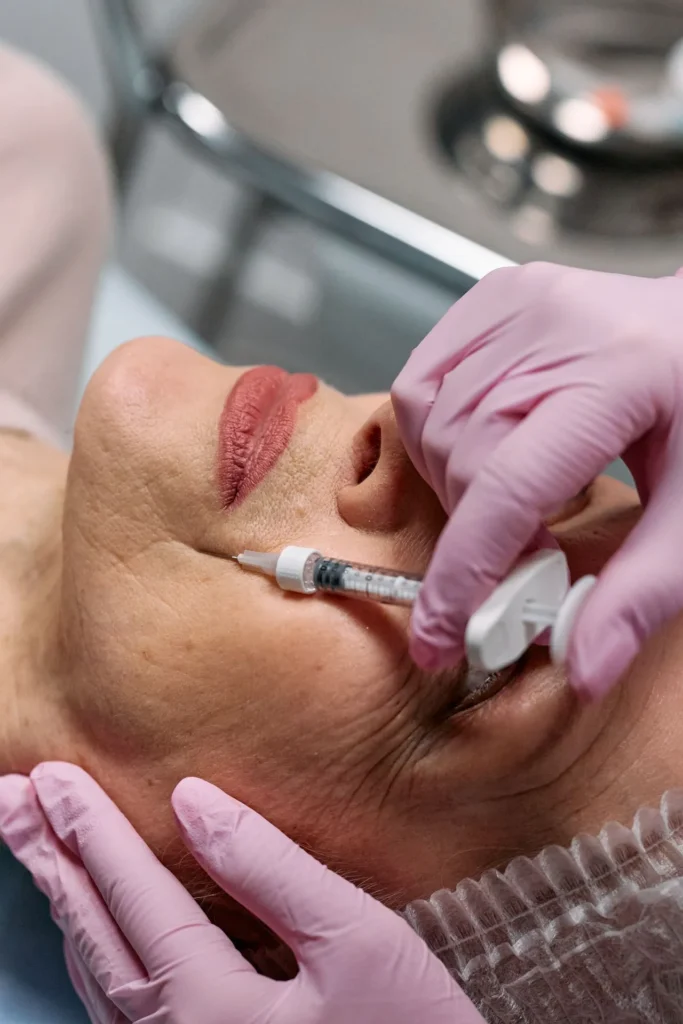
Many practitioners apply a topical numbing cream before treatment, and some fillers already contain lidocaine to reduce discomfort during the injection process itself. Comfort measures may also include cooling devices or a slow injection pace.
Most patients describe mild pressure or a brief stinging sensation rather than significant pain, though sensitivity can vary depending on individual pain tolerance and the specific injection site.
Filler Injection Technique
The injection technique itself is typically methodical, with the practitioner working carefully to distribute filler evenly along the fold.
- The treatment area is re-assessed, and injection points confirmed
- A needle or cannula is used to deliver small, controlled amounts of filler
- The practitioner places product gradually while assessing the area and symmetry
- Symmetry is checked continuously between both sides of the face
- Additional product may be added incrementally until correction looks balanced
Immediate Assessment After Injection
Once injections are complete, the practitioner typically evaluates the correction visually and by gentle palpation. Light massage may be used where appropriate to smooth the filler and encourage even distribution beneath the skin.
Minor touch-ups can sometimes be made within the same appointment if asymmetry is noticed. Post-treatment photographs are often taken to compare against the original assessment.
Recovery After Marionette Line Filler Injection
Recovery from the procedure is generally straightforward, though understanding the healing timeline helps set realistic expectations for how results will settle.
Immediate Aftercare
Simple aftercare steps in the first hours can support comfortable healing and reduce visible swelling.
- Apply a cold compress if swelling or bruising occurs
- Avoid touching or applying pressure to the treated area for several hours
- Avoid makeup on injection sites for at least 12 hours
- Avoid strenuous exercise and excessive heat, such as saunas, for 24 hours
- Avoid alcohol for 24 hours to reduce bruising risk
- Try not to sleep directly on the face for the first two nights
Recovery Timeline
Most people can return to normal activities quickly, though the treated area continues to settle over the following days and weeks.
| Timeframe | What to typically expect |
| First 24 hours | Mild swelling, tenderness at the injection site, possible bruising |
| First week | Swelling reduces, the product begins settling into position |
| 2—3 weeks | Final results become more apparent as swelling fully subsides |

Managing Swelling and Bruising
Temporary swelling and bruising are common after dermal filler injections and usually improve without specific intervention.
- Use cold compresses in short intervals during the first 48 hours
- Avoid blood-thinning supplements until any bruising resolves
- Keep the area clean and avoid unnecessary touching
- Contact the treating practitioner if swelling worsens or persists
Follow-Up Appointments
A follow-up review, often around two weeks later, allows the practitioner to assess how the filler has settled. Additional touch-up treatment may be discussed if further correction is wanted, though this is not always necessary for every patient.
Results and Longevity
Marionette line filler results typically develop over a short period, with final appearance becoming clearer once initial swelling resolves.
When Results Become Visible
Improvement is often visible immediately after treatment, though this initial appearance may be affected by swelling. Most practitioners suggest waiting around two weeks to properly judge the final, settled result.
Factors Affecting Longevity
How long results last can depend on several individual and treatment-related factors rather than a single fixed timeline.
| Factor | Effect on longevity |
| Filler type used | Denser fillers may last longer than softer formulations |
| Metabolism | Faster metabolism can break down the product more quickly |
| Facial movement | Areas with more movement may see filler metabolise faster |
| Injection technique | Precise placement can support more even, longer-lasting results |
Generally, marionette line filler results last anywhere from six months to around two years, depending on the type of dermal filler used and individual factors such as lifestyle and skin condition.
Maintaining Results
Ongoing maintenance typically involves periodic follow-up treatments rather than a single procedure. Sun protection, good skincare, and a generally healthy lifestyle may also support how long results appear optimal before another treatment is considered necessary.

Choosing a Qualified Practitioner for Marionette Line Filler Treatment
Because the lower face contains sensitive vascular structures, practitioner experience and anatomical knowledge matter considerably when considering marionette line filler treatment. Hygiene standards, thorough consultations, and clear communication about filler types and expected outcomes all indicate a responsible provider.
Science Beauty is an independent booking platform that allows readers to compare qualified practitioners, review clinic and specialist profiles, and explore verified options across London. Rather than providing treatment directly, Science Beauty helps users make more informed choices when researching marionette line filler treatment and connecting with independent providers.
Frequently Asked Questions
How long does a marionette line filler procedure take?
A typical appointment takes around 30 to 45 minutes, though this can vary depending on the amount of correction needed and whether other areas, such as the chin or jawline, are treated during the same session with the practitioner.
Does marionette line filler injection hurt?
Most patients experience mild discomfort rather than significant pain, particularly since many fillers contain lidocaine and topical numbing cream is often applied beforehand. Sensitivity varies between individuals, but practitioners generally aim to keep the injection process as comfortable as possible throughout.
When can normal activities be resumed?
Most people return to work and normal social activities the same day, though strenuous exercise, alcohol, and excessive heat exposure are usually avoided for 24 hours. Makeup is typically avoided on injection sites for around 12 hours following treatment.
How long do the results last?
Results generally last anywhere from six months to around two years, depending on the type of dermal filler used, individual metabolism, and facial movement patterns. A maintenance treatment is often recommended once results begin to visibly fade over time.
What are the risks of marionette line filler injections?
Common side effects include swelling, bruising, and tenderness at the injection site, which usually resolve within days. Rare complications can include infection or vascular issues, so persistent pain, unusual discolouration, or severe swelling should prompt urgent medical attention from an experienced practitioner.
Can marionette line fillers be dissolved?
Hyaluronic acid fillers can often be dissolved using hyaluronidase if the result is not satisfactory or a complication arises. Other products may not dissolve in the same way, so understanding the type of filler used beforehand is clinically important.
Who should avoid marionette line filler treatment?
Those with active skin infections, certain autoimmune conditions, known allergies to product ingredients, or who are pregnant or breastfeeding are generally advised to avoid treatment. A proper medical assessment helps determine individual suitability before any marionette line filler procedure is considered.