
Does Microneedling Hurt? Pain Level Expectations Guide
Microneedling has become one of the most discussed skin rejuvenation treatments in London — but the question most people ask first is a simple one: does microneedling hurt? The answer depends on several factors, including needle depth, device type, and individual pain tolerance. This guide explains what to expect at each stage of the microneedling experience.

Thousands of satisfied customers
What Microneedling Feels Like During Treatment
Sensation During the Treatment Process
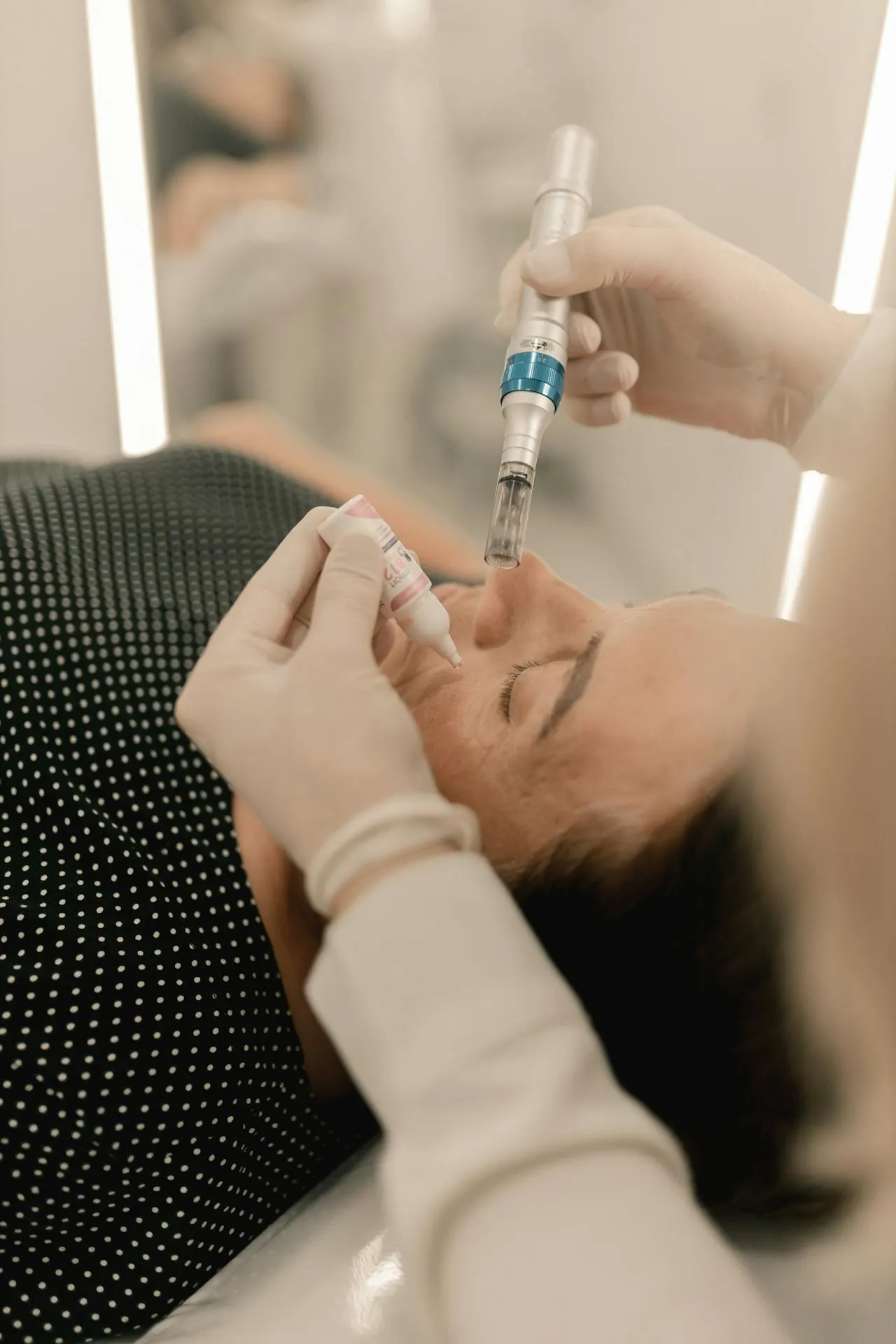
Most people describe microneedling as feeling like light scratching, gentle vibration, or a mild sandpaper-like sensation moving across the surface of the skin. The sensation is controlled and repetitive rather than sharp or sudden. When a topical numbing cream is applied beforehand, the overall experience becomes considerably more comfortable. Individual pain tolerance plays a significant role in how each person perceives the treatment.
Pain Scale by Needle Depth Settings
The depth setting on a microneedling device has a direct impact on how much discomfort a person feels. Shallow treatments at 0.25–0.5 mm typically feel minimal or mildly irritating — closer to a tingling sensation. Deeper medical-grade settings of 1.0–2.5 mm, used to address acne scars or deeper wrinkles, can feel more like firm pressure or a mild heat. The deeper the penetration, the more intense the sensation, though this is generally described as tolerable rather than as a painful experience.
General pain scale by needle depth:
Needle Depth | Typical Use | Sensation Level |
0.25–0.5 mm | Skincare absorption, fine lines | Mild – barely noticeable |
0.5–1.0 mm | Skin texture, early scarring | Mild to moderate – light pressure |
1.0–1.5 mm | Acne scars, pigmentation | Moderate – firm pressure, some warmth |
1.5–2.5 mm | Deep scars, loose skin, stretch marks | Moderate to intense – heat-like sensation |
Skin Area Sensitivity Differences
Pain varies noticeably across areas of the face. The forehead and cheeks are typically more tolerable due to softer tissue and more even nerve distribution. The upper lip, nose, and jawline tend to feel more sensitive, as thinner skin and higher nerve concentration amplify sensation. Bony areas near the temples can also feel more intense. A skilled practitioner will adjust technique and pressure accordingly across different facial zones.
Pain Level During the Microneedling Procedure
Facial Zone Pain Differences Explained
During an in-office microneedling session, different areas of the face respond differently to the device. Bony areas — such as the forehead ridge, cheekbones, and jawline — transmit vibration more directly, which can feel more pronounced. Fleshy areas like the mid-cheeks absorb sensation more effectively, making them generally more comfortable during treatment.
- Forehead: moderate sensation, often well tolerated
- Cheeks: usually the most comfortable area
- Nose: sensitive — thinner skin and cartilage beneath
- Upper lip: higher nerve density, notably more sensitive
- Jawline and chin: bony structure increases vibration intensity
- Temples: can feel sharper due to proximity to bone
Needle Depth Impact on Discomfort Levels
When a practitioner increases needle depth to stimulate collagen and elastin production for concerns such as acne scars or loose skin, the pressure sensation becomes more noticeable. Deeper penetration creates more micro-injuries in the lower layers of skin, which triggers a stronger healing response — but also means the treatment area will feel more active during application. Practitioners typically adjust depth and speed settings based on both the treatment goal and client sensitivity.
Device Type: Dermapen vs Dermaroller Sensation Comparison
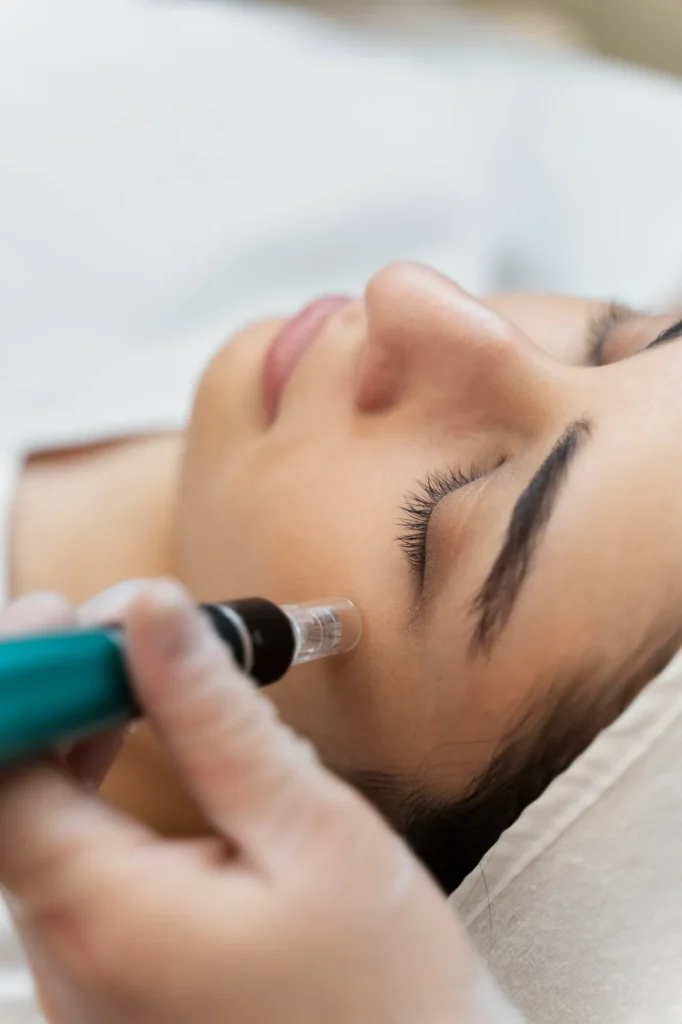
The type of microneedling device used significantly affects how treatment feels. A dermapen — such as the SkinPen — uses a vertical stamping motion that allows the practitioner to control depth precisely. This tends to feel more controlled and is generally less painful than older dermaroller devices. A dermaroller creates a dragging and rolling motion across the skin, which can cause more friction and a more noticeable pulling sensation. Most London clinics now favour motorised pen devices for this reason.
Numbing Methods Used Before Microneedling
Topical Anaesthetic Cream Application Process
A topical numbing cream — typically lidocaine-based — is applied to clean skin before treatment begins. This cream works by temporarily blocking nerve signals in the upper layers of skin, significantly reducing pain signals during the procedure. The use of topical numbing is standard practice for in-office microneedling in most reputable clinics and is one of the most effective ways to create a comfortable microneedling experience.
Waiting Time for Maximum Numbing Effect
Timing matters considerably when applying topical anaesthetic. Most creams require 20 to 30 minutes of contact time to reach full effectiveness. Applying the cream for too short a time reduces its pain-controlling effect; leaving it on too long may cause minor irritation, particularly in those with sensitive skin. Experienced clinics factor this timing into the appointment schedule as standard protocol.
Numbing preparation checklist before your appointment:
- Arrive with clean, dry skin (no active products)
- Inform your practitioner of any known lidocaine sensitivity
- Allow the full recommended wait time — usually 20 to 30 minutes
- Avoid applying your own numbing products at home without guidance
- Ask about the specific cream being used if you have allergies
Additional Pain Reduction Techniques Used in Clinics
Beyond topical numbing, practitioners may use supplementary methods to manage discomfort. Cooling devices or chilled rollers applied between passes can reduce heat sensation, particularly during deeper treatments. Adjusting the microneedling device’s speed settings allows a more gradual approach for sensitive individuals. Some clinics use distraction techniques or guide breathing patterns to help clients remain relaxed. A good treatment provider will tailor their approach to each client rather than applying a one-size-fits-all method.
After Treatment Sensation and Recovery Feeling
Immediate Redness, Warmth, and Tingling Sensation
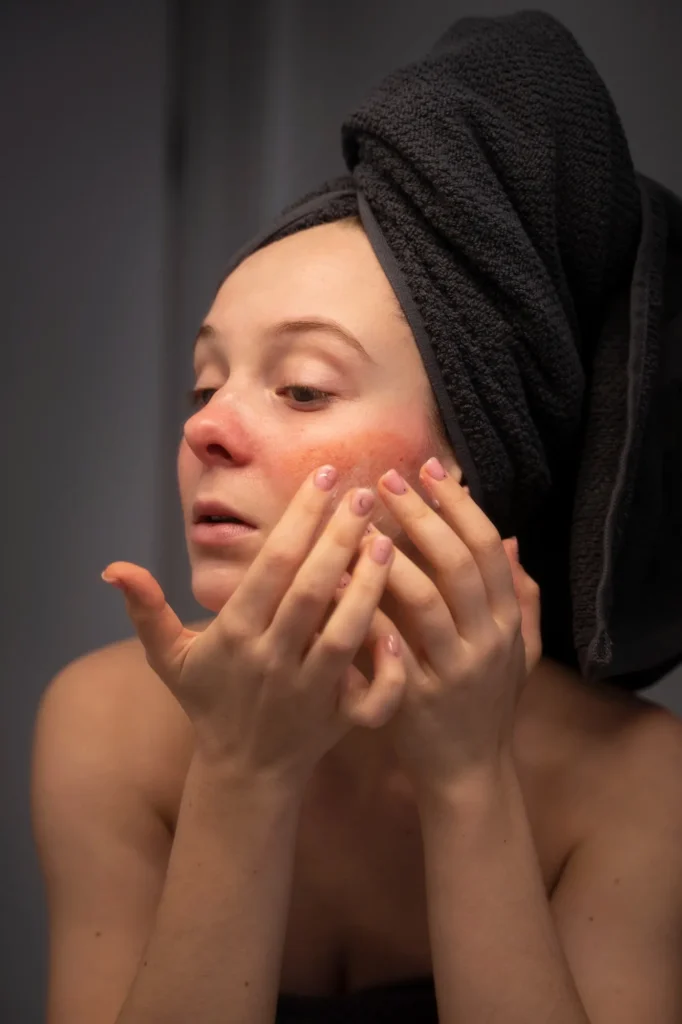
Immediately following microneedling, the skin typically feels warm, tight, and mildly tender — a sensation often compared to mild sunburn. This is a normal response to the controlled micro-injuries created during treatment and reflects increased blood flow to the area. Redness is expected and usually subsides within a few hours to a day, depending on the depth of treatment and individual skin type.
First 24 to 72 Hours Discomfort Level
During the first one to three days after treatment, the skin may feel mildly sensitive to touch, appear slightly dry, and react more noticeably to skincare products or sun exposure. This is part of the body’s natural healing process as the skin begins repairing itself. Most people can return to work the same day, though some prefer to allow the initial redness to settle before doing so.
Common post-treatment sensations in the first 72 hours:
- Warmth and mild tightness — normal and usually subsides within hours
- Mild stinging when touching the skin — expected, particularly in treated areas
- Dryness or flaking — part of the skin renewal phase
- Increased sensitivity to skincare products — avoid active ingredients temporarily
- Light sensitivity — sun exposure should be avoided during this period
Healing Phase Skin Sensory Changes
As the healing process progresses over the following week, discomfort typically fades gradually and is replaced by a smoother, more refined skin texture. The collagen and elastin production phase — which drives the longer-term improvements in acne scars, fine lines, and skin texture — does not usually involve any noticeable pain or discomfort. Most people begin to see visible microneedling results within one to two weeks as swelling settles.
Factors Influencing Pain Level in Microneedling
Individual Skin Sensitivity Differences
Pain perception during microneedling varies considerably between individuals. Genetics, baseline pain tolerance, and existing skin conditions all contribute to how a person experiences the treatment. Those with sensitive skin or reactive skin concerns may perceive stronger sensations even at lower needle depths. Informing your practitioner about your skin concerns and any history of sensitivity before the session begins helps them adjust their approach accordingly.
Treatment Depth and Session Intensity Settings
Practitioners adjust needle depth and device speed depending on the specific skin concerns being addressed. Treatments targeting acne scars or improving skin texture at a structural level require deeper settings than those aimed at general skin rejuvenation or boosting collagen. The more intensive the setting, the more noticeable the sensation — but also the greater the potential for skin improvement. Most practitioners discuss this balance with clients during the consultation.
Practitioner Skill and Technique Impact
The experience and technique of the practitioner performing microneedling has a meaningful impact on how comfortable the treatment feels. Skilled professionals apply consistent, even pressure across treatment areas, avoid over-treating any single zone, and recognise when to adjust settings based on real-time client feedback. An uneven or poorly controlled technique is one of the most common causes of unnecessary discomfort, making practitioner selection an important part of the process.
Pain Comparison With Other Skin Treatments
Microneedling vs Chemical Peel Sensation Differences
Chemical peels work by acid exposure, which can cause a notable burning or stinging sensation on the skin — particularly with medium or deep peels. Microneedling, by contrast, creates a mechanical rather than chemical sensation: a controlled pressure or vibration rather than an acidic sting. Many people find microneedling more predictable and easier to tolerate than stronger chemical peel options.
Microneedling vs Laser Resurfacing Discomfort Level
Laser resurfacing — particularly ablative treatments — tends to generate significant heat and is often described as feeling hotter and more intense than microneedling. Recovery from laser treatments typically involves more downtime and a longer period of skin sensitivity. Microneedling produces a more localised, pressure-based sensation without the thermal intensity, making it comparatively less painful for many patients, particularly when numbing cream is used.
Microneedling vs Dermaplaning Sensation Experience
Dermaplaning involves using a surgical blade to gently shave the surface of the skin, removing dead cells and fine hair. It is generally considered painless and requires no numbing. Compared to dermaplaning, microneedling is more noticeable — the sensation is more active and involves greater skin stimulation. However, microneedling addresses deeper skin concerns such as acne scars and collagen loss, making it a different category of treatment rather than a direct alternative.

Treatment discomfort comparison at a glance:
Treatment | Sensation Type | Typical Discomfort Level | Numbing Used? |
Microneedling | Mechanical pressure, vibration | Mild to moderate | Usually yes |
Chemical peel (medium) | Acidic stinging, burning | Moderate to strong | Sometimes |
Laser resurfacing | Heat, intensity | Moderate to high | Usually yes |
Dermaplaning | Light surface shaving | Minimal to none | No |
Radiofrequency microneedling | Heat plus pressure | Moderate | Usually yes |
How to Prepare to Reduce Pain Before Microneedling
Skincare Routine Adjustments Before Your Session
In the days before microneedling treatment, it is generally advisable to pause the use of active skincare ingredients. Retinol, exfoliating acids, and other topical treatments can increase skin sensitivity and reduce the skin barrier’s resilience, making the treatment more uncomfortable and elevating the risk of irritation. Most practitioners recommend stopping these products three to five days before the appointment. Keeping skincare simple and gentle in the lead-up period helps ensure the session is as comfortable as possible.
Avoiding Irritants and Sun Exposure Before Treatment
Skin that is sunburned, inflamed, or recently irritated is more reactive and will feel considerably more sensitive during microneedling. Sun exposure in the days prior to treatment should be minimised, and any active skin flare-ups — such as active acne breakouts or eczema — should be disclosed to the practitioner before proceeding. Attending with calm, undamaged skin allows the treatment to be performed safely and with a lower level of discomfort.
Pre-treatment preparation tips:
- Stop retinoids and exfoliating acids 3–5 days before
- Avoid prolonged sun exposure for at least a week prior
- Do not use active skincare or face mask products the day before
- Stay well hydrated in the days leading up to your session — hydrate well
- Inform your practitioner of any medications, including blood thinners
- Arrive without makeup or active topicals on the day
Mental Preparation and Expectations Before Your Appointment
Anxiety and anticipation can meaningfully increase perceived pain levels. Understanding what the sensation will actually feel like — controlled, repetitive, and generally tolerable — helps set realistic expectations before arriving. Clients who approach microneedling with a clear understanding of the process and a relaxed mindset tend to find the experience significantly more comfortable. Discussing any concerns with your practitioner beforehand can address uncertainty and help put the mind at ease.
When Microneedling Pain Becomes Concerning
Normal Discomfort Indicators During Treatment
A certain level of sensation during microneedling is expected and indicates that the treatment is working as intended. Mild redness, a prickling or stinging feeling, light pressure, and mild warmth across the treatment area are all normal responses to the controlled stimulation of skin tissue. These sensations should feel consistent and manageable throughout the session, and they should not escalate significantly as the treatment progresses.
Signs of Excessive Pain or Incorrect Technique
Whilst some discomfort is expected, sharp or persistent pain, an uneven sensation across the face, or signs of excessive bleeding may indicate that device settings are too aggressive or that technique is inconsistent. Microneedling is not meant to be a painful experience — if discomfort feels disproportionate to what was described during consultation, it is reasonable to ask the practitioner to pause and reassess the settings. Clients should never feel pressured to tolerate an unexpectedly high level of discomfort.
Warning signs to take seriously during or after treatment:
- Sharp, sudden pain rather than sustained pressure
- Significant or unusual bleeding beyond expected mild spotting
- Uneven sensation suggesting inconsistent device pressure
- Burning that continues to intensify rather than stabilise
- Prolonged swelling, signs of infection, or fever after treatment
When to Contact a Clinic After Your Procedure
Mild sensitivity, redness, and dryness in the days following microneedling are part of the normal healing process and typically resolve without intervention. However, symptoms that escalate rather than improve — such as prolonged severe pain, unusual swelling, signs of infection including warmth or discharge, or fever — should be reported to the treating clinic promptly. A reputable clinic will have a clear aftercare and follow-up protocol in place for microneedling aftercare concerns.
Conclusion: What to Expect From Microneedling Pain
Microneedling is generally considered a tolerable treatment for most people, with discomfort ranging from mild to moderate depending on needle depth, treatment area, and individual skin sensitivity. The vast majority of clients find that a professional approach — including proper use of topical numbing cream, appropriate device settings, and skilled technique — makes the experience manageable and far less intimidating than anticipated.
When carried out by a trained and experienced practitioner in a reputable clinic, microneedling offers an effective treatment pathway for addressing acne scars, fine lines, skin texture concerns, and overall skin rejuvenation. For those exploring options in London, taking time to research practitioners, ask questions during consultation, and understand what the process involves will help ensure a comfortable and informed treatment journey.
Frequently Asked Questions About Microneedling Pain
Does microneedling hurt on the face?
For most people, microneedling on the face feels like light scratching or mild vibration rather than sharp pain. Numbing cream applied before the session significantly reduces the level of discomfort, making it very tolerable for the majority of clients. Sensitivity varies across different areas of the face, with the upper lip and nose typically being the most noticeable.
How long does microneedling pain last?
The discomfort experienced during microneedling is primarily during the treatment itself. After the session, mild skin sensitivity, tightness, and redness are common and typically settle within 24 to 72 hours. The healing process continues beyond this point, but the sensory discomfort associated with the procedure usually resolves within the first few days.
Is microneedling more painful than waxing?
Waxing tends to produce a sharper, more sudden pain as hair is removed in quick motions, which many people find more jarring. Microneedling, by contrast, creates a more consistent and controlled sensation throughout the session. With numbing cream applied, most clients find microneedling less painful than waxing, though individual pain tolerance means comparisons vary.
Can numbing cream completely remove pain during microneedling?
Topical numbing cream reduces discomfort significantly and makes microneedling treatment much more comfortable for the vast majority of people. However, it may not eliminate all sensation entirely — particularly during deeper treatments targeting acne scars or areas with higher nerve concentration. Most people describe the result as a noticeably reduced and tolerable level of discomfort rather than complete absence of feeling.
What is the most painful part of microneedling?
The upper lip, nose, and areas close to the jawline tend to feel more intense during microneedling due to higher nerve density and thinner skin in these zones. Bony areas of the face, including parts of the forehead and cheekbones, can also transmit vibration more directly. By contrast, the cheeks and mid-face are typically the most comfortable areas to treat.