
Dermal Filler Injection Process: A Step-by-Step Patient Guide to Dermal Filler Treatment

Dermal filler treatments have become one of the most requested injectable procedures in aesthetic medicine, valued for restoring volume, softening fine lines and enhancing facial contour. This guide walks through every stage of a typical dermal filler appointment, from initial consultation to aftercare, helping readers understand what a considered and well-planned injection process usually involves before exploring specialists on Science Beauty.
Whether you’re considering lip augmentation or a broader filler treatment plan, understanding each step can make the experience feel less daunting. This article outlines what clinical guidance and practitioner experience typically describe, while noting that individual results depend on anatomy, goals and clinician assessment.



Thousands of satisfied customers
Dermal Filler Injection Process Overview
A typical filler appointment includes consultation, facial assessment, the injection itself, and aftercare guidance. According to the American Society of Plastic Surgeons, injectable fillers remain among the most commonly performed minimally invasive cosmetic procedures, reflecting steady demand for non-surgical facial rejuvenation. Each stage plays a role in supporting a treatment plan aimed at a balanced, natural-looking outcome where appropriate.
Skipping preparation or aftercare steps can affect how filler settles and how long results last. Practitioners generally emphasise that a considered, unhurried process—rather than rushing straight to injection—supports both safety and satisfaction with the final outcome.
Goals of Treatment
Dermal filler treatments are typically used to address several concerns simultaneously, depending on a person’s facial anatomy and desired results:
- Facial rejuvenation and restoring volume lost through natural ageing
- Contour enhancement along the cheeks, jawline or temples
- Smoothing fine lines and deeper folds around the nose and mouth
- Lip augmentation for shape, symmetry or fuller definition
- Balancing facial proportions without altering natural features
Areas Commonly Treated
Filler can be placed across multiple facial zones, often within the same appointment. The table below summarises commonly treated areas and their typical purpose.
| Treatment Area | Common Purpose |
| Lips | Volume, definition, symmetry |
| Cheeks | Restore volume loss, lift mid-face |
| Chin and jawline | Contour, projection, definition |
| Nasolabial and marionette lines | Soften deep lines around the mouth |
| Temples | Restore hollow areas, natural contour |
| Under-eye (tear trough) | Reduce hollows and shadowing |
How Long Appointment Usually Takes
Treatment time varies depending on the number of injection sites and overall complexity. A single-area filler injection may take around 15–20 minutes, while a full-face treatment plan involving several zones can take 45–60 minutes, including numbing and assessment time.
Before Dermal Filler Injection
Preparation begins well before the needle is picked up. A thorough consultation and facial assessment help the practitioner plan injection sites and anticipate how tissue will respond, which supports more predictable, natural-looking results.
Proper planning also reduces the likelihood of complications. The American Society of Plastic Surgeons notes that a detailed pre-treatment evaluation, including medical history and goal-setting, is a standard part of responsible injectable practice.
Medical Consultation
During consultation, a practitioner will typically review:
- Medical history, including allergies and previous reactions
- Current medications and supplements
- Any previous cosmetic procedures or filler treatments
- Contraindications such as active skin infections or certain vascular conditions
- Realistic expectations and desired results
Facial Assessment
The practitioner examines facial anatomy, including skin quality, elasticity, symmetry and areas of volume loss. This assessment informs decisions about the type of filler used, injection technique and the amount of filler likely needed to achieve a balanced, natural-looking result.
Preparing for Appointment
In the days before treatment, practitioners commonly advise:
- Avoiding blood-thinning medications only under a physician’s guidance
- Limiting alcohol intake for 24 hours beforehand
- Pausing certain supplements, such as fish oil or vitamin E, if advised
- Staying well hydrated
- Arriving with clean skin, free from heavy makeup

Step-by-Step Dermal Filler Injection Process
Once consultation and assessment are complete, the injection process itself generally follows a consistent sequence, regardless of the specific area being treated.
Step 1: Treatment Planning and Injection Site Marking
The practitioner identifies precise injection points based on facial anatomy and agreed goals, often marking the skin and taking before photos. This step confirms the treatment plan and ensures injection points align with the desired contour before any filler is injected.
Step 2: Skin Cleansing and Numbing
The treatment area is cleansed with an antiseptic solution to reduce infection risk. A topical anaesthetic or ice pack may be applied, and many injectable dermal fillers already contain lidocaine to improve comfort during injection.
Step 3: Dermal Filler Injection
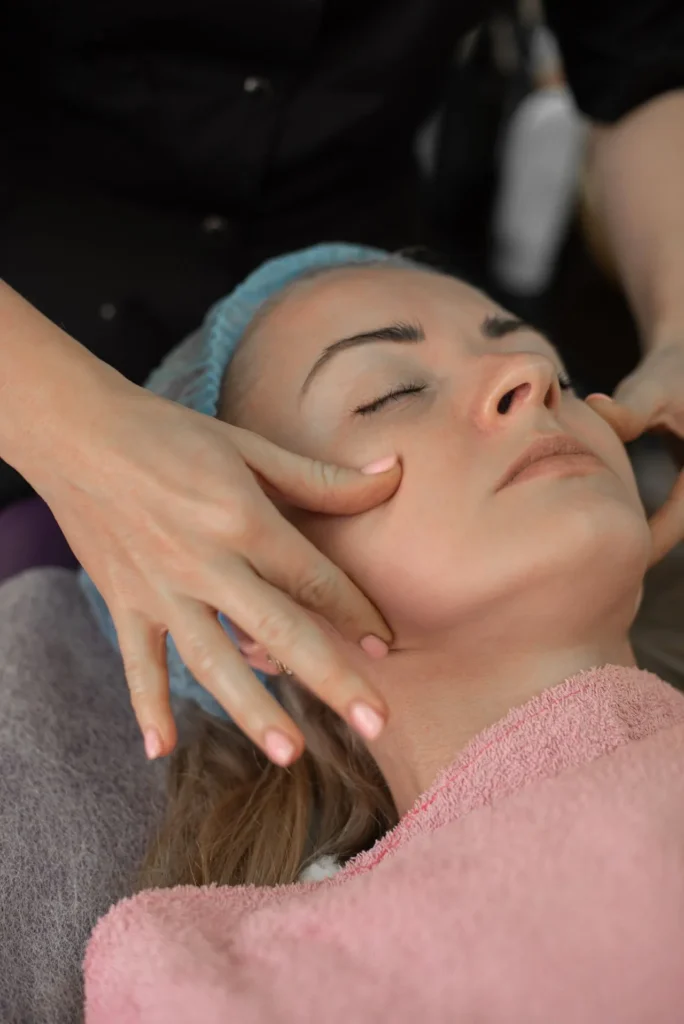
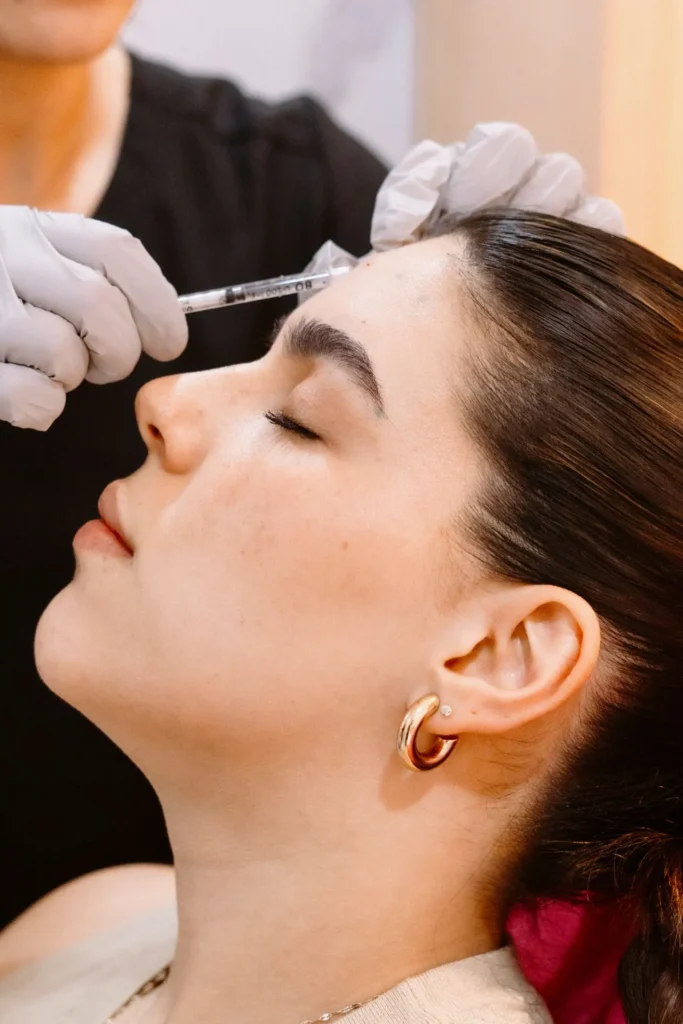
Using a needle or cannula, the practitioner introduces small amounts of filler gradually across multiple injection points. Massage may be used during treatment to distribute product evenly, with continuous assessment of symmetry and facial balance throughout the session.
Step 4: Final Evaluation
Once injecting the filler is complete, the practitioner reviews facial balance from multiple angles. Minor adjustments may be made, while avoiding overcorrection remains a priority, before confirming the result meets the agreed treatment goals.
Step 5: Immediate Aftercare
The treatment area is cleaned, and an ice pack is often applied to reduce initial swelling. The practitioner reviews aftercare instructions and, where appropriate, schedules a follow-up review to check how results have settled.
What Happens After Dermal Filler Injection
Immediate Effects
Mild swelling, redness, tenderness, bruising and temporary asymmetry are common immediately after treatment. These effects are generally considered a normal part of the filler experience and tend to settle within days rather than weeks.Recovery Timeline
Within the first 24 hours, swelling and tenderness are usually most noticeable. Over the following days, bruising may develop and gradually fade, and by around one week, most visible side effects have typically resolved, allowing the filler to fully settle into surrounding tissue.Tips for Faster Recovery
To support smoother healing, practitioners commonly recommend:- Avoiding strenuous exercise for 24–48 hours
- Steering clear of excessive heat, such as saunas or sunbeds
- Limiting alcohol consumption in the days following treatment
- Avoiding unnecessary pressure or massage on treated areas
- Following individual provider instructions closely

Possible Risks and Side Effects
While dermal filler treatments are widely used, no injectable procedure is entirely without risk, and outcomes vary between individuals depending on anatomy and technique.Common Temporary Side Effects
According to Healthline, the most frequently reported side effects include swelling, bruising, redness, tenderness, itching and mild discomfort at the injection site, most of which resolve without specific intervention within a short period.Rare Complications
Less common but more serious complications can include infection, allergic reactions, vascular occlusion and filler migration. Vascular occlusion, though rare, requires prompt recognition, which is why treatment by an appropriately qualified and experienced practitioner is strongly advised.When to Contact Healthcare Provider
Anyone experiencing the following after treatment should seek prompt medical advice:- Severe or worsening pain
- Unusual skin discolouration or blanching
- Persistent swelling beyond a few days
- Fever or signs of infection
- Sudden changes in vision
Results and Maintenance
Visible improvement is often noticeable immediately, though optimal results typically emerge once initial swelling fully subsides, usually within one to two weeks. Longevity depends on the specific type of filler used, treatment area and individual metabolism. Hyaluronic acid fillers generally last between six and eighteen months, while some non-HA products are used by practitioners for longer-term collagen-related effects; suitability varies by individual and should be discussed during consultation. Maintenance appointments help preserve contour over time as filler gradually breaks down.Frequently Asked Questions
Is dermal filler injection painful?
Most people describe mild discomfort rather than significant pain, particularly since numbing cream, ice or lidocaine-containing filler is commonly used. Sensitivity varies by area, with lips often feeling more tender than cheeks. Practitioners typically prioritise comfort throughout the injection process to make treatment manageable.
How long does dermal filler injection take?
A single-area treatment often takes around 15–20 minutes, while a comprehensive appointment covering several facial zones can take up to an hour. Factors affecting treatment time include the number of injection sites, complexity of the area and individual facial anatomy assessed during consultation.
When can normal activities resume after treatment?
Most people return to normal daily activities immediately, though strenuous exercise, alcohol and excessive heat are usually avoided for 24–48 hours. This precaution helps reduce swelling and bruising while the filler settles properly into the surrounding soft tissue.
How long do dermal filler results last?
Results commonly last between six and eighteen months, depending on the specific type of filler used, treatment area and individual metabolism. Areas with more movement, such as the lips, may show shorter longevity compared with structural areas like the cheeks or chin.
What should be avoided after dermal filler injection?
Following treatment, it’s generally advised to avoid strenuous exercise, alcohol, excessive heat exposure, facial massage and unnecessary pressure on treated areas. These precautions support even settling of the filler and help minimise the risk of prolonged swelling or bruising.
Who is a good candidate for dermal filler treatment?
Suitable candidates are generally adults in good health seeking to address volume loss, fine lines or facial contour concerns. Eligibility depends on medical history, skin condition and goals, which is why a thorough consultation with a qualified practitioner remains an essential first step.