
PRP Lip Treatments: Advanced Regenerative Aesthetics in London
Regenerative aesthetic medicine has evolved significantly, moving towards treatments that improve tissue quality rather than simply masking imperfections. This innovative biological treatment utilises the patient’s own blood components to revitalize the perioral area. By isolating specific regenerative elements, we can stimulate the lip tissue to repair itself, improving colour, texture, and hydration from within.
Unlike synthetic alternatives, this method relies on an autologous preparation—meaning it is derived entirely from the patient. This significantly reduces the risk of allergic reactions and ensures high compatibility. For individuals seeking a subtle enhancement that prioritises tissue health, this therapy offers a compelling solution. It is designed to rejuvenate the lips by improving microcirculation and encouraging the synthesis of essential structural proteins.

Thousands of satisfied customers
PRP Lip Treatments Cost: Pricing Overview in London
Investing in medical aesthetics requires transparency regarding costs. The pricing structure at our London clinic reflects the clinical expertise required, the use of high-quality closed-circuit systems for sterility, and the time dedicated to your care.
| Treatment Type | Price Range | Description |
| Single PRP Lip Treatment | £150 – £600 | One session focusing on hydration and subtle revitalisation. |
| Course of Three Treatments | £1,200 – £1,500 | Recommended protocol for optimal results and collagen induction. |
| Combined Lip & Perioral | £650 – £800 | Targets smoker’s lines and lip definition simultaneously. |
| Maintenance Treatment | £400 | A single booster session to sustain the regenerative effects. |
Final costs vary depending on the complexity of the case and the specific technology utilised to prepare the concentrate. During your first visit, we will tailor a financial and clinical plan that aligns with your aesthetic goals.
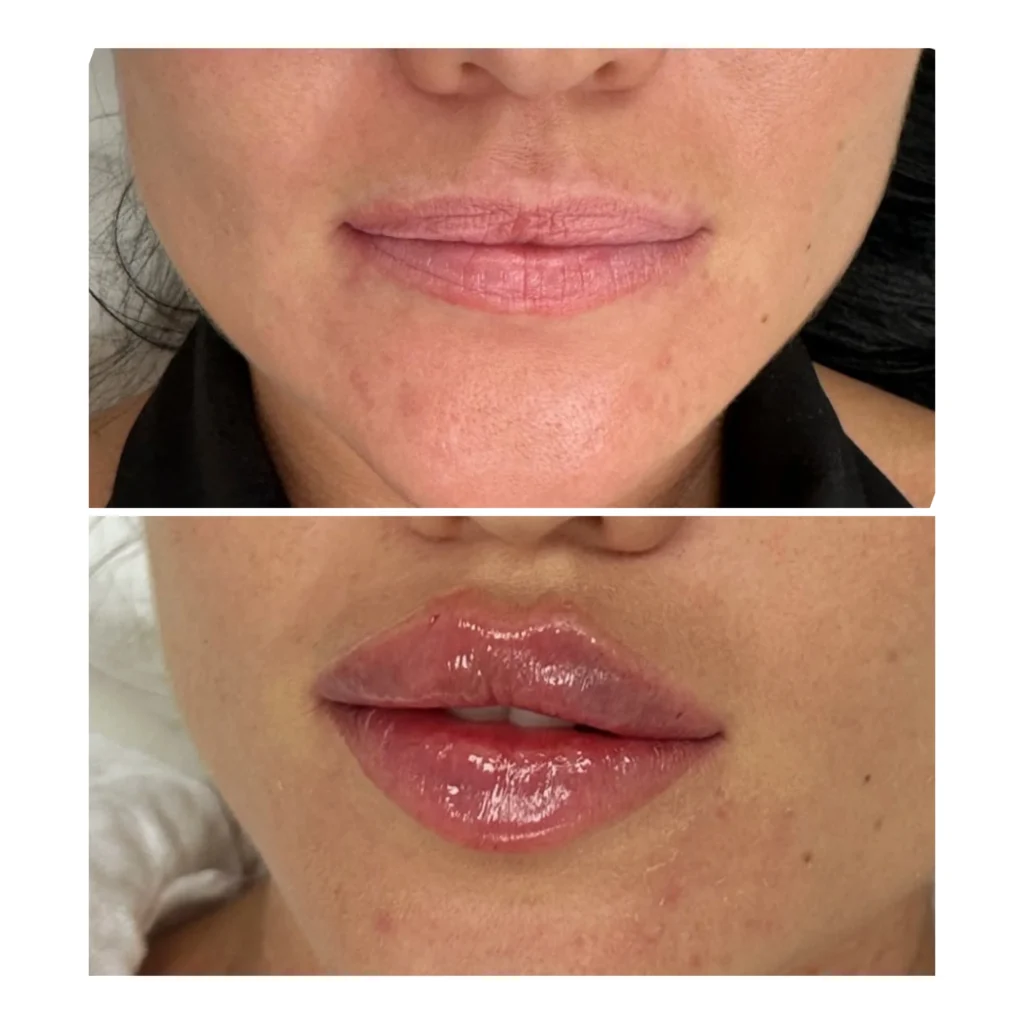
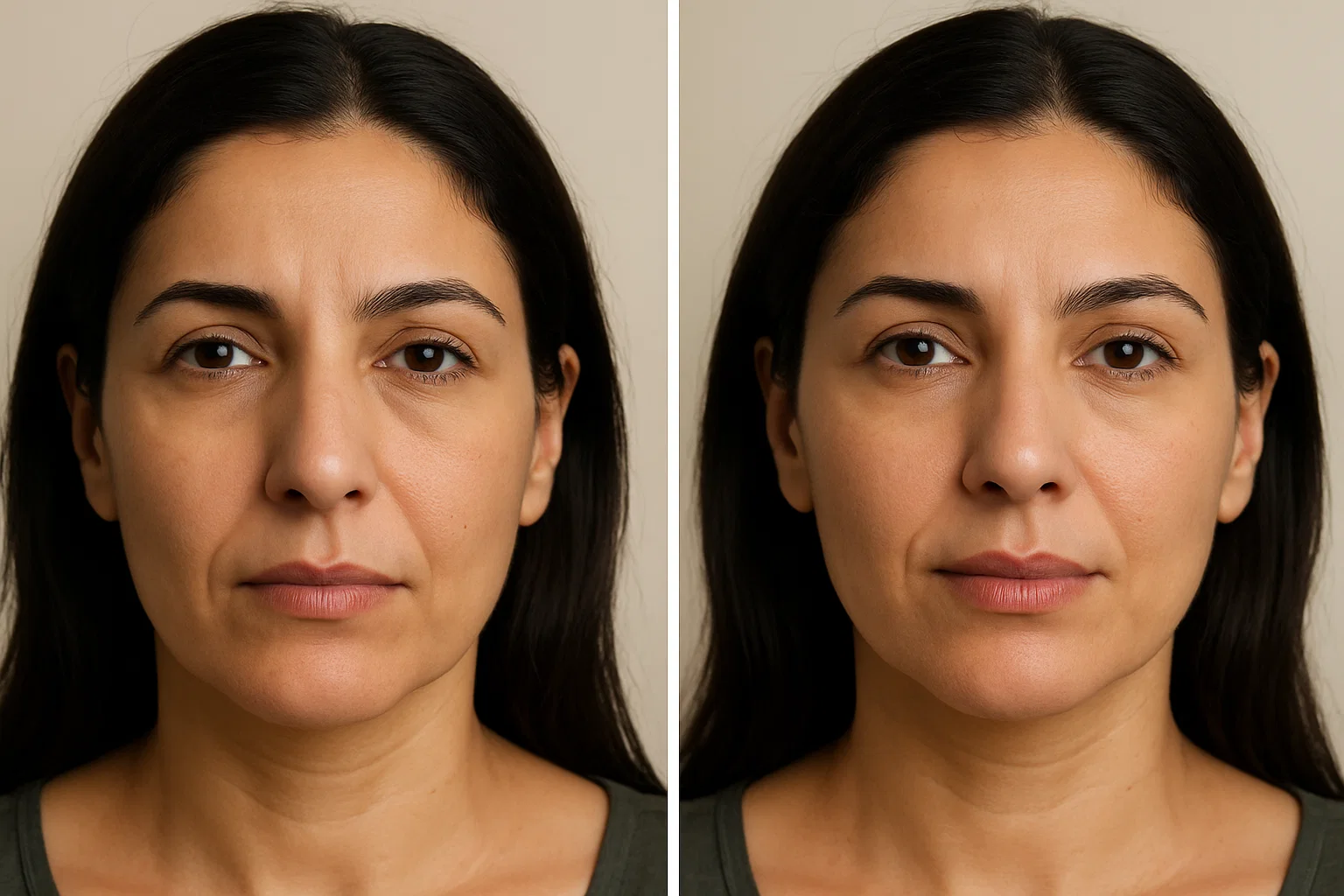
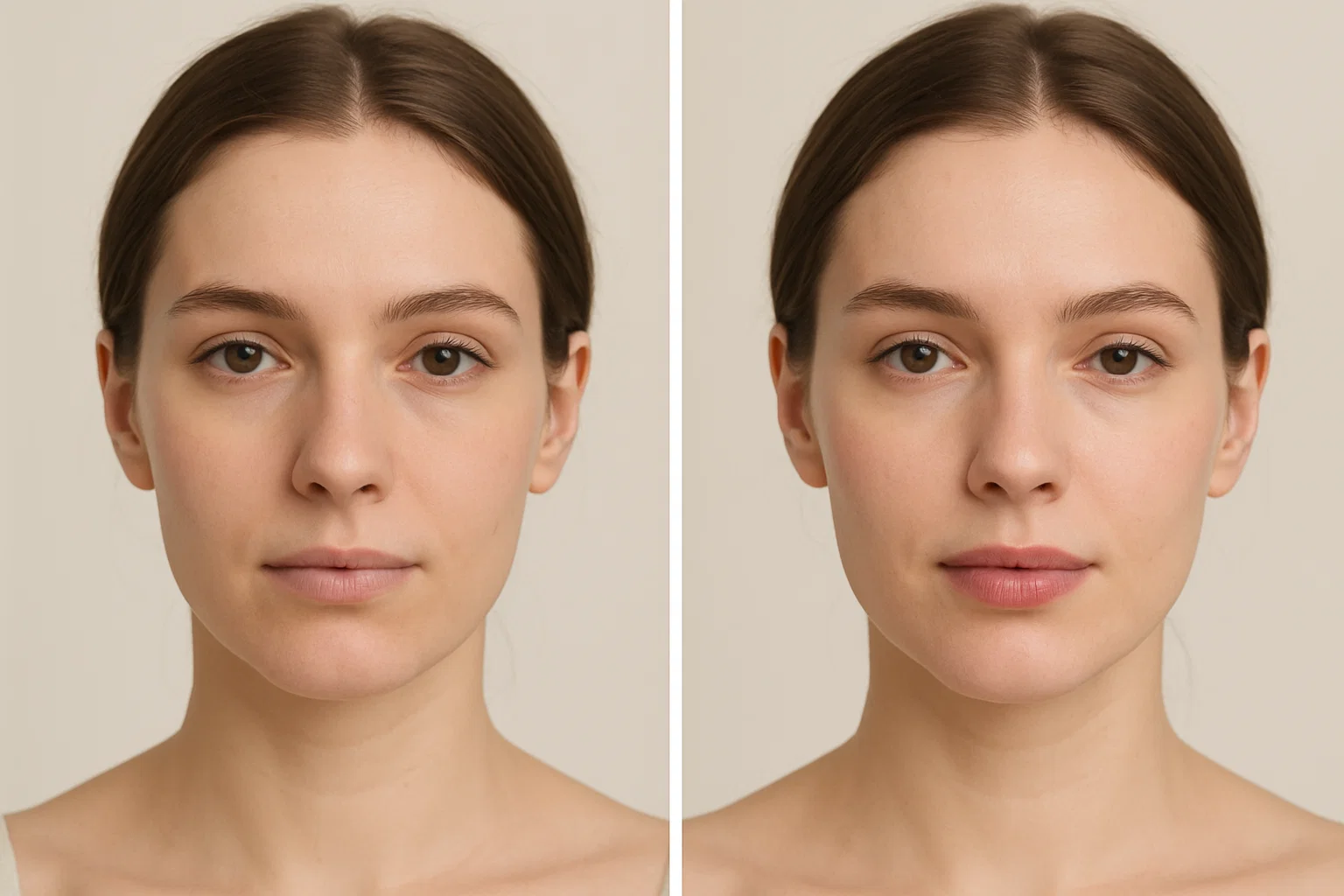
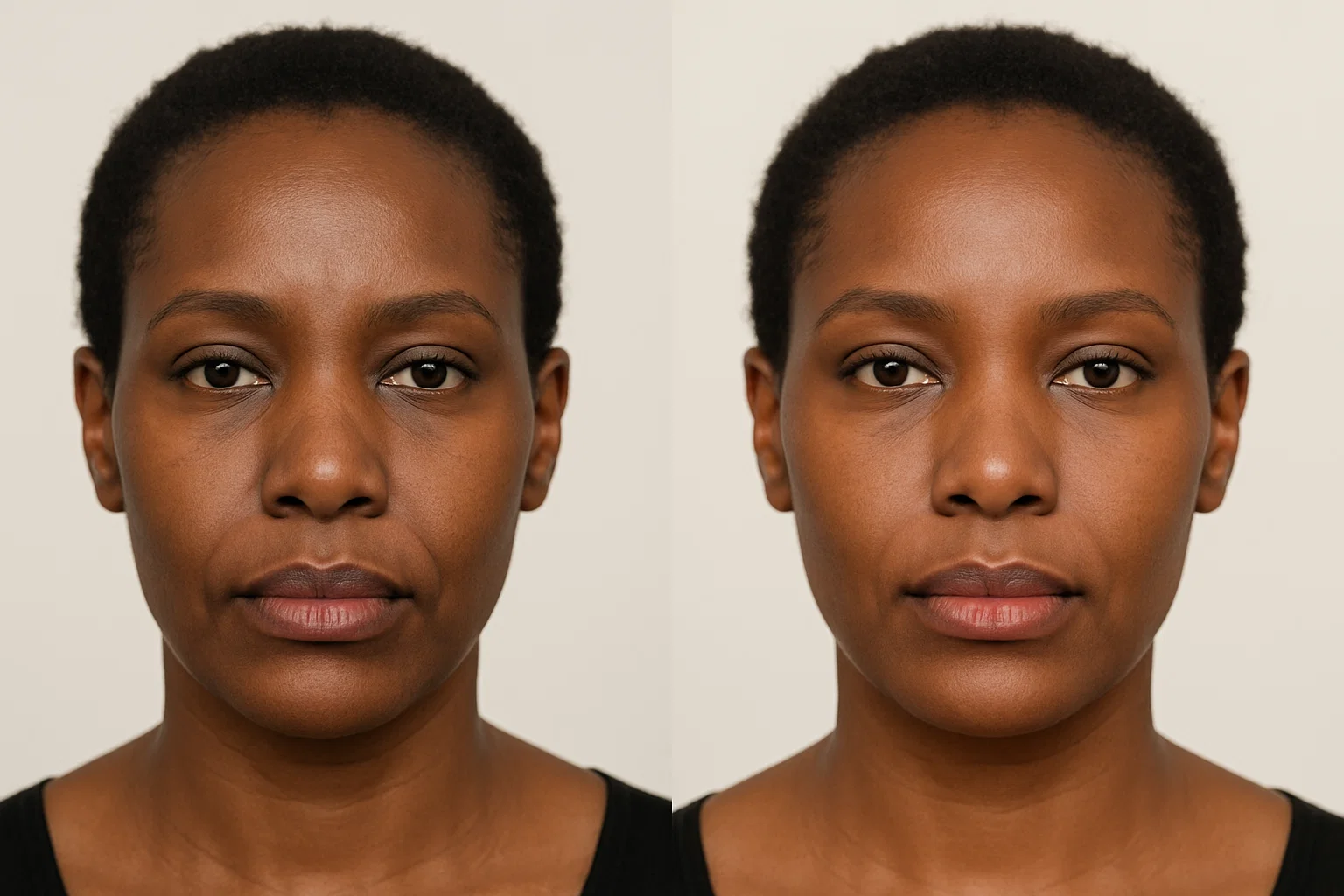
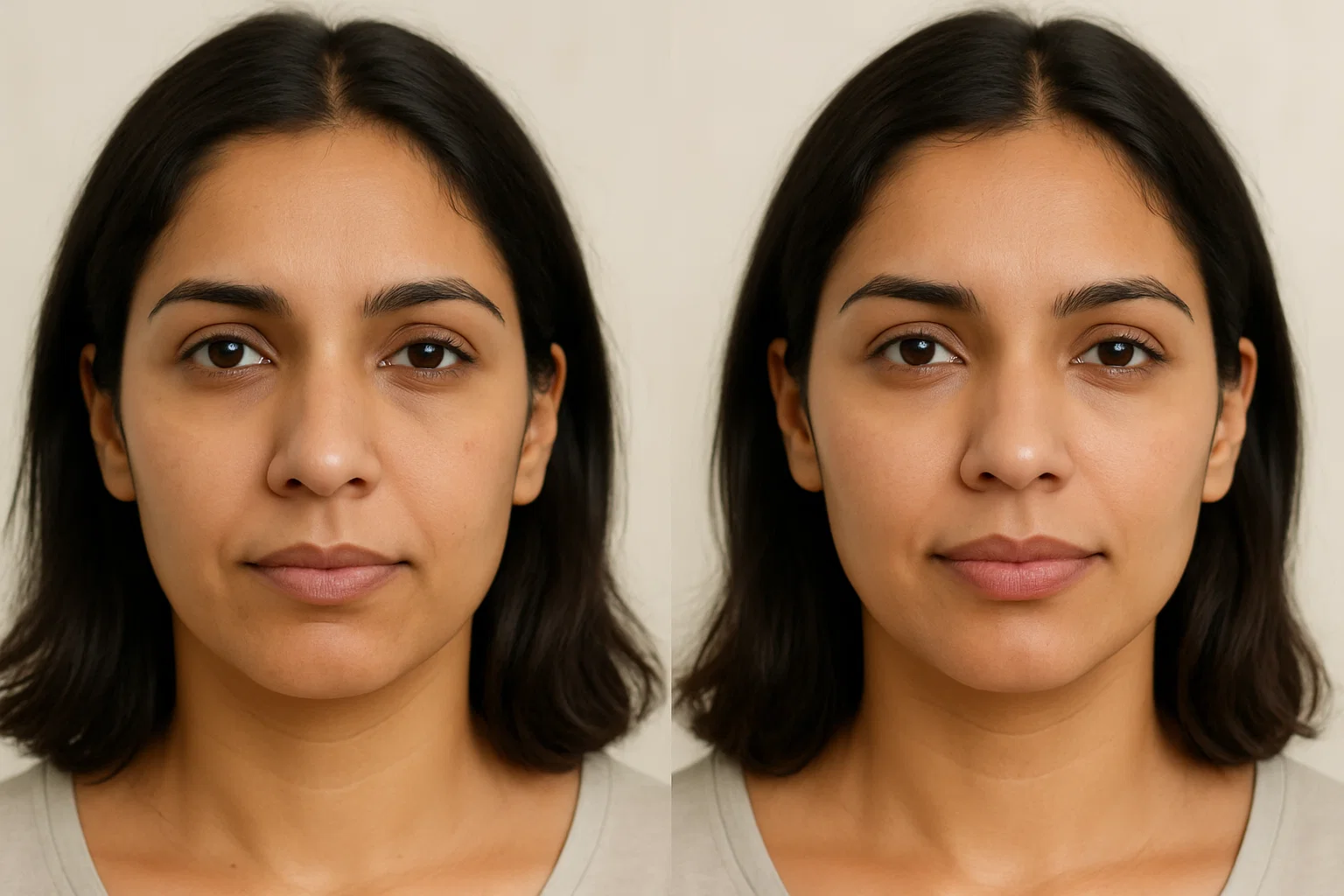
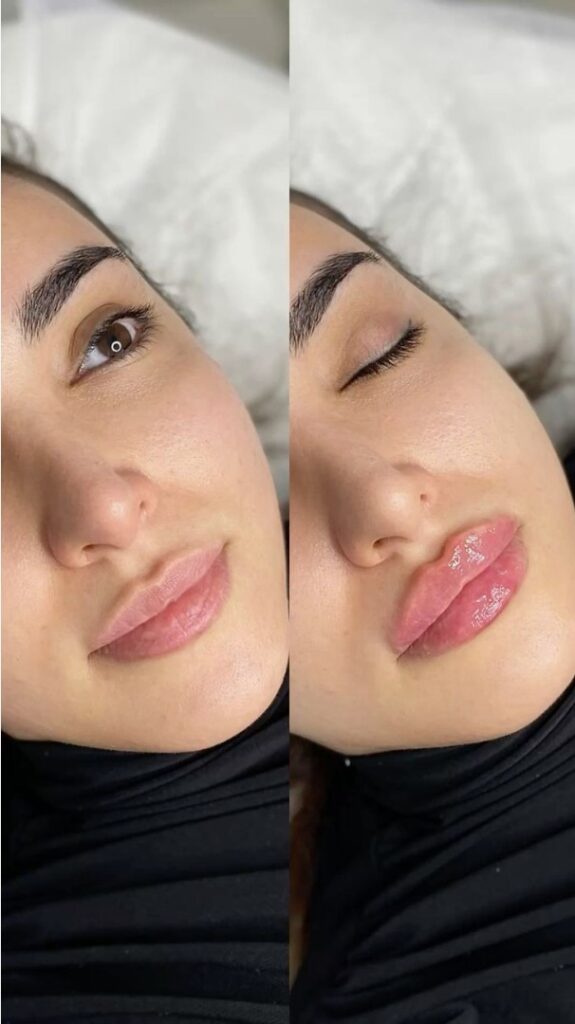
Before and After PRP Lip Treatment
Understanding the biological mechanism is crucial for appreciating how this treatment works. Blood is composed of red blood cells, white blood cells, plasma, and platelets. While platelets are best known for clotting, they are also reservoirs of bioactive proteins.
When activated, these platelets release powerful growth factors, such as PDGF (Platelet-Derived Growth Factor), TGF-beta, and VEGF (Vascular Endothelial Growth Factor). These signalling proteins act as messengers, instructing local cells to regenerate. In the context of lip enhancement, this leads to:
Angiogenesis: The formation of new blood vessels, which improves oxygenation and restores a healthy, pink hue to the lips.
Collagen Production: Stimulation of fibroblasts to produce new Type I and Type III collagen, thickening the dermis and smoothing fine lines.
Matrix Remodelling: Improvement in the extracellular matrix, leading to better hydration and skin elasticity.
This process transforms the lip texture fundamentally, rather than just mechanically stretching the tissue as a filler would.
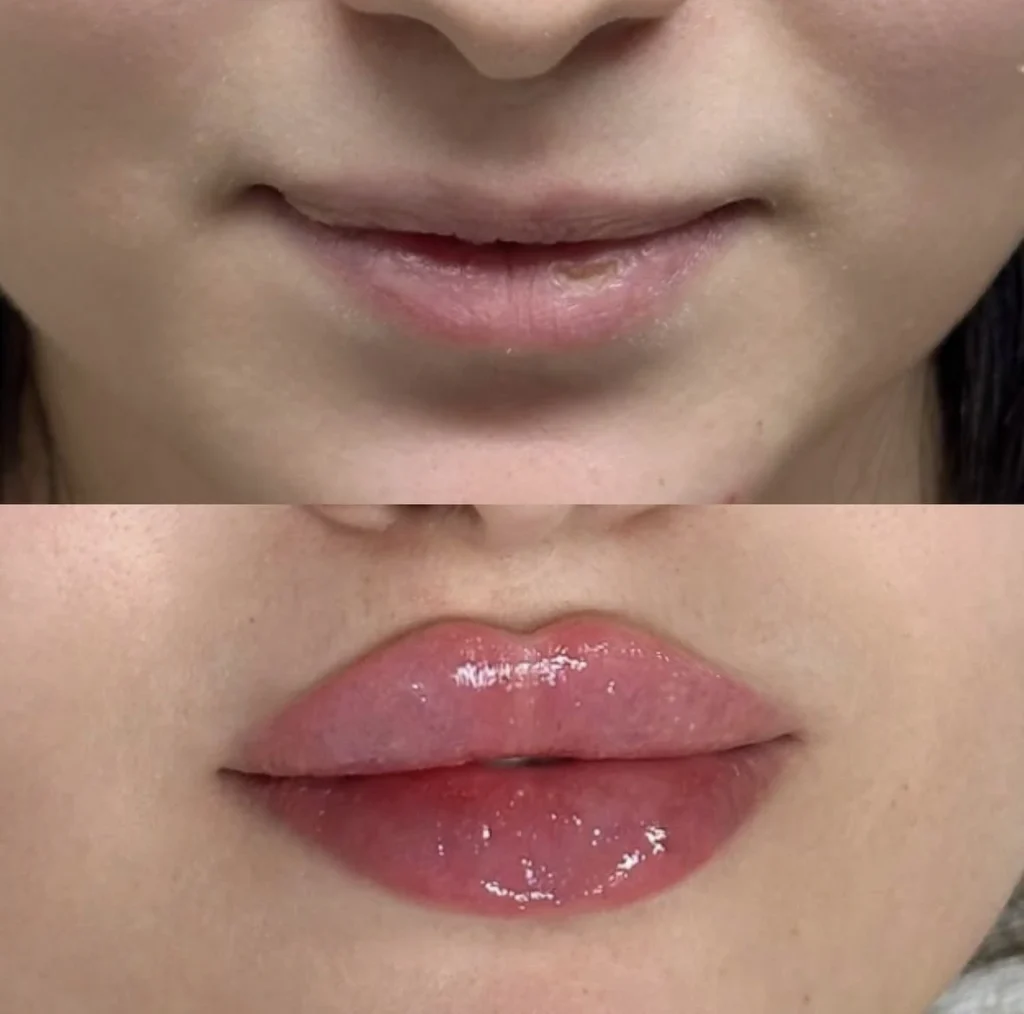
The Process: From Centrifugation to Injection
Our protocol ensures the highest viability of the biological material. The procedure is minimally invasive and follows a strict medical standard.
1. Blood Collection and Preparation
The appointment begins when a small amount of blood is drawn from the patient’s arm, similar to a standard blood test. This sample is then collected into a specialised sterile tube containing an anticoagulant to prevent clotting.
2. Centrifugation
To isolate the regenerative properties, the tube is placed in a centrifuge. This device spins at a precise speed and duration to separate the platelets from the red and white blood cells using centrifugal force. The goal is to obtain plasma rich in platelets while discarding pro-inflammatory components. The result is a golden-hued concentrate, often referred to as “liquid gold,” which contains 5 to 7 times the concentration of platelets found in normal circulating blood.
3. Injection and Application
Once processed in a centrifuge, the platelet-rich plasma is drawn into a syringe. The lip area is thoroughly cleansed, and a strong topical anaesthetic is applied to ensure comfort. After a 15-20 minute numbing period, the physician will inject the solution using an ultra-fine needle or a cannula. The injection site strategy is crucial; we tailor the depth and distribution to smooth vertical lines and define the vermilion border.

PRP Therapy vs. Dermal Fillers: Understanding the Difference
Many patients ask how this compares to traditional lip augmentation. It is important to consult with a knowledgeable professional to understand the distinction, as the treatments serve different purposes.
Dermal Fillers: These are typically made of hyaluronic acid, a synthetic or bio-fermented gel. They provide immediate physical volume and shape alteration. They are best for patients wanting significantly plumper lips or a change in shape.
PRP Therapy: This is a fluid stimulation therapy. It does not add physical volume in the same way a gel does. Instead, it causes the tissue to regenerate, becoming denser and more hydrated over time. It creates youthful-looking lips by reversing signs of aging, such as deflation and wrinkling, rather than by filling them with a foreign substance.
For many individuals, the ideal approach is a combination. We can layer the treatments—using filler for shape and PRP for texture—to achieve defined lips that look and feel completely natural.

Benefits of PRP Lip
Opting for this regenerative approach offers a multitude of benefits, particularly for those wary of the “overfilled” look.
Natural Healing: Since we harness your body’s natural healing cascade, the results integrate seamlessly with your existing features.
Improved Hydration: The stimulation of metabolic activity improves the moisture retention capabilities of the lips, making them look supple and glossy.
Minimal Downtime: Unlike surgical interventions or heavy filler loads, the recovery is rapid.
Safety Profile: Being autologous, there is virtually no risk of allergic reactions or granuloma formation, which can occur with synthetic products.
Longevity of Tissue Health: While the volume boost is subtle, the improvement in tissue quality—thickness and elasticity—is long-lasting.
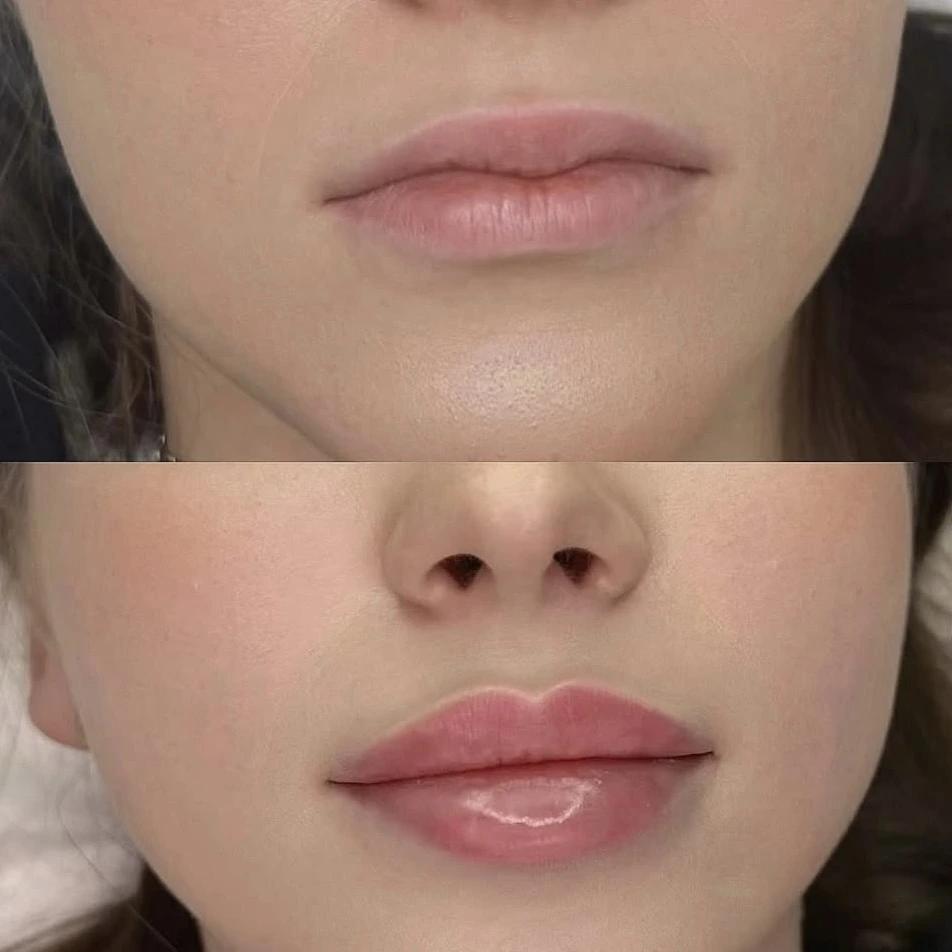
What to Expect: Recovery and Results
Transparency about the post-procedure experience is vital for patient satisfaction.
Immediate Reaction
Directly after the procedure, patients experience mild swelling and potentially some redness at the injection points. This is a normal inflammatory response and actually kickstarts the healing process. The lips may feel tender, and a sensation of heat is common.
The First Few Days
Bruise formation is possible, as the lips are highly vascular. However, this typically resolves within 3 to 5 days. We recommend applying a cold compress (not directly on the skin) to manage oedema. It is essential to keep the area clean and avoid applying makeup for at least 12 hours.
Timeline of Results
Patients should not expect to see the final outcome immediately. While there is some initial fullness due to the liquid volume and swelling, the true magic happens over several weeks.
Week 1: Swelling subsides; lips return to near-normal size.
Week 3-4: Cellular regeneration begins; texture starts to improve.
Week 8-12: Maximum collagen stimulation is achieved. The lips appear smoother, healthier, and naturally fuller.
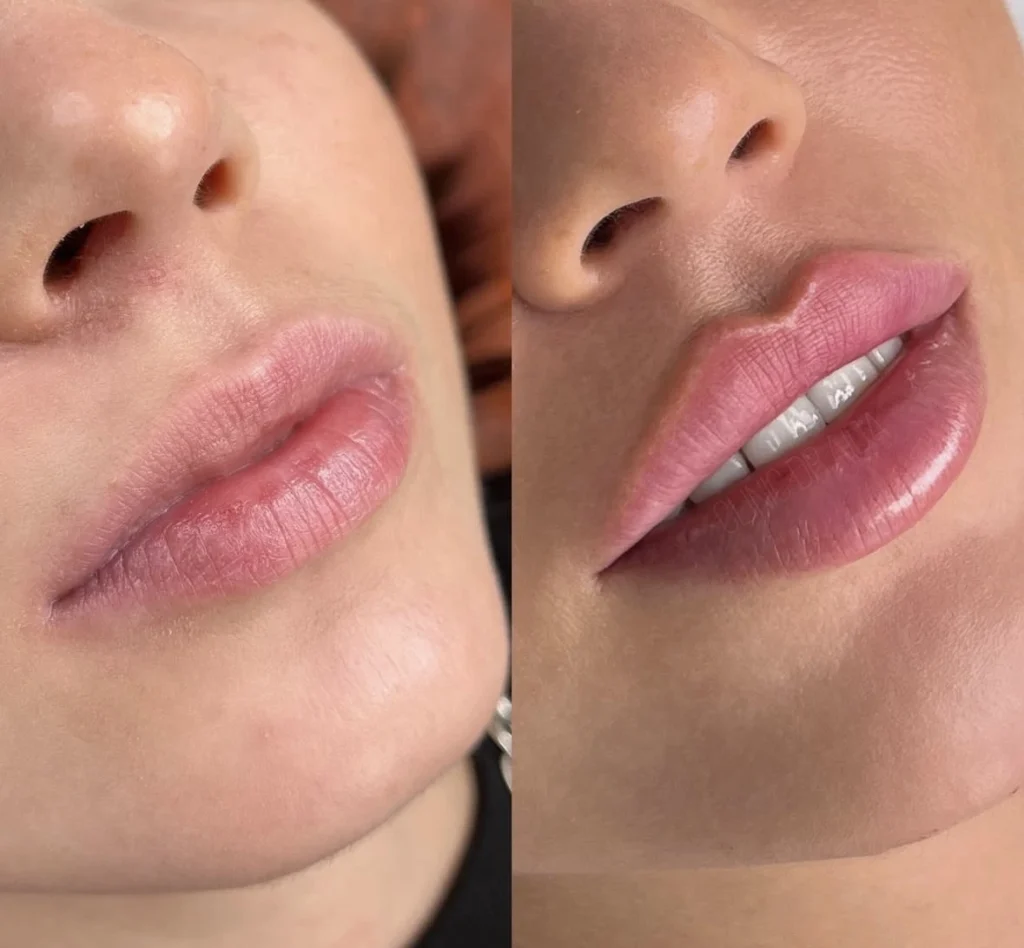
Suitability and Contraindications
While highly safe, this minimally invasive procedure is not for everyone. We carefully screen all candidates.
Ideal Candidates:
Individuals noticing fine lines (barcode lines) around the mouth.
Patients with dehydrated or chapped lips.
Those seeking a subtle improvement without using foreign bodies.
People looking to improve the longevity of their dermal fillers.
Contraindications:
Active infections (e.g., Herpes Simplex/cold sores) at the injection site.
Blood disorders like thrombocytopenia (low platelet count).
Use of blood-thinning medication.
Severe systemic diseases or cancer.
Personalise Your Treatment Plan
No two faces are alike. At Aesthetic Clinic London, we personalise every protocol. During the consultation, we assess your unique anatomy, the degree of lip atrophy, and your aesthetic goals. Factors such as age, smoking history, and sun exposure influence how we tailor the depth and volume of the injections.
We may recommend a standalone treatment or a series. Clinical studies suggest that for tissue regeneration, a series of 3 sessions spaced 4-6 weeks apart yields the most significant and durable changes. Maintenance treatments every 6 to 12 months are then advised to counteract the ongoing aging process.
Frequently Asked Questions:
How does the treatment work to improve lip colour?
The process improves lip colour through angiogenesis, which is the formation of new micro-vessels. By injecting growth factors, we stimulate blood flow to the area. This increased circulation restores the natural, healthy pink or reddish hue that often fades with age or smoking, making the lips appear more vibrant without makeup.
Does the procedure hurt?
Pain perception varies based on individual factors, but we take extensive measures to minimise discomfort. A high-strength numbing cream is applied topically for 20 minutes before the procedure. Additionally, the injections are performed quickly using very fine needles. Most patients describe the sensation as a mild pinching or pressure rather than acute pain.
Can I combine PRP with lip fillers?
Yes, and this is often a recommended strategy. This combination is sometimes called “Bio-Filler” or a hybrid lift. The filler provides the immediate structure and volume, while the plasma rich concentrate improves the skin quality over the filler, extending its lifespan and ensuring the overlying tissue remains smooth and healthy. We typically wait to see the settled results of one treatment before performing the other, or they can be done in the same sitting by a skilled dermatologist.
How many sessions will I need?
While a single session provides a boost in hydration, optimal results for tissue regeneration usually require a course of treatments. We typically recommend three sessions spaced 4 to 6 weeks apart. This stacking effect allows for maximum collagen production. Once the full course is complete, results vary, but maintenance is generally required only once a year.
Is there any risk of allergic reactions?
One of the primary advantages of this therapy is that it utilises the body’s own platelets and plasma. Because the material is 100% autologous (derived from you), there is no risk of the body rejecting the substance or having an allergic reaction, which makes it safer than many synthetic alternatives.
How do I prepare for my first visit?
To ensure the best outcome and minimise bruising, avoid blood-thinning supplements (like Omega-3, Vitamin E) and medications (like Aspirin or Ibuprofen) for 7 days prior to treatment, provided your doctor approves. It is also important to stay hydrated, as being well-hydrated makes it easier when blood is drawn. Please come with a clean face and inform us if you have a history of cold sores, as we may prescribe a prophylactic antiviral.
Will my lips look fake or “done”?
No. This treatment is specifically designed for natural results. It does not possess the rheological properties to create the “duck lip” look associated with overfilled lips. It enhances the quality and slight fullness of the lip naturally with prp, ensuring that you look refreshed and rejuvenated rather than artificially altered.
How quickly can I return to work?
This is a minimally invasive procedure with minimal downtime. Most patients return to their daily activities immediately after the appointment. However, you may experience some swelling and minor bruising for 24-48 hours. If you have a major social event, we recommend scheduling the treatment at least two weeks in advance to allow for complete natural healing.