
What Is Prejuvenation Skincare in 20s? A Guide to Preventive Skincare Routine & Treatments
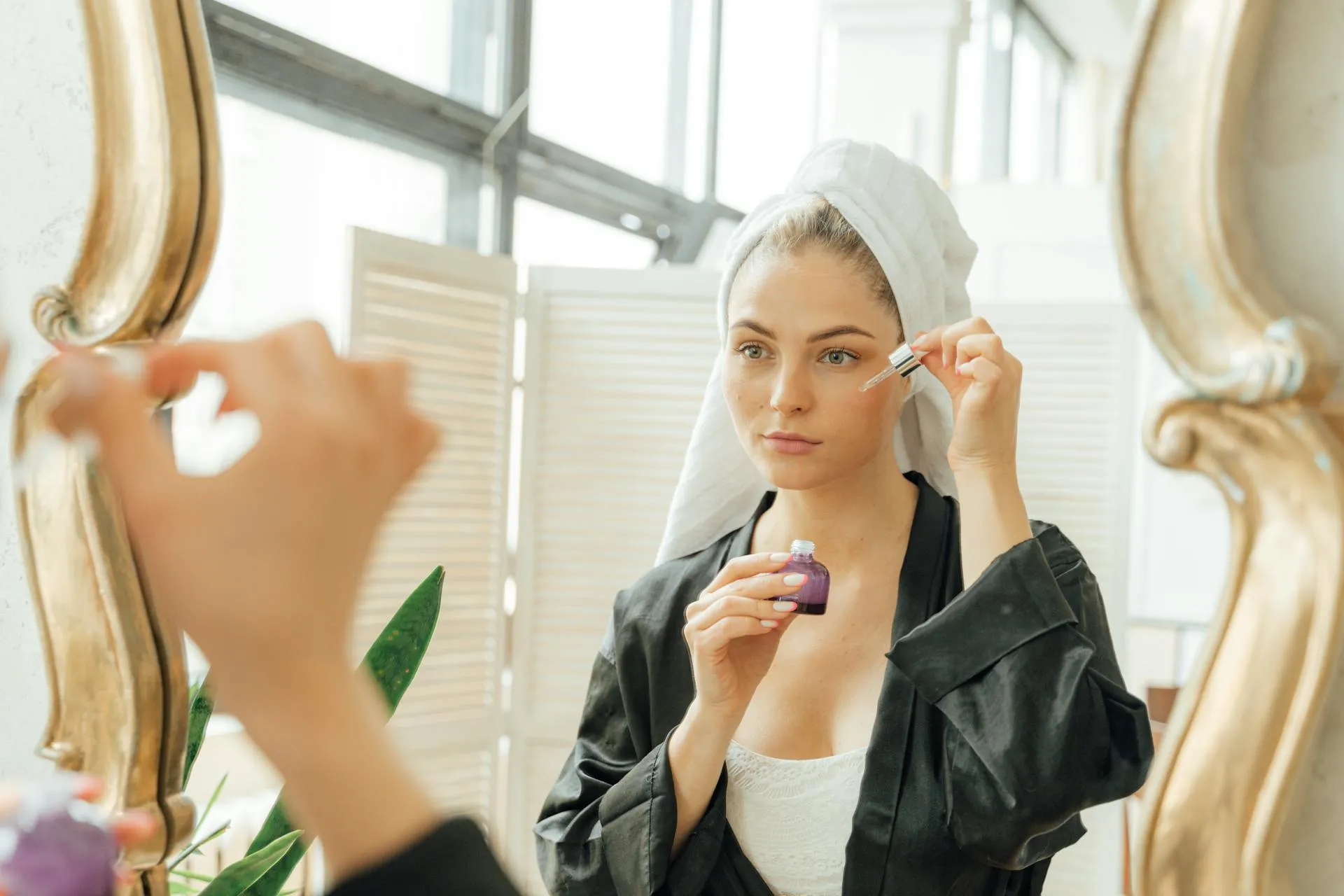
Prejuvenation skincare is reshaping how a generation approaches anti-ageing. Rather than waiting for visible signs of ageing to appear, prejuvenation in your 20s focuses on building protective habits early — preserving what you have rather than attempting to reverse what has changed. It has become one of the most discussed approaches to long-term skin health among younger adults.

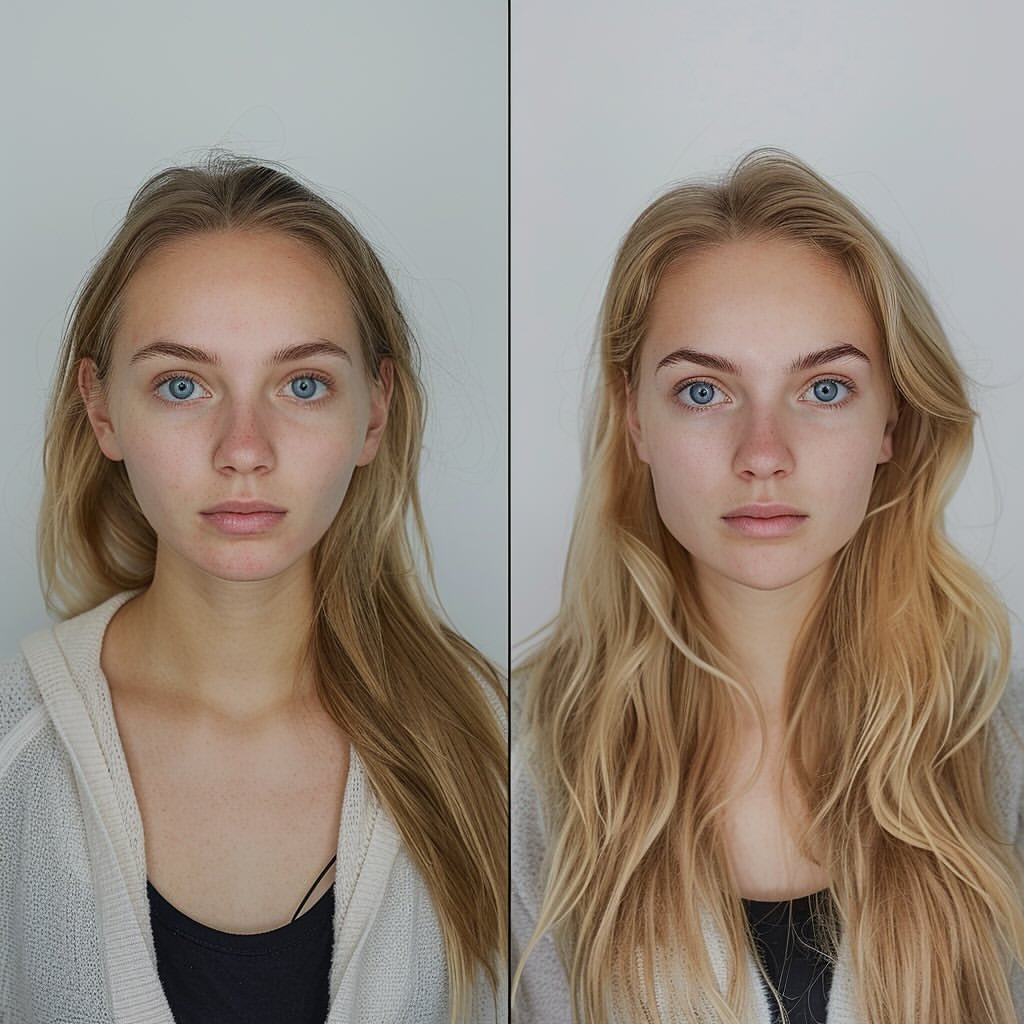
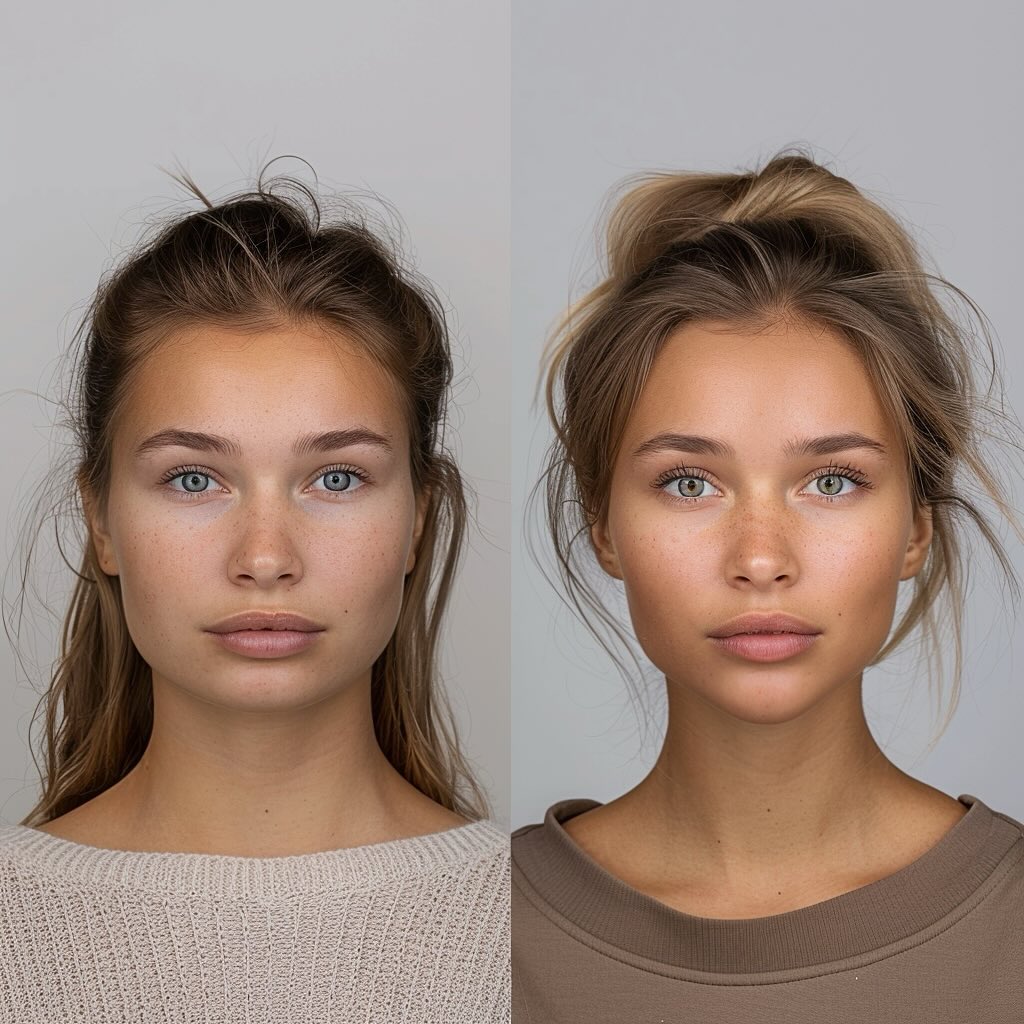
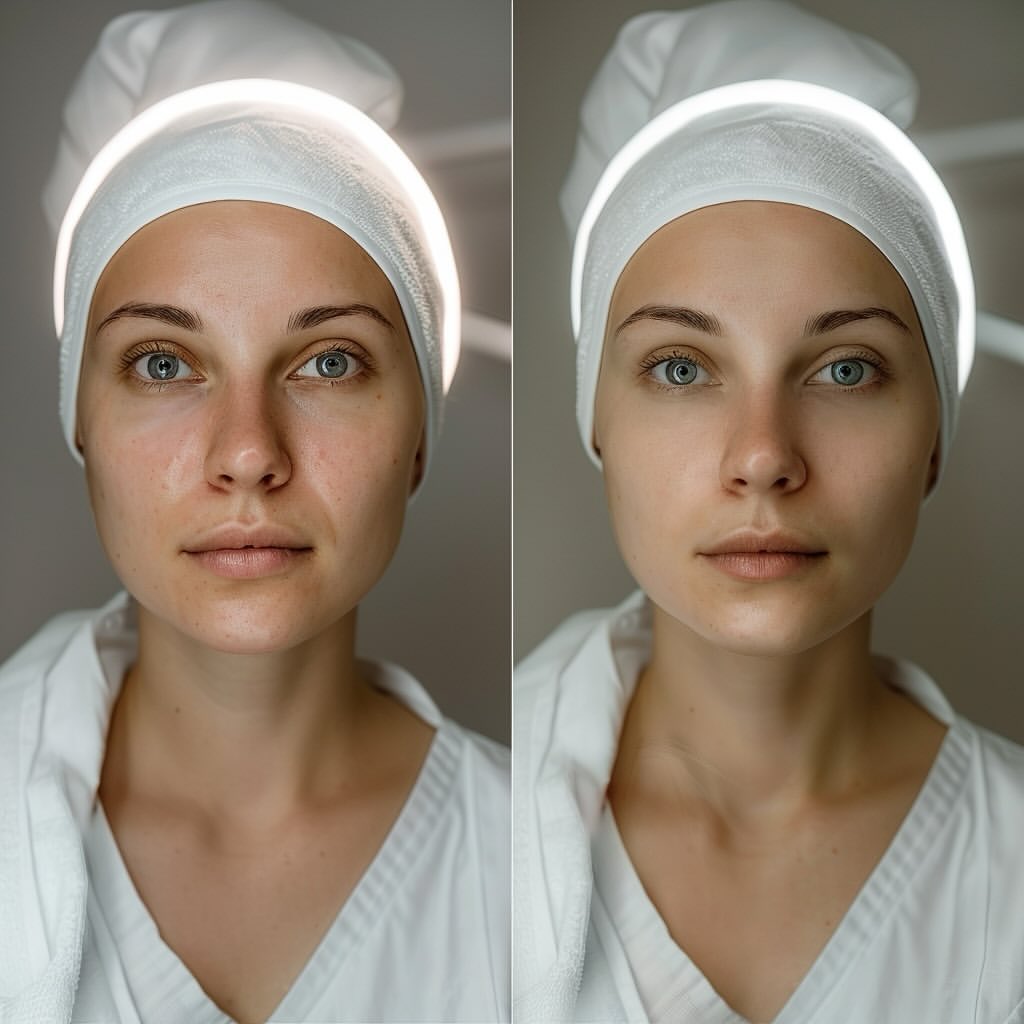
Thousands of satisfied customers
Prejuvenation Skincare: What It Actually Means
Prejuvenation refers to a proactive approach to skin health — using targeted skincare and, where appropriate, professional treatments to delay the visible signs of ageing before they develop. Unlike corrective anti-ageing strategies, it works with younger skin rather than against damage that has already accumulated over the years.
Prejuvenation vs Anti-Ageing Skincare
Anti-ageing skincare typically responds to existing concerns: wrinkles, volume loss, uneven tone, or crepey skin. Prejuvenation, by contrast, focuses on long-term skin health by supporting collagen production, protecting the barrier, and reducing cumulative sun damage before these concerns become visible.
Key differences at a glance:
- Anti-ageing addresses existing wrinkles and volume loss
- Prejuvenation aims to prevent fine lines before they form
- Anti-ageing routines often include more intensive activities
- Prejuvenation emphasises sun protection and consistent daily habits
- Anti-ageing may involve more corrective professional treatments
- Prejuvenation treatments in your 20s tend to be lighter and more preventive
Why Prejuvenation Became Popular Among People in Their 20s
Dermatologists recommend sun protection and antioxidant use from a young age, and that message has reached a wider audience through social media and skincare education. Increased awareness of how UV exposure and lifestyle factors cause premature ageing has led more women in their 20s to take action earlier.
Benefits of Starting Early
Beginning a consistent routine for your 20s may help maintain elasticity, improve texture over time, support hydration, and slow the early progression of fine lines. Early habits are generally easier to sustain and tend to require less intervention later — making prejuvenation a cost-effective long-term strategy.
Why Your 20s Matter for Long-Term Skin Health
The 20s represent a biological turning point. Skin cell turnover begins to slow, environmental exposures accumulate, and the foundations for how skin ages are quietly being laid. What happens during this decade can influence skin quality well into the 30s, 40s, and beyond.
Collagen Production Changes With Age
Collagen production begins to decline gradually from the mid-20s onwards — typically at around 1% per year. Supporting skin health early, through ingredients that stimulate collagen and protect existing structure, may help preserve firmness and reduce the early appearance of fine lines and wrinkles.
Effects of UV Exposure on Future Skin Appearance
Sun damage is cumulative. Inadequate sun protection throughout the 20s contributes to hyperpigmentation, uneven tone, premature ageing, and a breakdown in elasticity over time. UV exposure is widely considered the single most preventable cause of visible ageing, making consistent SPF use a cornerstone of any prejuvenation approach.
Lifestyle Habits That Influence Skin Ageing
Several daily habits influence how skin ages beyond topical products:
- Poor sleep impairs skin repair and reduces radiance
- Chronic stress elevates cortisol, which can degrade collagen
- Smoking accelerates ageing significantly
- Excessive alcohol dehydrates and depletes nutrients
- A diet rich in antioxidants may help protect against oxidative damage
- Pollution and environmental stressors contribute to free radical damage
Essential Steps in a Prejuvenation Skincare Routine
A well-structured skin care routine for your 20s does not need to be complex. A focused, consistent approach tends to deliver better long-term results than an overcrowded one.
Gentle Cleansing
Over-cleansing can strip the skin barrier, leading to irritation, sensitivity, and increased oil production. A mild, pH-balanced cleanser used twice daily is typically sufficient to keep skin smooth and clear without disrupting its protective function.
Daily Moisturising
Moisturising helps maintain the skin barrier, supports hydration, and keeps the surface supple. Ingredients such as ceramides, glycerin, and squalane are commonly included in formulations designed to protect and strengthen younger skin without heaviness.
Consistent Sunscreen Use
Sunscreen is the most evidence-supported step in any anti-ageing skincare routine. Dermatologists recommend a broad-spectrum SPF 30 or higher every morning, applied to the face, neck, and any exposed areas — regardless of season. Reapplication every two hours is advised during sun exposure.
Antioxidant Protection
Antioxidants help neutralise free radicals generated by UV exposure, pollution, and stress. Incorporating a product rich in antioxidants — such as Vitamin C — into a morning routine can complement sun protection and support overall clarity and tone.
Best Skincare Ingredients for Prejuvenation in Your 20s
Choosing the right skin care products matters. The following ingredients are commonly recommended by dermatologists and supported by clinical evidence for preventive use.
Ingredient | Primary Benefit | Best Used |
Vitamin C | Antioxidant, collagen support, brightening | Morning |
Retinol | Cell turnover, fine line prevention | Evening |
Hyaluronic Acid | Hydration, plumpness | AM and PM |
Niacinamide | Barrier support, oil regulation | AM or PM |
Peptides | Firmness support, skin resilience | AM or PM |
SPF 30–50 | UV protection, premature ageing prevention | Every morning |
Vitamin C
Vitamin C is one of the most studied antioxidants in skincare. It may help brighten uneven skin tone, support collagen production, and defend against environmental damage. A stabilised form used in the morning, under sunscreen, is the approach most commonly recommended in clinical practice.
Retinoids and Retinol
Retinoids support cell turnover and are widely regarded as among the most evidence-backed ingredients for long-term skin health. Many practitioners suggest introducing a low-concentration retinol gradually in the mid-to-late 20s, building tolerance over several weeks to minimise irritation.
Hyaluronic Acid
Hyaluronic acid is a naturally occurring molecule that holds water within the skin. In topical form, it can support hydration and help maintain a plump, healthy appearance. It is generally well tolerated across skin types and can be layered with other actives.
Niacinamide
Niacinamide supports barrier function, helps regulate oil production, reduces redness, and may improve skin texture and tone over time. Its versatility makes it a practical addition to most preventive routines, particularly for acne-prone skin or those with sensitivity.
Peptides
Peptides are short chains of amino acids that may help signal skin to maintain firmness and structural integrity. While research is ongoing, they are often included in anti-ageing skincare formulations designed to complement the effects of retinoids and antioxidants.
Professional Prejuvenation Treatments to Consider
A strong daily routine forms the foundation of prejuvenation in your 20s and 30s. However, some individuals explore professional treatments for additional preventive benefit, typically under guidance from a qualified specialist. Science Beauty can help you compare treatment options and find verified clinics and independent practitioners in London.
Chemical Peels
Light chemical peels — using AHAs or BHAs at controlled concentrations — may help improve texture, support dead cell removal, and encourage cell turnover. They are typically suitable for most skin types when performed by an experienced practitioner and can form part of a broader prejuvenation plan.
Microneedling
Microneedling uses fine needles to create controlled micro-channels in the skin, which may stimulate collagen and improve texture and tone over a course of treatments. It is often considered by those in their 20s or early 30s looking to address early texture concerns or acne scarring.
Preventive Neuromodulator Treatments
Preventive Botox in your 20s is an emerging area of discussion. Some practitioners suggest that low-dose neuromodulator treatments may reduce the repetitive muscle movements that contribute to dynamic wrinkle formation. Suitability varies considerably, and a thorough consultation with a qualified medical professional is essential before considering this option.

Common Prejuvenation Mistakes in Your 20s
Even well-intentioned routines can cause harm when approached incorrectly. Understanding what to avoid is as important as knowing what to include.
Starting Too Many Active Ingredients at Once
Introducing retinol, Vitamin C, exfoliating acids, and niacinamide simultaneously can overwhelm younger skin and compromise the barrier. Practitioners typically advise adding one new active at a time, with a two-to-four week settling period between introductions.
Skipping Sunscreen on Cloudy Days
UV radiation penetrates cloud cover and continues to cause cumulative sun damage year-round. Skipping SPF on overcast days is one of the most common and consequential mistakes in any skin care routine — one that undermines even the most carefully chosen set of actives.
Following Trends Instead of Skin Needs
Viral skincare routines are often developed for a specific skin type or concern that may not apply universally. What works for one person’s condition may irritate or under-serve another. Exploring options with a board-certified dermatologist or qualified specialist is more reliable than trend-following.
Expecting Immediate Results
Prejuvenation is a long-term investment. Most topical ingredients require consistent use over weeks or months before meaningful changes in skin quality become visible. Realistic expectations — and the patience to allow products to work — are central to any successful anti-ageing routine.

Building a Prejuvenation Routine Based on Skin Type
Skin care for your 20s should reflect individual needs. The right approach varies depending on skin type and specific concerns.
Skin Type | Key Priorities | Ingredients to Focus On |
Oily / Acne-Prone | Oil balance, non-comedogenic SPF, barrier protection | Niacinamide, lightweight hyaluronic acid, gel SPF |
Dry | Hydration, barrier repair, richer moisturisers | Ceramides, squalane, hyaluronic acid, peptides |
Sensitive | Fragrance-free, minimal actives, patch testing | Gentle cleansers, niacinamide, mineral SPF |
Combination | Zone-specific care, balanced hydration | Lightweight moisturiser, niacinamide, broad-spectrum SPF |
Oily and Acne-Prone Type
For acne-prone skin, the goal is to control oil and address breakouts without stripping the skin barrier. Lightweight, non-comedogenic formulations work best. Niacinamide can help regulate sebum, and a gel-based SPF avoids pore congestion while maintaining consistent sun protection.
Dry Type
Dry skin benefits from richer moisturisers that reinforce barrier function throughout the day and overnight. Ingredients such as ceramides, squalane, and hyaluronic acid used in combination can support hydration levels and help keep your skin healthy without causing irritation or sensitivity.
Sensitive Type
Those with sensitive skin should prioritise fragrance-free, minimal-ingredient formulations. Patch testing new products before full application is strongly advisable. Over-exfoliation is a common trigger for flare-ups, so introducing any acid or active cautiously — or seeking advice from a specialist — is recommended.
Combination Type
Combination skin may require a more tailored approach: lighter hydration across oilier zones and slightly more emollient products where dryness occurs. A broad-spectrum SPF that suits both zones, paired with a balancing ingredient like niacinamide, can simplify the routine without overcomplicating it.
Key Takeaways: Prejuvenation Skincare in Your 20s and Beyond
Prejuvenation is not about over-treating younger skin — it is about protecting it intelligently. The world of prejuvenation rests on a few consistent principles:
- Start with the basics: cleanser, moisturiser, and daily SPF
- Introduce active ingredients gradually based on skin type
- Protect against sun damage consistently, year-round
- Support collagen production with evidence-backed ingredients
- Avoid trend-led routines in favour of skin-appropriate choices
- Consider professional options only after establishing a strong daily foundation
Think of prejuvenation as the skincare equivalent of long-term health maintenance — small, consistent actions that compound over time. For those in their 20s and 30s, investing in good skincare now is one of the most effective ways to maintain a youthful appearance and support glowing skin well into later decades. Science Beauty helps users explore the clinics and independent specialists in London, the best placed to support that journey.
Frequently Asked Questions
At What Age Should Prejuvenation Start?
Many preventive habits — particularly sunscreen use, gentle cleansing, and basic hydration — can begin as early as the mid-to-late teens. However, most dermatologists consider the early 20s the ideal time to establish a more structured routine, as this is when collagen production begins its gradual decline and lifestyle factors start to have a longer-term impact on skin quality.
Is Retinol Necessary in Your 20s?
Retinol is not essential for everyone in their 20s, but it is widely considered one of the most evidence-supported preventive ingredients available. For those with tolerant skin and an interest in supporting cell turnover early, a low-strength formulation introduced gradually in the mid-to-late 20s may offer meaningful long-term benefit — though suitability should be assessed individually, particularly for acne-prone skin.
Can Prejuvenation Prevent Wrinkles Completely?
Prejuvenation can meaningfully delay and reduce the appearance of fine lines and wrinkles, but it cannot prevent them entirely. Genetics, hormonal changes, and environmental exposure all influence how skin ages, regardless of routine. The realistic goal is to slow visible signs of ageing and support skin health over time, rather than to eliminate all future change.
Which Step Has the Biggest Impact on Future Skin Health?
Consistent sunscreen use is widely regarded by dermatologists as the single most impactful step in protecting long-term skin health. UV exposure is the primary driver of premature ageing, hyperpigmentation, and collagen breakdown. A broad-spectrum SPF applied every morning — regardless of weather — forms the most important foundation of any preventive skincare routine.
Does Prejuvenation Help Reduce the Need for Future Cosmetic Treatments?
Prejuvenation focuses on prevention, which may help maintain a youthful appearance and slow the development of visible signs of ageing. While it cannot eliminate the need for future cosmetic treatments, consistent habits can help delay or reduce reliance on more intensive procedures.