
What Are Injectable Moisturisers: Skin Boosters Explained
Injectable moisturisers — more commonly known as skin boosters — are micro-injections of stabilised hyaluronic acid designed to hydrate the skin from deep within the dermis, rather than at its surface. Unlike topical creams, which act on the outermost layer, or dermal fillers, which add structural volume, boosters work on skin quality: improving texture, radiance, and elasticity without changing the shape of the face.

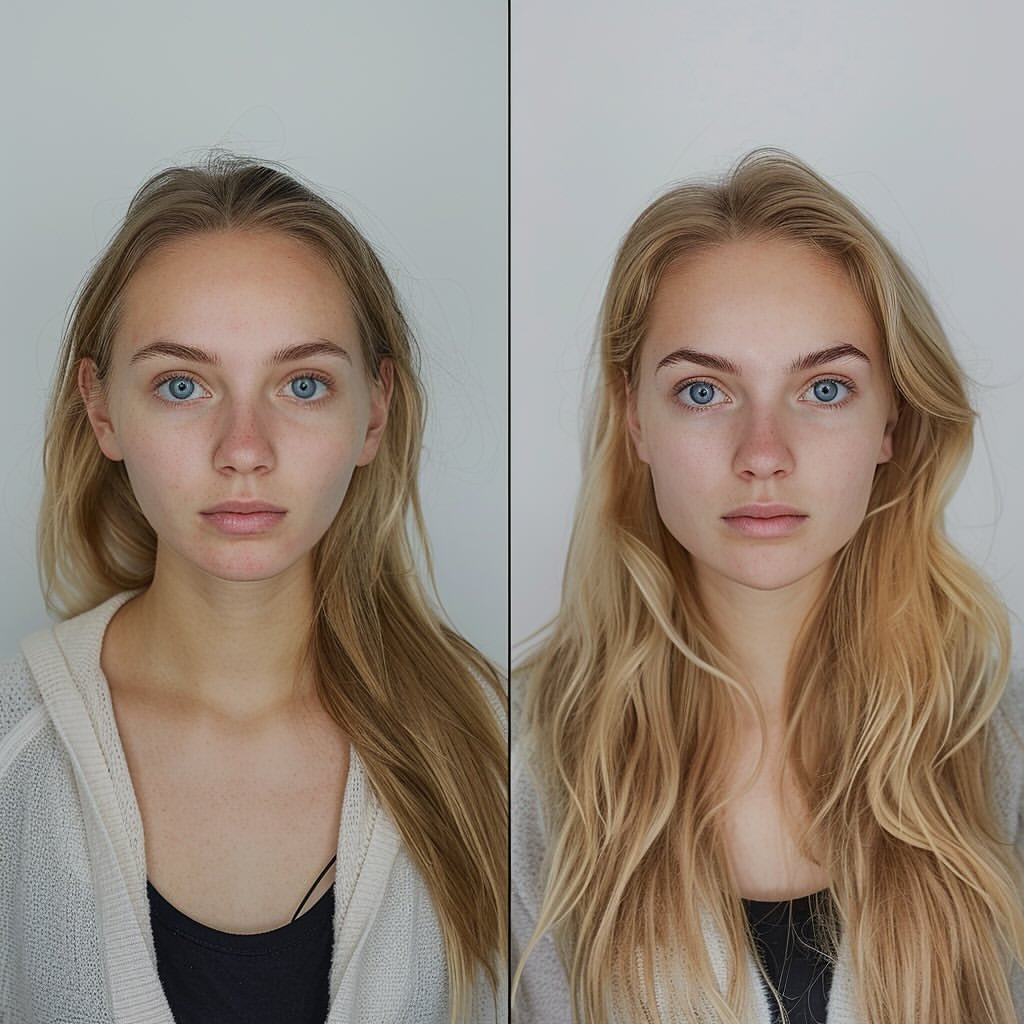
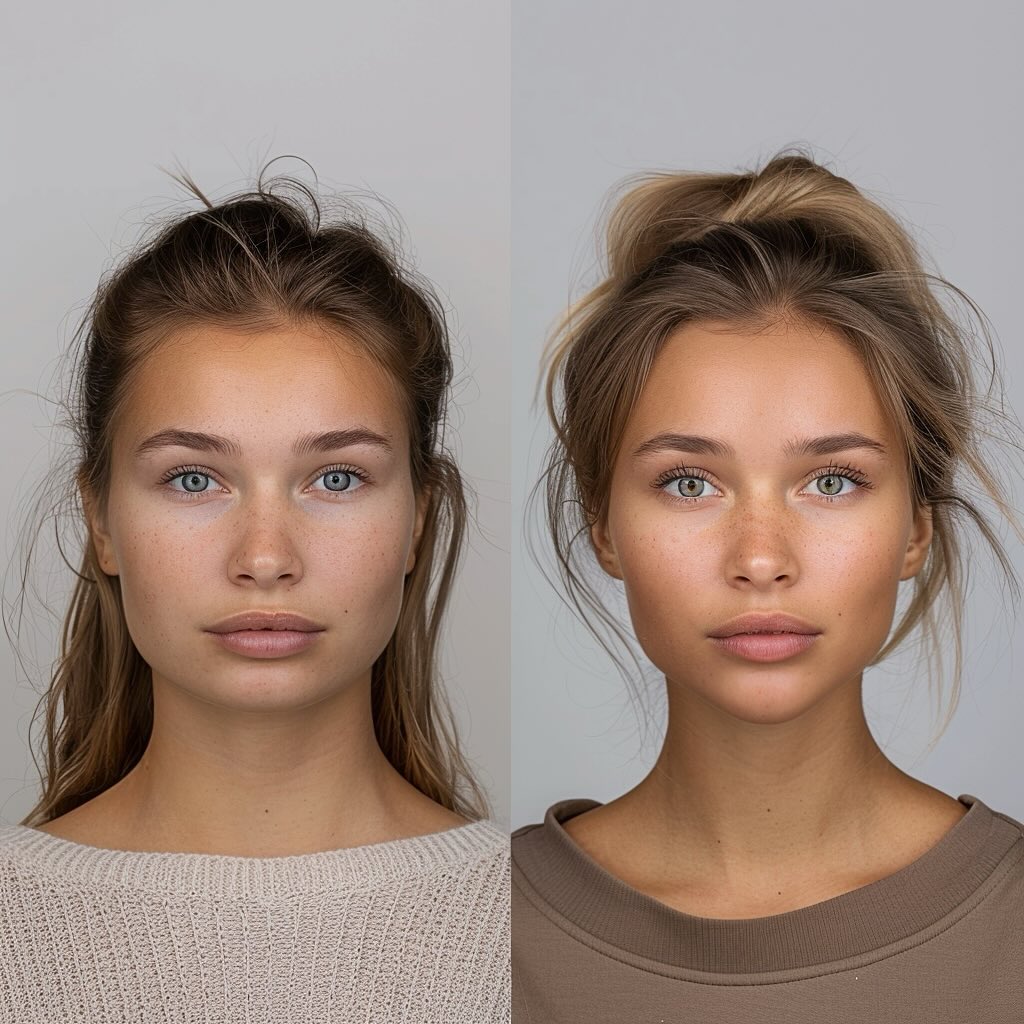
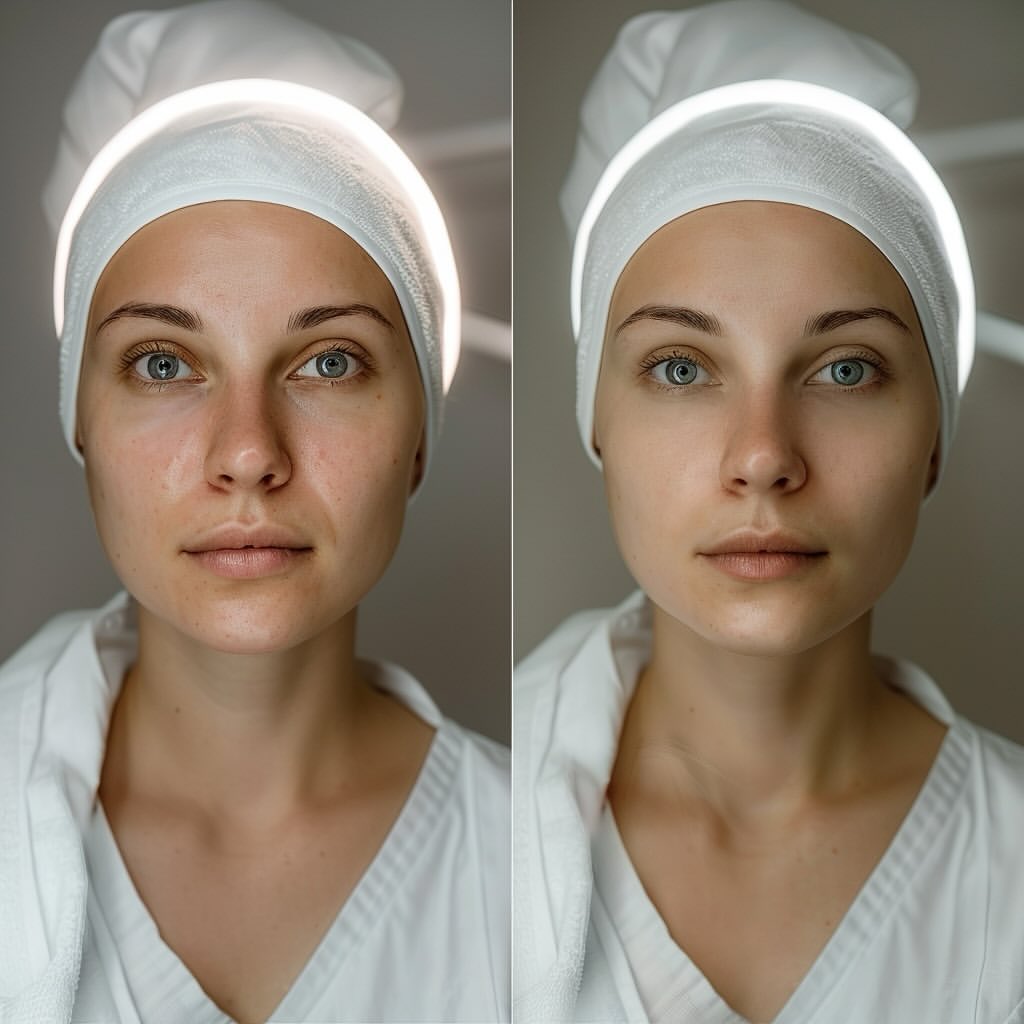
Thousands of satisfied customers

Definition Of Injectable Moisturisers
Injectable moisturisers are classified as bio-remodelling agents — cosmetic injectables that use stabilised hyaluronic acid to attract and retain water deep within the dermis. Because hyaluronic acid is a naturally occurring substance already found in skin, it integrates readily into surrounding tissue, making it one of the most well-tolerated options in aesthetic skincare.
Unlike traditional fillers that are cross-linked to hold their shape in a specific location, many injectable moisturiser formulations are designed to spread evenly across a treatment area. This distinction matters both clinically and for patients researching their options.
How Injectables Differ From Topical Creams
The stratum corneum — the outermost layer of the skin — acts as a physical barrier. Even high-quality topical skincare sits largely on the surface and cannot reliably reach the living cells in the dermis where hydration has the most structural impact. Injectable moisturisers bypass this wall entirely, placing hyaluronic acid directly beneath the skin where it can attract and hold moisture at a cellular level.
This is why some patients notice a visible difference in skin texture and glow that topical products have not achieved, even after consistent use. The depth of delivery changes what is biologically possible.
Skin Boosters Vs Dermal Fillers
The distinction between a skin booster and a dermal filler is one of the most common points of confusion in cosmetic aesthetics. A dermal filler is designed to add volume — lifting cheeks, defining a jawline, or plumping lips. A booster is designed to improve the quality and hydration of skin itself.
Both use hyaluronic acid fillers as their base, but the formulation, viscosity, and injection technique differ significantly. Hyaluronic acid fillers for volumising are typically cross-linked and placed in deeper tissue layers; injectable moisturisers are lighter, more fluid, and injected just underneath the surface of the skin.
Role Of Hyaluronic Acid In Injections
Hyaluronic acid is a humectant, meaning it draws water towards itself — holding up to 1,000 times its weight in water. When injected into the dermis, it not only provides deep hydration immediately but also stimulates fibroblasts, the cells responsible for producing new collagen and elastin. This dual action — hydration plus collagen stimulation — is what separates injectable moisturisers from simple hydration treatments.
Because HA is a naturally occurring substance in the body, allergic reactions are extremely rare. Degradation occurs gradually and naturally over several months.
Types Of Injectable Moisturiser Products
The injectable moisturiser market has expanded considerably, with several distinct products now available across UK skin clinics. The table below compares the most widely used options by mechanism, indication, and typical protocol.
Product | Key Mechanism | Primary Indication | Sessions |
Profhilo | Bio-remodelling, spreads evenly | Overall laxity, thinning skin | 2 sessions, 4 weeks apart |
SkinVive (Juvederm Volite) | Microdroplet HA, contains lidocaine | Cheek smoothness, fine lines | 1–2 sessions |
Sunekos | HA + amino acids | Around the eyes, crepey skin | 4 sessions, weekly |
Nucleofill | Polynucleotide-based | Regenerative, collagen stimulation | 3–4 sessions |
Teoxane Redensity 1 | HA + amino acids + antioxidants | Overall rejuvenation | 3 sessions |
Profhilo For Bio-Remodelling
Profhilo is one of the most recognised injectable moisturiser treatments in the UK and contains one of the highest concentrations of pure hyaluronic acid available — approximately 64mg per 2ml syringe. Unlike traditional dermal fillers, it is not injected to hold a shape; instead, Profhilo spreads evenly beneath the skin using the BAP (Bio Aesthetic Points) technique, typically delivered across just eight injection points per session.
The protocol involves two sessions roughly a month apart. By deeply hydrating the skin and triggering the production of collagen and elastin, a Profhilo treatment can noticeably improve skin firmness and overall texture within four to eight weeks.
SkinVive By Juvederm For Glow
SkinVive, marketed as Juvederm Volite in the UK and Europe, uses a microdroplet injection technique to distribute small amounts of hyaluronic acid evenly across the cheeks. The product also contains lidocaine, which improves comfort during the procedure. It is designed for patients seeking improvement in skin smoothness and fine lines rather than volumisation.
Patients often describe a visible improvement in skin hydration and a more reflective, glowing appearance within two weeks. Results are typically described as long-lasting for up to nine months after a single session in clinical studies.
Other Global Options (Sunekos, Nucleofill, Restylane)
Beyond Profhilo and SkinVive, several injectable moisturiser options are gaining traction in European clinics. Sunekos combines hyaluronic acid with a patented amino acids formula specifically formulated to support the extracellular matrix, making it a popular choice around the eyes and for crepey skin. Nucleofill is a polynucleotide-based injectable — a regenerative option derived from salmon DNA that works primarily through collagen stimulation and tissue repair rather than hydration alone.
Restylane Skinboosters, one of the earlier entries into this category, remains widely available and has a substantial body of clinical evidence behind it. Availability of specific products varies by region and clinic.
Benefits Of Injectable Hydration
Injectable moisturisers address a range of skin concerns that topical skincare often cannot resolve adequately. The following are the most clinically recognised benefits, though individual responses vary depending on skin type, age, and baseline condition.
Common treatment goals include:
- Improving deep hydration in dry or dehydrated skin
- Reducing the appearance of fine lines and wrinkles related to dryness
- Enhancing texture and smoothness
- Restoring a natural, healthy complexion and glow
- Improving firmness and elasticity in areas of mild skin laxity
- Addressing dullness and uneven tone
- Supporting skin health during ageing or following environmental damage
Deep Skin Hydration & Elasticity
Once injected within the skin, hyaluronic acid provides structural support as well as continuous hydration over several months. Unlike a topical moisturiser that evaporates or is washed away, the HA reservoir within the dermis draws in water from surrounding tissue on an ongoing basis. This translates to consistently hydrated skin that feels and looks more supple between sessions.
Clinical studies suggest improvements in skin elasticity are measurable from four weeks after the first session, with peak results typically visible after the second treatment. These outcomes are often described as long-lasting for around six months before a maintenance session may be required.
Reduction Of Fine Lines & Wrinkles
Plumping the dermis with adequate hydration naturally reduces the visibility of fine lines by supporting the tissue from within. However, it is important to understand the clinical distinction: injectable moisturisers are most effective on static fine lines and crepey skin caused by dryness and collagen loss — not on dynamic wrinkles caused by muscle movement (such as forehead lines or crow’s feet), which are more appropriately addressed with neurotoxins.

Patients with visible signs of ageing related to skin dehydration and thinning skin typically see the clearest benefit, particularly in areas such as around the eyes, the neck, and the décolletage.
Improvement Of Skin Texture & Glow
The micro-injuries created by the injection needle trigger the skin’s natural healing response — a process known as neocollagenesis. This stimulation of new collagen and elastin production contributes to improvements in skin texture, pore appearance, and radiance that go beyond what hydration alone would achieve. Many patients describe a “lit-from-within” quality to their skin that develops gradually over two to four weeks.
This mechanism explains why injectable moisturiser treatments go beyond simply adding moisture; they engage the skin’s own repair processes to rejuvenate the skin at a structural level.
Treatment Process & Protocol
Understanding what to expect from injectable moisturisers helps patients approach the process with realistic expectations. The journey typically spans two sessions and several weeks before optimal results are visible.
Initial Consultation & Candidacy
Most patients who benefit from injectable moisturisers fall broadly into these groups:
- Late 20s to 30s: Preventative hydration and early signs of dullness or dehydration
- 40s to 50s: Fine lines, early skin laxity, and visible signs of ageing
- 60s and beyond: Crepey, thinning skin, and significant skin ageing
- Any age: Skin that is consistently dry, stressed, or lacks radiance regardless of skincare routine
Contraindications to discuss with a clinician include active skin infections or acne at the planned injection site, pregnancy and breastfeeding, known hypersensitivity to hyaluronic acid, and certain autoimmune conditions. A thorough consultation with an independent specialist is essential to determine individual suitability.
Injection Technique & Downtime
A topical anaesthetic cream is typically applied 20–30 minutes before the procedure. The injectable moisturiser is then administered using either microdroplet injections (small deposits across a broad area) or the BAP technique (specific anatomical points, as used in Profhilo treatment). Injections are placed at approximately 2mm depth into the dermis, and most patients describe the sensation as mild stinging or pinching.
There is no formal downtime. However, patients should expect the following common, temporary side effects:
- Redness at injection sites usually resolves within a few hours
- Small bumps or wheals beneath the skin, typically flat within 24 hours
- Minor swelling, particularly around the eyes if that area is treated
- A small bruise at one or more injection points
Number Of Sessions For Best Results
The standard initial protocol for most injectable moisturisers involves two sessions spaced four to six weeks apart. This two-session approach is necessary to build an adequate HA reservoir within the skin — the first session initiates the process, while the second consolidates hydration levels and boosts collagen stimulation.

After the initial course, maintenance treatments every three months to every six to twelve months are typically sufficient, depending on the product used, the patient’s metabolism, and their desired outcome.
Safety, Risks & Side Effects
Injectable moisturisers have a well-established safety profile when administered correctly by a qualified practitioner. As with any injectable treatment, however, risks exist and patients should be fully informed before proceeding.
Common Side Effects (Swelling & Bruising)
The most frequently reported side effects are minor and temporary. Swelling at injection sites typically resembles small insect bites and resolves within 24 to 48 hours. Temporary firmness or slight bumpiness beneath the skin surface is due to initial oedema, not the filler itself, and settles as the HA integrates into the surrounding tissue.
Cold compresses applied gently in the hours following treatment can help minimise swelling and discomfort. Avoiding alcohol and blood-thinning supplements for 24 hours before and after the procedure may reduce the risk of bruising.
Rare Complications & Allergies
Granuloma formation — a localised inflammatory response — is a rare but recognised complication associated with injectable treatments. Allergic reactions to hyaluronic acid are extremely uncommon because HA is a naturally occurring substance with non-animal origin in modern formulations, meaning it does not carry the hypersensitivity risks associated with older, animal-derived products.
An important safety net is that hyaluronidase — an enzyme that dissolves HA — can be used by a clinician to reverse the effects of hyaluronic acid injections if complications arise. This reversibility is one of the key safety advantages of HA-based injectable moisturisers over other cosmetic injectables.
Difference Between Qualified & Unqualified Providers
The safety of injectable moisturisers is closely tied to the skill and knowledge of the practitioner administering them. While skin boosters are injected superficially and carry a lower risk of vascular occlusion than deeper dermal filler techniques, the risk is not zero.
Patients are strongly advised to seek treatment from board-certified medical professionals with demonstrable training in facial anatomy and injectable techniques. Platforms such as Science Beauty allow users to explore and compare verified independent specialists and skin clinics in London, helping to make the selection process more informed and transparent.

Conclusion: Final Verdict On Injectable Moisturisers
Injectable moisturisers represent a well-evidenced, minimally invasive option for patients seeking to improve skin quality rather than alter facial structure. Their ability to boost skin hydration, stimulate collagen and elastin, and address fine lines and crepey skin from within the dermis sets them apart from both topical skincare and volumising fillers.
Suitability, product selection, and protocol should always be assessed on an individual basis. Science Beauty helps readers compare independent specialists and verified clinics across London, making it easier to explore which injectable moisturiser option may align with their skin concerns and goals.
Frequently Asked Questions
Do Injectable Moisturisers Hurt?
Most patients rate injectable moisturisers as around 2 to 3 out of 10 on a pain scale. A topical anaesthetic cream is applied beforehand to reduce discomfort, and several products — including Juvederm Volite — contain lidocaine within the formulation itself. Patients typically describe the sensation as mild stinging or pinching rather than sharp pain, and the procedure is generally well tolerated.
What Is The Age Limit For Skin Booster Injections?
There is no upper age limit for injectable moisturisers. Patients in their late 20s may seek treatment preventatively to maintain hydrated skin and delay the visible signs of ageing, while those in their 60s and 70s typically pursue skin boosters to address thinning skin, skin laxity, and dullness. Older patients still see meaningful improvements in skin texture and skin firmness, even if the degree of change differs from younger patients.
When To Get Injectable Moisturisers Before A Wedding Or Event?
For optimal results ahead of a significant event, it is generally recommended to begin the two-session protocol approximately three months before the date. The second session should ideally fall around four weeks prior to the event, allowing sufficient time for any residual swelling to fully subside and for the skin-remodelling effects to reach their peak. Beginning treatment too close to the event risks visible redness or bruising on the day.
Which Is Better – Injectable Moisturisers Or Botox?
Injectable moisturisers and Botox address fundamentally different concerns and are not competitors. Botox works by relaxing the muscles responsible for dynamic wrinkles — expression lines such as frown lines and crow’s feet. Injectable moisturisers improve skin hydration, texture, and crepey skin that exists independently of muscle movement. Many patients and clinicians consider them complementary treatments, and they are frequently used together as part of a broader cosmetic skincare plan.