
Can Microneedling Help Stretch Marks? Benefits, Results, and What to Expect
Microneedling is one of the most commonly explored treatments for improving the appearance of stretch marks, and for good reason. Clinical evidence suggests it can reduce their visibility by stimulating the skin’s own repair mechanisms. However, results vary depending on stretch mark age, colour, depth, skin type, and treatment consistency — so understanding realistic expectations is essential before committing to a treatment plan.

Thousands of satisfied customers
Microneedling for Stretch Marks: How It Works
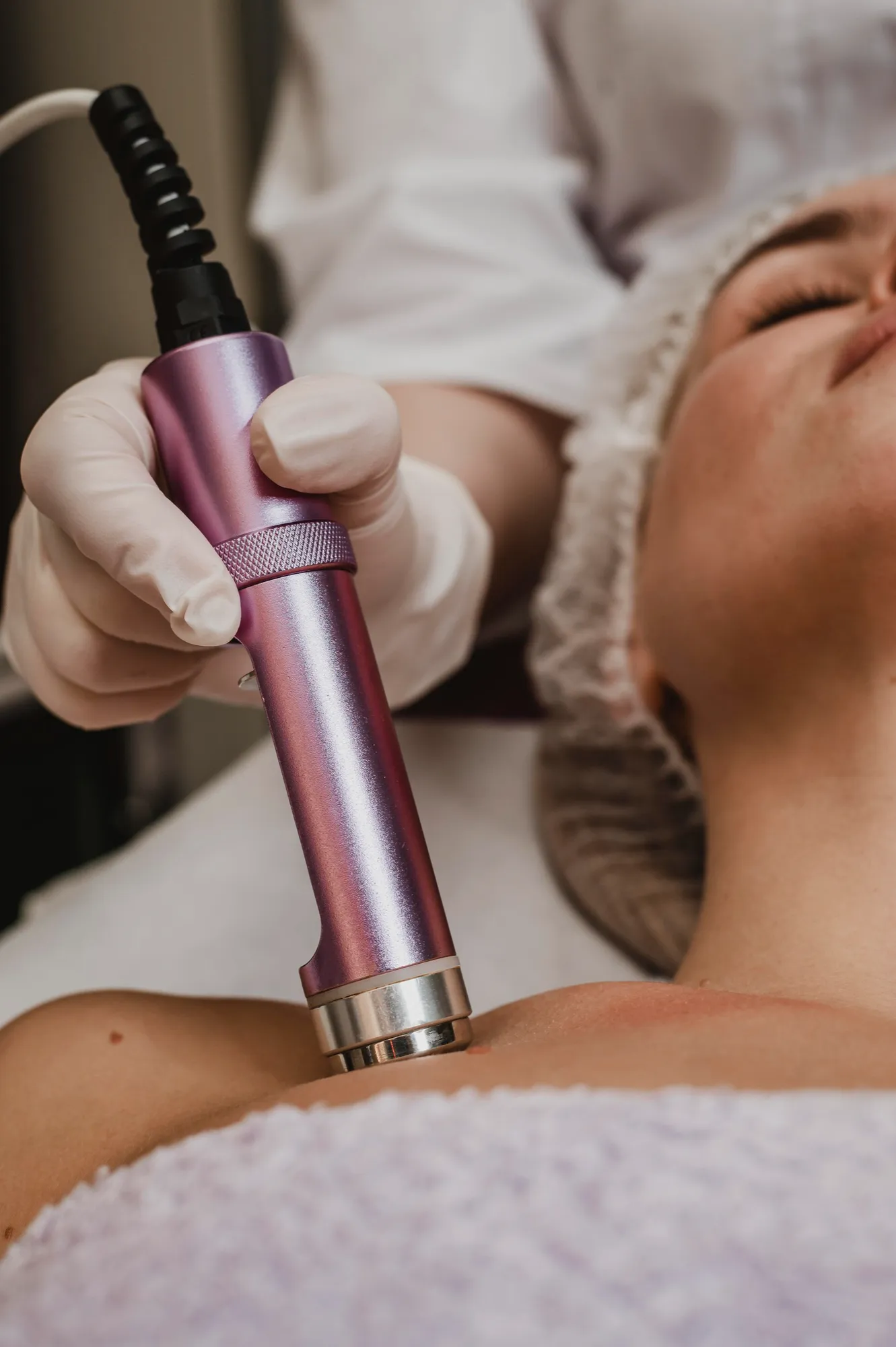
Microneedling — also referred to as collagen induction therapy — uses a device fitted with tiny needles to create controlled micro-injuries across the skin’s surface. These micro-channels trigger the body’s natural healing response, encouraging increased production of collagen and elastin in the deeper layers of the skin. When applied to stretch marks, this process can gradually remodel the damaged tissue beneath.
The treatment is typically performed by a trained aesthetic specialist using a professional microneedling device. Sessions are usually spaced several weeks apart to allow full skin recovery between treatments and to build on cumulative collagen remodelling effects. Most protocols recommend 3 to 6 sessions for visible improvement.
Collagen and Elastin Production After Microneedling
When a microneedling device penetrates the skin, it initiates a controlled wound-healing cascade. As the skin heals, it produces new collagen and elastin fibres — the structural proteins that give skin its firmness and elasticity. This biological process is what makes microneedling a clinically relevant approach for stretch mark reduction.
Over successive sessions, this stimulation of new collagen can cumulatively improve the texture and density of the treated area. Collagen and elastin deposited through this healing process gradually replace some of the weakened connective tissue that gives stretch marks their characteristic appearance.
Effects on Stretch Mark Texture and Appearance
One of the primary ways microneedling improves stretch marks is by smoothing the uneven skin surface. The indented, grooved texture that often characterises established stretch marks can become less pronounced as the deeper layers of the skin are stimulated and remodelled over time.
Microneedling can also improve overall skin texture and tone in the treated area, making stretch marks less visually distinct against surrounding skin. While complete elimination is unlikely, reduction in depth, width, and colour contrast is commonly reported following a full course of microneedling sessions.
Why Stretch Marks Respond to Collagen Induction Therapy
Stretch marks are a type of dermal scarring that occurs when the skin stretches rapidly beyond its elastic capacity, causing tears in the dermis. Like other scars, they involve disrupted collagen architecture — which is precisely why collagen induction therapy may help address them.
By encouraging the production of collagen in the layers of skin most affected by stretch marks, microneedling targets the underlying structural deficit rather than only the surface. This distinguishes it from purely topical approaches and explains why it is more frequently discussed in clinical contexts as an effective treatment option.
Can Microneedling Remove Stretch Marks Completely?
A common question among those exploring stretch mark removal is whether microneedling can get rid of them entirely. The honest answer is that complete removal is unlikely, but meaningful improvement — particularly in texture, depth, and colouration — is achievable for many people with consistent treatment.
Managing expectations from the outset is important. Practitioners will generally advise that the goal of stretch marks with microneedling is visible improvement rather than complete eradication, and that individual responses vary based on multiple clinical factors.
Improvement vs Complete Removal
Stretch marks rarely disappear entirely with any non-surgical intervention. What microneedling can realistically achieve is helping them fade — reducing their depth, softening their edges, and improving the overall appearance of the treated area. Many clients feel self-conscious about stretch marks and find even moderate improvement significantly beneficial.
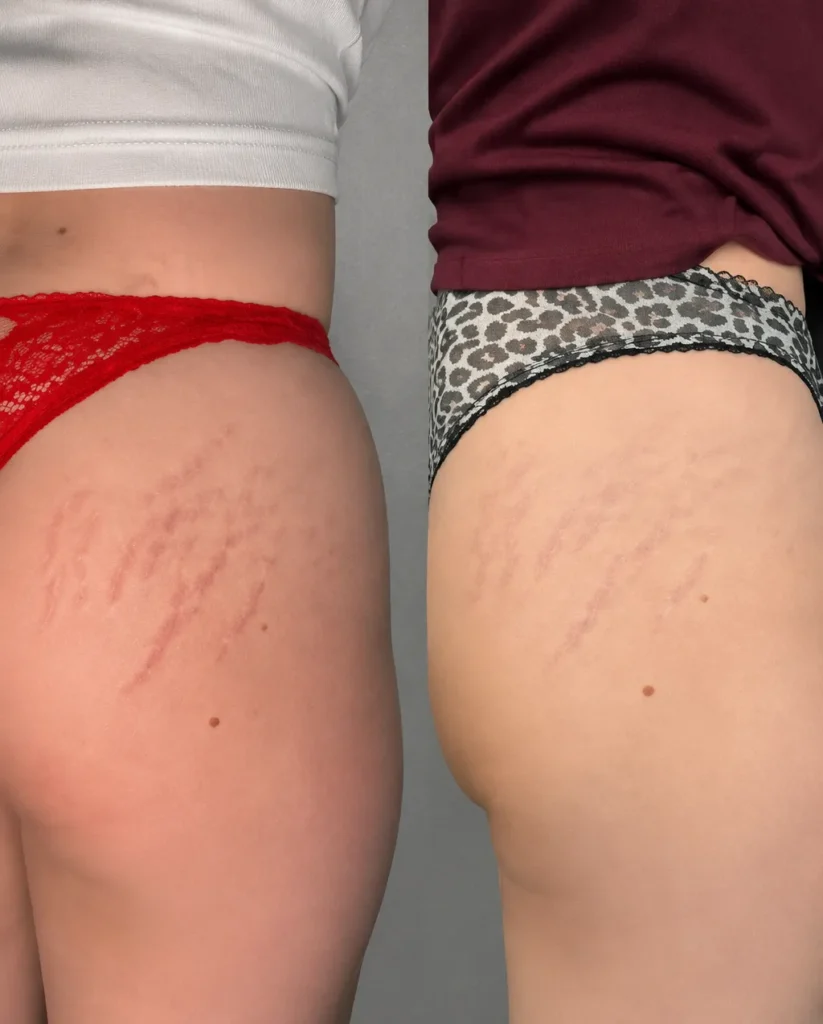
Clinical studies suggest that most patients experience noticeable improvement in the appearance of stretch marks after a full course of treatment, with some reporting up to 50–75% reduction in visibility. These outcomes are not universal and depend heavily on individual skin characteristics and treatment protocols.
Typical Results After Multiple Sessions
Microneedling works cumulatively. A single session is unlikely to produce dramatic results; instead, improvements build across 3 to 6 sessions, each spaced several weeks apart. Most patients begin to notice changes after the second or third treatment, with optimal outcomes typically visible some weeks after the final session once collagen remodelling has had time to consolidate.
Factors That Influence Success
Several variables affect how well a patient responds to microneedling:
- Age of stretch marks — newer, red marks tend to respond more readily than older, white ones
- Skin tone and type — darker skin tones may require adjusted needle depth to avoid post-inflammatory hyperpigmentation
- Severity of the stretch marks — deeper, more established marks require more sessions
- Treatment depth — appropriate needle depth is critical for reaching the dermis effectively
- Individual healing response — some people produce collagen more efficiently than others
- Provider experience — correct technique and device calibration significantly affect outcomes
Best Types of Stretch Marks for Microneedling
Red Stretch Marks (Striae Rubrae)
Red or purple stretch marks are newer and still in an active inflammatory phase. Because the tissue is still undergoing change, it tends to be more receptive to treatment. Early intervention with microneedling during this stage is generally considered to yield the most visible improvements, as the healing process is already active and can be directed more effectively.
White Stretch Marks (Striae Albae)
Older, white stretch marks represent mature, stable scar tissue with reduced blood supply. These are more challenging to treat with microneedling, though improvement is still possible. Patients with striae albae should expect more modest results and may require additional sessions or combination approaches to achieve a comparable level of improvement.
Stretch Marks From Pregnancy, Weight Changes, and Growth Spurts
Microneedling is generally assessed based on the characteristics of the stretch marks themselves — their colour, depth, and skin condition — rather than their cause. Whether they form from pregnancy, rapid weight gain, or adolescent growth spurts, the same clinical principles apply when determining suitability for treatment. A specialist’s assessment remains essential for all cases.
Areas of Body Commonly Treated With Microneedling
Abdomen and Stomach Stretch Marks
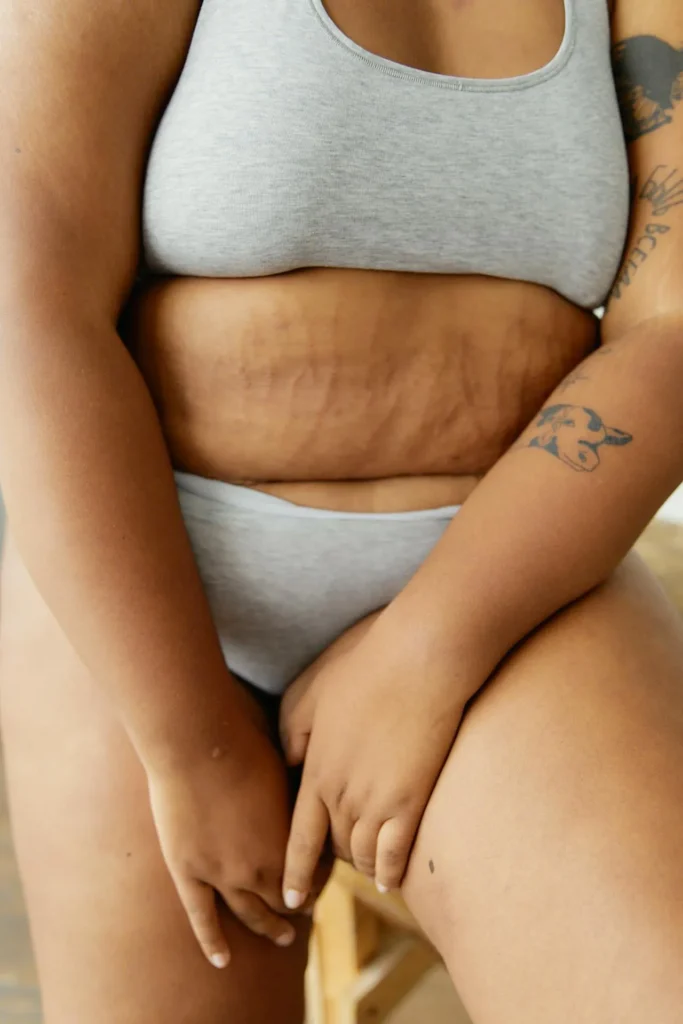
The abdomen is one of the most frequently treated areas, particularly for postpartum stretch marks. Skin here is often looser after pregnancy or weight change, and the stretch marks can vary considerably in severity. Results in this area are well-documented, though deeper or more extensive marks may require a longer treatment plan.
Thighs and Hips
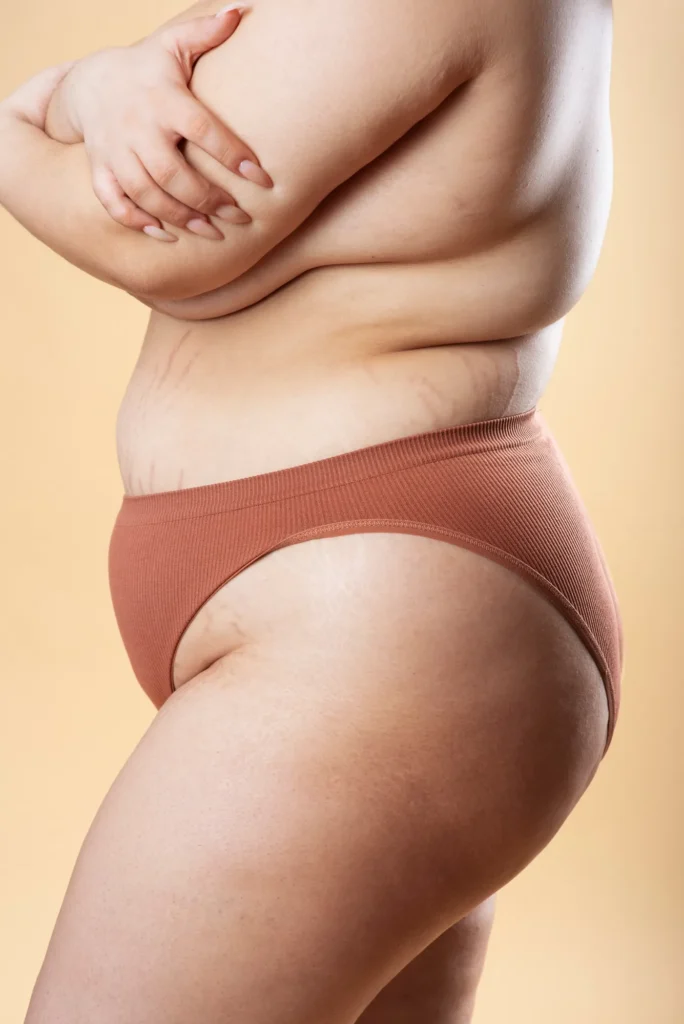
The thighs and hips are also common treatment sites. Skin thickness in these areas tends to be greater than on the abdomen, which may influence needle depth selection. Larger treatment surfaces in this region can also mean longer session times, and a consistent course of treatment is particularly important for achieving even results across the area.
Breasts, Arms, and Buttocks
Microneedling may be adapted for use on the breasts, upper arms, and buttocks, where stretch marks often appear during periods of rapid growth or weight fluctuation. These areas may present unique considerations — including skin sensitivity and curvature — that a qualified specialist should assess on an individual basis before proceeding.
Microneedling vs Other Stretch Mark Treatments
Treatment | Mechanism | Recovery | Skin Tone Suitability |
Microneedling | Collagen induction via micro-injuries | 1–3 days | Generally suitable for all skin tones |
Laser treatments | Targeted light energy, tissue ablation | 3–7+ days | Better suited to lighter skin tones |
Chemical peels | Exfoliation of top layer of the skin | 3–7 days | Varies by peel depth and skin type |
Topical creams | Surface-level hydration and barrier support | None | Suitable for all, limited efficacy |
Microneedling vs Laser Treatments
Laser treatments can be highly effective for stretch mark reduction but typically carry a longer recovery time and higher cost per session. Crucially, certain laser types carry a greater risk of pigmentation changes in deeper skin tones — making microneedling a frequently preferred option across diverse skin tones and skin types. Both approaches may be used in combination by specialist clinics.
Microneedling vs Chemical Peels
Chemical peels work primarily on the top layer of the skin and are better suited to surface-level concerns. Because stretch marks involve disruption in the deeper layers, chemical peels are generally considered less effective as a standalone treatment. They may have a role in combination protocols, but they do not address the structural collagen deficit in the way microneedling does.
Microneedling vs Topical Creams and Home Remedies
Topical creams — including retinoids, vitamin C serums, and dedicated skincare — can support overall skin health and may contribute modestly to how stretch marks fade over time. However, clinical evidence for their ability to significantly reduce the appearance of stretch marks is limited compared with professional procedures. They are unlikely to produce the same degree of structural remodelling.
Side Effects, Recovery, and Safety
Common Side Effects After Treatment
Microneedling is a safe procedure when performed by a trained professional, but temporary side effects are common and expected. These typically include:
- Redness and mild inflammation lasting 24–48 hours
- Skin sensitivity or tightness immediately after treatment
- Minor swelling, particularly in thinner-skinned areas
- Dryness or flaking during the initial healing process
- Very occasionally, pinpoint bruising at treatment sites
Recovery Timeline and Aftercare Tips
Recovery after microneedling for stretch marks is generally straightforward. Most people return to daily activities within one to two days. Key aftercare guidance from treating specialists typically includes:
- Avoiding direct sun exposure and wearing SPF 30+ daily
- Using gentle, fragrance-free products during the healing process
- Avoiding abrasive skincare, retinoids, or active acids for at least one week
- Refraining from swimming, saunas, and intense exercise for 48–72 hours
- Keeping the treated area moisturised but not over-cleansed
Who Should Avoid Microneedling
Microneedling is not appropriate for everyone. Contraindications that a qualified practitioner will assess include:
- Active skin infections, open wounds, or inflammatory conditions in the treatment area
- A history of keloid scarring, which may be aggravated by micro-injuries
- Certain autoimmune or blood-clotting disorders
- Use of blood-thinning medications or recent use of isotretinoin (Roaccutane)
- Pregnancy, particularly for abdominal treatments
- Active eczema, psoriasis, or rosacea in the treatment zone

Final Verdict: Is Microneedling Worth It for Stretch Marks?
Microneedling is a well-established, evidence-supported treatment for improving the appearance of stretch marks across a range of skin concerns. It is particularly well suited to individuals with newer, red stretch marks, though meaningful improvement is also achievable for older, white marks with a consistent treatment plan. The procedure is generally tolerated across diverse skin types and tones, making it a broadly accessible option.
Ideal candidates are those with realistic expectations, a willingness to commit to multiple sessions, and no significant contraindications. Microneedling can reduce stretch marks noticeably and improve skin texture and tone in the treated area — but complete removal is unlikely with any non-surgical approach.
In summary, microneedling can significantly improve stretch marks for many people, but it is best approached as a course of treatment rather than a one-session solution.
Frequently Asked Questions
Does Microneedling Hurt for Stretch Marks?
Most people find microneedling tolerable rather than painful, particularly when a topical numbing cream is applied beforehand, as is standard practice for most practitioners. Discomfort levels vary depending on needle depth, the area being treated, and individual sensitivity. Body areas treated with microneedling may feel slightly more tender than facial skin due to differences in skin thickness and nerve density.
How Much Does Microneedling for Stretch Marks Cost?
Pricing for microneedling sessions in London depends on several factors, including the size of the treatment area, the number of sessions included in the package, the type of device used (standard vs RF microneedling), and the experience level of the specialist. Larger body areas such as the abdomen or thighs typically cost more than smaller zones. Comparing clinics through a verified booking platform can help identify options suited to your budget.
Can You Do Microneedling at Home for Stretch Marks?
Home devices — often marketed as derma roller options — are widely available, but they differ significantly from professional-grade equipment in terms of needle depth, sterility, and precision. At-home derma roller use carries risks including infection, skin damage, and ineffective results if used incorrectly. For treating stretch marks specifically, professional microneedling is generally recommended, as sufficient needle depth is required to reach the dermal layer where structural changes need to occur.
Are Results Permanent?
Results from a full course of microneedling are considered long-lasting rather than permanent. The new collagen produced during treatment is stable, and improvements to stretch mark texture and tone can persist for years. However, factors such as continued weight fluctuation, pregnancy, ageing, and overall skin health may influence how the treated area looks over time. Maintenance sessions are sometimes recommended to sustain results.