
How Often Should You Get Microneedling? Complete Treatment Schedule Guide
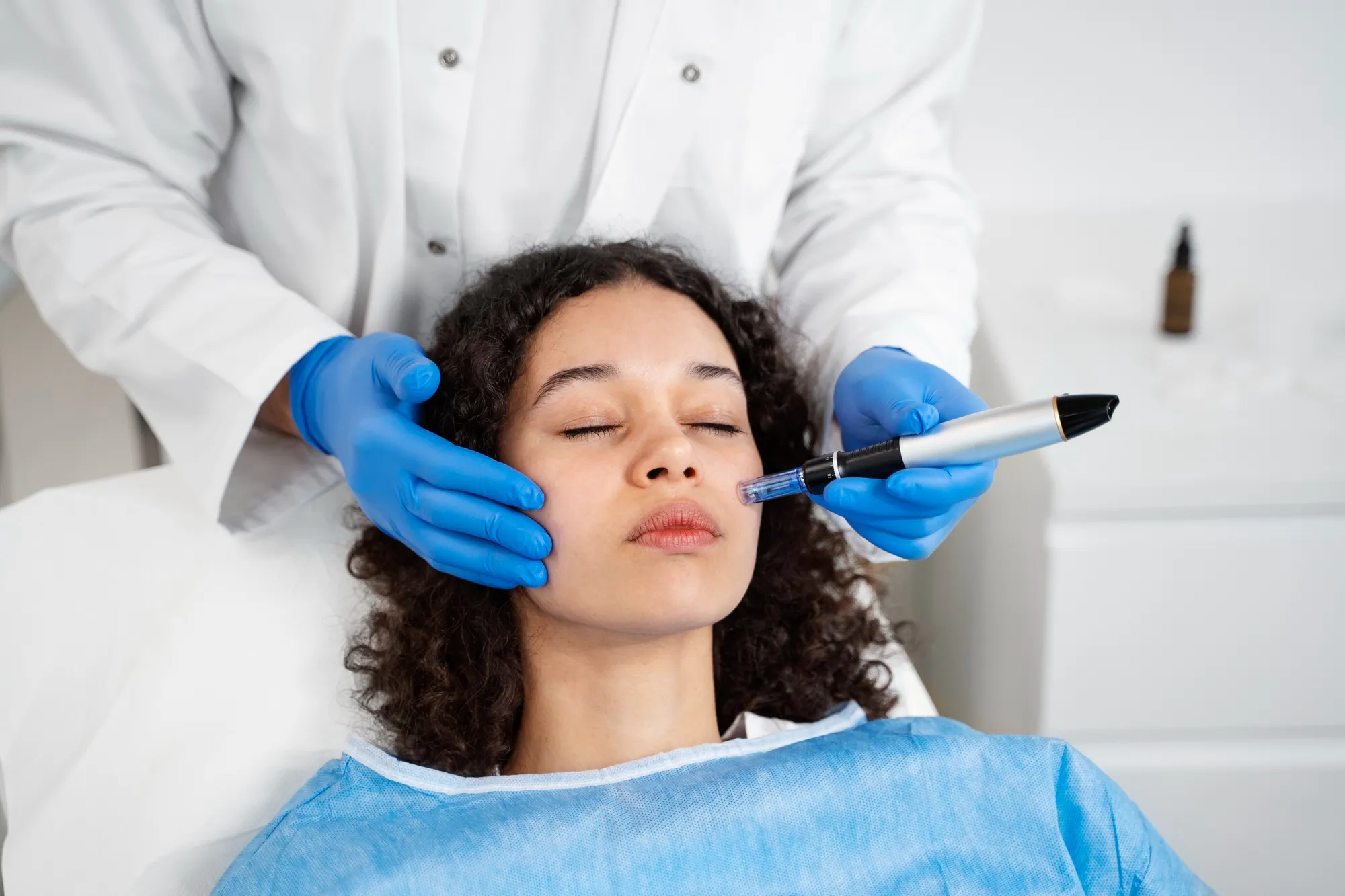
Understanding how often you should get microneedling is one of the most common questions asked by those exploring the treatment for the first time. The ideal microneedling frequency depends on several interconnected factors: skin concerns, treatment depth, age, skin condition, and professional recommendations. This guide outlines recommended schedules across different goals to help you navigate your options with clarity.


Thousands of satisfied customers
Recommended Microneedling Frequency for Different Skin Goals
There is no single answer to how often you should get microneedling — treatment frequency varies considerably according to what you are hoping to achieve. Whether your goals involve reducing fine lines, addressing acne scars, or improving overall skin texture, timing your sessions correctly is what allows the body’s natural healing response to work effectively.
How Often Should You Get Microneedling for Anti-Ageing Results?
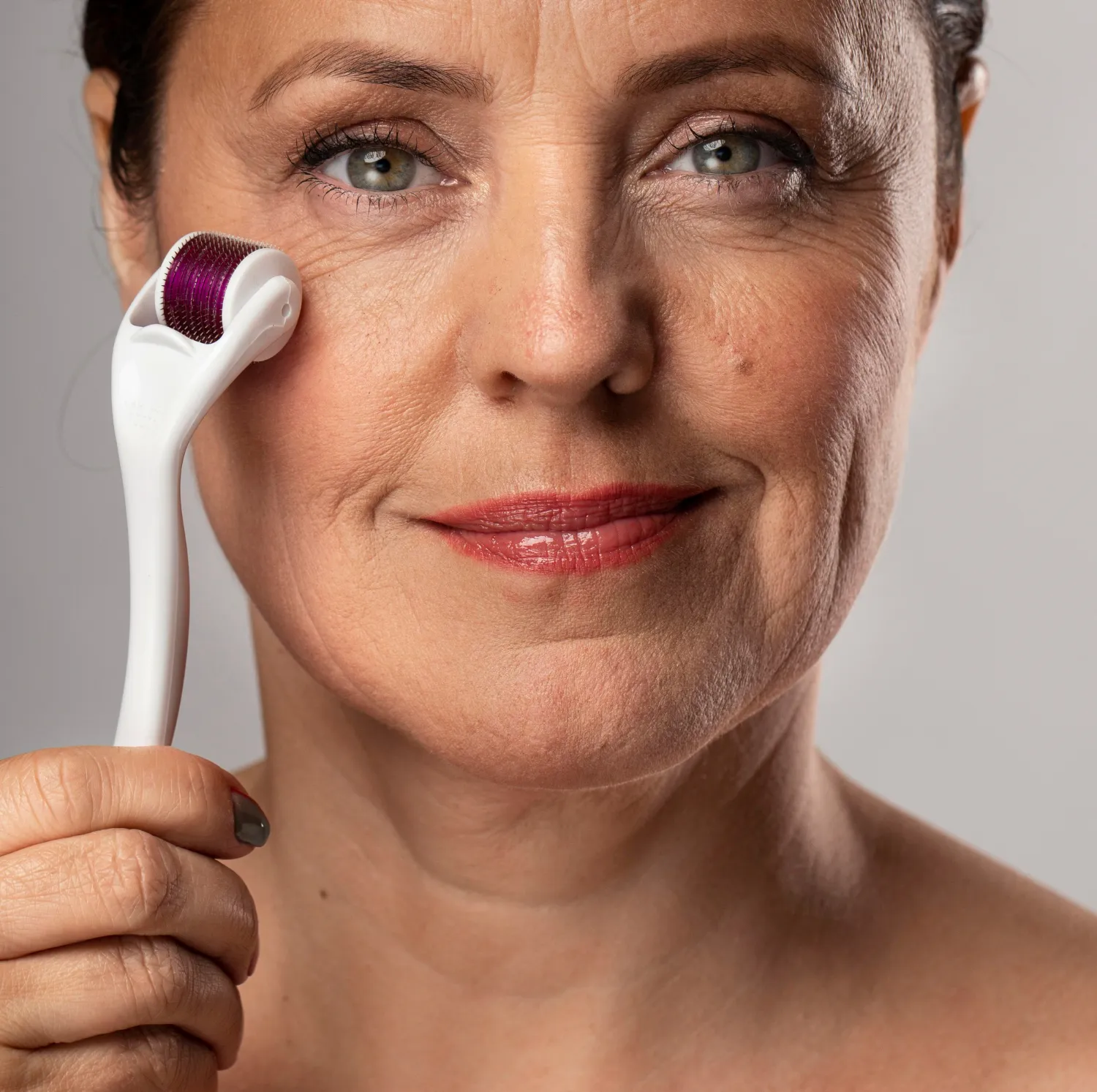
For reducing fine lines, deep wrinkles, and skin laxity, most practitioners recommend spacing microneedling sessions every 4–6 weeks during an initial treatment course. This interval allows collagen and elastin production to progress between appointments without disrupting the healing process.
A typical anti-ageing treatment plan often involves 3 to 4 sessions, after which a maintenance schedule of every 3 to 6 months is usually sufficient. Collagen remodelling continues for weeks after each session, so patience is part of the process — allowing your skin the time it needs to respond fully.
How Often Should You Get Microneedling for Acne Scars?
Acne scarring — particularly deeper, pitted scars — generally requires more sessions than general rejuvenation. Clinical practice commonly suggests 4–6 sessions spaced every 4 to 6 weeks apart as a foundation course for acne scar treatment.
Because deeper treatments used for acne scarring create more significant micro-injuries within the skin, recovery time between appointments is equally important. Attempting to compress the treatment timeline too aggressively can interfere with the healing process and reduce the appearance of scars more slowly rather than faster.
How Often Should You Get Microneedling for Hyperpigmentation and Uneven Skin Tone?
For pigmentation concerns such as sun damage, melasma, or post-inflammatory pigmentation, microneedling sessions are typically recommended every 4–6 weeks. Gradual improvement across multiple sessions is normal, and practitioners often advise incorporating a vitamin C serum into your skincare routine to support results between appointments.
Those with darker skin tones should seek specialist advice before proceeding, as certain forms of pigmentation may respond differently to treatment. A qualified clinician can assess whether microneedling is appropriate and suggest the most suitable approach to minimise the risk of post-treatment discolouration.
How Often Should You Get Microneedling for Large Pores?
Skin texture and enlarged pores tend to respond well to microneedling, often with visible improvement appearing after just 2 to 3 sessions. The recommended frequency is typically every 4–6 weeks during an initial course of 3 sessions, followed by maintenance treatments every 3 to 4 months.
Once the initial results are established, maintenance sessions every few months are usually sufficient to preserve texture and tone improvements. Consistent aftercare and a supportive skincare routine play an important role in extending results between professional microneedling sessions.
Factors That Determine Microneedling Treatment Intervals
No universal schedule applies to every individual when it comes to microneedling frequency. Treatment intervals depend on a range of personal and clinical variables that a qualified practitioner will assess before recommending an ideal microneedling schedule.
The key factors that influence how often you should get microneedling include:
- Needle depth used during treatment — deeper treatments require longer recovery intervals
- Individual skin type and sensitivity — reactive or sensitive skin may need more time between sessions
- Age and baseline collagen levels — these influence how quickly the skin regenerates
- Severity of the presenting concern — deeper scars or pronounced wrinkles often require more sessions
- Whether add-ons such as PRP are included, combination treatments may affect scheduling
- Overall health and any existing skin barrier damage
Microneedling Depth and Needle Length
The depth at which tiny needles penetrate the skin has a direct effect on recovery time and treatment spacing. Superficial treatments using shorter needles — commonly used for general texture refinement — typically allow for sessions every 4 weeks. Deeper treatments require longer intervals, often 6 or more weeks, to allow full tissue recovery.
Deeper treatments create more significant micro-injuries and stimulate a more pronounced collagen and elastin production response. Scheduling sessions too close together at greater depths may compromise the skin’s ability to recover properly, which can reduce the overall benefits.

Age and Natural Collagen Production
As the body’s natural collagen production slows with age, the skin may take longer to respond to each microneedling session. Younger patients often experience faster visible improvements, while more mature skin may benefit from slightly longer recovery intervals between appointments.
This does not mean that microneedling is less effective for older skin — rather, the treatment plan may be adjusted to align with a slower but still meaningful collagen response. A practitioner experienced in aesthetic medicine can tailor the frequency accordingly.
Skin Type and Sensitivity
Sensitive skin types or those prone to redness, reactive conditions, or a compromised barrier may need longer gaps between microneedling sessions than less reactive types. Signs that skin is not ready for another session include:
- Persistent redness or warmth at the treatment site
- Ongoing dryness or flaking beyond the expected recovery window
- Increased sensitivity to products that were previously well-tolerated
- Visible irritation or unresolved swelling
Severity of Skin Concerns
Mild skin texture issues or early fine lines and wrinkles may respond to a shorter course of fewer sessions. In contrast, deep acne scars, significant wrinkles, or stretch marks typically require a longer series of deeper treatments with appropriate recovery time built in. The number of sessions you need is directly related to the complexity and depth of the concern being addressed.
Typical Microneedling Treatment Timeline
A realistic overview of the microneedling journey helps set appropriate expectations. Most practitioners outline a phased approach: an initial treatment series, a period of collagen remodelling, and a long-term maintenance schedule.
Phase | Typical Timeline | Key Focus |
Initial treatment course | Sessions every 4–6 weeks | Stimulate collagen, address core concerns |
Active remodelling period | 1–3 months post-course | Collagen and elastin remodelling continues |
Maintenance phase | Every 3–6 months | Preserve and extend results |
First 3 to 6 Microneedling Sessions
During the initial course, most specialists recommend treatments every 4 to 6 weeks, with 3 to 6 sessions forming the foundation, depending on the skin concern. Many clients notice incremental improvements after each session rather than dramatic changes from a single appointment.
Early sessions often focus on stimulating the body’s natural healing response and beginning the process of collagen remodelling. The skin may appear mildly flushed or feel tighter for a day or two following each session, which is considered a normal part of the treatment response.
When Visible Results Usually Appear
Some surface-level improvements — such as a subtle improvement in texture and tone or reduced appearance of fine lines — may be visible within a week of the initial treatment. However, the more significant effects of microneedling, including deeper collagen remodelling and scar reduction, typically become more apparent 4 to 8 weeks after a session as cell turnover and collagen production progress.

Optimal results from a full treatment course are generally visible 2 to 3 months after the final session in the initial series. It is worth bearing this in mind when planning a microneedling appointment ahead of any significant events.
Maintenance Schedule After Initial Series
Once the initial treatment course is complete, most practitioners recommend maintenance sessions every 3 to 6 months to preserve and extend results. The exact maintenance frequency depends on your skin needs, the concerns originally treated, and how your skin responds over time.
Some individuals find that treatments every 6 months are sufficient to maintain results, while others with more complex concerns or faster skin turnover may benefit from sessions every 3 to 4 months. A practitioner can help you determine the appropriate maintenance schedule based on your goals.
Signs You Should Wait Longer Between Microneedling Sessions
Increasing microneedling frequency beyond what your skin can handle does not accelerate results — it can compromise the healing process and reduce the overall effectiveness of the treatment plan.
Persistent Redness and Irritation
If redness, warmth, or irritation from a previous session has not fully resolved, the skin is still in an active recovery phase and is not ready for another treatment. Proceeding too soon can extend rather than shorten recovery and may interfere with collagen remodelling.
Practitioners typically assess the skin’s condition at the start of each microneedling appointment. If visible signs of incomplete healing are present, a responsible clinician will recommend delaying the next session rather than proceeding on a fixed schedule, regardless of skin condition.
Excessive Dryness or Skin Barrier Damage
Microneedling can temporarily compromise the skin barrier, leading to increased dryness, sensitivity, or reactions to skincare products. If these effects persist beyond the expected recovery period, it may indicate that the skin requires additional time before the next treatment.
Signs of a compromised barrier to monitor between sessions include:
- Increased tightness or rough texture that is not improving
- Unusual sensitivity to your regular skincare routine
- Heightened reactivity to environmental factors such as wind or temperature
- Prolonged peeling or flaking beyond the first few days post-treatment

Professional Assessment Before Additional Sessions
Before scheduling additional sessions — particularly if you are experiencing unexpected or prolonged side effects — seeking a professional assessment is strongly recommended. A qualified clinician can evaluate whether the skin has recovered sufficiently and advise on whether to adjust treatment frequency, needle depth, or aftercare.
Science Beauty helps users explore and compare verified independent specialists and clinics in London who can provide personalised assessments before continuing any microneedling treatment course.
Final Thoughts on How Often Should You Get Microneedling
Microneedling frequency is not a one-size-fits-all consideration. The right schedule depends on your skin concern, skin type, age, and the depth of treatment used. For most people, sessions every 4–6 weeks during an initial course of 3 to 6 appointments — followed by maintenance every 3 to 6 months —form a sensible foundation.
Allowing the body’s natural healing process to work fully between sessions is what makes microneedling effective. Attempting to accelerate results by reducing intervals too aggressively tends to work against the treatment rather than enhancing it. Consulting a qualified specialist who can assess your individual skin needs remains the most reliable way to plan an effective and safe microneedling journey.
Frequently Asked Questions
Can You Get Microneedling Every Month?
Monthly microneedling may be appropriate for superficial treatments using shorter needles on generally healthy, resilient skin — particularly where only mild texture refinement is the goal. However, for deeper treatments or sensitive skin types, monthly sessions may not allow sufficient recovery time. A practitioner should always assess individual skin readiness before scheduling sessions every 4 weeks.
Can Microneedling Be Done Too Often?
Yes — microneedling can be done too often, and over-treatment is a genuine concern. Scheduling sessions before the skin has fully recovered can damage the skin barrier, prolong redness and irritation, and disrupt the collagen and elastin production process that makes microneedling effective. Spacing sessions correctly is as important as the treatment itself.
How Many Microneedling Sessions Are Needed for Best Results?
The number of sessions needed for the best results varies according to the skin concern being treated. General skin texture and fine lines may respond well in 3 to 4 sessions, while acne scarring or deep wrinkles often require 4–6 sessions or more. A practitioner will typically recommend an initial course and review progress before advising on further treatments.
How Often Should Maintenance Microneedling Be Performed?
After completing an initial treatment series, maintenance microneedling is typically recommended every 3 to 6 months. Factors such as skin type, the nature of the original concern, and individual response to treatment all influence how often maintenance sessions are needed. Some individuals find that twice-yearly appointments are sufficient to preserve results long-term.