
Why Should I Avoid Caffeine Before a Lip Filler Appointment? Risks & Recovery
Preparing properly for lip filler injections is an important part of achieving a smooth procedure and a comfortable recovery. Caffeine is one of the most commonly discussed pre-treatment concerns, as it may affect blood vessels, fluid balance, and overall sensitivity during the appointment.
Following pre-treatment guidance from your injector — including advice on caffeine — can help support better filler results and reduce the likelihood of unnecessary side effects.

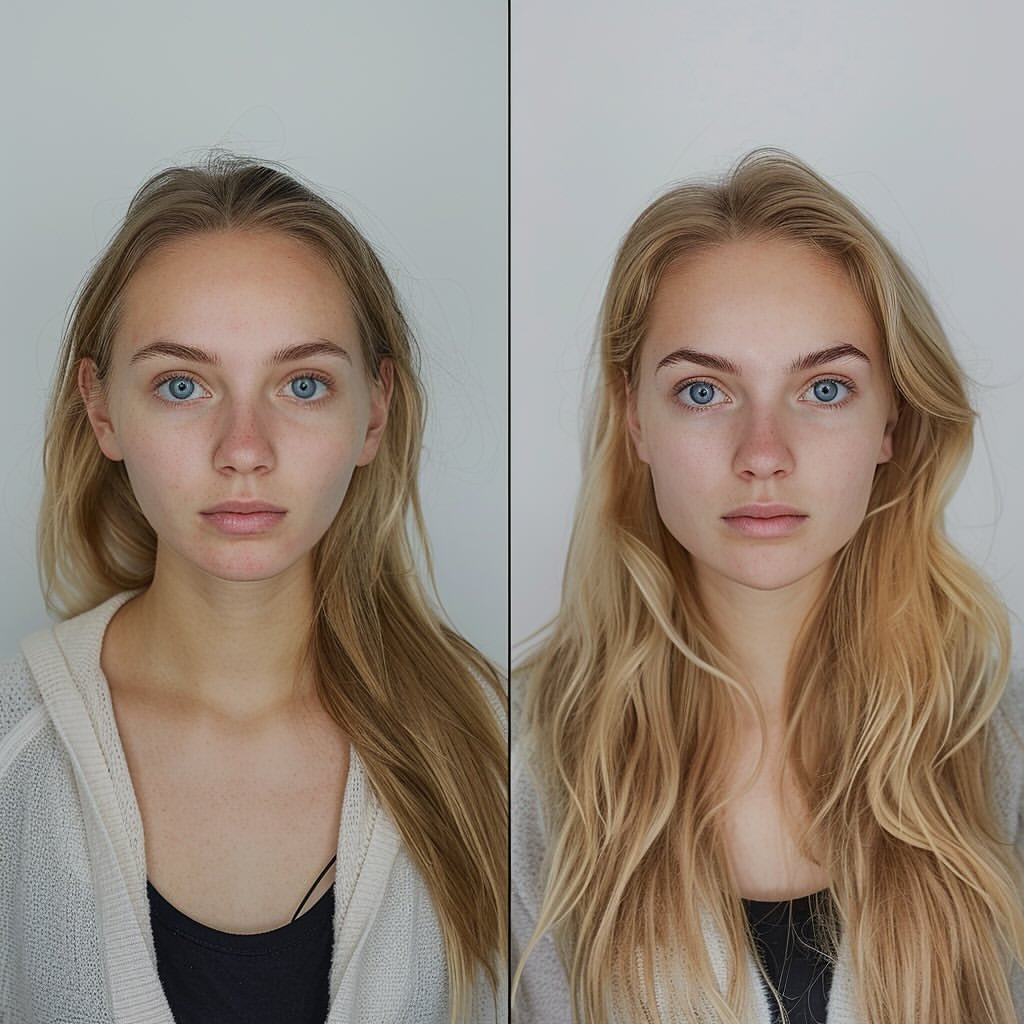
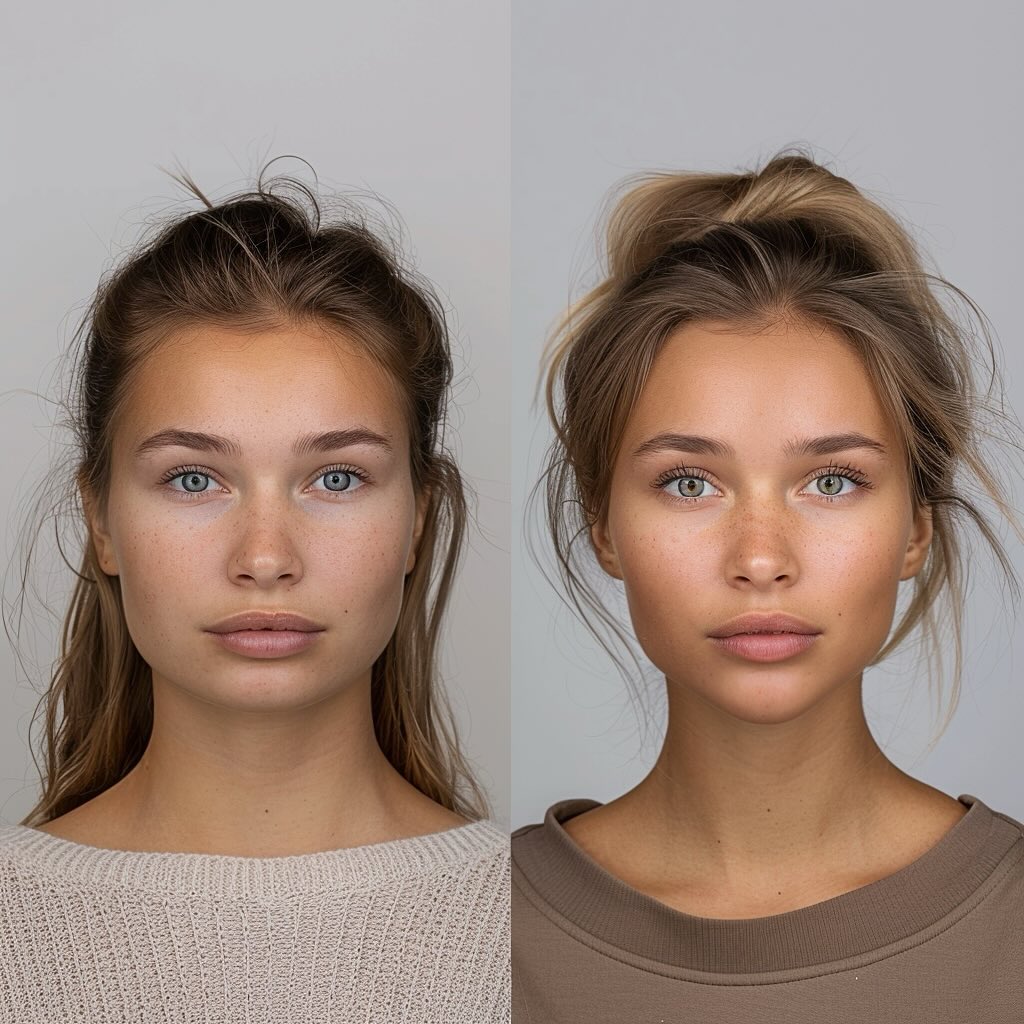

Thousands of satisfied customers

Effects of Caffeine on Lip Filler Treatment
Caffeine is a stimulant that interacts with multiple systems in the body, several of which are directly relevant to cosmetic injections. Many aesthetic practitioners recommend limiting caffeine intake in the period leading up to a filler appointment, particularly for patients who are prone to bruising or heightened sensitivity.
Impact on Blood Circulation
Caffeine temporarily raises blood pressure and increases blood flow throughout the body. At injection sites, this may contribute to a higher likelihood of minor bleeding beneath the skin. Whilst the effect is generally short-lived, patients who consume significant amounts of caffeine close to treatment may notice that any bruise appears more pronounced than expected.
Influence on Blood Vessel Activity
As a vasoactive substance, caffeine causes blood vessels to constrict and dilate in sequence. This shifting vascular activity can make the injection process slightly less predictable, particularly in the delicate lip area. Practitioners may find that patients who have consumed caffeine present with more reactive vascular responses during lip filler injections.
Connection Between Caffeine and Injection Sensitivity
Stimulants such as caffeine are known to increase alertness, tension, and physical sensitivity. For patients getting lip filler, this may translate to heightened awareness of discomfort during the procedure. Feeling more physically reactive can also contribute to involuntary movement, which may affect precise filler placement in the lip tissue.
Increased Risk of Bruising and Swelling After Lip Injections
One of the most practical reasons aesthetic providers recommend avoiding caffeine before a lip filler appointment is its potential to worsen common post-treatment side effects. Bruising and swelling, whilst normal and temporary, can be more significant if contributing factors are not minimised beforehand.
Why Bruising Can Become More Noticeable
Bruising occurs when small amounts of blood leak from vessels beneath the skin following an injection. Any factor that increases blood flow or reduces the ability of vessels to contract efficiently may increase the chance of bruising. Even modest caffeine consumption before lip filler injections may amplify this effect by keeping circulation elevated in the treatment area.
Relationship Between Caffeine and Post-Treatment Swelling
Caffeine can contribute to dehydration, and inadequate hydration is associated with increased inflammatory responses following cosmetic procedures. In the context of lip fillers, this may mean that swelling and bruising persist slightly longer or appear more noticeable in the first 24–48 hours following treatment. Staying well hydrated is generally considered supportive of smoother recovery.
Factors That Can Worsen Recovery Symptoms
Several substances and behaviours are commonly restricted before lip filler treatment due to their potential to increase bruising or swelling. Key ones to be aware of include:
- Caffeine — may elevate blood pressure and increase circulation at injection sites
- Alcohol — a known blood thinner that can significantly increase bruising
- Ibuprofen and aspirin — anti-inflammatory medications that affect platelet function
- Vitamin E supplements are associated with increased bleeding tendency
- Fish oil and omega-3 supplements may reduce platelet aggregation
- Ginkgo biloba — frequently flagged in pre-treatment guidance as a blood-thinning supplement
- Intense exercise — raises blood pressure and circulation, similar to caffeine

Caffeine and Hydration Before Dermal Fillers
Proper hydration is consistently highlighted in pre-treatment guidance for dermal fillers, including lip injections. Caffeine’s mild diuretic effect is one reason it features in discussions about what to eat or drink before a filler appointment, though the overall impact depends heavily on individual consumption levels.
How Hydration Supports Skin and Lip Tissue
Well-hydrated tissues tend to respond more predictably during injectable treatments. For lip filler specifically, adequate hydration may support better integration of the hyaluronic acid filler into the surrounding tissue. Practitioners often note that patients who are properly hydrated on the day of treatment tend to have a more comfortable experience overall and may find that filler settles more naturally.
Can Coffee Cause Dehydration?
The idea that coffee causes severe dehydration is something of a myth when consumed in moderate quantities. However, excessive caffeine intake — particularly from strong coffee or energy drinks — may contribute to mild fluid imbalance in some individuals. Ahead of a lip filler appointment, the general recommendation from aesthetic clinics is to reduce rather than completely avoid caffeine in most cases, though always deferring to your individual injector’s guidance.
Best Drinks Before an Appointment
Choosing appropriate drinks before lip filler treatment can help support hydration and reduce recovery-related side effects. Recommended options typically include:
- Still water — the most straightforward choice for staying hydrated
- Electrolyte drinks — helpful for maintaining fluid balance without stimulants
- Herbal teas (caffeine-free) — a warm alternative that does not carry bruising risk
- Coconut water — a natural source of electrolytes

Sticking to room temperature water or cool (but not cold) drinks is also advisable, as excessively hot or cold drinks may cause discomfort if the lips are already sensitised after treatment.
How Long Before Filler Injections Should Caffeine Be Avoided?
The timeline for avoiding caffeine before lip filler varies between clinics and individual practitioners. Most guidance is consistent in suggesting that reducing intake in the period immediately before a filler appointment is sensible, though the precise window depends on personal and clinical factors.
Typical Pre-Treatment Recommendations
Many aesthetic practitioners recommend avoiding caffeine for 24–48 hours before lip filler treatment. This window is considered sufficient to allow most of caffeine’s circulatory effects to subside. Some clinics extend this to several days before your appointment in cases where patients have a known tendency to bruise easily or are on a more comprehensive treatment plan.
Differences Between Occasional and Heavy Caffeine Consumers
Regular or heavy caffeine consumers may experience different physiological responses compared to occasional users. A habitual coffee drinker may find that sudden complete avoidance causes withdrawal headaches, which can also affect treatment comfort. In these cases, a qualified injector may suggest a gradual reduction rather than an abrupt stop, and personalised guidance should always take precedence over general recommendations.
Questions to Ask Your Injector Before an Appointment
Attending a filler consultation before treatment gives you the opportunity to clarify any pre-treatment instructions relevant to your individual circumstances. Useful questions to raise include:
- How long should I avoid caffeine before my lip filler appointment?
- Should I disclose how much caffeine I typically consume?
- Are there any other dietary considerations I should be aware of?
- What should I do if I accidentally consume caffeine on the day of treatment?
- Will my caffeine habits affect the type of filler or technique used?

Other Substances to Avoid Before Lip Filler Injections
Caffeine is just one of several substances that may affect the outcome of lip filler injections. Practitioners routinely advise patients to review their intake of the following in the days before treatment.
Alcohol
Drinking alcohol before lip fillers is widely advised against by aesthetic practitioners. Alcohol acts as a vasodilator and has blood-thinning properties, which can significantly increase bruising and swelling following injections. Most clinics recommend avoiding alcohol for at least 24 hours before and after lip filler treatment.
Blood-Thinning Medications and Supplements
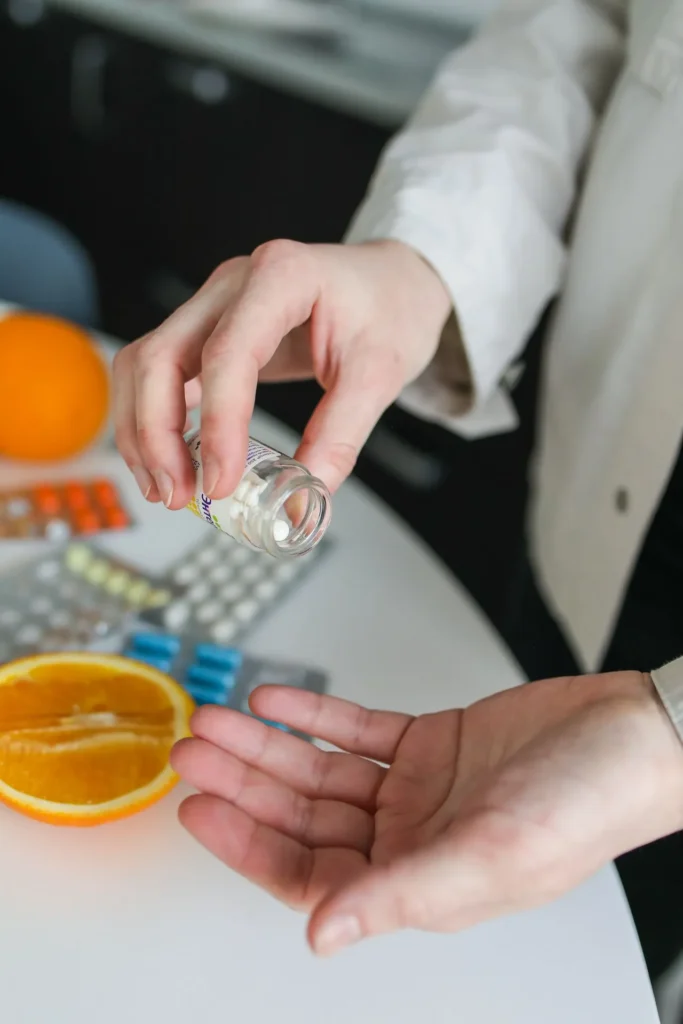
A range of over-the-counter medications and supplements can affect how the blood clots, which directly influences bruising risk at injection sites. Patients should disclose all medications and supplements to their injector, including:
- Ibuprofen and aspirin (non-steroidal anti-inflammatory drugs)
- Vitamin E (in higher supplemental doses)
- Fish oil and omega-3 fatty acid supplements
- Ginkgo biloba and other herbal blood thinners
- Any prescribed anticoagulant medication
Where possible, practitioners will advise whether it is appropriate to temporarily avoid blood thinners, though this should always be discussed with a GP before stopping prescribed medication.
Energy Drinks and Pre-Workout Supplements
Energy drinks and pre-workout formulas are high-caffeine products that patients may overlook when preparing for a filler appointment. Many of these also contain additional stimulants such as taurine or guarana, which may compound caffeine’s effects on circulation and blood pressure. These products should be treated with the same caution as strong coffee in the pre-treatment period.
Key Takeaways
Avoiding caffeine before lip fillers is a practical pre-treatment step that may help reduce bruising, manage swelling, and support a more comfortable treatment experience. The table below summarises the key considerations:
Factor | Caffeine’s Potential Effect | Recommended Action |
Blood circulation | May increase blood flow to injection sites | Avoid caffeine 24–48 hours before treatment |
Bruising risk | May increase the chance of bruising | Limit intake; follow the injector’s guidance |
Swelling | Mild dehydration may worsen post-treatment swelling | Stay hydrated with water and electrolytes |
Treatment sensitivity | Stimulant effects may heighten discomfort | Avoid strong coffee on the day of treatment |
Hydration | May contribute to mild fluid imbalance | Replace with water or caffeine-free alternatives |
Following your dermal filler treatment, similar caution around caffeine may apply as the tissue settles and any bruising or swelling resolves. The most reliable guidance will always come from your individual injector or aesthetic clinic, as part of a personalised pre- and post-treatment plan.
Frequently Asked Questions
Can I Drink Coffee After Lip Fillers?
Most practitioners recommend waiting at least 24 hours following treatment before resuming coffee or other caffeinated drinks. During the first 24 hours following treatment, avoiding caffeine may support a more controlled recovery and help minimise swelling. After this initial period, most patients can gradually resume their usual habits unless the injector advises otherwise.
Does Decaf Coffee Affect Lip Fillers?
Decaf is not completely caffeine-free — it typically contains around 2–5 mg of caffeine per cup, compared to 80–100 mg in a standard espresso. For most patients, moderate decaf consumption is unlikely to carry the same risk as regular coffee. However, other components in coffee, including certain plant acids, may still have mild circulatory effects, so discussing decaf specifically with your injector at your filler consultation is worthwhile.
What Happens If I Accidentally Drink Caffeine Before My Appointment?
If you consume caffeine before your lip filler appointment, it is important to let your injector know before the procedure begins. In many cases, treatment can still proceed safely, and the practitioner may simply monitor more closely for bleeding or take additional steps to minimise bruising. Transparency with your injector is always the right approach, and there is no need to cancel without first seeking their expert guidance.
Is Tea Better Than Coffee Before Lip Fillers?
Tea generally contains less caffeine than coffee — green tea typically has around 25–45 mg per cup, compared to 80–100 mg in a standard espresso. However, black tea can be comparable to weaker coffee in caffeine content, and the same considerations around blood flow and bruising apply. Herbal and caffeine-free teas are generally a safer choice before lip filler treatment, and moderation is still recommended with any caffeinated variety.