
What Should I Avoid Before Lip Fillers? Complete Pre-Treatment Guide
Knowing what to avoid before lip fillers can make a meaningful difference to your experience and outcome. Preparation influences how much bruising and swelling you experience, how comfortably the injection process feels, and how well the filler settles. Provider instructions may vary based on your medical history and the type of filler used, so always follow the specific guidance given during your consultation.

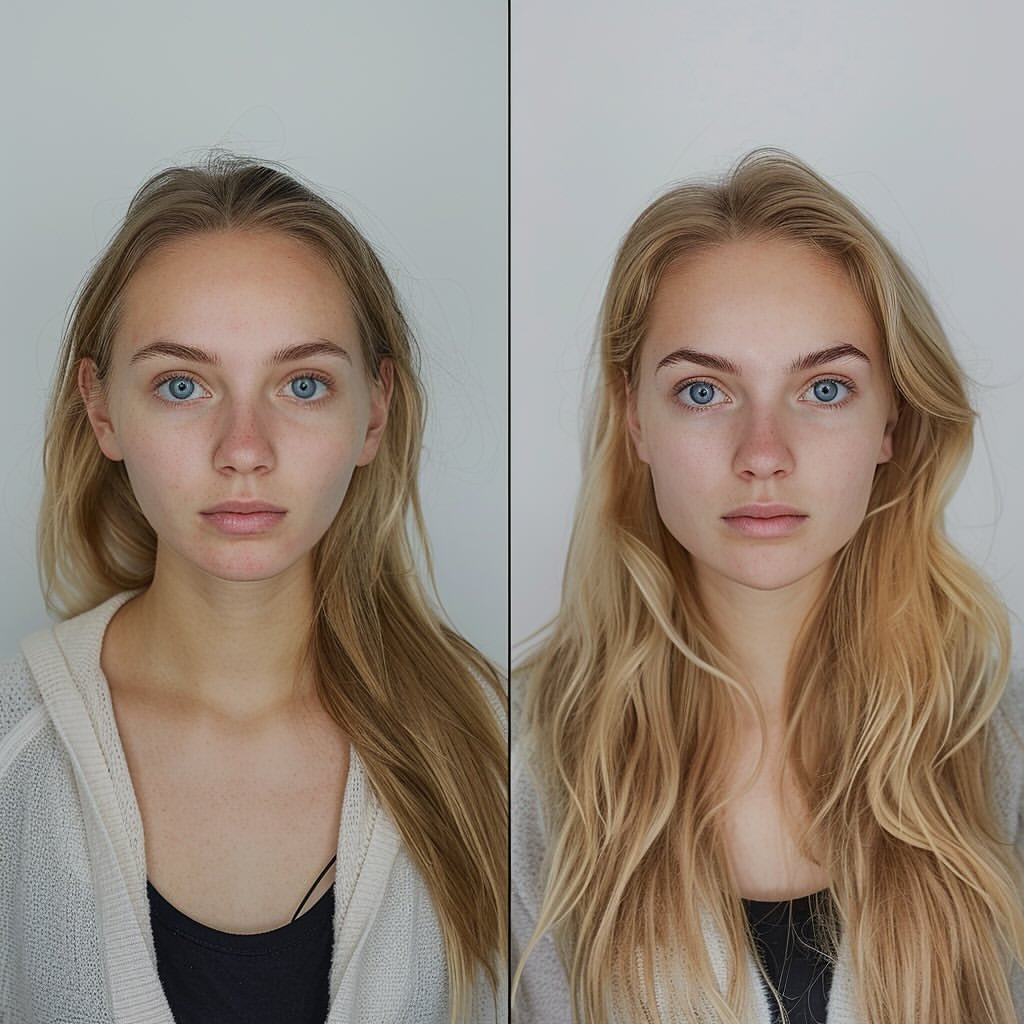


Thousands of satisfied customers

Why Preparation Before Lip Fillers Matters
The days leading up to a lip filler appointment are not just administrative — they directly shape how your body responds. Certain habits and substances can increase blood flow, reduce clotting efficiency, or sensitise the skin, all of which affect how smoothly a treatment proceeds.
Impact on Bruising and Swelling
Substances that thin the blood or increase circulation make it harder for small vessels to seal after injection. This can result in more visible bruising at the injection site and a longer recovery window. Reducing exposure to these substances before your appointment may lower the likelihood of post-treatment bruising and swelling.
Influence on Filler Results
When the skin is well-hydrated and free from irritation, the injectable material tends to integrate more evenly. Conversely, inflamed, dehydrated, or recently treated skin can affect how hyaluronic acid fillers settle and may make the initial healing process less straightforward. Proper preparation helps achieve more predictable lip filler results.
Importance of Following Provider Instructions
Each patient’s treatment plan is individual. Factors such as existing medications, allergies, skin sensitivity, and aesthetic goals all influence what a qualified practitioner may recommend before a dermal filler treatment. The guidance provided during consultation should always take precedence over general advice.
Medications to Avoid Before Lip Fillers
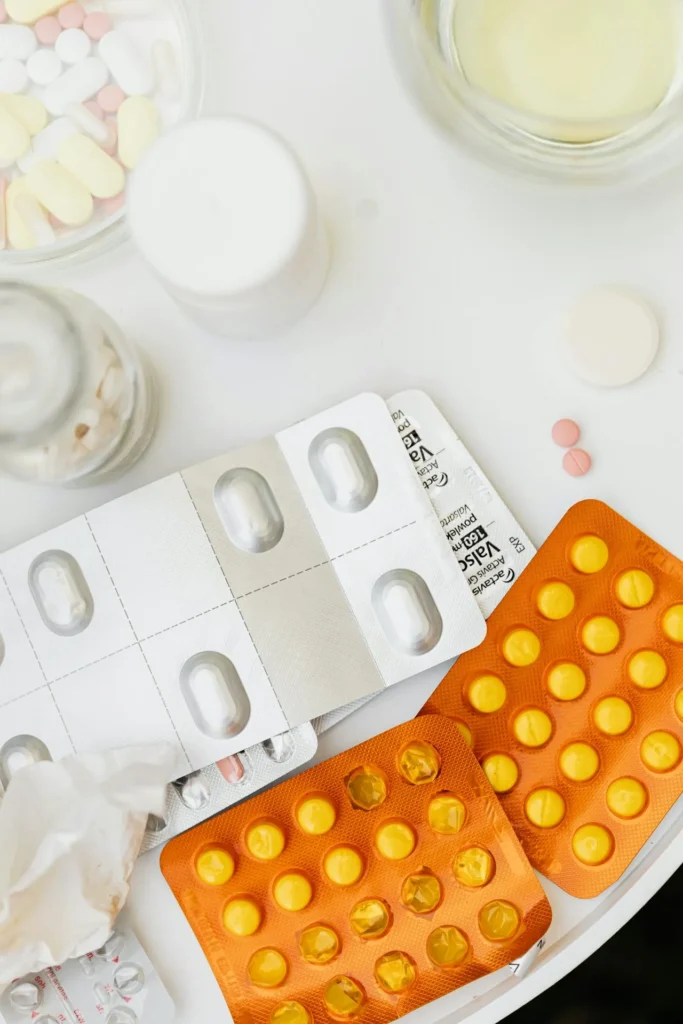
Certain medications are commonly discussed during pre-treatment consultations because of their effect on bleeding and bruising. Always consult a healthcare provider before making changes to any prescribed medication — never discontinue prescription drugs without medical approval.
Aspirin and Blood-Thinning Medications
Aspirin inhibits platelet function, which reduces the blood’s ability to clot efficiently. This can make bruising after the procedure more prominent and harder to resolve. Practitioners often ask patients to avoid aspirin for at least 7–10 days before treatment, though this depends on individual circumstances.
Nonsteroidal Anti-Inflammatory Drugs (NSAIDs)
Medications such as ibuprofen and naproxen share similar blood-thinning properties to aspirin and can increase the chance of bruising at the injection site. Where pain relief is needed in the days before a lip filler appointment, paracetamol is generally considered a more suitable alternative — but confirm this with your provider.
Common medications frequently discussed before lip filler treatment:
- Aspirin (any strength)
- Ibuprofen (e.g. Nurofen)
- Naproxen (e.g. Feminax Ultra)
- Diclofenac
- High-dose vitamin supplements with anticoagulant effects
- Warfarin and other anticoagulants (never stop without medical guidance)
Prescription Medications Requiring Medical Guidance
If you are prescribed anticoagulants, antidepressants, or other medications that may affect clotting or healing, consult your GP before your filler appointment. A qualified practitioner will ask about your full medication list during consultation to identify any risk of complications and tailor your treatment plan accordingly.
Supplements to Avoid Before Lip Fillers
Natural does not always mean neutral when it comes to cosmetic injectable treatments. Several widely used supplements can increase bleeding and bruising risk in a similar way to pharmaceutical blood thinners.
Fish Oil and Omega-3 Supplements
Fish oil supplements are among the most commonly cited items on pre-filler avoidance lists. Their omega-3 content can inhibit platelet aggregation and increase blood flow. Most practitioners recommend pausing fish oil for at least two weeks before a dermal filler treatment to reduce the risk of bleeding and bruising.
Vitamin E, Ginkgo Biloba, and Ginseng
Vitamin E has mild anticoagulant properties that may make bruising more likely around the upper lip and surrounding tissue. Ginkgo biloba and ginseng are similarly associated with increased bleeding risk. These supplements are often included on avoidance lists regardless of dosage.
Herbal Products and Natural Remedies
Supplements commonly discussed before lip filler appointments:
- Fish oil and omega-3 capsules
- Vitamin E (standalone supplements, not dietary sources)
- Ginkgo biloba
- Ginseng
- St John’s Wort
- Garlic supplements (high-dose)
- Evening primrose oil
- Turmeric supplements (high-dose)
Herbal products should always be disclosed during your consultation. Even naturally occurring substance-based remedies can interact with the healing process and affect lip filler results.
Foods and Drinks to Avoid Before Lip Fillers
Dietary choices in the 24 to 48 hours before treatment are worth considering, as certain foods and drinks may contribute to swelling and bruising or affect how comfortable the procedure feels.
Alcohol Before Lip Fillers
Avoid drinking alcohol for at least 24 hours before your lip filler appointment — ideally 48 hours. Alcohol acts as a vasodilator, increasing blood flow and reducing the blood’s clotting efficiency. This combination can significantly increase swelling and bruising, and may also contribute to dehydration, which is not ideal before any injectable treatment.
Excessive Caffeine Consumption
High caffeine intake may temporarily increase circulation and heighten sensitivity. Some patients report that excessive caffeine consumption before treatment makes them feel more alert to discomfort, particularly when a numbing cream has been applied. Moderating caffeine on the day of your appointment is generally a sensible practice.
High-Sodium Foods
Salt-heavy meals in the hours before your filler appointment may encourage fluid retention, which can amplify any post-treatment swelling or bruising. Keeping meals balanced and avoiding processed or very salty foods the day before and morning of treatment is a simple step to consider.

Skincare Products and Cosmetic Treatments to Avoid
The condition of the skin around the lips and injection area can affect both the treatment process and recovery. Certain skincare ingredients and cosmetic procedures can increase sensitivity or disrupt the skin barrier.
Retinol and Retinoid Products
Retinol and prescription retinoids accelerate cell turnover and can cause skin sensitivity, flaking, or redness. Most practitioners recommend pausing these products for at least three to five days before lip filler injections to avoid applying filler to compromised or reactive skin.
Chemical Peels and Exfoliating Treatments
Receiving a chemical peel or intensive exfoliation treatment shortly before a lip augmentation procedure can leave the skin more vulnerable to irritation. There is also an augmentation consideration: active skin barrier disruption increases the risk of complications at the injection site. A gap of at least two weeks is commonly advised.
Waxing, Laser Treatments, and Facial Procedures
Cosmetic treatments take time to carefully consider before lip fillers:
- Chemical peels (allow at least 2 weeks)
- Laser resurfacing or IPL treatments (allow at least 2 weeks)
- Lip waxing or threading (allow at least 48–72 hours)
- Microneedling (allow at least 2 weeks)
- Radiofrequency facial treatments (consult your practitioner)
- Dermaplaning (allow at least 5–7 days)
Lifestyle Habits to Avoid Before Lip Fillers
Everyday behaviours in the days around your appointment can influence both how the procedure feels and how quickly you recover from any swelling or bruising.
Smoking and Nicotine Use
Nicotine constricts blood vessels and impairs circulation, which can affect how efficiently the skin heals after filler injections. Smoking may also increase inflammation and the likelihood of swelling or bruising to subside more slowly. While stopping entirely is beneficial for general skin health, avoiding smoking for at least 24 hours before your appointment is a reasonable minimum.
Intense Exercise Before Appointment
Avoid intense exercise on the day of your lip filler appointment. Vigorous activity elevates heart rate and blood flow, which may increase the likelihood of swelling and bruising during and after the procedure. A light walk is generally fine; high-intensity training, spinning, or weight sessions are best rescheduled.
Arriving Dehydrated or Sleep-Deprived
Adequate hydration supports skin health and may make the treatment more comfortable, particularly if numbing cream or a topical anaesthetic is used. Poor sleep can heighten the perception of discomfort and affect how your body responds during the healing process. Arriving well-rested and hydrated puts you in the best position for a smooth appointment.

What To Do Before Lip Fillers
Preparation is not only about avoidance. Positive steps in the days before your lip filler treatment can support comfort, safety, and results.
Stay Hydrated
Hyaluronic acid fillers — including well-known brands such as Restylane® — work in part by binding water in the tissue. Arriving well-hydrated means your skin is in good condition and the filler can integrate more naturally. Aim for consistent water intake in the 48 hours leading up to treatment.
Attend Consultation Prepared
Bring a list of any medications, supplements, and recent cosmetic treatments to share with your practitioner. Disclosing whether you are pregnant or breastfeeding is essential, as dermal filler treatment is not considered appropriate in either case. Clear communication about your aesthetic goals helps ensure the treatment plan reflects what you actually want.
Plan Recovery Time
Temporary swelling and bruising are common, particularly in the first 24 hours after lip filler injections. Scheduling your appointment well away from significant events — weddings, photoshoots, or important meetings — gives you a comfortable window for any post-treatment swelling or bruising to resolve before you need to be at your best.

Key Takeaways Before Your Lip Filler Appointment
What to Avoid | Recommended Lead Time |
Alcohol | At least 24–48 hours before |
Aspirin and NSAIDs (e.g. ibuprofen) | At least 7–10 days (with physician guidance) |
Fish oil and omega-3 supplements | At least 2 weeks before |
Vitamin E, ginkgo biloba, ginseng | At least 1–2 weeks before |
Retinol and retinoid products | At least 3–5 days before |
Chemical peels, laser, microneedling | At least 2 weeks before |
Intense exercise | Day of appointment |
Smoking/nicotine | At least 24 hours before |
The most important step you can take is to follow the aftercare and pre-treatment instructions provided by your practitioner. Individual factors — including anatomy, skin condition, and medical history — mean that lip fillers for best results require a bespoke approach. Using Science Beauty to explore and compare verified specialists in London can help you find a provider whose approach aligns with your goals and comfort level.
FAQs About Lip Filler Preparation
How Many Days Before Lip Fillers Should Alcohol Be Avoided?
Most practitioners recommend avoiding alcohol for at least 24 hours before your lip filler appointment, with 48 hours being preferable. Alcohol increases blood flow and reduces clotting efficiency, which can make bruising and swelling more pronounced. Your clinic may provide specific guidance as part of your pre-treatment instructions, and this should always take precedence.
Can You Take Pain Relievers Before Lip Fillers?
Aspirin and ibuprofen are commonly flagged during pre-filler consultations because they act as blood thinners and can increase the chance of bruising. Paracetamol is generally considered a more appropriate alternative for pain relief in the days before treatment. Always inform your practitioner of any medication you are taking, and consult your GP before stopping any prescribed medicine.
Can You Drink Coffee Before Lip Fillers?
Moderate coffee consumption is not typically contraindicated before lip filler treatment. However, excessive caffeine on the day of your appointment may heighten sensitivity and temporarily elevate circulation. If you are concerned about comfort during the procedure, reducing caffeine intake on the morning of your appointment is a sensible and low-effort precaution to consider.
What Happens If You Do Not Follow Pre-Filler Instructions?
Failing to follow preparation guidance does not necessarily mean treatment cannot proceed, but it may increase the risk of bruising, swelling, and a less comfortable experience. Some factors — such as active skin infections or use of prescription anticoagulants — may prompt a qualified practitioner to postpone treatment. Following pre-treatment advice helps protect both your safety and the quality of your lip filler results.