
Exosomes Microneedling Treatments in London
Among the most clinically compelling developments in regenerative medicine, the combination of dermapen microneedling with exosome therapies addresses skin ageing at the cellular level. Independent specialists available through Science Beauty deploy this protocol to restore skin regeneration, improve texture, and reverse the cumulative effects of photoageing and collagen depletion.
Microneedling with exosomes is particularly suited to patients experiencing fine lines, uneven complexion, acne scarring, or loss of elasticity that standard aesthetic treatments have failed to resolve. Verified practitioners in central London tailor each treatment plan to the patient’s unique skin type, ensuring the exosomes penetrate deep into the dermis through micro-channels created by the needling device.

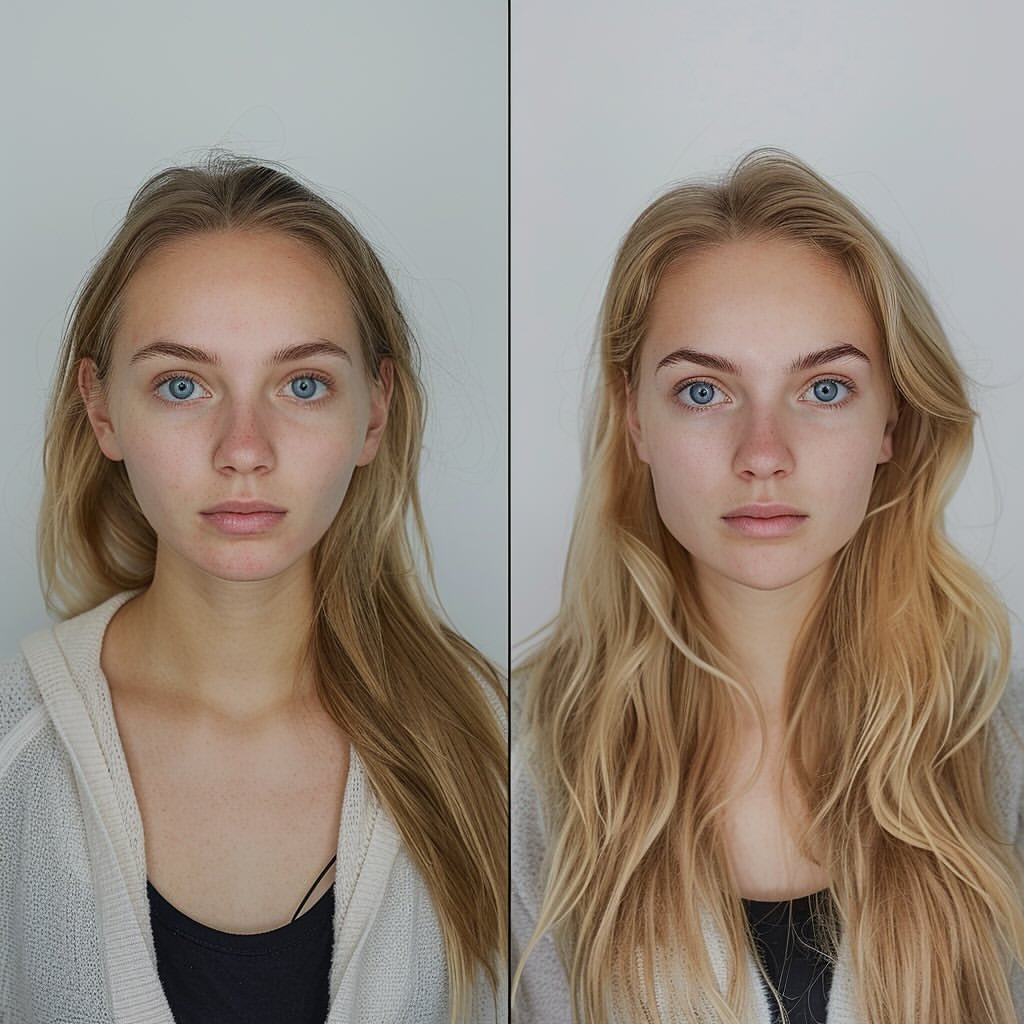
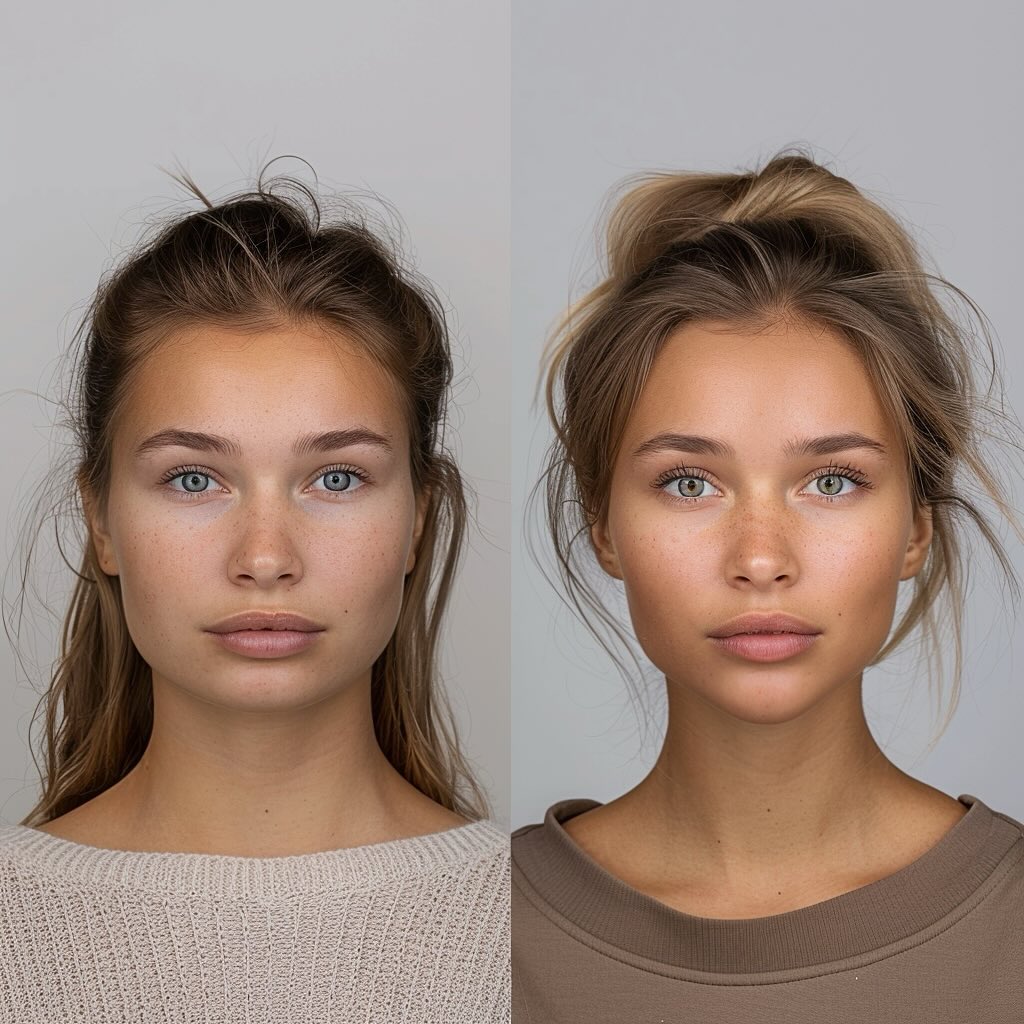
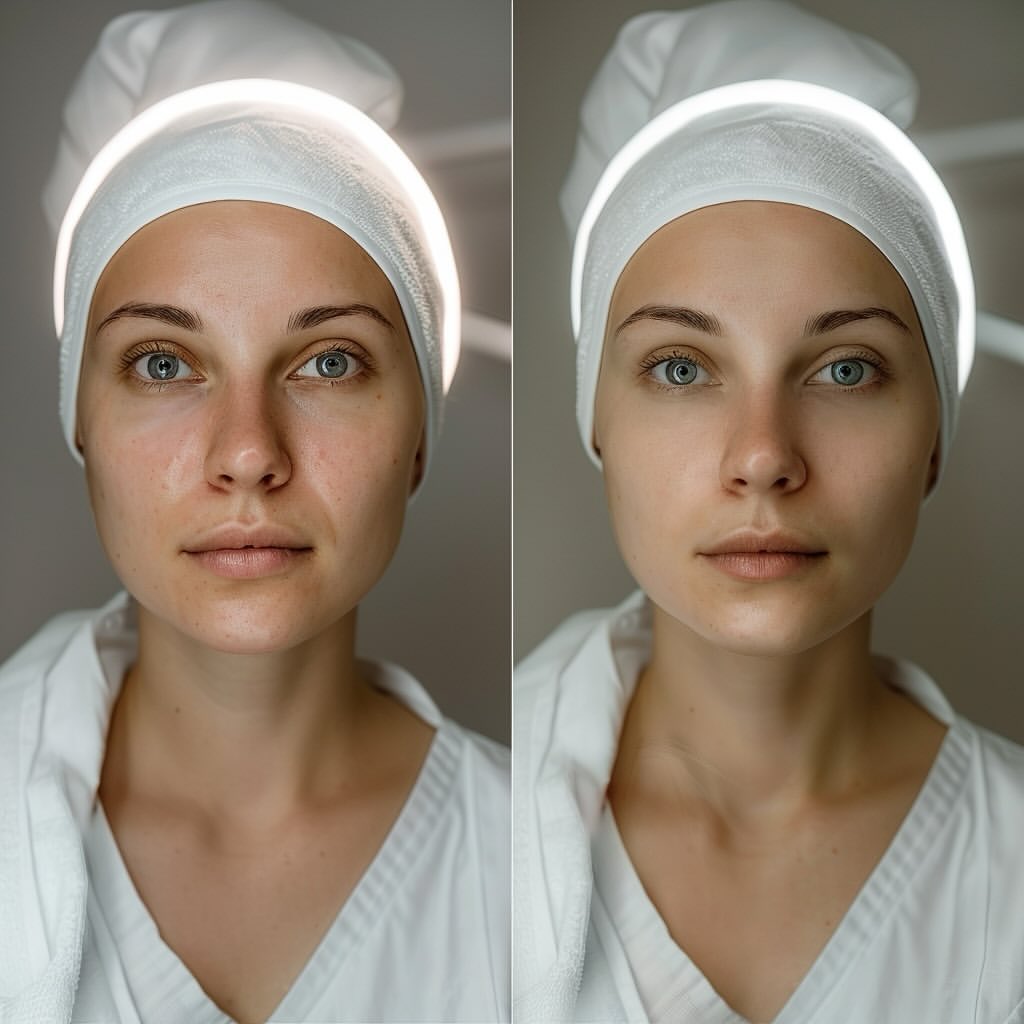
Thousands of satisfied customers
How Much Does Exosome Microneedling Cost in London?
Direct Answer
Exosome microneedling in London typically costs between £300 and £600 per session, with an average price of around £400–£450. Prices vary based on the exosome product used, treatment area, and clinic location, with exosomes offered as a simple add-on to standard microneedling starting around £250–£350. Premium central London and Harley Street clinics often charge £500–£800 or more per session.
Typical Exosome Microneedling Prices in London
- Exosome add-on to standard microneedling: £250–£350
- Standalone exosome microneedling session (face): £300–£600
- Premium / Harley Street session: £500–£800
- Course of 3 sessions: £900–£1,500
- Face, neck and décolletage: £600–£900
Key Pricing Factors
- Practitioner qualifications: CQC and JCCP-registered clinics with medically trained practitioners typically charge more than beauty salons offering the same add-on.
- Clinic location: Harley Street and central London clinics typically charge 30–60% more than equivalent sessions in outer London.
- Product source: Plant-derived, CE-marked topical exosome products cost the clinic 2–3× more than basic serums, and this is reflected in the price.
- Treatment area: A face-only session typically costs around 60–70% of a face, neck and décolletage session — not 50% — as consultation and microneedling preparation remain broadly the same.
- What’s included: Some clinics quote a low headline add-on price and charge separately for the base microneedling session it’s combined with.
What Should Be Included in the Price
- Consultation and skin assessment with a qualified practitioner
- Confirmation that the exosome product is applied topically after microneedling, in line with UK regulation
- Named exosome product and its source (e.g. plant-derived) specified in writing
- Standard microneedling protocol, including numbing where needed
- Aftercare advice, including sun protection for the days following treatment
Pricing Red Flags
Exosome microneedling advertised below £150 in London is a warning sign rather than a bargain. Suspiciously low prices usually indicate one of: an unverified or non-CE-marked product, an untrained operator, or a non-clinical setting. A clinic offering to inject exosomes rather than apply them topically is a serious red flag, as this falls outside current UK regulation regardless of price.
For a personalised quote based on your skin concern and treatment area, book a free consultation.
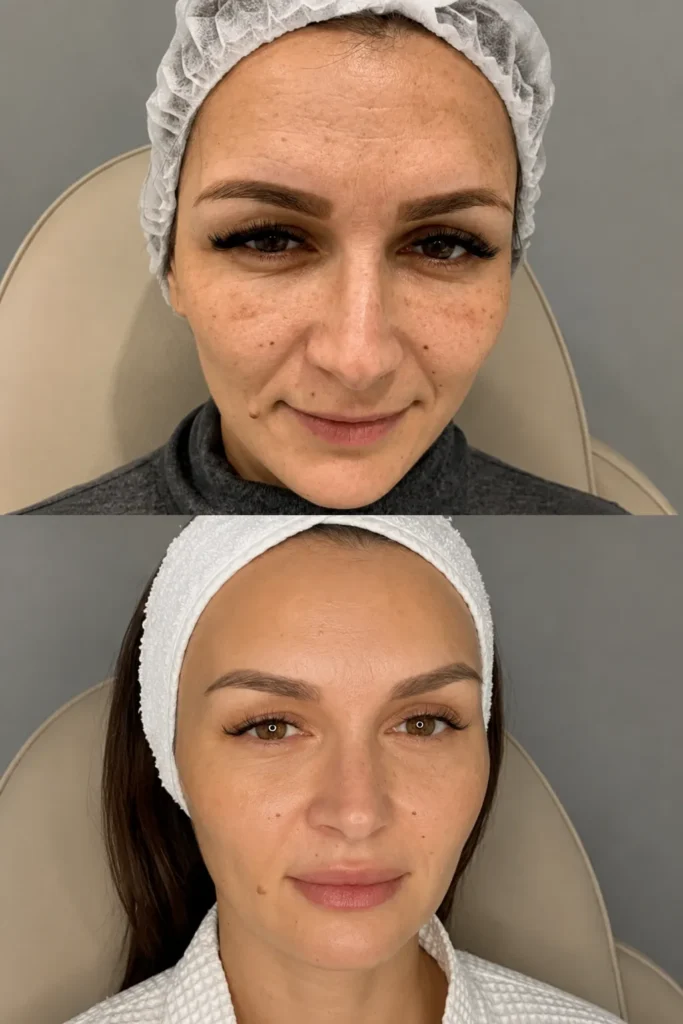
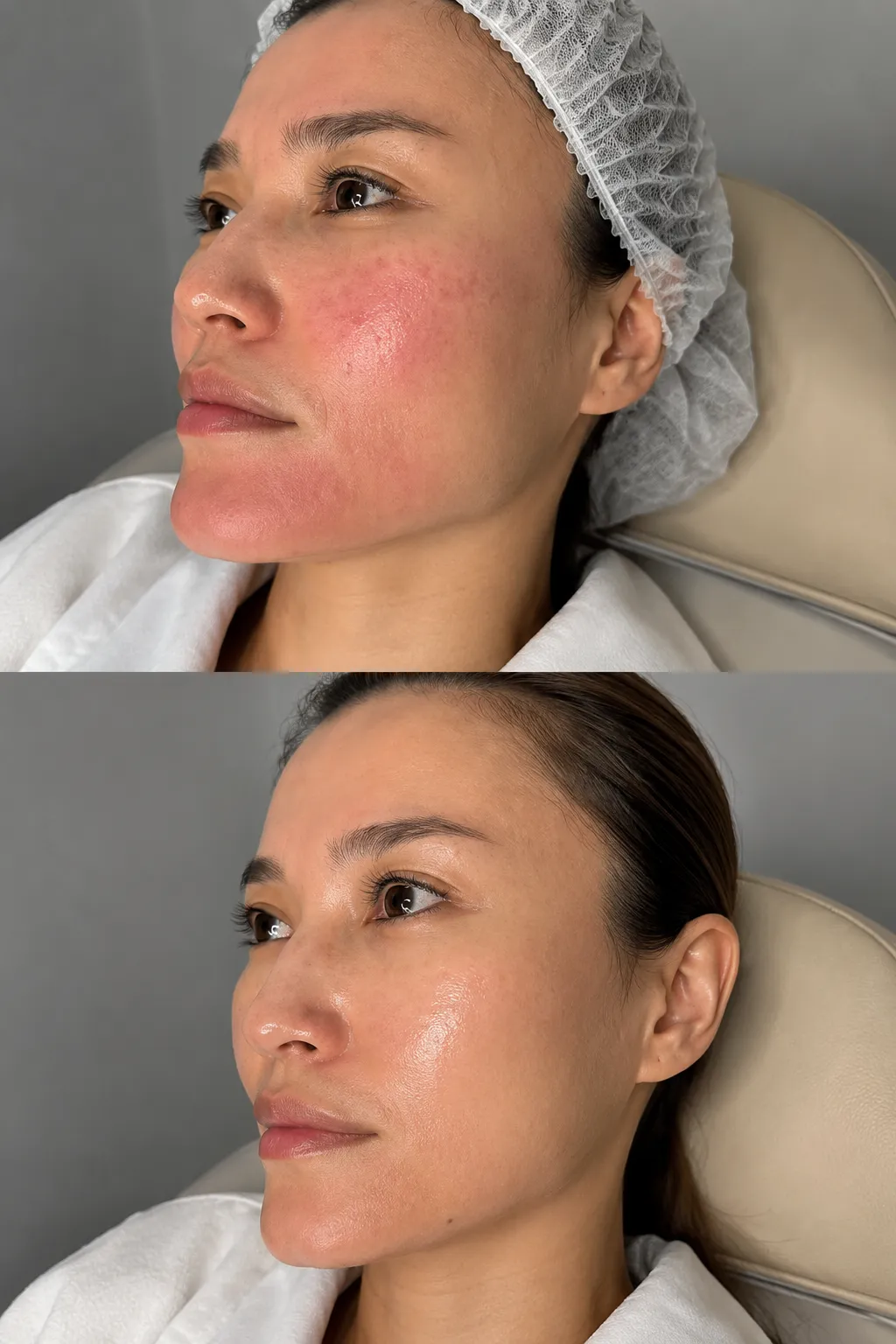
Before and After Exosome Microneedling Treatment
Patients pursuing exosome microneedling with independent specialists commonly seek measurable improvements in skin quality following a progressive decline in collagen and elastin production. As independently reported by numerous clinicians across London, visible changes typically emerge within days and continue developing over weeks as the regenerative cascade matures beneath the skin surface.
Results vary considerably depending on individual anatomy, skin type, baseline condition, the practitioner’s technique, and the specific exosome formulation applied. Clinics using medical-grade serums in combination with microneedling consistently report among the most reproducible outcomes, though individual response to treatment remains inherently variable.
Commonly discussed treatment outcomes include:
- Smoother skin texture and refined pore appearance
- Reduction in fine lines, wrinkles, and early laxity
- Improved evenness of skin tone and diminished pigmentation
- Enhanced skin firmness through collagen and elastin stimulation
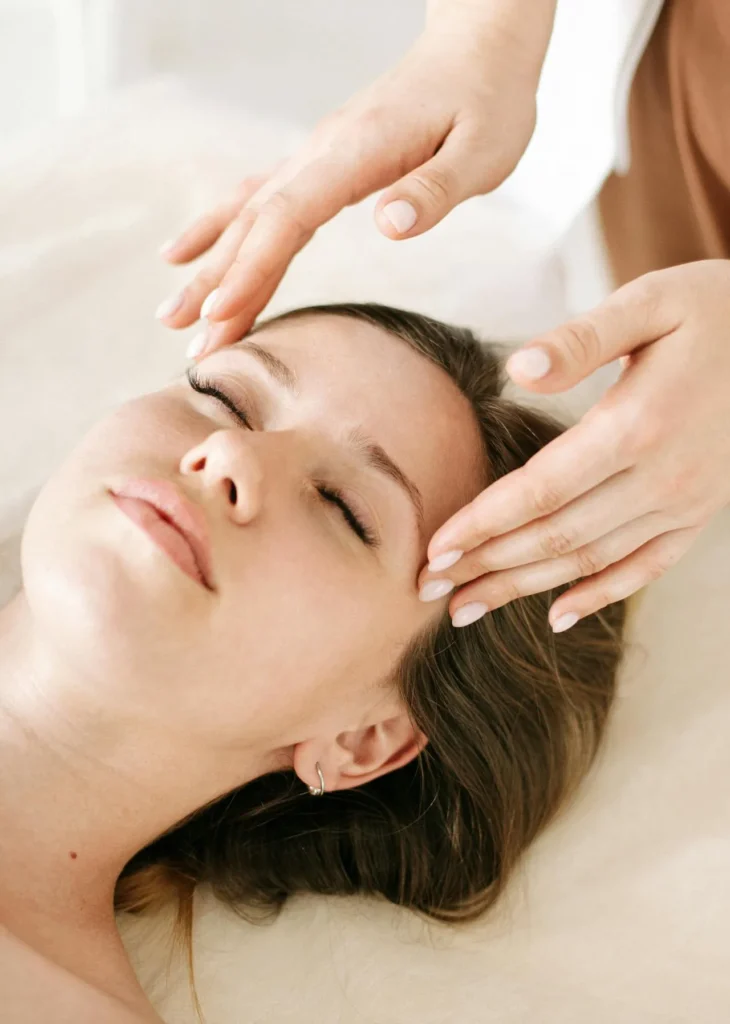
What is Exosomes Microneedling?
Exosomes are extracellular vesicles naturally produced by stem cells, functioning as biological couriers of cellular communication. These nanoparticles carry growth factors, peptides, proteins, and genetic signals that instruct surrounding cells to repair damaged tissue, suppress inflammation, and stimulate collagen and elastin production — processes that slow with age and environmental exposure.
Dermapen microneedling creates a precise matrix of controlled micro-channels in the skin’s surface. Applied to the skin immediately after needling, medical-grade exosomes penetrate deep into the dermis through these channels, reaching fibroblasts and dermal structures that topical products cannot access. The result is a synergistic regenerative response that exceeds what either therapy achieves independently.
The exosome products used by leading London specialists include formulations such as Purasomes™, ASCEplus SRLV, and MCT autologous exosomes — each carrying distinct growth factor profiles tailored to specific skin and hair concerns, and selected during consultation to match the patient’s goals.
The Exosomes Microneedling Process: Step by Step
Clinical Assessment
A GMC-registered practitioner reviews medical history, assesses skin type, and identifies contraindications before designing a personalised treatment plan.
Pre-Treatment Protocol
A topical anaesthetic cream is applied to the treatment area approximately 30–45 minutes before the procedure, ensuring patient comfort throughout.
Dermapen Microneedling
The practitioner passes the Dermapen device systematically across the treatment area, creating uniform micro-channels at a calibrated depth suited to the skin’s anatomy and concern.
Exosome Infusion
Medical-grade serum is applied directly to the treatment site immediately post-needling, allowing growth factors to penetrate deep into the dermis via open micro-channels.
Post-Procedure Care
Gentle soothing serum is applied; patients receive written aftercare guidance from the independent specialist before leaving the clinic.
Procedure time: 45–60 minutes. Recovery: Mild redness and sensitivity typically resolving within 12–24 hours; most patients return to work the same day.

Benefits of Exosomes Microneedling Therapy
The regenerative medicine basis of this treatment distinguishes it from surface-level aesthetic procedures. Where traditional microneedling relies solely on the body’s wound-healing response, the introduction of exosome therapies overlays a directed biological signal — instructing skin cells to produce collagen and elastin at an accelerated rate, calm inflammatory pathways, and improve the skin’s overall cellular environment.
Independent clinical specialists report that patients with acne scarring, photoageing, and textural irregularities often respond particularly well to this combined protocol. For suitable candidates, the treatment is considered to offer a favourable tolerability profile relative to ablative laser treatments, with significantly reduced downtime and the ability to improve skin tone and texture across a broader range of skin types.
Key therapeutic and aesthetic advantages reported by practitioners:
- Stimulates collagen and elastin production through directed cellular communication
- Improves skin texture, firmness, and hydration in a single protocol
- Considered suitable for a wide range of skin types, including darker skin tones where laser risk is higher, subject to individual clinical assessment
- Minimal downtime compared to ablative alternatives
- Results develop progressively over 3–12 weeks as tissue repair continues
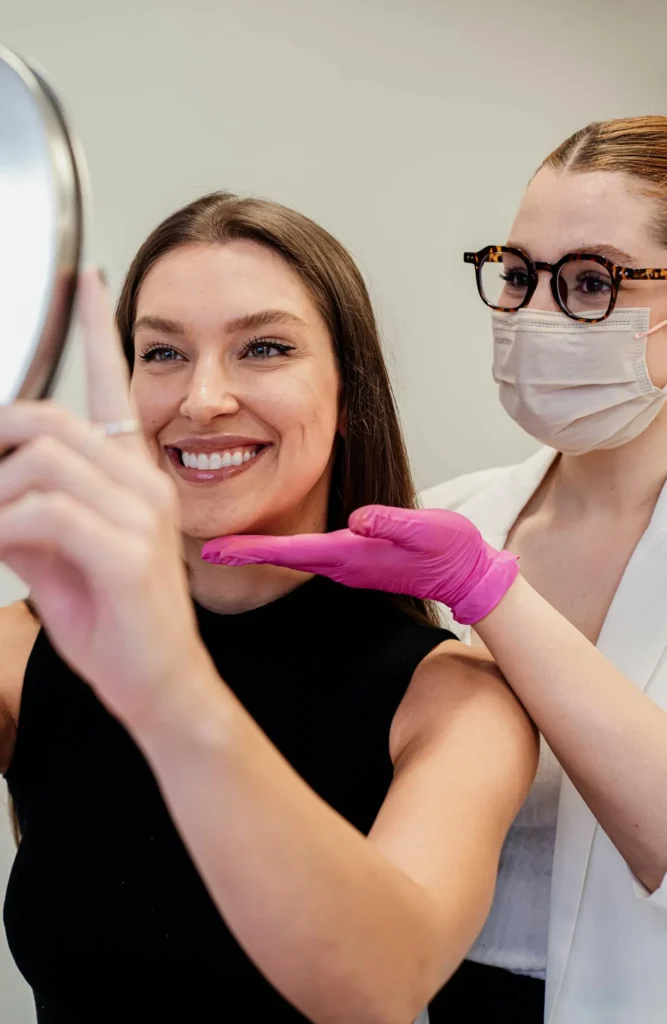
Exosomes Microneedling Treatment Options
Standard Dermapen Microneedling with Exosomes
The foundational protocol available through verified London specialists combines Dermapen microneedling with a topically applied serum. Microneedling creates controlled micro-channels that allow exosomes to penetrate deep into the dermis, initiating a repair cascade that improves skin texture, reduces fine lines, and restores overall skin health. This option suits patients new to advanced regenerative treatments.
Autologous Exosome Protocols
For patients seeking maximum biocompatibility, some specialists offer autologous exosome production. Autologous exosomes are produced from the patient’s own cells using CE/MDR-certified systems that employ photobiomodulation and thermal biomodulation to stimulate exosome release, delivering a personalised regenerative signal that minimises immune variability.
Combined Exosome, Microneedling, and PRP Therapy
A number of London practitioners combine exosome microneedling with platelet-rich plasma (PRP) to amplify growth factor delivery. This multi-modal approach is particularly favoured for patients addressing both skin rejuvenation and hair growth concerns simultaneously, where the synergistic effect of multiple biological agents strengthens outcomes.
Available treatment areas via platform-verified practitioners:
- Face (full face or targeted zones)
- Under-eye and periorbital skin
- Neck and décolletage
- Hands and body areas
Why Choose Science Beauty for Exosomes Microneedling?
Science Beauty connects patients with independently verified specialists whose clinical credentials, regulatory compliance, and patient outcomes have been assessed against defined quality criteria. The platform does not perform treatments itself; rather, it acts as the gateway through which patients access the most appropriately qualified practitioners for their needs.
Practitioners listed on the platform are selected based on evidence-based protocols and relevant advanced training in regenerative skin treatments.
Specialist selection criteria applied by Science Beauty:
- Active GMC or NMC registration in good standing
- Demonstrated clinical experience with exosome and microneedling protocols
- Use of CE/MDR-compliant, medical-grade formulations
- Practice within CQC-regulated clinical environments
- Evidence-based treatment planning and documented patient outcomes
- Advanced training in facial anatomy and regenerative aesthetics
- High patient satisfaction and transparent aftercare provision
The terms “best” and “premier” used in reference to practitioners or treatments signify those that meet our selection criteria, including active GMC/NMC registration, verified clinical experience, high patient satisfaction, and the use of clinically proven, evidence-based protocols. Science Beauty acts as an independent booking platform to ensure quality and safety in aesthetic care.
Frequently Asked Questions
How long do the results of exosome microneedling last?
Results from exosome microneedling treatments typically last between 6 and 12 months, with some patients reporting sustained improvements beyond this period depending on lifestyle, sun exposure, and the specific formulation used. The collagen remodelling process initiated by treatment continues for several weeks post-session, meaning full results are often visible around the 8–12 week mark. Maintenance sessions are generally advised annually or as recommended following consultation.
Is exosome microneedling safe for all skin types?
Exosome microneedling is widely considered suitable for all skin types, including darker skin tones, where ablative laser treatments carry a higher risk of post-inflammatory hyperpigmentation. Independent specialists will assess contraindications during consultation, including active skin infections, autoimmune conditions, pregnancy, recent isotretinoin use, or a history of keloid scarring. A thorough pre-treatment medical review is standard practice among platform-verified practitioners.
How many sessions are typically needed?
Most patients pursue a course of one to three sessions, spaced four to six weeks apart, though individual treatment plans vary based on skin condition and goals. Some patients notice meaningful improvement following a single session; those addressing acne scarring, deeper textural concerns, or hair thinning may benefit from a structured course. The independent specialist will design a tailored treatment plan during the initial consultation based on clinical assessment findings.
Is exosome microneedling worth it compared to standard microneedling alone?
Clinical evidence increasingly supports the superior outcomes achieved when exosomes are combined with microneedling compared to needling alone. Peer-reviewed research, including a 2025 split-face study (Vitale et al.), reported greater improvements in texture, hydration, elasticity, and pigmentation at 30, 90, and 180 days when exosomes were added to the microneedling protocol. For patients seeking advanced skin regeneration rather than surface-level improvement, the combined approach represents a clinically meaningful upgrade.
What are the risks and potential side effects?
The treatment is minimally invasive with a generally favourable tolerability profile. Common transient effects include redness, mild swelling, and sensitivity at the treatment site, typically resolving within 12–24 hours. Serious adverse events are uncommon when treatment is performed by a qualified practitioner in a regulated clinical environment using medical-grade products. The independent specialist will discuss all individual risks during consultation before any procedure proceeds.
How much does exosome microneedling cost in London?
Publicly advertised prices from London clinics suggest a range of about £350–£750 per session, depending on the treatment area, product selected, and practitioner seniority. Autologous exosome protocols and combined therapies sit towards the upper end. Courses of three sessions are often available at a reduced per-session rate. Final pricing is determined by the independent specialist following a clinical consultation.
Can exosome microneedling help with hair growth?
Yes — exosome therapy combined with microneedling of the scalp is an established application used by specialist practitioners for androgenetic alopecia, general thinning, and telogen effluvium. Growth factors and signalling molecules within the exosome formulation stimulate dormant follicles and improve scalp tissue health. Results in hair density are typically progressive, with visible improvement often noted around 90 days post-treatment. Some practitioners combine scalp microneedling with PRP for enhanced follicular stimulation.
What should I do before and after treatment?
Independent specialists typically advise avoiding blood-thinning medications, alcohol, and certain supplements in the days before treatment to minimise bruising risk. On the day, patients should arrive with clean skin free of active products. Post-treatment, avoiding strenuous exercise, excessive heat, makeup, and direct sun exposure for 24–48 hours is standard guidance. Specific aftercare instructions will be provided by the treating practitioner and should be followed to support the regenerative process and protect the treatment site.
How much does exosome microneedling cost in London?
Exosome microneedling in London typically costs between £300 and £600 per session, with an average price of around £400–£450. Prices vary based on the exosome product used, treatment area, and clinic location, with exosomes offered as a simple add-on to standard microneedling starting around £250–£350. Premium central London and Harley Street clinics often charge £500–£800 or more per session.