
Exosomes After Aesthetic Procedures in London
Post-procedural recovery has become one of the most clinically active areas within aesthetic medicine. Independent specialists available through Science Beauty increasingly apply exosome therapy immediately following energy-based or injectable procedures — laser resurfacing, radiofrequency microneedling, or dermal filler sessions — to modulate inflammation, support skin repair, and enhance the regenerative cascade initiated by the primary treatment.
The rationale is mechanistic rather than trend-driven. When skin and tissue enter a stress-repair state after aesthetic procedures, keratinocytes and fibroblasts release distress signals that govern recovery speed and collagen remodelling. Exosomes derived from mesenchymal stem cells carry precisely the molecular instructions — growth factors, microRNA, cytokines — that may help redirect this response from prolonged inflammation toward more efficient skin regeneration, potentially supporting long-term skin quality.

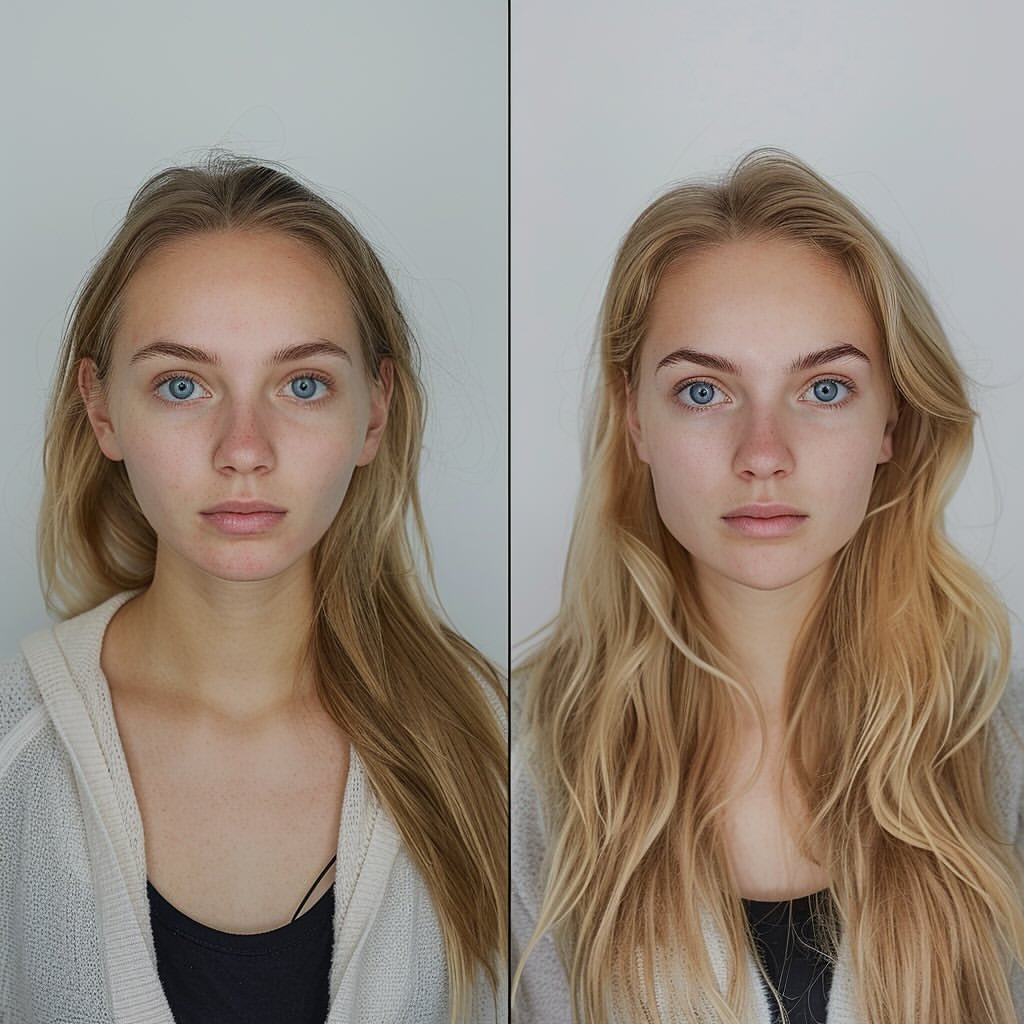

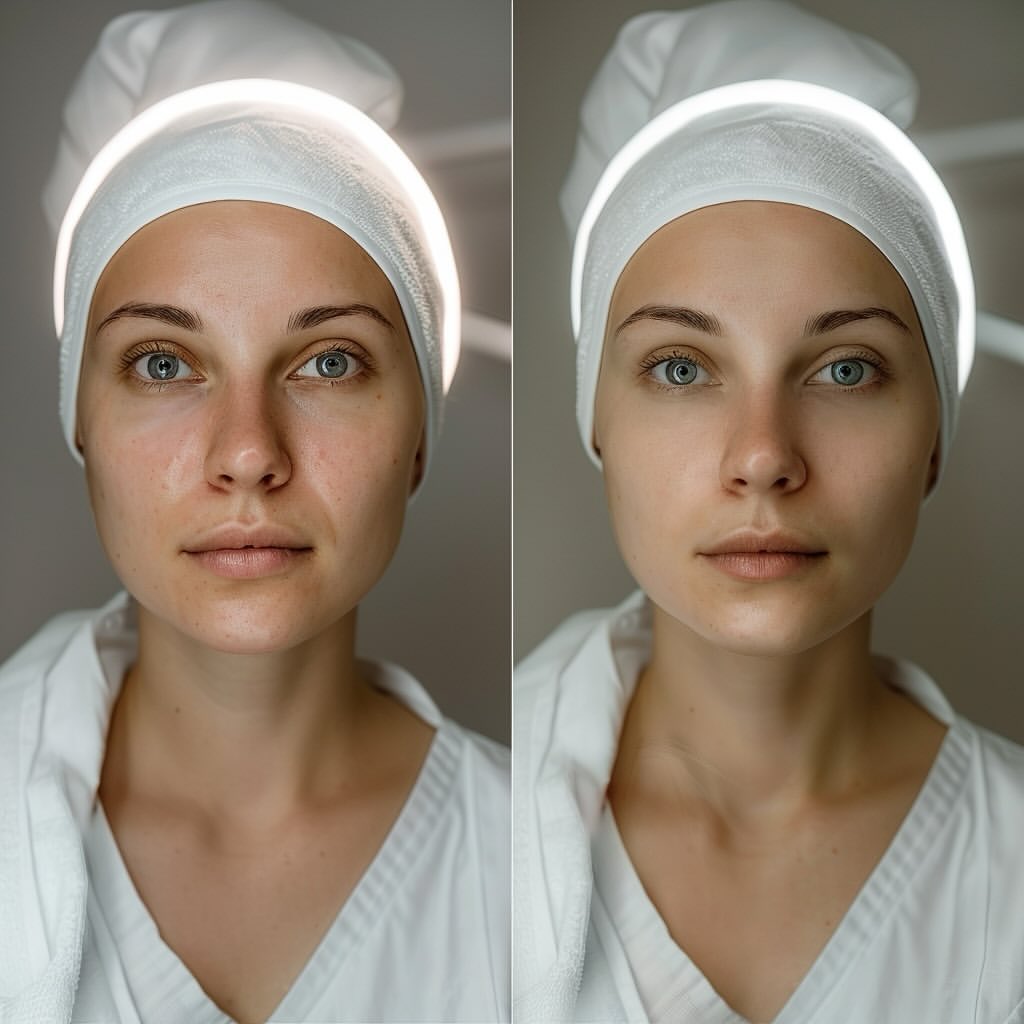
Thousands of satisfied customers
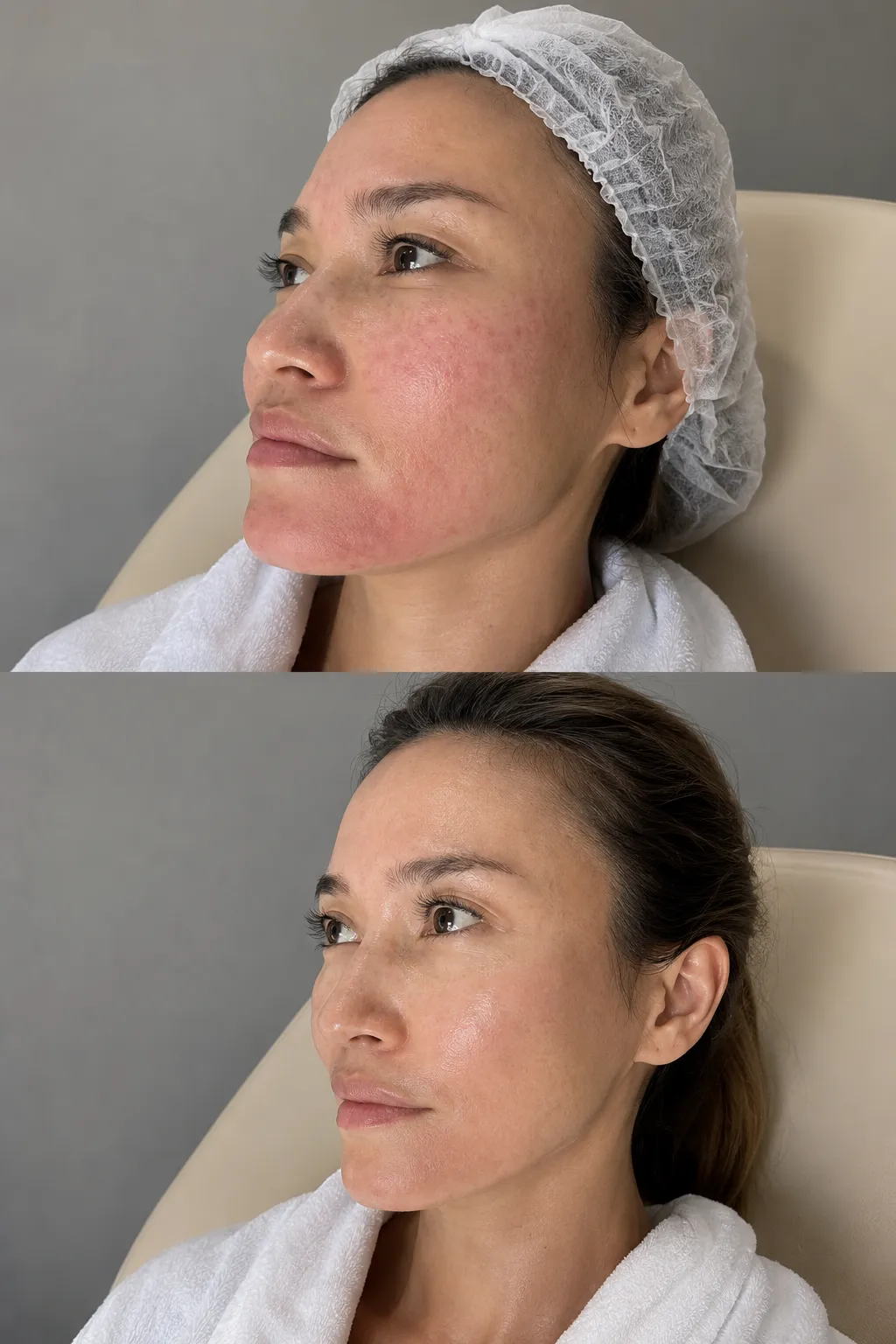
How Much Does Exosomes After Aesthetic Procedures Cost in London?
Direct Answer
Exosomes after aesthetic procedures in London typically cost between £300 and £600 per session, with an average price of around £450. Prices vary based on the delivery method, practitioner qualifications, and the type of procedure performed beforehand, with post-procedure exosome add-ons starting from around £300–£400. Premium central London and Harley Street clinics often charge £650 or more for advanced regenerative protocols.
Typical Exosomes After Aesthetic Procedures Prices in London
- Post-procedure exosome add-on: £300–£400
- Standard standalone exosome treatment: £300–£600
- Course of 3 sessions: £800–£1,600
- Premium Harley Street regenerative protocol: £650–£900
- Exosomes combined with microneedling or laser recovery: £350–£650
Key Pricing Factors
- Practitioner qualifications: Treatments performed by GMC-registered doctors or experienced NMC-registered aesthetic practitioners generally cost more because post-procedure skin requires careful clinical assessment.
- Clinic location: Harley Street and other central London clinics typically charge 30–60% more than clinics in outer London for equivalent regenerative treatments.
- Delivery method: Micro-injection or device-assisted delivery usually costs 1.5–2× more than simple topical application following laser or microneedling procedures.
- Treatment scope: A small post-procedure add-on is typically priced at around 60–70% of a full standalone session because consultation, preparation and aftercare remain the same.
- What’s included: Some clinics exclude consultation, follow-up reviews or recovery products from the advertised price, increasing the final treatment cost.
What Should Be Included in the Price
- Consultation with a GMC or NMC registered medical practitioner.
- Clinical assessment confirming suitability following your aesthetic procedure.
- Written confirmation of the exosome product category and treatment protocol.
- Follow-up review within 1–2 weeks to assess skin recovery.
- Personalised aftercare guidance and access to clinical support if required.
Pricing Red Flags
Exosome treatments advertised below £150 in London should be treated as a warning sign rather than a bargain. Suspiciously low prices may indicate treatment by an inadequately qualified practitioner, the use of an unverified exosome product, or a non-clinical setting. Correcting complications or poor healing following aesthetic procedures can cost significantly more than receiving appropriate treatment in a CQC-regulated clinic.
For a personalised quote based on your recent procedure, skin condition and recovery goals, book a free consultation.
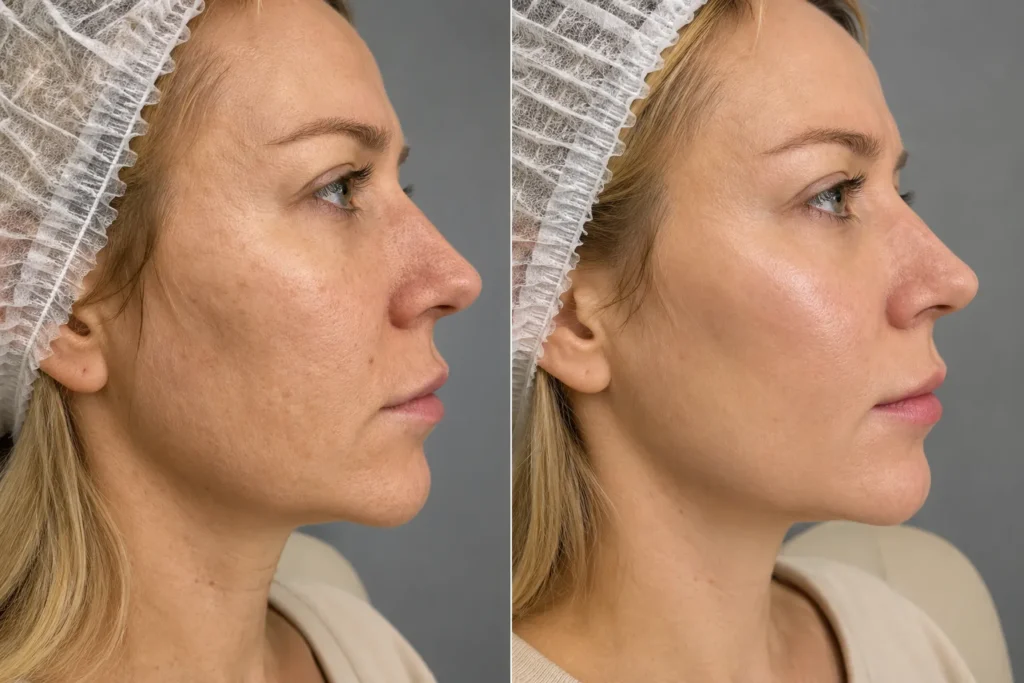
Before and After Exosomes After Aesthetic Procedures Treatment
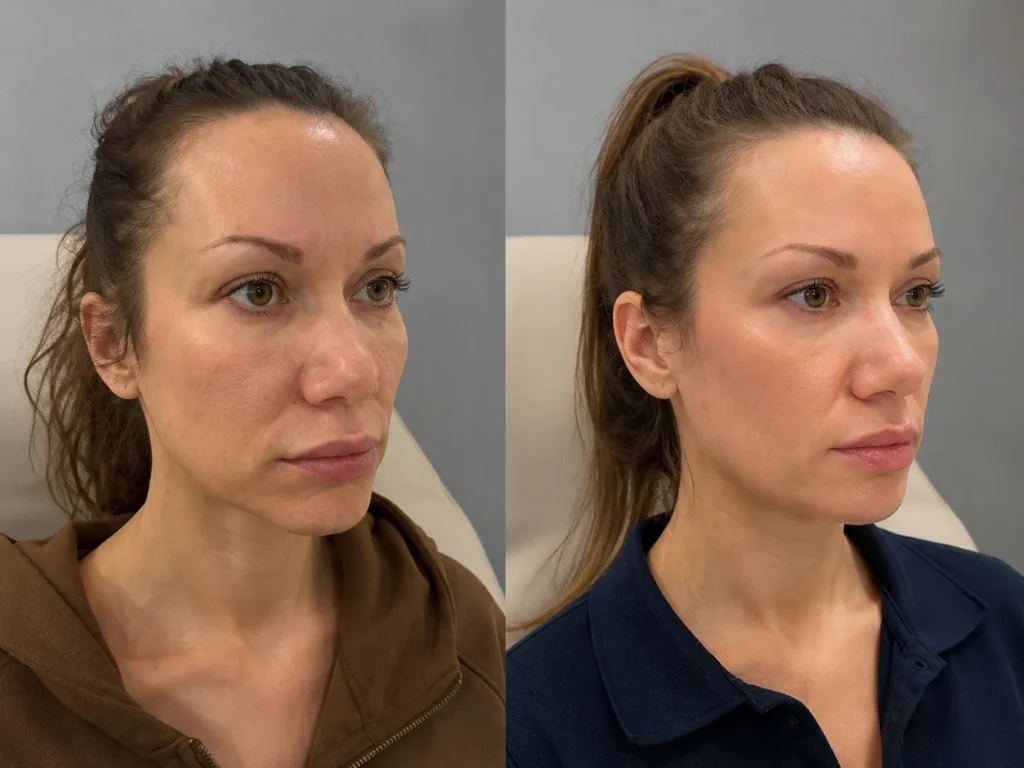
Patients who undergo exosome treatment in the post-procedural window commonly report a notably different recovery trajectory compared with standard aftercare alone. Erythema settles more rapidly, barrier function appears to stabilise earlier, and the skin tends to enter the remodelling phase with less reactive sensitivity — observations that independent specialists frequently attribute to the anti-inflammatory and regenerative signalling properties used in skin treatment.
Longer-term visible changes develop over six to twelve weeks as dermal collagen and elastin remodelling progresses. Individual outcomes vary considerably depending on skin anatomy, the nature of the primary aesthetic treatment, product formulation, and the specialist’s delivery protocol. The four outcomes most commonly discussed by practitioners and patients include:
- Potentially faster reduction of post-treatment erythema and swelling
- Improved skin texture, hydration, and radiance within the first month
- Enhanced collagen remodelling leading to firmer, smoother skin over weeks two to twelve
- Potentially reduced incidence of prolonged sensitivity or reactive skin following energy-based procedures
What Are Exosomes After Aesthetic Procedures?
Exosomes are nanoscale extracellular vesicles — typically 30 to 150 nanometres — naturally released by skin cells and other cell types as part of the body’s biological communication network. In aesthetic medicine, those derived from mesenchymal stem cells or adipose tissue carry a concentrated cargo: they contain growth factors, proteins, lipids, and microRNA that modulate how recipient cells behave.
When applied after aesthetic procedures, therapeutic exosomes exploit an open biological window. The micro-channels created by microneedling, the dermal disruption caused by laser or radiofrequency, or the tissue response following injectable treatment all facilitate deeper product uptake. Specialists time the application precisely to deliver regenerative signals while the skin’s repair mechanisms are most receptive. Their role here is to support — rather than override — the body’s own processes, which is why their use in aesthetic practice is increasingly integrated into structured post-procedure protocols for ageing skin.
In the UK, plant-derived and stem cell-derived exosomes used in aesthetic practice must comply with MHRA guidance and are applied topically or via controlled micro-injection rather than as systemic infusions. Both continue to attract significant research interest within regenerative aesthetics.
The Exosomes After Aesthetic Procedures Process: Step by Step
Clinical Assessment
The consulting practitioner reviews the patient’s recent procedural history, current skin condition, and recovery timeline to determine whether exosome application is clinically appropriate.
Pre-Treatment Protocol
The treatment area is gently cleansed. Where microneedling is part of the same session, a topical anaesthetic is applied in advance and allowed sufficient contact time.
Primary Procedure Interface
If exosomes are being administered following a same-session microneedling or energy device treatment, the specialist sequences delivery to coincide with open microchannels for optimal dermal absorption of the serum.
Exosome Delivery
The product is applied as topical exosomes across the treated surface, or via precise micro-injections, where clinically indicated. Delivery method, product volume, and concentration are selected according to clinical findings.
Post-Procedure Guidance
Aftercare instructions are provided by the independent specialist to support the regenerative response and minimise the risk of irritation or barrier disruption during recovery.
Procedure time: 30–60 minutes, depending on delivery method and treatment area. Recovery: Mild redness or sensitivity typically resolves within 24 to 48 hours
Benefits of Exosomes After Aesthetic Procedures
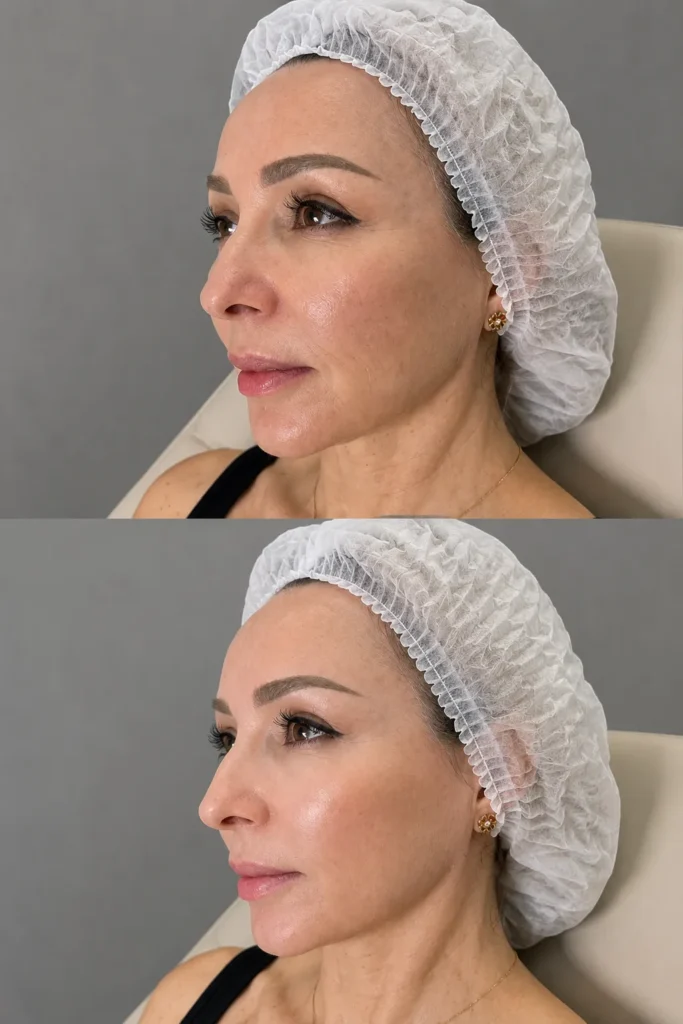
The primary therapeutic advantage of applying exosomes in the post-procedural context lies in their potential to modulate the inflammatory-to-regenerative transition. Rather than allowing the skin to cycle through an extended reactive phase, exosomes work by delivering targeted molecular instructions that may support fibroblast activity, collagen synthesis, and barrier reconstitution — processes central to achieving consistent outcomes from aesthetic treatments. The growing body of evidence reflects this biological rationale.
From a patient experience perspective, supporting the recovery phase has practical implications. Individuals who might otherwise delay treatments due to recovery concerns may find that exosome-supported protocols allow for a more manageable post-treatment period.
Key reported advantages include:
- Potential support for the resolution of post-procedural erythema and swelling
- Possible enhancement of collagen and elastin production in the weeks following treatment
- Improved skin hydration, barrier integrity, and overall skin resilience
- Reduced reactive sensitivity in patients with compromised or sensitised skin
- Potential for sustained improvements over a multi-session regenerative course
Exosomes After Aesthetic Procedures: Treatment Options
Topical Exosome Application Post-Microneedling
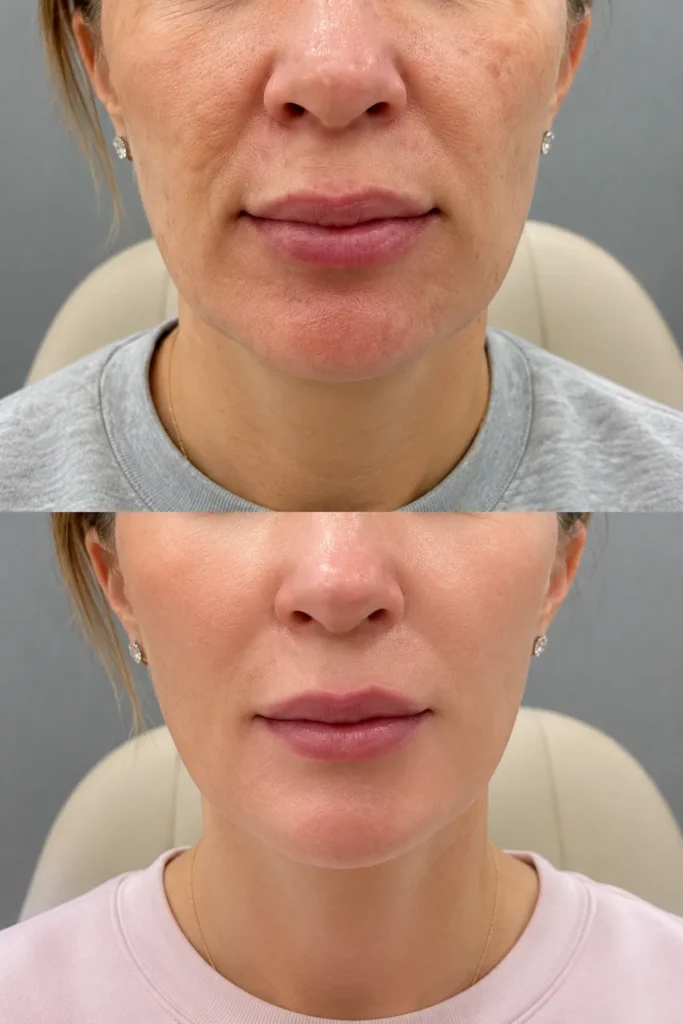
Among the most established delivery strategies, the use of exosomes topically immediately following microneedling exploits the micro-channels created during the procedure to achieve dermal-depth absorption. Independent specialists report this combination as particularly relevant for improving skin texture, addressing post-inflammatory pigmentation, and supporting overall skin recovery.
Micro-Injection Exosome Protocols
Some specialists favour administering exosomes via mesotherapy-style micro-injections into the dermis, independent of a preceding device treatment. This approach allows precise dosing and depth control, and is particularly relevant for patients seeking targeted skin treatment or scar remodelling as a standalone regenerative session.
Exosomes Following Laser and Radiofrequency Procedures
Post-laser and post-radiofrequency application addresses the specific dermal stress profile created by energy-based treatments. The skin enters an acute repair state characterised by inflammation and barrier disruption; exosomes in skin applied within this window may deliver anti-inflammatory molecules and regenerative signals that support recovery time and longer-term dermal remodelling. Exosomes in hair treatment contexts follow a comparable post-procedure rationale when scalp-based energy devices are used.
Multi-Session Exosome Maintenance Programmes
For patients undergoing repeated aesthetic procedures, independent practitioners increasingly integrate exosomes into structured maintenance programmes. A course of two to four sessions, timed around primary treatments, may support cumulative improvements in skin quality and resilience. Exosomes used within such programmes also address hair loss concerns, where scalp treatments form part of the overall aesthetic plan.
Available product platforms used by featured practitioners include:
- Mesenchymal stem cell-derived exosomes
- Adipose tissue stem cell-derived exosomes
- Plant-based exosomes (e.g. rose-derived, GMP-certified)
- ASCEplus SRLV and comparable clinically validated formulations
Why Choose Science Beauty for Exosomes After Aesthetic Procedures?
Science Beauty connects patients with independently verified specialists whose clinical background, certification status, and compliance record are assessed before listing.
Practitioners available through the platform hold active GMC or NMC registration and demonstrate verifiable experience in regenerative aesthetic protocols, including post-procedural exosome application in aesthetic practice.
Clinics featured on the platform operate in CQC-compliant or equivalent clinical environments, using products that are either MHRA-compliant or sourced from GMP-certified manufacturers with documented safety data.
Specialist selection criteria include:
- Active GMC or NMC registration with no current restrictions
- Documented training in regenerative aesthetic medicine and exosome delivery protocols
- Demonstrated experience with energy-based or injectable procedures
- Use of clinically validated, traceable product lines
- CQC-compliant or equivalent clinical setting
- High patient satisfaction supported by verified review data
Disclaimer: The terms “best” and “premier” used in reference to practitioners or treatments signify those that meet our selection criteria, including active GMC/NMC registration, verified clinical experience, high patient satisfaction, and the use of clinically proven, evidence-based protocols. Science Beauty acts as an independent booking platform to ensure quality and safety in aesthetic care.
Frequently Asked Questions
How long do results from exosomes after aesthetic procedures last?
Improvements in skin texture, hydration, and collagen density typically develop over six to twelve weeks following treatment and may persist for up to twelve months, depending on age, lifestyle, skin care regimen, and the nature of the preceding aesthetic procedure. Maintenance sessions spaced every four to six months are commonly recommended by independent specialists to sustain regenerative gains over time.
Are exosomes safe to use immediately after aesthetic treatments such as laser or microneedling?
Exosomes are cell-free vesicles rather than live biological agents, which reduces immunogenic risk. Clinical evidence and practitioner experience generally support the tolerability of their post-procedural application when delivered by trained specialists using validated products. Patients with active infections, uncontrolled autoimmune conditions, or pregnancy would typically be assessed as unsuitable during the clinical consultation.
How much exosome product is needed for post-procedural treatment?
Product volume depends on the treatment area, delivery method, and the exosome formulation used by the independent specialist. Some protocols require a single application concentrated over the face or scalp; others involve multi-point micro-injections calibrated to anatomical zones. Exact quantities and concentrations are determined during the clinical assessment and vary by product platform.
Is exosome therapy after aesthetic procedures worth the additional cost?
For patients whose primary concern is supporting recovery, minimising post-procedural sensitivity, or consolidating regenerative gains from energy-based treatments, exosome therapy offers a biologically coherent rationale supported by emerging clinical evidence. In one split-face observational study, Vitale et al. (2025) reported improvements in texture, hydration, and elasticity when microneedling was combined with exosomes, compared with microneedling alone — though larger controlled trials are needed to confirm these findings. Whether this represents value depends on individual priorities and is best discussed with the treating specialist.
How does exosome therapy differ from PRP when used after procedures?
Both modalities deliver growth factors to post-procedural tissue, but they differ in mechanism and practical profile. Platelet-rich plasma (PRP) requires a blood draw and processing to concentrate the patient’s own growth factors; derived exosomes are ready-to-use preparations produced from stem cells under controlled laboratory conditions, offering more consistent potency and no requirement for venepuncture. Clinical selection depends on patient suitability, practitioner preference, and available evidence for the specific concern.
Can exosomes be used after injectable treatments such as dermal fillers or Profhilo?
Independent specialists may recommend their application following injectable aesthetic treatments in some cases, particularly where patients experience prolonged swelling, impaired skin quality, or wish to support tissue integration. However, timing and suitability are assessed on an individual basis; exosomes are not routinely indicated after every injectable procedure, and any post-procedural protocol should be discussed and confirmed with the treating practitioner.
How many sessions are typically needed?
For post-procedural application after a single aesthetic treatment, one to two sessions are commonly sufficient to support the recovery phase. Patients undergoing a structured course of primary treatments — repeated radiofrequency microneedling or laser sessions, for example — may benefit from a parallel exosome programme of two to four applications timed around each procedure. Individual planning is determined by the independent specialist based on clinical findings and patient goals.
Are there any risks or side effects associated with exosome therapy after procedures?
Reported adverse effects are generally mild and transient, including temporary redness, minor swelling, or localised sensitivity at the application site, typically resolving within 24 to 48 hours. Serious adverse events are uncommon when treatment is delivered by qualified practitioners using GMP-certified products. Patients should disclose their full medical history during consultation; contraindications include active infection at the treatment site, blood-clotting disorders, immunosuppressive therapy, and pregnancy or breastfeeding.
How much do exosomes after aesthetic procedures cost in London?
Exosomes after aesthetic procedures in London usually cost £300–£600 per session, with an average price of around £450. Prices depend on the treatment performed beforehand, practitioner qualifications, and clinic location. Premium Harley Street clinics may charge £650 or more, while post-procedure exosome add-ons typically start from £300–£400.