Can You Take Ibuprofen After Botox
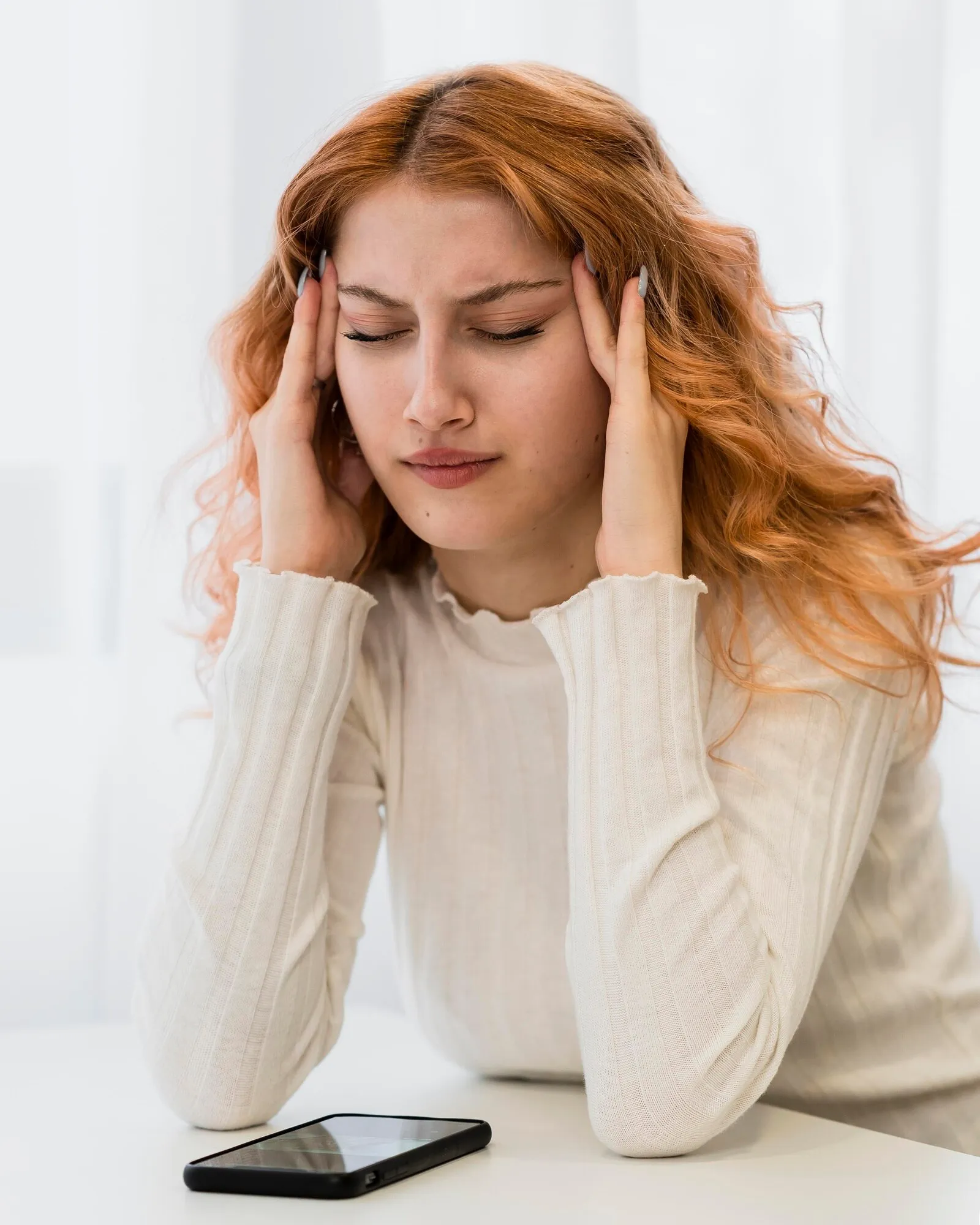
People often reach for ibuprofen after Botox® injections when they notice mild discomfort, a dull headache, or localised pain and swelling around the treated area. While the impulse is understandable, ibuprofen belongs to a class of drugs called NSAIDs (non-steroidal anti-inflammatory drugs), which may thin the blood and increase your risk of bruising at injection sites.
This article covers the dos and don’ts around ibuprofen after Botox®, when it’s best to wait, what the side effects of Botox and NSAID use may look like together, and which alternatives independent specialists typically recommend to reduce any discomfort.

Thousands of satisfied customers

Is Ibuprofen Safe After Botox?
Ibuprofen does not appear to interact directly with botulinum toxin or reduce its effectiveness. However, because NSAIDs inhibit platelet aggregation — the process that helps blood clot at small vessel disruptions — taking ibuprofen shortly after Botox® injections may worsen bruising and increase localised swelling around the injection sites. The extent of this effect varies considerably between individuals, depending on skin type, vascular fragility, and the areas treated.
Practitioner recommendations on this topic are not entirely uniform. Some clinicians advise avoiding ibuprofen for a minimum of 24 hours; others suggest up to 48 hours for patients who are already prone to bruising. Anyone on prescribed NSAIDs for a medical condition should discuss timing directly with their injector before treatment to plan the most appropriate approach.
Why Clinics Recommend Avoiding Ibuprofen
Ibuprofen inhibits the cyclooxygenase (COX) enzymes involved in producing thromboxane A2, a compound that helps platelets clump together at injury sites. When fine needles pass through skin and superficial tissue during Botox® injections, small capillaries can be disrupted. Without adequate platelet function, the minor bleeding that would otherwise resolve quickly may spread into surrounding tissue, producing visible bruising. Many clinics, therefore, advise patients to avoid ibuprofen, aspirin, naproxen, and other NSAIDs for at least 24 to 48 hours after their Botox treatment.
When Ibuprofen May Be Acceptable
There are situations in which a practitioner may judge that continuing ibuprofen is appropriate. Patients managing chronic inflammatory conditions, arthritis, or post-surgical pain under medical supervision may need to continue their prescribed regimen. In these cases, the clinician may weigh the risk of increased bruising against the patient’s underlying medical need. If a patient takes a single dose of ibuprofen after Botox® without realising they should avoid it, the outcome is typically limited to a higher chance of bruising rather than any risk to the treatment result itself.
Risks of Taking Ibuprofen Too Soon After Botox
The principal concerns around taking ibuprofen immediately after Botox® injections are cosmetic and recovery-related rather than clinical. Ibuprofen does not deactivate botulinum toxin, but it can make the days following treatment look and feel less smooth. The risks are generally mild and temporary, though they may be more noticeable in certain areas — such as the eyelid or eyebrow region, or around the lips if the patient has also received lip filler — where the skin is thinner, and vasculature is denser.
Increased Bruising Around Injection Sites
When capillaries are disrupted by needle insertion, the body’s normal clotting response contains any minor bleed quickly. Blood-thinning medications like ibuprofen reduce this response, allowing a small amount of blood to spread beneath the skin and become visible as a bruise. Patients who are already likely to bruise — due to fair skin, active lifestyle, or existing medication — may find this effect more pronounced. This is more noticeable when multiple injection points are used across the face, as is common in full-face Botox® treatments targeting frown lines, fine lines, and crow’s feet.
Swelling and Skin Sensitivity
NSAIDs are anti-inflammatory by mechanism, yet in the immediate post-injection window, they may worsen the appearance of redness and swelling by affecting local circulation and vascular tone. Some patients also notice that the skin around the treated area feels more sensitive than expected in the days to a week following treatment. It is worth distinguishing between normal post-treatment swelling, which typically settles within 24 to 48 hours, and symptoms such as spreading redness, warmth, or hardness, which may warrant contacting the treating practitioner promptly.
Impact on Recovery Timeline
Visible bruising or prolonged swelling and bruising can extend the period before results appear settled. Most Botox® results — including softening of lines and wrinkles and the early effects of Botox on facial muscles — become clearly visible within seven to fourteen days. Bruising that takes four days to a week to resolve can delay that window and affect confidence in the interim. For patients booked for events or photoshoots, even modest bruising can be disruptive, which is one reason practitioners are consistent in advising against NSAIDs during the early recovery phase.
How Long Should You Wait Before Taking Ibuprofen?
Most independent specialists recommend waiting at least 24 hours after Botox® before taking ibuprofen, with many advising 48 hours for patients who bruise easily or who have had multiple areas treated. When in doubt, it’s best to wait until the next day before resuming NSAIDs, and to check with the practitioner who performed the treatment if you are unsure. The guidance is not always rigid — individual practitioners may adjust their recommendations based on the patient’s anatomy, skin condition, and the injection technique used.
First 4 Hours After Botox
The first few hours after Botox® injections are when the injection sites are most vulnerable. Practitioners typically advise patients to avoid touching or rubbing their face, engaging in strenuous physical activity, lying flat, and taking any unnecessary medications during this window. The product is settling into the targeted muscles, and minimising anything that could affect local circulation or introduce pressure helps allow the Botox to settle correctly. Keeping the face upright and calm during this period is one of the simplest ways to support a smooth recovery after getting Botox.
First 24 Hours After Treatment
During the first 24 hours after your injections, standard aftercare advice from verified London clinics includes avoiding alcohol, excessive heat such as saunas or hot showers, and blood-thinning products, including ibuprofen, aspirin, and certain supplements. It is best to avoid drinking alcohol, avoid strenuous activity, and refrain from vigorous facial movement or massage. Patients are generally advised to use a cold compress gently to reduce any discomfort if needed, and to avoid makeup on injection sites during this period.
When Bruising Risk Drops
By 48 hours post-treatment, injection sites have typically begun to stabilise as the skin closes over the needle entry points and any minor vascular disruption resolves. For most patients without a strong history of bruising, the risk from a single dose of ibuprofen after this window is considerably lower. Patients on long-term NSAIDs may find it reasonable to resume their regular schedule after 48 hours, though it remains worth checking with the practitioner who performed the treatment before doing so.
Alternatives to Ibuprofen After Botox
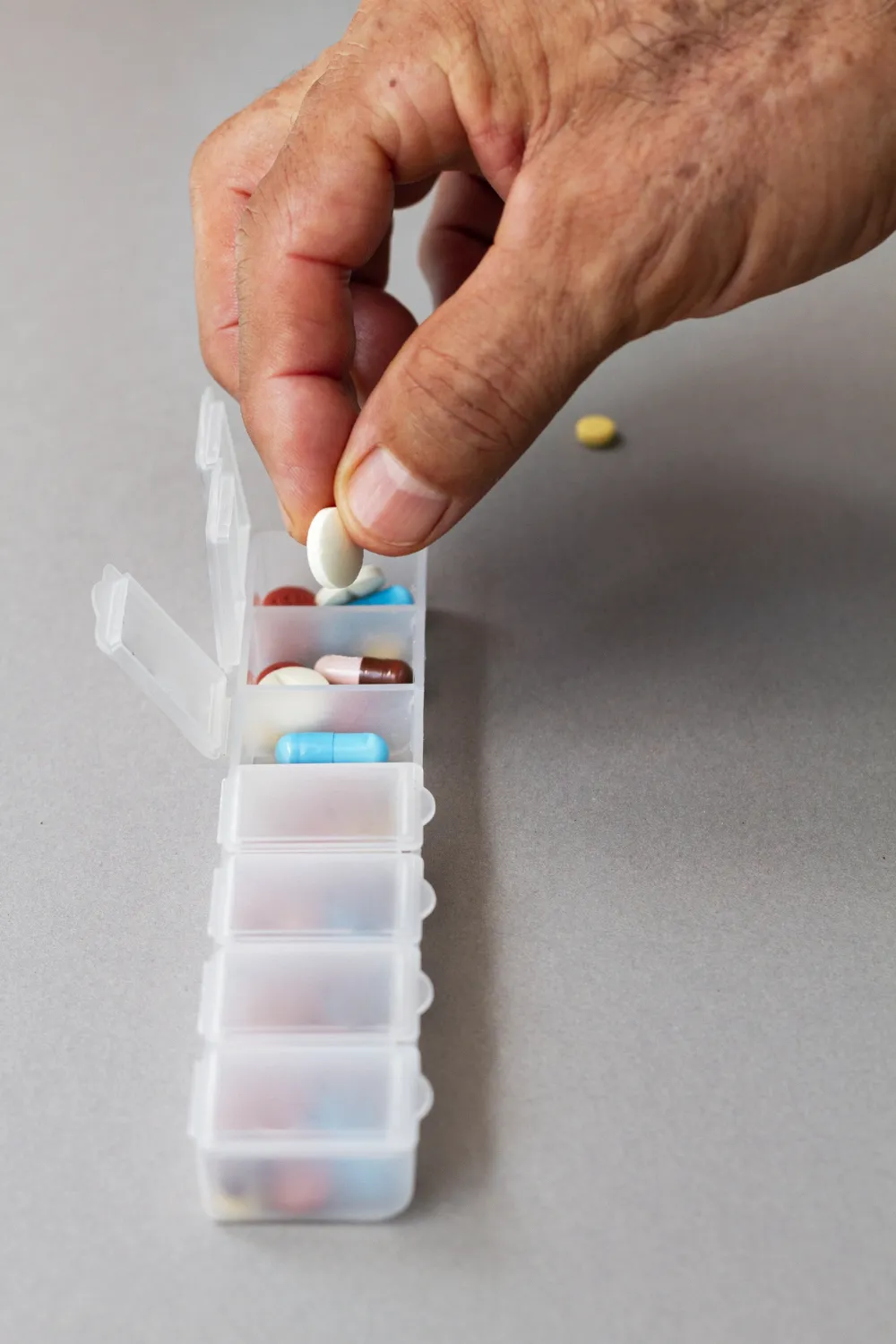
Managing mild discomfort after Botox® injections does not require NSAIDs. Several safer alternatives may help reduce any discomfort without increasing the risk of swelling and bruising at injection sites.
Paracetamol for Pain Relief
Paracetamol — known as Tylenol in the United States — is the analgesic most commonly recommended by practitioners after Botox® treatment. It does not affect platelet function or blood-thinning pathways, which makes it a more suitable option during the first 24 to 48 hours. Patients who need to take Tylenol or paracetamol for mild headaches, tenderness, or general post-treatment discomfort may do so at the standard recommended dose. Most practitioners consider it the preferred choice over NSAIDs when looking to reduce any discomfort in the hours after your injections.
Cold Compresses and Rest
A clean cold compress or wrapped ice pack applied gently to the treated area can help reduce pain and swelling and provide localised relief without any systemic effect on circulation. It is important not to press firmly on injection sites, as applying pressure may affect placement if the patient also received dermal fillers or lip fillers in the same session. Rest, minimal facial activity, and staying cool are generally the most straightforward ways to support recovery in the first 24 hours after Botox® injections.
Other Medications and Products to Avoid After Botox
Several other substances share properties with ibuprofen that may worsen bruising or irritation after Botox® injections. Being aware of these don’ts in the days before and after treatment can help patients protect their skin and get the best possible outcome from their session.
Aspirin and Other NSAIDs
Aspirin is a particularly potent blood thinner because it irreversibly inhibits platelet function — unlike ibuprofen, whose effect wears off as the drug clears. Aspirin and similar medications can also thin your blood for longer than patients may expect, meaning the risk of bruising at the injection site may persist even after the last dose. Naproxen works similarly to ibuprofen but has a longer half-life. Patients who are taking blood thinners or prescribed NSAIDs regularly should discuss the timing of their Botox® treatment with both their prescribing doctor and their injector.
Fish Oil, Vitamin E, and Herbal Supplements
A number of widely used supplements may also act as blood thinners and lead to bruising at injection sites. These include high-dose fish oil (omega-3 fatty acids), vitamin E, garlic supplements, ginkgo biloba, and ginseng. Many practitioners advise pausing these for seven to ten days before Botox® as well as for 24 to 48 hours after. Patients should inform their injector of all supplements they are taking during their pre-treatment consultation to reduce the risk of infection or post-treatment complications.
Alcohol Before and After Botox
Alcohol can also cause vasodilation — the widening of blood vessels — which may worsen redness and increase the likelihood of bruising following injections. Avoiding alcohol in the 24 hours after Botox injections is standard advice from most London clinics, and many practitioners recommend avoiding drinking alcohol the night before treatment as well. Alcohol can also contribute to dehydration, which may affect how the skin looks and feels during early recovery around the injection sites.
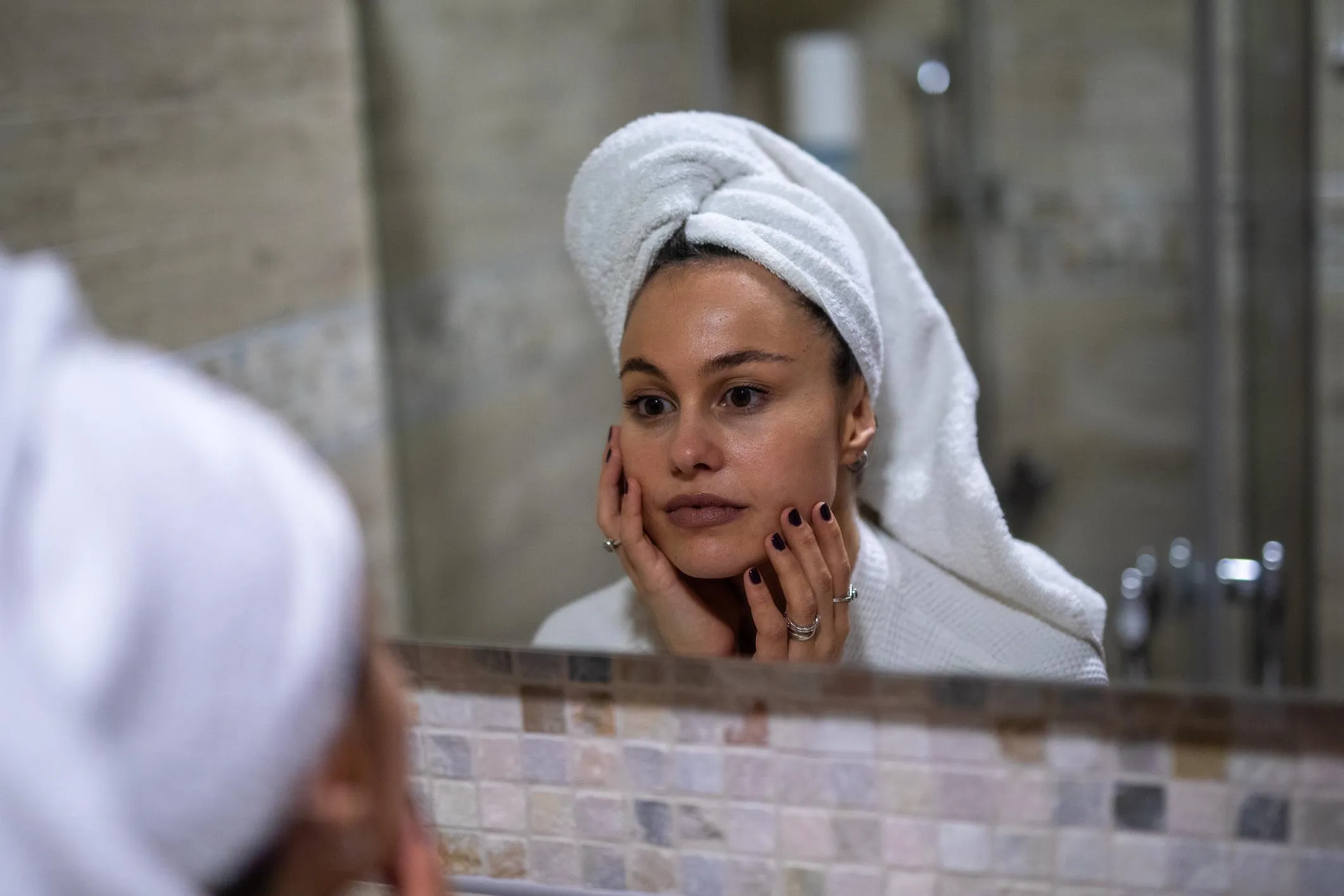
Botox Aftercare Tips
A clear Botox aftercare routine is one of the most important factors in supporting recovery and helping patients rejuvenate their appearance effectively. The following guidance reflects commonly recommended practice among independent specialists in London.
Sleeping Position After Botox
Lying flat immediately after Botox® is generally discouraged during the first four hours, as it may place pressure on treated areas or affect the distribution of the product before it fully settles. For the first night, some practitioners suggest sleeping on the back with the head slightly elevated, where possible. Patients should avoid pressing their face into a pillow or sleeping on the treated side, particularly when the eyelid or eyebrow area has been injected, as pressure in these zones may be more consequential.
Exercise Restrictions After Treatment
Strenuous exercise increases blood flow, raises core body temperature, and promotes flushing — all of which may worsen redness and swelling or, in some cases, cause the botulinum toxin to migrate slightly from the intended muscle. Raising your eyebrows repeatedly, making exaggerated facial expressions, or engaging in facial exercises are also best avoided in the first few hours after your injections. Most practitioners recommend avoiding vigorous workouts, hot yoga, and exposure to saunas or steam rooms for at least 24 hours after Botox® injections.
Skincare Routine During Recovery
When it comes to washing your face after getting Botox, use a light touch when washing and avoid any pressure on injection sites for the first 24 hours. Taking care with how you wash your face — and using only gentle, non-irritating products — can help protect your skin during early recovery. Exfoliants, retinoids, and active acids are best avoided for at least 48 hours, as the skin may be more reactive than usual. Facial massages and professional facials should be deferred for at least two weeks, and rubbing your face or touching the treated area unnecessarily should be avoided entirely in the first 24 hours after Botox injections.
Key Takeaways on Ibuprofen After Botox
Ibuprofen does not deactivate or interfere with botulinum toxin, but it may increase bruising and swelling around injection sites by reducing the blood’s ability to clot effectively. The key don’ts in the hours after your injections include taking NSAIDs, drinking alcohol, rubbing your face, and engaging in strenuous activity — all of which can lead to bruising or extend recovery. Paracetamol (Tylenol) is the preferred option to reduce any discomfort during the first 24 hours after Botox injections. Patients taking prescribed blood thinners should discuss timing with both their prescriber and injector before treatment. If unusual symptoms develop — including pronounced swelling around the eyelid, signs of ageing of the skin appearing to worsen, or increasing redness and swelling — contacting the treating practitioner directly is always the right first step.
Botox treatments in London typically cost between about £175–£400, depending on the number of areas treated, the practitioner’s qualifications, and the clinic location. Central London clinics charge a median of about £195 for one area and about £310 for three areas, compared with roughly £150 and £230 respectively in other parts of the UK.
FAQs About Ibuprofen and Botox
Can You Take Ibuprofen for Headaches After Botox?
Mild headaches are a recognised side effect of Botox® injections, particularly after treatments targeting the forehead, frown lines, or fine lines around the eyes. While ibuprofen may be effective for headache relief, many practitioners prefer patients to take Tylenol or paracetamol during the first 24 hours after Botox injections to reduce any risk of bruising at the injection site. If a headache is severe, persistent, or accompanied by visual disturbance or pressure around the eyelid, the treating practitioner should be contacted.
Can Ibuprofen Ruin Botox Results?
Ibuprofen does not deactivate or chemically interfere with botulinum toxin. The effects of Botox are determined by how the protein binds to nerve terminals in the targeted facial muscles, and this process is not disrupted by NSAID use. The main concern with ibuprofen after Botox® is cosmetic — specifically, an increased risk of bruising and swelling at injection sites — rather than any meaningful impact on the treatment outcome or how long the results last.
Can You Take Advil After Botox?
Advil is a brand name for ibuprofen and carries the same recommendations and risks as any other ibuprofen-containing product. Taking Advil in the hours after your injections follows the same general guidance: most practitioners advise waiting at least 24 hours after Botox injections, or longer for those who are likely to bruise. If managing discomfort on the first day after treatment, it’s best to wait and take paracetamol instead, and to check with your injector if you are unsure about timing.
What Pain Reliever Is Best After Botox?
Paracetamol — or Tylenol — is generally considered the most suitable analgesic option after Botox® injections during the initial 24 to 48-hour recovery window. Unlike ibuprofen, aspirin, and naproxen, paracetamol does not affect platelet aggregation or act as a blood thinner, which is why most practitioners consider it a more suitable option for managing discomfort after Botox® injections. For most patients, standard paracetamol at the recommended dose provides adequate relief for any post-treatment pain and swelling or headache.
What Happens If You Accidentally Take Ibuprofen After Botox?
Taking a single dose of ibuprofen accidentally after Botox® is unlikely to cause the Botox to fail or meaningfully affect the treatment result. The most likely consequence is a slightly higher chance of bruising or more noticeable bruising at the injection site developing over the following day or two. This is a temporary cosmetic concern rather than a sign of complications. Patients who notice increased swelling and bruising after accidentally taking ibuprofen should monitor the area and contact their practitioner if symptoms do not improve within a few days to a week.
Newsletter Updates
Enter your email address below and subscribe to our newsletter