What Is the Difference Between Botox and Fillers?
Botox and dermal fillers are both injectable cosmetic treatments designed to reduce signs of ageing and refresh the appearance of the face. However, they work in fundamentally different ways, target different concerns, and suit different candidates. Understanding what the difference is between Botox and dermal fillers is the first step in making an informed decision about which treatment — or combination of treatments — may be appropriate for your goals.
Botox works by temporarily relaxing the muscles responsible for facial movement, while dermal fillers add volume beneath the skin to restore structure and smooth deeper folds. Neither approach is universally superior; the right choice depends on your anatomy, skin condition, age, and what you want to achieve.

Thousands of satisfied customers
Botox vs Fillers: Quick Comparison
Both Botox and dermal fillers are minimally invasive, require no general anaesthetic, and deliver results without surgical downtime. Yet fillers and botox address the face in distinct ways. Botox is most effective for movement-driven lines, while fillers are used to restore volume, contour the face, and smooth static wrinkles that are visible even at rest.
When exploring these treatments through platforms such as Science Beauty, comparing independent specialists and their approaches side by side can help clarify which option aligns with your concerns and expectations.
Main Differences Between Botox and Fillers
The key difference lies in the mechanism. Botox contains purified bacteria-derived botulinum toxin — a protein that works by blocking nerve signals to targeted muscles, temporarily reducing the repetitive contractions that create dynamic wrinkles such as frown lines and crow’s feet. Dermal fillers contain ingredients that add volume — most commonly hyaluronic acid — and are injected beneath the skin to restore lost volume, soften folds, or enhance facial contours.
In short, Botox relaxes muscles to smooth expression lines, while fillers restore or create structure in areas where volume has diminished or was always limited. Fillers work in different ways to Botox and are generally not interchangeable, even when treatment areas overlap.
Which Treatment Lasts Longer?
Botox lasts between three and six months on average, after which muscle activity gradually returns, and retreatment may be considered. Dermal fillers last longer than Botox in most cases — most hyaluronic acid fillers remain effective for 9 to 18 months, and some longer-lasting collagen-stimulating products may persist for up to two years or more. Longevity is influenced by the product used, the treatment area, individual metabolism, and lifestyle factors such as sun exposure and smoking.
Areas with significant movement, such as the lips, tend to break down filler more quickly than less mobile areas like the cheeks or temples.
Which Treatment Costs More?
Botox in the UK typically costs between about £150–£350 per treatment area, with London clinics often sitting toward the upper end of that range at about £200–£400 due to higher overheads and demand. Fillers cost more upfront in most cases because more product is typically required per session. Mid-range reputable London clinics generally charge about £300–£450 per syringe of hyaluronic acid filler, and many treatments require more than one syringe, meaning the total investment can be considerably higher.
Multi-area filler treatments or full-face packages may offer better value per millilitre than individual syringe pricing.
Botox vs Fillers Results
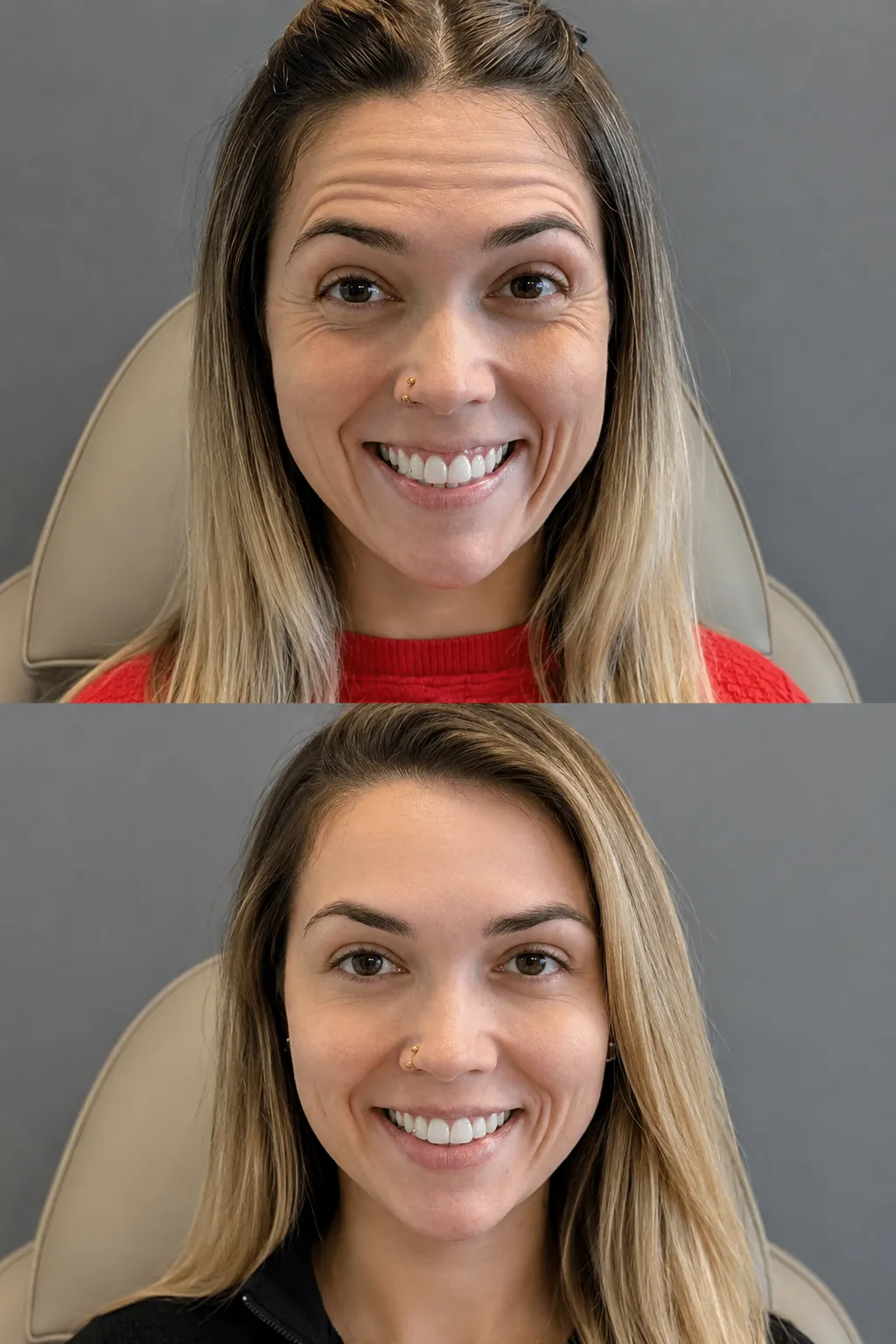
Results from Botox produce a smoother, more relaxed appearance in areas affected by dynamic wrinkles. The forehead becomes less creased, frown lines soften, and crow’s feet are less visible during facial expression. Results typically appear within three to seven days and reach their full effect at around two weeks.
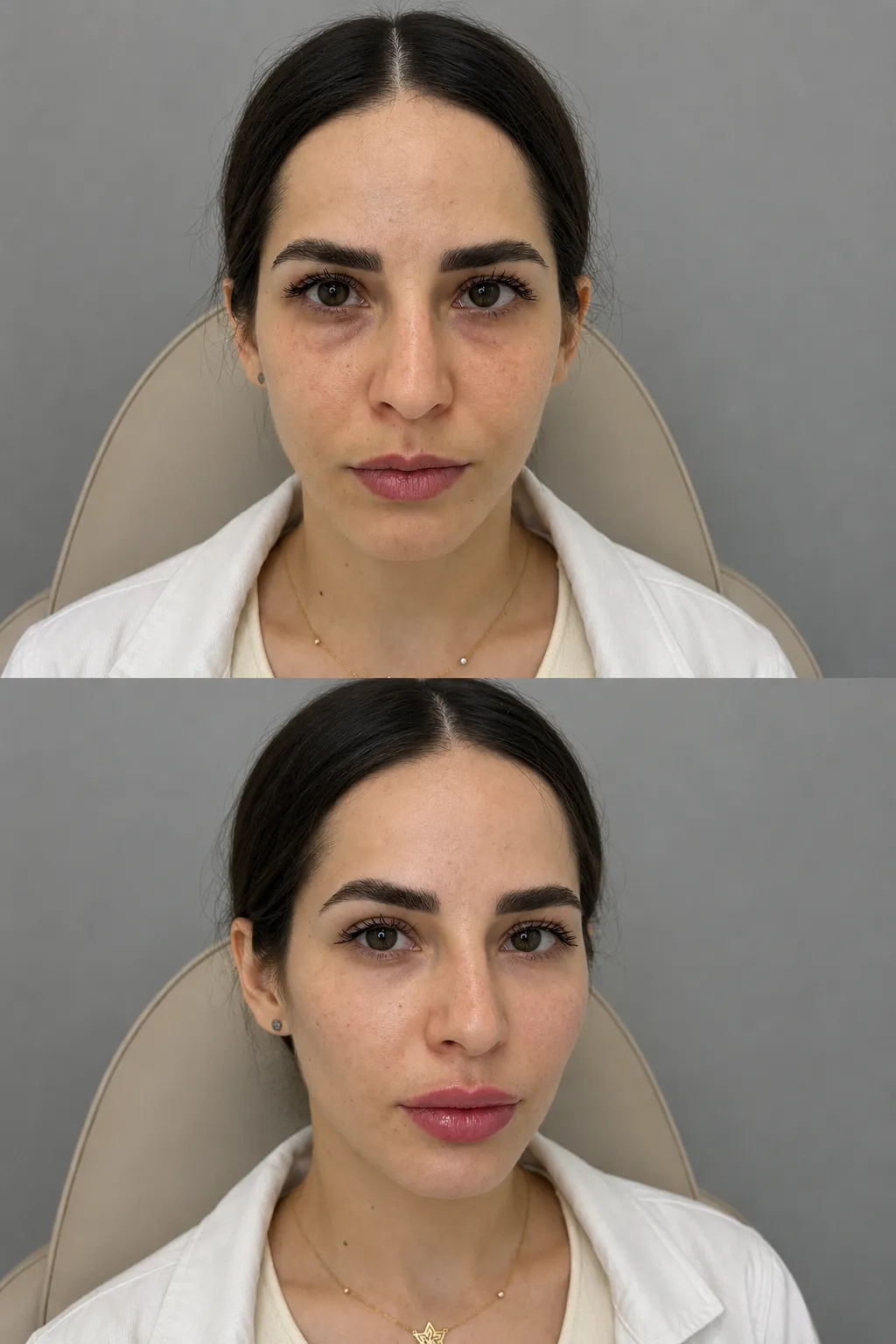
Fillers, on the other hand, typically deliver visible changes to facial structure from the moment of treatment — fuller lips, lifted cheekbones, a more defined jawline, or reduced shadows under the eyes. The overall effect is often described as a restored youthfulness rather than a frozen or rested look.
Botox vs Fillers Comparison
| Botox | Dermal Fillers | |
| Treatment purpose | Relax muscles, soften dynamic wrinkles | Restore volume, contour, smooth static lines |
| Active ingredient | Botulinum toxin | Hyaluronic acid (most common) or other gel |
| Areas treated | Forehead, frown lines, crow’s feet, jaw, neck | Lips, cheeks, jawline, chin, tear troughs, folds |
| Pain level | Mild; fine needles, topical numbing available | Mild to moderate; numbing cream is typically used |
| Downtime | Minimal; minor bruising or swelling possible | Minimal; bruising and swelling common for 24–72 hrs |
| Longevity | 3–6 months | 9–18+ months, depending on product and area |
| Side effects | Bruising, headache, mild asymmetry | Swelling, bruising, tenderness, and rare migration |
| Average London cost | About £200–£400 per area (London) | About £300–£600 per syringe |
What Is Botox?
Botox is just one brand name — others include Azzalure and Bocouture — though it has become widely used as a general term for botulinum toxin treatments. When comparing botox and other brands, the active mechanism is the same, though formulations and dosing protocols may differ slightly between products.
How Botox Works
Botox works by blocking nerve signals at the neuromuscular junction — the chemical messenger that triggers muscle contraction. When injected into a targeted muscle, it temporarily prevents that muscle from contracting with its usual force, reducing the visible lines caused by movement. Since botox effects are not permanent, nerve signals gradually recover over months and muscle activity returns.
The treatment is typically administered using very fine needles, with multiple small injection points across the targeted area. Most practitioners inject botox to achieve a natural, softened result rather than complete immobility.
Areas Botox Can Treat
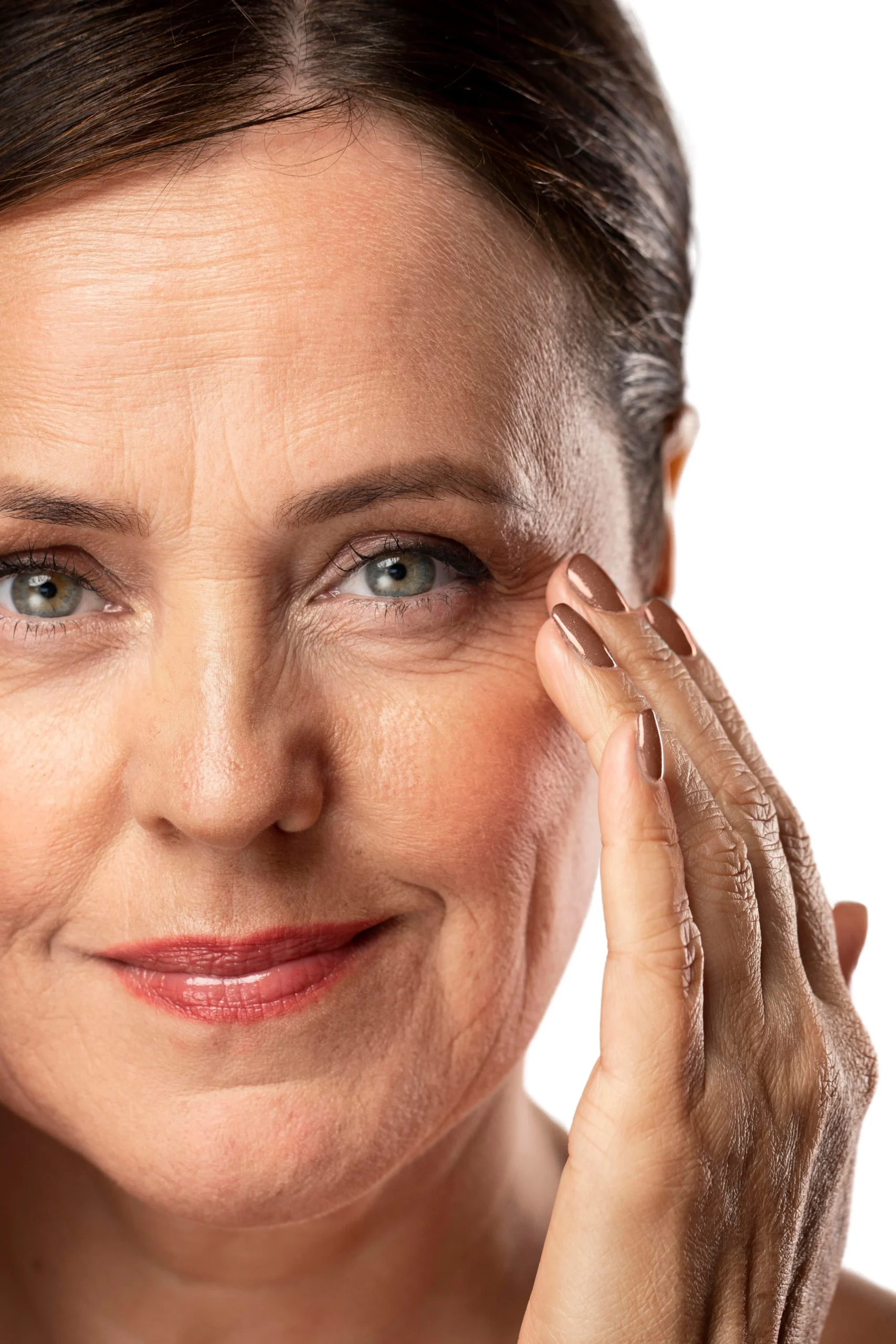
Botox is most commonly used to treat dynamic wrinkles — those caused by repeated facial movement — and is widely regarded as the first-line approach for these concerns. Typical botox treatment areas include the forehead, frown lines between the brows (glabella), and crow’s feet around the eyes.
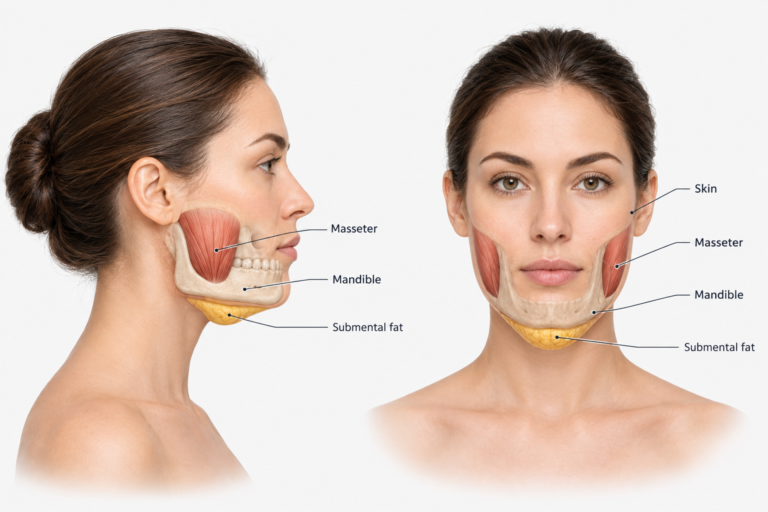
Beyond cosmetic anti-ageing, botox can also treat a range of other concerns. Botox can help with jawline slimming (masseter reduction), neck bands (platysmal bands), excessive sweating (hyperhidrosis), a subtle lip flip effect, and certain cases of chronic migraines — botox for migraines is an established clinical use supported by NICE guidance. Botox can also be considered for bruxism (tooth grinding), though suitability for all these uses depends on individual assessment by a qualified practitioner.
Botox is an injectable treatment containing botulinum toxin type A — a purified protein derived from the bacterium Clostridium botulinum. In cosmetic medicine, it is used in very small, controlled doses to temporarily reduce muscle movement and soften the lines and wrinkles that form as a result of repetitive facial expressions. In the UK, Botox is a prescription-only medicine and must be prescribed by a qualified medical professional before administration.
Botox Side Effects and Recovery
Botox injections carry an acceptable risk profile when performed by experienced, qualified practitioners, but possible side effects include bruising at the injection site, mild swelling, temporary headache, and slight asymmetry. Botox may occasionally cause a temporary drooping of the brow or eyelid if the product migrates slightly, though this is uncommon with skilled technique. Most side effects resolve within a few days.
Downtime is generally minimal. Most people return to normal activities immediately, though practitioners typically advise avoiding strenuous exercise, alcohol, and lying flat for several hours post-injection.
Is Botox Permanent?
Botox results are temporary. Most people find that effects last between three and six months, at which point the muscle activity returns and lines may begin to reappear. Whether botox is right for long-term maintenance depends on individual goals and response; some clinicians suggest that with consistent treatment over time, muscle atrophy may slightly extend the interval between sessions, though individual responses vary.
What Are Dermal Fillers?
Dermal fillers are injectable gels designed to restore volume beneath the skin, sculpt facial contours, and smooth lines that are visible at rest. They contain ingredients that include hyaluronic acid (HA), a substance naturally present in the body that binds water and supports skin elasticity. Other types include calcium hydroxylapatite and poly-L-lactic acid, which stimulate collagen production and may offer longer-lasting structural support.
Unlike Botox, which modifies muscle behaviour, fillers restore lost volume by physically replacing or adding tissue volume in targeted areas.
How Dermal Fillers Work
Dermal fillers use hyaluronic acid and other gel-based ingredients to add volume beneath the skin. When they are injected beneath the skin’s surface, they attract and retain water molecules, adding visible volume and hydration to the treated area. Depending on the formulation and injection depth, using dermal fillers can address fine surface lines, deeper structural volume loss, or proportional imbalances. Different viscosities are selected for different areas — softer gels for delicate zones like the lips and under-eyes, denser formulations for deeper structural support in the cheeks or jawline.
The effects of dermal fillers are typically visible from the moment of treatment, with optimal results apparent after any initial swelling has resolved, usually within one to two weeks.
Areas Fillers Can Treat
Facial fillers are most commonly used to add volume to the lips, restore lost volume in the cheeks and mid-face, define the jawline, augment the chin, and soften deep folds such as nasolabial folds and marionette lines. They are also used in the tear trough area to reduce hollows and dark shadows under the eyes, and in the temples to restore a fuller, more lifted facial structure.
Fillers can also be used for non-surgical rhinoplasty, hand rejuvenation, and earlobe restoration, though these are more specialist applications. Get dermal fillers only from a medically trained practitioner with demonstrable experience in the area you wish to treat.
Dermal Filler Side Effects and Recovery
Dermal fillers may cause temporary swelling, bruising, tenderness, and redness at injection sites — these are the most common side effects and typically resolve within a few days. The lips and under-eye area may remain swollen for slightly longer. More rarely, filler migration, lumpiness, or asymmetry can occur, particularly if administered by an inexperienced injector.
Serious complications such as vascular occlusion — where filler inadvertently enters a blood vessel — are rare but possible, which is why choosing a medically trained practitioner with knowledge of facial anatomy is considered essential. Recovery is generally minimal, with most people able to return to work and daily activities the same day.
Are Dermal Fillers Permanent?
Most hyaluronic acid dermal fillers are not permanent. The body gradually breaks down and absorbs the product over time, with results typically lasting 9 to 18 months, depending on the product, area, and individual metabolism. Popular options such as Juvéderm and Restylane are both HA-based and reversible, making them widely preferred in clinical practice.
Some collagen-stimulating fillers such as Sculptra (poly-L-lactic acid) or Radiesse (calcium hydroxylapatite) last considerably longer — potentially two years or more — but are not reversible in the same way. These are typically used for deeper structural support rather than superficial volume.
Botox vs Fillers for Different Concerns
Choosing between botox or dermal fillers often depends less on preference and more on the specific concern being addressed. For some patients, one treatment is clearly more appropriate; for others, a combination approach delivers the most balanced result. A qualified practitioner’s assessment of your facial anatomy and treatment goals is essential to making the right choice.
Botox vs Fillers for Forehead Lines
Forehead lines are primarily dynamic wrinkles — caused by the repeated upward movement of the frontalis muscle when raising the brows. Botox is generally the preferred approach for these, as relaxing the muscle reduces the depth of the lines over time. Fillers may be considered in some cases where lines are very deep and remain visible even at rest, but this is less common and requires careful clinical judgement to avoid a heavy or unnatural result.
Botox vs Fillers for Lips
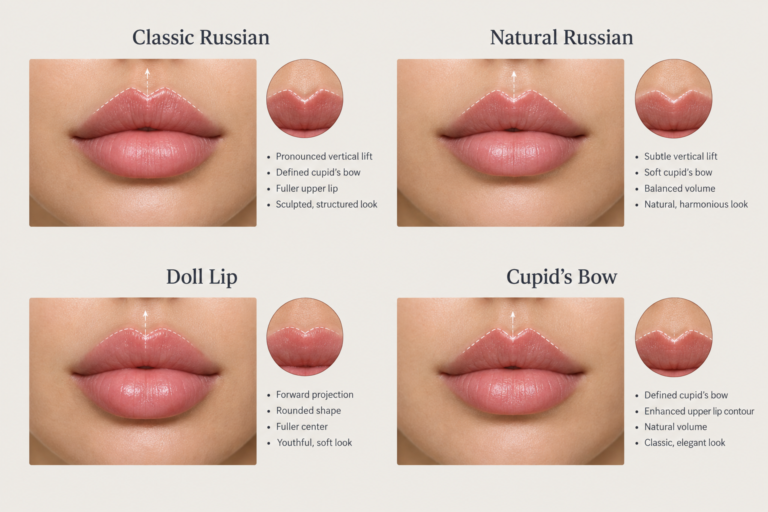
Dermal fillers are the primary treatment for lip enhancement, adding volume, improving shape, and defining the vermilion border. Botox can also be used in the lips in a technique known as a lip flip, where small doses are injected into the orbicularis oris muscle to subtly evert the upper lip, creating the appearance of slightly more volume without adding filler. The lip flip is typically suited to those seeking a very subtle effect rather than visible plumpness.
Botox vs Fillers for Jawline
Both botox and dermal fillers can address the jawline, but in different ways. Jawline fillers add definition and structural projection to the lower face, improving the transition between the chin and neck and creating a sharper, more sculpted appearance. Masseter Botox relaxes the large chewing muscles at the sides of the jaw, which may gradually reduce muscle bulk in the lower face over several weeks in suitable candidates. Some patients benefit from both: Botox to reduce muscle bulk and filler to add definition to the chin or angle of the jaw.
Botox vs Fillers for Under-Eyes
The under-eye area can be affected by two distinct concerns that require different approaches. Fine, crepey wrinkles around the outer corners of the eyes (crow’s feet) are typically addressed with Botox, as they are caused by the orbicularis oculi muscle contracting with expression. Hollow tear troughs — the sunken area beneath the lower eyelid — are better suited to carefully placed dermal filler, which helps reduce shadowing and a tired appearance by adding volume to the area. This is a technically demanding region, and specialist experience is essential.
Can Botox and Fillers Work Together?
Botox and dermal fillers are frequently used together in a combined approach, sometimes referred to as a liquid face lift. Rather than treating the face in isolation, this strategy uses each product where it is best suited — Botox to relax the upper face and reduce dynamic lines, fillers to restore mid-face volume and define the lower face. When balanced correctly, the combined effect can be more natural and comprehensive than either treatment alone.
Benefits of Combining Botox and Fillers
Combining botulinum toxin with dermal fillers allows practitioners to address multiple signs of ageing in a single treatment plan. Botox and fillers are used together to achieve a reduction in active wrinkles, improved facial volume, and enhanced contour — without the need for surgery or extended recovery. Many patients also find that combining treatments reduces the overall amount of each product required, which may improve the natural quality of the result.
Most Common Combination Treatments
One of the most frequent combinations is Botox for the upper face — treating forehead lines, frown lines, and crow’s feet — alongside cheek or lip fillers to restore mid-face volume and address nasolabial folds. Another common pairing is masseter Botox for lower face slimming combined with chin or jawline filler for structural definition. Getting fillers alongside a Botox treatment is always tailored to the individual, and any plan should be guided by a qualified practitioner with a thorough understanding of facial anatomy.

Is Botox or Filler Better?
When people compare Botox and dermal fillers to decide which is best, the honest answer is that neither is universally superior. Botox is best for dynamic, movement-related wrinkles, while fillers are right for volume loss and structural contouring. The most appropriate treatment depends on the individual’s skin concerns, facial anatomy, age, and cosmetic goals. Both treatments carry an acceptable risk profile when administered by appropriately trained practitioners, but they address different problems and should not be seen as interchangeable.
When Botox Is the Better Choice
Use Botox when the primary concern is dynamic wrinkles driven by muscle movement. Ideal candidates include people with visible forehead lines, frown lines, or crow’s feet that deepen during expression, as well as those pursuing a preventative approach to anti-ageing before significant volume loss has occurred. Botox is often the better starting point for younger patients or those with good baseline volume who simply want to soften expression lines.
When Fillers Are the Better Choice
Get dermal fillers when the primary concern is volume loss, structural imbalance, or deep static lines. Fillers are typically better suited to patients experiencing sunken cheeks, hollow temples, deepened nasolabial folds, or thinning lips. Fillers are also the treatment of choice for contouring goals such as a more defined jawline, chin projection, or a fuller lip shape. Patients with static wrinkles — lines visible even when the face is completely at rest — may also see greater benefit from filler than from something Botox-based alone.
When Both Treatments Are Recommended
The combination approach tends to be most appropriate for patients seeking comprehensive facial rejuvenation rather than correction of a single concern. If someone has both active expression lines and volume loss — which is common from the mid-thirties onwards — treating only one element may leave the overall result looking incomplete. A combined plan, designed by an experienced specialist, typically produces the most balanced and natural-looking outcome.
Final Thoughts on Botox vs Filler
Botox and dermal fillers are complementary rather than competing treatments. Botox helps with dynamic wrinkles driven by muscle movement, while fillers help restore volume, enhance structure, and soften static lines. The difference between Botox and dermal fillers ultimately comes down to the underlying concern being treated — and in many cases, the most effective approach combines both.
Whether you are considering botulinum toxin injections, dermal filler treatment, or a combination of both, the most important step is consulting a verified, qualified practitioner who can assess your facial anatomy and recommend a bespoke treatment plan. Science Beauty helps readers explore and compare independent specialists and aesthetic clinics across London, so you can make a more informed decision before booking.
Botox vs Fillers FAQs
How Long Do Botox and Fillers Last?
Botox lasts between three and six months on average, after which muscle activity gradually returns and the lines may begin to reappear. Dermal fillers last longer in most cases — most hyaluronic acid fillers remain effective for nine to eighteen months, though this varies depending on the product used, the area treated, and individual factors such as metabolism. Maintenance treatments for both are commonly recommended to sustain results over time.
Which Treatment Looks More Natural?
The naturalness of both Botox and filler results depends heavily on the skill and clinical judgement of the practitioner rather than the product itself. Overly frozen Botox or excessively filled features are typically the result of too much product or poorly placed injections. When administered in appropriate volumes by experienced specialists with a thorough understanding of facial anatomy, both treatments can produce subtle, refreshed results that are difficult to detect as cosmetic.
Which Treatment Looks More Natural?
Both treatments involve minimal downtime, and most people return to normal activities the same day. Dermal fillers may cause slightly more visible swelling and bruising in the days immediately following treatment, particularly in vascular areas such as the lips and tear troughs. Botox injections generally produce less immediate swelling, though bruising at injection sites is still possible. For both treatments, avoiding strenuous exercise, alcohol, and excessive heat for 24 hours post-procedure is typically advised.
Can Botox and Fillers Be Dissolved or Reversed?
Hyaluronic acid dermal fillers can be dissolved using hyaluronidase, an enzyme that breaks down the filler material. This reversibility is considered an important safety advantage, though dissolution is a medical procedure and should only be performed by a qualified practitioner. Botox is not reversible in the same direct way; however, because its effects are temporary, any undesired results will naturally resolve as the product wears off over weeks to months. Non-HA fillers, such as collagen-stimulating products, are not dissolvable and require more careful consideration before treatment.
Newsletter Updates
Enter your email address below and subscribe to our newsletter